From no beards to call signs: 9 shocking rules fighter jet pilots must follow

Beyond the roar of afterburners, these regulations keep pilots safe, protect aircraft worth hundreds of crores and ensure missions succeed against all odds.
Introduction
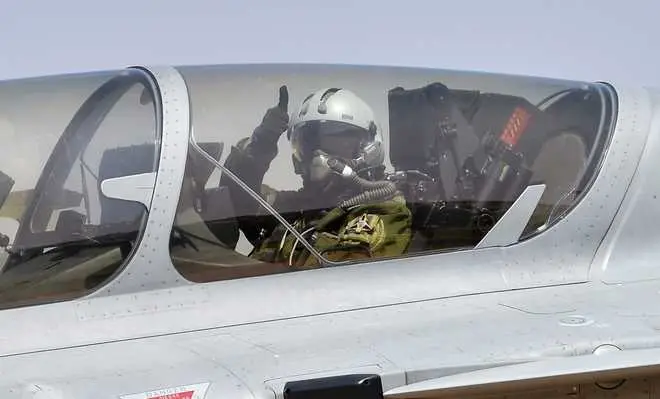
Fighter jet pilots are known for precision flying, G-force endurance and split-second decisions. Yet behind the glamour and noise, strict and sometimes surprising rules govern every sortie. Beyond the roar of afterburners, these regulations keep pilots safe, protect aircraft worth hundreds of crores and ensure missions succeed against all odds. Here are seven of the most unusual and little-known regulations they must follow.
No Beards, With Few Exceptions
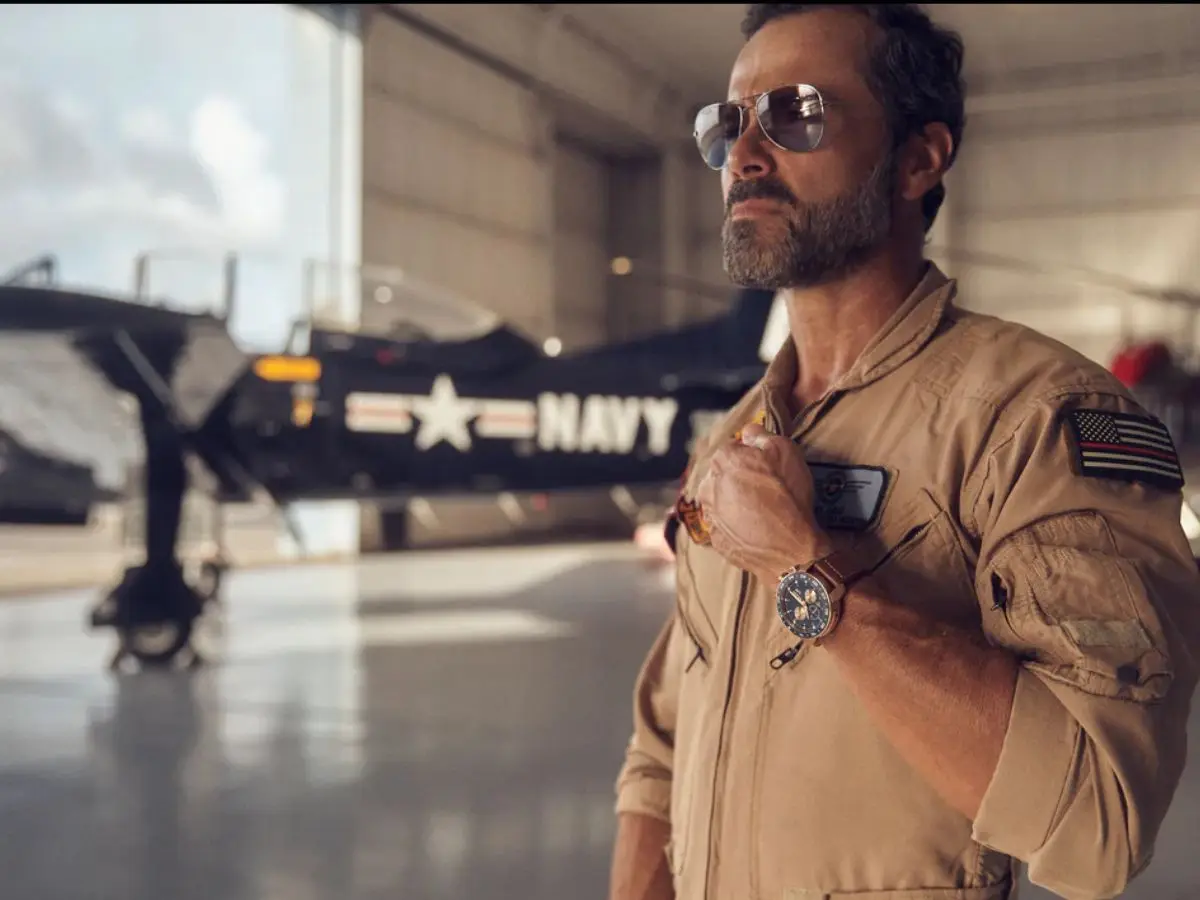
Most air forces, including the Indian Air Force, prohibit beards for operational pilots. The reason isn’t tradition but safety: facial hair can prevent the oxygen mask from sealing properly, risking hypoxia at altitude. Exceptions apply for religious or medical reasons, but even then, special testing must confirm mask effectiveness.
Assigned Call Signs Only
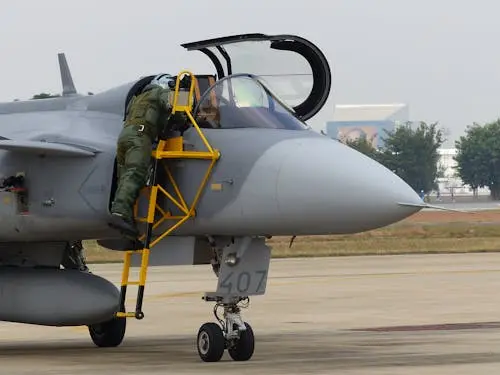
Pilots cannot choose their call signs. These are given by squadron peers, often inspired by mistakes, quirks, or humour. Refusing a call sign or complaining almost guarantees it sticks for good. It’s an unofficial tradition but widely respected, shaping identity within the squadron.
Dumping Fuel Before Emergency Landings
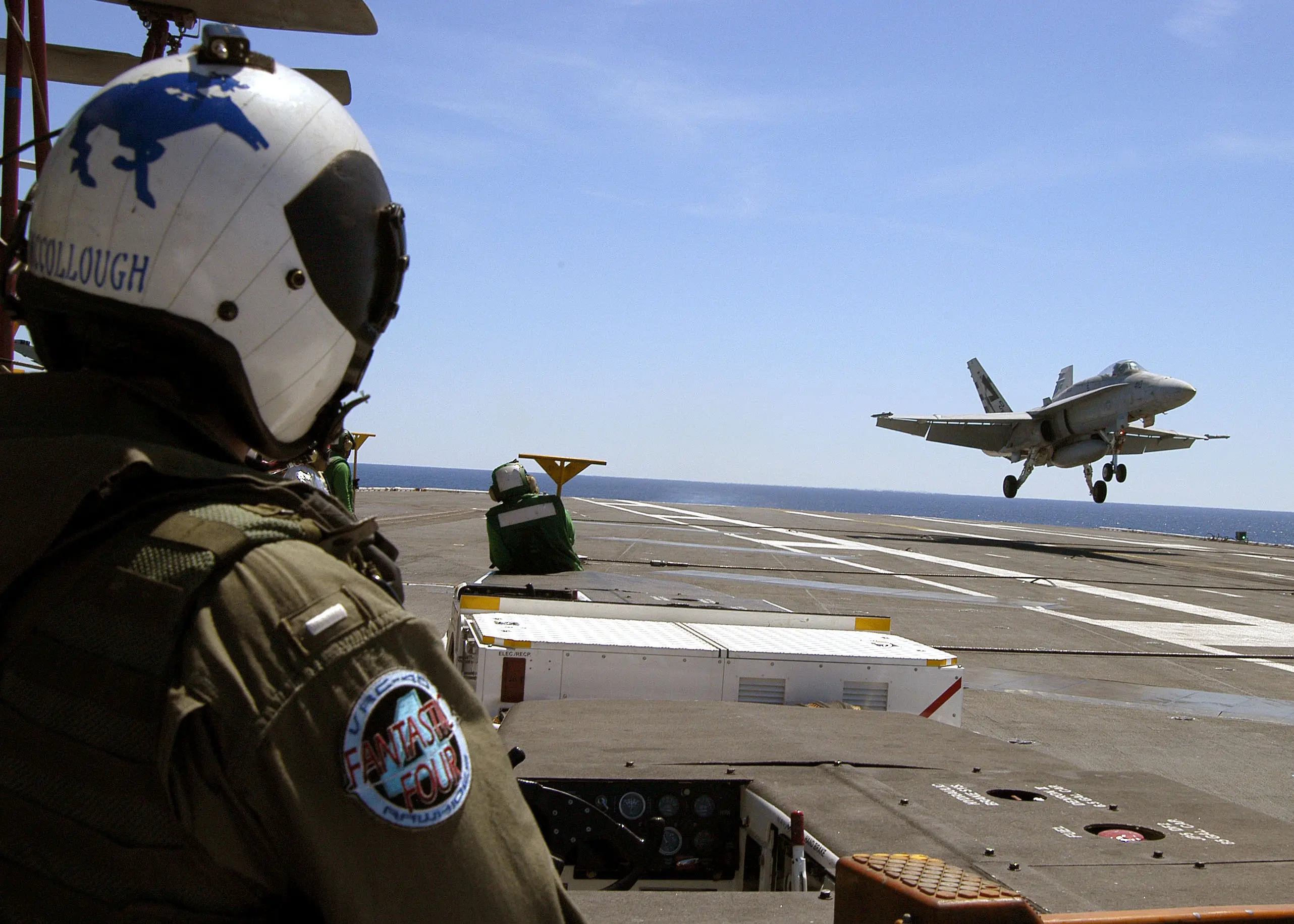
Carrier-based pilots sometimes dump fuel before recovery. IAF jets like the Su-30MKI and MiG-29 also can dump fuel if forced to land soon after take-off with full tanks. Fuel dumping reduces weight, ensuring safer arrested landings and less stress on the carrier’s arrestor gear. It also lowers fire risk in case of a hard landing.
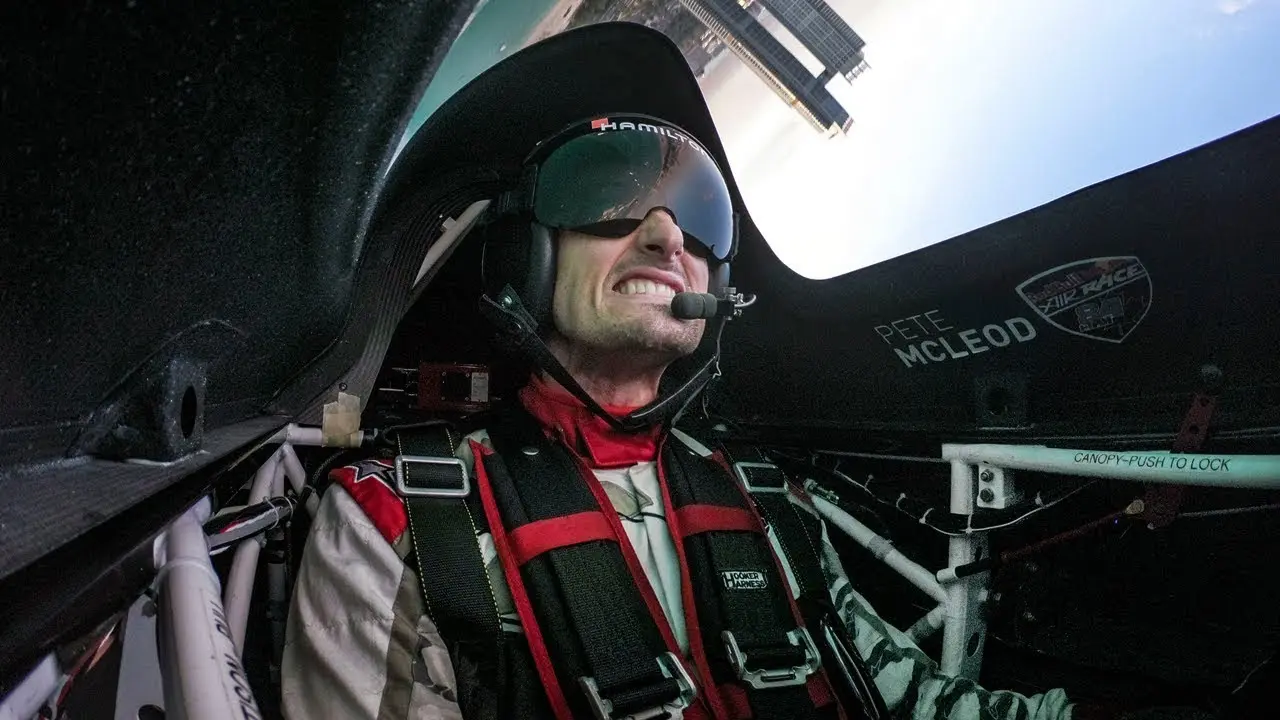
No asthma or severe allergies
Potential fighter pilots must not have had asthma after age 12. Hay fever and severe allergies are also disqualifiers, as sneezing or wheezing at altitude can be life-threatening.
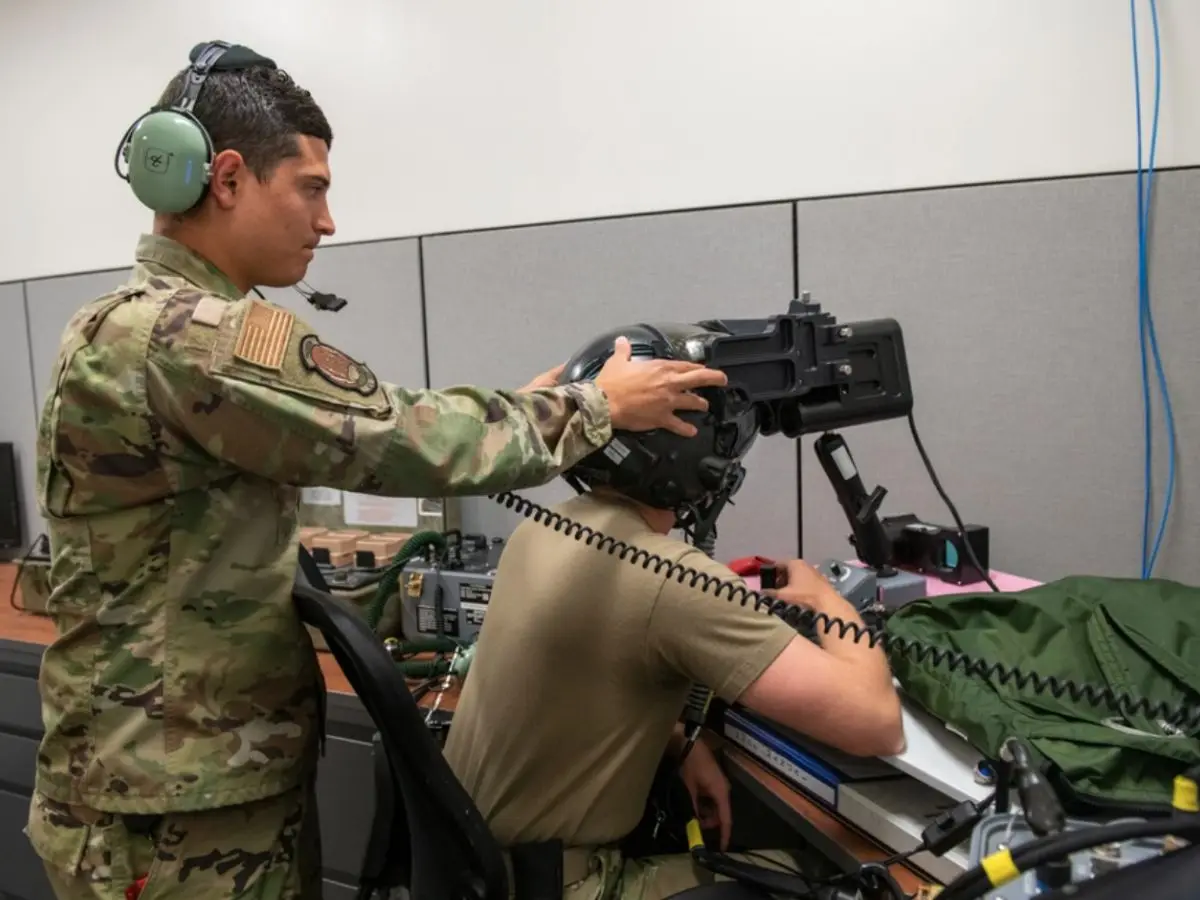
Eyesight must be near perfect
Flying a fighter jet is a young person’s game at first entry, and excellent eyesight is critical. The IAF requires uncorrected vision around 6/6 to 6/9 and limits on astigmatism or refractive error. Even mild colour blindness or night blindness can disqualify a candidate.
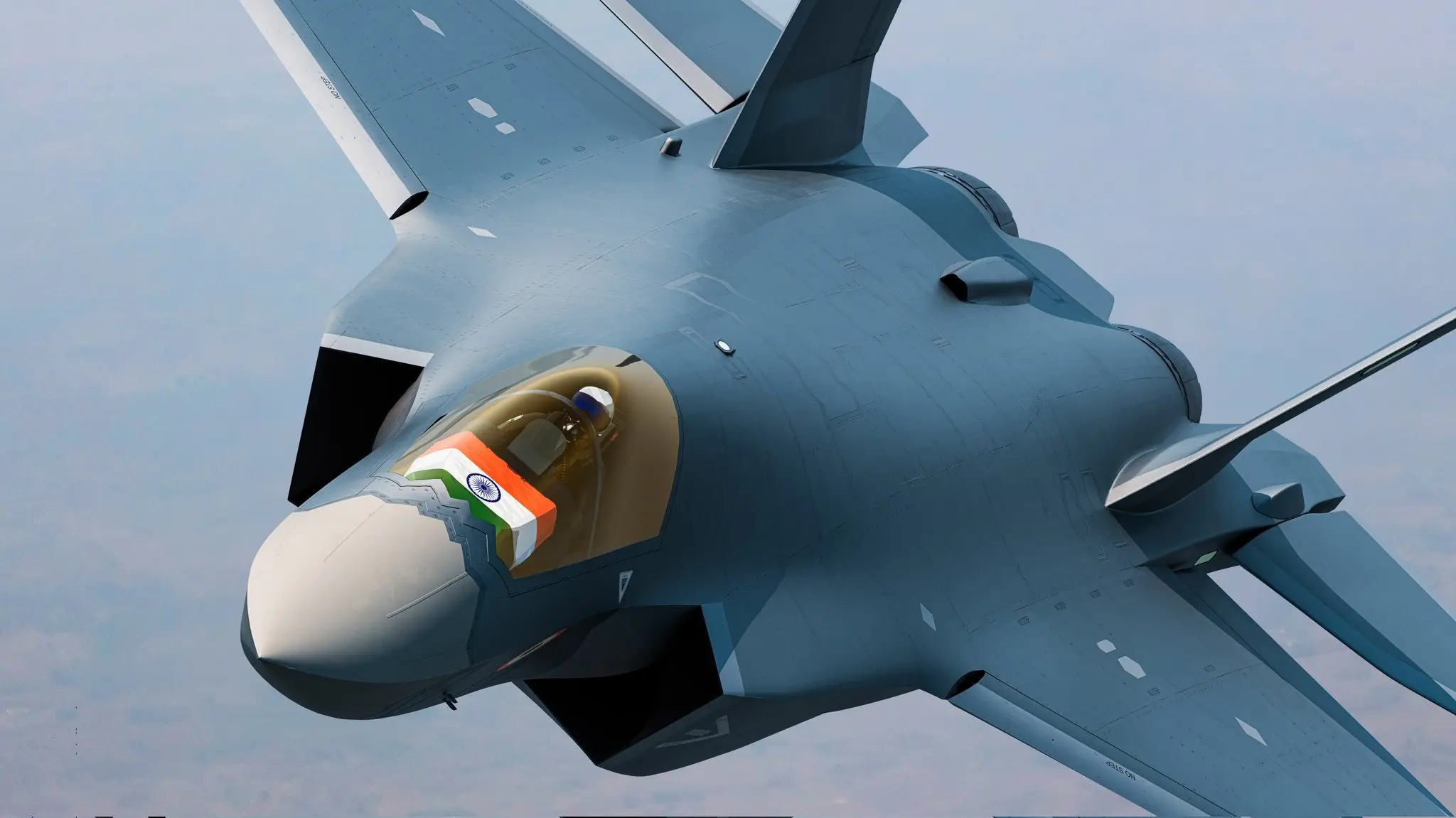
Keep the sun behind you
A basic rule is that always manoeuvre with the sun behind. It blinds opponents, makes tracking harder and keeps you harder to spot. Flying directly into the sun at altitude isn’t practical for the eyes either.
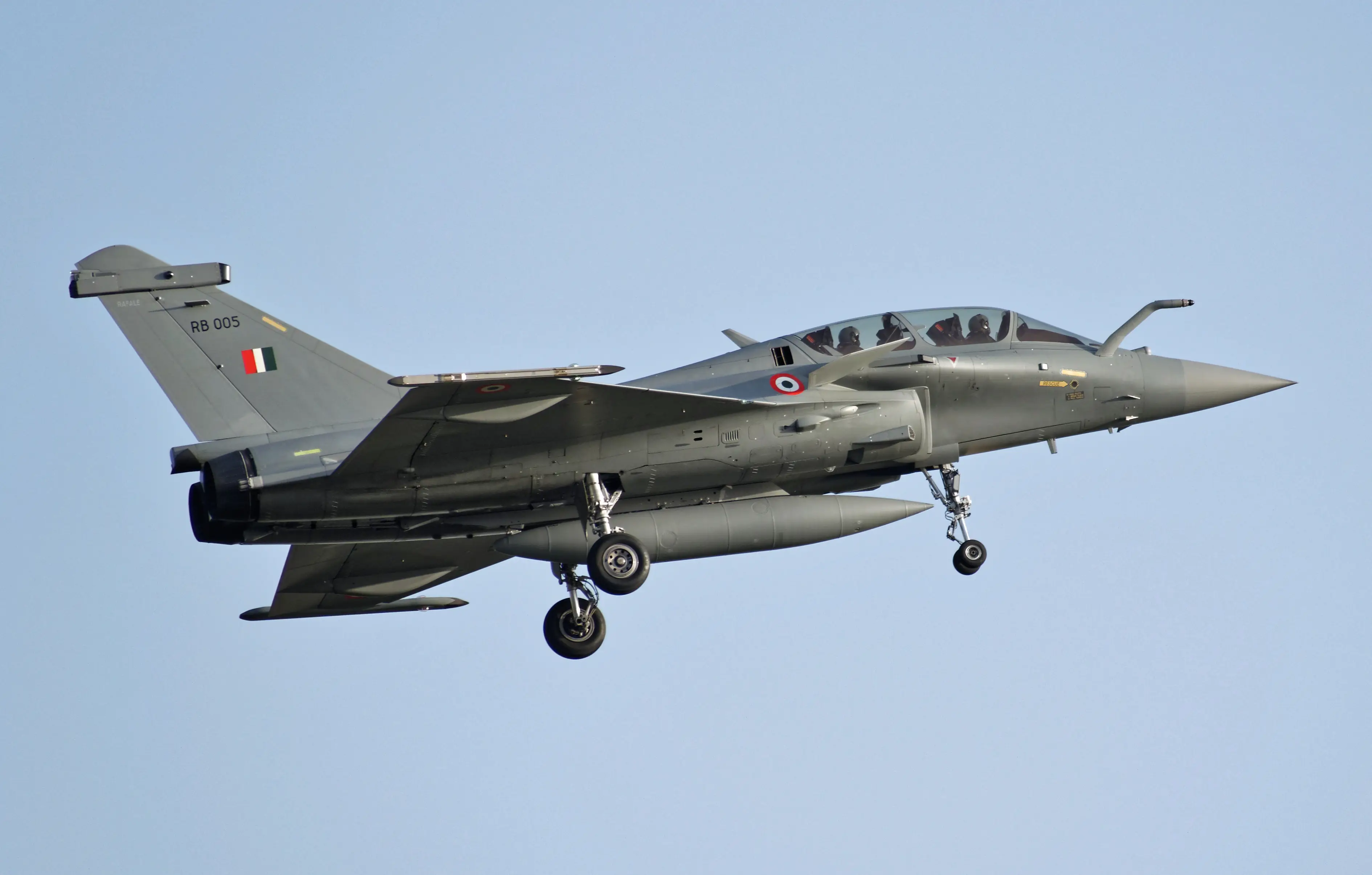
Forbidden to 'Buzz the Tower'
Despite cinematic fame, low passes over control towers or populated areas without authorisation are strictly prohibited. Such stunts can damage hearing on the ground, stress airframes and lead to immediate disciplinary action or grounding.
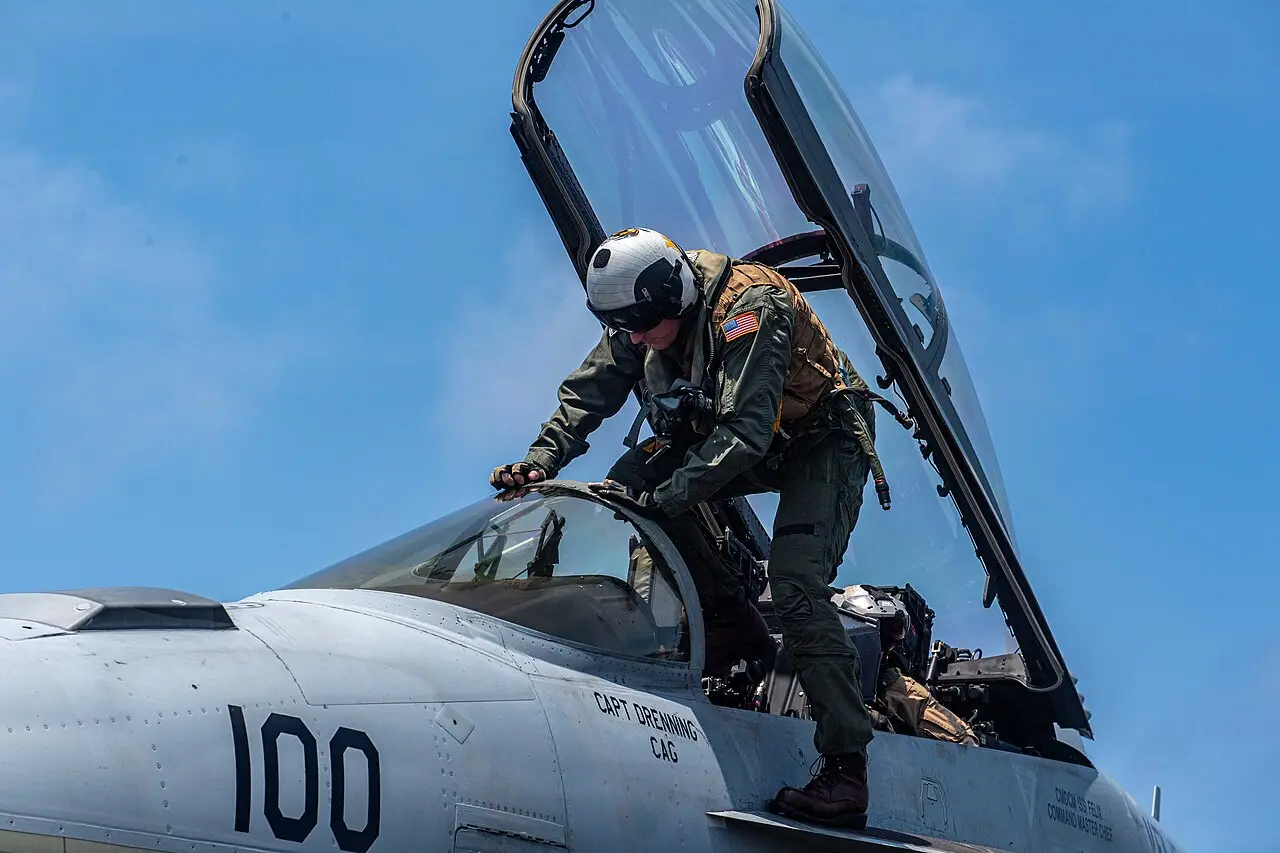
Low-Level Flying Is Highly Restricted
Though fighter jets are capable of flying mere metres above the ground, low-level flight requires dedicated training areas, weather criteria and prior clearance. Violating altitude limits endangers civilians and can destroy expensive aircraft with a single bird strike.
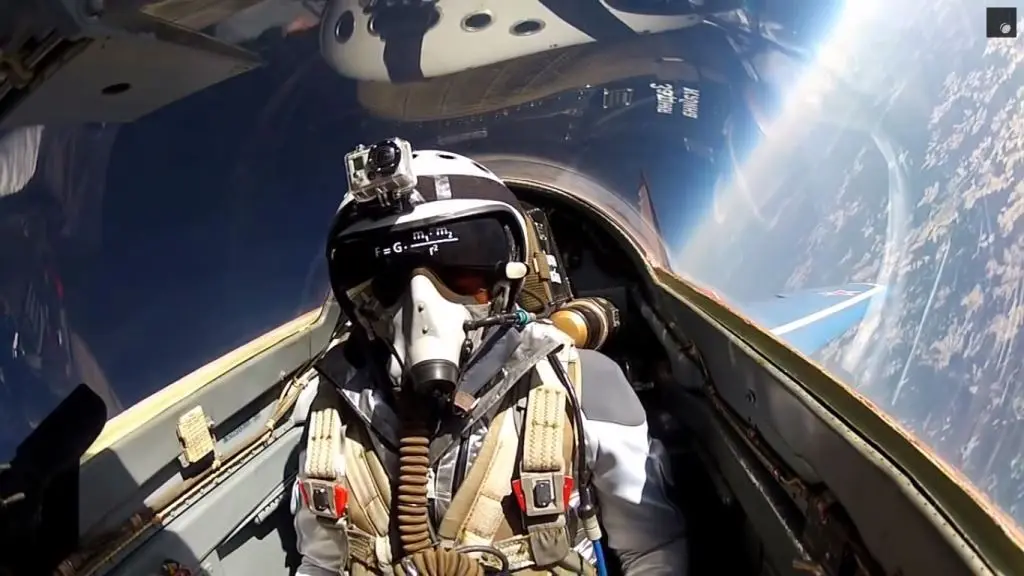
Strict Helmet Protocol
Helmets may never be left on dashboards or glare shields. Even when engines are off, this prevents potential damage to sensitive avionics or obstructing instrument visibility. The rule is enforced during ground checks and after landing. These rules may sound strict, but each has emerged from decades of hard lessons and operational necessity. Beyond speed and agility, fighter pilots rely on discipline and adherence to detail , sometimes in the most unexpected ways.
)
)
)
)
)