From Nintendo Game Boy to Atari Lynx: Inside France's vast video game archive


Glass and steel structure
The 1990s glass and steel structure, a short hop from the banks of the River Seine, houses room upon room of archived books, where researchers and students quietly go about their business.
20,000 titles
The treasured collection now holds some 20,000 titles in all possible formats, from cartridges to diskettes and CD-ROM, and adds a further 2,000 samples each year.
Empowered by a 1992 law
A team of 20 looks after the collection, empowered by a 1992 law on the preservation of multimedia documents.
While the law did not mention video games specifically, its wording is wide enough to be interpreted that way, making it one of the oldest pieces of legislation of its kind anywhere in the world.
Many other initiatives led by enthusiasts
The US Library of Congress only began its efforts to preserve digital media in 2000, and there are many other initiatives led by enthusiasts across the world.
Darkened shelves
The video games are stored on darkened shelves at a constant temperature of 19 degrees to protect them from humidity.
Enviable collection of vintage gaming consoles
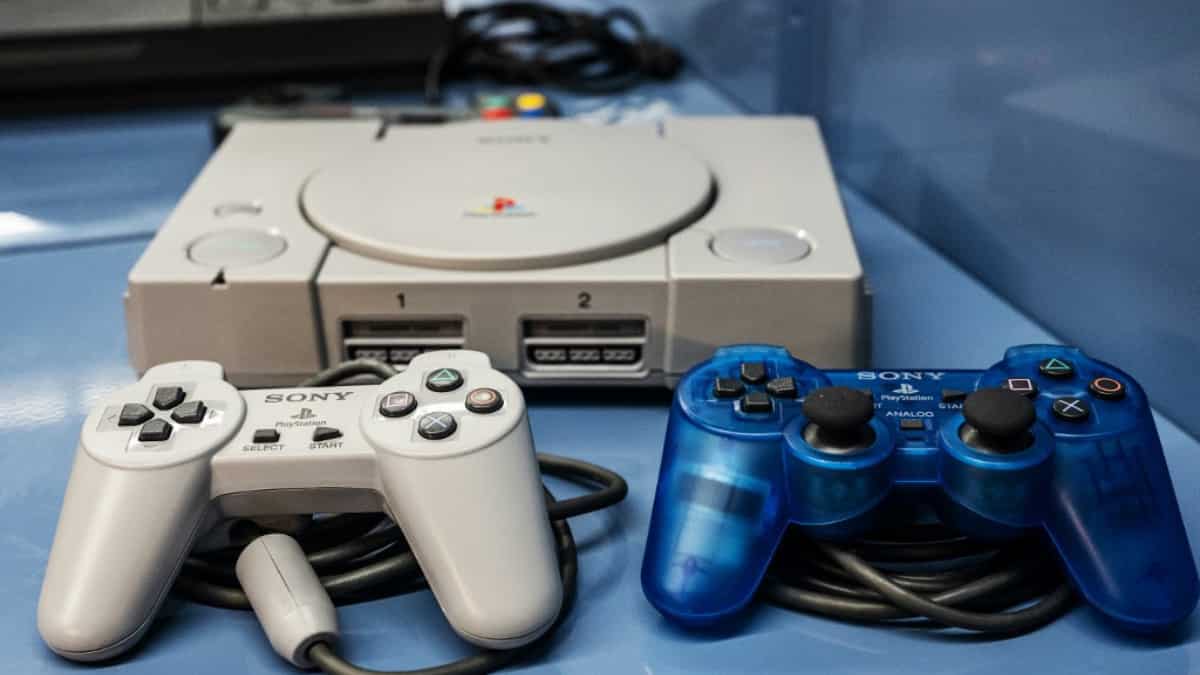
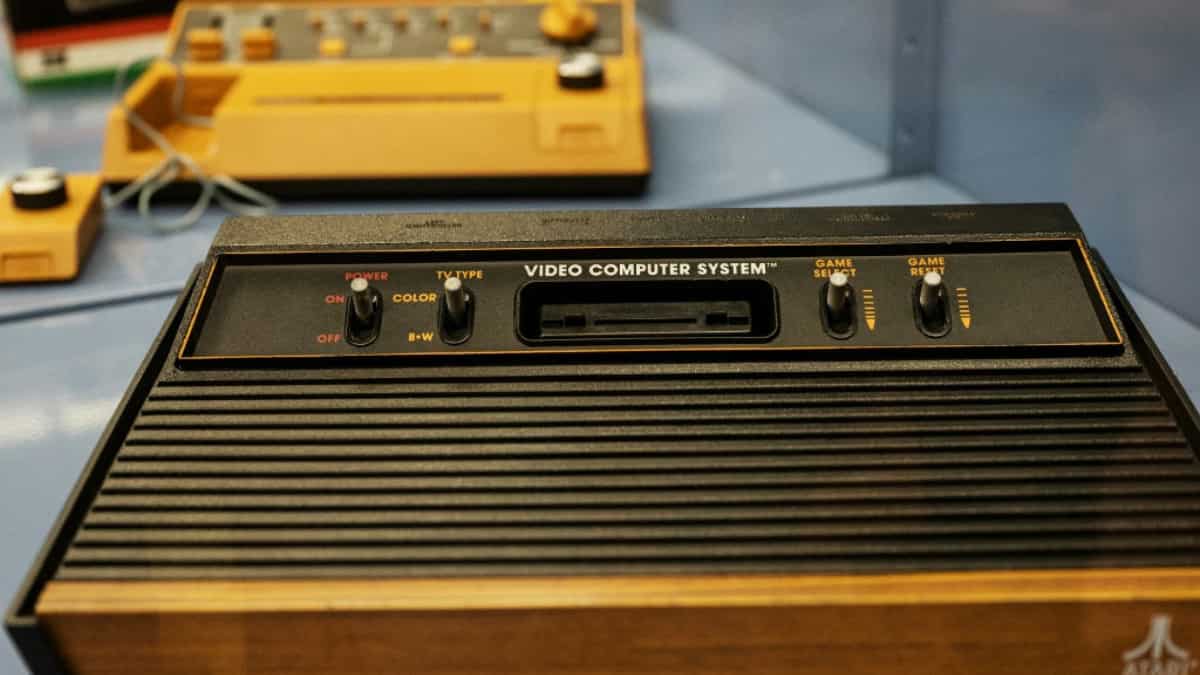
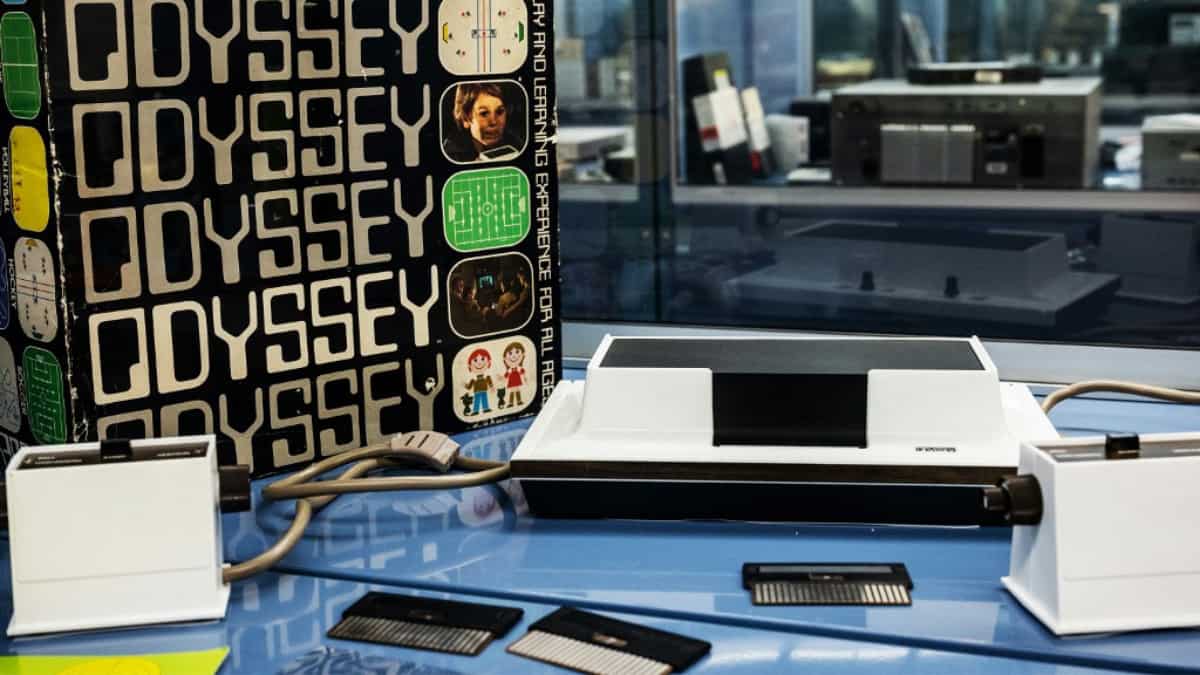
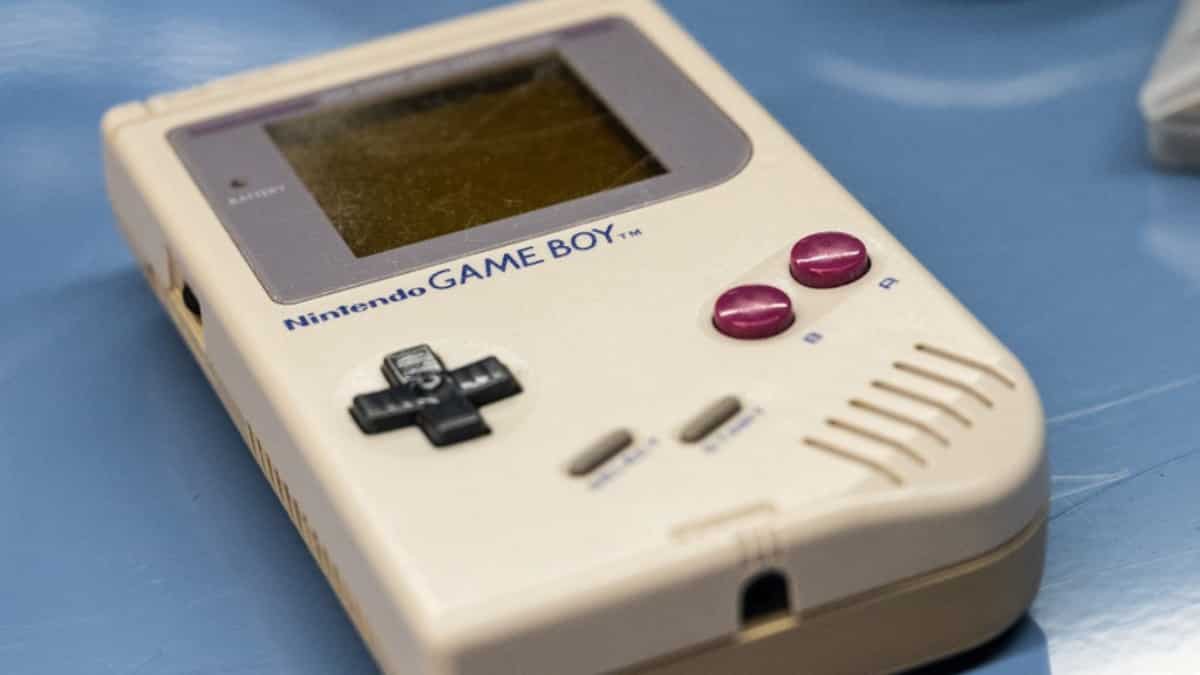
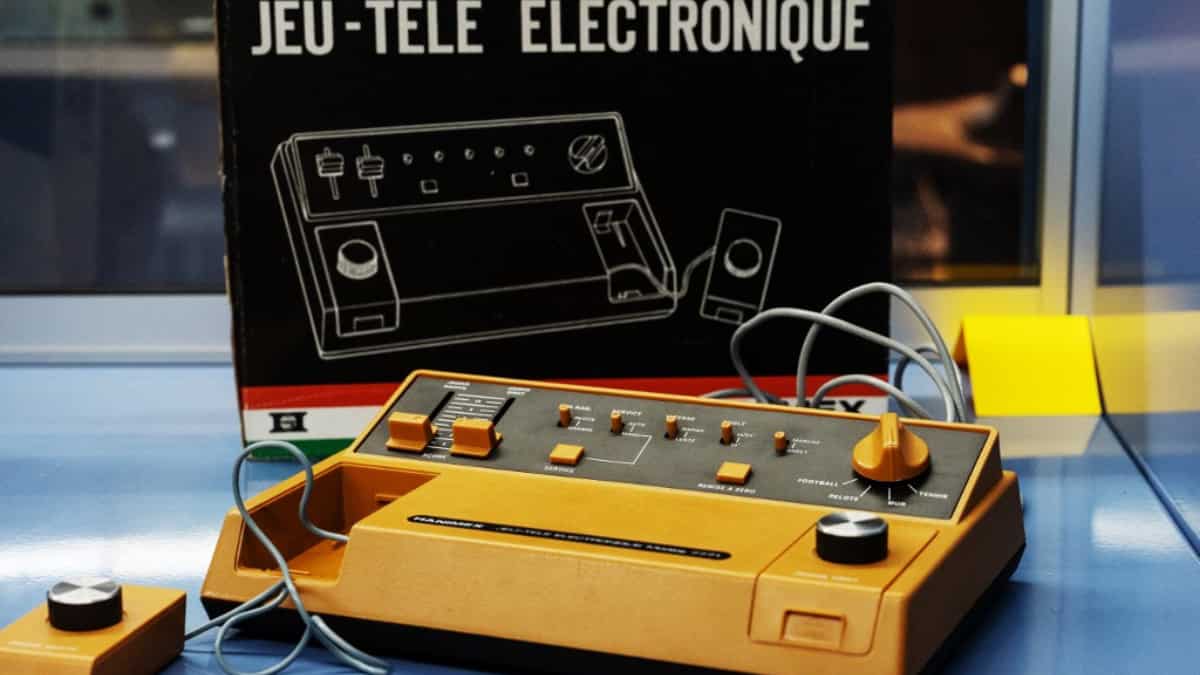
A few floors above, there is also an enviable collection of vintage gaming consoles, from the earliest examples such as the rare Magnavox Odyssey from the early 1970s, to the Atari Lynx and Sega Saturn, all the way to the Nintendo Game Boy, the ultimate 1990s icon.
Longer found in physical form
While the consoles and physical games can be stored on shelves and behind glass, there are huge challenges with many games that can no longer be found in physical form.
For these, the library relies on communities of enthusiasts who re-create old games on modern computers.
Largest collection in the world
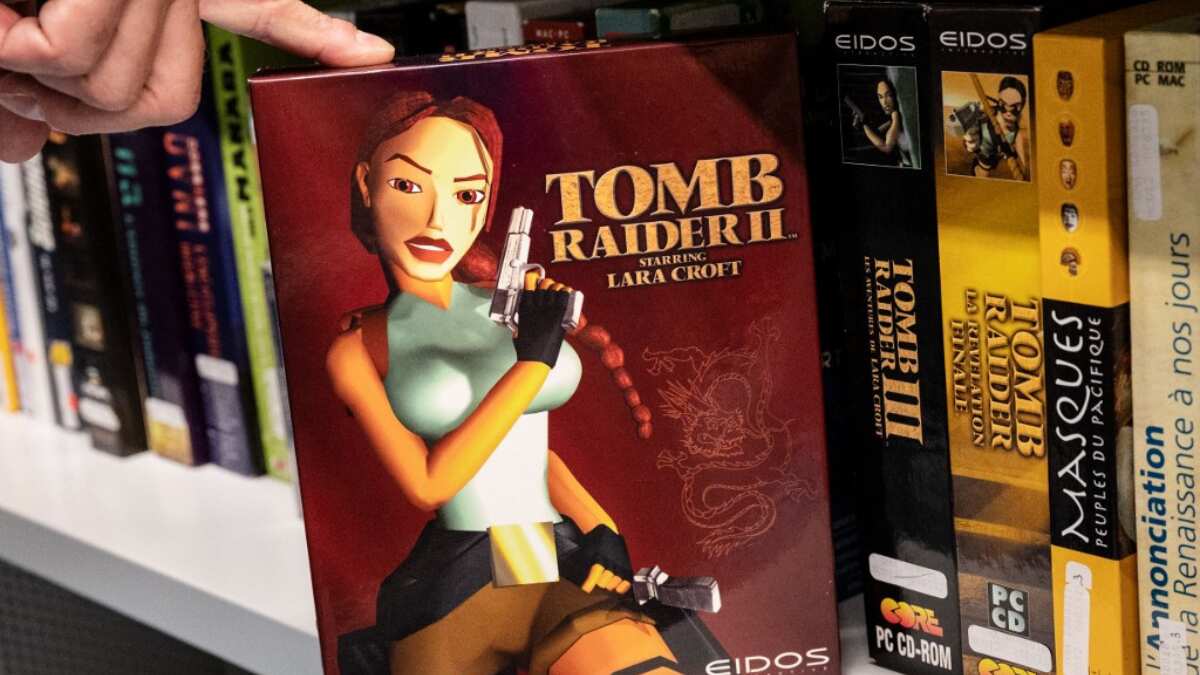
In the bowels of an imposing modernist tower in Paris, Laurent Duplouy carefully handles a pristine copy of "Tomb Raider" before slotting it back on the shelf alongside thousands of other classic video games.
Duplouy said the library was locked in negotiations with publishers and platforms to find a workaround.
Ultimately, he said, the ambition is to hold the largest collection in the world.
)
)
)
)
)