Top 7 rivers that serve as lifelines for millions around world: Check the list inside

Rivers on Earth act as a pulse as they drive economies and sustain cultures, proving that where water flows, life and civilisation thrive. From the Nile to the Amazon and Ganga, these are 7 major rivers that work as lifelines providing water, food, and power to billions.
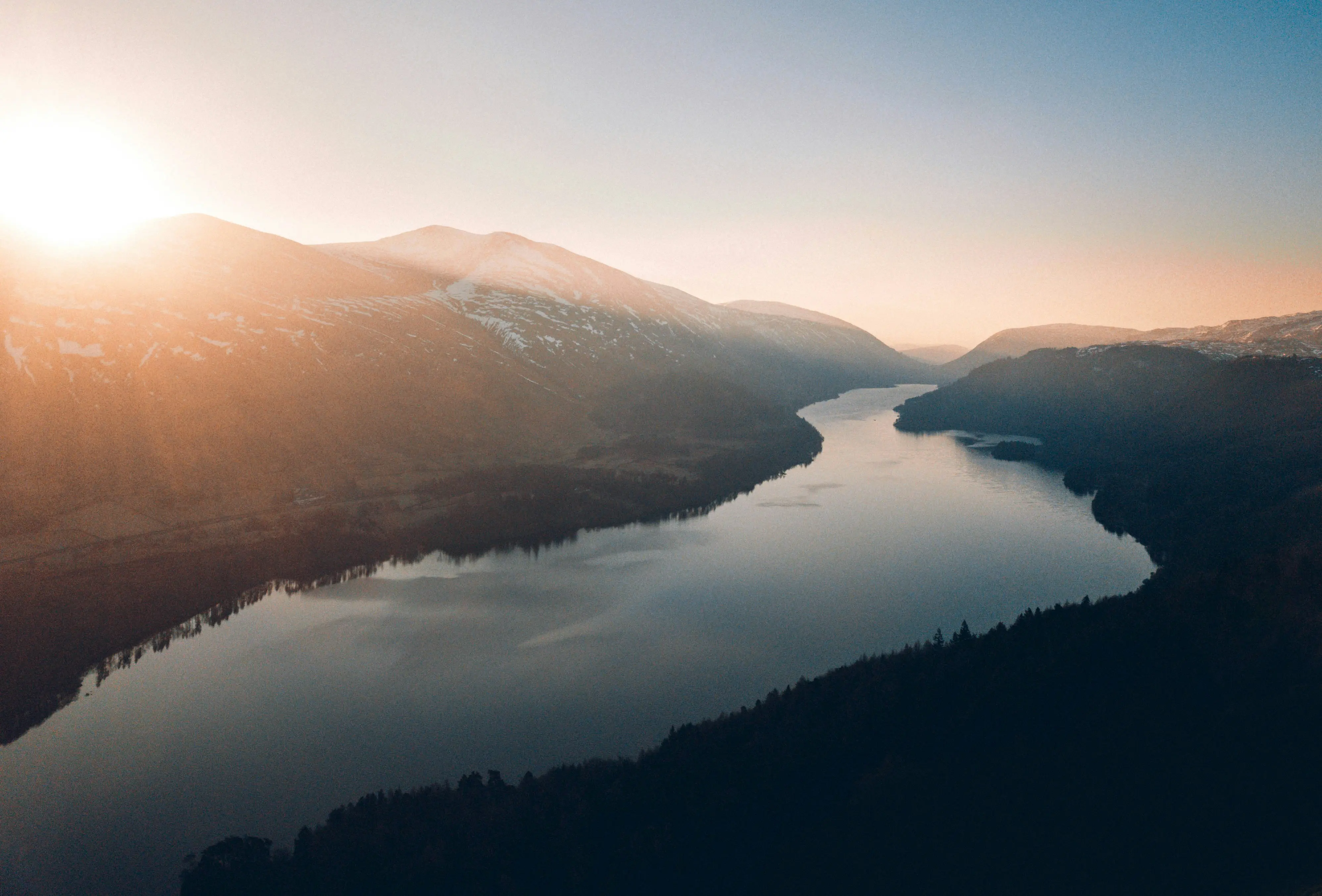
The Nile (Africa)
The Nile is the primary survival source for nearly 250 million people as it flows over 6,650 km through eleven countries. In Egypt and Sudan, it is the only reliable water source for agriculture and drinking. Its annual silt deposits created the fertile soil that birthed ancient civilisations. Today, it remains an economic powerhouse, supporting massive irrigation projects and the growing hydroelectric needs of East Africa.
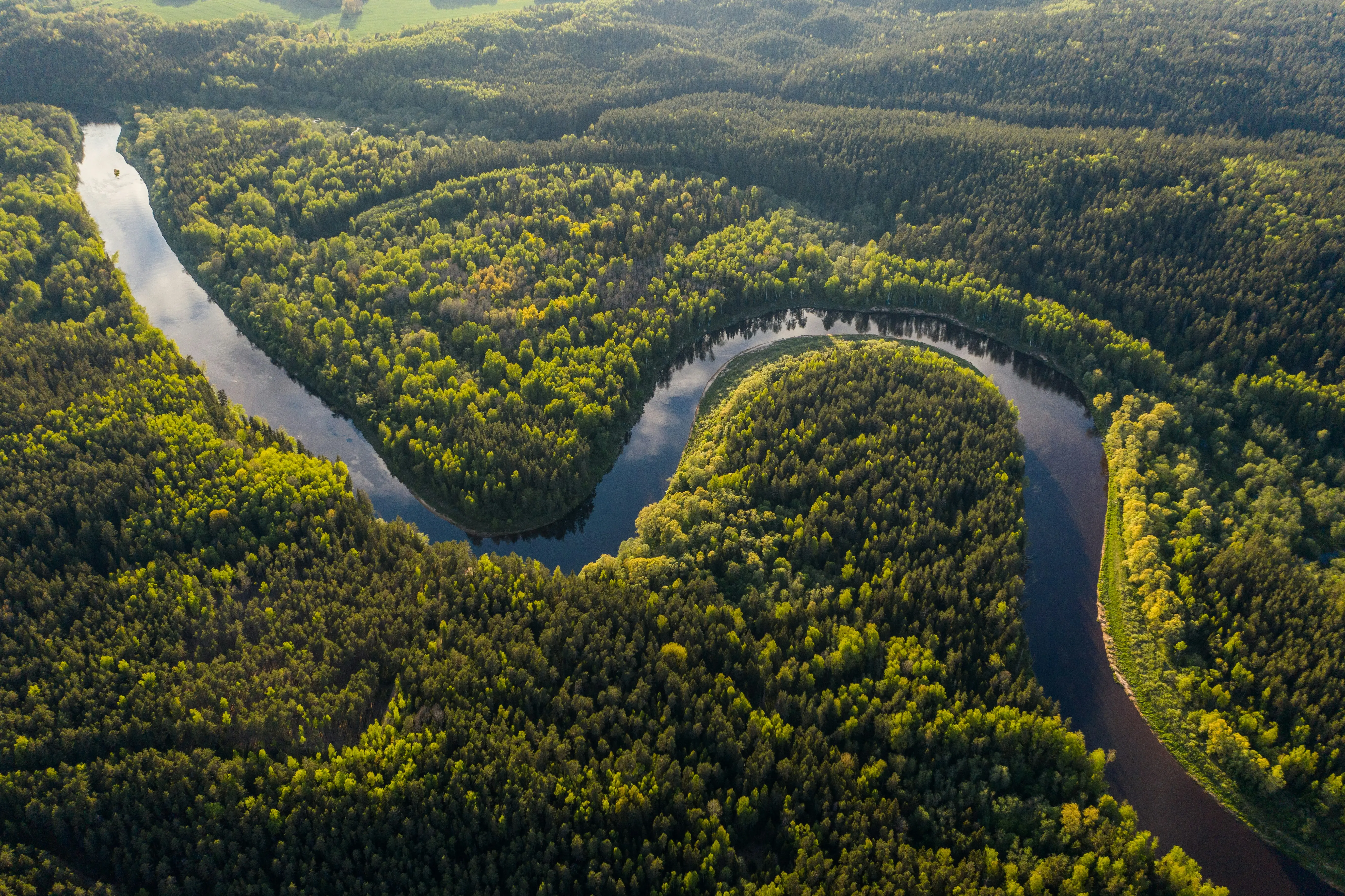
The Amazon (South America)
Holding 20 per cent of the liquid freshwater of the world, the Amazon play a vital role for 42 million people, including over 500 Indigenous groups. While it serves as a massive transport highway through dense rainforests, its “flying rivers”, water vapour released into the atmosphere, regulate rainfall across South America. It sustains the planet's highest biodiversity, providing traditional medicines and food security for the entire continent.
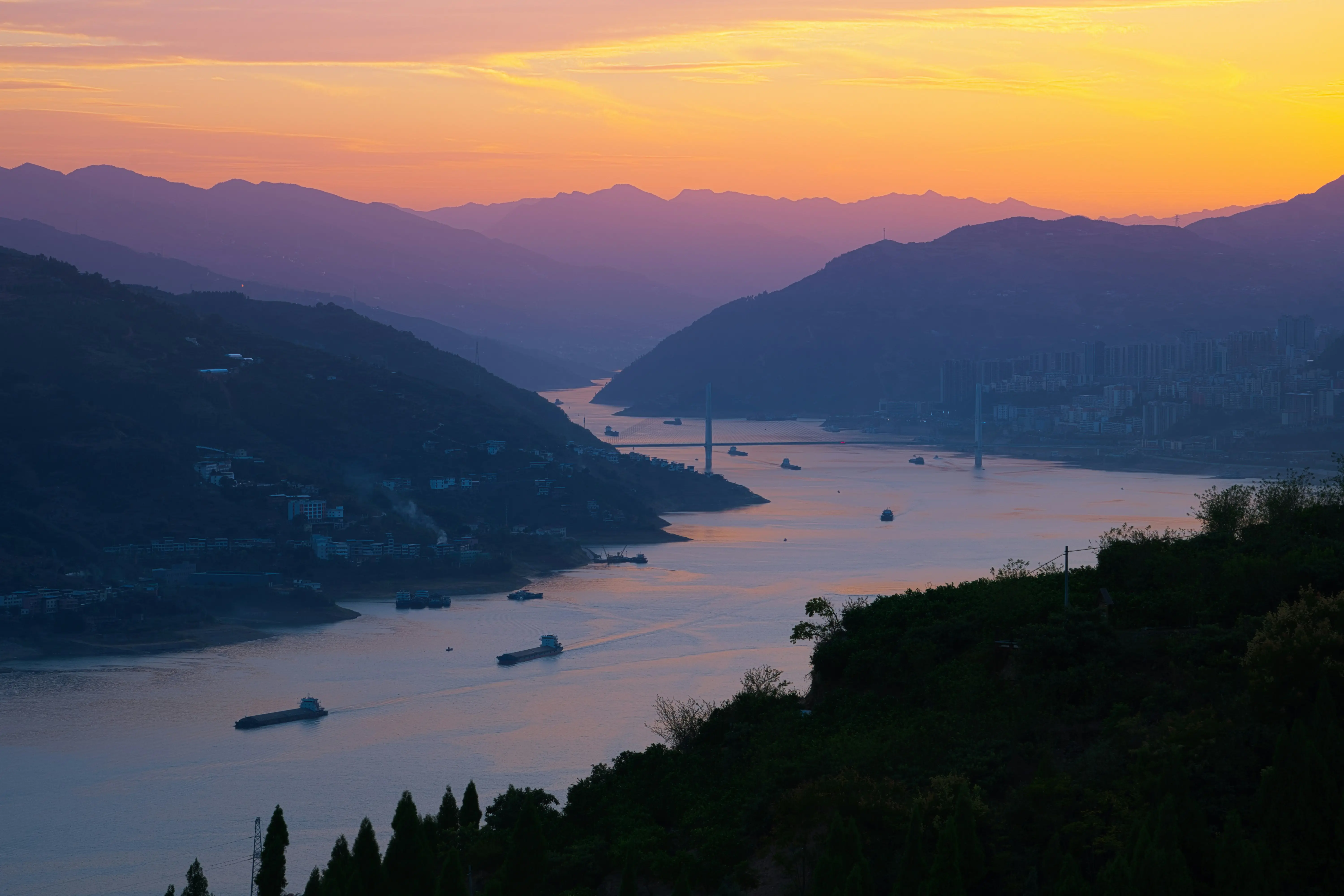
The Yangtze (Asia)
As Asia’s longest river, the Yangtze supports nearly one-third of China’s population (approx. 450 million people). Known as "China's Great Granary," its basin produces half of the country's grain and rice. The river is the backbone of Chinese industry, hosting the Three Gorges Dam, the world’s largest power station. It connects inland industrial hubs to the global market via the busy port of Shanghai.

The Ganges (Asia)
The "Ganga" is a spiritual and physical lifeline for over 500 million people in India and Bangladesh. It drains 26% of India's landmass, providing water for the world's most densely populated agricultural plains. Beyond its role in irrigation and industry, it holds immense religious significance for Hindus. The fertile Sunderbans delta, where it meets the sea, is a global hub for fishing and biodiversity.
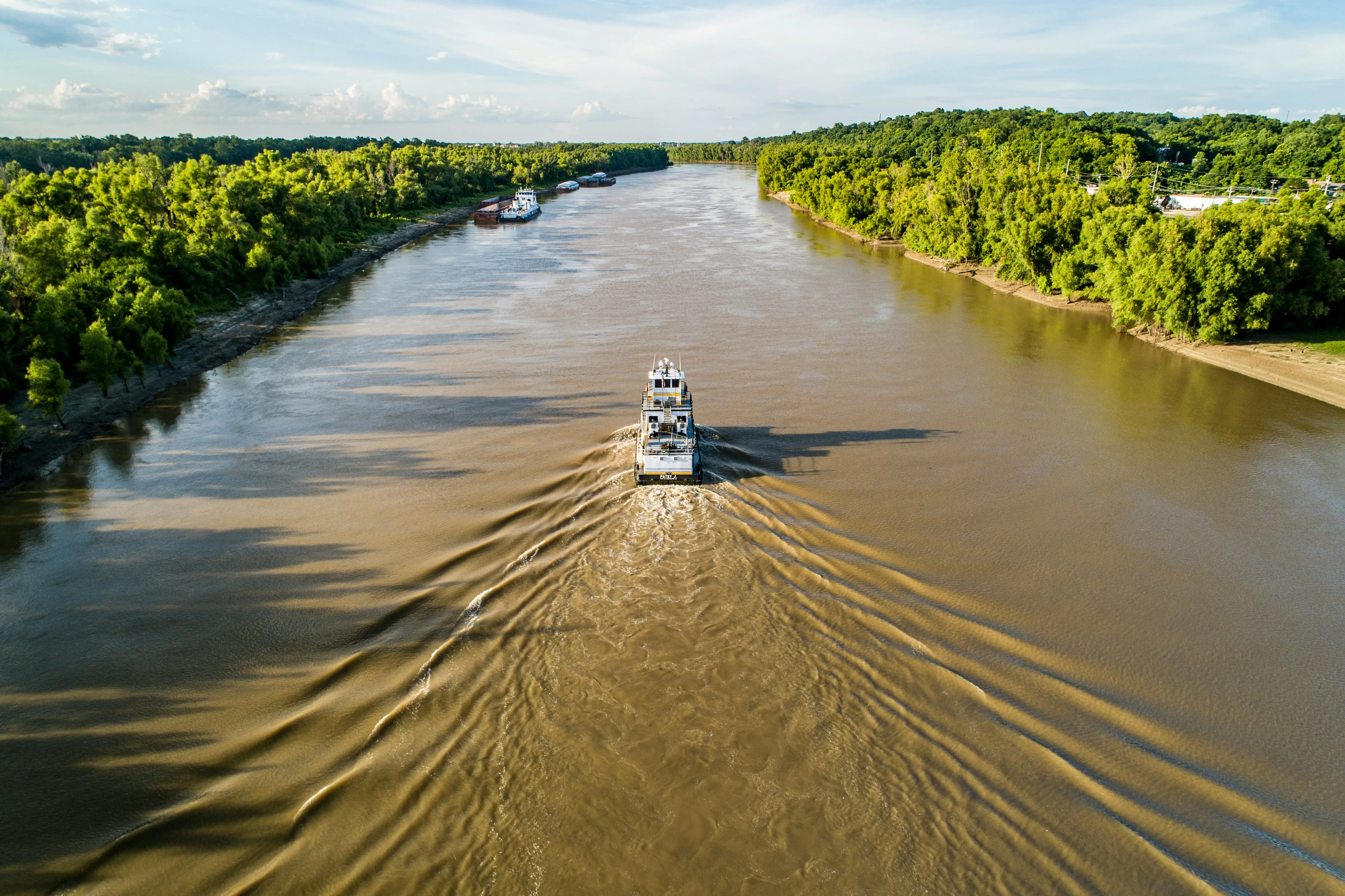
The Mississippi (North America)
The Mississippi River system drains parts of 31 US states and is the heartbeat of American agriculture. It provides drinking water to 18 million people and serves as a massive commercial artery, transporting 60 per cent of the country's grain exports. Its vast watershed supports a multi-billion dollar recreation industry and acts as a critical migration corridor for 60 per cent of North America’s bird species.
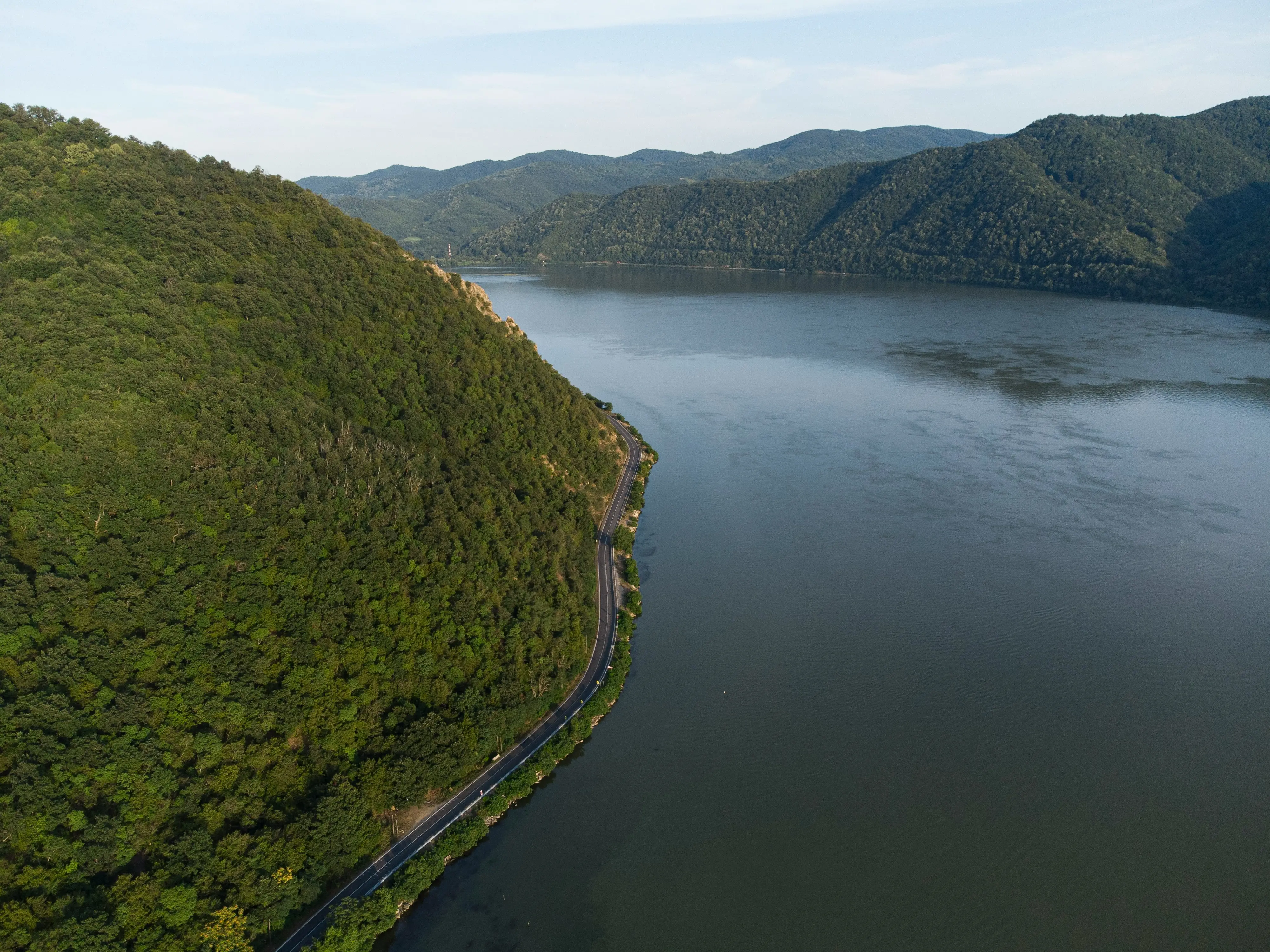
The Danube (Europe)
The Danube is Europe's most important international waterway as it flows through 10 countries and four capital cities. Its basin supports 83 million people, providing a vital link for trade between Central Europe and the Black Sea. It is essential for drinking water, hydroelectric power, and industrial cooling. International agreements ensure it remains a shared environmental resource, balancing economic shipping with strictly protected wetland conservation.
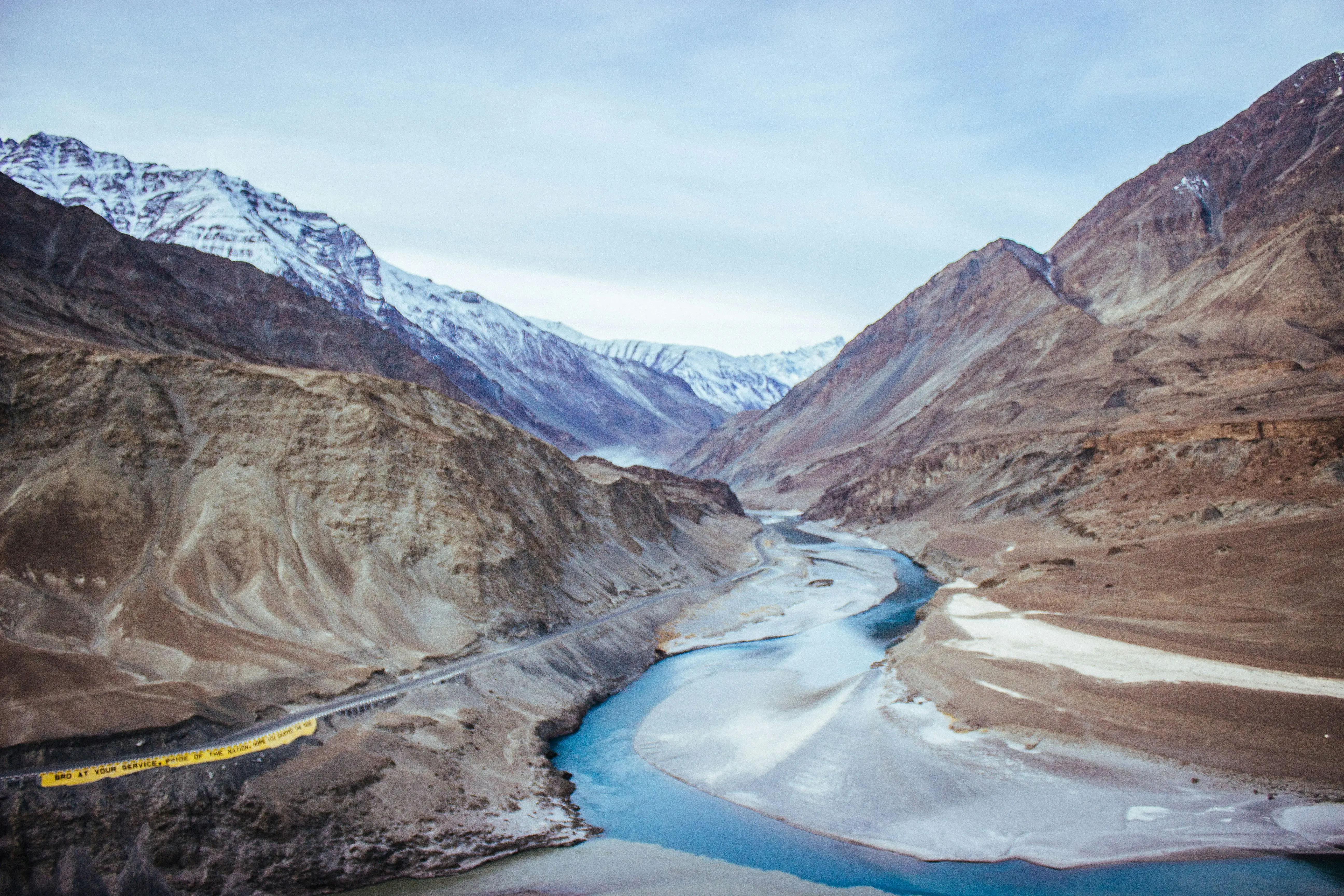
Indus River (Asia)
The Indus River originates in the Tibetan Plateau and flows through India and Pakistan before reaching the Arabian Sea. It is the backbone of Pakistan’s agriculture, providing water to one of the world’s largest irrigation systems. Millions of farmers depend on the river for crop production, especially wheat and cotton. The Indus Valley has supported human settlements for thousands of years and remains crucial for regional food security.
)
)
)
)
)