From Nepal’s revolt to Charlie Kirk’s death: Is Gen Z the most socially chaotic generation in 100 years

While government buildings and actual people were being burnt alive in Nepal, few Gen Z protestors were also seen filming dance videos using the chaos as a background.
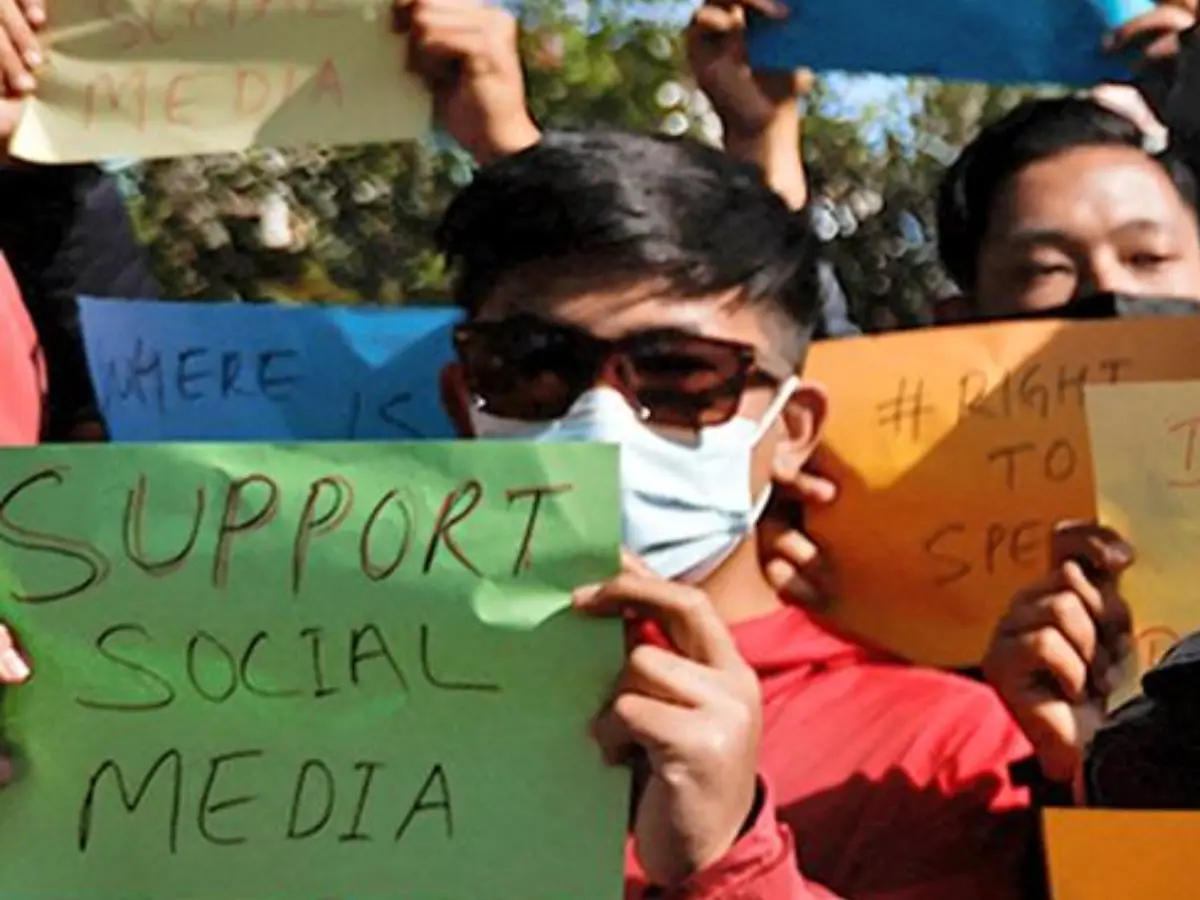
Impulsive, reactive behaviour dominates
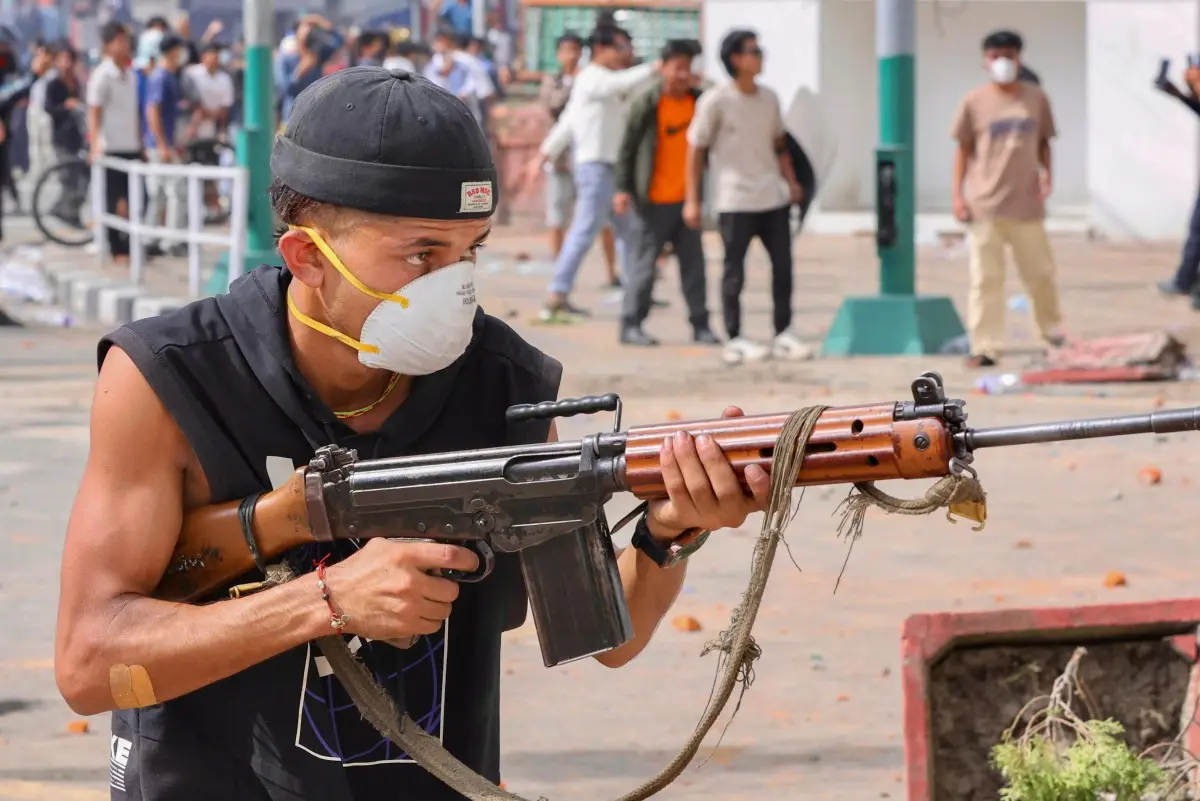
Recent events from the September 2025 Nepal Gen Z revolution over social media bans to incidents like Charlie Kirk’s shooting in the US show a generation acting on emotion rather than reason. In Nepal, thousands of youth flooded the streets to defend Instagram and TikTok, even as youth unemployment hovered around 20.8 per cent, showing little attention to structural economic problems.
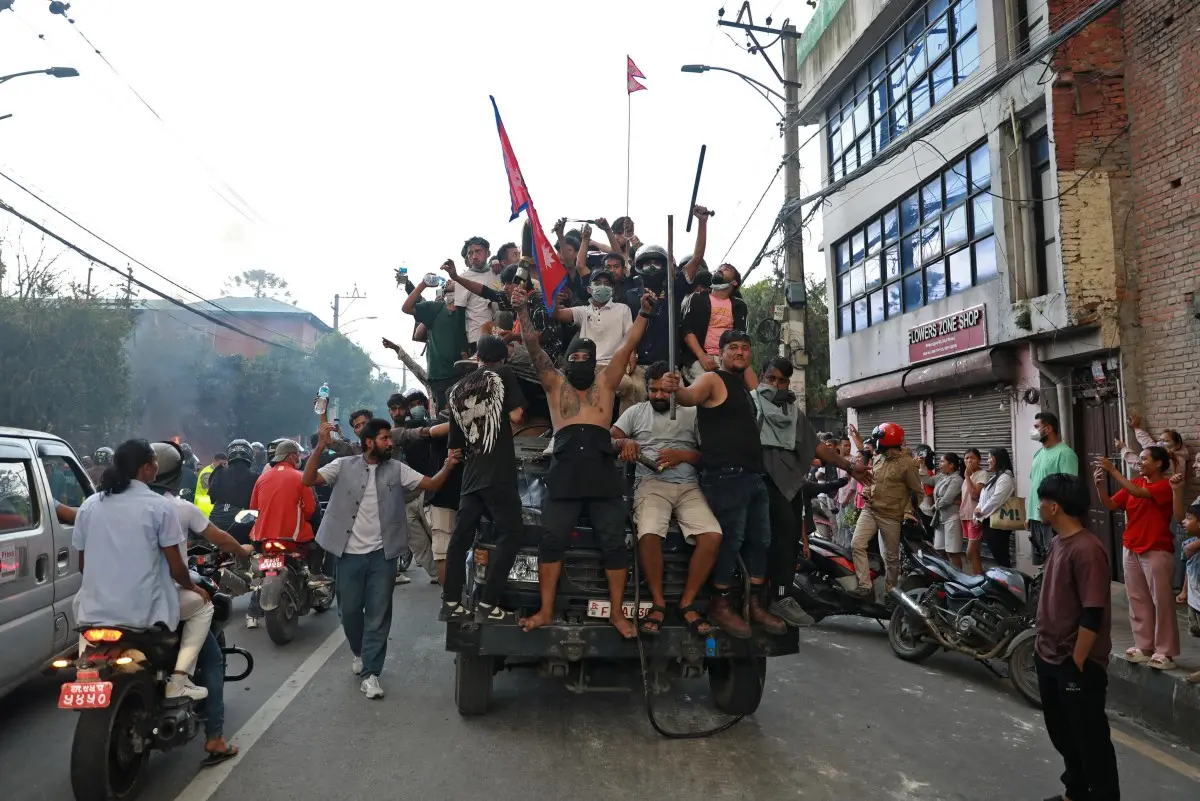
Social media obsession fuels reckless action
Critics say Gen Z’s life revolves around digital validation. Instagram, TikTok, and X are not just communication tools, they are identity, livelihood, and social status. In Nepal, young people risked lives, clashing violently with security forces, all to protect apps, while ignoring the pressing realities of income, career, or education. While government buildings and actual people were being burnt alive, few protestors were also seen filming dance videos in the chaos.
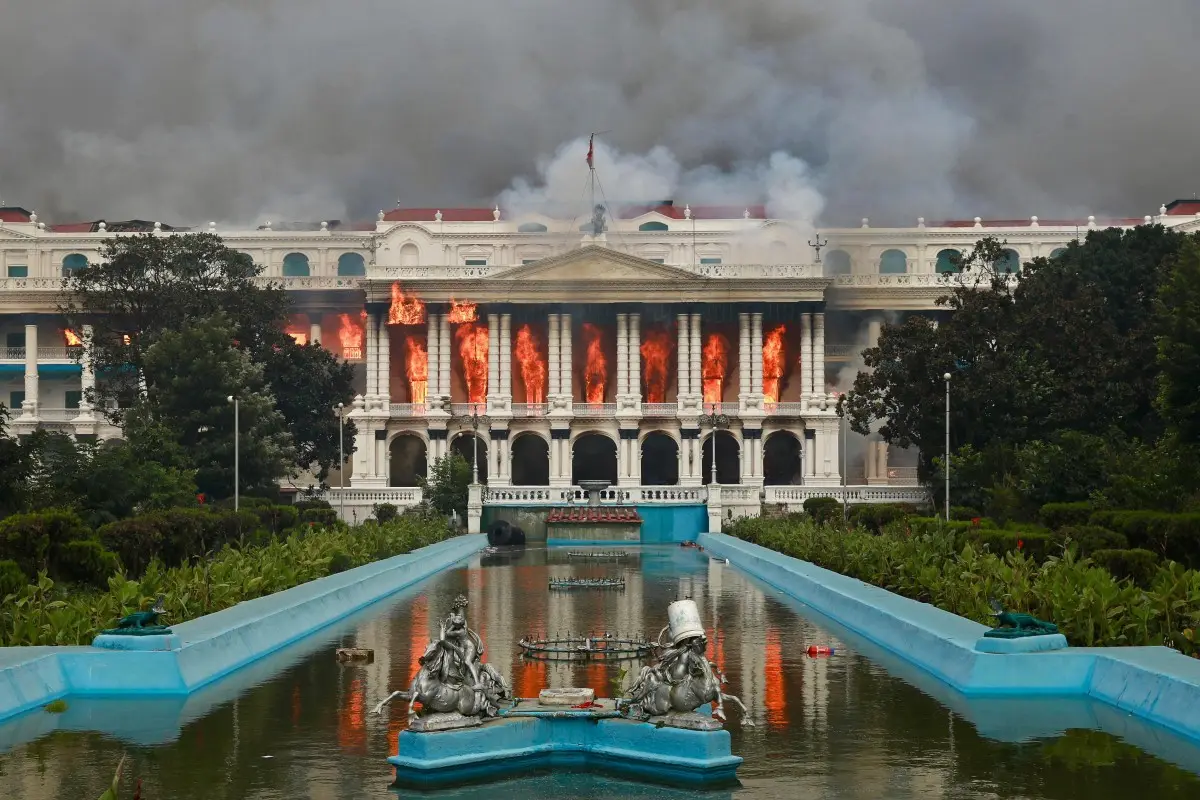
Mass protests with minimal foresight
The Nepal protests left at least 19 dead and hundreds injured. Streets of Kathmandu became chaotic as youth rallied against government regulation of foreign platforms. Despite this, the underlying issues of unemployment, economic stagnation, and limited domestic opportunities were untouched. The focus was instant gratification over long-term societal gain.
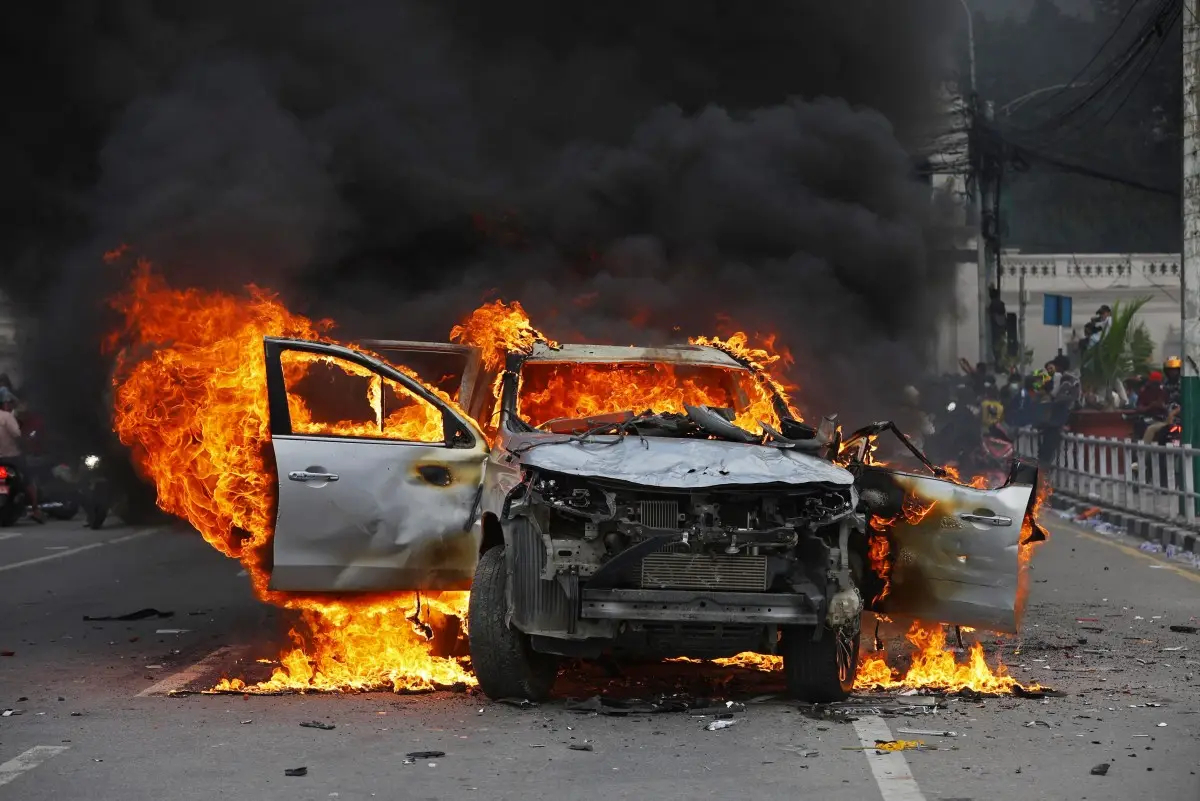
Self-centred activism and selective outrage
Gen Z tends to pick battles that affect them directly or appear “trendy” online. In Nepal, a social media ban triggered riots, but the lack of protest over structural economic reforms illustrates a generation prioritising personal convenience and digital freedom over collective welfare.
Fragile attention to real-world crises
Global Gen Z shows a pattern of reacting to surface-level issues while ignoring long-term threats:
In the US, campus shootings and protests often reflect impulsive reactions rather than strategic solutions.
In Nepal, economic reforms, infrastructure, and employment were ignored while the youth focused on protecting platforms.
Their attention span is short, their outrage loud, but the follow-through for meaningful change is weak.
Global disruption pattern
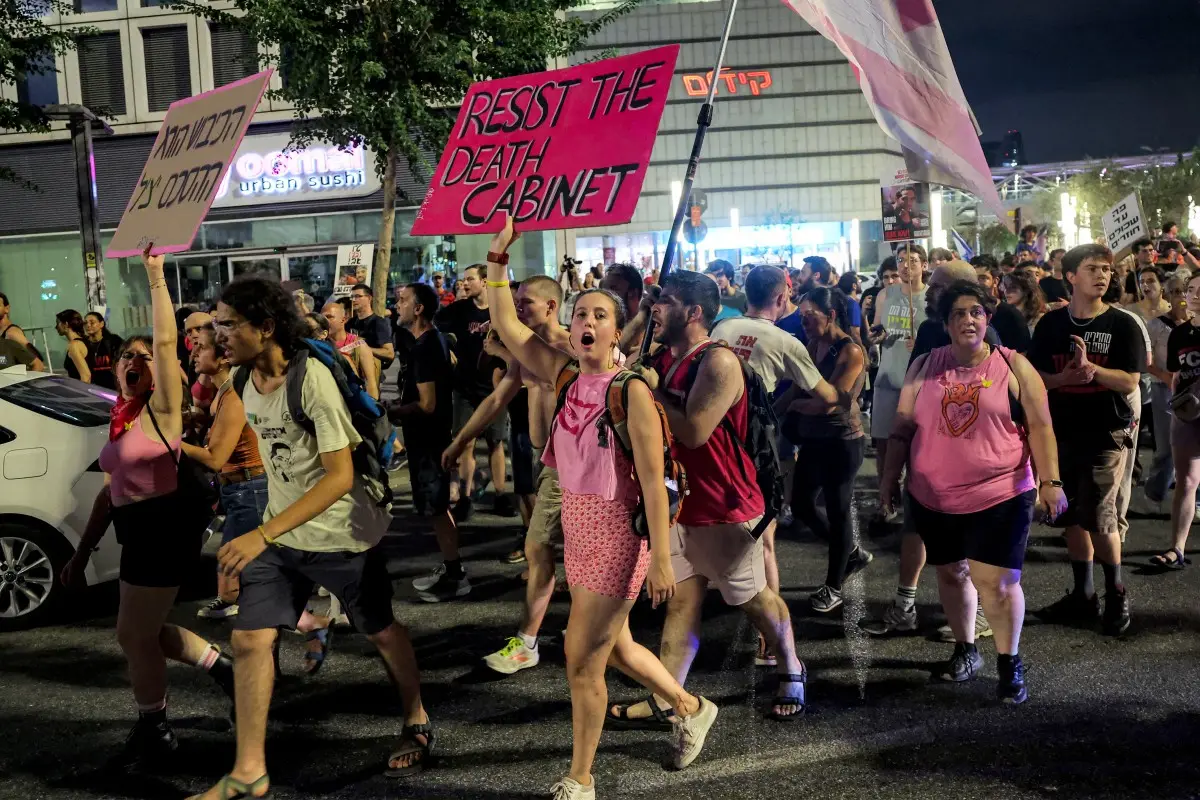
Whether in Nepal, the US, or Europe, Gen Z amplifies small sparks into crises and riots. The Nepal protests caused nationwide instability, blocked digital services, and disrupted public life. In the US, politically charged incidents and social media campaigns escalate quickly. Critics say Gen Z’s behaviour has become consistently loud, disruptive, and unpredictable, often leaving governments scrambling while the generation gains short-term attention.

Consequences ignored, risks embraced
Lives are lost, economies are disrupted, and social order shaken, yet Gen Z continues scrolling, posting, and reacting. The Nepal protests illustrate the cost: young lives, damaged property, halted services, and no resolution for economic issues. The lesson is clear, the generation prioritises viral moments and digital freedom over stability, responsibility, and long-term planning.
)
)
)
)
)