From NASA to ISRO: Top 6 space agencies shaping the future of exploration

Joint projects, such as the NASA-ISRO Synthetic Aperture Radar (NISAR) satellite, demonstrate how collaboration enhances global monitoring of climate change, natural disasters, and other scientific research objectives.

Top Space Agencies in the World
Space exploration has long been a testament to human ingenuity and collaboration. From the pioneering Apollo missions to the recent advancements in lunar exploration, various space agencies have played pivotal roles in expanding our understanding of the cosmos. Let's delve into some of the 6 most influential space agencies globally, highlighting their key missions and contributions.
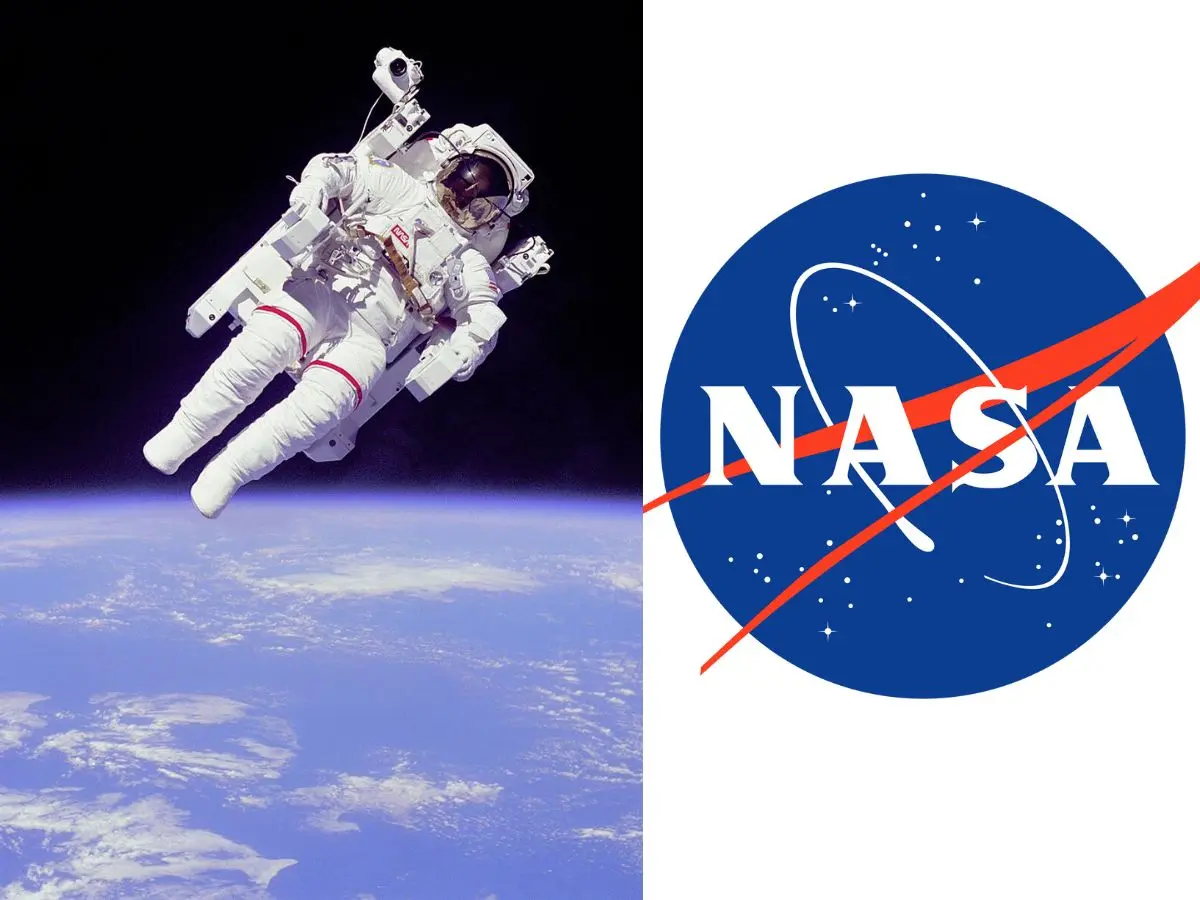
NASA (National Aeronautics and Space Administration, USA)
Established in 1958, NASA has been at the forefront of space exploration. The agency's notable achievements include landing the first humans on the Moon during the Apollo missions and developing the Space Shuttle program. Currently, NASA is leading the Artemis program, aiming to return humans to the Moon and eventually send astronauts to Mars. The upcoming Artemis II mission, scheduled for 2026, will be the first crewed flight of the Orion spacecraft, named 'Integrity' by the mission's astronauts.
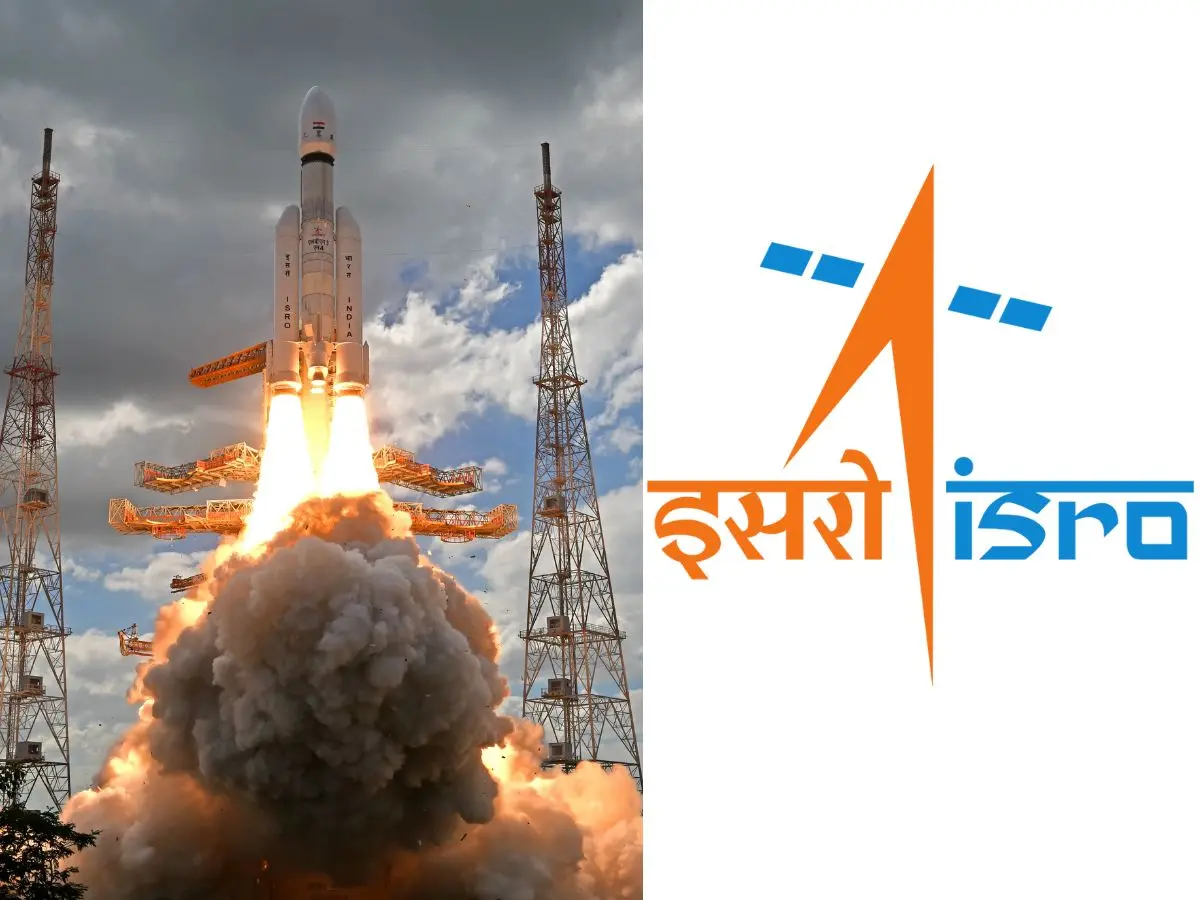
ISRO (Indian Space Research Organisation, India)
Founded in 1969, ISRO has made significant strides in space technology. In 2023, ISRO became the first agency to successfully land a spacecraft near the lunar south pole, a historic achievement in space exploration. The agency has also developed the Polar Satellite Launch Vehicle (PSLV) and the Geosynchronous Satellite Launch Vehicle (GSLV), which have become workhorses for launching satellites both domestically and internationally.
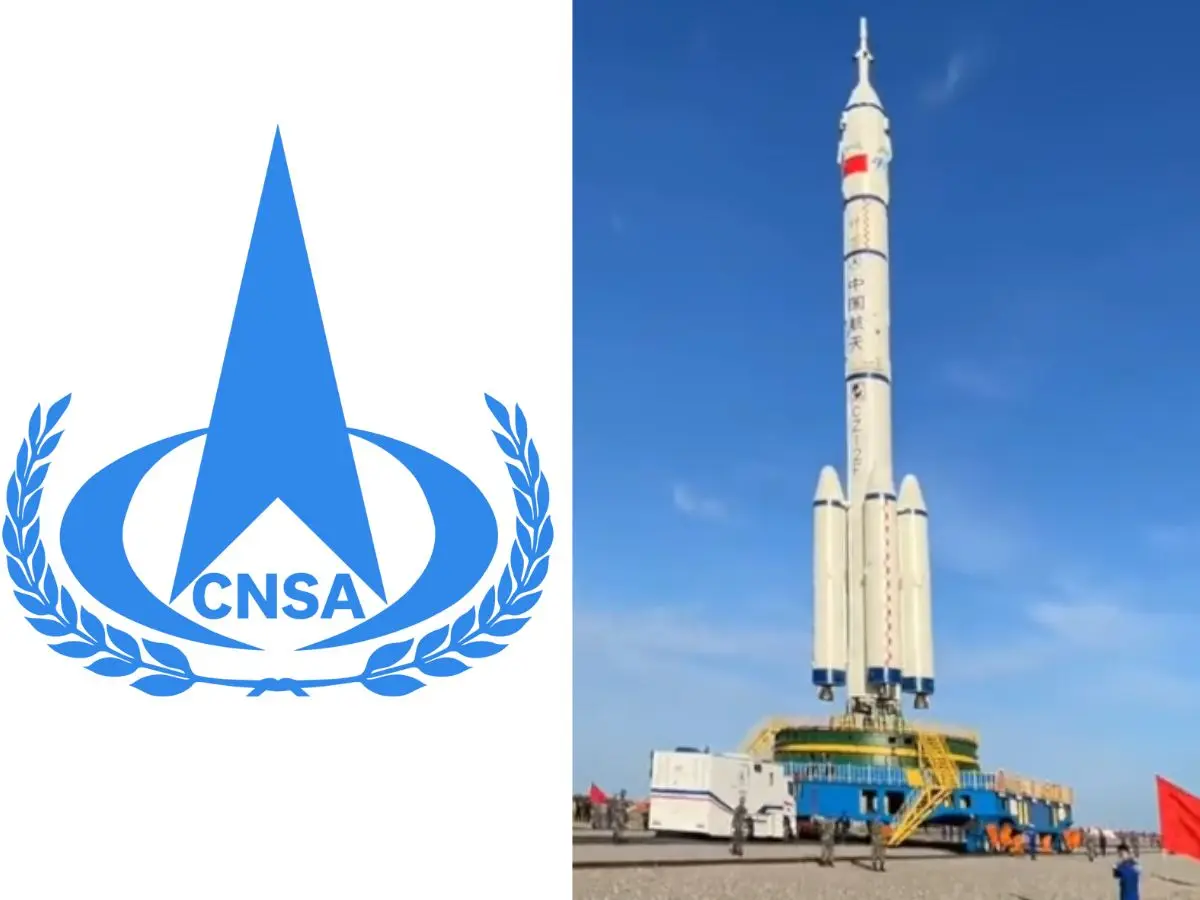
CNSA (China National Space Administration, China)
China's CNSA has rapidly advanced its space capabilities, achieving milestones such as the Chang'e lunar missions and the Tianwen Mars mission. The agency has also developed the Tiangong space station, enhancing China's presence in low Earth orbit and providing a platform for long-duration human spaceflight and scientific experiments.
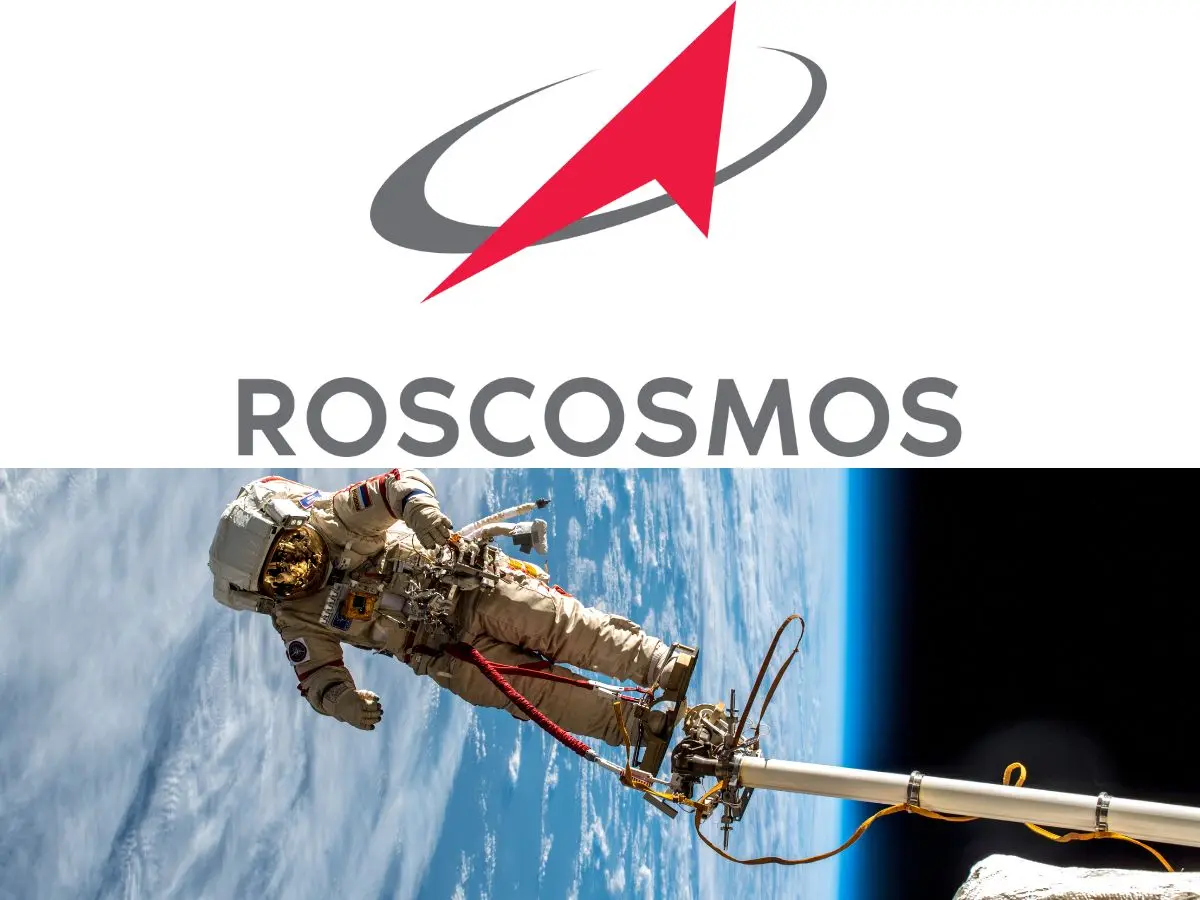
Roscosmos (Russian Federal Space Agency, Russia)
Roscosmos, founded in 1992 has a rich history dating back to the Soviet era, it has also been instrumental in human spaceflight. The agency continues to operate the Soyuz program, which has transported astronauts to the International Space Station for decades, and collaborates internationally on space projects and research initiatives. Roscosmos' legacy includes the world's first satellite, the first human spaceflight, and the first space station (Salyut).
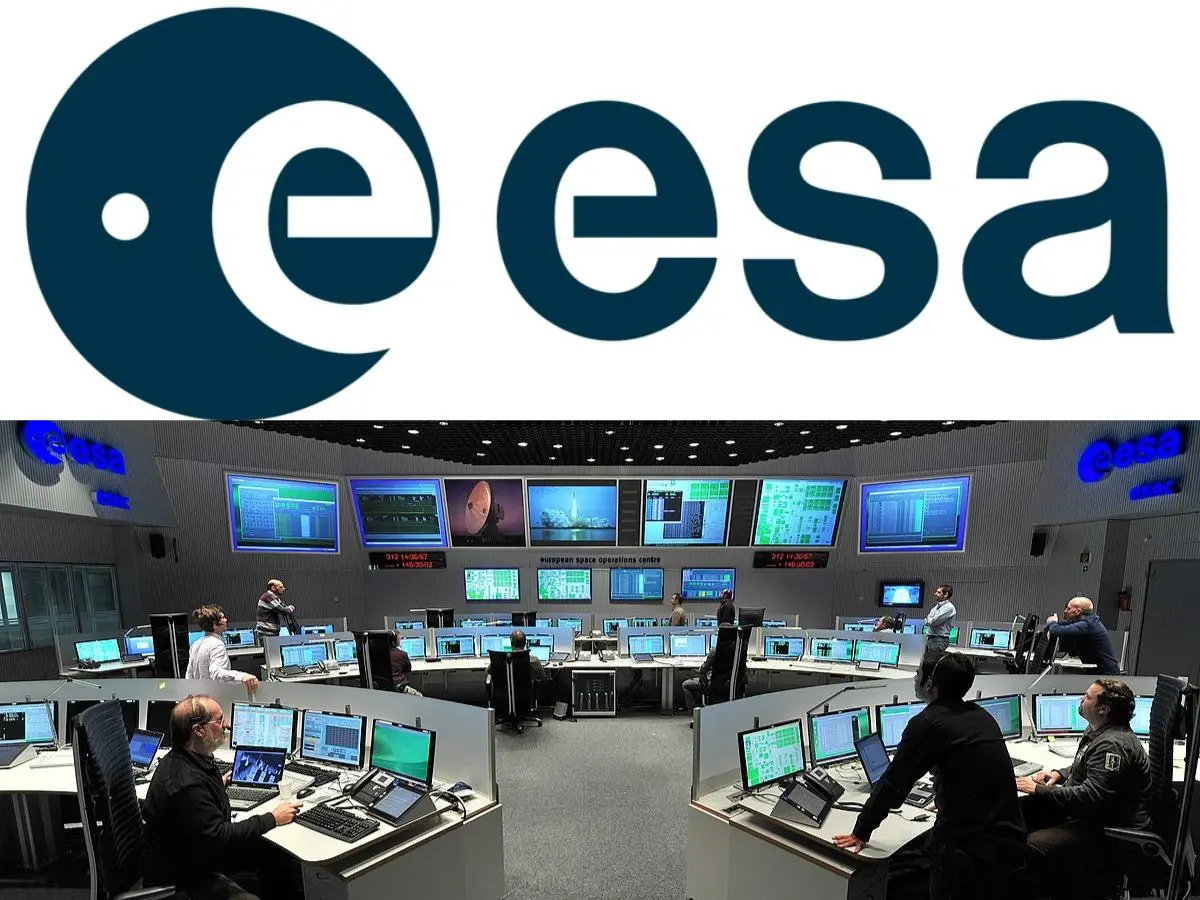
ESA (European Space Agency, Europe)
ESA is an intergovernmental organisation dedicated to the exploration of space. Comprising 22 member states, ESA has contributed to numerous missions, including the Rosetta comet mission and the ExoMars program, focusing on planetary exploration and developing technologies for future human spaceflight.
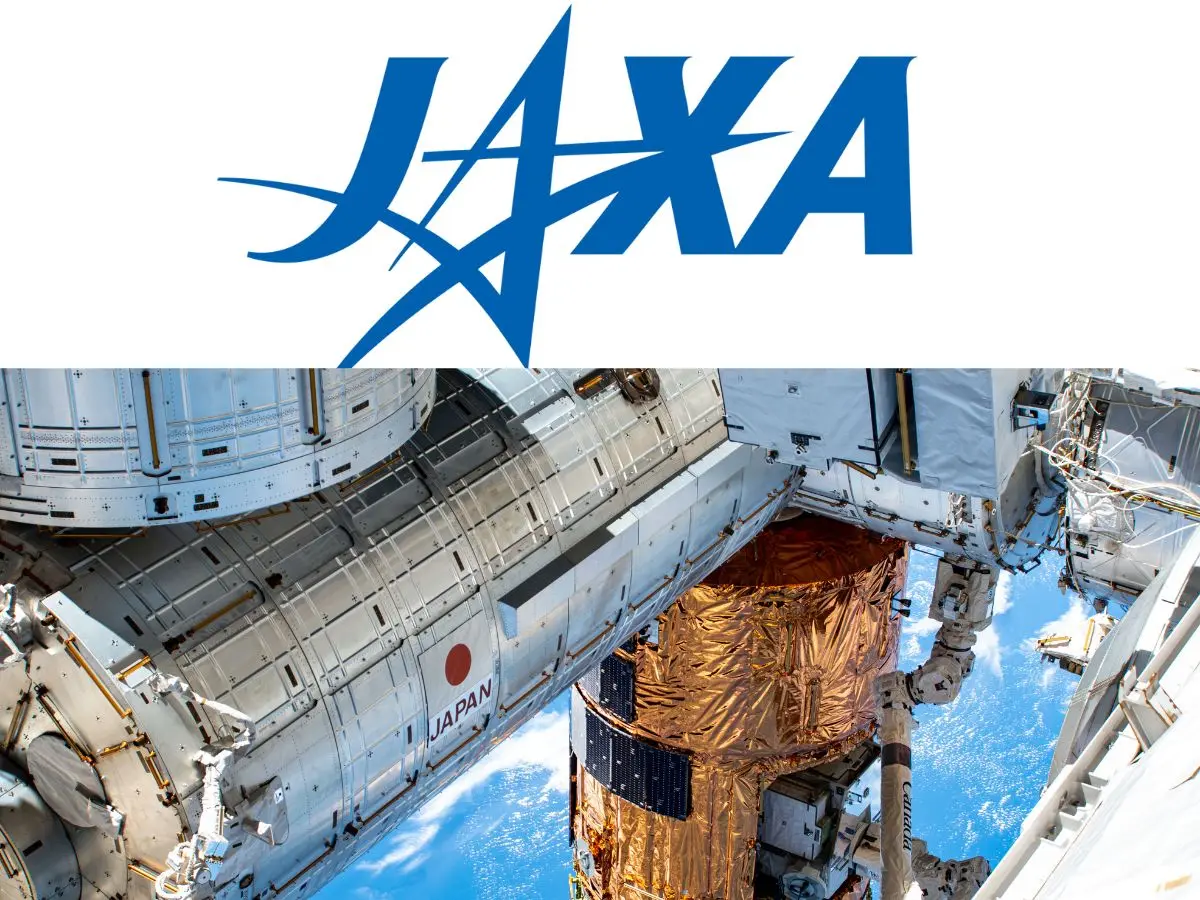
JAXA (Japan Aerospace Exploration Agency, Japan)
JAXA has been a key player in space research and development. The agency's achievements include the Hayabusa asteroid missions and significant contributions to the ISS, including cargo transport and scientific research modules.
)
)
)
)
)