From NASA to ISRO: Look at the 6 most expensive space missions ever

Ever since the Soviet Union successfully launched an artificial satellite, Sputnik 1, into space on 4 October 1957, it has fascinated the other most powerful nations on Earth too, resulting in financing expensive missions costing billions of dollars to unearth life beyond Earth.
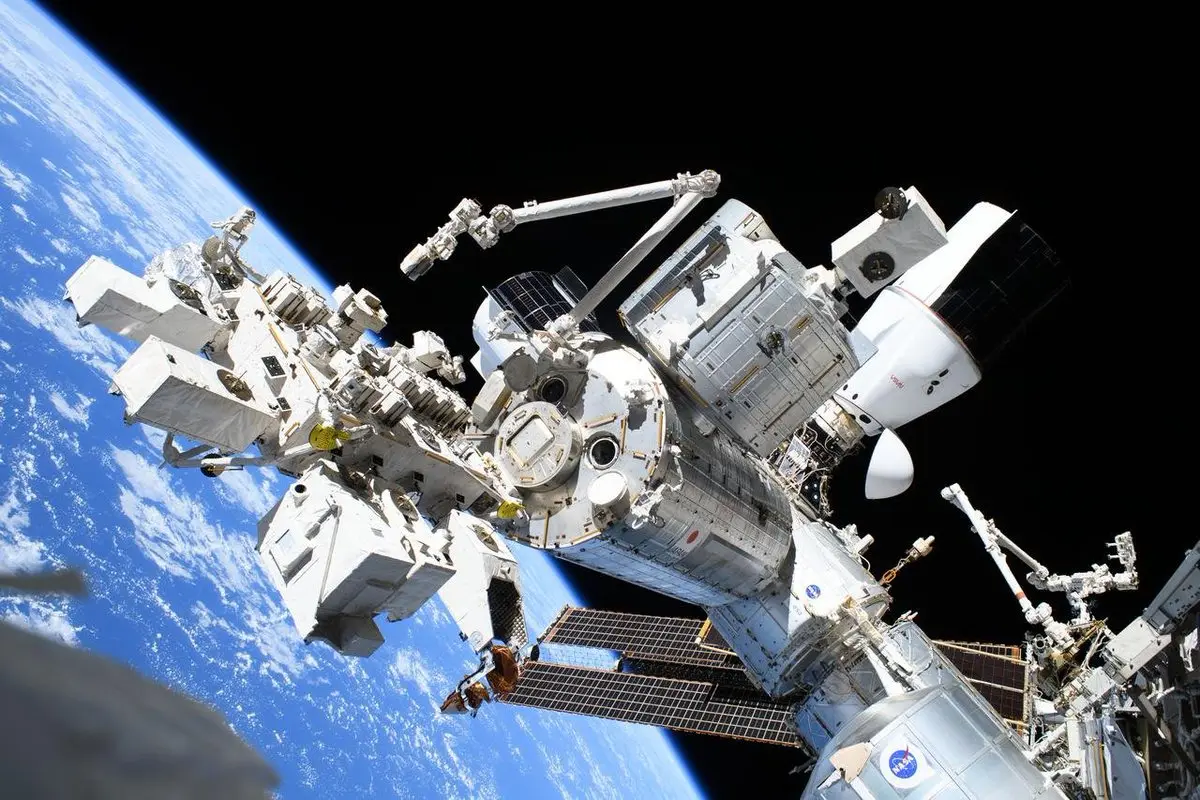
1. International Space Station (ISS) — $150 billion
The International Space Station is a collaboration between the USA, Europe, Japan, Russia, and Canada. This mission includes the contributions of multiple space agencies from around the world, including NASA, Roscosmos, ESA, CSA, and JAXA. The construction phase of the project began in 1998 and concluded in 2011, costing $150 billion.
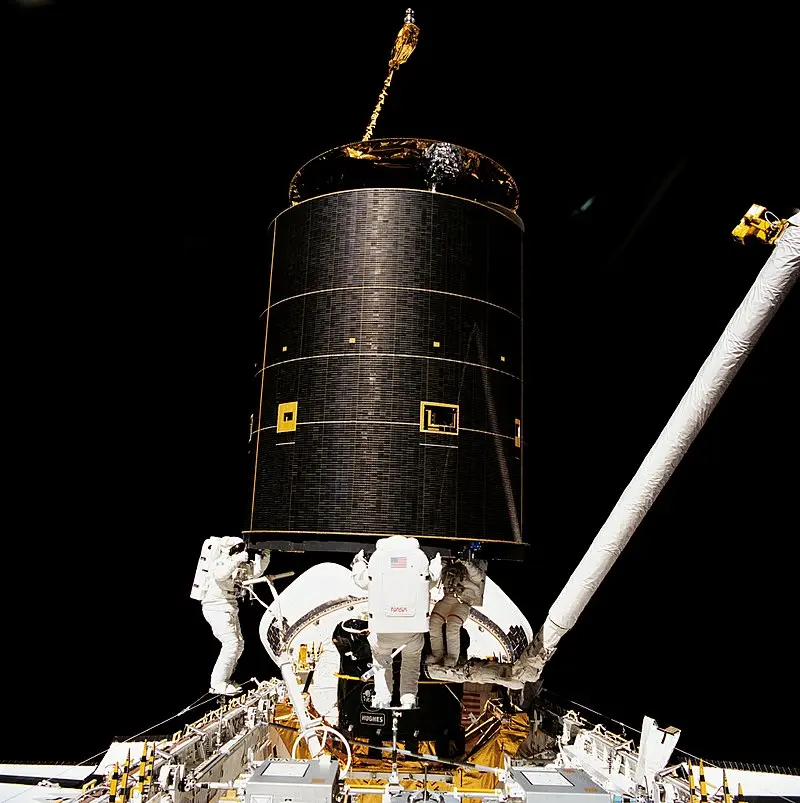
2. Space Shuttle Program — $113 billion
The Space Shuttle program of NASA was the fourth human spaceflight initiative of the United States with reusable spacecraft technology to carry astronauts and cargo to and from Earth orbit. This mission was first launched on April 12, 1981, and concluded with its final landing on July 21, 2011, having completed 135 missions over its 30-year run. NASA’s website confirmed that the life of the shuttle program cost $113.7 billion.
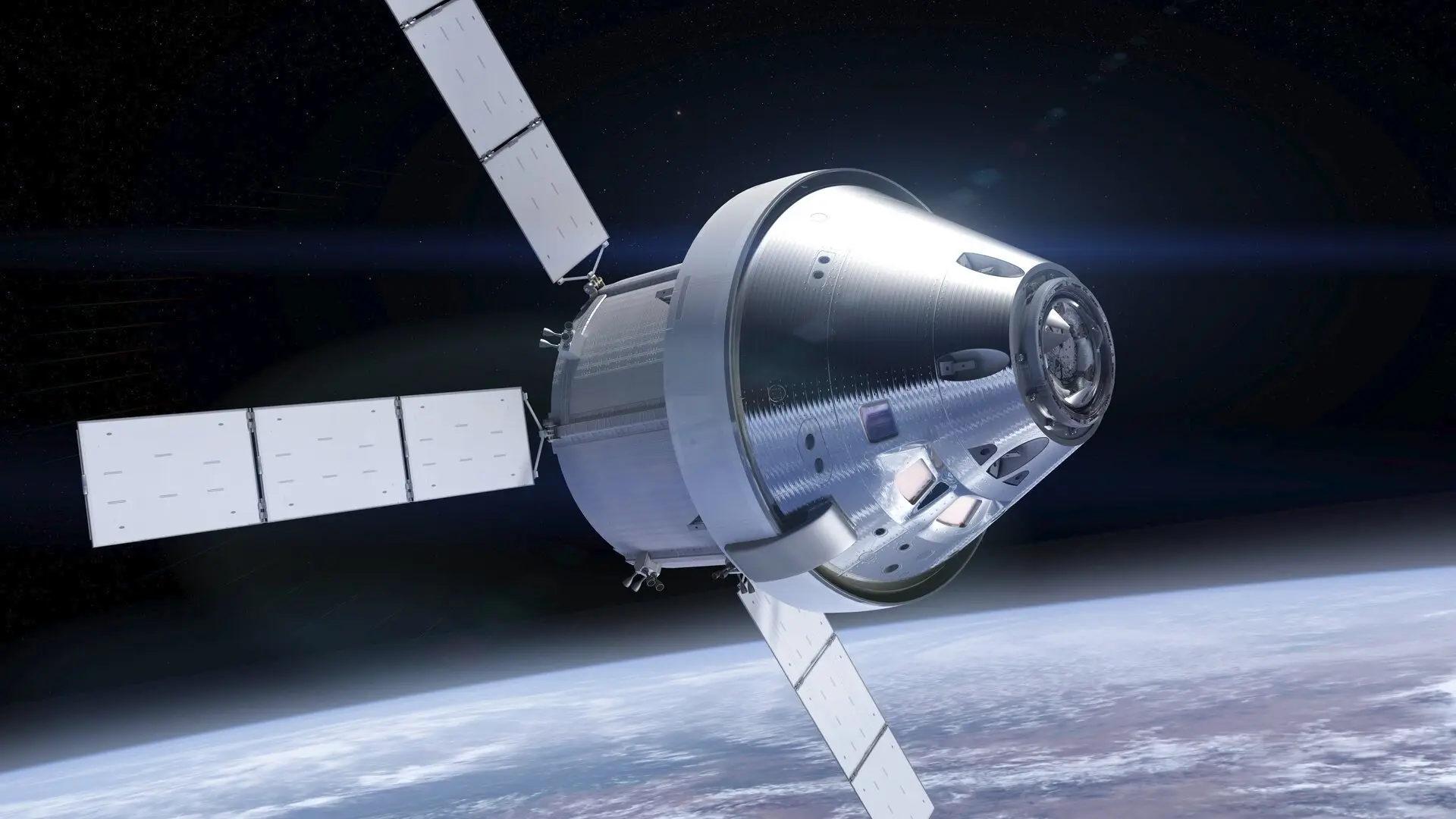
3. Artemis programme — $93 billion
The Artemis program, named after the Greek goddess of the hunt and twin sister of Apollo, is NASA's program to return humans to the Moon, with a focus on long-term presence on the Moon. The mission is a joint collaboration of 31 countries (the US, the UK, Japan, Italy, Singapore, South Korea, India, and others) led by NASA, which cost around USD 93 billion.
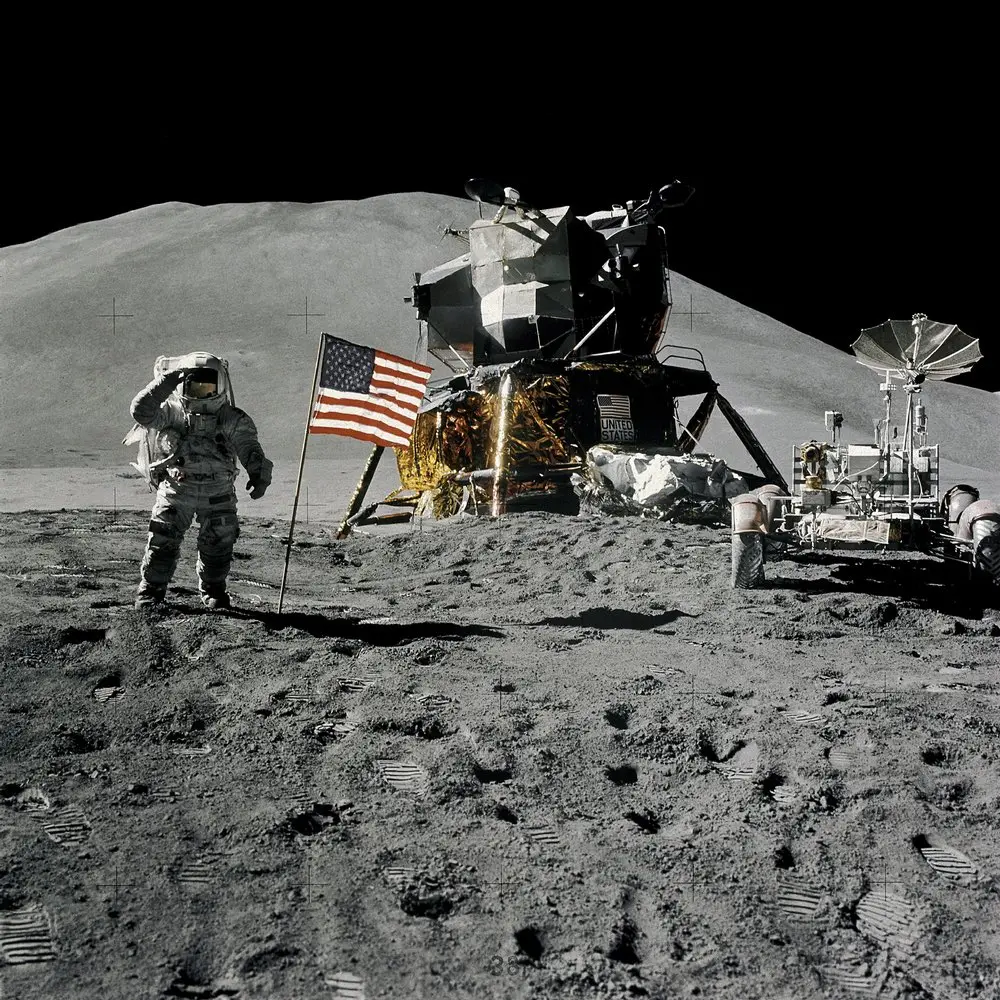
4. The Apollo Program — $25 billion
The Apollo Program was a product of the Cold War and US President John F. Kennedy’s promise to land a man on the Moon, making it one of the most ambitious missions in human history. According to a report in the BBC, the total estimated cost of this program came to around $25.8 billion.
The duration of the program was from 1961 to 1972, during which Neil Armstrong became the first human to walk on the Moon on 20 July 1969. He was part of the Apollo 11 mission, which was one of the 11 crewed missions, including six lunar landing missions, of the Apollo mission.
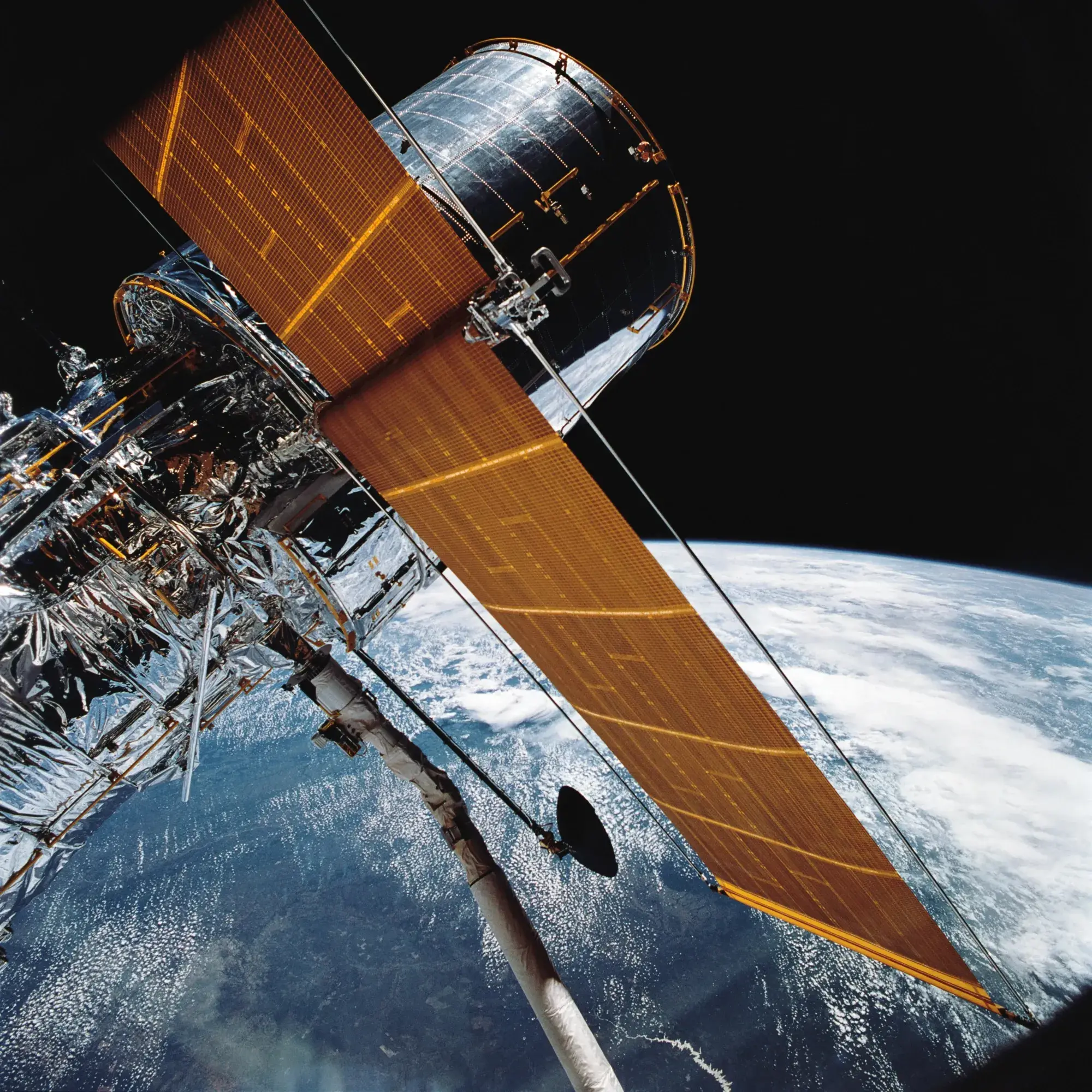
5. Hubble Space Telescope — $16 billion
The Hubble Space Telescope, which orbits at a speed of 27,000 kph, an altitude of approximately 515 km, and completes one orbit approximately every 95 minutes, was launched in 1990 at an estimated cost of $16 billion. The telescope provides clear images because it’s above the atmosphere of the Earth, as it doesn't travel or fly closer to cosmic objects.
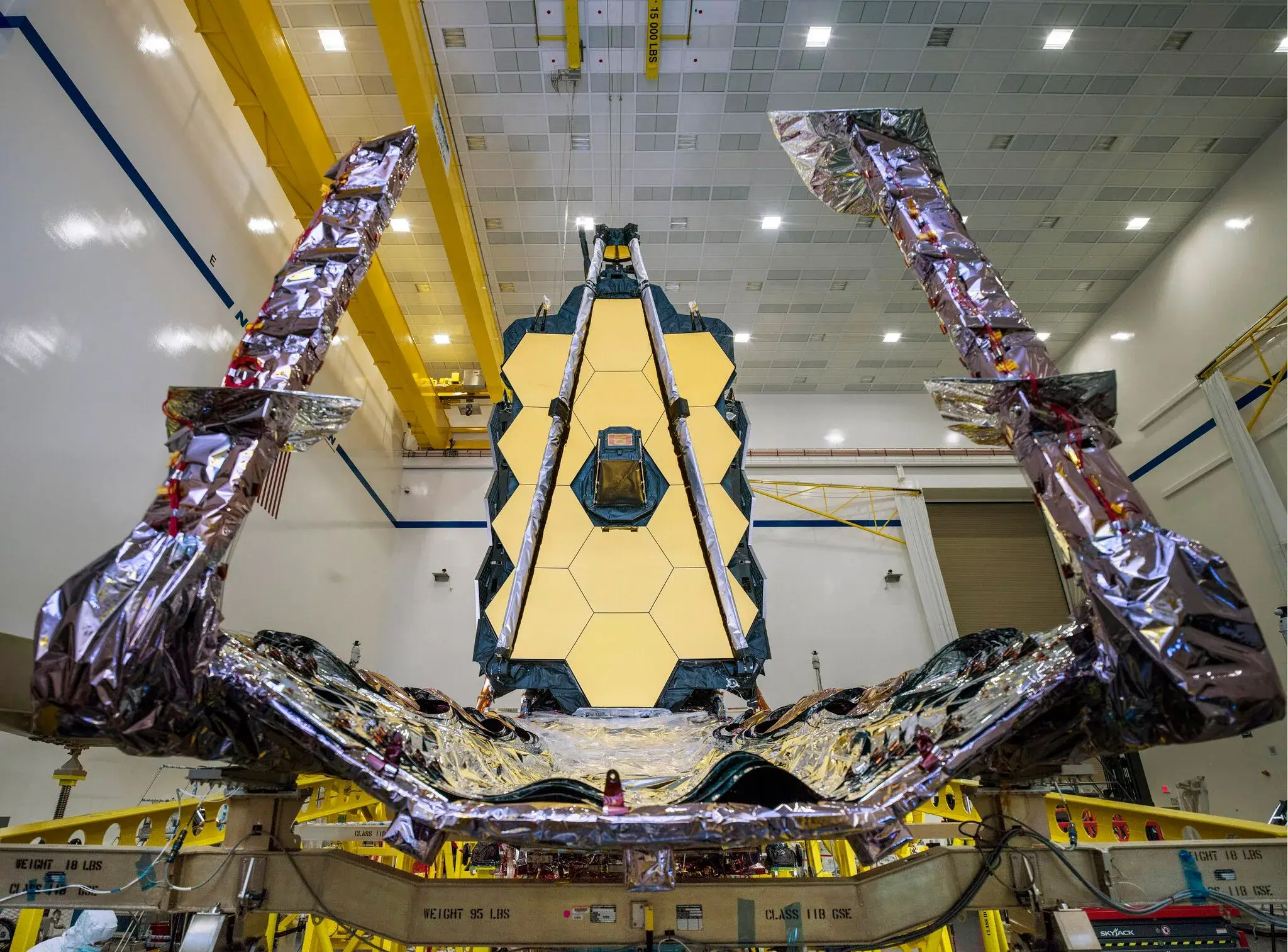
6. James Webb Space Telescope — $10 billion
The James Webb Space Telescope is marked as the most powerful space observatory. Other than orbiting around the earth, it also orbits the sun 1.5 million kilometers (1 million miles) away from the earth at what is called the second Lagrange point, or L2. The project was built at a cost of $10 billion.
)
)
)
)
)