From missiles to nuclear program: APJ Abdul Kalam’s 7 major contributions for India

Former President and renowned scientist Dr A.P.J. Abdul Kalam, also known as the ‘Missile Man of India’, was born on October 15, 1931, in Tamil Nadu. On this day, World Students’ Day is observed, marking his birth anniversary who made major contributions to the nation in several fields.
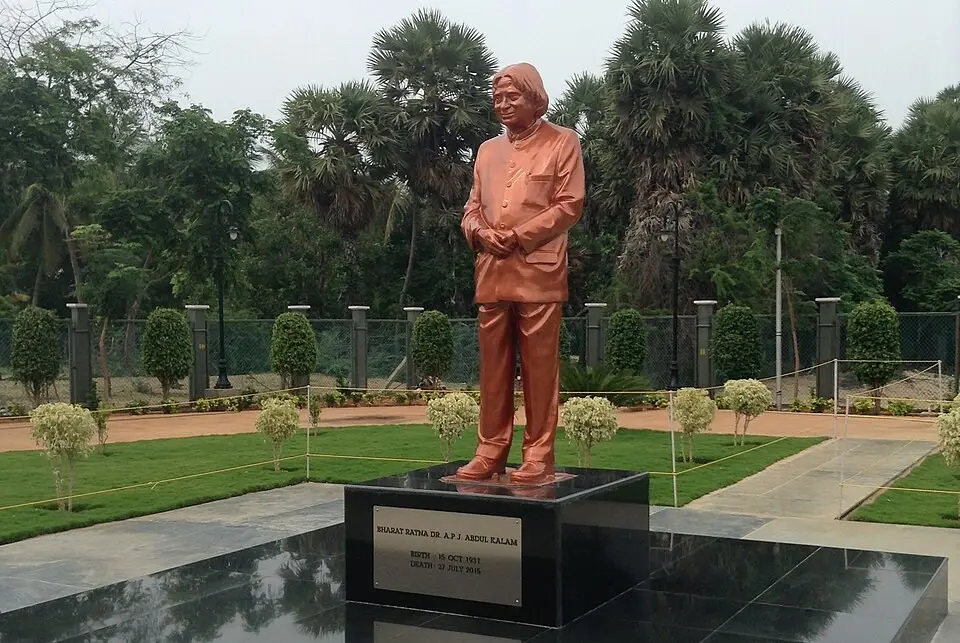
Top 7 everlasting contributions
Dr Kalam passed away in 2015 but left behind a generation of inspired youth charged with a scientific temperament and a zeal to give back to the motherland. Here are the top 7 everlasting contributions of Dr A.P.J. Abdul Kalam.
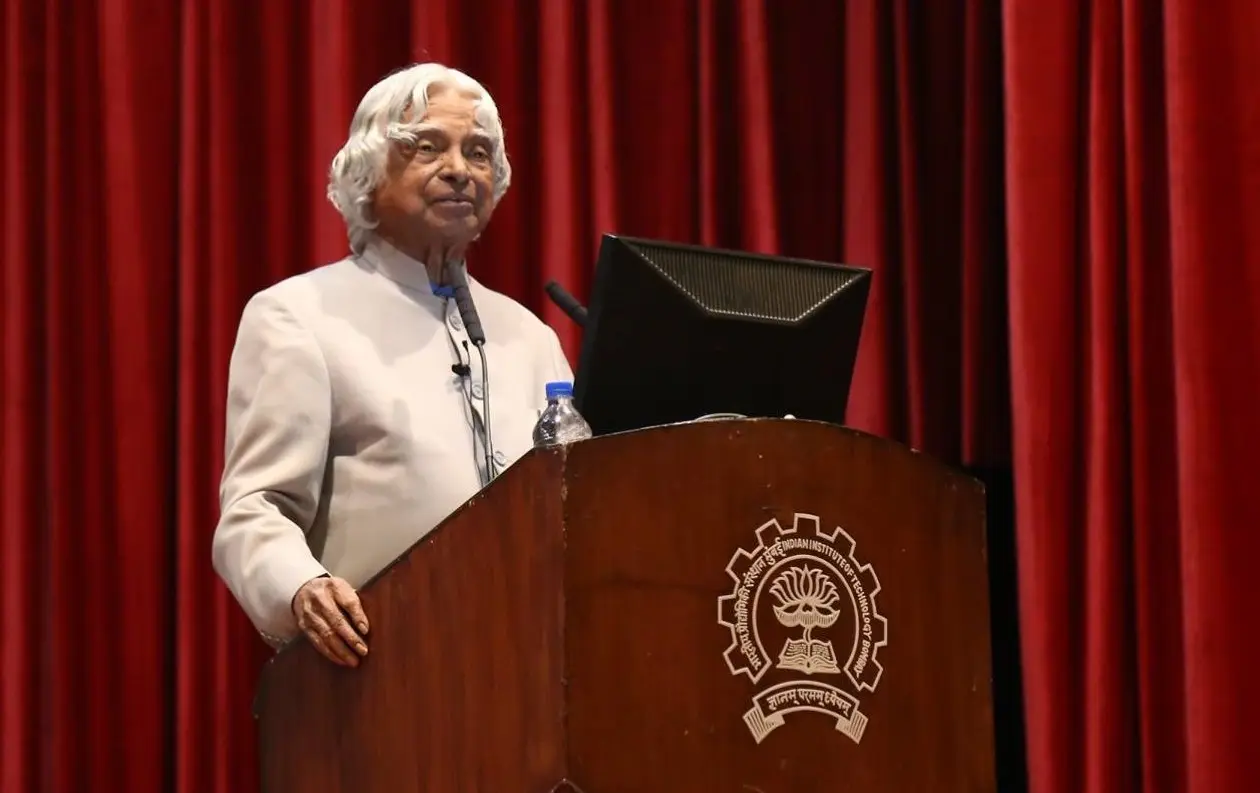
India’s first indigenous missiles
As the head of the Integrated Guided Missile Development Programme (IGMDP), he was instrumental in developing India’s first indigenous missiles — Agni and Prithvi.
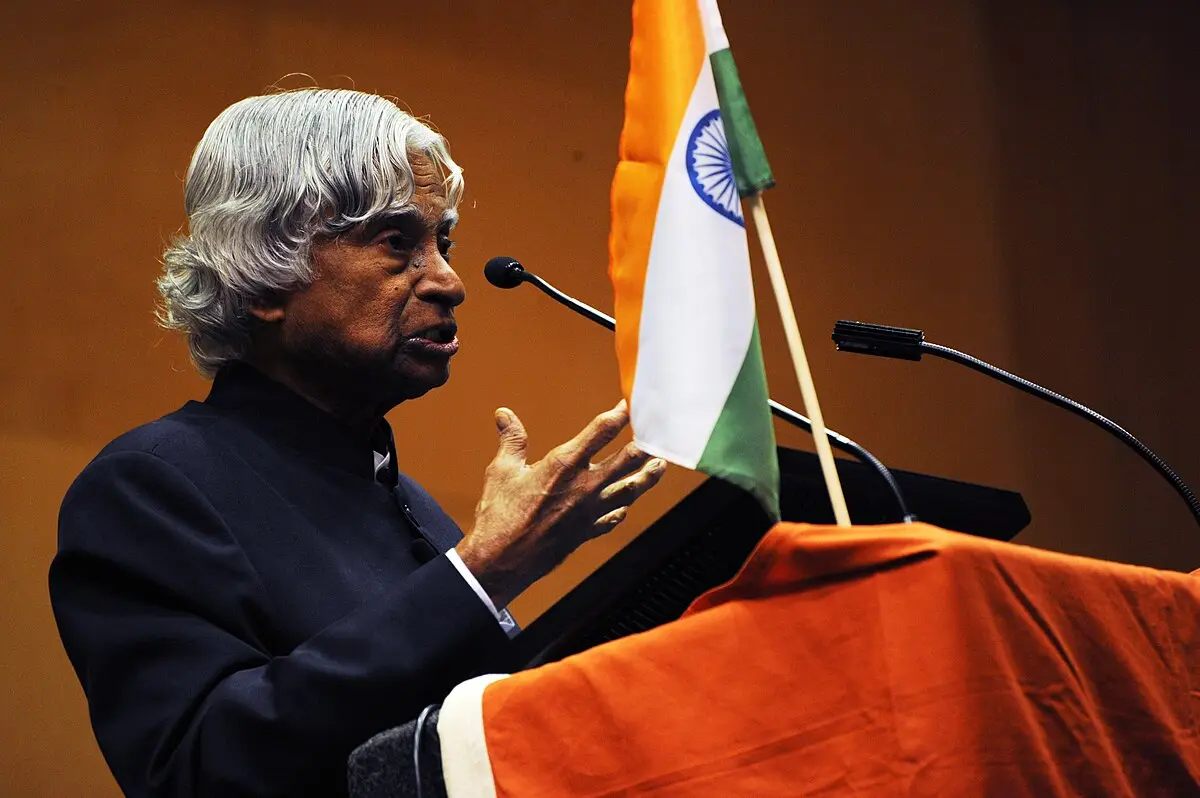
Pokhran II nuclear test
While acting as the Chief Executive Officer of DRDO and the Chief Scientific Adviser to the Prime Minister, Dr A.P.J. Abdul Kalam played a pivotal role for being the mastermind behind the Pokhran II nuclear test.
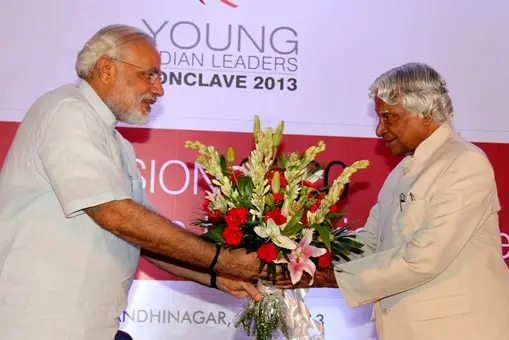
Thumba Equatorial Rocket Launching Station (TERLS)
Earning the title “Missile Man of India”, he was part of the pioneering team of rocket engineers that established the Thumba Equatorial Rocket Launching Station (TERLS), which continues to serve as a key facility for the Indian Space Research Organisation’s sounding rocket launches.
Polar Satellite Launch Vehicle (PSLV)
He also served as the Project Director for India’s first Satellite Launch Vehicle (SLV-III) and contributed significantly to the development of the Polar Satellite Launch Vehicle (PSLV).
Wings of Fire
Throughout his remarkable career, Dr Kalam authored several acclaimed books, including Wings of Fire, Ignited Minds: Unleashing the Power Within India, and India 2020, all of which became best-sellers.
Kalam-Raju Stent
Collaborating with cardiologist Dr Soma Raju, he co-developed the affordable Kalam-Raju Stent, a breakthrough that made cardiac healthcare more accessible to the public.
Indigenous Hovercraft
Dr Kalam also played a key role in designing India’s first indigenous hovercraft, Project Nandi, at the Aeronautical Development Establishment. The initiative aimed to create a homegrown hovercraft prototype under the Ground Equipment Machine (GEM) category.
)
)
)
)
)