From HRA to Meal Cards: Key tax changes salaried taxpayers must know from April 1

India will roll out the Income-Tax Act 2025 from April 1, 2026, keeping tax rates unchanged but tightening reporting rules. Meal benefits rise, HRA norms expand with stricter checks, & PAN use widens, to improve transparency and compliance in tax filing. Read the article to know more.
Income-tax Act 2025
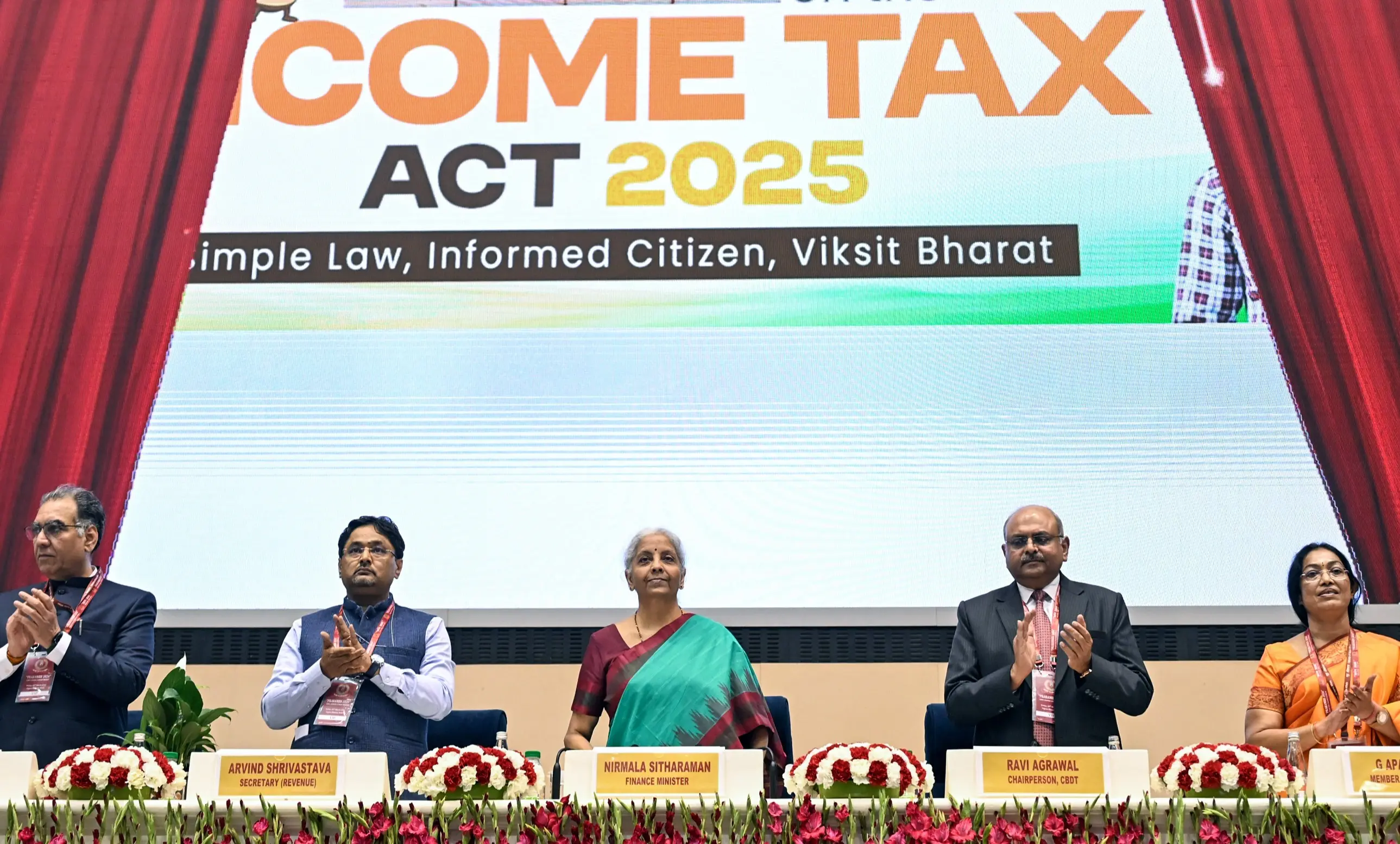
India's six-decade-old Income-tax Act, 1961, will be replaced by the Income-tax Act, 2025, from April 1, 2026. The government describes this as a complete rewrite of the law rather than a change in taxation. While tax rates and income slabs remain unchanged, the way income, deductions, salaries, capital gains, and disclosures are reported and verified will be updated. According to the government, the focus is not on increasing taxes but on improving the accuracy and transparency of tax reporting.
Meal Card
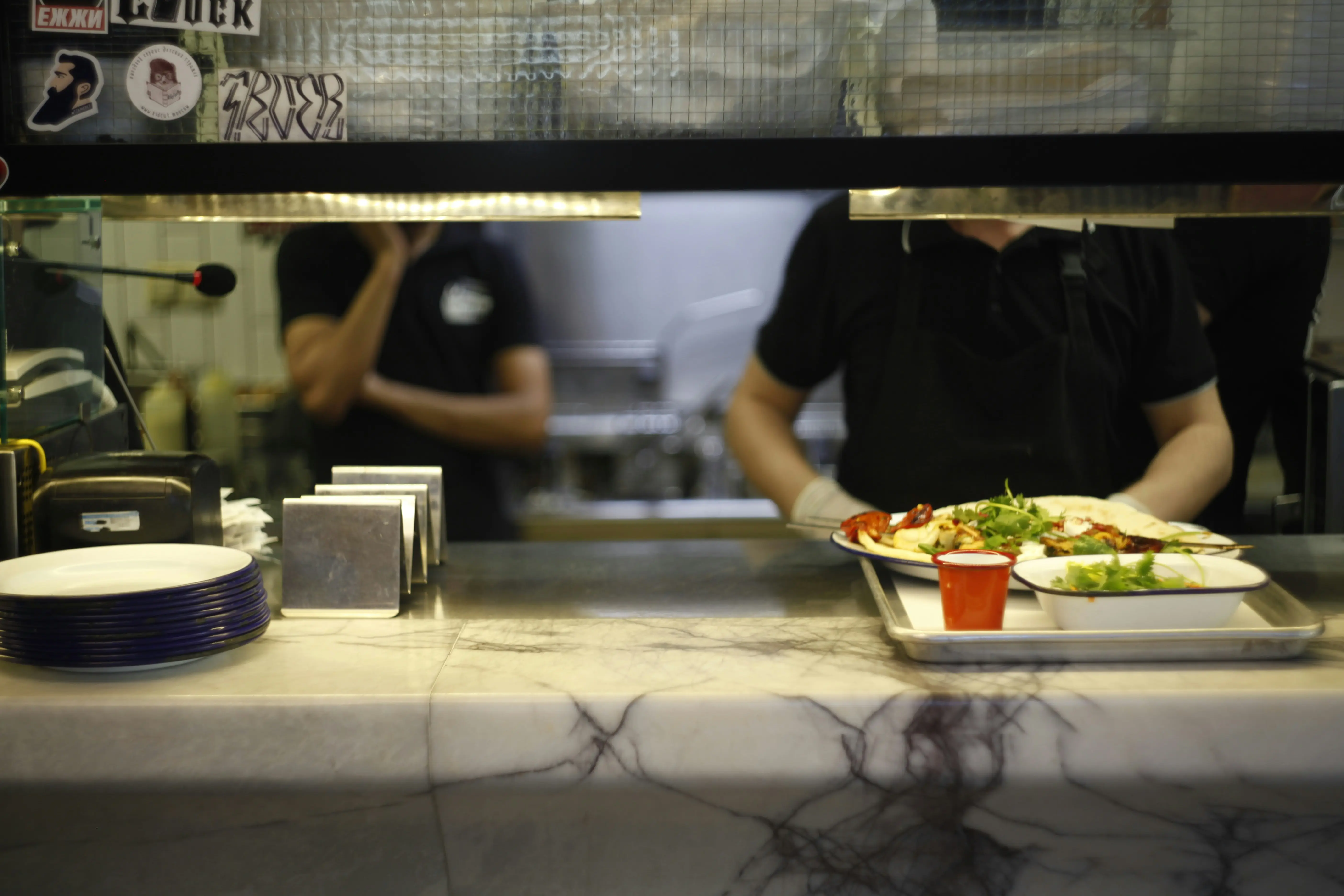
The new approved rules last week prompt to gain a significantly higher tax break to all the salaried employees who receive meal coupons, vouchers or cards such as Sodexo, Pluxee and Zaggle, or who use subsidised office canteens. Under this rule, the exemption limit for employer-provided meals has been raised from Rs 50 per meal to Rs 200 per meal, providing benefits to both the old and the new tax regimes. Previously, if two meals worth Rs 50 each were provided in a day, only Rs 100 was exempted. However, under the revised limit, up to Rs 400 per day can now qualify for exemption.
PAN Rules Tighten
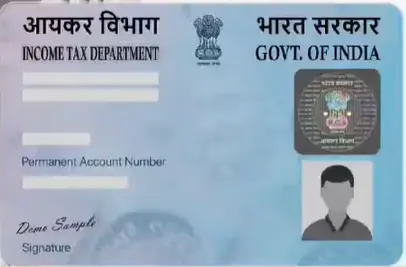
PAN will now be mandatory for a wider range of transactions, including buying or selling cars and other high-value expenditures. While compliance requirements increase, reporting for smaller transactions is expected to ease. Another key change relates to choosing the tax regime. Earlier, a separate form was required to opt for the new regime, but now taxpayers can make this selection directly within the ITR.
Refunds are also expected to be processed faster for accurate filings, while discrepancies may lead to delays. Additionally, simplified forms can now be used even by individuals owning up to two houses, subject to certain conditions.

House Rent Allowance (HRA) Rules
The updated rules continue and broaden the framework for House Rent Allowance (HRA) claims. The higher 50 per cent HRA exemption, previously limited to Mumbai, Kolkata, Delhi, and Chennai, has now been extended to Bengaluru, Hyderabad, Pune, and Ahmedabad, while all other cities will remain under the 40 per cent bracket. However, the process for claiming HRA will become more stringent. Salaried individuals will need to provide landlord details through a separate declaration, Form 124, during income calculation and TDS deduction. This makes it compulsory to disclose the landlord’s identity, tightening scrutiny on exaggerated or fake rent claims.

What to do before April as employee
- Reassess which tax regime, old or new, works better for you
- Review your salary structure with your HR team
- Make sure your HRA claims include accurate landlord details
- Ensure your PAN is linked to all investments and major purchases
- Keep proper records of capital gains documentation
- Cross-check TDS deductions with your employer quarterly
)
)
)
)
)