From Mahatma Gandhi to Princess Diana: Funerals that moved the masses

Mahatma Gandhi
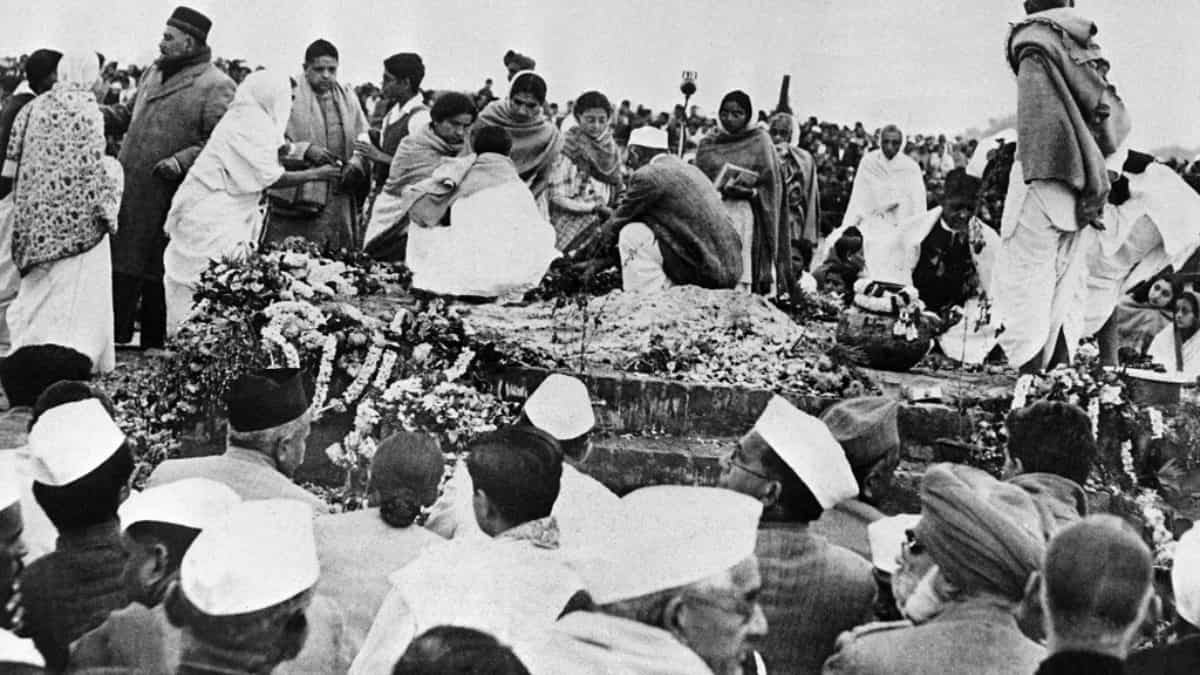
The death of Mahatma Gandhi, the father of the Indian nation who was assassinated on January 30, 1948, by a Hindu nationalist in New Delhi, sent India into shock.
Huge crowds queued to see the body of the man affectionately known as Gandhiji laid out at his home and showered it in rose petals as it was being removed for cremation.
His ashes were then taken by train to the banks of the Ganges River, where an estimated two million people of all castes waited to see them being consigned to the holy waters.
In line with his wishes, some of Gandhi's ashes were scattered in other sacred rivers and in the sea.
Eva Peron
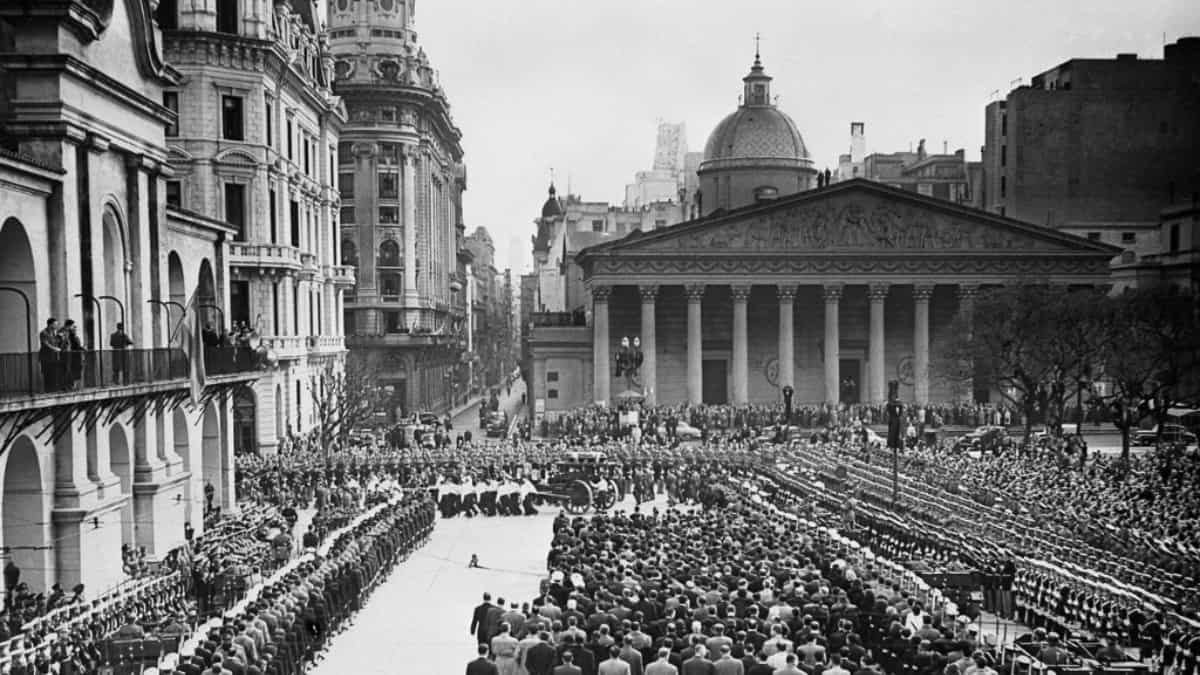
In Argentina, the funeral of the iconic Eva Peron, the hugely popular actress-turned-first lady, who died of cancer on July 26, 1952, at the age of 33, brought millions of people onto the streets of Buenos Aires in mourning.
Peron was adored by Argentina's working classes for her tireless work on behalf of the "descamisados" (the shirtless ones).
Her embalmed corpse was stolen by the military after the coup that toppled her husband, Juan Peron, and flown to Italy where she was buried secretly in Milan. Her body was only brought back to Buenos Aires in 1976.
John Fitzgerald Kennedy
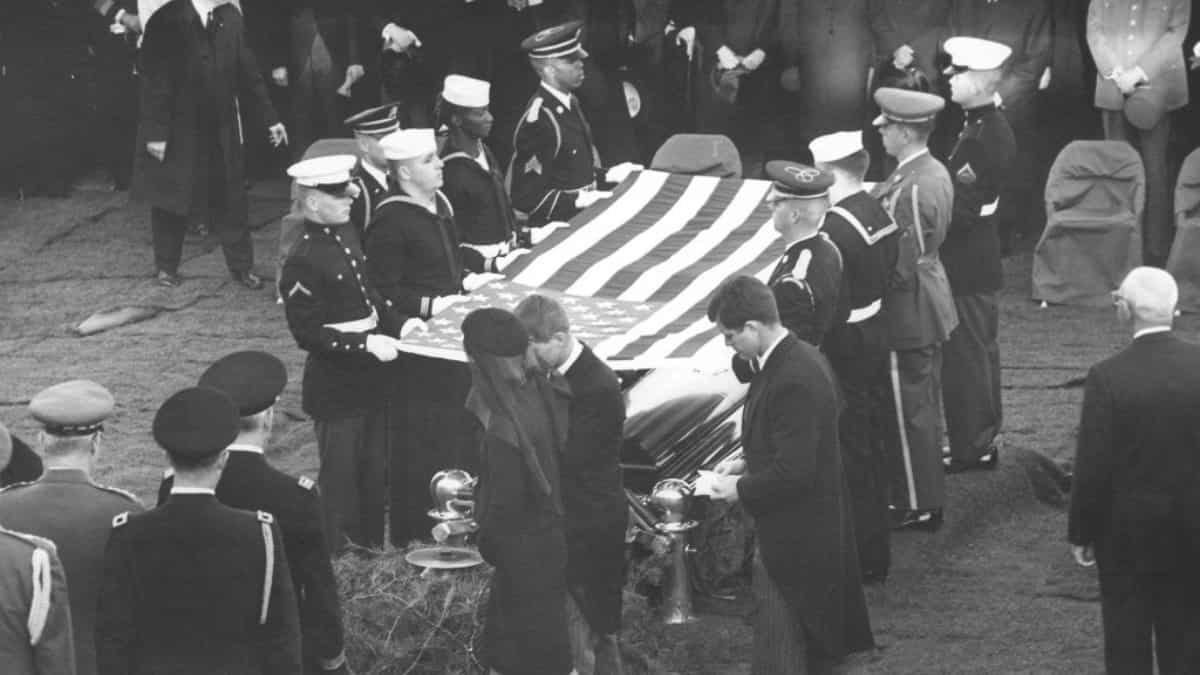
Very different was the funeral of John Fitzgerald Kennedy, held on November 26, 1963, in Washington, four days after his assassination in Dallas.
It was broadcast live to tens of millions of people on television, still a new medium at the time -- from his closed casket lying in state, to a parade on a horse-drawn bier, the ceremony itself and his burial at Arlington National Cemetery, a military burial ground.
Several images have stood the test of time, in particular those of his widow, Jackie, dressed in black holding the hands of their two small children, Caroline and John, and the little boy stepping forward to give a tiny salute.
Martin Luther King
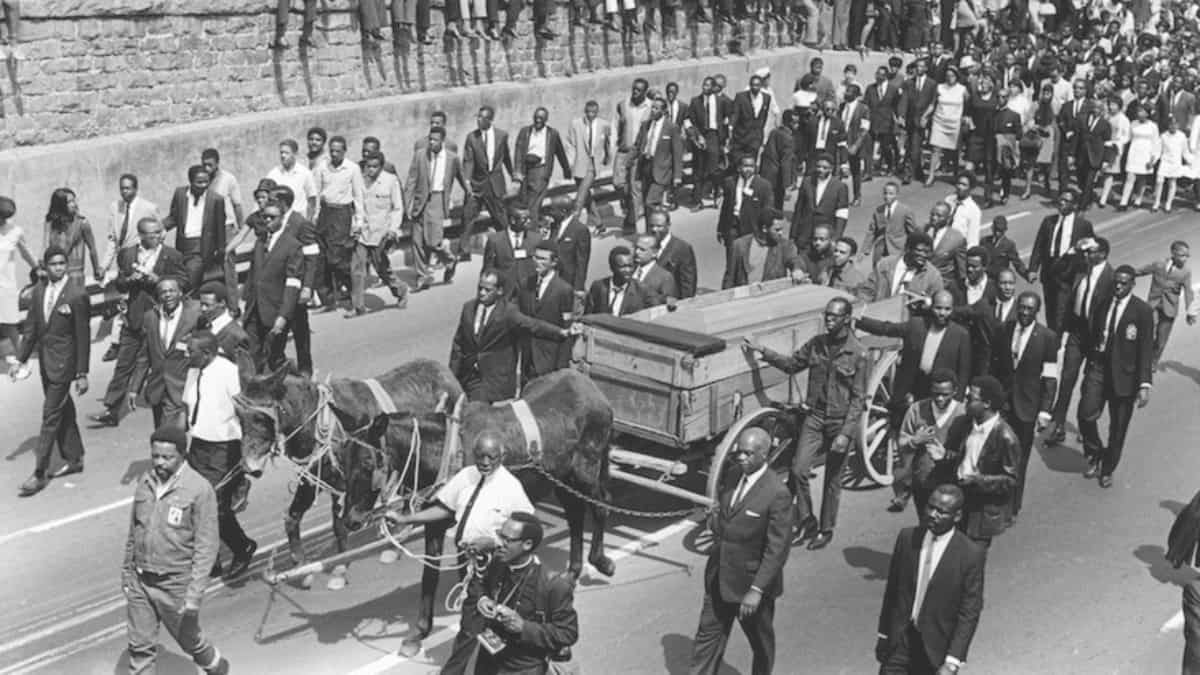
Five years later, hundreds of thousands of people attended the funeral in Atlanta, Georgia, of Martin Luther King, the pastor and civil rights leader who was assassinated in Memphis on April 4, 1968.
On the day of the funeral, riots broke out in black ghettos in more than 100 US towns, in which 46 people were killed.
Gamal Abdel Nasser
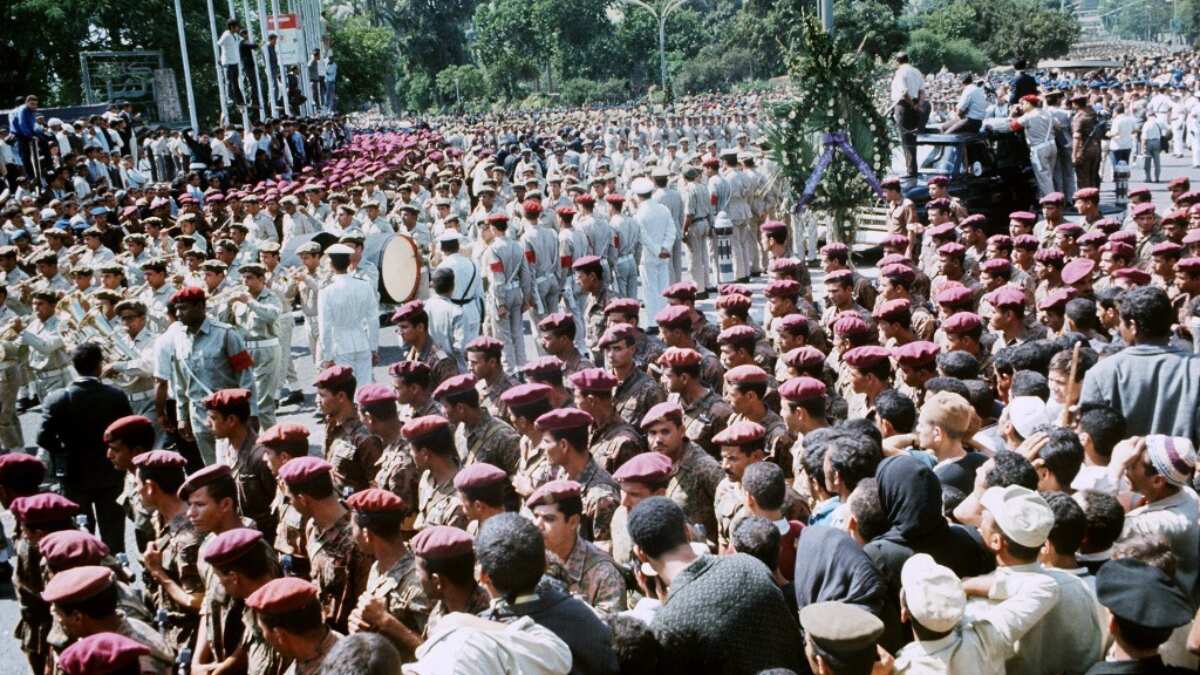
Mass outpourings of grief also marked the funeral of Egyptian president Gamal Abdel Nasser, who died i Cairo on September 28, 1970.
Almost five million people took part in a frenzied funeral procession through the packed streets of the Egyptian capital.
French journalist Jean Lacouture spoke of a city "in a state of trance" over the loss of the iconic Egyptian leader, who was a hero throughout the Arab world.
Princess Diana
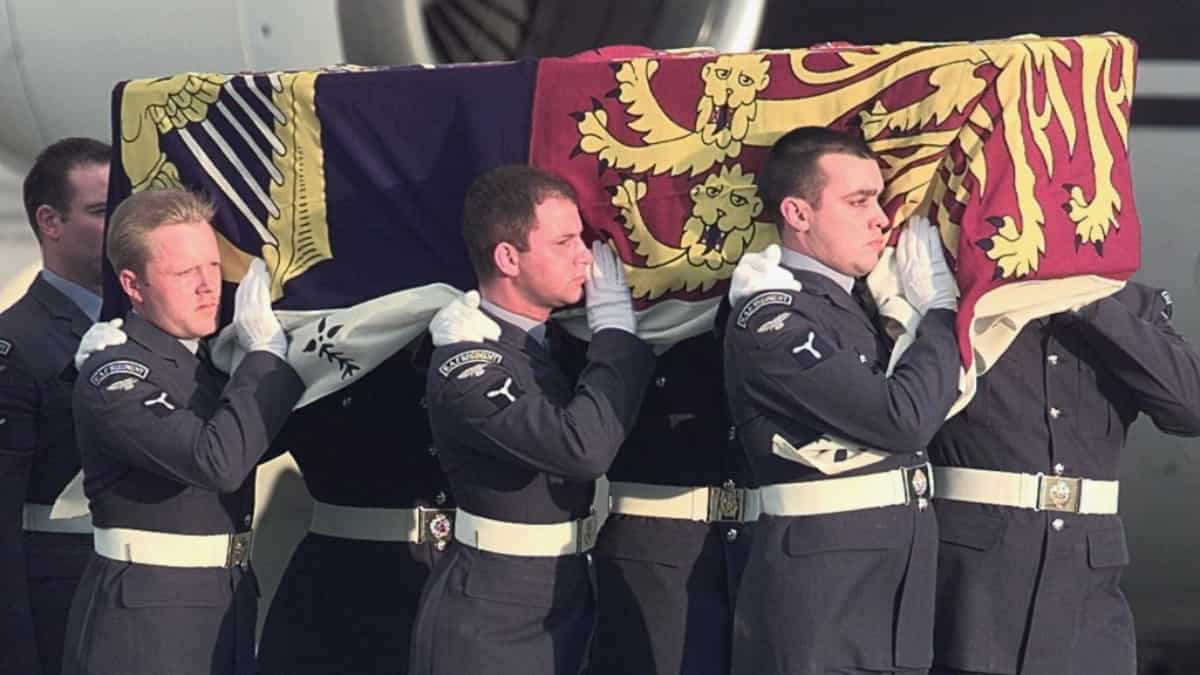
Britain's Princess Diana died in a car crash while being chased by paparazzi photographers in Paris on August 31, 1997, five years after her separation from the then Prince Charles.
Her death led to an unprecedented outpouring of grief in a country where such displays were long considered unseemly.
More than a million bouquets of flowers paying tribute to the "people's princess" were laid in front of her home at Kensington Palace and hundreds of thousands of people lined the streets of London to see her funeral cortege pass.
Nelson Mandela
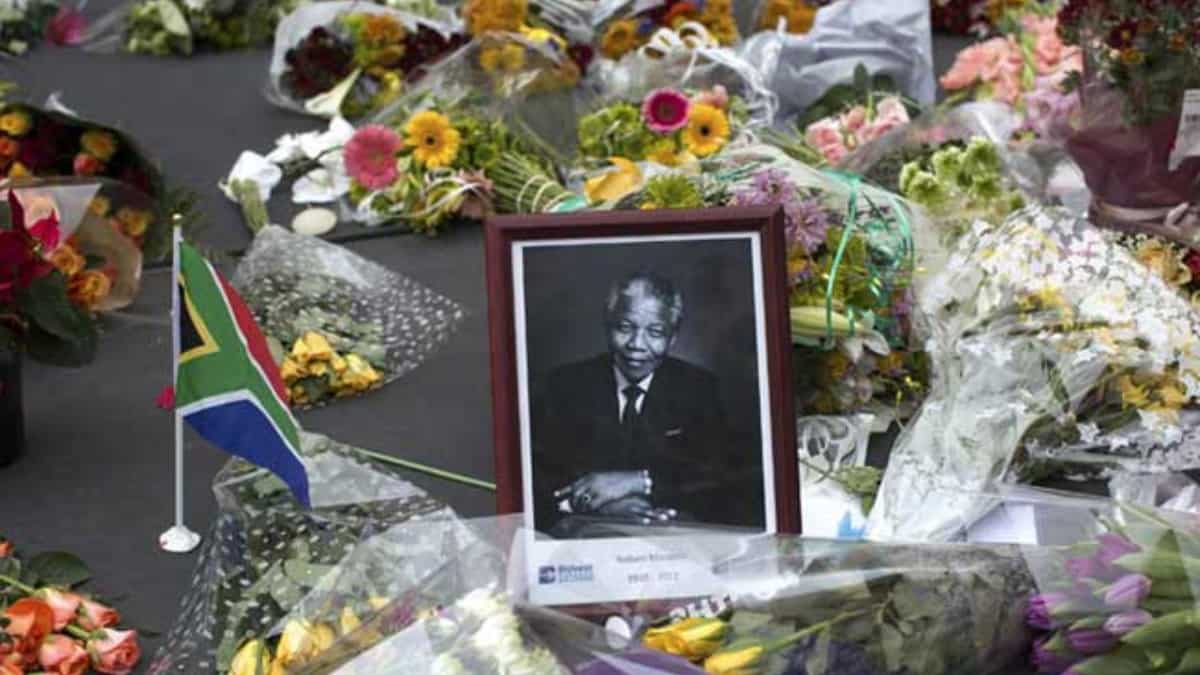
South African anti-apartheid icon Nelson Mandela was mourned worldwide as one of the great statesmen of the 20th century on his death on December 5, 2013, at the age of 95.
Huge crowds queued to view the body of the country's first black president, lying in an open casket at government buildings in Pretoria for three days.
Throngs also lined the roads as the funeral cortege crossed the country to Mandela's ancestral home in Eastern Cape province for burial, after a memorial service attended by about 4,500 people.
)
)
)
)
)