From London to New York to Australia: A year of deadly attacks on synagogues

From London to Michigan, synagogue attacks surged worldwide, exposing a sharp rise in antisemitic violence and security fears
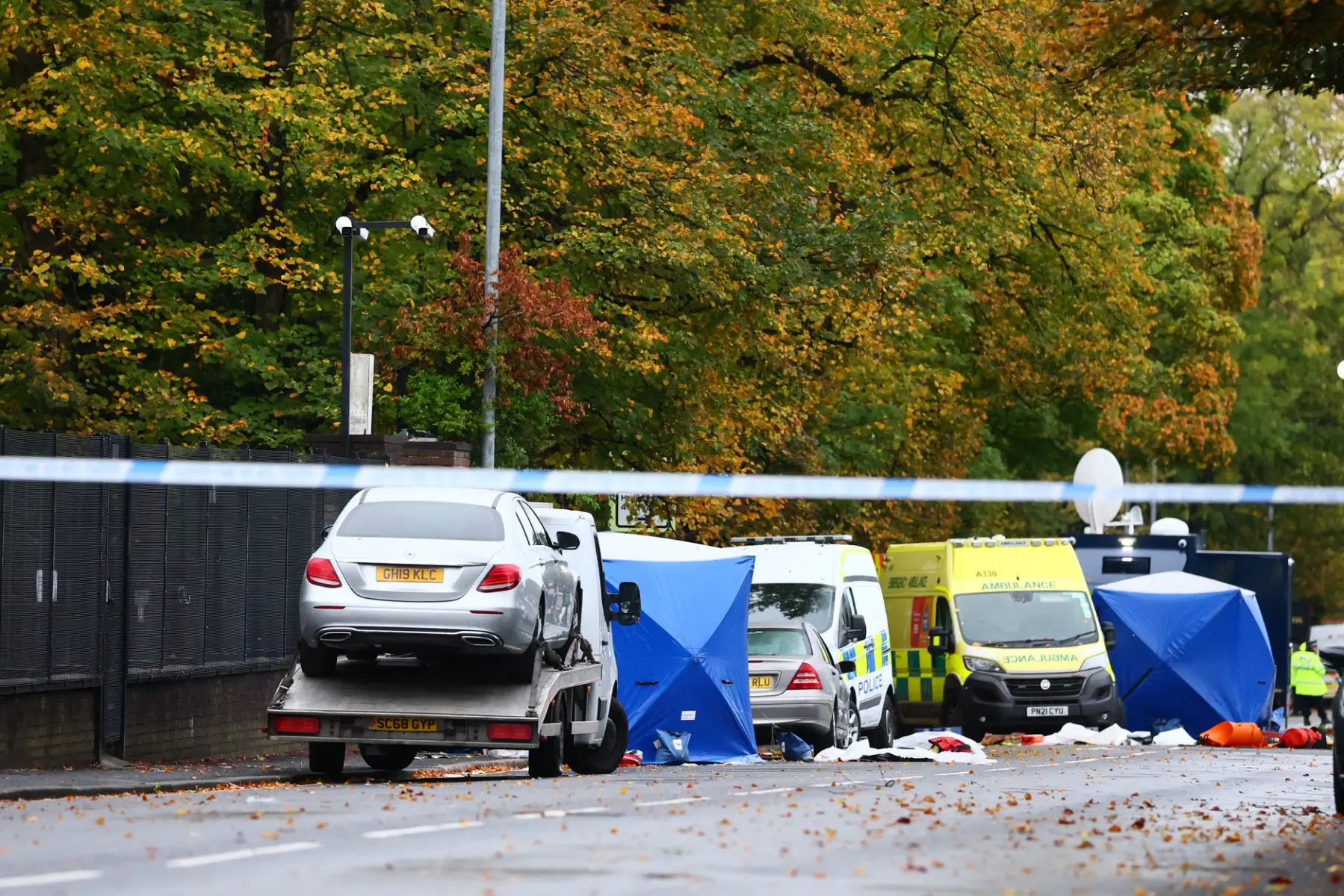
Manchester horror — Yom Kippur turns deadly
A sacred day turned into tragedy when a synagogue in Manchester became the site of a brutal attack during Yom Kippur. The attacker used a vehicle and a knife, targeting worshippers gathered for prayers. Three people, including the attacker, lost their lives while several others were injured. Authorities later linked the suspect to extremist ideology, calling it a clear case of antisemitic terrorism. The timing, on one of Judaism’s holiest days, deepened the shock across the UK, prompting heightened security at synagogues nationwide and renewed concerns over the vulnerability of Jewish communities.
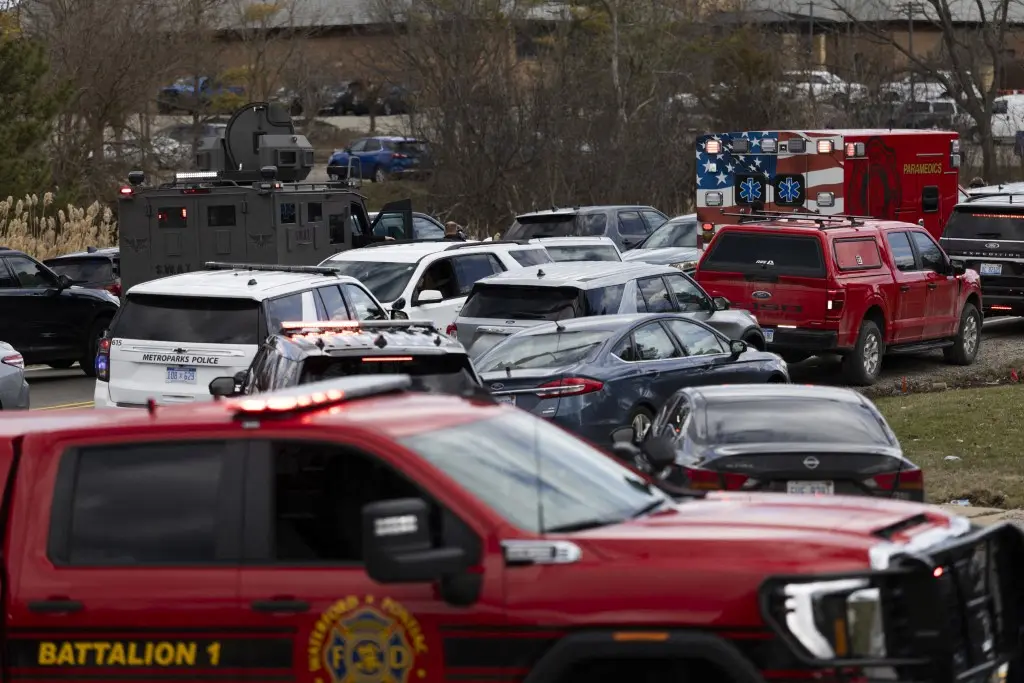
Michigan mass casualty attack shocks the US
In one of the most alarming synagogue attacks in recent US history, a gunman drove into a synagogue complex in Michigan before opening fire. The attack left dozens injured, overwhelming emergency services and triggering a massive federal response. Investigators described the incident as terrorism driven by antisemitic motives. The scale of casualties and the method, combining vehicle assault with firearms, highlighted evolving tactics in hate-driven violence. The incident reignited debates in the US around domestic extremism, gun control, and the protection of religious institutions, increasingly seen as soft targets.
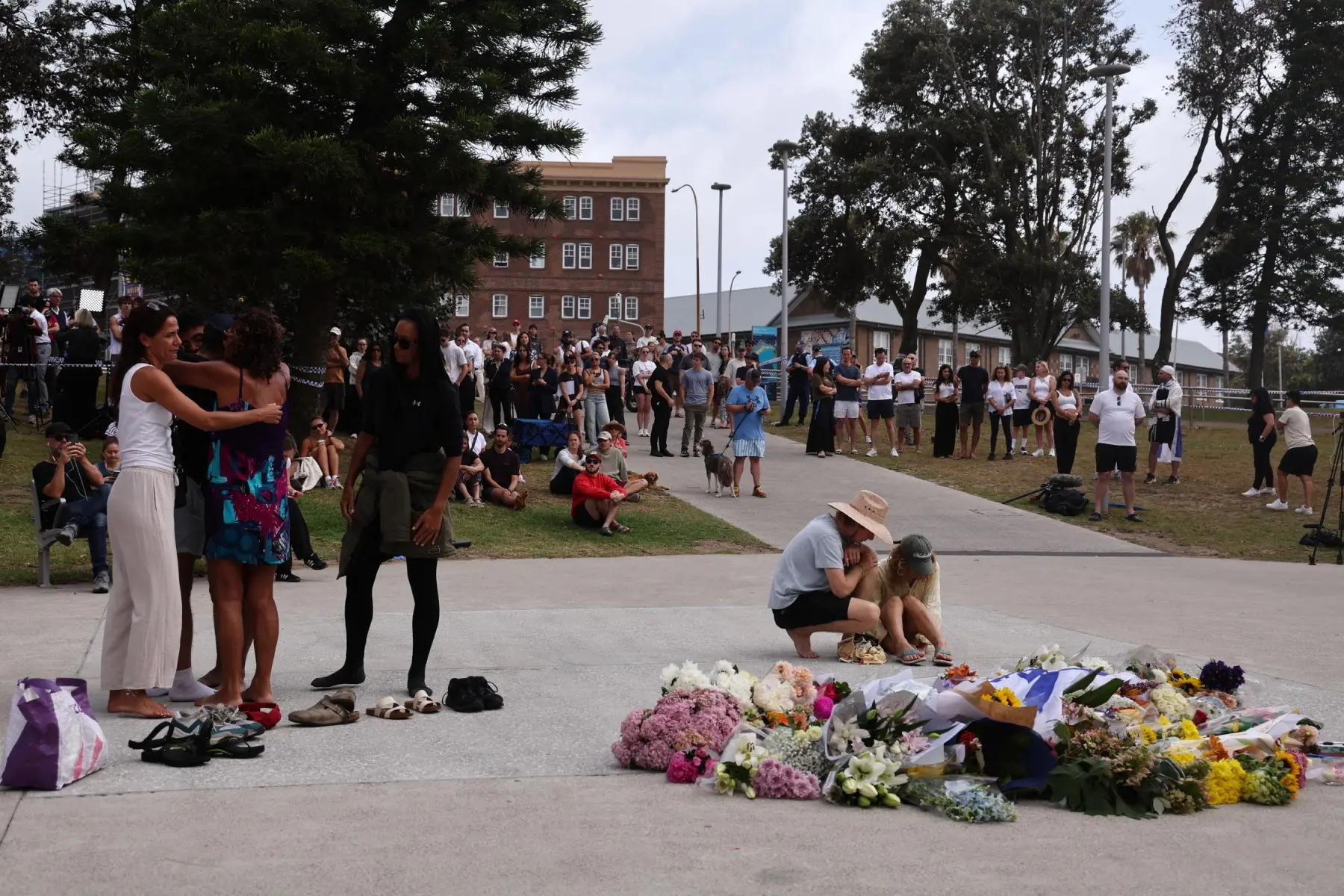
Sydney Celebration turns into massacre
What started as a joyful Hanukkah gathering in Sydney turned into one of the deadliest antisemitic attacks of the year. An assailant targeted a Jewish celebration, killing multiple people and injuring several others. Though not confined within a synagogue building, the attack was part of a broader pattern of violence against Jewish communities. Australia, often seen as relatively insulated from such incidents, was left shaken. The tragedy sparked national mourning and urgent calls for stronger protections around Jewish events and places of worship across the country.
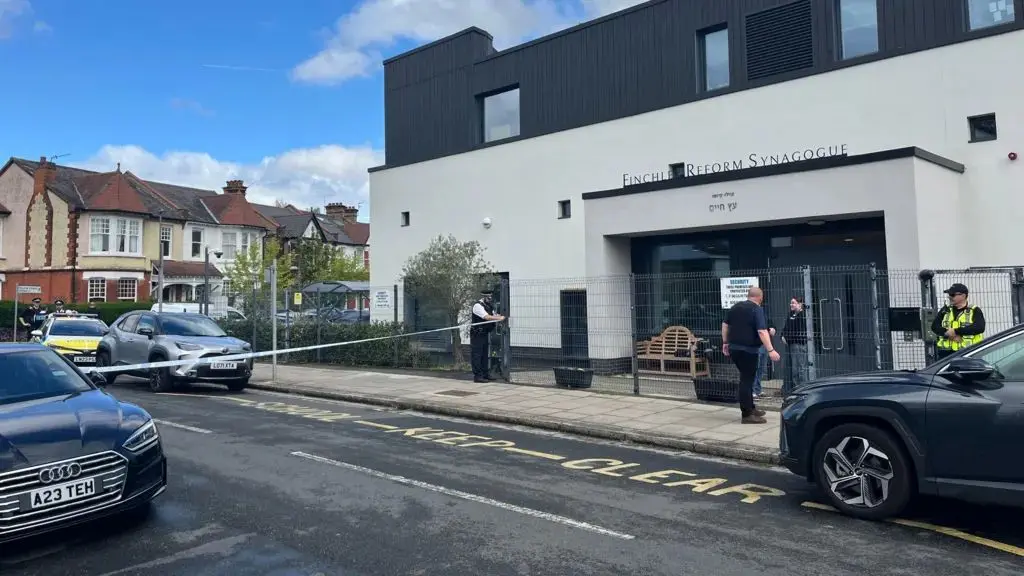
London firebomb plot foiled
A potential disaster was narrowly avoided in London when attackers attempted to firebomb a synagogue in Finchley. Petrol bombs were thrown at the building, but failed to ignite, preventing what could have been a catastrophic blaze. Police quickly labeled the incident a suspected antisemitic hate crime. Though no injuries were reported, the attack heightened fear within the Jewish community. Security presence around synagogues in London was immediately increased, reflecting growing anxiety about targeted violence, even when attacks are unsuccessful.

New York ramming attack targets Chabad headquarters
In another alarming incident in New York, a driver repeatedly rammed a vehicle into the entrance of a prominent synagogue building linked to Chabad. Though no lives were lost, the attack caused significant structural damage and panic. Authorities treated the case as a targeted act, with investigations focusing on motive and intent. The attack once again demonstrated how vehicles have become a preferred tool in low-tech but high-impact assaults. It also reinforced the urgent need for physical barriers and security upgrades at religious institutions.
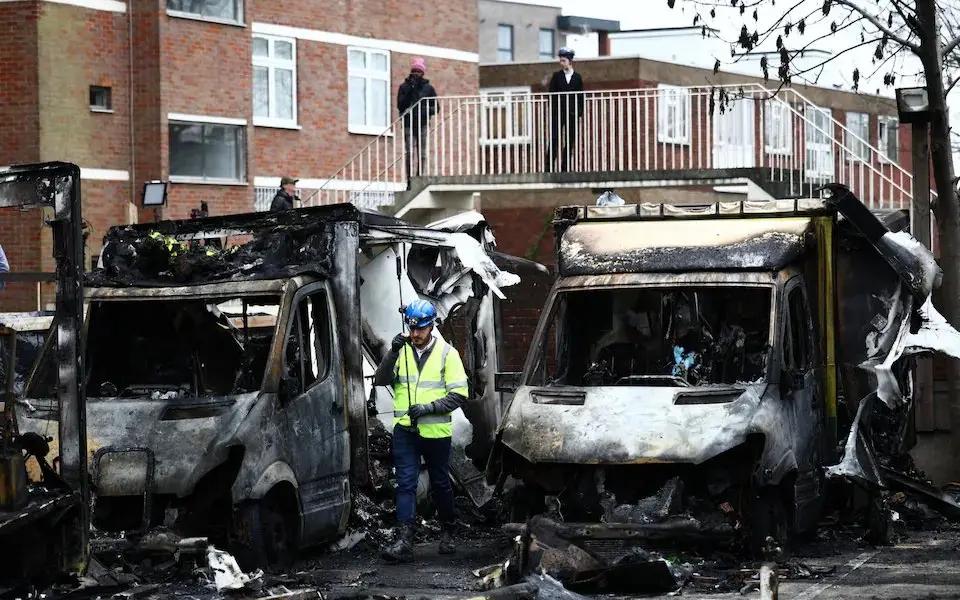
London Jewish ambulance arson attack
In London’s Golders Green, several Jewish community ambulances parked near a synagogue were set on fire in a suspected antisemitic arson attack. While the synagogue itself was not directly hit, the targeting of emergency vehicles linked to the community sent a chilling message. The destruction of ambulances, critical for rapid response, was seen as both symbolic and strategic. The attack deepened fears within the community and highlighted how even support infrastructure tied to synagogues is becoming a target in the broader wave of antisemitic incidents.
)
)
)
)
)