From Liquid Fuel to ‘Doomsday’ Tech: How DPRK missile technology has evolved over the past decade

Over the past decade, North Korea has transformed its missile programme from unreliable, liquid-fuelled rockets to advanced, solid-fuel intercontinental ballistic missiles (ICBMs). Shifting from liquid to solid fuel for faster deployment.
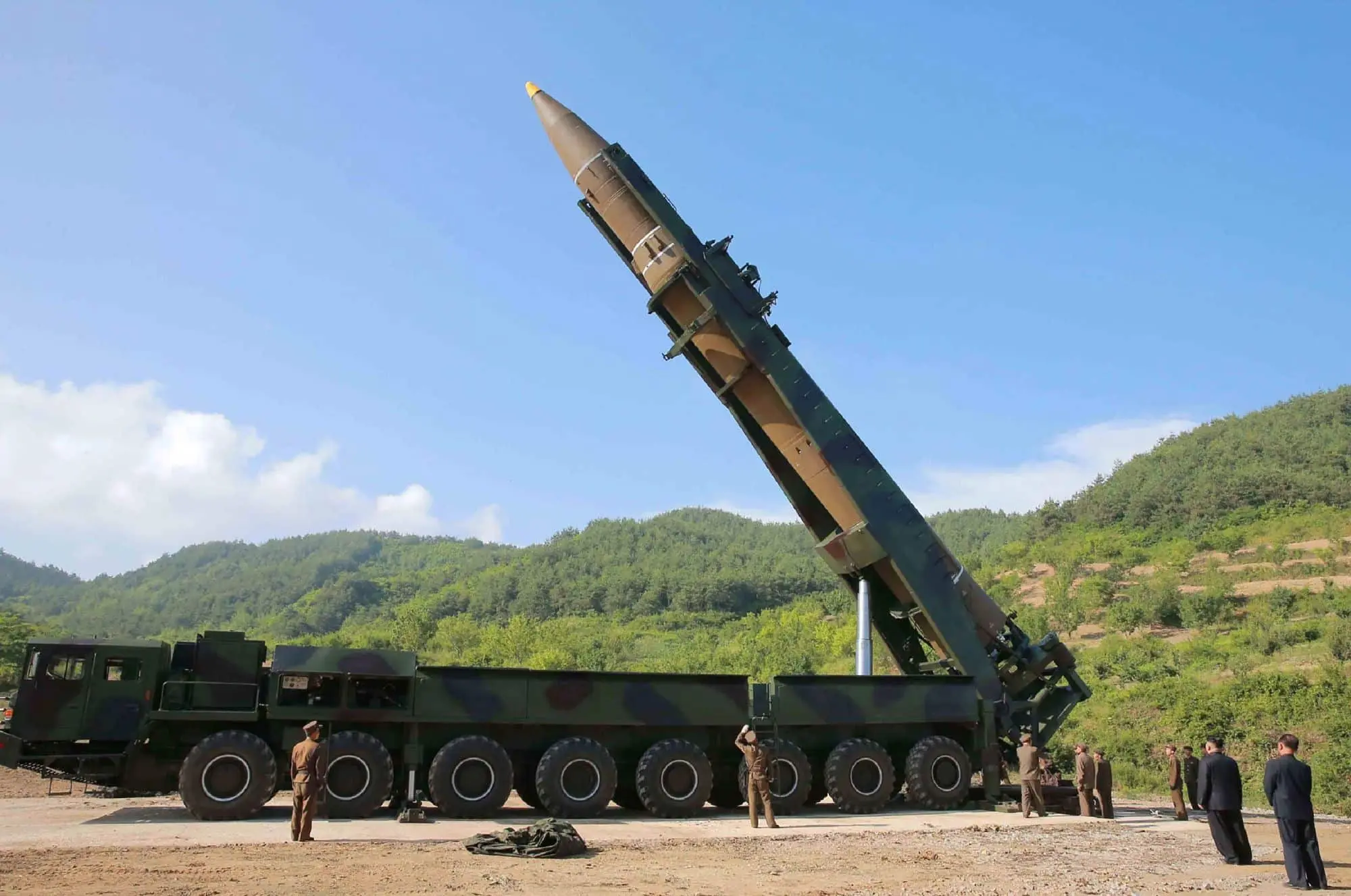
First ICBM reaches space in 2017
In July 2017, North Korea successfully tested the Hwasong-14, its first intercontinental ballistic missile. BBC News reported that this liquid-fuelled rocket demonstrated a potential range of over 10,000 kilometres, proving for the first time that Pyongyang could theoretically strike parts of the United States.
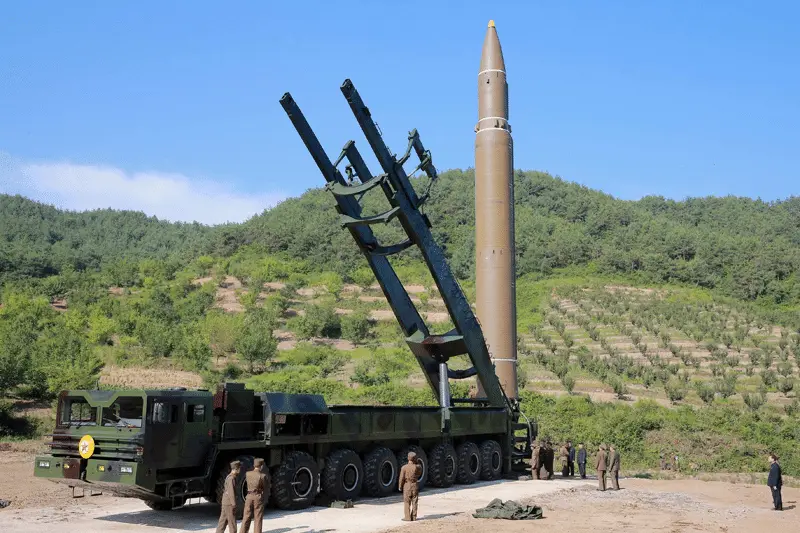
Hwasong-15 extends the range
Just months later in November 2017, the regime tested the larger Hwasong-15. According to 38 North, this missile flew for 53 minutes and reached an altitude of 4,475 kilometres, confirming a capability to hit any city on the US mainland with a heavy warhead.
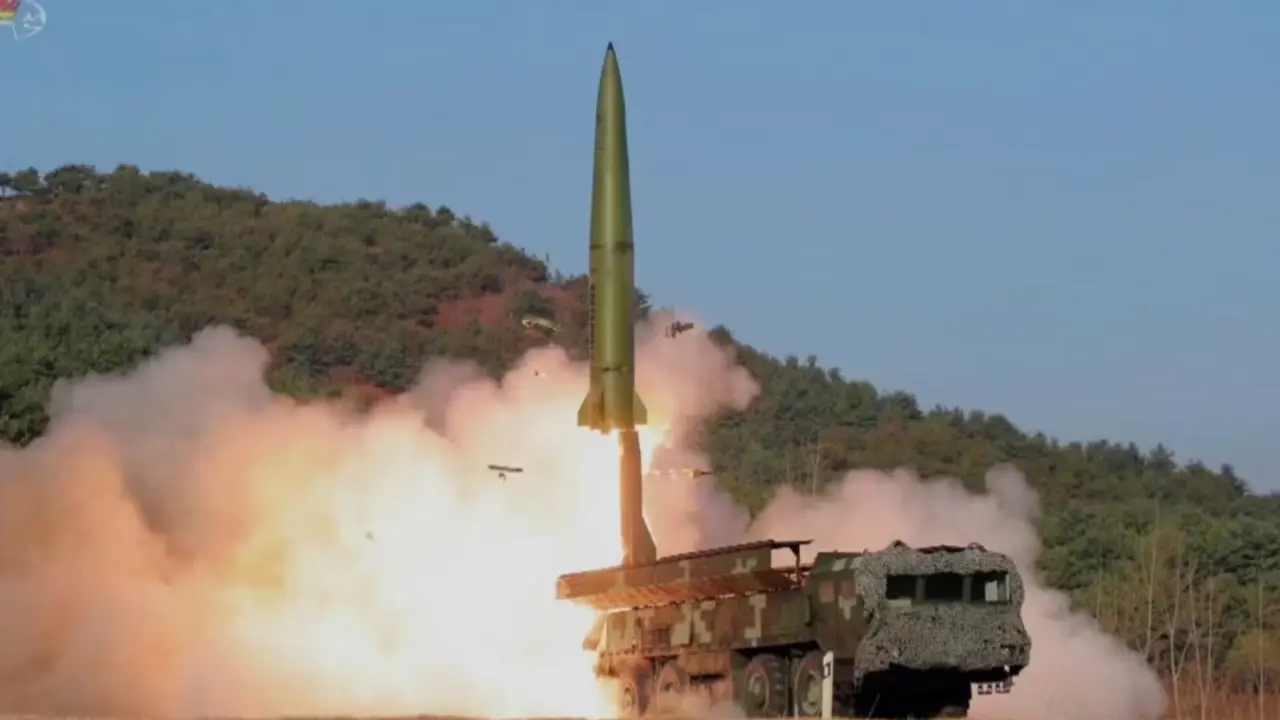
The tactical shift KN-23 evades radar systems
Following failed diplomatic summits in 2019, Pyongyang unveiled the KN-23, a short-range ballistic missile resembling the Russian Iskander. Reuters notes this solid-fuel weapon flies at lower altitudes and can manoeuvre in flight, making it significantly harder for South Korean defences to intercept.
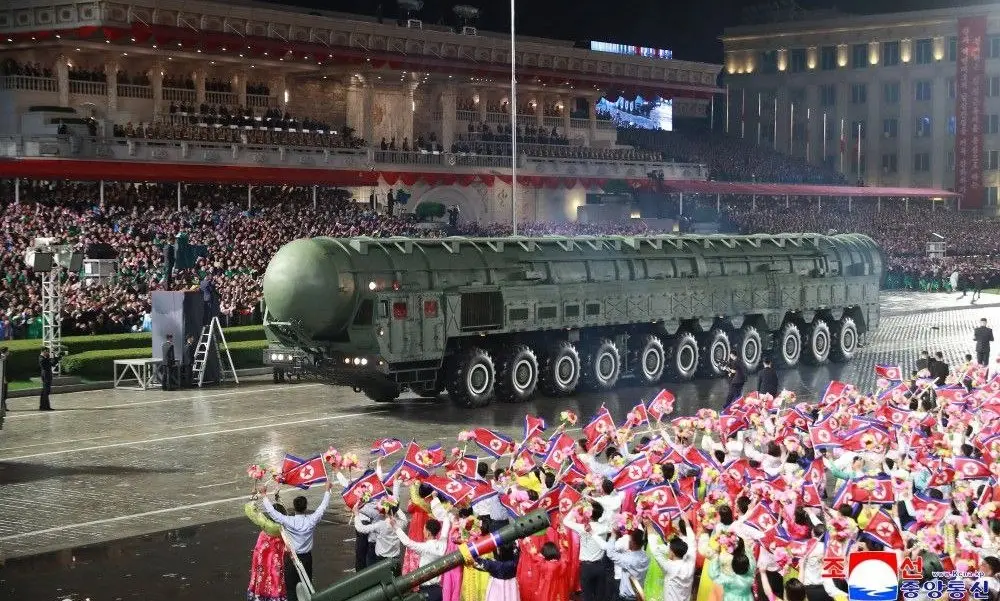
Hwasong-17 carries multiple warheads
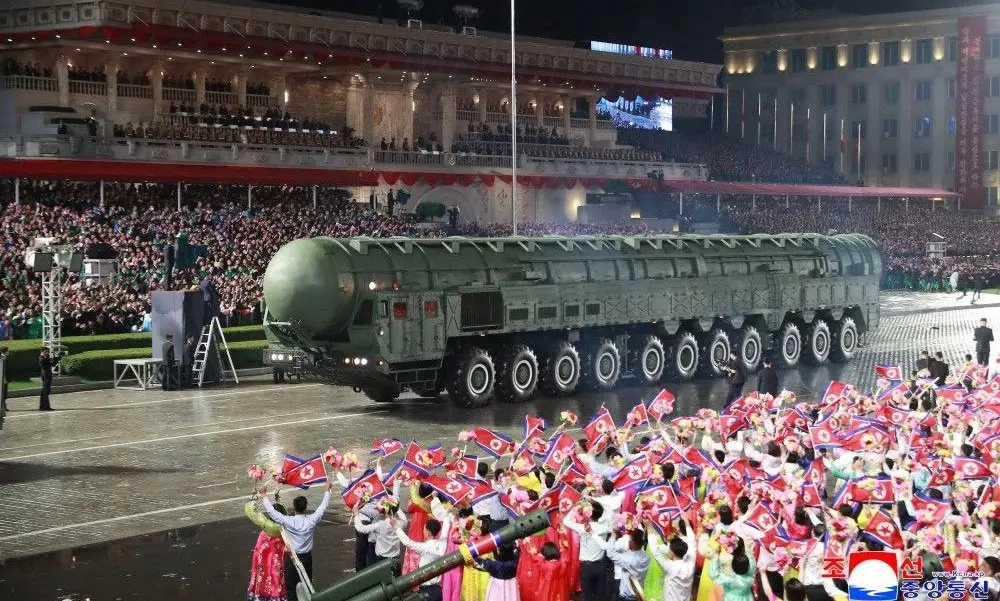
First displayed in 2020 and tested in 2022, the Hwasong-17 is the world’s largest road-mobile liquid-fuel ICBM. Experts state its massive size allows it to carry Multiple Independently-targetable Reentry Vehicles (MIRVs), enabling a single launch to strike several targets simultaneously.
Hypersonic
In 2021, North Korea claimed to test its first hypersonic missile, the Hwasong-8. State media KCNA stated the warhead detached and glided at five times the speed of sound, aiming to render traditional missile defence systems obsolete through unpredictable flight paths.
The solid-fuel revolution Hwasong-18 cuts launch time
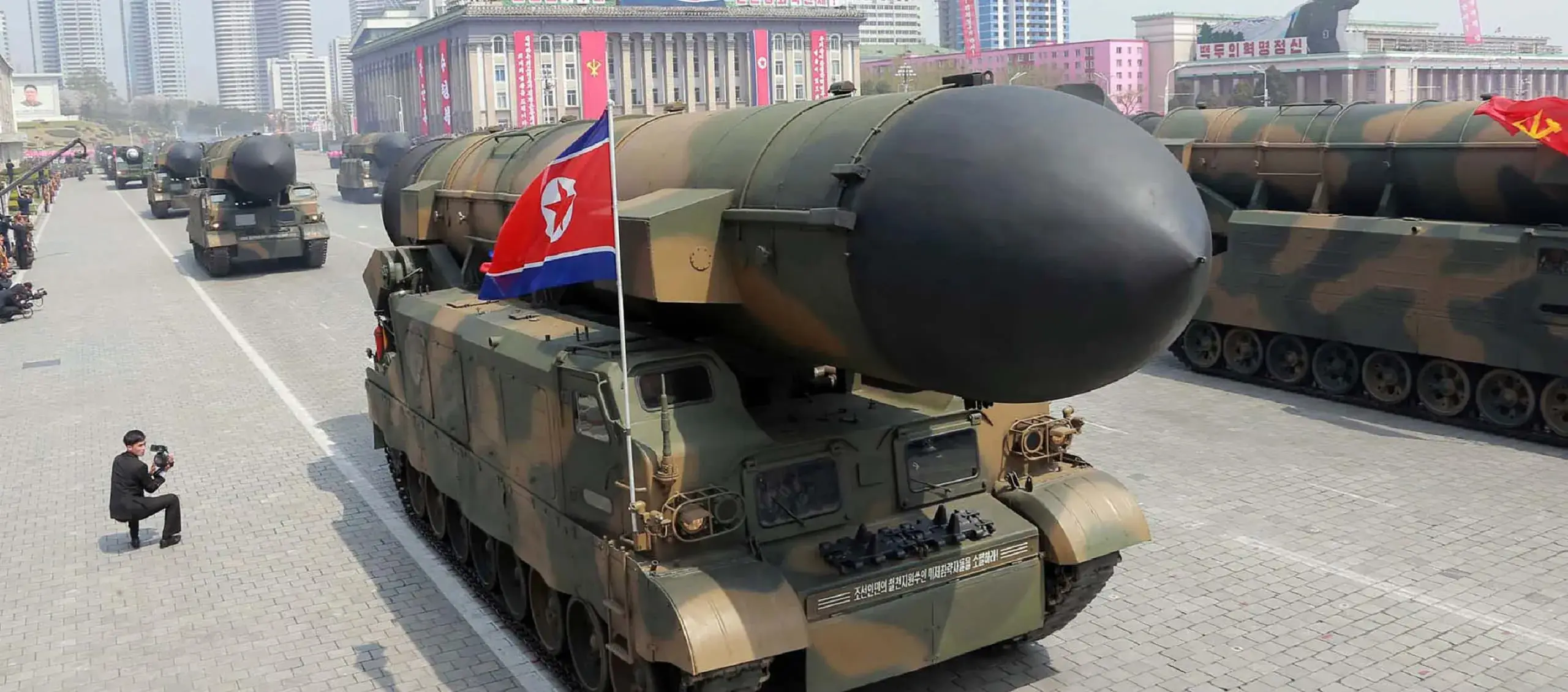
A major milestone occurred in 2023 with the launch of the Hwasong-18, the country’s first solid-fuel ICBM. Unlike liquid-fuel rockets that take hours to fuel, this missile can be rolled out and fired in minutes, giving enemies almost no warning time.
Malligyong-1 spy satellite
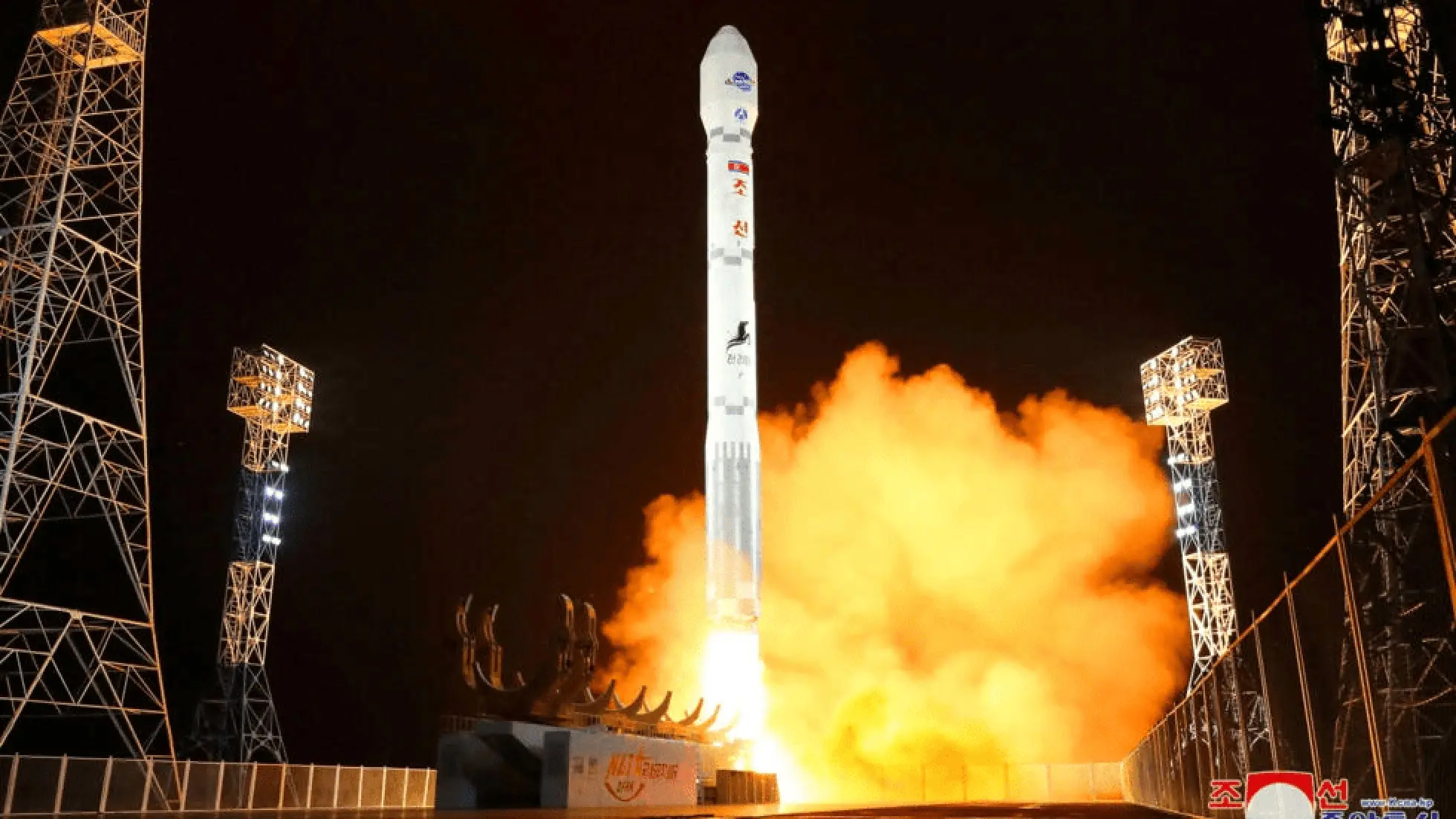
Moving beyond weapons, North Korea placed its first spy satellite, Malligyong-1, into orbit in late 2023 using ballistic technology. The US Space Force confirmed the launch, which Kim Jong Un claims provides real-time surveillance of US and South Korean military movements.
)
)
)
)
)