From launch to re-entry: How astronaut meals are tailored on Artemis II mission

Menus are developed with space food specialists and the crew to balance calorie intake, hydration and nutrients while respecting the spacecraft’s strict limits on mass, volume and power.
A mission that tests more than propulsion
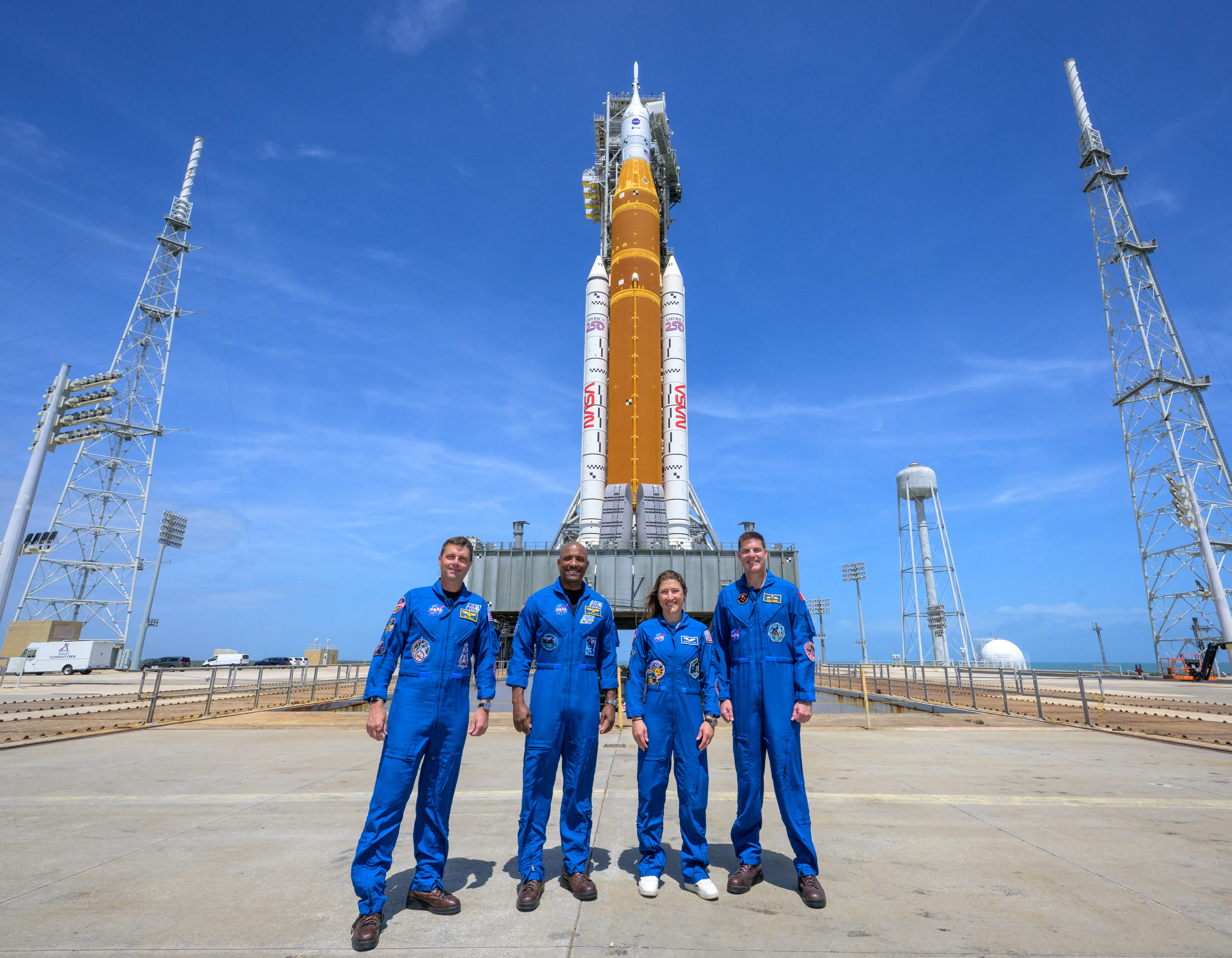
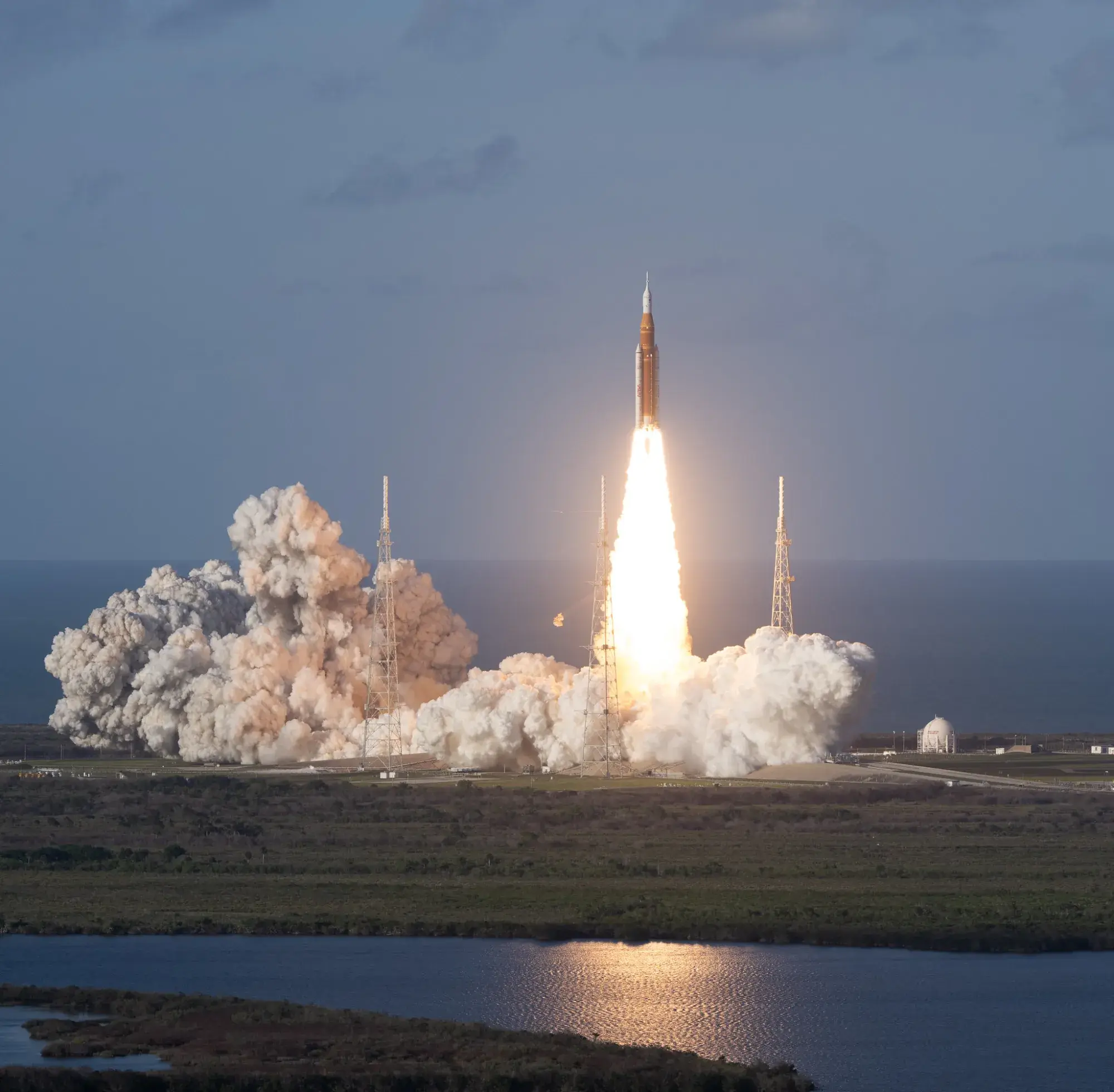
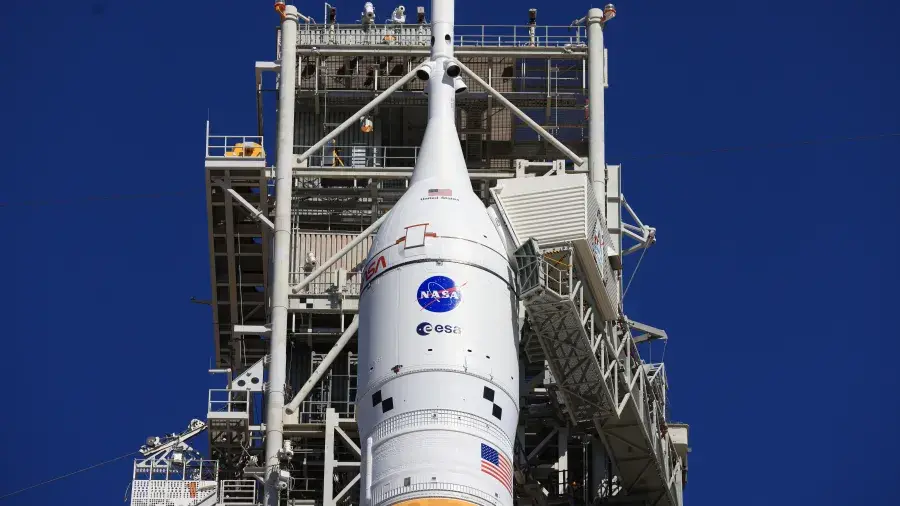
NASA’s Space Launch System (SLS) rocket lifted off from Launch Pad 39B at Kennedy Space Center, Florida, at 6:35 pm EDT on Wednesday, sending four astronauts aboard the Orion spacecraft on a planned mission around the Moon and back. More than five decades after humans last travelled beyond Earth orbit, Artemis II marks a return to deep space with a 10-day flight. Onboard are Reid Wiseman, Victor Glover, Christina Koch and Jeremy Hansen. Alongside propulsion and navigation, the mission is also testing a critical but less visible system: how astronauts eat in deep space.
Designing food for a self-contained journey
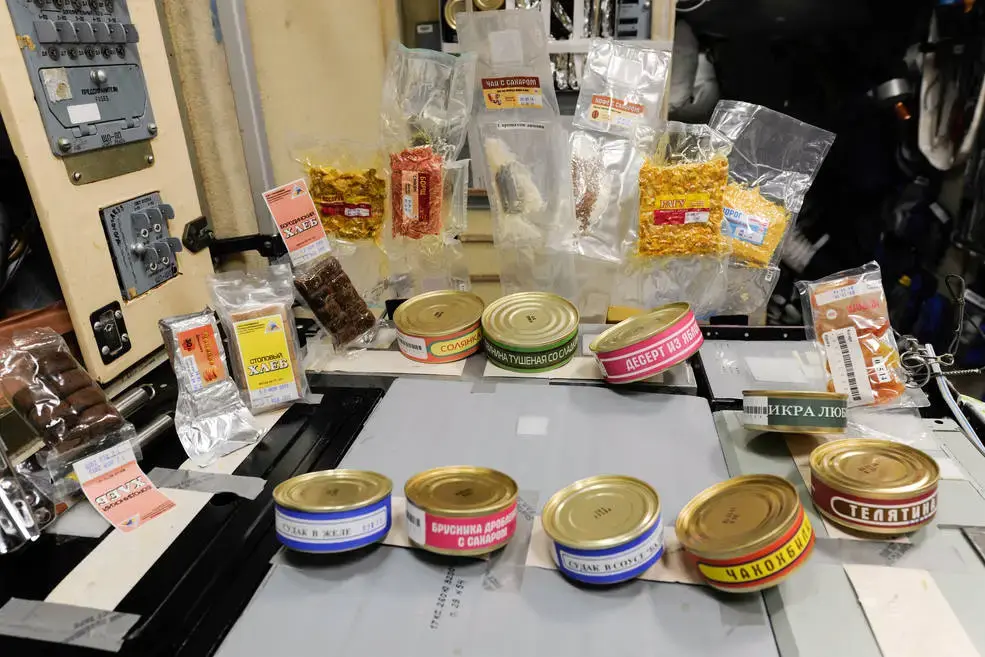
Unlike missions to the International Space Station, Artemis II has no resupply or refrigeration. NASA states that food must be “safe, shelf-stable, and easy to prepare and consume” within Orion. Menus are developed with space food specialists and the crew to balance calorie intake, hydration and nutrients while respecting the spacecraft’s strict limits on mass, volume and power.
Learning from Apollo and beyond
Artemis II menus reflect decades of progress. Apollo missions relied on limited, often unappealing options, while space shuttle flights expanded variety. The ISS allows regular resupply and occasional fresh food. Artemis II, by contrast, uses a fixed, pre-selected menu tailored for a compact, self-contained spacecraft operating far from Earth.
Crew choice within constraints
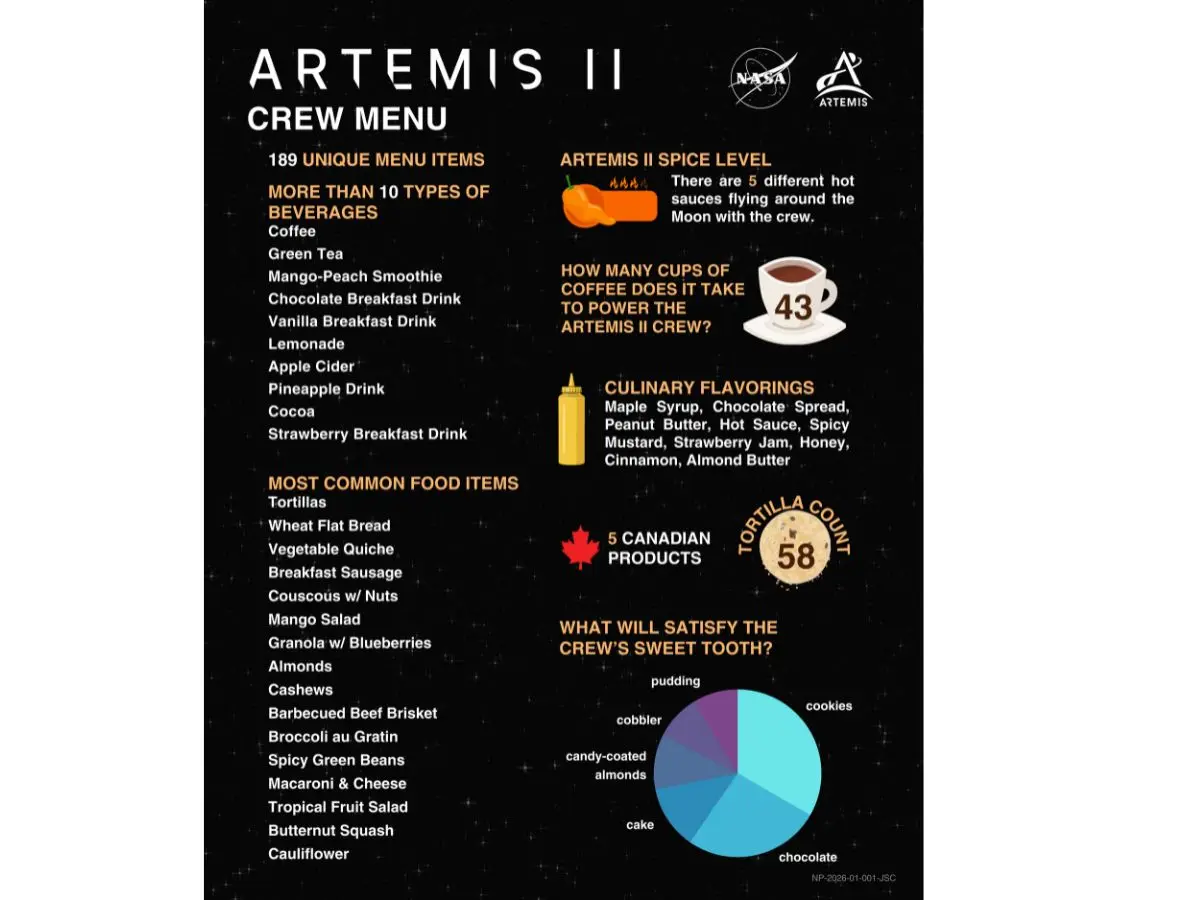
Astronauts play a direct role in shaping their meals. They sample and rate foods before launch, and their preferences are incorporated alongside nutritional requirements. NASA notes that final menus are set in advance, with two to three days of food packed per astronaut in individual containers to allow flexibility during the mission.
Menus that change with mission phases
Food planning varies across launch, transit and re-entry. During phases when Orion’s potable water system is unavailable, such as launch and landing, astronauts rely on ready-to-eat items. Once in stable flight, a wider range of options becomes available, including freeze-dried meals that can be rehydrated.
How food is prepared in orbit
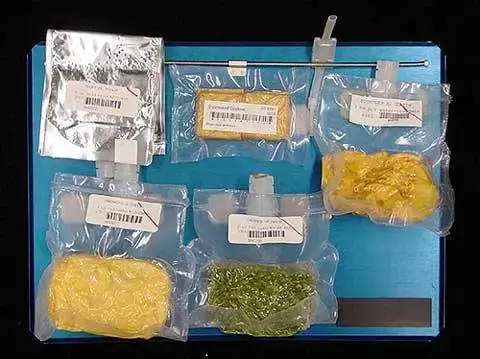
Meals aboard Orion are ready-to-eat, rehydratable, thermostabilised or irradiated. Astronauts use a potable water dispenser to prepare food and a compact warmer to heat meals. Preparation is intentionally simple to avoid interfering with spacecraft operations in microgravity.
Balancing safety, nutrition and practicality
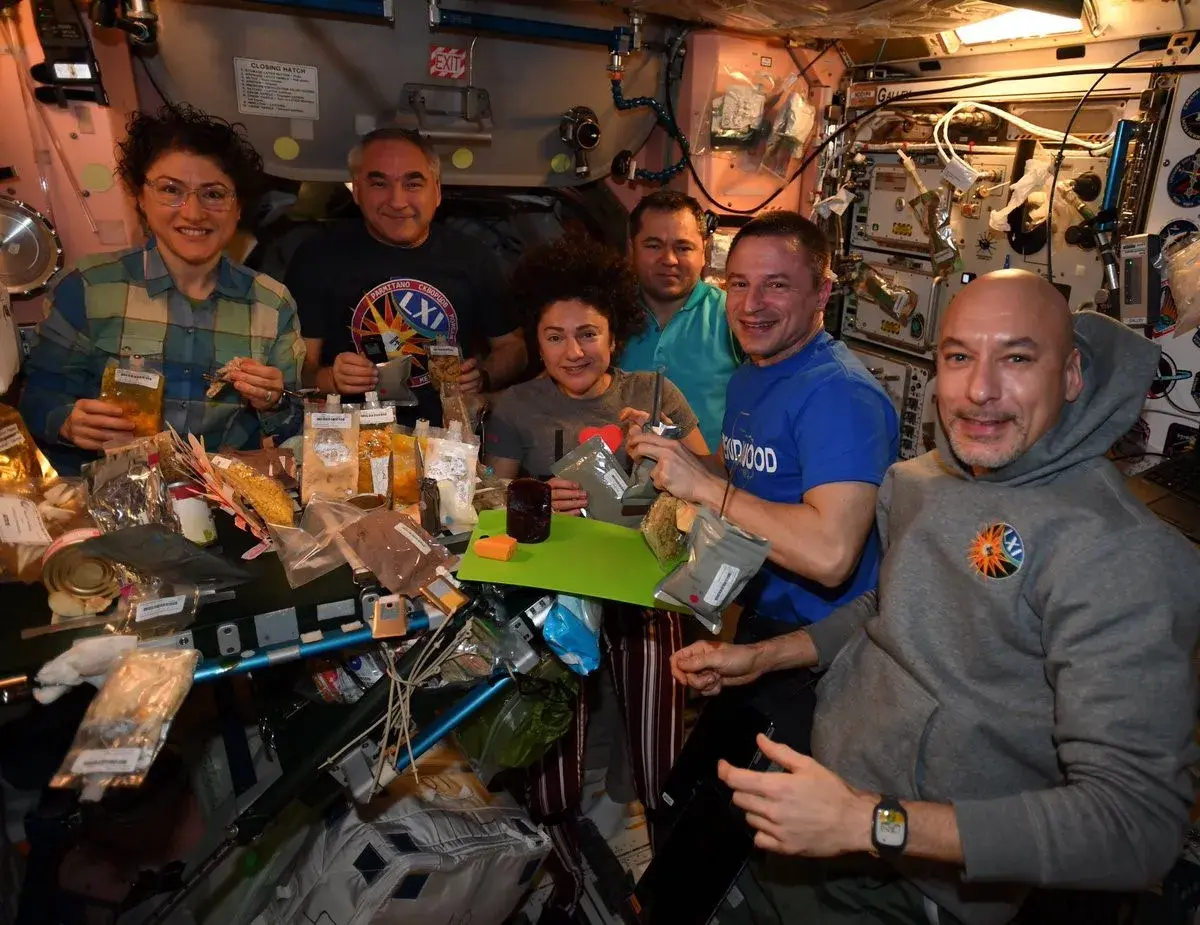
Designing food for Orion requires careful trade-offs. Items must minimise crumbs and waste, remain stable for the entire mission, and meet precise nutritional needs. The result is a tightly controlled system that supports both health and performance, ensuring astronauts can operate effectively throughout their journey beyond Earth orbit.
)
)
)
)
)