From Kuwait to Hong Kong: The 7 strongest Asian currencies in 2025

From tiny oil-rich states to financial powerhouses, their currencies outperform many larger economies, shaping trade, investment, and regional economic dynamics.
Introduction
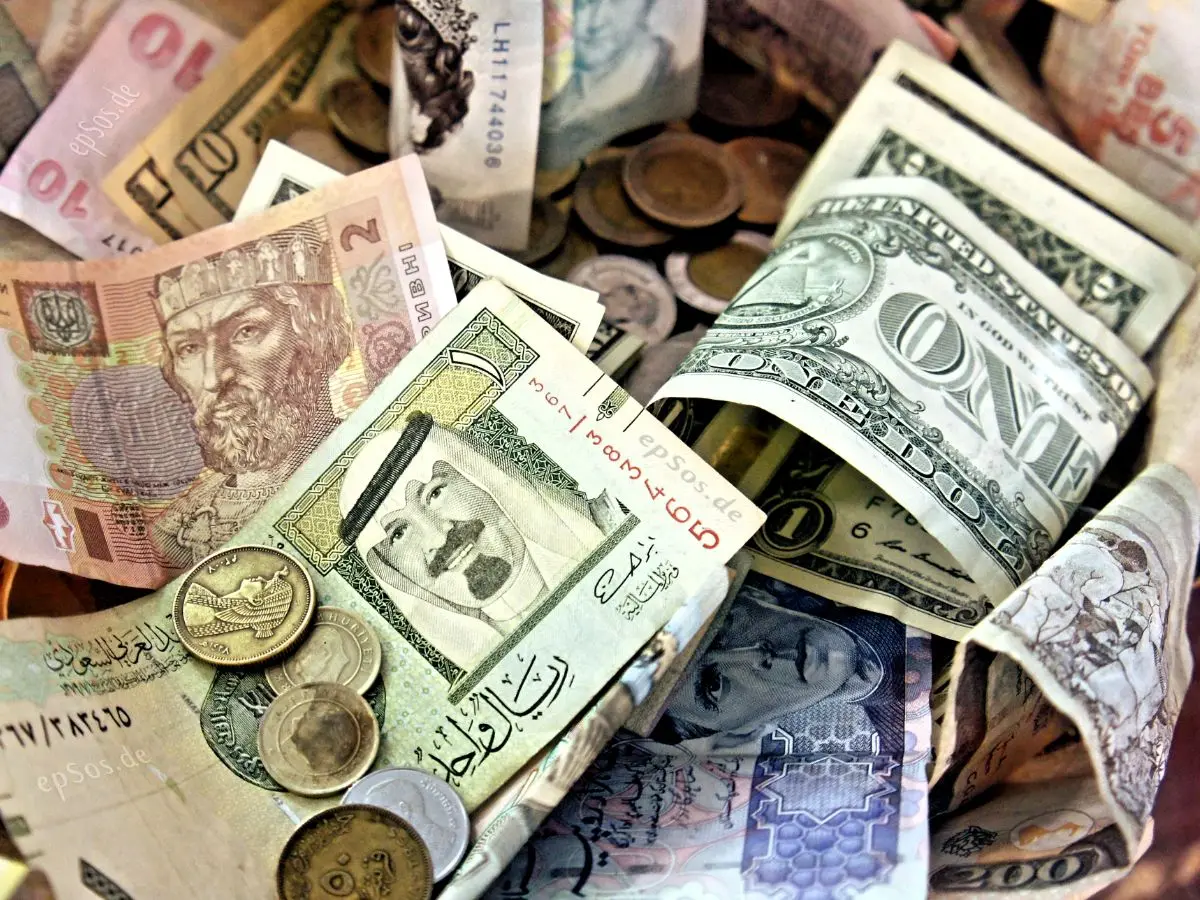
Asia is home to some of the world’s most powerful currencies, reflecting more than just economic strength. These nations combine strategic financial policies, strong reserves, and global trade influence to maintain stability and investor confidence. From tiny oil-rich states to financial powerhouses, their currencies outperform many larger economies, shaping trade, investment, and regional economic dynamics. Understanding why these currencies hold such power offers insight into the financial strategies, resource management, and geopolitical positioning that allow certain Asian nations to punch well above their weight on the global stage.
1. Kuwaiti Dinar (KWD)
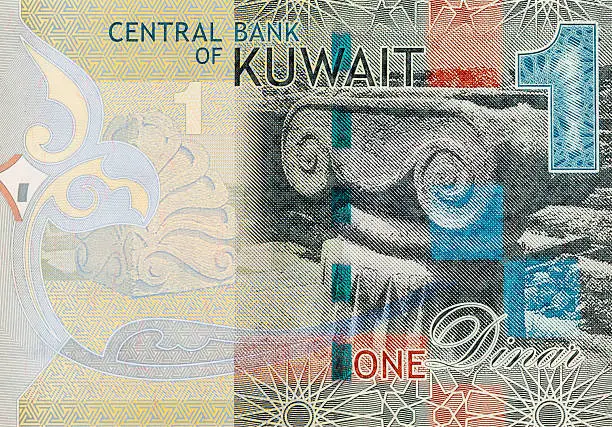
The Kuwaiti Dinar remains the strongest currency in Asia and among the world’s top globally, valued at approximately 3.27 USD. Its strength is largely due to Kuwait’s vast oil reserves and prudent fiscal management, which provide stability and ensure low inflation despite global market fluctuations.
2. Bahraini Dinar (BHD)
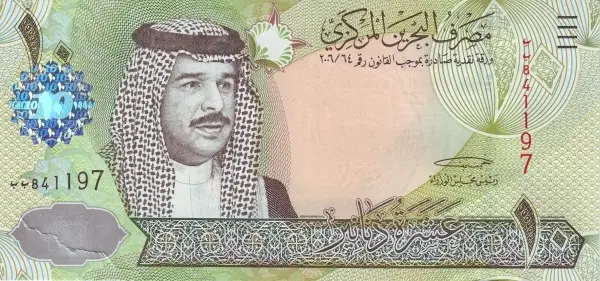
The Bahraini Dinar, trading at around 2.65 USD, benefits from a diversified economy. While oil remains a key revenue source, Bahrain has expanded into banking, tourism, and finance. Its peg to the US dollar adds an additional layer of stability, making it one of Asia’s most reliable currencies.
3. Omani Rial (OMR)
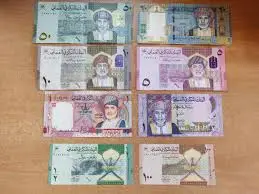
Oman’s currency, valued at approximately 2.60 USD, owes its strength to consistent fiscal management and oil wealth. A US dollar peg ensures predictability in international trade, while moderate inflation rates maintain the Rial’s purchasing power and investor confidence.
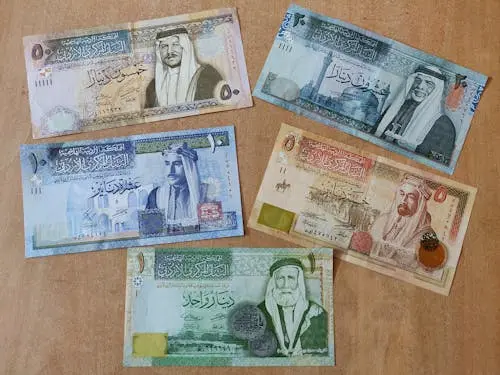
4. Jordanian Dinar (JOD)
Despite limited natural resources, the Jordanian Dinar, standing at about 1.41 USD, has maintained stability through foreign aid, remittances, and a diversified economy. The peg to the US dollar has further reinforced its resilience, making it one of the strongest currencies in the region.
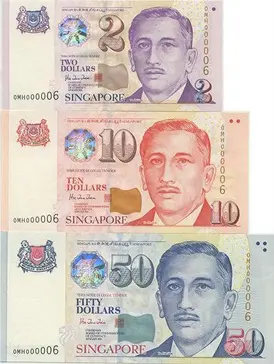
5. Singapore Dollar (SGD)
The Singapore Dollar, valued at roughly 0.77 USD, reflects the city-state’s robust financial sector, high foreign reserves, and strategic position as a global trade hub. Consistent monetary policy and economic diversification contribute to the SGD’s sustained strength.
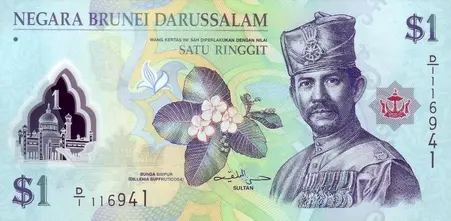
6. Brunei Dollar (BND)
The Brunei Dollar, pegged to the Singapore Dollar, is also around 0.77 USD. Supported by significant oil and gas revenues, a small population, and careful fiscal policies, the BND maintains its strength and purchasing power despite global market volatility.
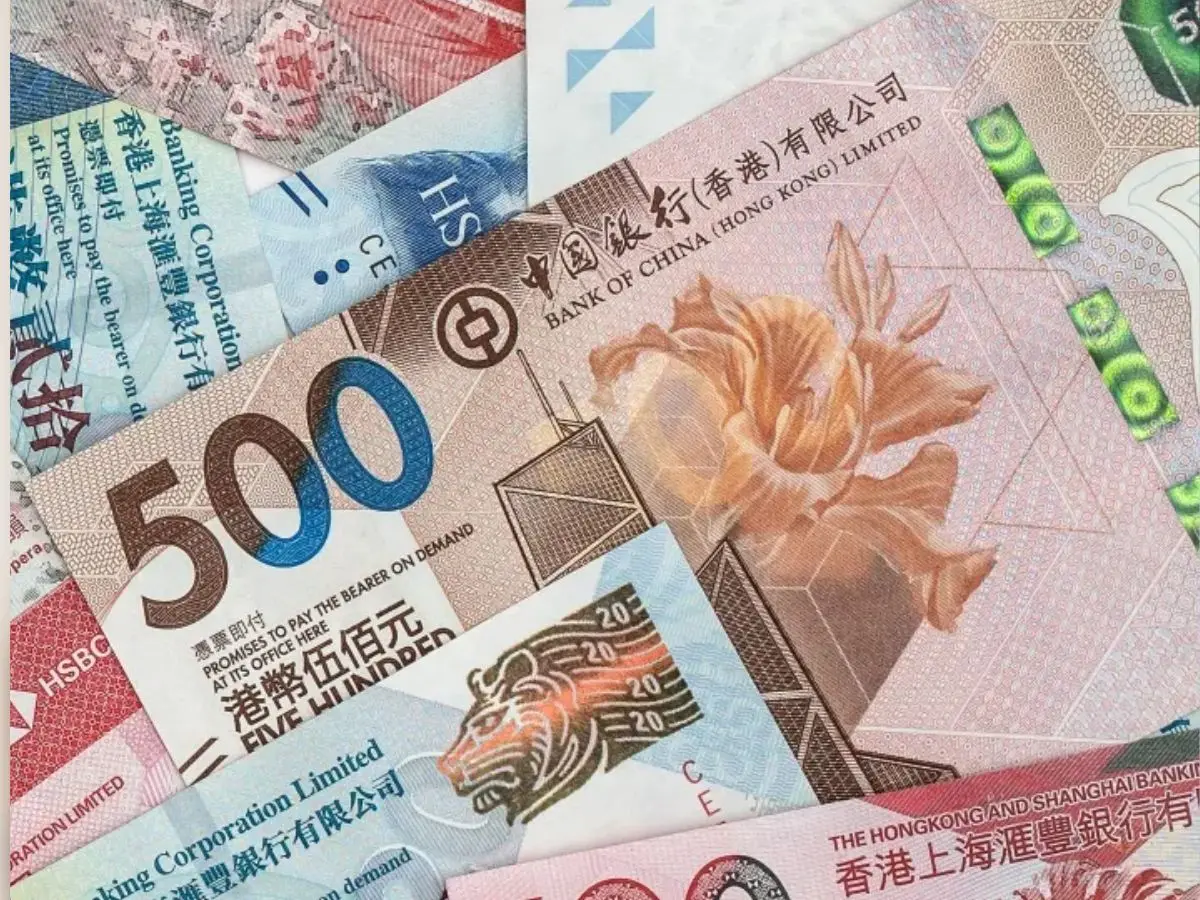
7. Hong Kong Dollar (HKD)
The Hong Kong Dollar, valued at about 0.12 USD, rounds out the list. Its stability is underpinned by a currency board system pegged to the US dollar, strong financial infrastructure, and Hong Kong’s role as a major international trading and banking hub. Despite geopolitical pressures, the HKD remains one of Asia’s most powerful currencies.
These seven currencies illustrate how a combination of resource wealth, strategic trade, fiscal prudence, and currency pegs can elevate a nation’s financial standing.
)
)
)
)
)