From Kabul to Delhi: Could one Afghanistan earthquake trigger a chain reaction across South Asia?

History shows a pattern: the 2005 Kashmir quake and the 2015 Nepal quake both highlighted how seismic activity in one region can foreshadow destruction in another.
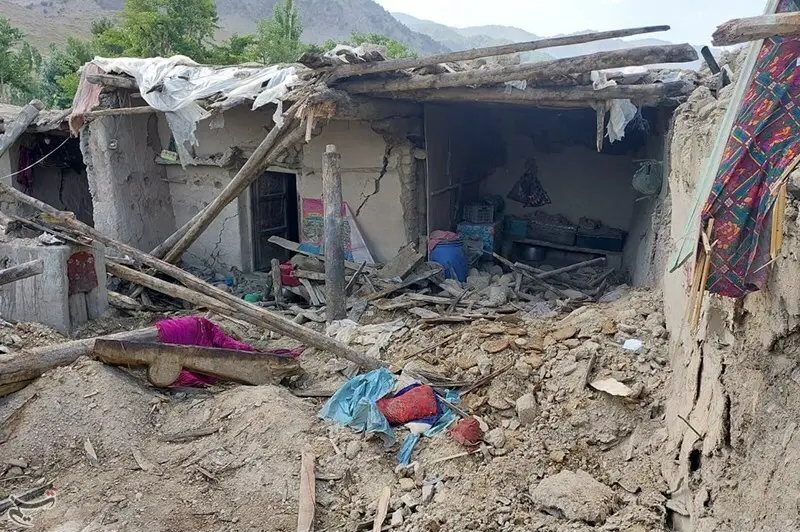
The Kabul Quake of August 31
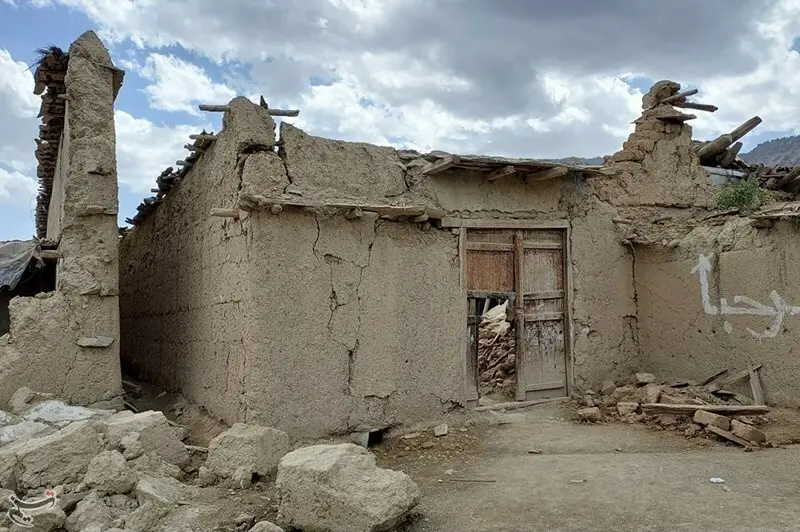
The 6.0-magnitude earthquake that struck eastern Afghanistan on August 31, 2025, killing over 800 people, has reignited fears of broader seismic risks in the region.
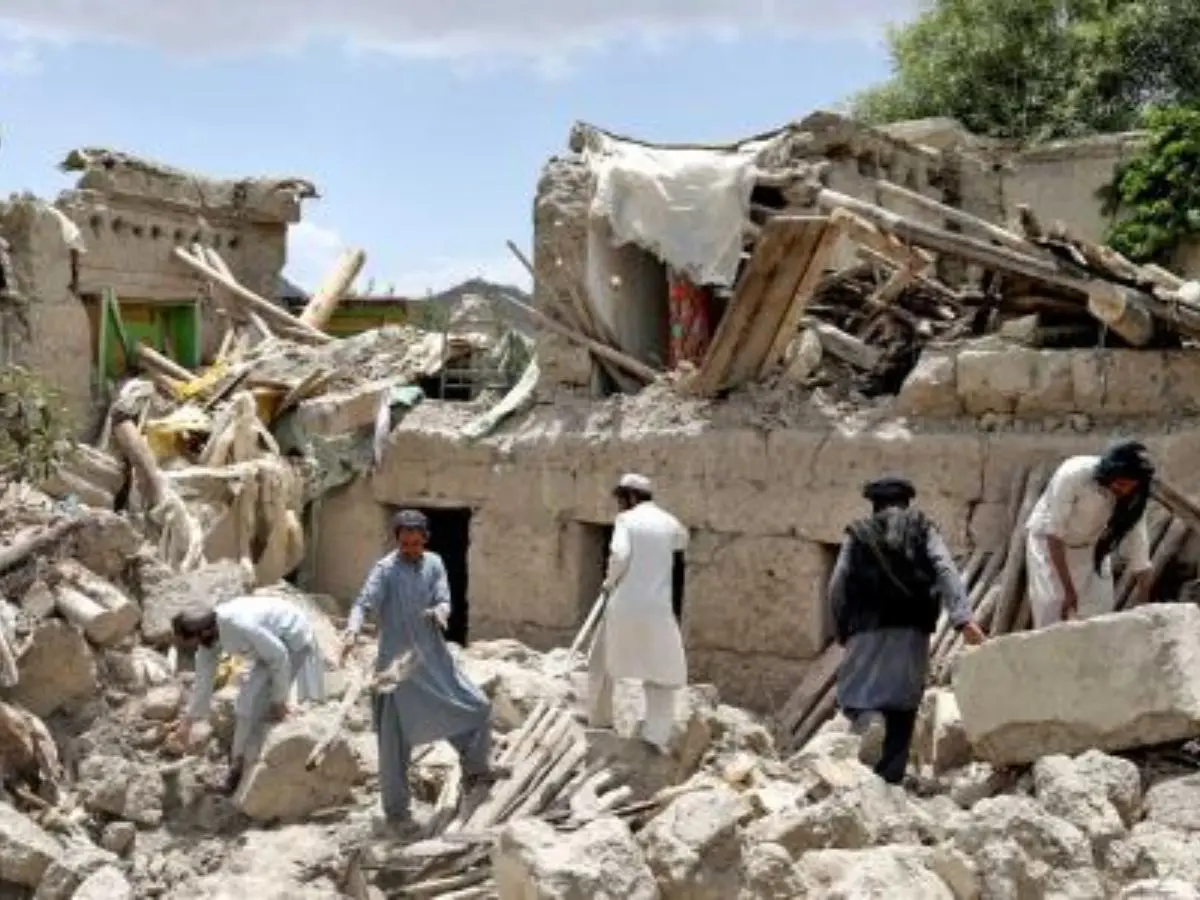
Shared Tectonic Plates
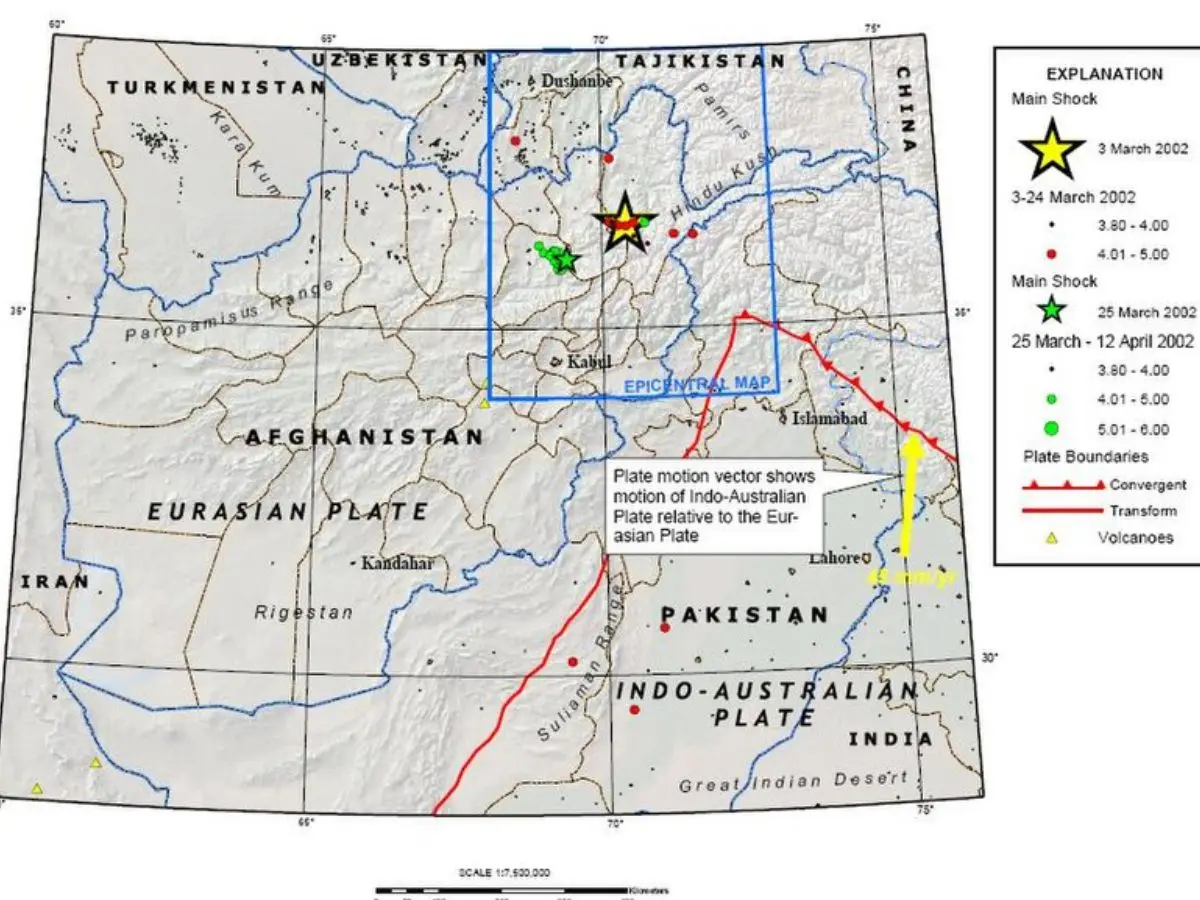
Afghanistan, Pakistan, Nepal, and northern India all sit on the collision zone of the Indian and Eurasian plates, meaning tremors in one part can indicate rising stress across the system.
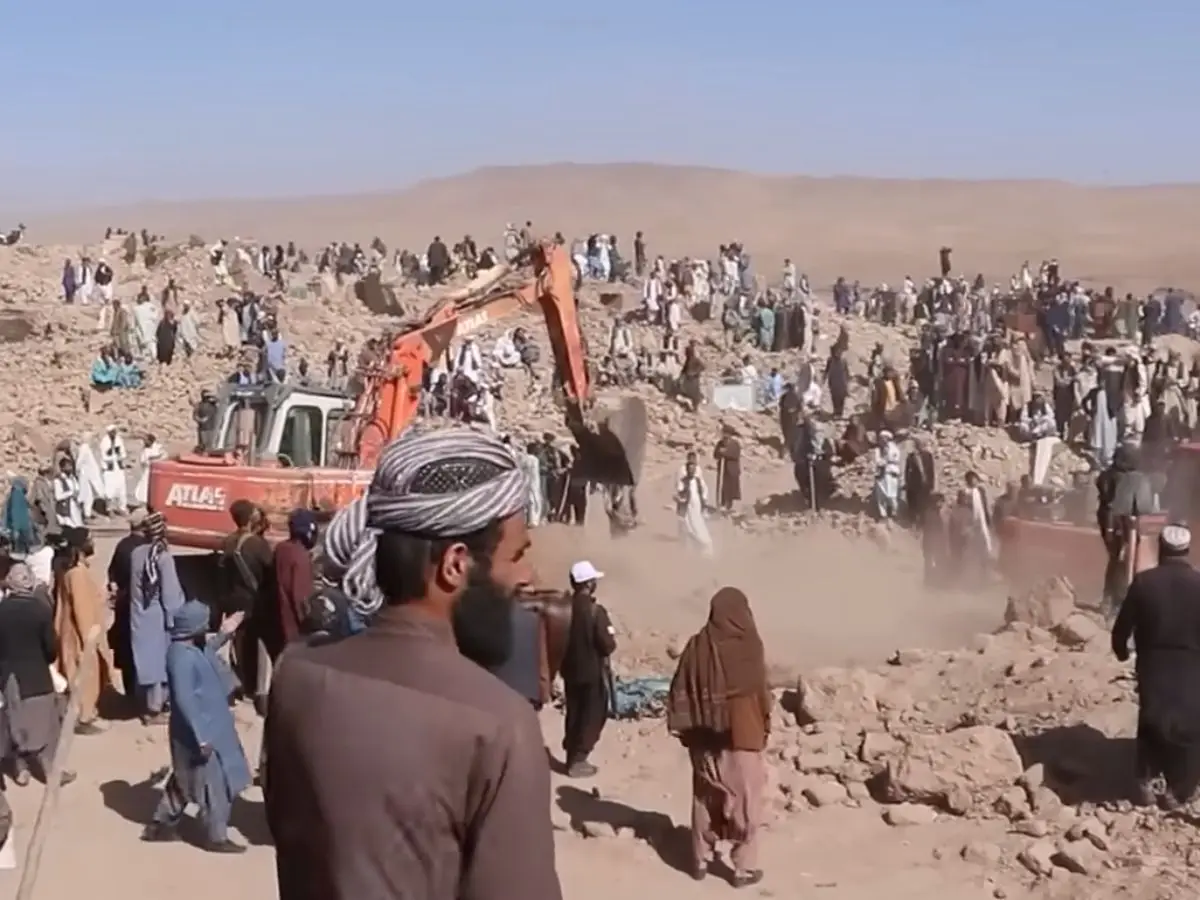
Stress Transfer Between Faults
Seismologists warn that earthquake stress can migrate. A major rupture in Afghanistan could redistribute pressure along connected fault lines stretching toward the Himalayas.
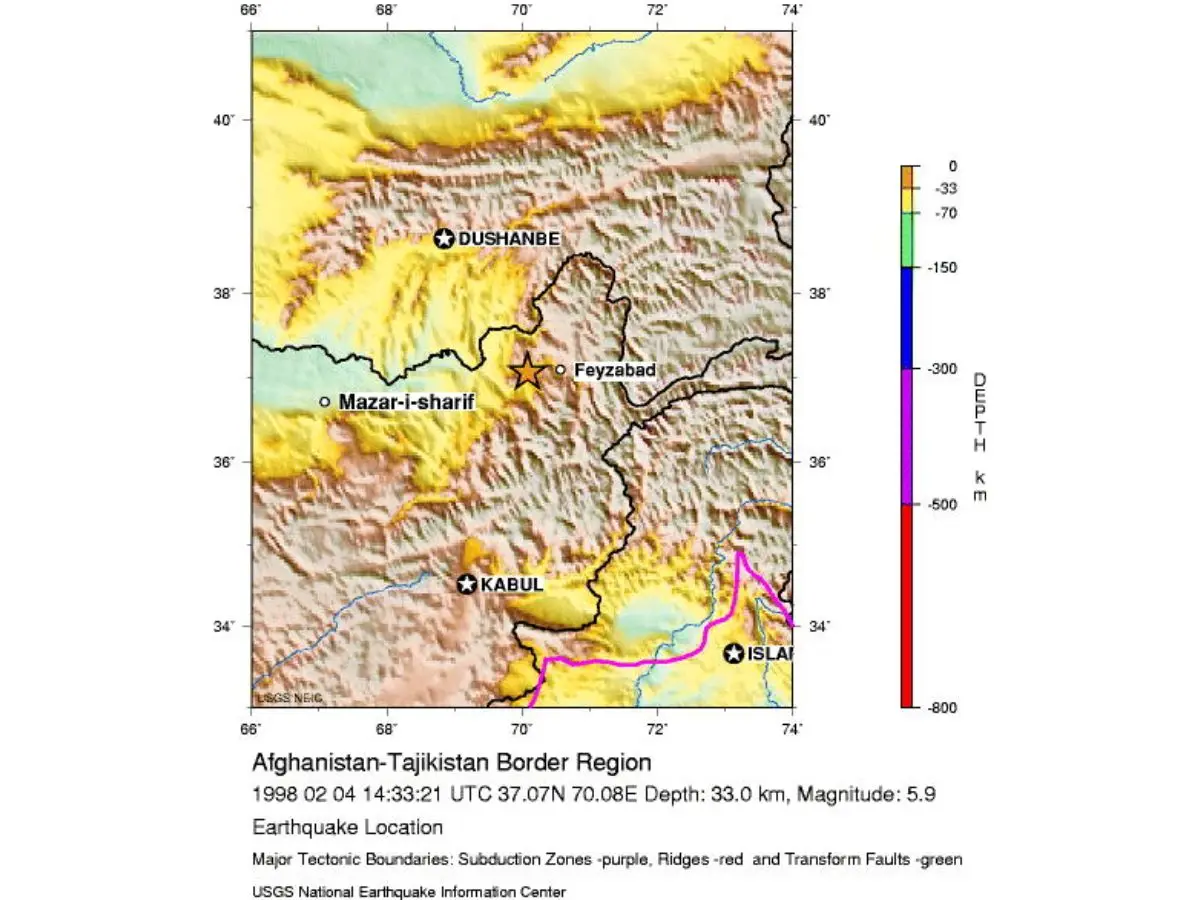
Why Delhi Is at Risk
Though nearly 1,000 km away, Delhi lies in Seismic Zone IV, meaning strong ground shaking is possible if fault stress shifts eastward through the Himalayan belt.
The Himalayan Megaquake Threat
The “locked faults” beneath the Himalayas have not released their full energy for centuries. An Afghanistan quake, experts say, can add to the stress buildup along this massive fault line.
Past Chain Reactions
History shows a pattern: the 2005 Kashmir quake and the 2015 Nepal quake both highlighted how seismic activity in one region can foreshadow destruction in another.

A Regional Time Bomb
With millions living in unplanned settlements from Kabul to Delhi, South Asia faces a shared seismic fate. One powerful rupture could ripple across borders, sparking a chain reaction with catastrophic results.
)
)
)
)
)