From Japan to China! Why Asia is leading robotics while India watches from the sidelines

China’s factories run on automated assembly lines, drone fleets, robotic forklifts and automated warehouses. India’s factories still rely heavily on low-cost manual labour, which slows both productivity and technology adoption.
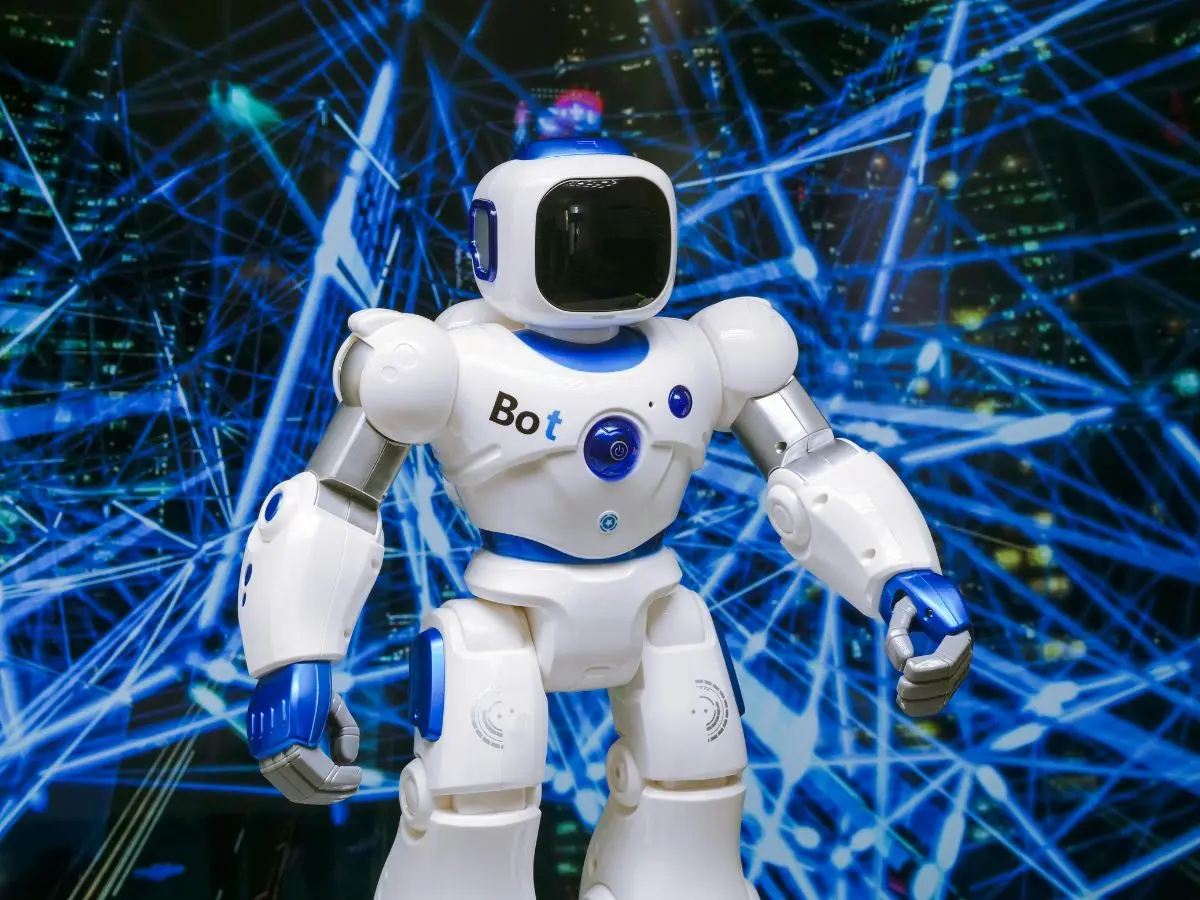
1. Japan Spent 40 Years Building the World’s Most Advanced Robotics Industry
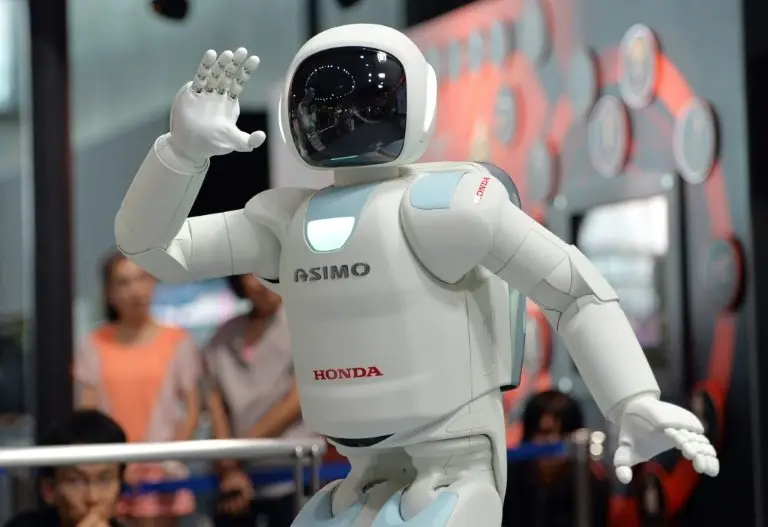
Japan has been the global leader in robotics since the 1980s, driven by companies like Honda, Toyota, FANUC, Mitsubishi and SoftBank Robotics. The country’s ageing population pushed early adoption of industrial robots, humanoids and automation in factories, hospitals and public spaces. While Japan developed world-class manufacturing robots and humanoid R&D, India barely invested in robotics research, leaving universities and startups underfunded and dependent on external hardware.
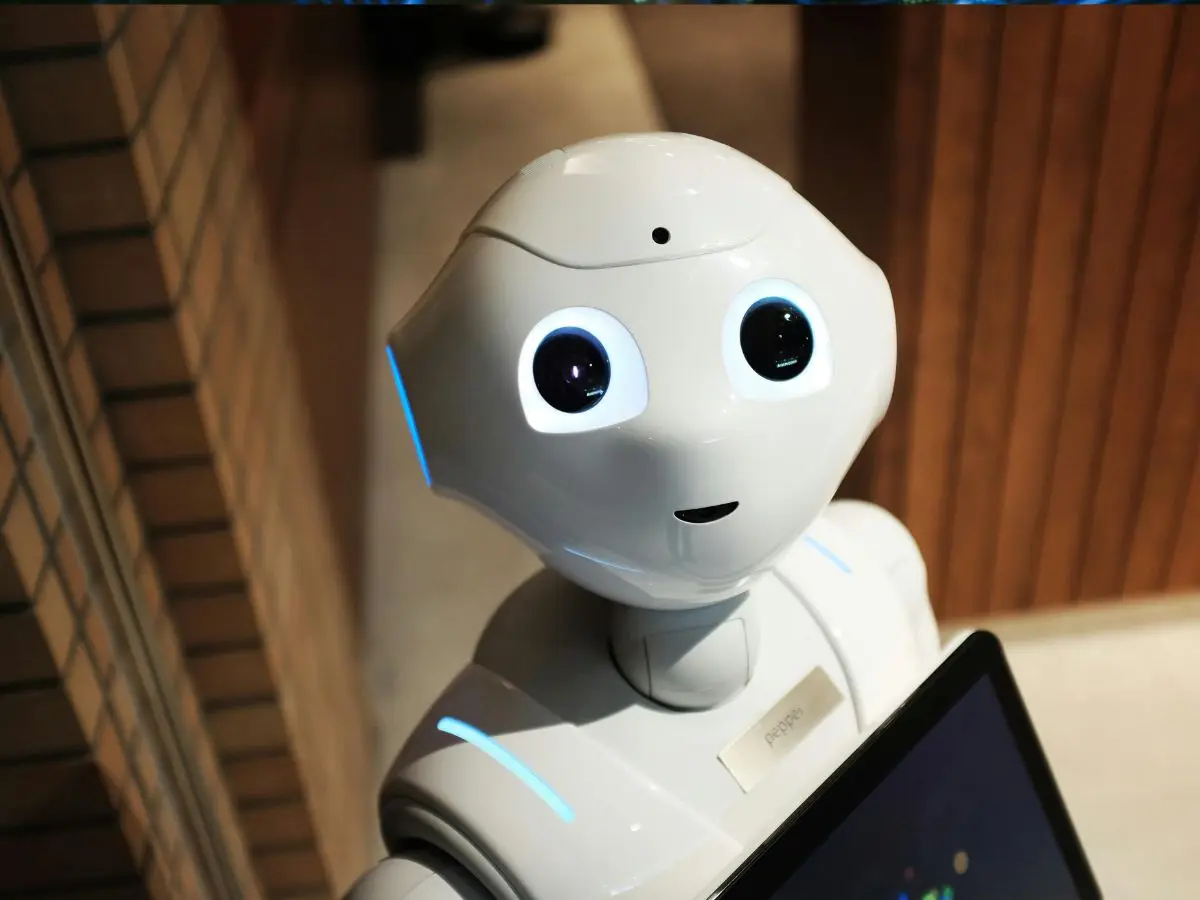
2. China Became the World’s Automation Superpower Through Massive Investment
China now buys more industrial robots than any other country in the world, thanks to aggressive state-backed initiatives under “Made in China 2025.” Chinese companies like Unitree, Fourier Intelligence and UBTech are mass-producing humanoids, robotic dogs and factory automation systems at scale. China’s factories run on automated assembly lines, drone fleets, robotic forklifts and automated warehouses. India’s factories still rely heavily on low-cost manual labour, which slows both productivity and technology adoption.
3. South Korea Turned Robotics Into a National Priority
South Korea has the highest robot density on the planet, more robots per 10,000 workers than Japan, China or the US. Companies like Hyundai Robotics and Samsung invest heavily in industrial automation, electronics assembly bots and autonomous manufacturing. Korea's long-term planning transformed it into a robotics giant, while India’s robotics sector remains fragmented, with few commercial successes beyond prototypes.
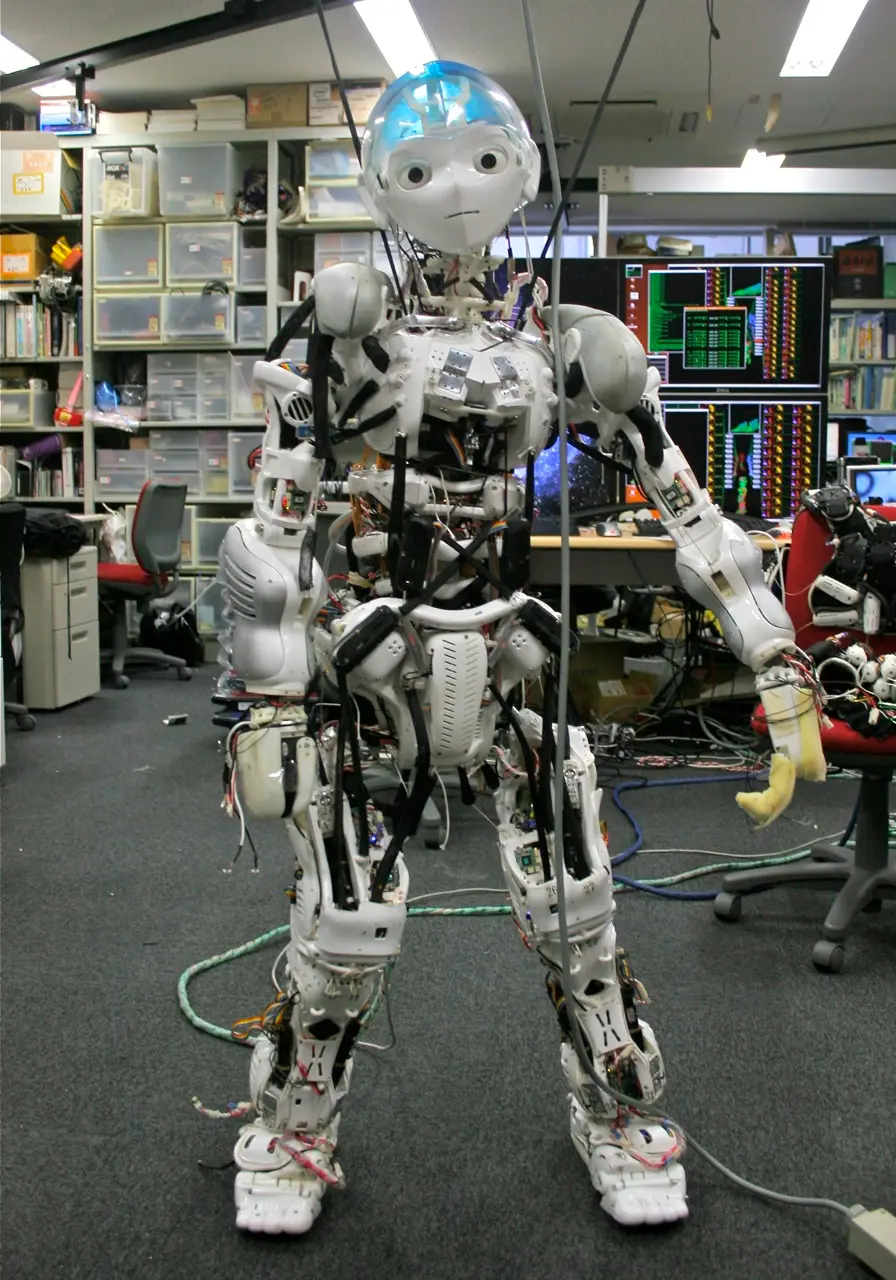
4. India’s Robotics Ecosystem Lacks Funding, Hardware and Manufacturing Capacity
India does not produce high-end motors, sensors, actuators, batteries or embedded control systems, which are essential for building robots. Most components are imported, raising costs and slowing innovation. Domestic robotics startups struggle due to limited access to capital, no large-scale manufacturing ecosystem, and almost no government-backed robotics missions. As a result, robots in India remain limited to research labs instead of real industry deployment.
5. Indian Industry Still Prefers Cheap Human Labour Over Automation
Unlike China, which replaced millions of low-skill jobs with robots to boost productivity, India continues to rely on manual labour for manufacturing, logistics, textiles, warehousing and assembly. This lowers labour costs in the short term but keeps efficiency and output low in the long term. With low automation demand from industries, robotics companies have little incentive to build or scale in India.
6. No National Robotics Strategy or Government-Backed Mission
Japan, China and South Korea treat robotics as part of their national industrial policy, with heavy government subsidies, R&D funding, and procurement support. India does not have a dedicated national robotics mission, no official roadmap for humanoids, industrial automation or autonomous manufacturing, and limited coordination between academia, startups and industry. Without national direction, robotics remains a niche sector instead of a strategic priority.
7. Robotics Is the Future of AI — and India Risks Being Left Behind
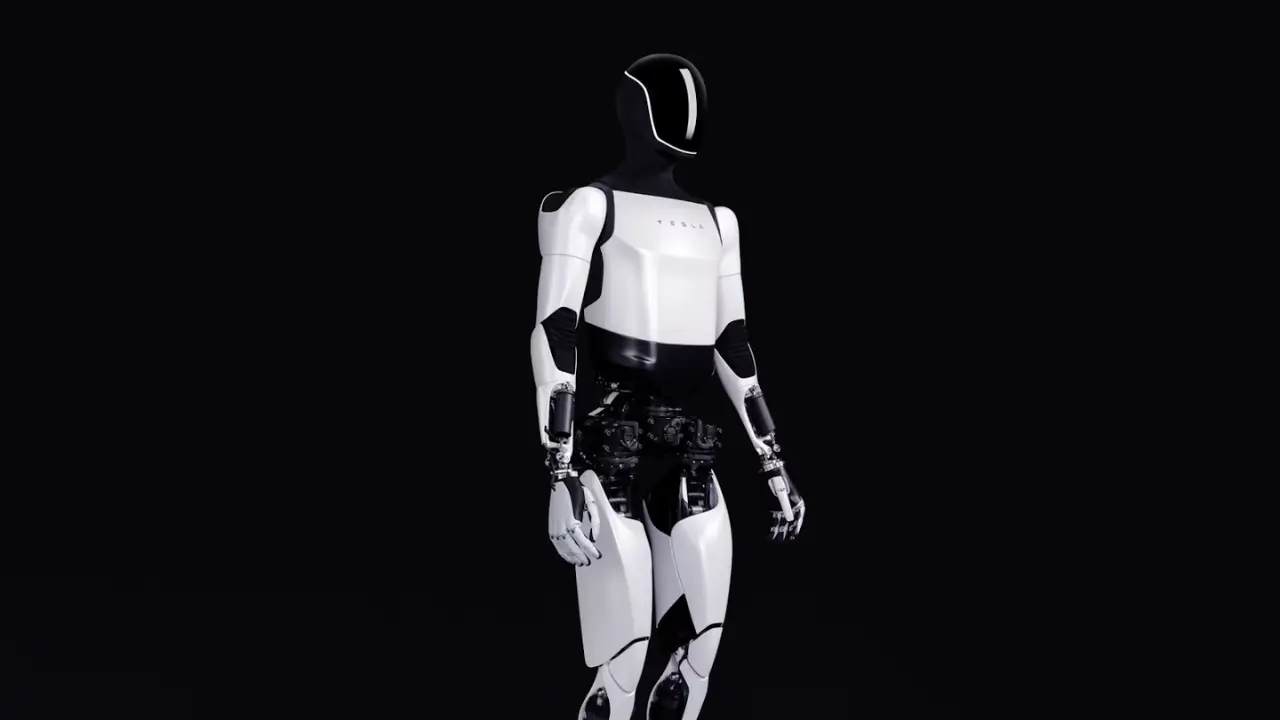
Robotics and AI are merging rapidly to create autonomous systems that will power the next generation of manufacturing, logistics, defence and consumer services. While China is building humanoids for factories and Japan is deploying service robots across industries, India has barely entered the race. Without urgent investment in robotics infrastructure, hardware manufacturing, automation policies and AI-driven robotics research, India may fall permanently behind Asia’s robotics giants.
)
)
)
)
)