From India to China: The 10 countries with the most difficult education systems in the world

Education systems vary widely across the globe, as some countries are recognised for their competitive examinations and high educational standards, while others focus more on skill-based learning approaches. Let's have a look at the nations with the most difficult education systems.
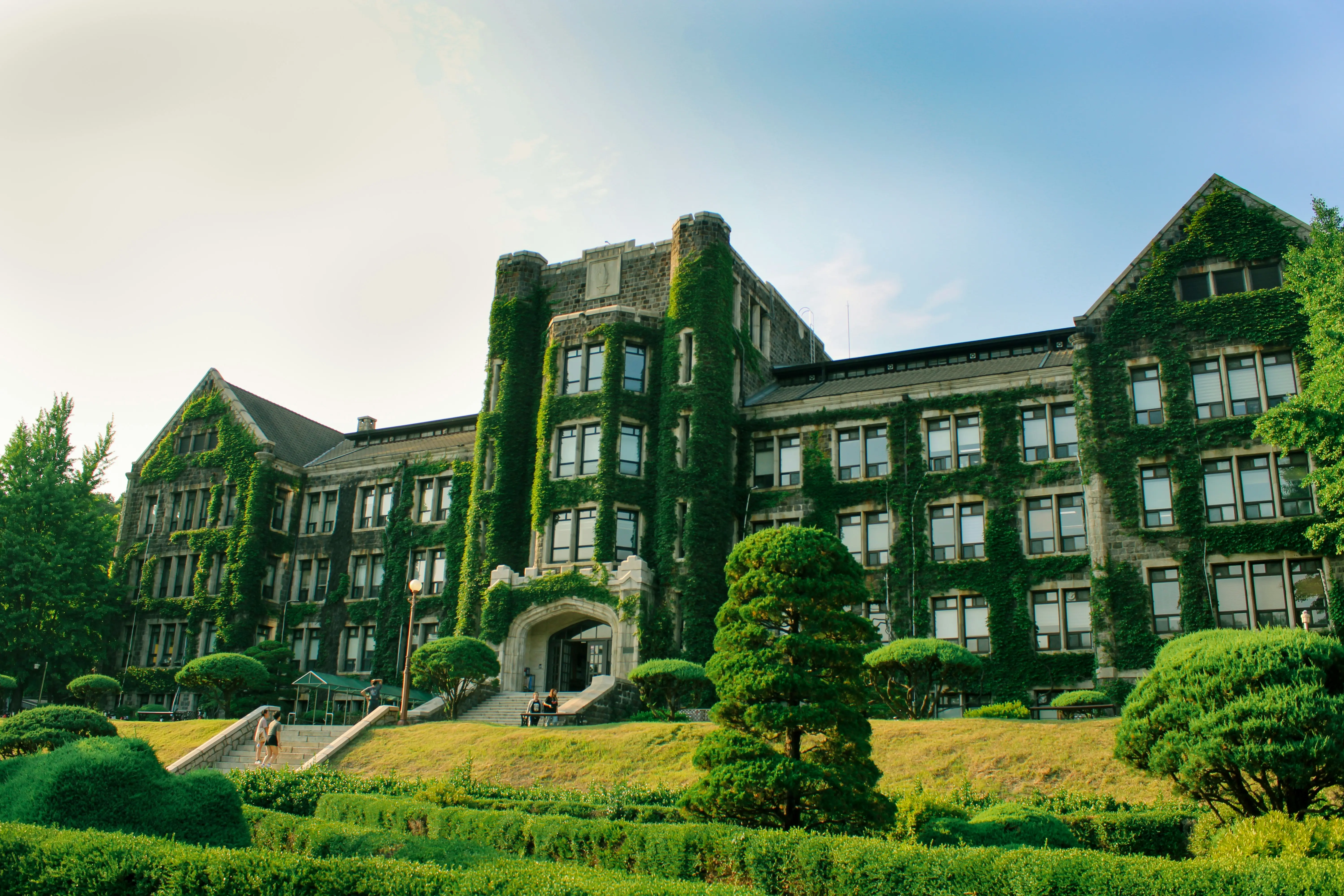
South Korea
South Korean students endure school days filled with lessons followed by private tutoring sessions called "hagwons" that often run late into the night. The Suneung college entrance exam controls futures, creating extreme academic pressure. Soaring rates of stress and sleep deprivation reflect intense competitiveness within South Korean society.
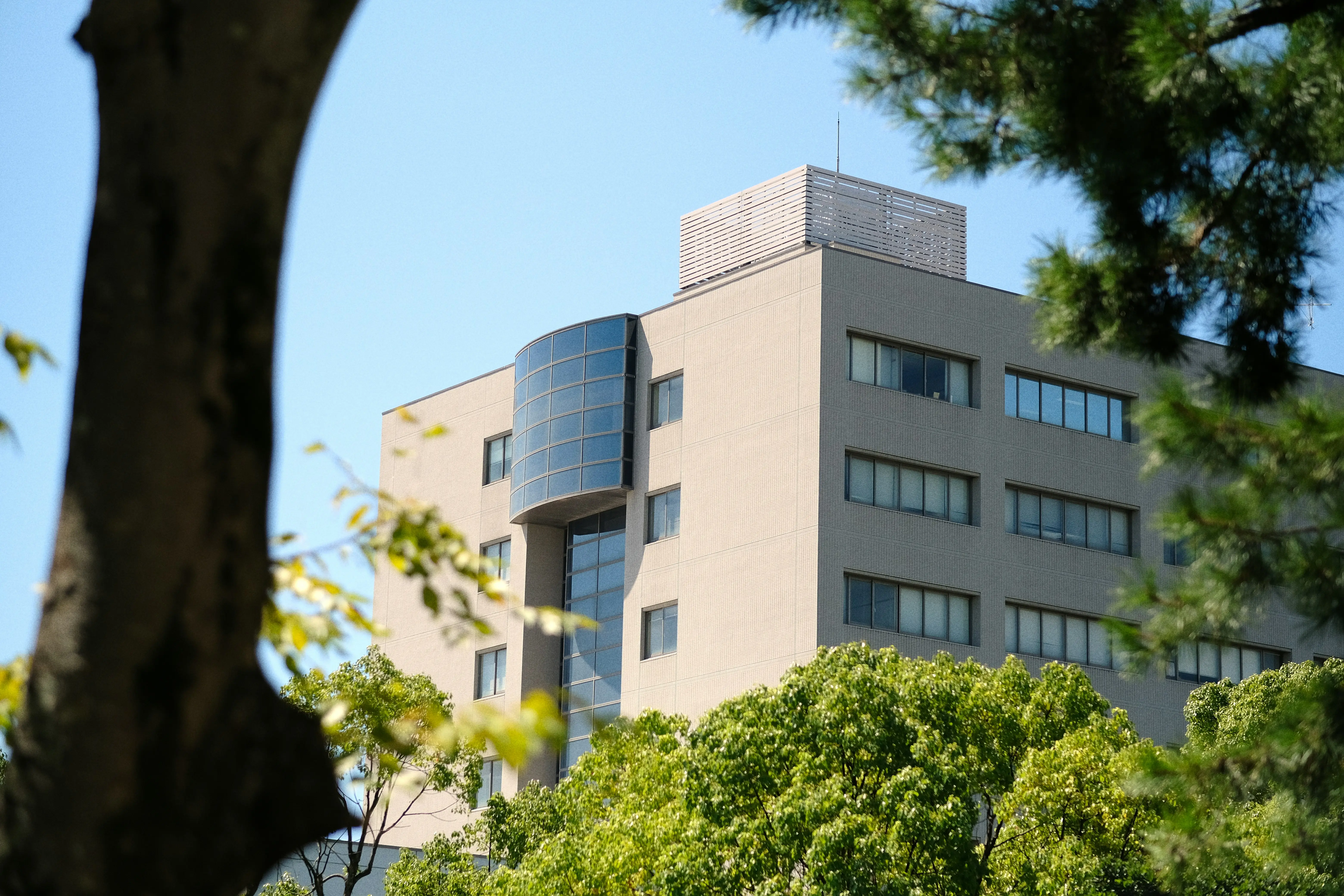
Japan
Education in Japan is highly disciplined, with school weeks often including Saturdays. Intense focus on critical thinking and tough entrance exams for high schools and universities leads to significant stress. Japanese students also attend cram schools ("juku"), and academic perfection is expected from an early age.
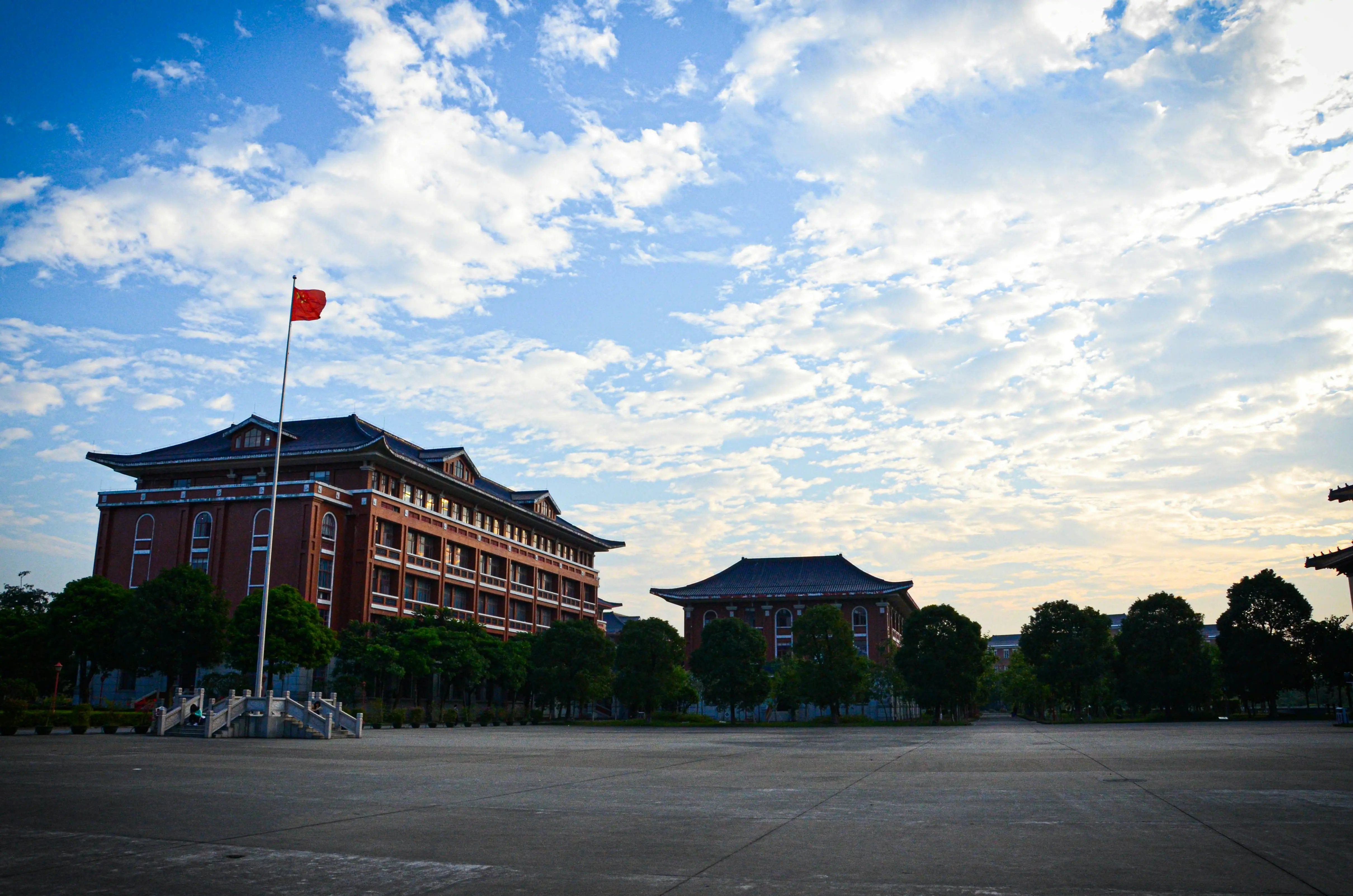
China
The education system of China is defined by the daunting “Gaokao” exam, which determines university admissions and social mobility. Students often study up to 12 hours daily, supported by relentless parental pressure and evening tutors. The system's high stakes lead to widespread anxiety and even hospitalisation among students during exam season.
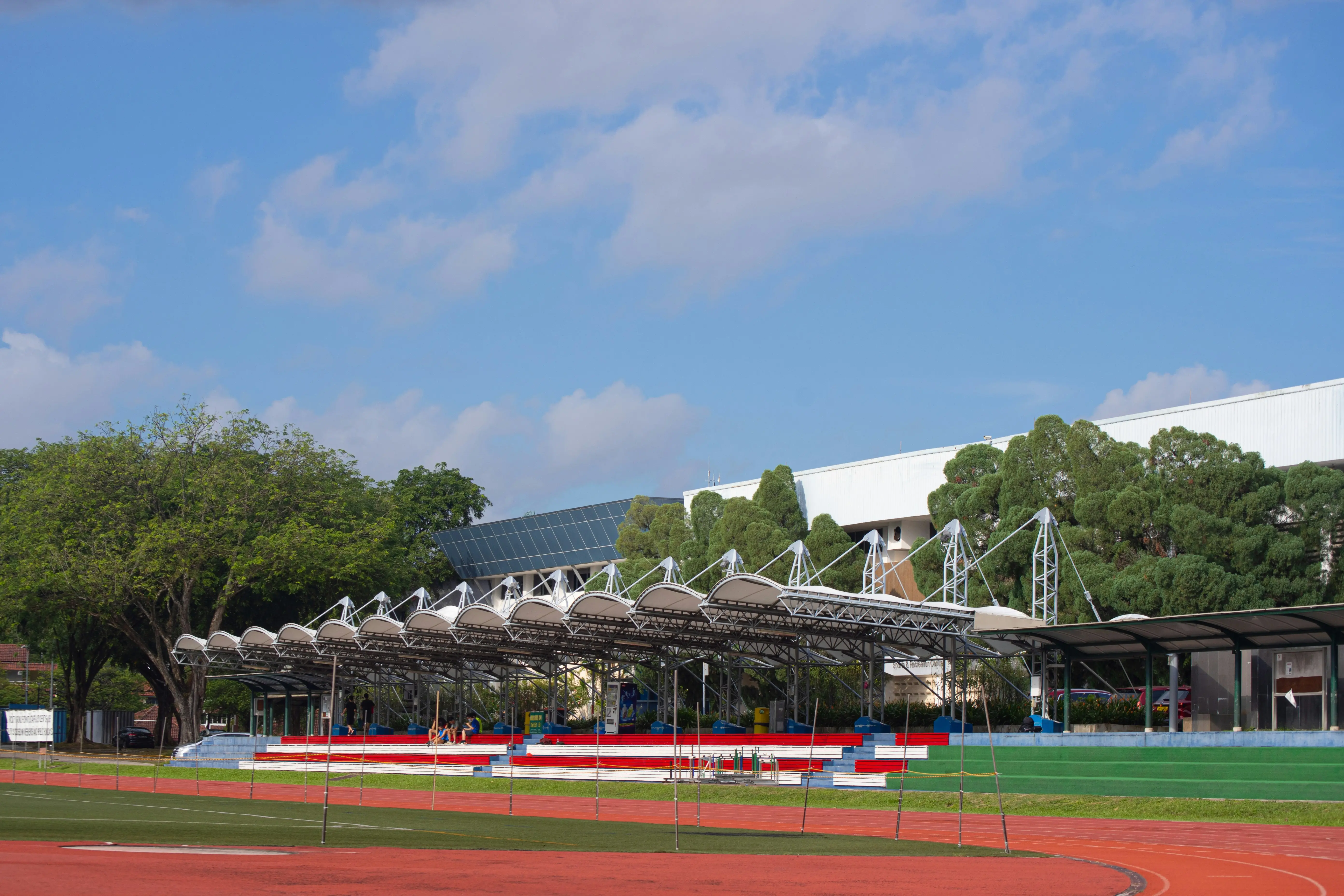
Singapore
Singapore students face pressure at every level, with national exams shaping educational tracks from age 12. The merit-based system demands deep mastery of academic subjects. Although reforms are ongoing, many students still report high anxiety, driven by a culture valuing top performance and limited room for failure.
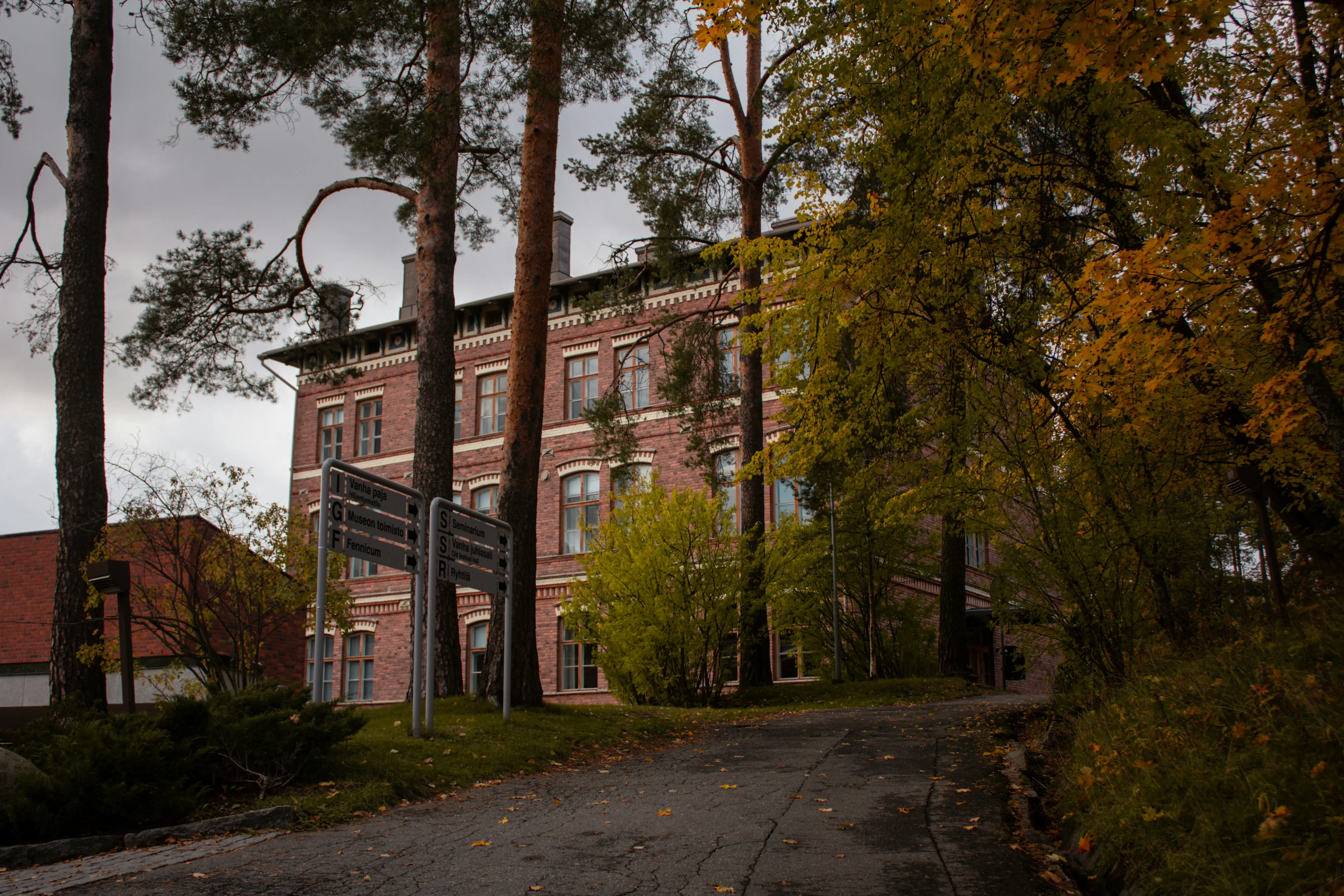
Finland
Finland’s education model is considered difficult not because it is inherently hard, but due to a few specific challenges that have emerged, such as a widening gap between high and low-achieving students, difficulty for the gifted, increased peer pressure, and the competitive nature of university entrance exams.
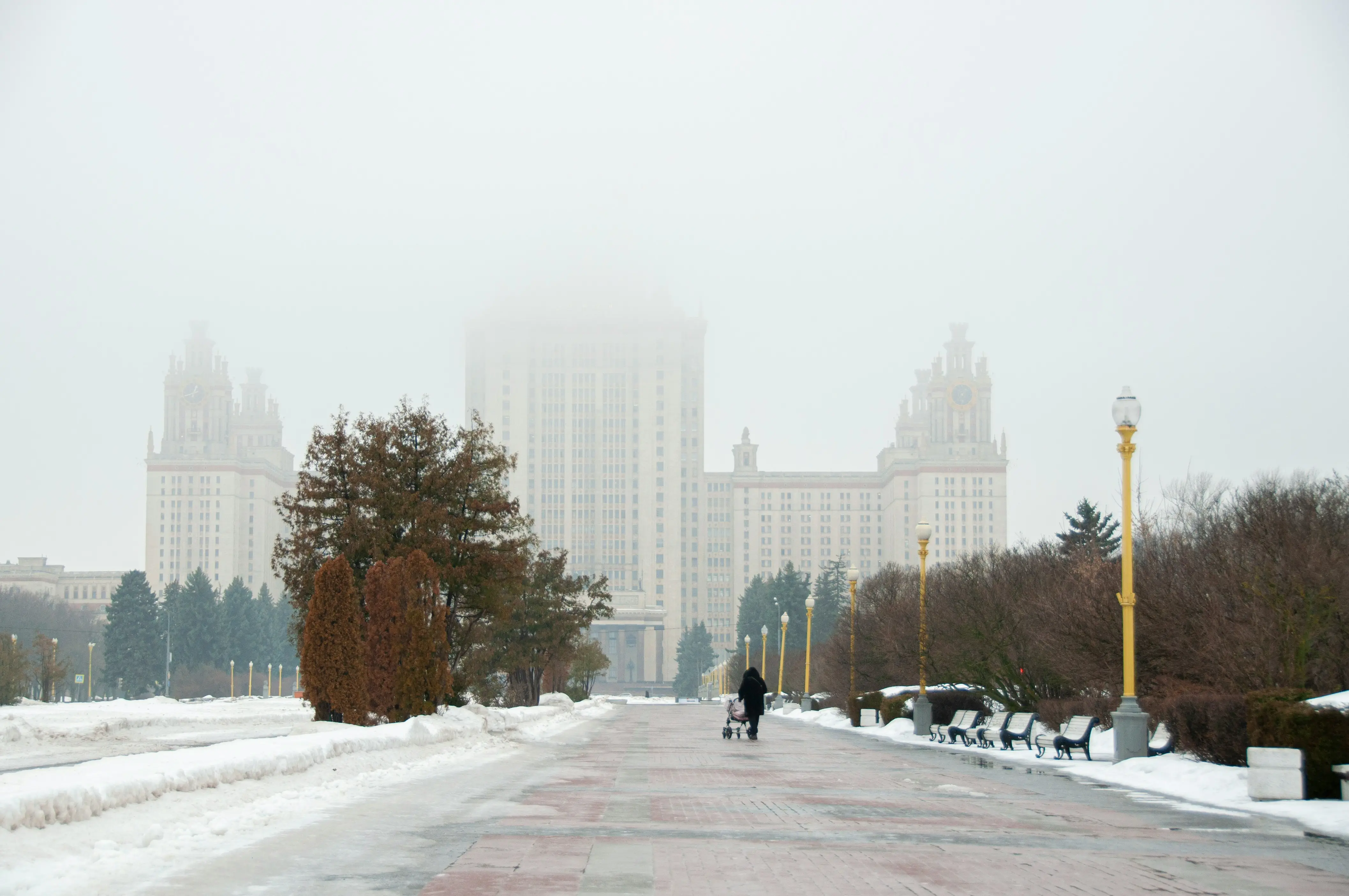
Russia
Russian education emphasises memorisation, discipline, and competitive university admissions. The Unified State Exam (EGE) is a national hurdle, and heavy workloads begin early. Success often hinges on extra tutoring, creating a culture of continuous study outside school hours. The system rewards perseverance but can overwhelm some students.
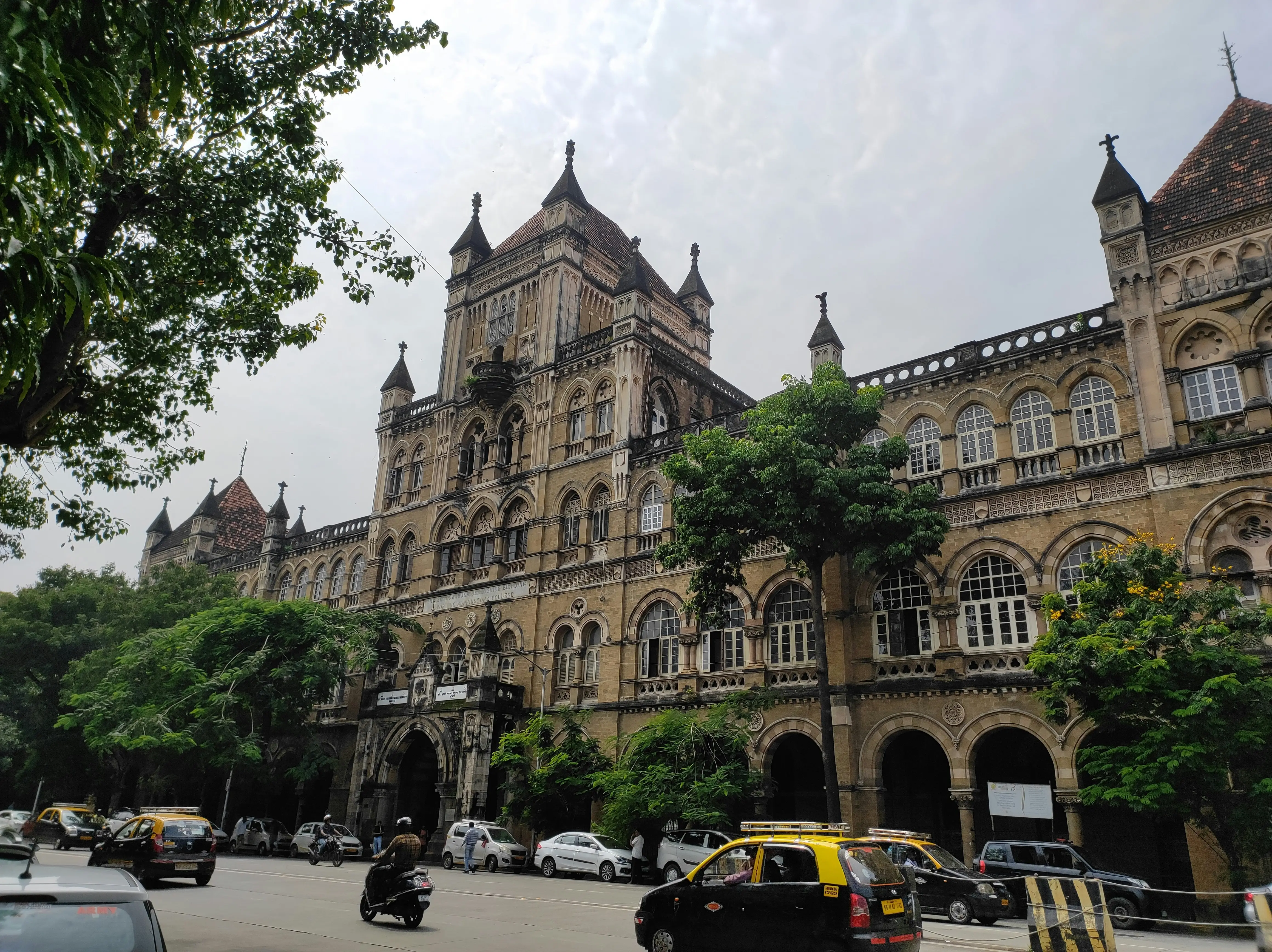
India
India’s system is difficult due to vast syllabi, rote learning, and fiercely competitive entrance exams like IIT-JEE and NEET for technical or medical careers. Large student populations and limited top university seats raise the stakes. Many students rely on coaching centres, fueling stress and intense academic routines.
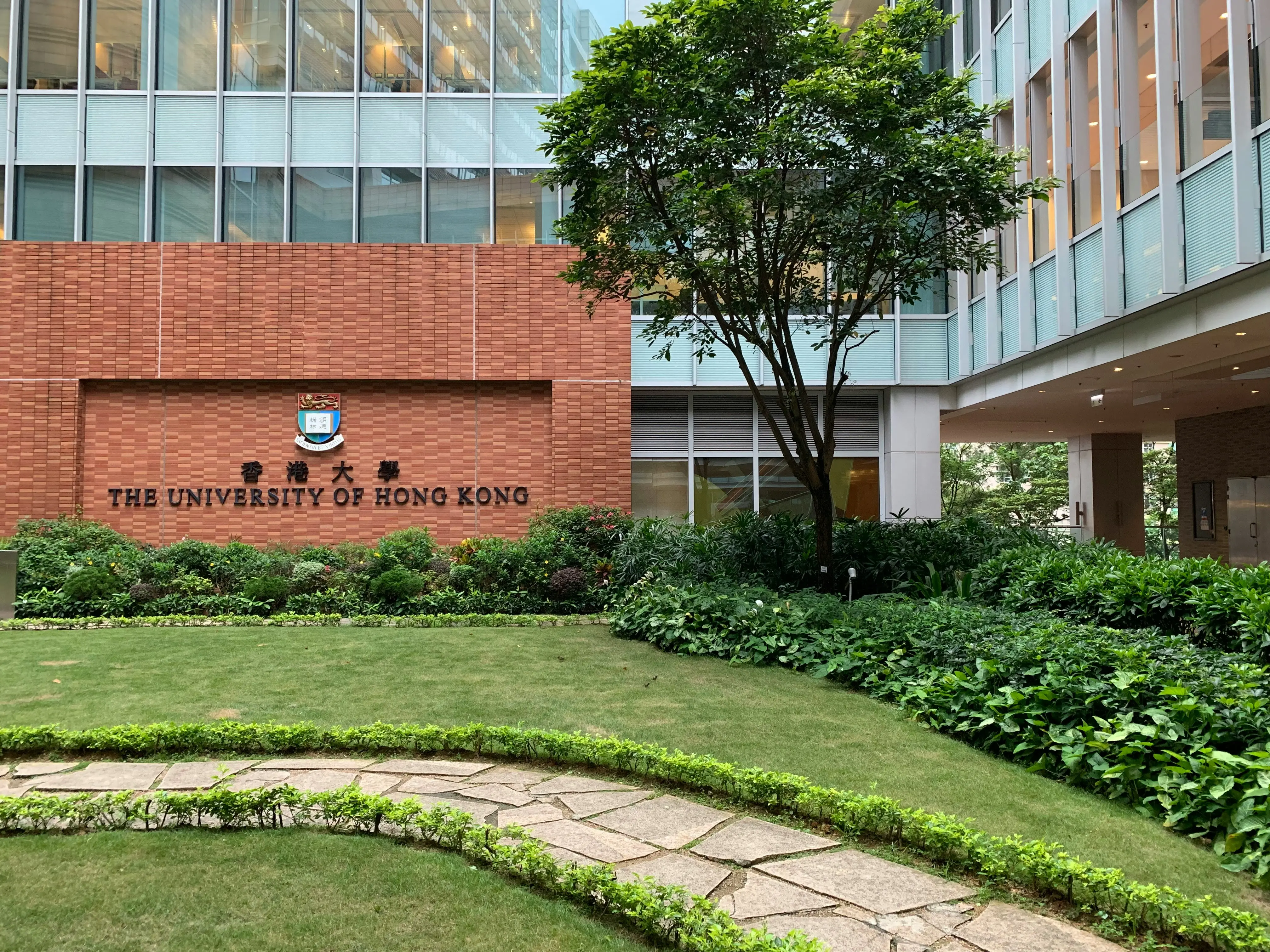
Hong Kong
High exam stakes and performance pressure define Hong Kong’s education. The rigorous curriculum and frequent testing drive many students to after-school tutoring or “shadow education.” Transitioning between primary, secondary, and tertiary institutions is tightly regulated, making academic performance crucial for future success.
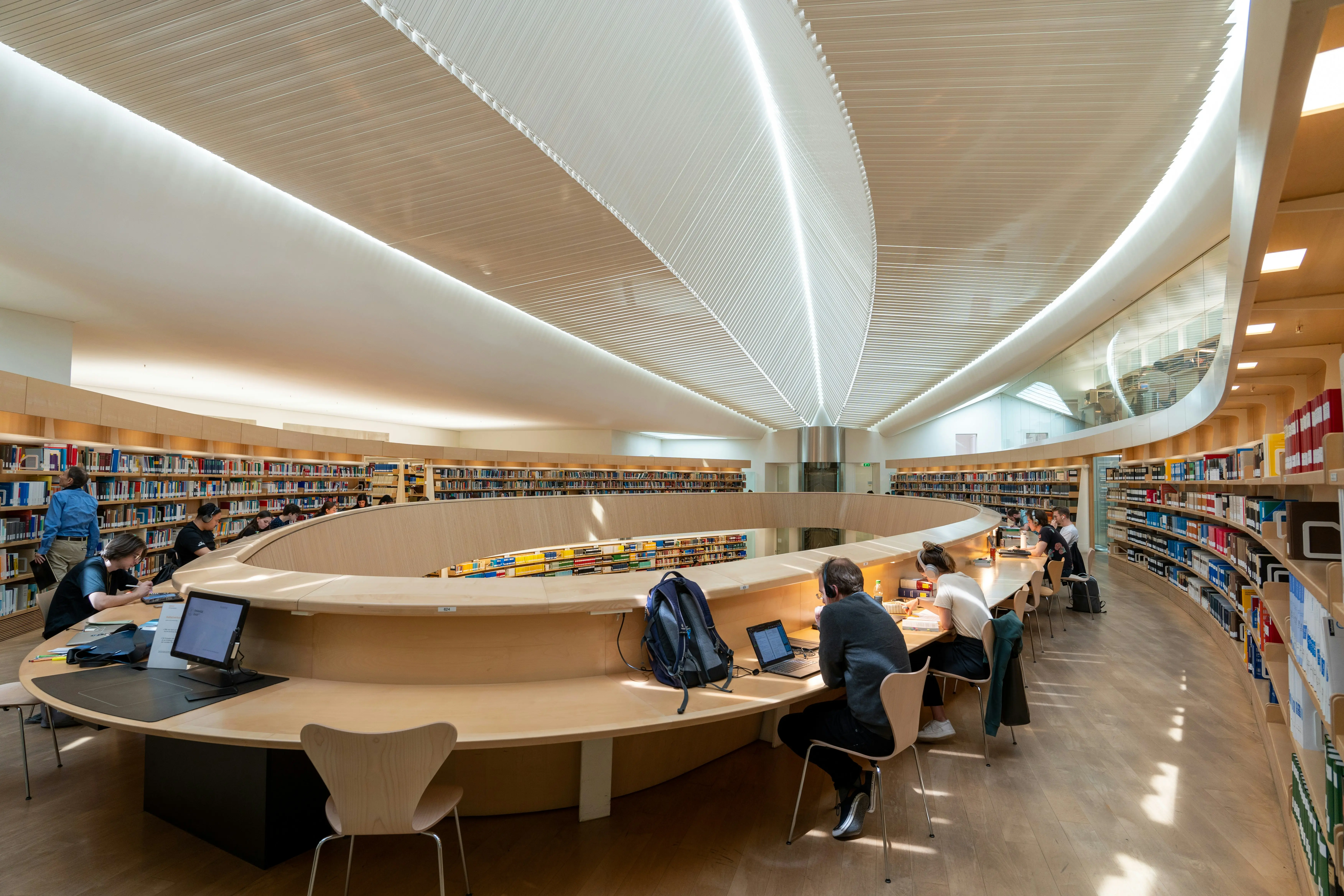
Switzerland
Swiss students navigate 11 years of compulsory schooling with multiple languages and rigorous exams. Academic and vocational tracks both demand strong engagement, with independent study or hands-on training required for advancement. High standards and limited places in elite institutions intensify the educational challenge for Swiss youth.
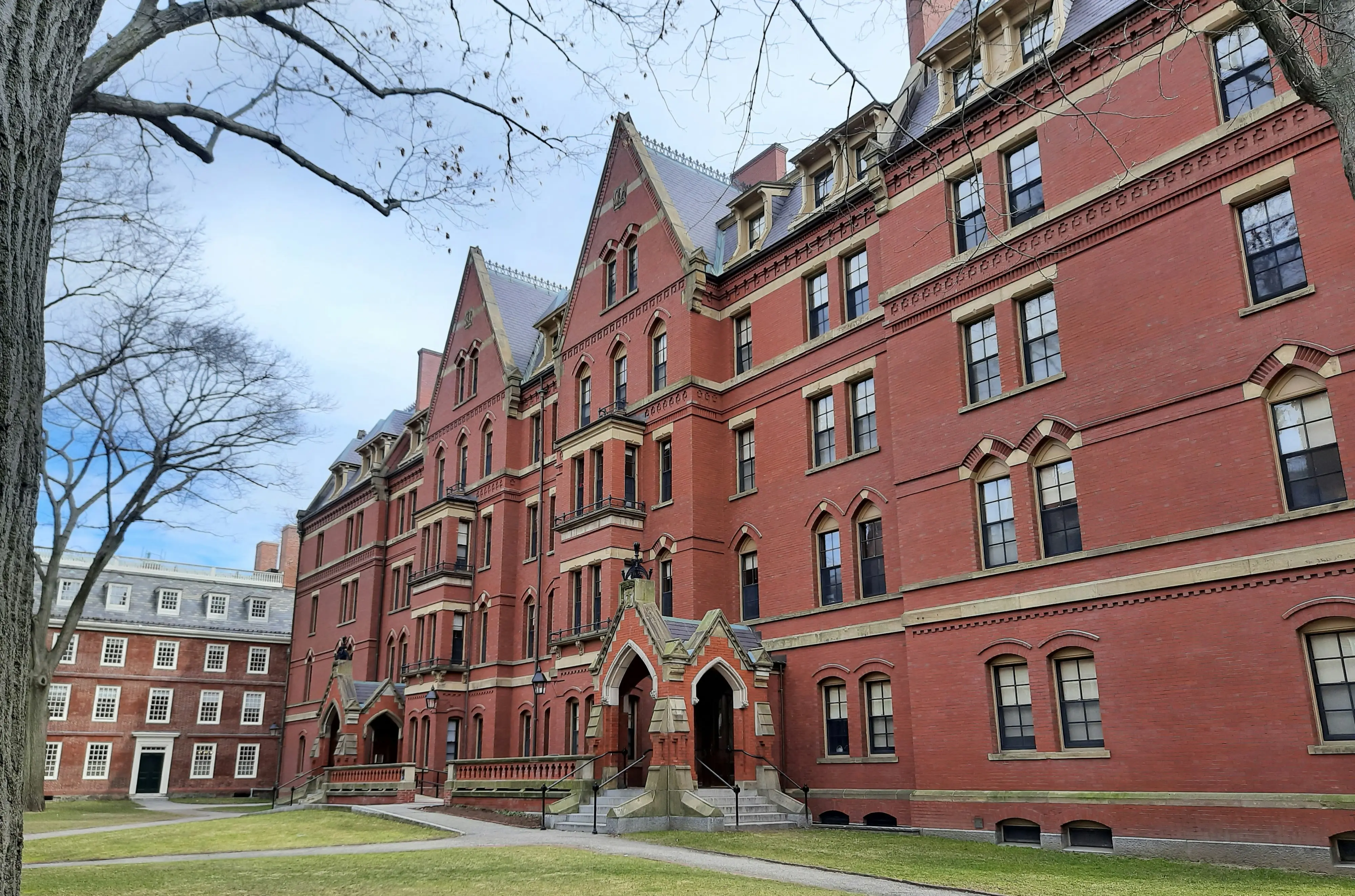
USA
The US education system is challenging due to high costs, limited seats, and intense academic and extracurricular demands. Students face tough tests like the SAT, ACT, and AP exams, while Ivy League admissions remain highly competitive. Success requires more than grades; holistic learning and real-world skills are key to thriving in this demanding environment.
)
)
)
)
)