From hypoxia training to extreme altitudes: The survival skills fighter jet pilots need

Fighter jet pilots face many dangerous situations at high altitude, from hypoxia to cabin pressure loss and extreme cold, etc. Survival training and oxygen systems save lives; their training ensures pilots can react fast and return safely. Here’s why these skills are mission-critical.
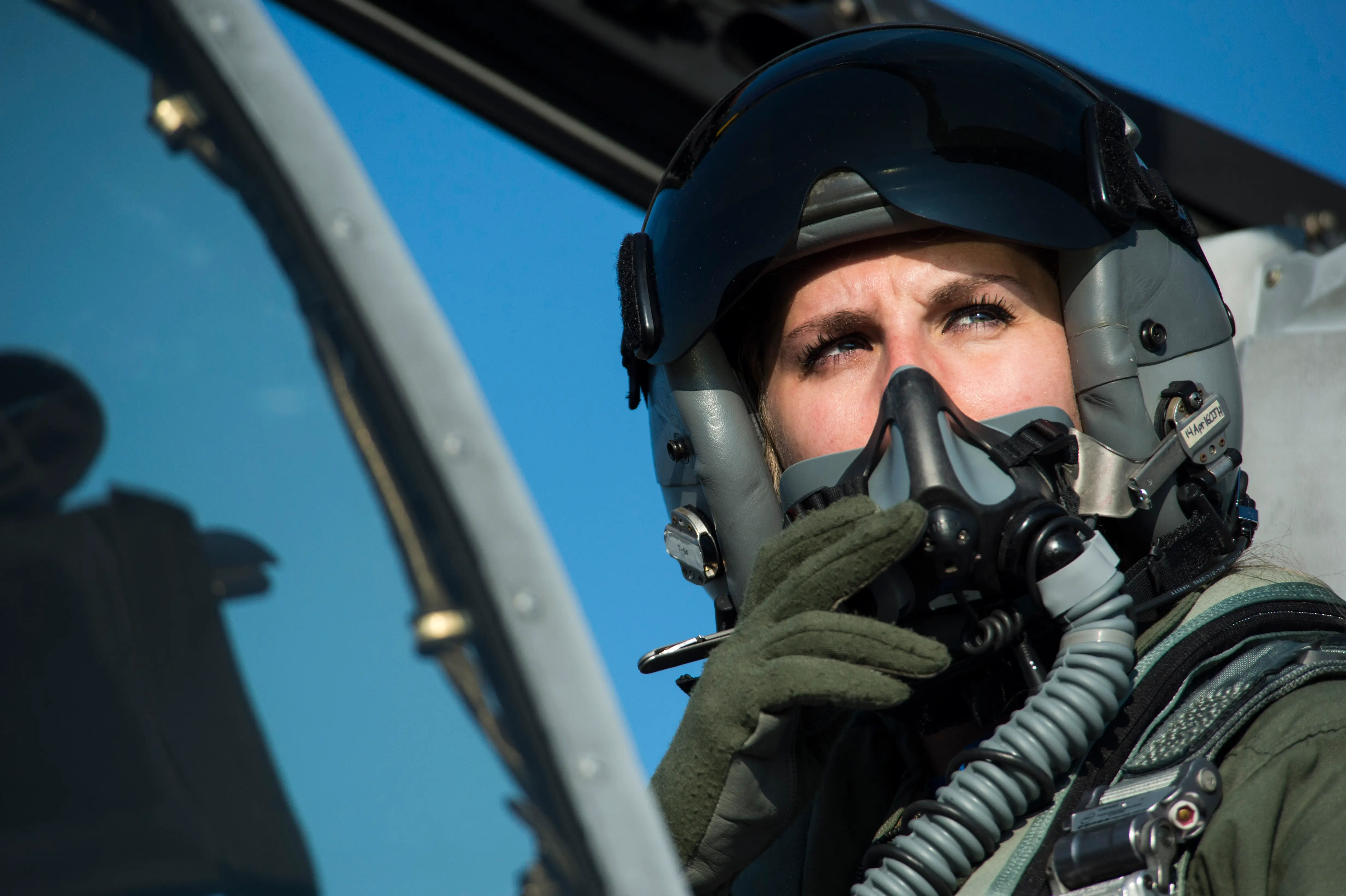
Flying High The Hidden Risks
Fighter jet pilots must fly at altitudes where the air is thin and sometimes temperatures drop far below. In these zones, losing oxygen or cabin pressure can be life-threatening. Pilots rely on advanced training and equipment to survive.
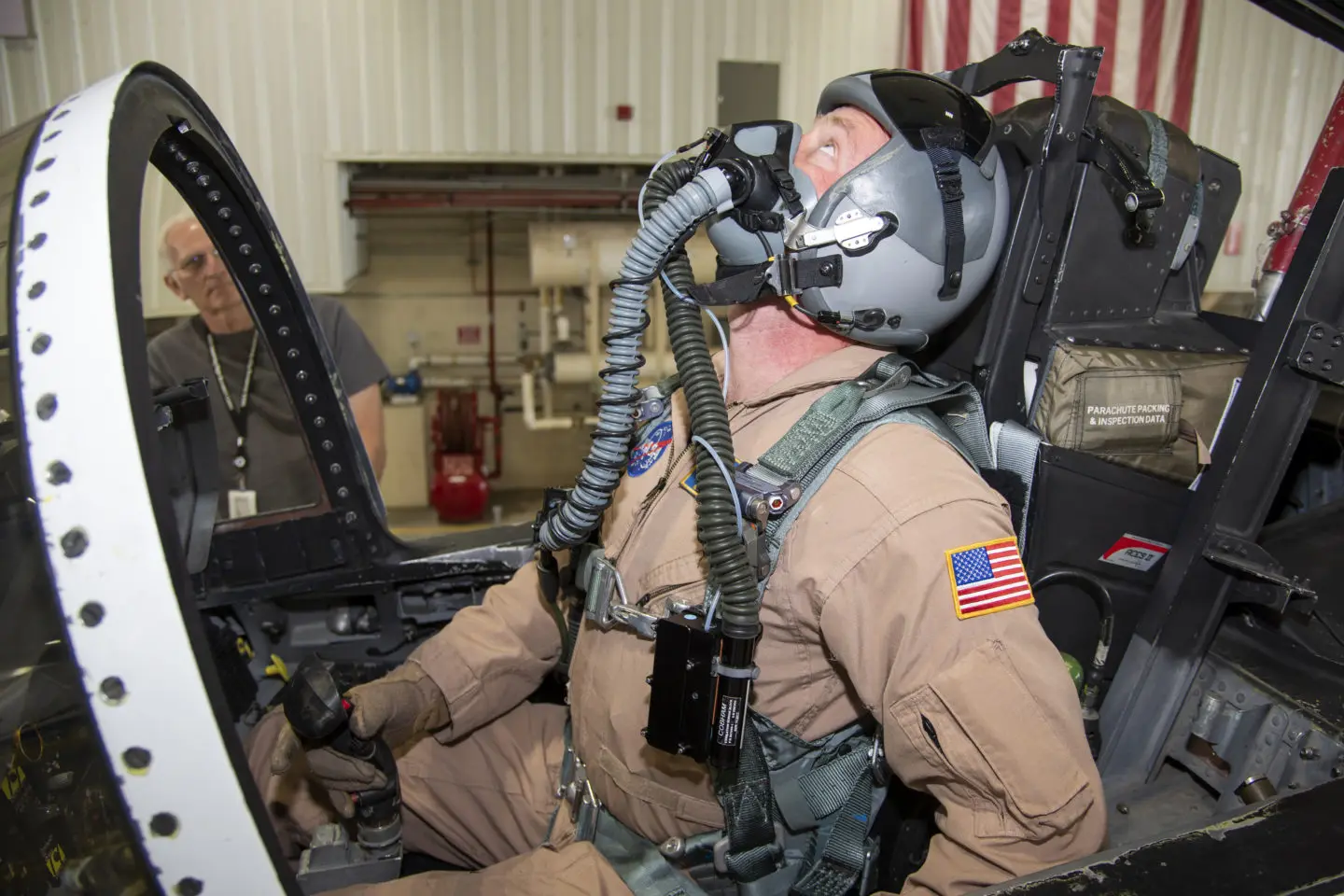
What Is Hypoxia Training?
Hypoxia means not enough oxygen in the blood. Jet pilots practise in special simulation chambers where oxygen is reduced. This helps pilots to recognise the first warning signs, like headache or confusion, to act quickly if it happens in flight, as detailed in training manuals.
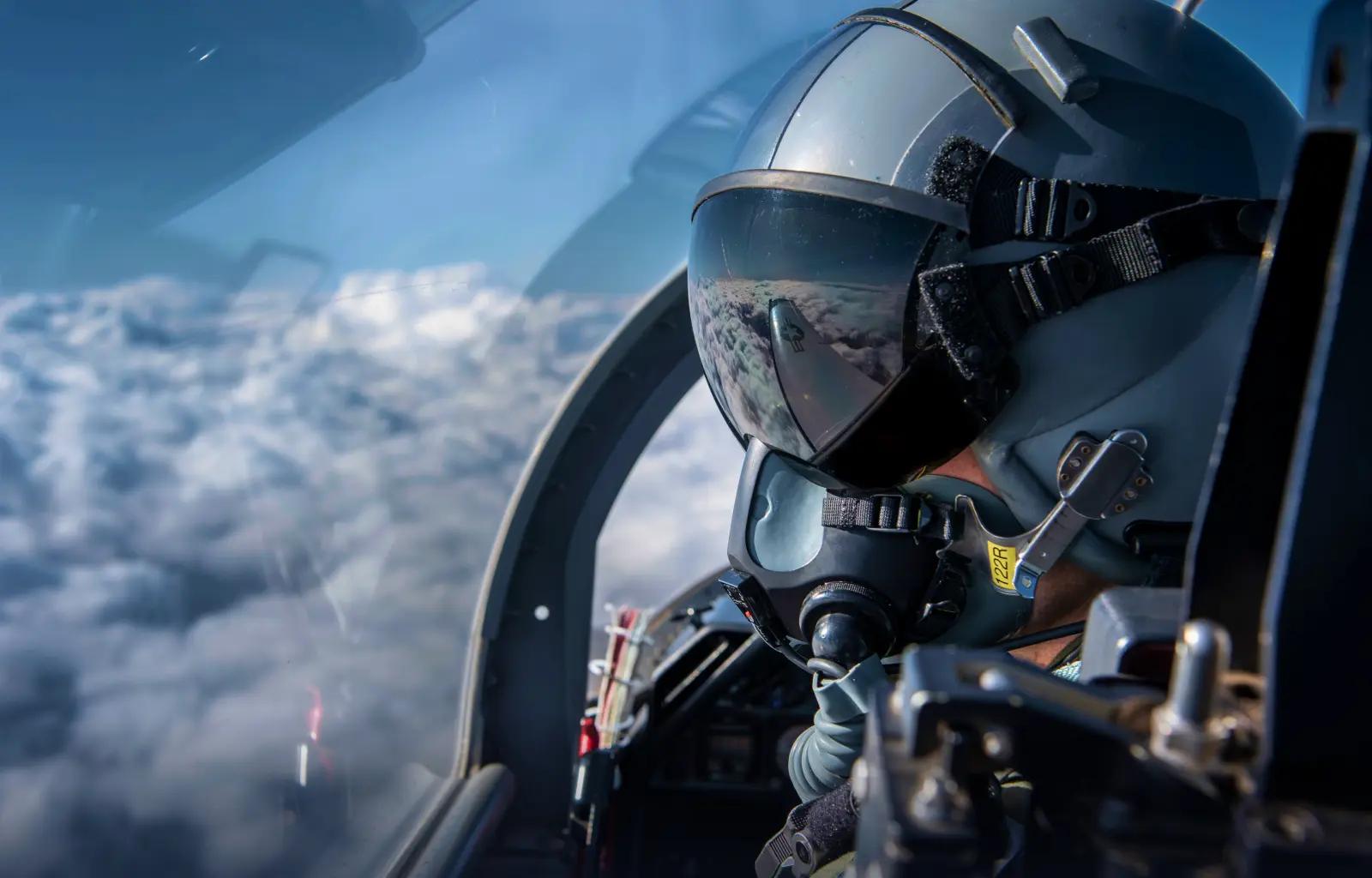
Emergency Oxygen Systems
Pilots wear oxygen masks connected to emergency oxygen tanks. If the aircraft cabin loses pressure, these systems provide pure oxygen straight to the pilot. Regular checks and drills ensure pilots can use the system fast and without error in real emergencies.
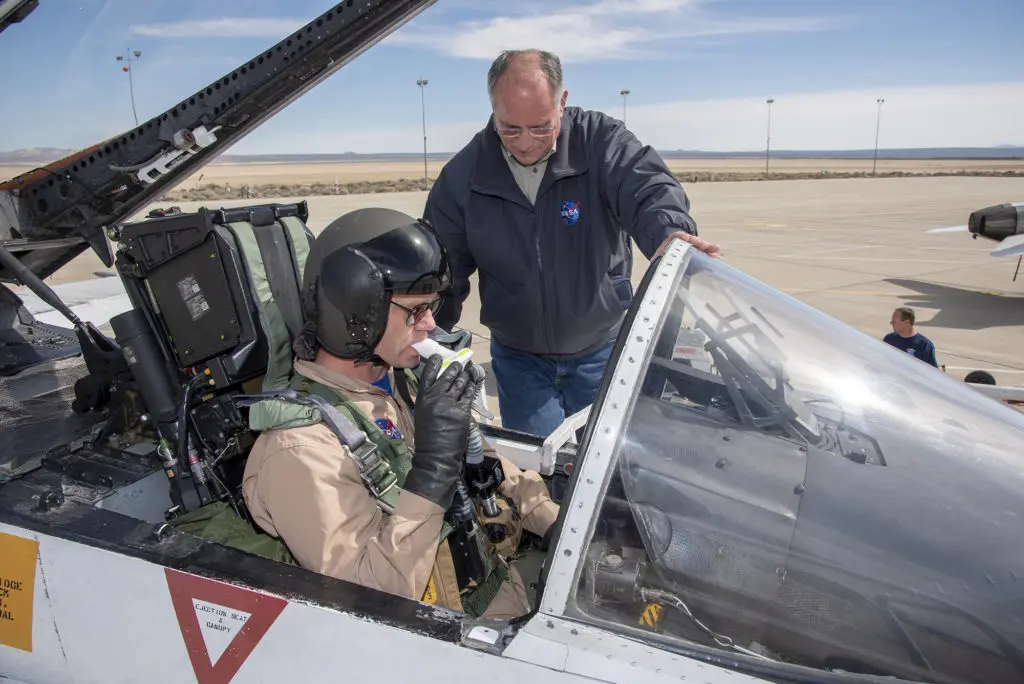
Rapid Descent Procedures
When cabin pressure drops suddenly, pilots must begin a rapid descent to safer, lower altitudes where breathing is easier. This is a standard part of emergency training. Pilots rehearse these moves in simulators, helping keep control even under stress.
Coping with Extreme Cold
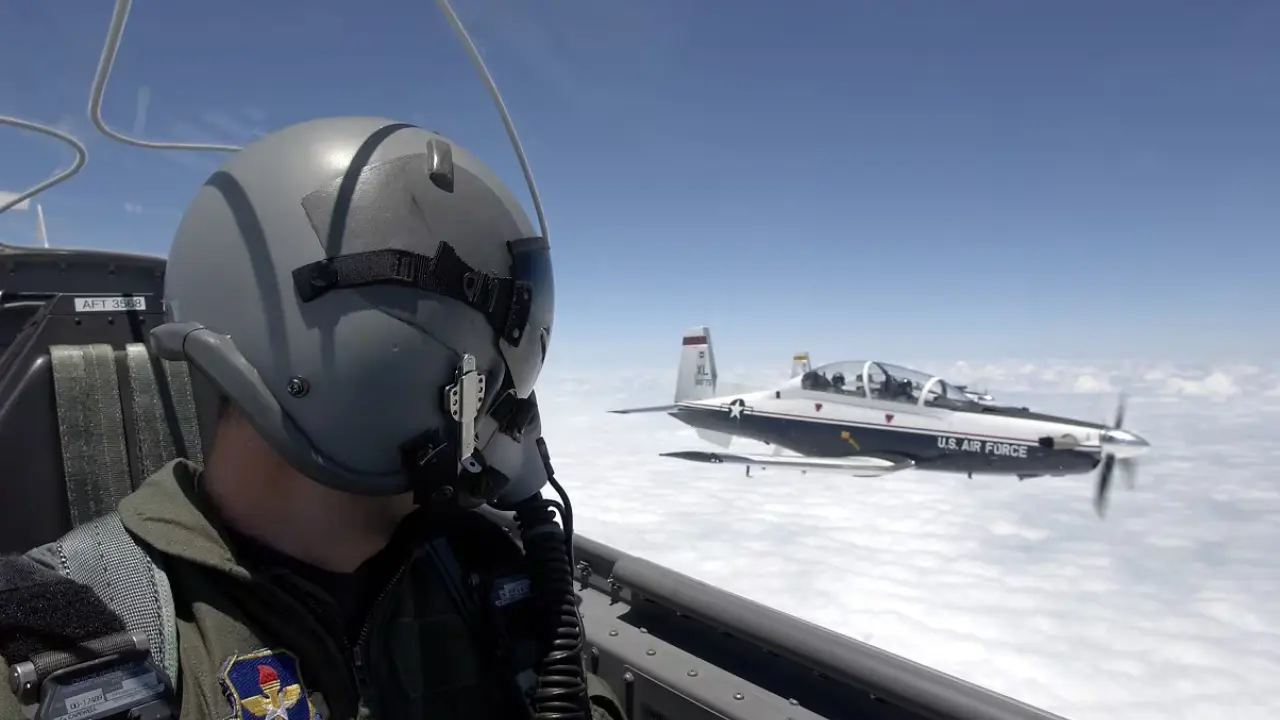
At high altitude, air temperature can reach in minus celsius. The pilots mostly rely on special uniforms and aircraft heating to prevent freezing. Their training also covers what to do if heating fails, protecting vital areas, and managing frostbite risk are crucial.
Real-Life Incidents and Lessons
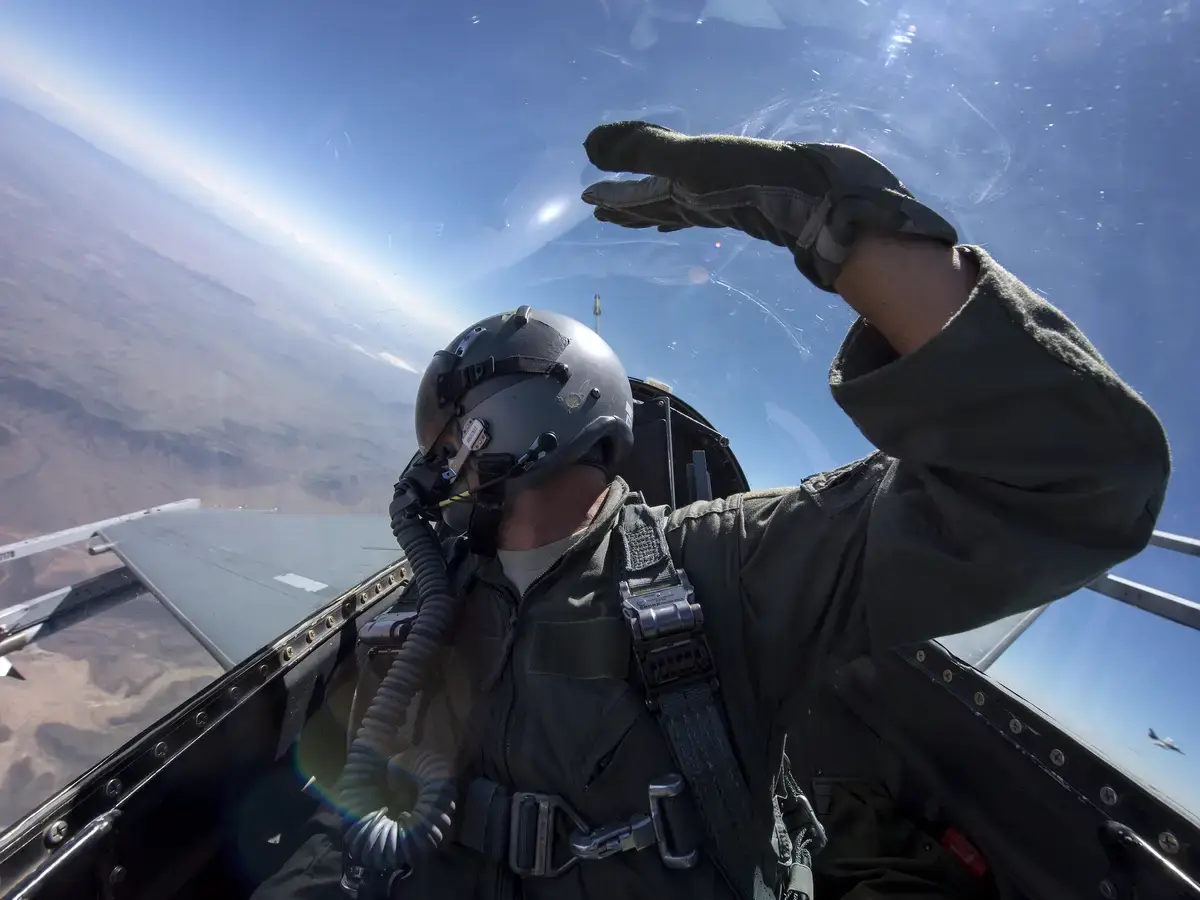
There are real cases where survival training saved lives. In one incident, a pilot experienced hypoxia but recognised the signs from past drills and used emergency oxygen, landing safely. These kinds of stories highlight why there is strict and repeated survival training is essential.
Why These Skills Matter
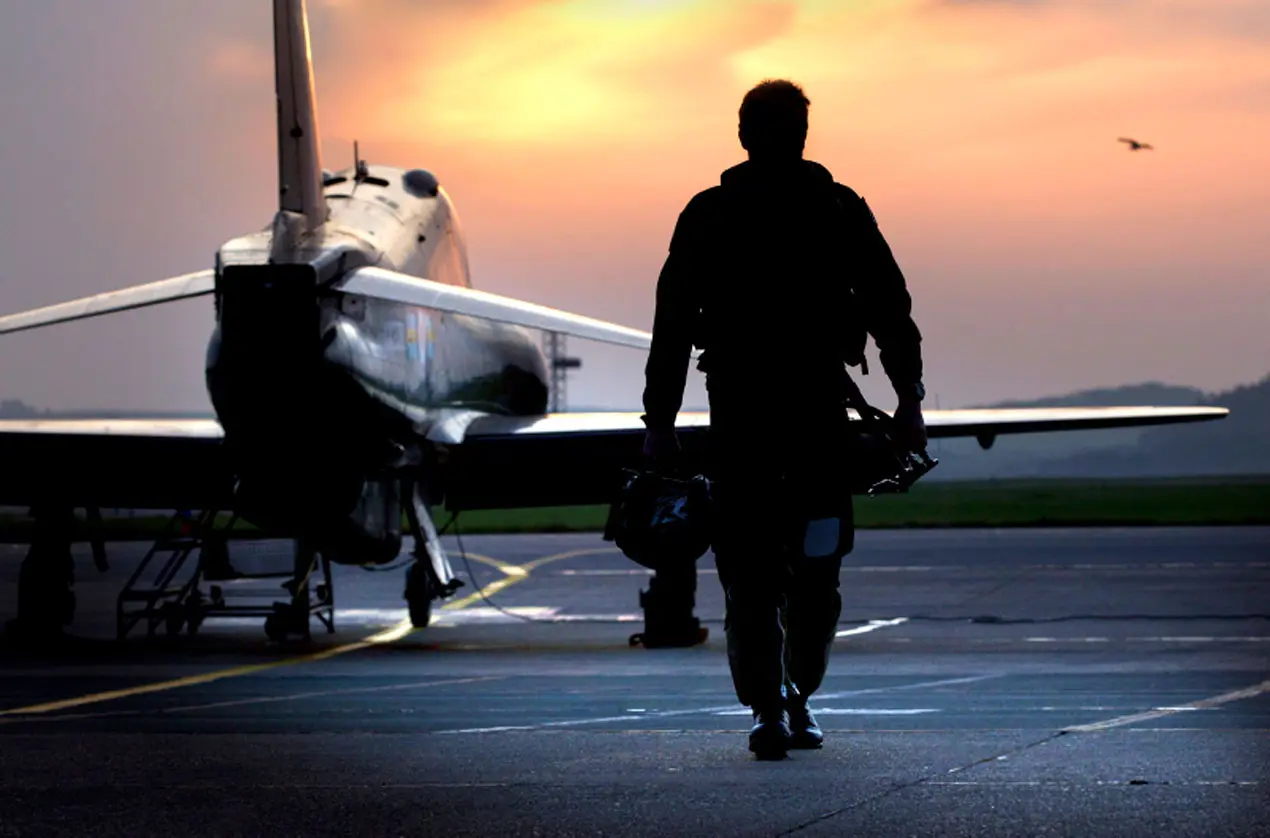
Pilots face unseen risks beyond enemy threats. Skills like hypoxia recognition, using oxygen systems, and emergency descents mean pilots can survive and return safely even in the toughest situations. Their training is as vital as the jet itself.
)
)
)
)
)