From H-bombs to hypersonic missiles: What weapons a B-52 can actually carry?

The B-52 can carry up to 70,000 pounds of weapons in a single mission. That payload can include nuclear gravity bombs, long-range cruise missiles, hypersonic glide vehicles, anti-ship missiles, precision-guided bunker busters, and conventional carpet-bombing munitions. Here is what each weapon does and why the B-52's ability to carry all of them is its most important feature.
The Weapons Bay: A 70,000-Pound Toolbox
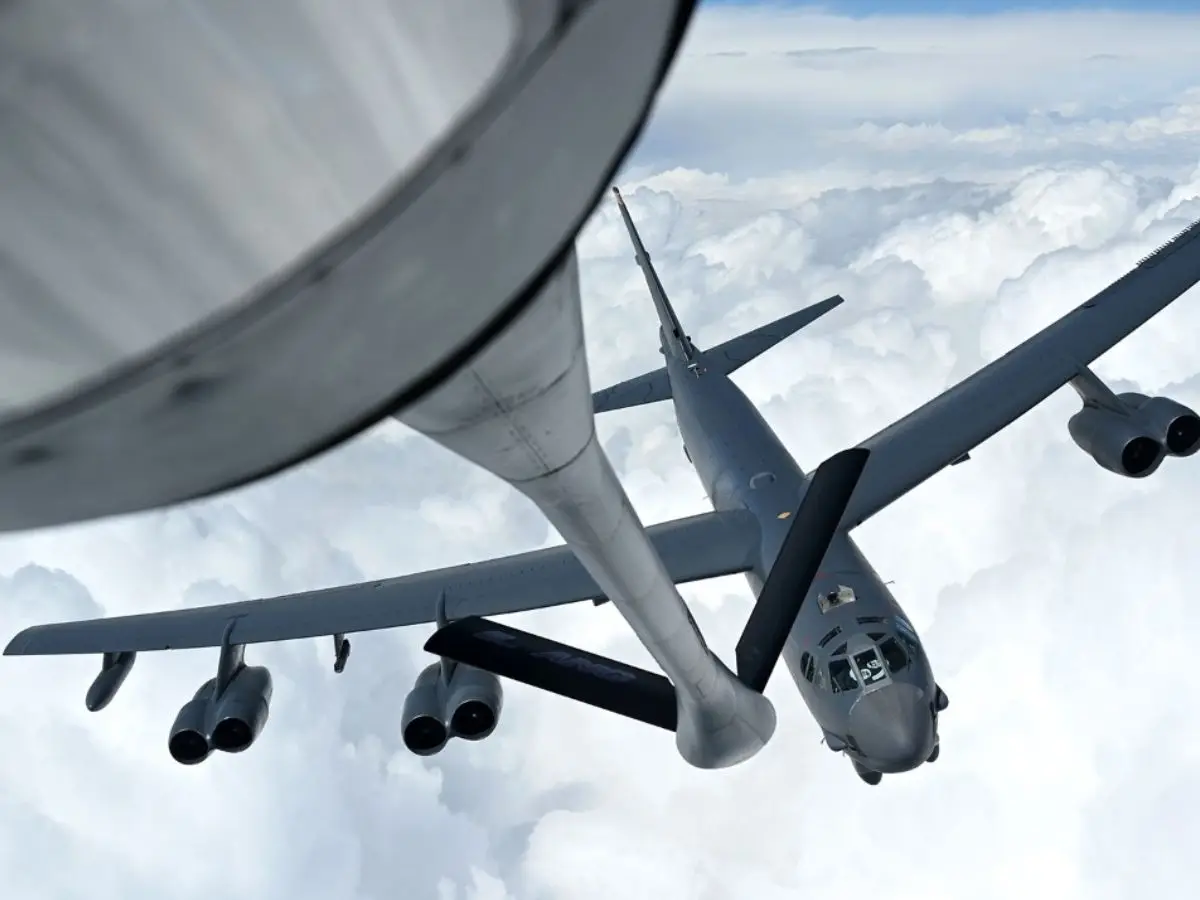
The B-52 has an internal weapons bay that can hold up to 20,000 pounds of munitions, plus external wing pylons that carry an additional 50,000 pounds. The combination gives it a total payload capacity of approximately 70,000 pounds — more than any other aircraft in current US service. What makes this remarkable is not just the weight, but the variety: the B-52 can carry fundamentally different categories of weapon on the same airframe.
Nuclear Gravity Bombs
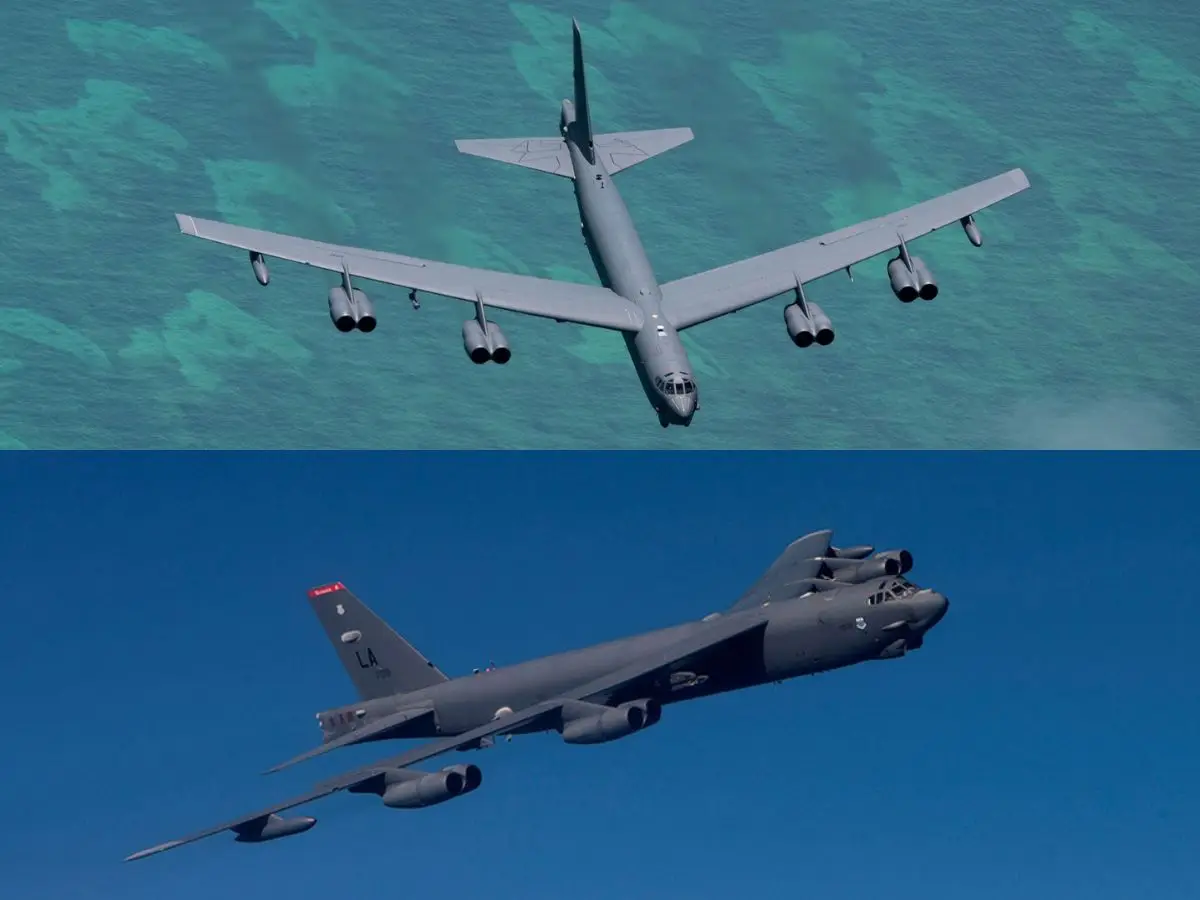
The B-52 was originally designed to deliver nuclear gravity bombs — weapons that fall from the aircraft and detonate at or near the target. Today it is certified to carry the B61-12 nuclear gravity bomb, a modern precision-guided nuclear weapon with a variable yield adjustable from 0.3 kilotons to 50 kilotons. A single B-52 can carry multiple B61-12s, each capable of destroying a city centre. This remains the aircraft's most strategically significant capability.

Air-Launched Cruise Missiles
The AGM-86B Air-Launched Cruise Missile is a standoff nuclear weapon — it is fired from the B-52 at long range and flies to its target autonomously. With a range exceeding 1,500 miles, the B-52 can launch cruise missiles from well outside any enemy air defence system. A single B-52 can carry up to 20 AGM-86s on its external pylons. This capability transformed the B-52 from a bomber that had to fly over its target into a launcher that never needs to enter contested airspace.

Hypersonic Weapons: The Newest Addition
The US Air Force is actively integrating hypersonic weapons onto the B-52 platform. The AGM-183A ARRW — Air-Launched Rapid Response Weapon — is a hypersonic glide vehicle designed to travel at over Mach 5 and strike targets with precision at intercontinental ranges. The B-52 serves as the launch platform because it can carry the weapon to the optimal release altitude and position. Hypersonic weapons travel too fast for most current air defence systems to intercept.

Anti-Ship Missiles And Maritime Strike
The B-52 has been equipped with the AGM-158C LRASM — Long Range Anti-Ship Missile — giving it a maritime strike capability. A B-52 armed with LRASMs can engage enemy naval vessels from hundreds of miles away, using autonomous targeting and low-observable flight profiles to evade ship defences. In any potential Pacific conflict, B-52s armed with anti-ship missiles would be a primary tool for attacking enemy carrier groups and surface fleets.
Precision-Guided Conventional Bombs
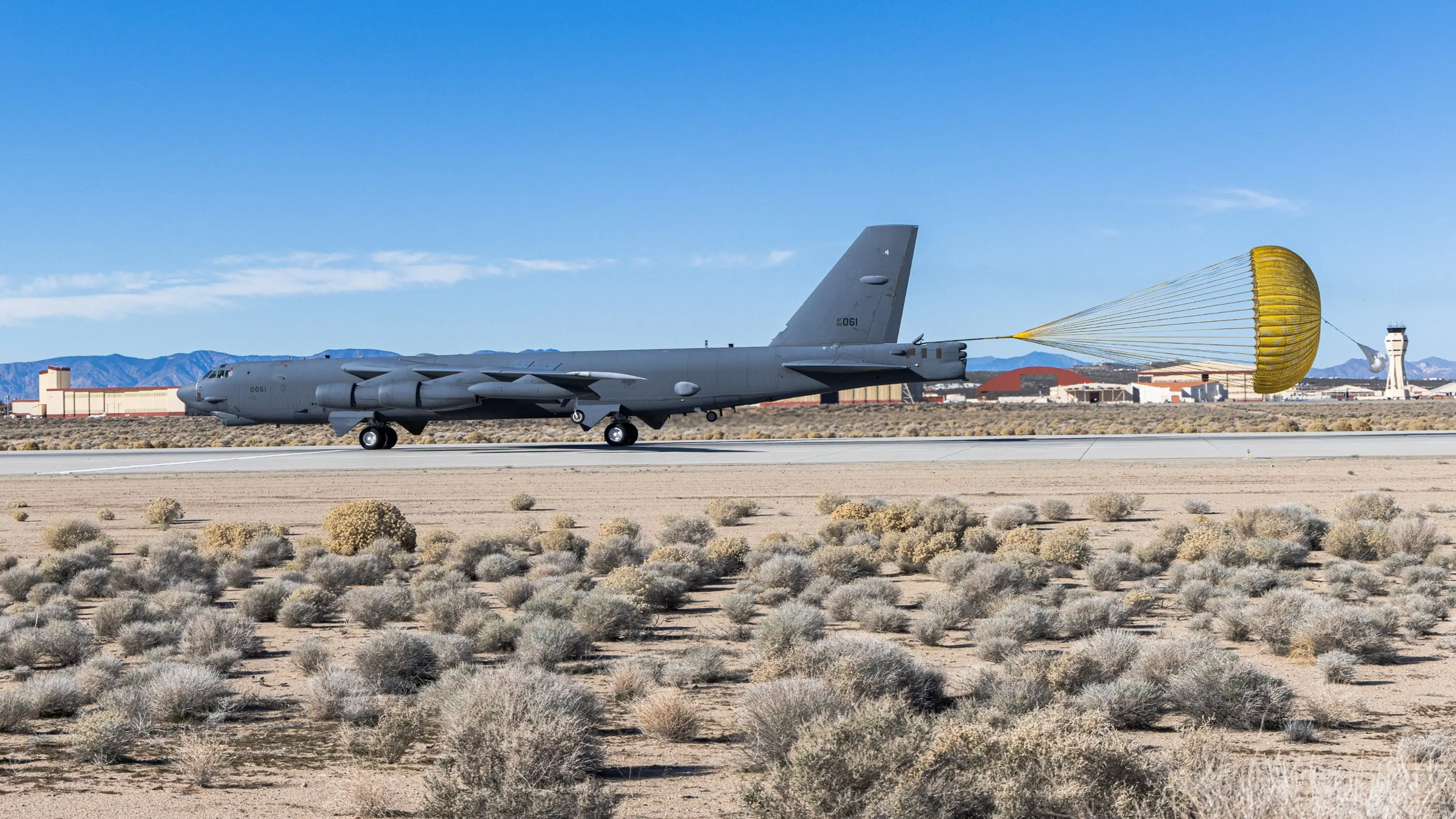
For conventional strike missions, the B-52 carries Joint Direct Attack Munitions — GPS-guided bombs that can be released from altitude and glide to within a few metres of their target. It can also carry the GBU-28 bunker buster — a 4,700-pound bomb designed to penetrate deep underground before detonating, targeting hardened command bunkers and underground facilities. The combination of precision and penetrating power makes the B-52 relevant in conventional conflicts as well as nuclear ones.
Why Flexibility Is The Whole Point
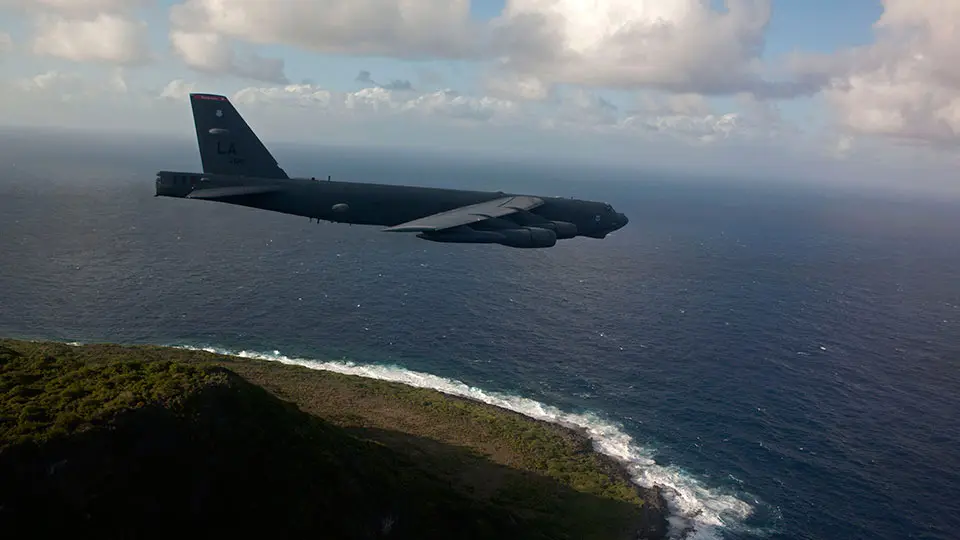
No other aircraft in the world can credibly threaten an enemy with nuclear gravity bombs, standoff cruise missiles, hypersonic glide vehicles, anti-ship missiles, and precision bunker busters from the same airframe on the same mission. This flexibility means that an adversary tracking a B-52 on radar cannot know which capability is about to be used against them. The uncertainty itself is a deterrent. The B-52's value is not just what it carries — it is that nobody knows which weapon it will use until it uses it.
)
)
)
)
)