From gloves to cameras: 6 shocking items astronauts accidentally lost in space

Over the decades, a surprising number of items have slipped away during spacewalks or missions, turning into temporary pieces of orbital debris before most eventually burned up in Earth’s atmosphere.
Introduction
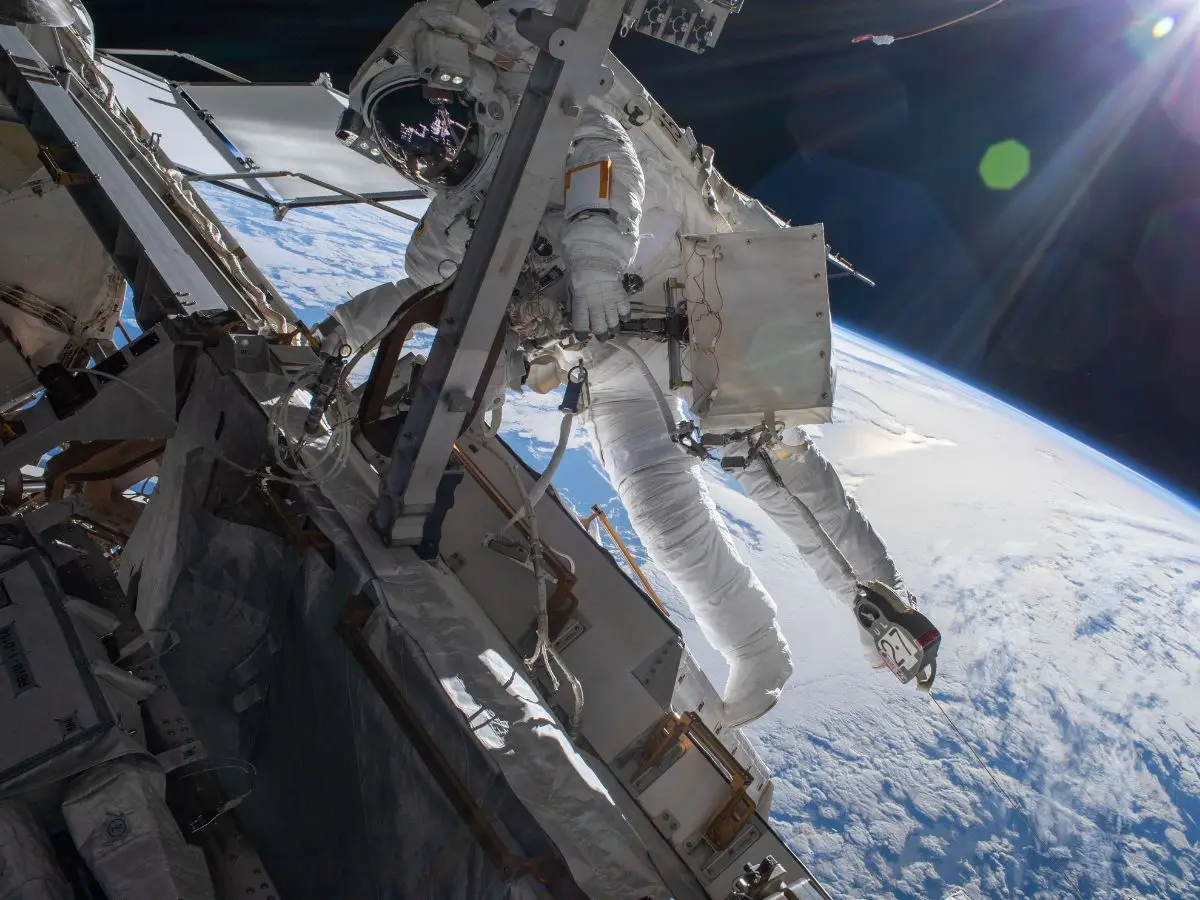
The history of human spaceflight is filled with precision and discipline, yet astronauts are not immune to accidents. Over the decades, a surprising number of items have slipped away during spacewalks or missions, turning into temporary pieces of orbital debris before most eventually burned up in Earth’s atmosphere. These mishaps range from everyday tools to more peculiar objects, each with its own story.
A Glove from the First American Spacewalk
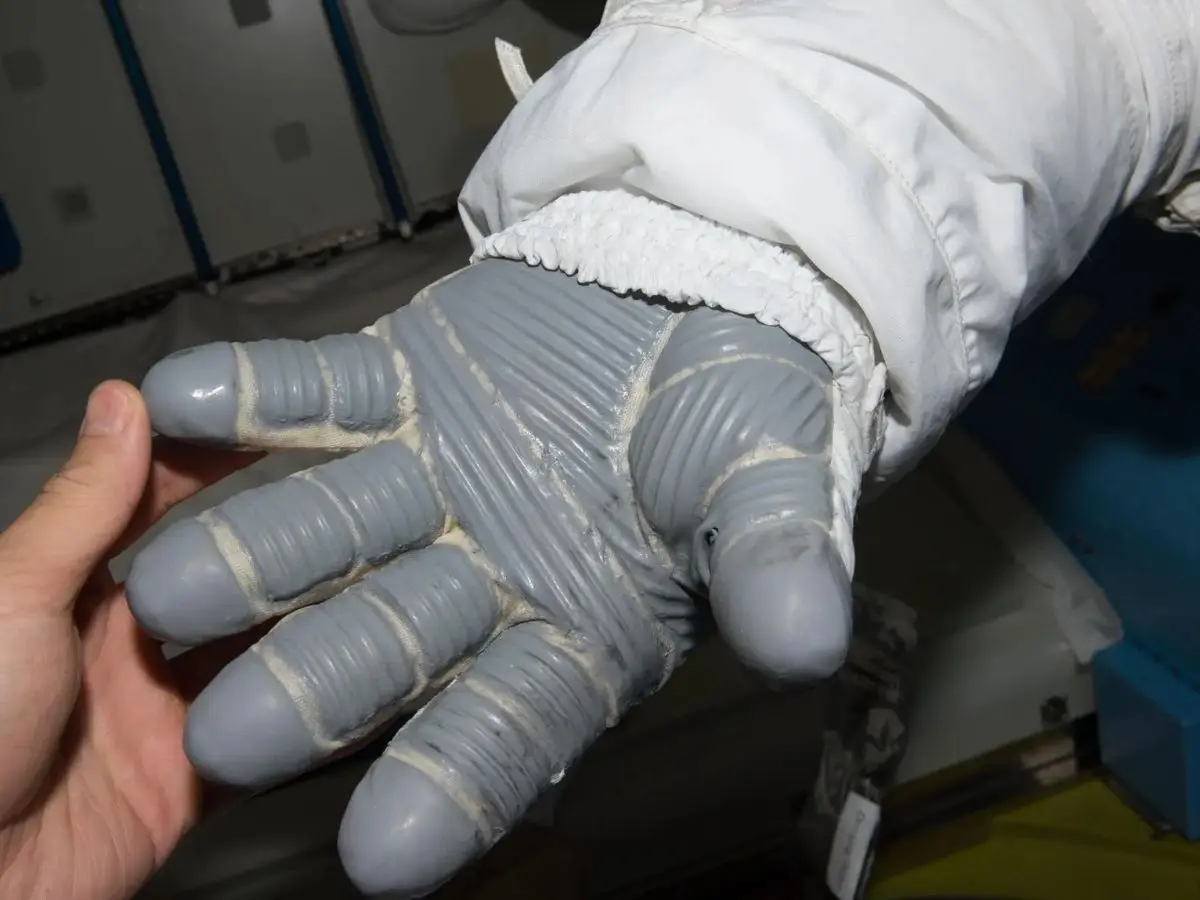
In June 1965, astronaut Ed White became the first American to conduct a spacewalk during NASA’s Gemini 4 mission. While outside the capsule, one of his spare gloves floated away into orbit. The glove circled Earth for nearly a month before disintegrating upon re-entry. This marked one of the earliest examples of accidental space debris, highlighting how even the smallest items can drift freely in orbit.
Tool Bags Worth Thousands of Dollars
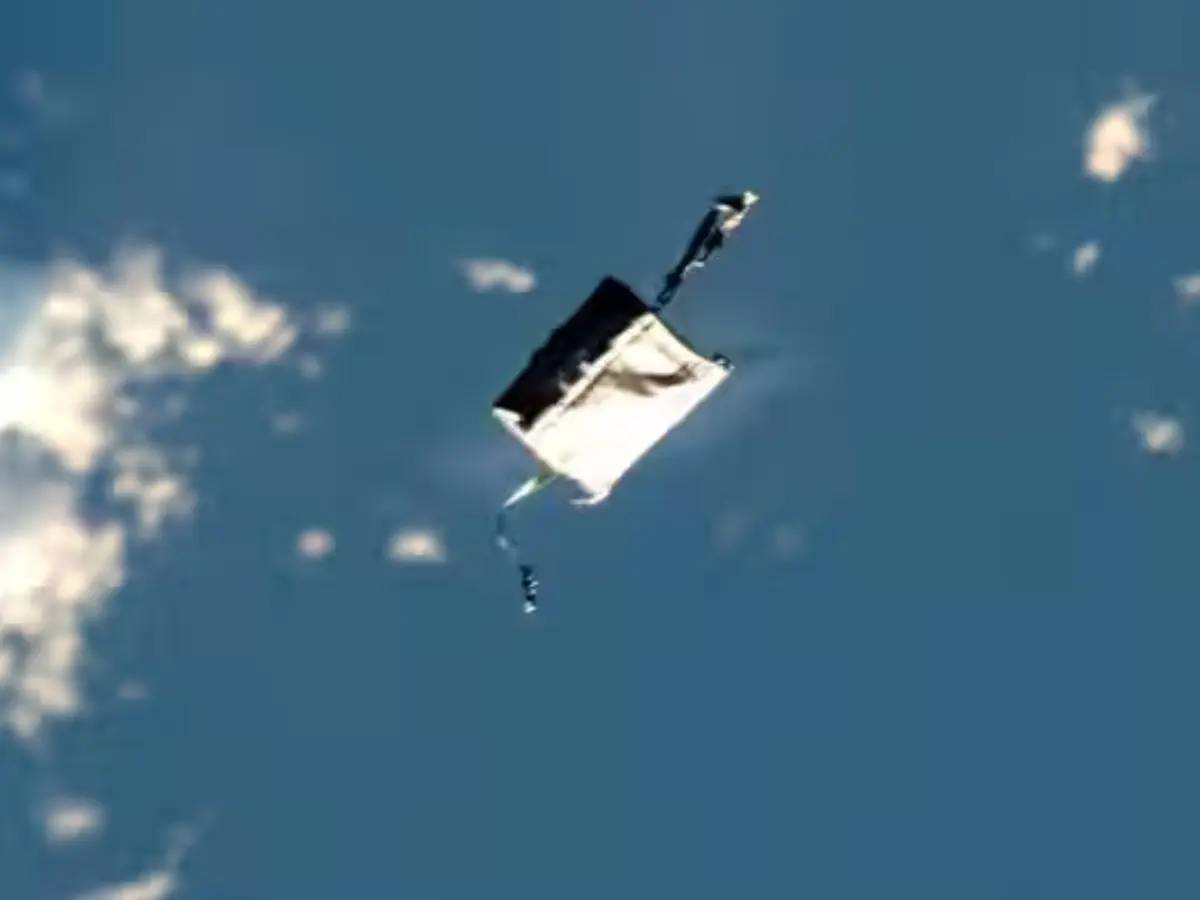
Tools have often proved tricky to manage in the weightlessness of space. In November 2008, astronaut Heidemarie Stefanyshyn-Piper lost a tool bag worth an estimated $1,00,000 during repairs to a jammed solar panel on the International Space Station. The bag contained essential equipment but was left to float harmlessly until it eventually burned up in the atmosphere. A similar incident occurred in November 2023, when astronauts Jasmin Moghbeli and Loral O’Hara accidentally let a tool bag drift away during a 6-hour spacewalk.
A Spatula and Other Small Tools
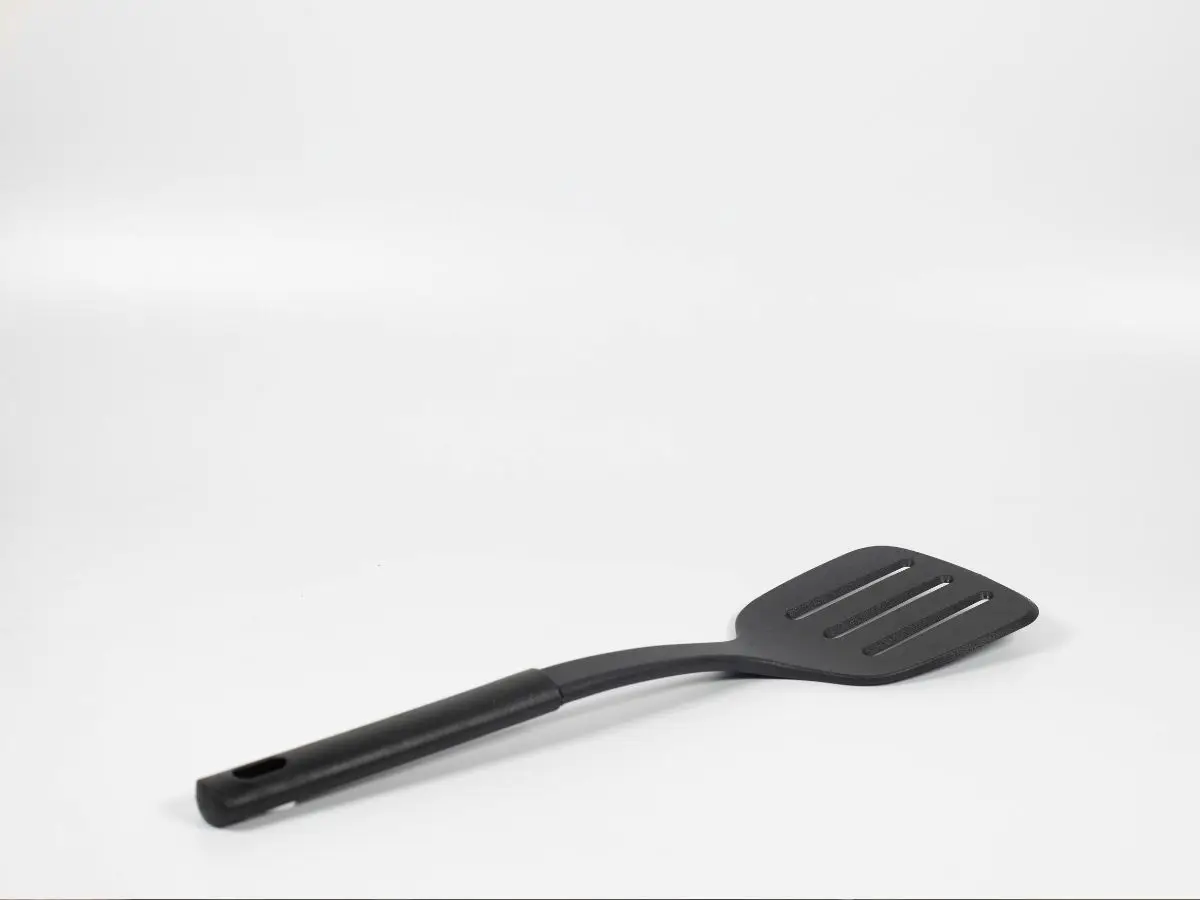
In 2006, astronaut Piers Sellers lost a spatula while testing a heat-resistant substance during a spacewalk. Around the same period, astronaut Scott Parazynski dropped a pair of pliers while repairing a torn solar panel. Though seemingly trivial, such objects are carefully tracked to prevent potential collisions with satellites or the station itself.
Cameras in Orbit
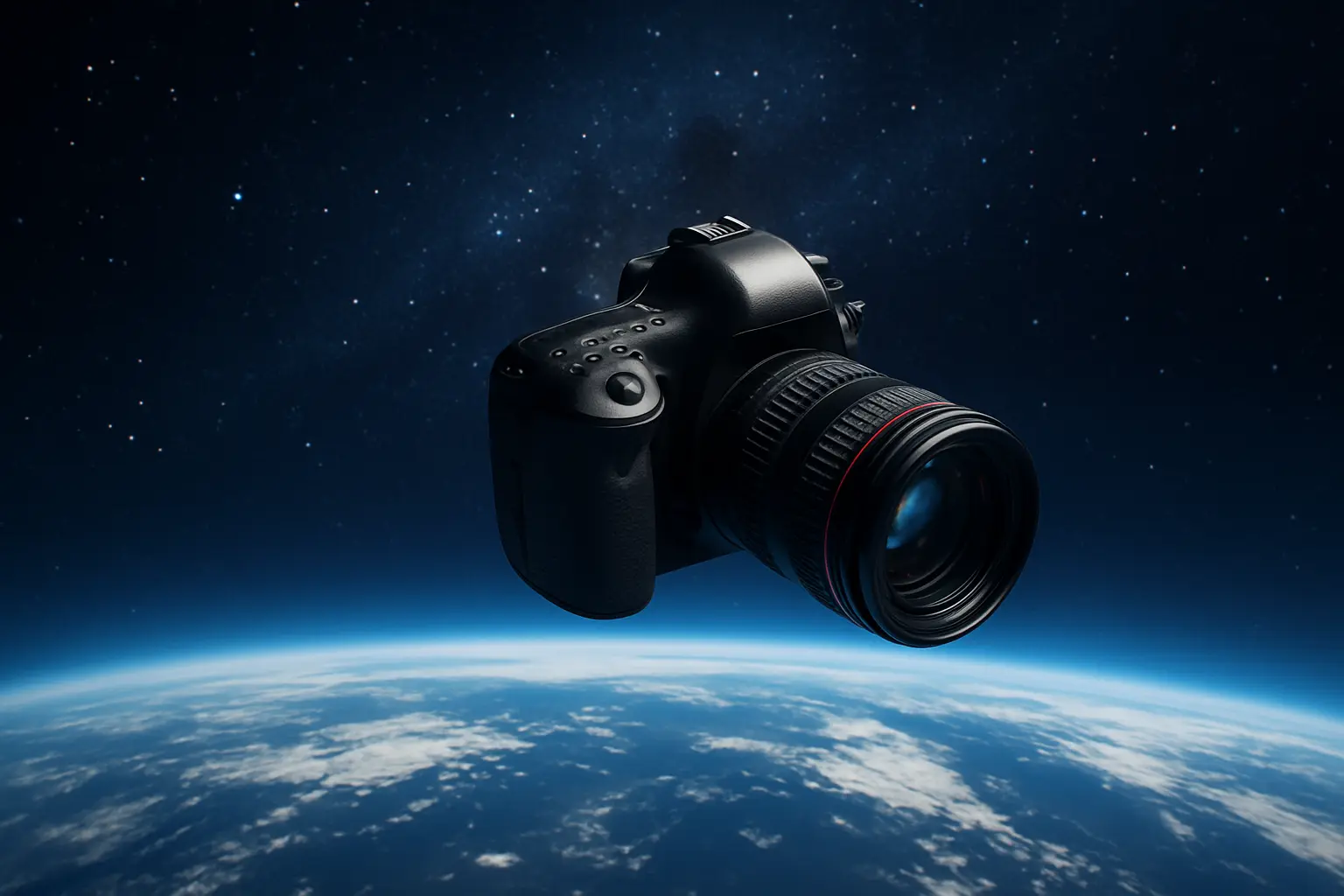
Cameras have also slipped free in the vacuum of space. In 2007, astronaut Sunita Williams lost her digital camera during a spacewalk near the ISS solar arrays. Earlier, Apollo 11 astronaut Michael Collins misplaced a Hasselblad camera inside the cramped Columbia command module, jokingly reporting the incident to Neil Armstrong and Buzz Aldrin. Williams’s camera, like most lost items, eventually burned up on re-entry.
Debris Shields and Larger Equipment
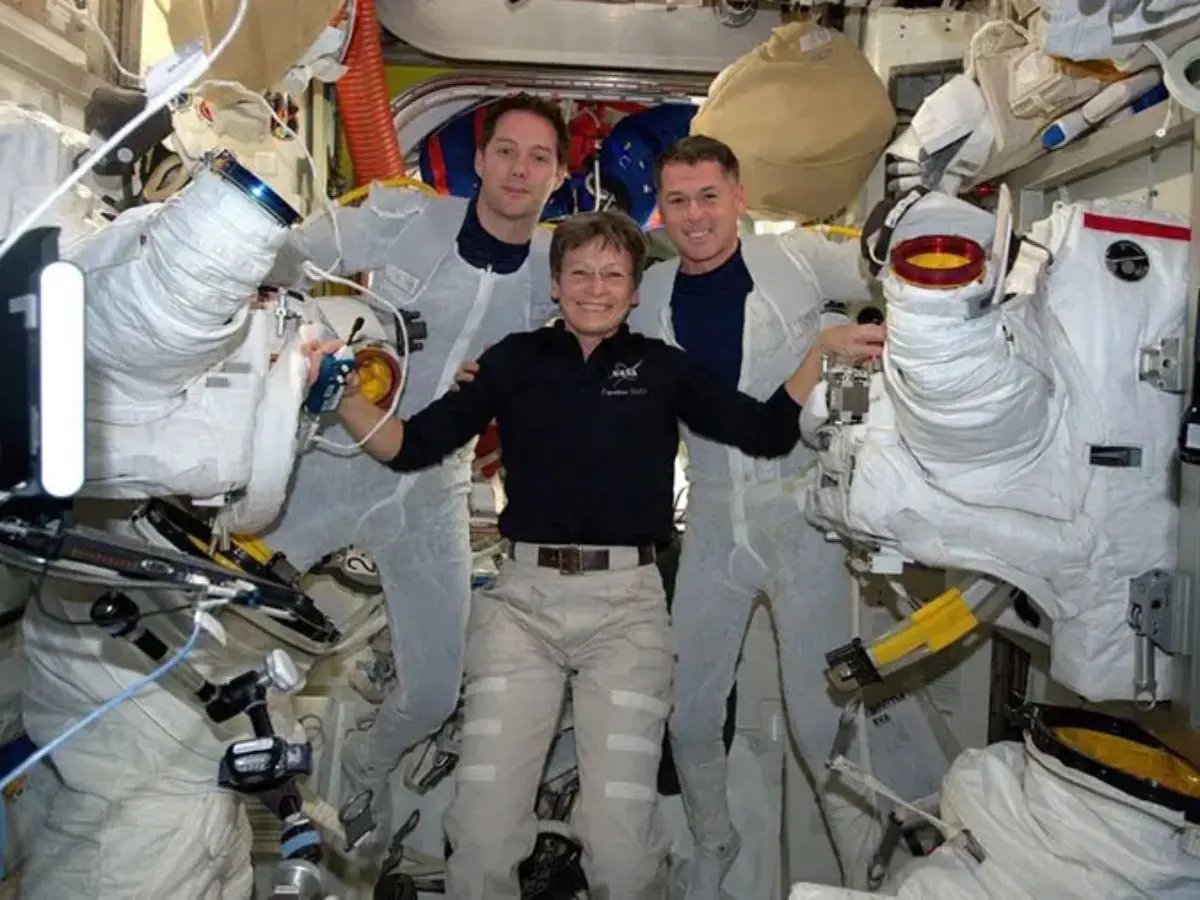
During a 2017 ISS spacewalk, astronauts Peggy Whitson and Shane Kimbrough lost a debris shield designed to cover an access point. The 18-pound shield floated away, forcing Mission Control to improvise a substitute with available materials. NASA later confirmed the shield posed no immediate danger before it eventually disintegrated.
Waste Containers and Unusual Debris
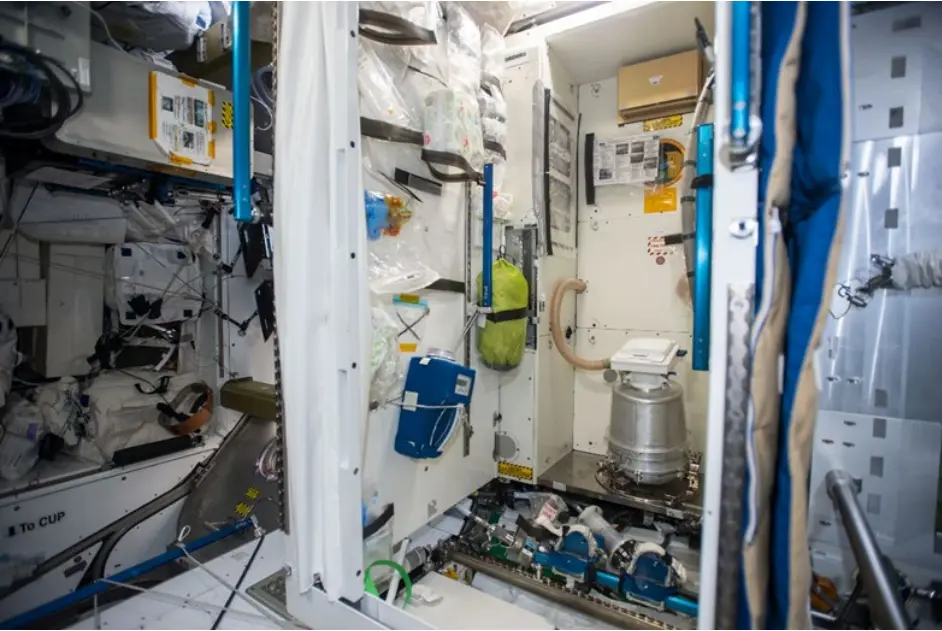
In the early years of human spaceflight, astronauts disposed of urine by releasing it into space, where it froze instantly into sparkling ice crystals. Although primitive, it was a common practice before advanced recycling systems were developed on the ISS. Other unusual cases include manhole covers launched skyward during nuclear tests in the 1950s, with at least one believed to have reached escape velocity, possibly making it the first human-made object in space.
)
)
)
)
)