From foxtrots to SSBNs: The rise and modernisation of India’s submarine force

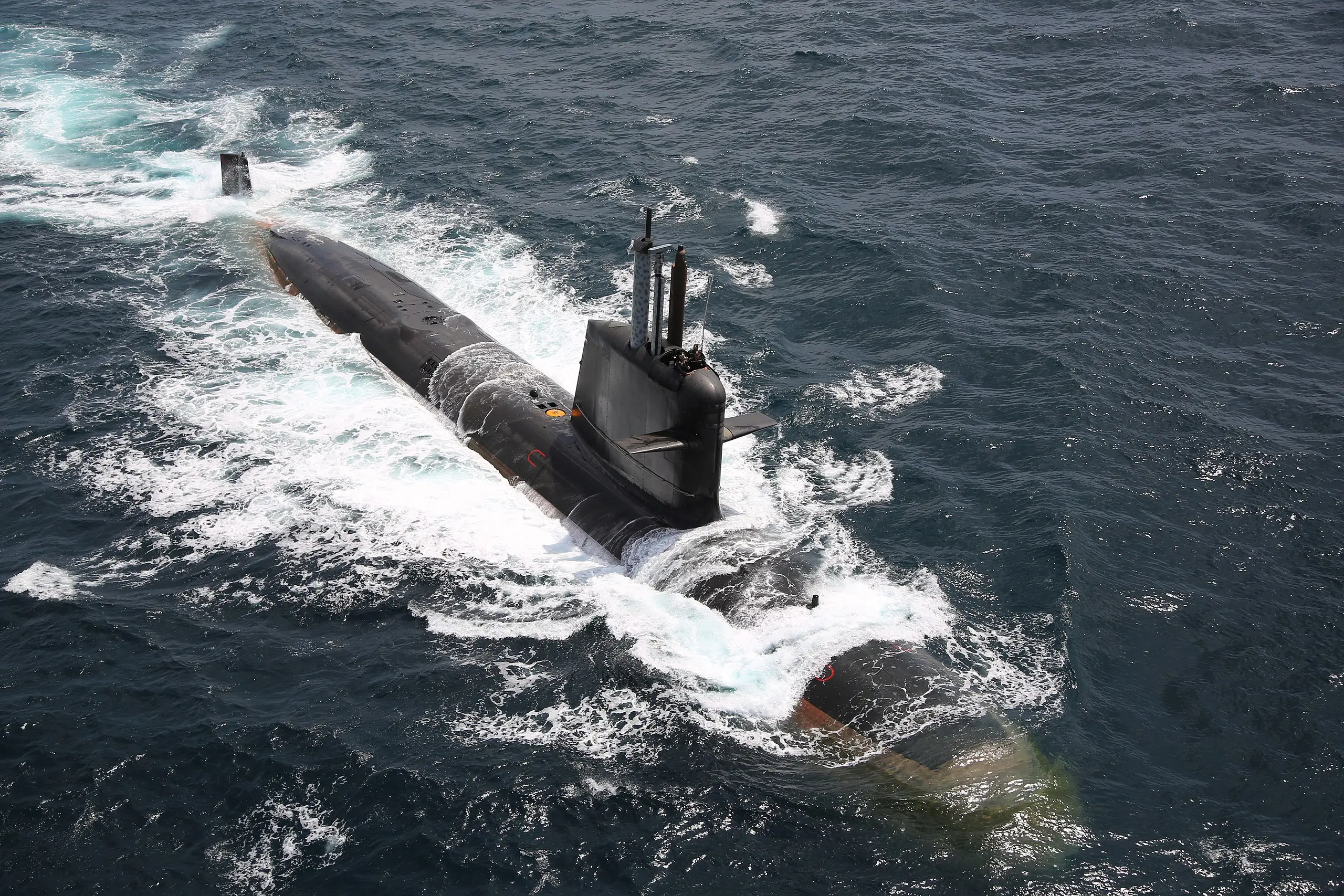
India’s submarine arm emerged from more than a decade of post-Independence effort, culminating in the commissioning of INS Kalvari on December 8, 1967.
Introduction
India’s submarine arm emerged from more than a decade of post-Independence effort, culminating in the commissioning of INS Kalvari on December 8, 1967. According to the Press Information Bureau (PIB), the journey began in 1962, when a group of Indian officers were trained at HMS Dolphin in the United Kingdom. What followed was the gradual evolution of a modest force into a multi-layered undersea capability comprising both diesel-electric submarines and nuclear-powered platforms.
Foundations: The Foxtrot-Class Era
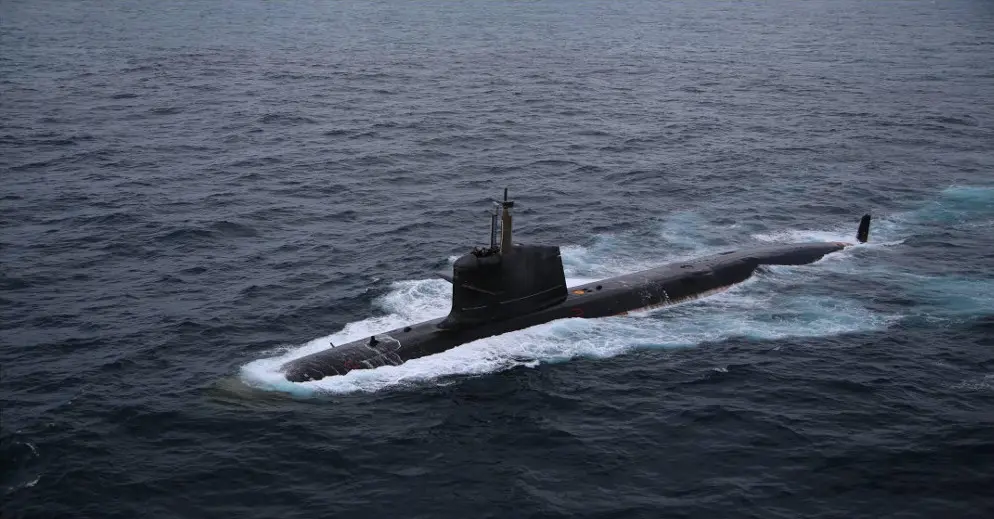
The first phase of India’s submarine history was shaped by the Soviet-built Foxtrot class. PIB records note that these boats established the Navy’s earliest underwater tradition, with two participating in the 1971 Indo-Pak War. Crewed by some of the youngest arms of the service, the Foxtrots built the seamanship, combat experience and ethos that would guide future expansion. The name (Kalvari) was later revived for the first of a new class of six Scorpene-class submarines, commissioned in 2017, which were built as part of Project 75.
Growing Capability: Kilo and Type 209 Inductions
Technological progress accelerated with the arrival of the Russian 877 EKM (Sindhughosh class) and the German Type 209 (Shishumar class) submarines. These introduced modern sensors, improved firepower and significantly better diving performance. PIB notes that the commissioning of INS Shalki in 1992, built at Mazagon Dock Limited, marked India’s entry into indigenous submarine construction.
Nuclear Expertise: Chakra I and II
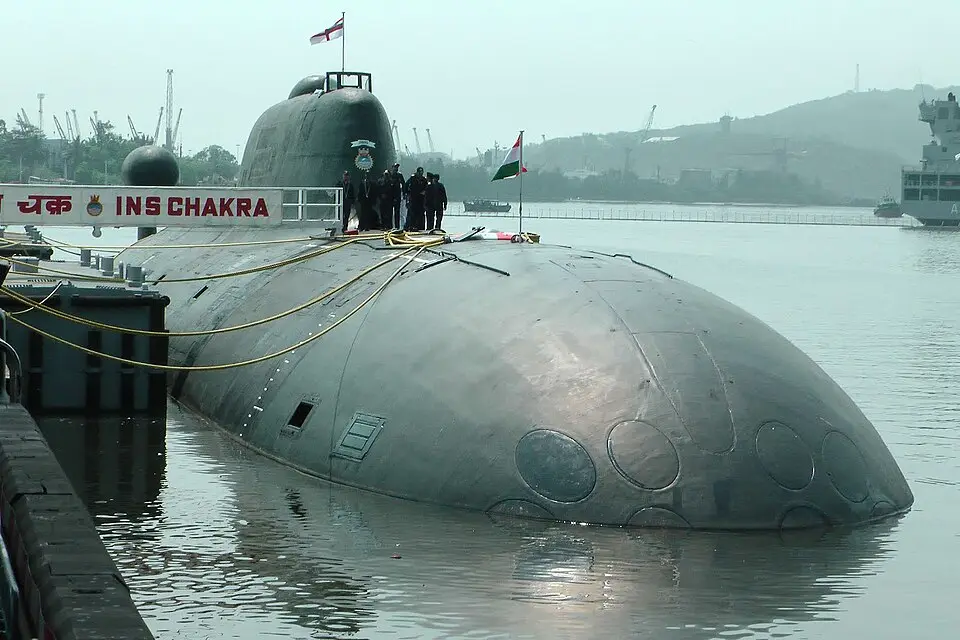
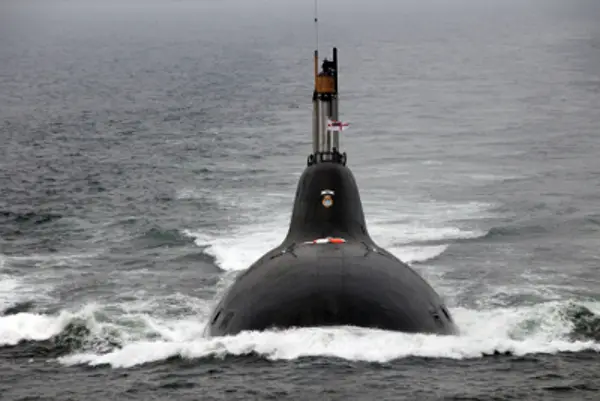
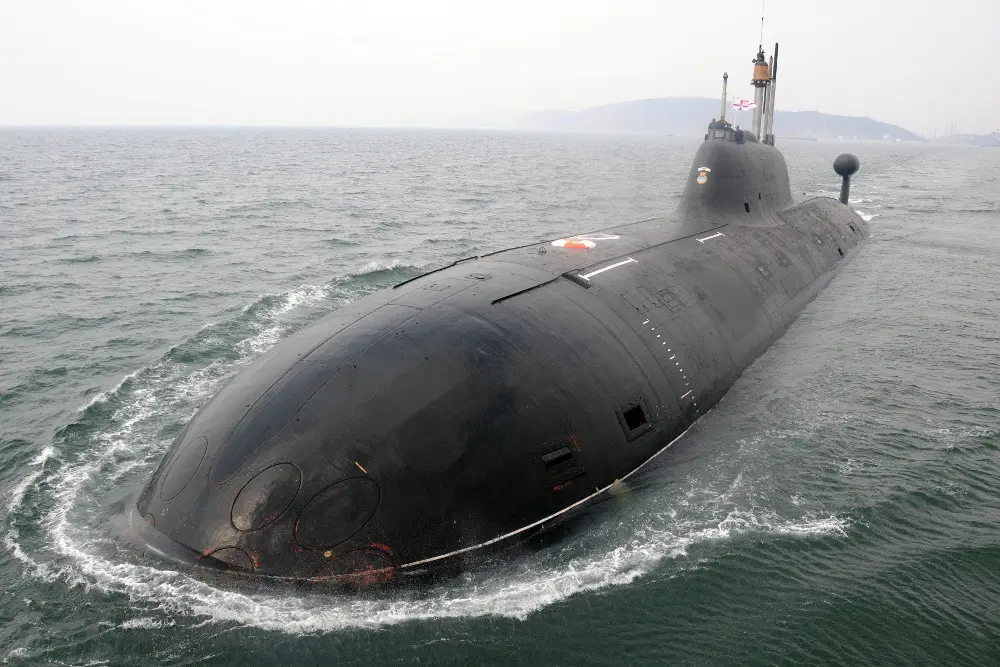
India entered the select group of nations operating nuclear-powered submarines with the induction of Chakra-I in 1988 and Chakra-II in 2012. More than five decades earlier, in 1954, the launch of the world’s first nuclear-powered submarine, USS Nautilus, had already transformed undersea warfare. For India, the leased Chakra boats provided vital exposure to nuclear propulsion, extended underwater endurance and sustained deep-sea operations, laying the groundwork for the country’s own SSBN programme.
Arihant and Strategic Deterrence
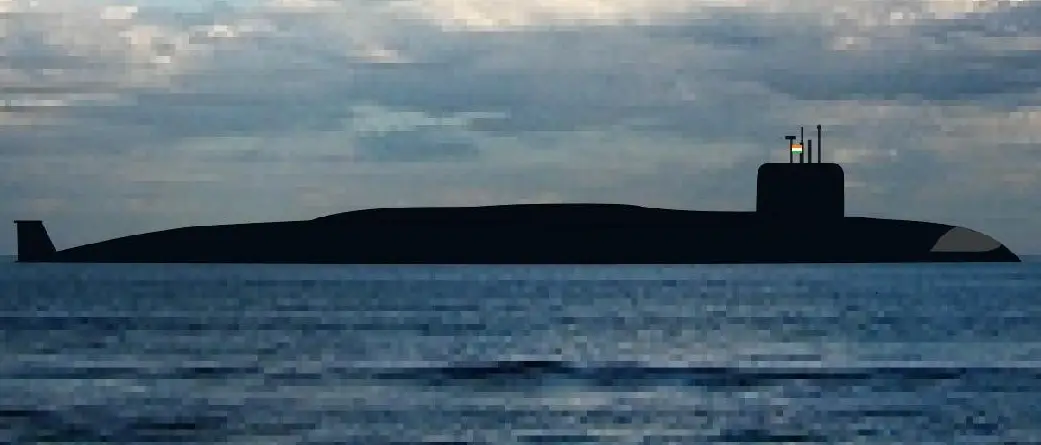
Building on the experience gained from operating nuclear-powered submarines, India advanced its own SSBN programme. While the commissioning of INS Vikrant in 2022 marked a major milestone in indigenous aircraft carrier construction, the development of INS Arihant represented an equally significant leap in underwater strategic capability. As the Navy’s first indigenously built ballistic missile submarine, Arihant became the foundation of India’s sea-based nuclear deterrent. The programme involved extensive domestic participation, 76 per cent indigenous content, including 30,000 tonnes of steel from SAIL, and contributions from more than 550 OEMs and 100 MSMEs, supporting thousands of direct and indirect jobs. This momentum continued with the commissioning of the second Arihant-class SSBN, INS Arighaat, on August 29, 2024 in Visakhapatnam, further strengthening India’s strategic deterrence posture.
Traditions and Symbolism
The insignia of the Submarine Arm, featuring the National Emblem flanked by two dolphins, reflects both maritime heritage and the symbolism of dolphins as attendants of Poseidon and companions of sailors. This emblem represents the dual role submarines play as both sword and shield.
Kalvari’s Legacy
INS Kalvari, the first Indian submarine, sailed from Riga to Visakhapatnam in 1968, covering 19,000 nautical miles, according to PIB records. Decommissioned in 1996, her fin now stands on public display, and her original bell and commissioning plaque were ceremonially passed on to the commanding officer of the new Kalvari in 2015.
)
)
)
)
)