From F-35 Lightning II Programme to Manhattan Project: 10 most expensive defence projects in human history

The F-35 programme has a $2 trillion lifetime cost through 2070. B-2 Spirit cost $44.75 billion for 21 aircraft. USS Gerald Ford costs $12.9 billion with advanced launch systems. Know more details below.
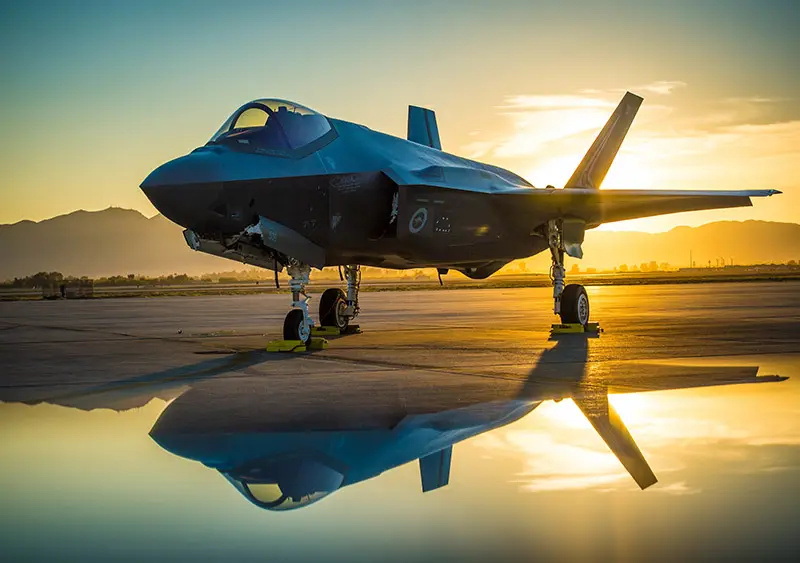
F-35 Lightning II Programme - Around $2 Trillion Lifetime Cost
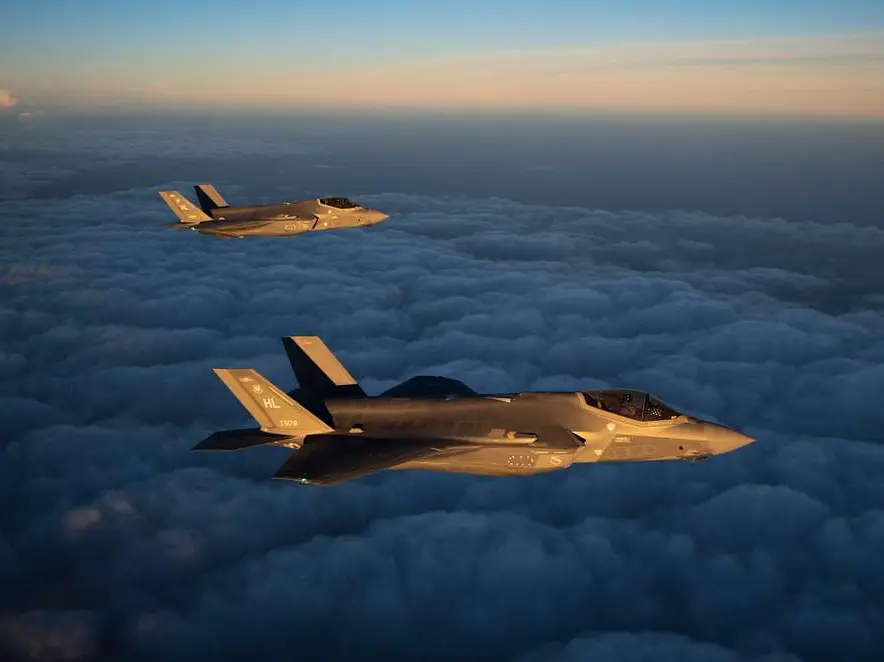
The F-35 Joint Strike Fighter programme represents the single most expensive military project ever undertaken, reaching $2 trillion total lifetime cost including operations through 2070. Acquisition costs alone total $406.5 billion for the aircraft, with $1.58 trillion in sustainment costs over 66 years of operation. Each aircraft costs between $82.5 and $109 million excluding the $20.4 million F135 engine.
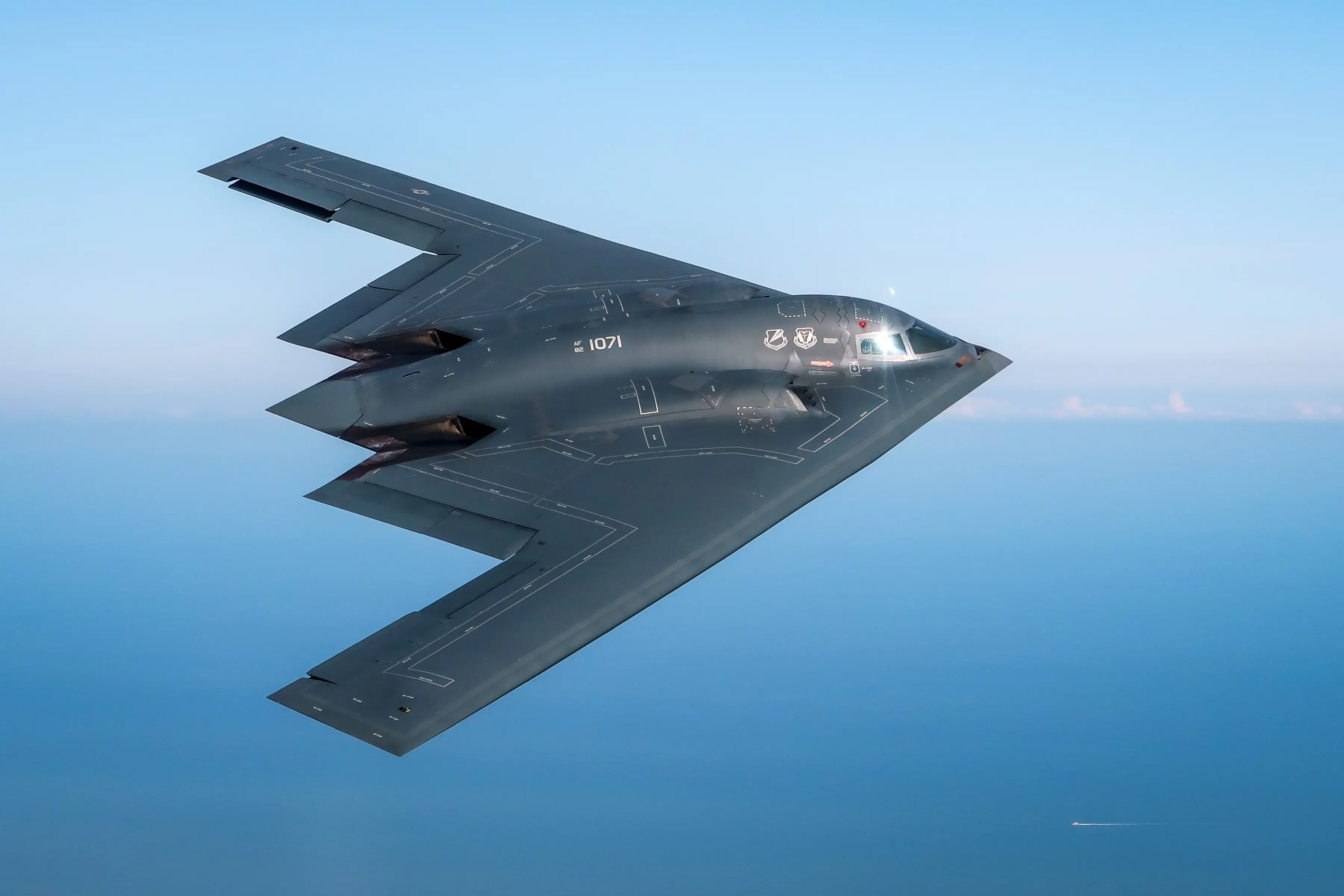
B-2 Spirit Stealth Bomber - $44.75 Billion Programme
The B-2 Spirit programme cost $44.75 billion by 1997 for 21 aircraft, placing average unit cost at approximately $2 billion per bomber. Each aircraft carries two bomb bays holding up to 36,288 pounds of ordnance. The programme incorporated revolutionary stealth technology reducing radar cross-section equivalent to a bumblebee rather than a 100-tonne aircraft.
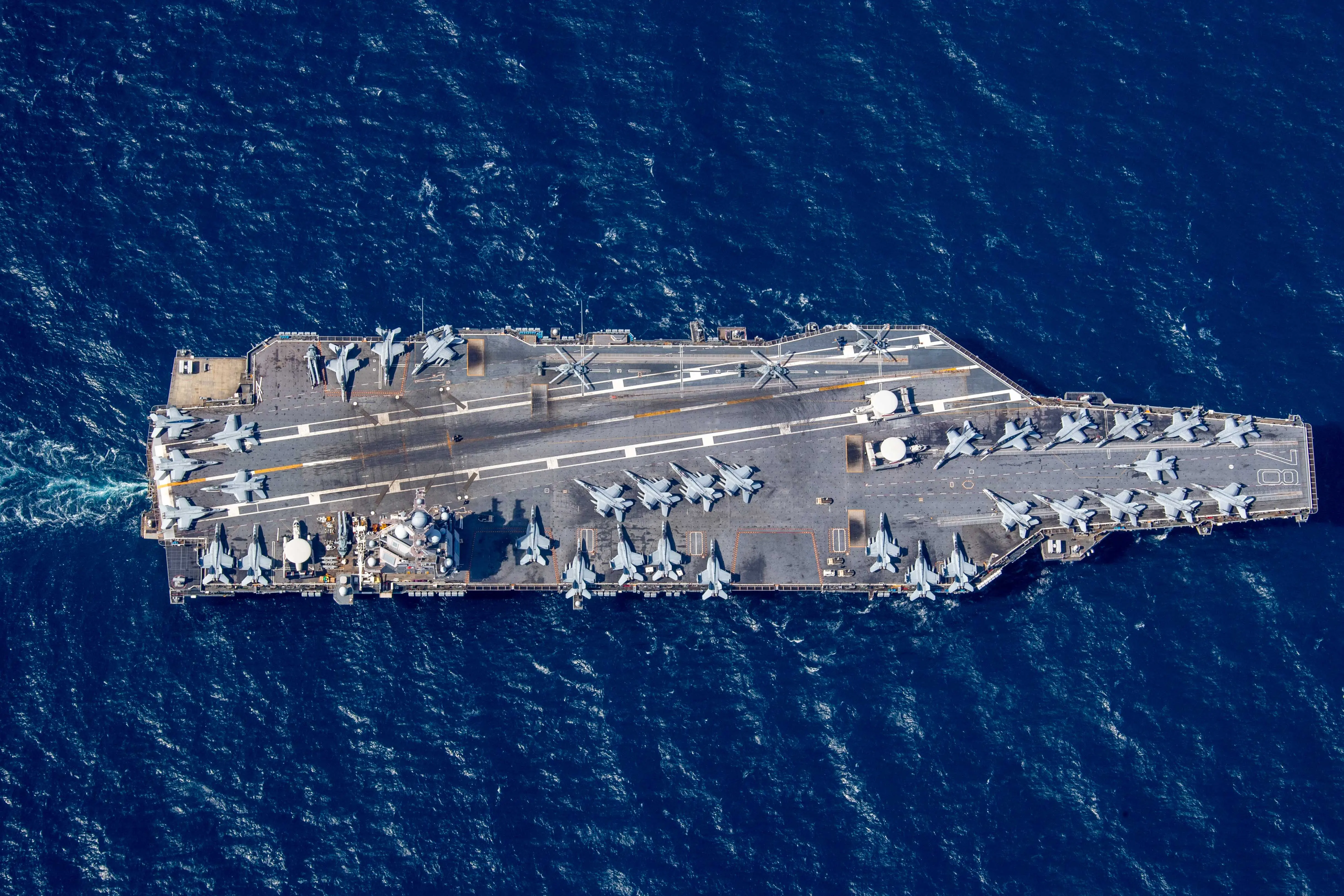
USS Gerald R. Ford Aircraft Carrier - $12.9 Billion
USS Gerald R. Ford cost $12.9 billion with 23 unproven technologies including Electromagnetic Aircraft Launch Systems (EMALS), Advanced Arresting Gear (AAG), and Advanced Weapons Elevators (AWEs), causing a 23 per cent cost increase and significant delays. Operating costs reach $6.5 million per day including aircraft operations. The carrier will remain operational until 2075.
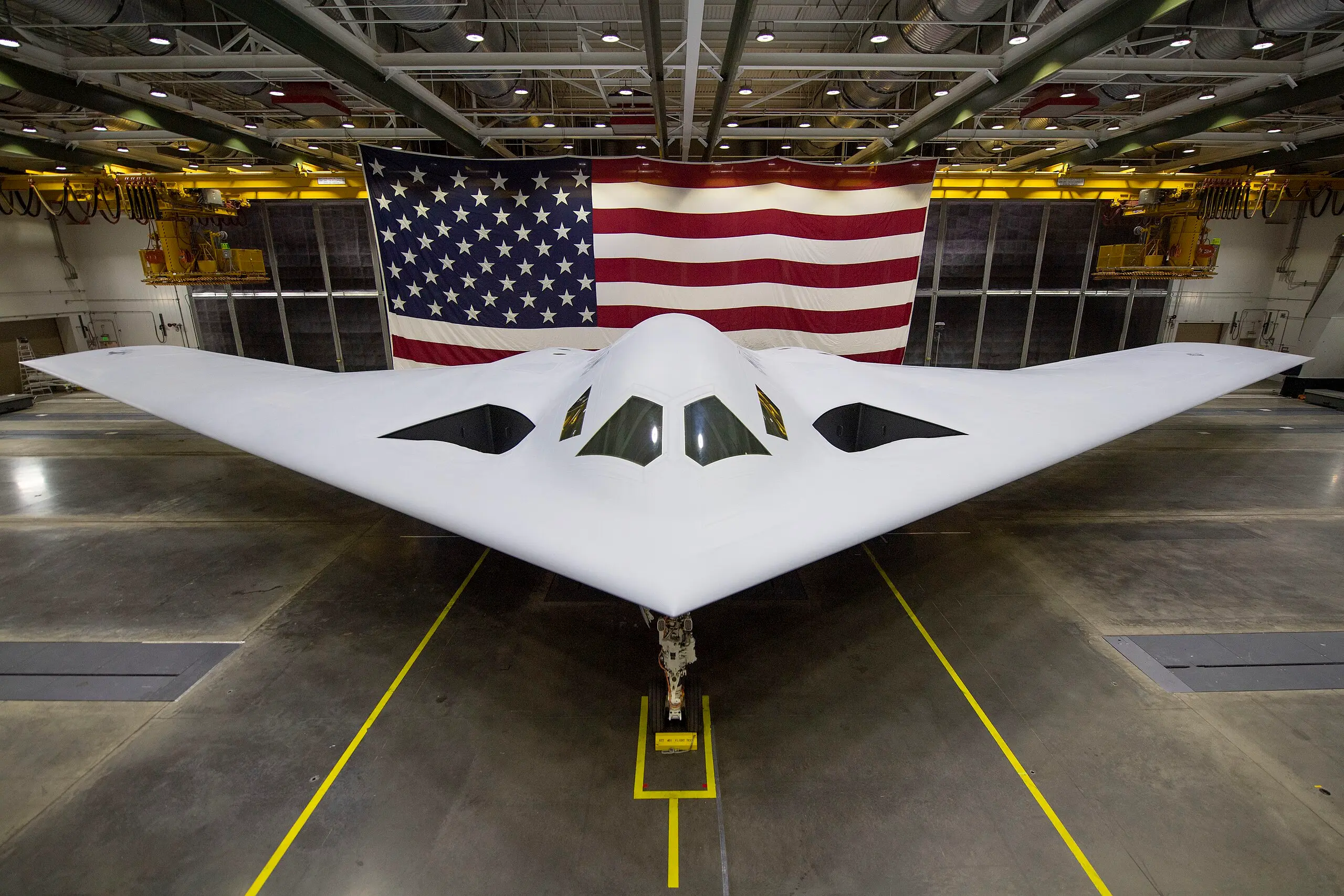
B-21 Raider Stealth Bomber - $203 Billion Programme
The B-21 Raider costs approximately $692 million per aircraft with the Air Force purchasing at least 100 bombers for $203 billion total programme cost. Each Raider carries nuclear and conventional payloads slipping through advanced enemy defences. The programme incorporates lessons learned from B-2 development reducing development costs and schedule risks.
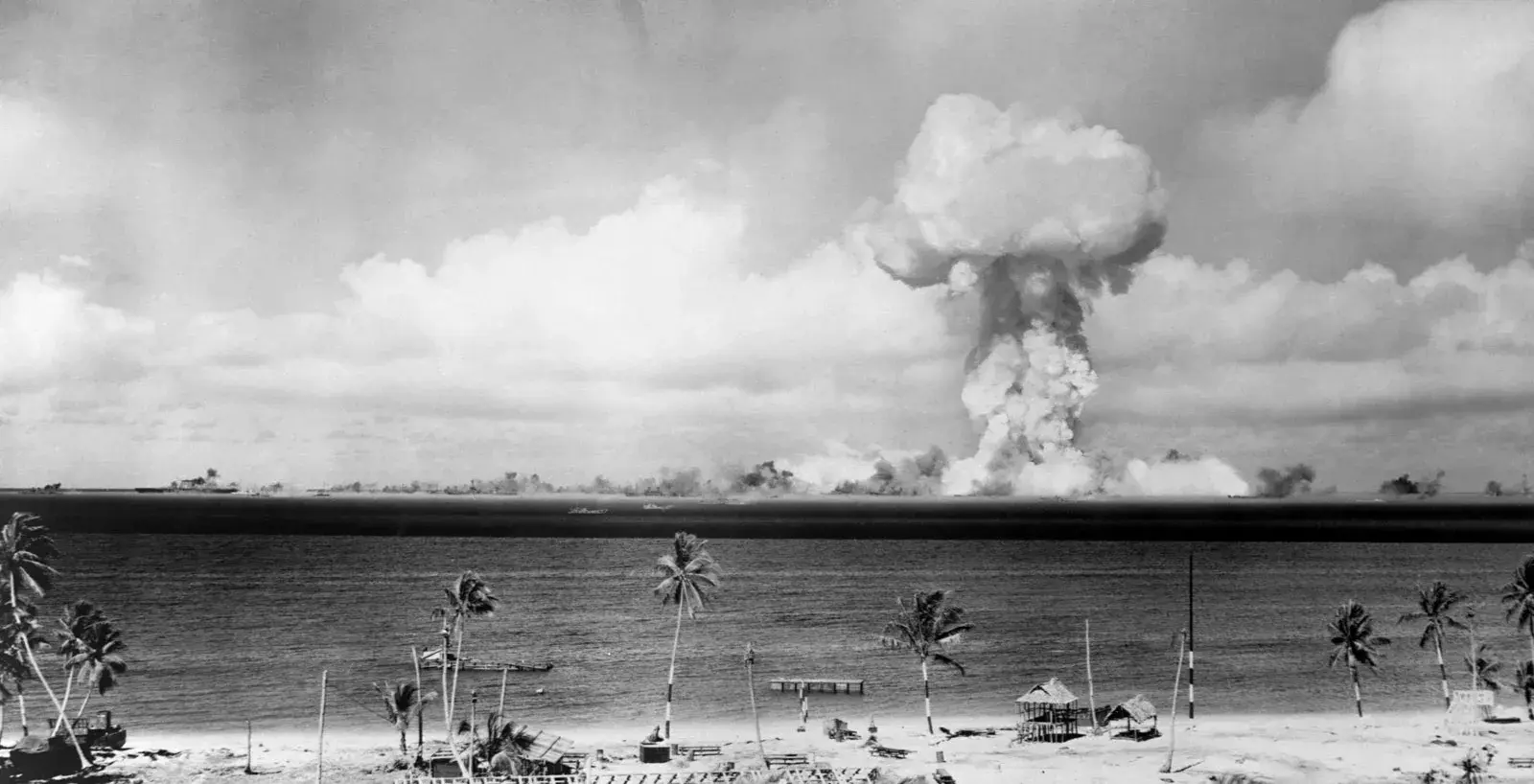
Manhattan Project Nuclear Weapons - $28 Billion in Modern Values
The Manhattan Project employed nearly 130,000 workers at peak operations from 1942-1945 costing approximately $2 billion in period dollars, equivalent to $28 billion in 2024 currency. The project developed enrichment facilities at Oak Ridge, plutonium production at Hanford, and weaponisation at Los Alamos. Success enabled atomic weapons ending World War II.
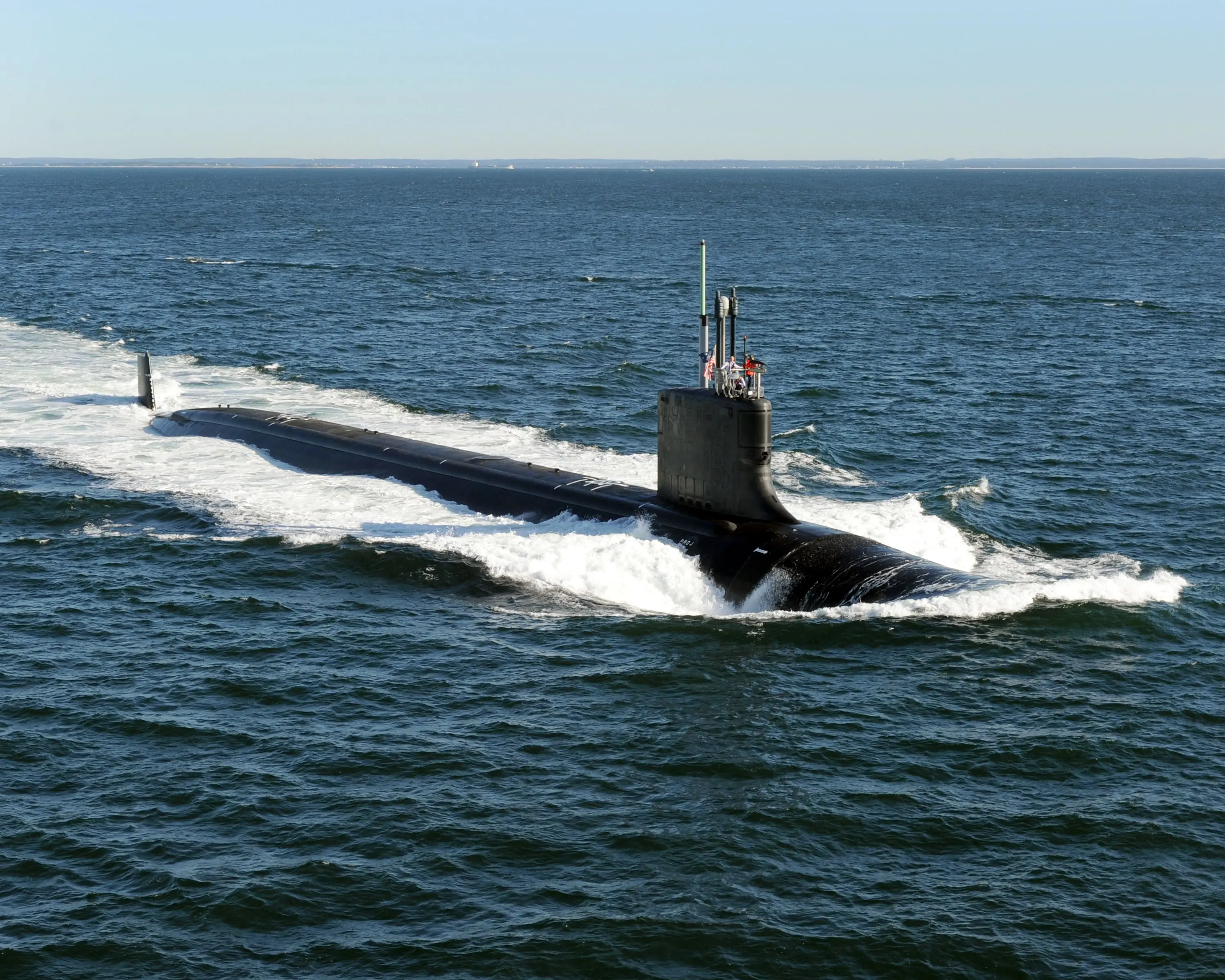
Virginia-Class Attack Submarine Programme - $22 Billion Upgrade
Virginia-class submarines received $22 billion upgrade to improve stealth capabilities making them among the world's quietest submarines. Each submarine costs approximately $2.8 billion to construct. Virginia-class boats provide strategic deterrence and special operations capability extending through 2050 operational life.
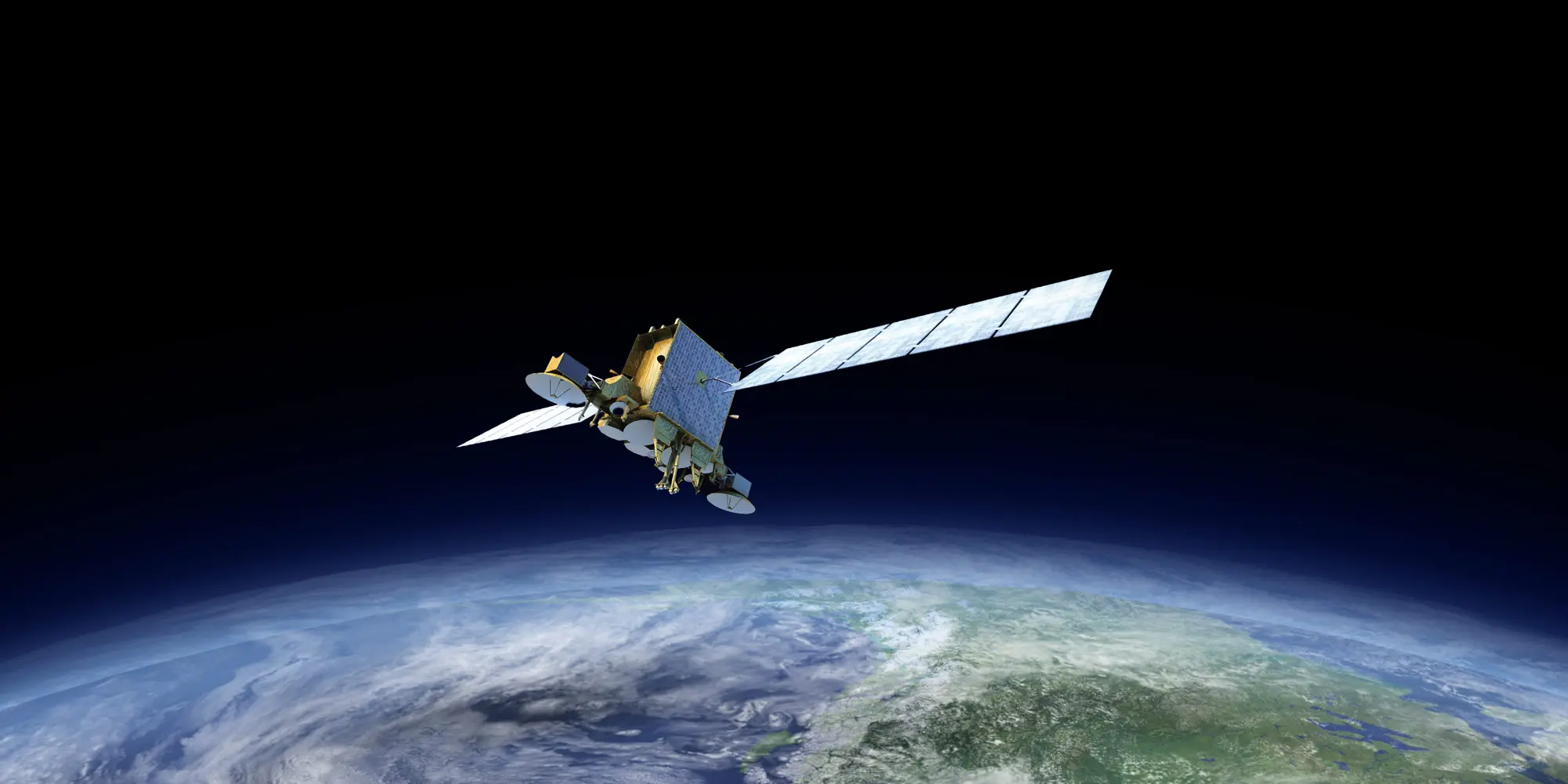
AEHF Satellite Constellation - $11-12 Billion for Six Satellites
Advanced Extremely High-Frequency satellite constellation cost between $11 and $12 billion for six communications satellites averaging $2 billion per satellite. The constellation provides secure military communications resistant to jamming and interception. Each satellite operates in geosynchronous orbit remaining visible to ground stations continuously.
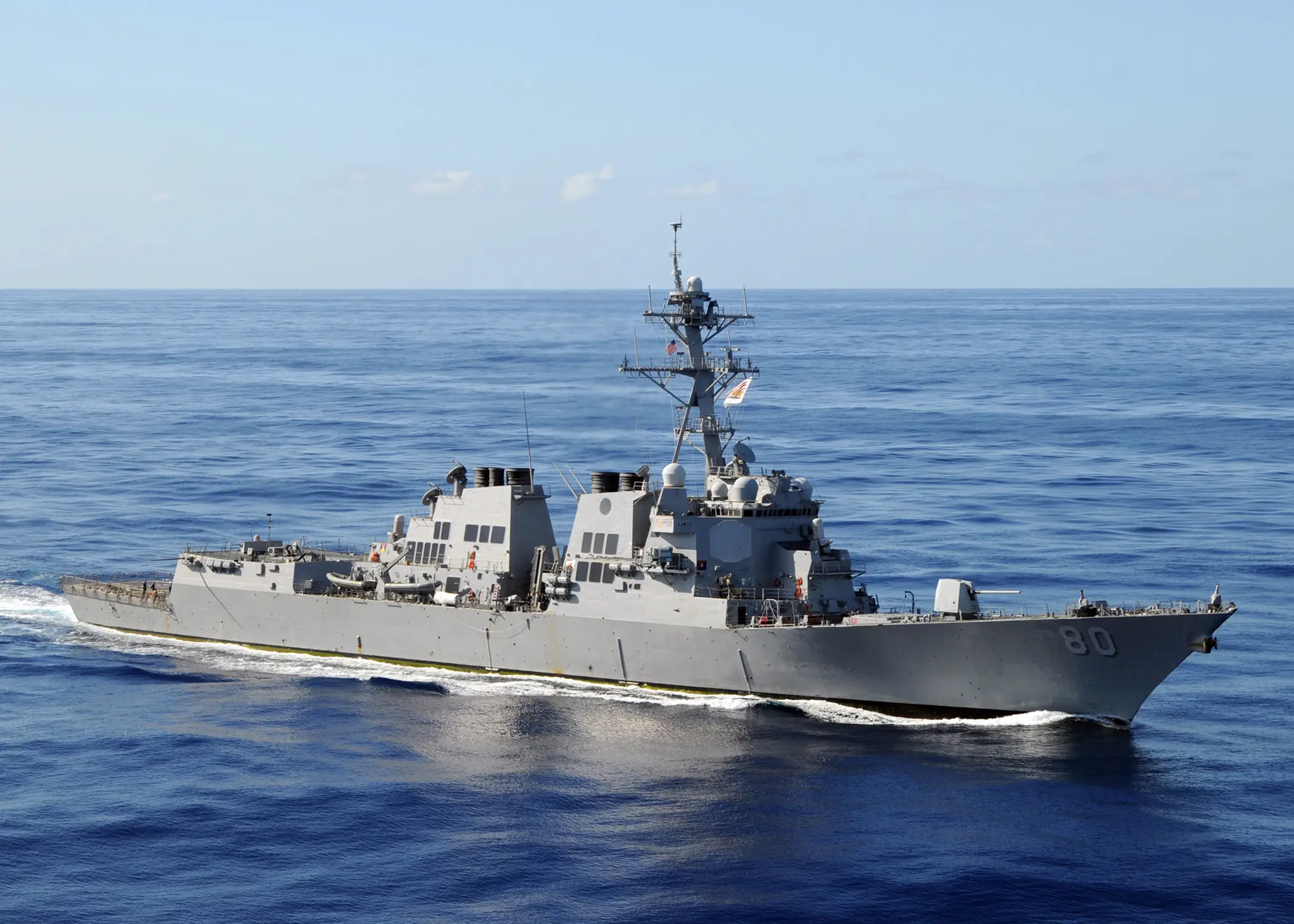
DDG-51 Guided Missile Destroyer - $2.4 Billion Per Ship
Arleigh Burke-class guided missile destroyers increased in cost from $1.8 billion to $2.4 billion per ship due to inflation and design improvements. Each destroyer carries 96 Vertical Launch System cells for anti-air, anti-ship, and land-attack weapons. The Navy operates 68 destroyers providing air defence for carrier strike groups.
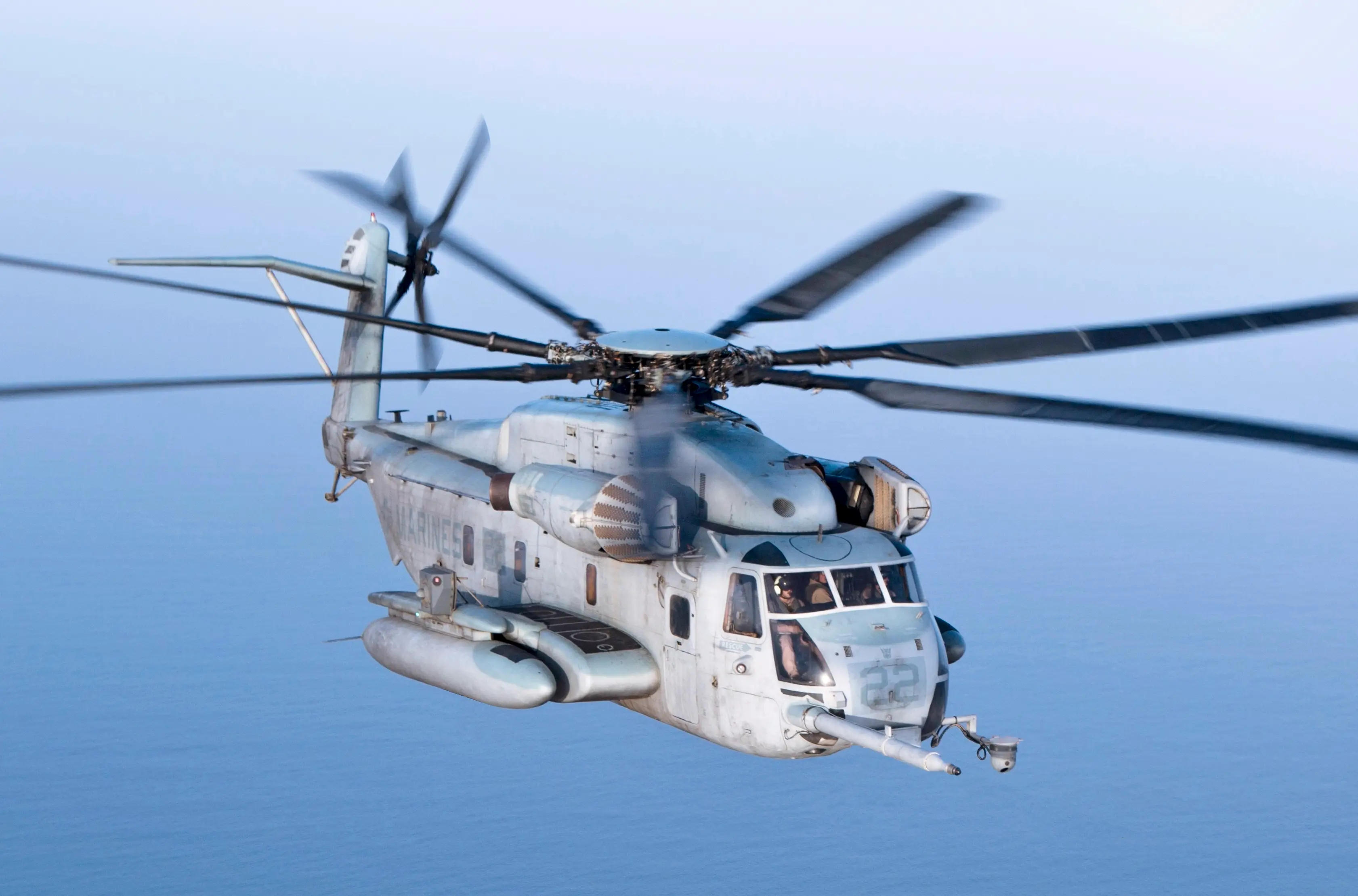
CH-53K King Stallion Helicopter - $138 Million Per Aircraft
The US Marine Corps plans a fleet of 200 King Stallion heavy-lift helicopters at $138 million per aircraft totalling $25 billion programme cost. Each King Stallion lifts heavier loads greater distances than previous models. The 2025 defence budget allocates $2.7 billion for 19 aircraft.
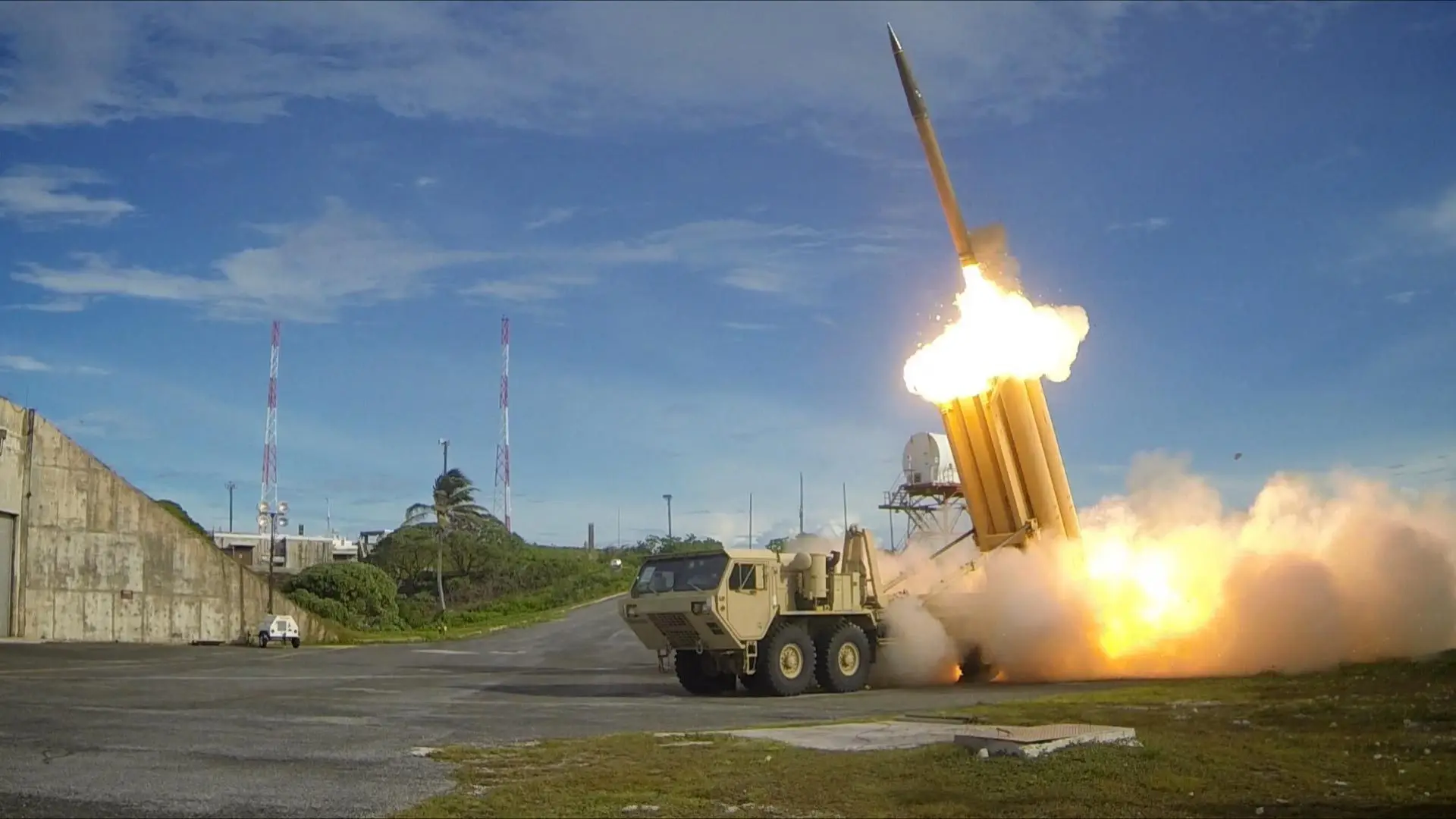
Ballistic Missile Defence System - $300 Billion Investment
America's comprehensive Ballistic Missile Defence System represents $300 billion investment spanning space sensors, ground radars, and interceptor missiles. The system provides strategic deterrence against intercontinental ballistic missiles from hostile nations. Future modernisation will add hypersonic defence capabilities.
)
)
)
)
)