From F-22 to Su-57: What makes fifth-generation fighter jets so powerful?

Fifth-generation fighter jets bring stealth, advanced sensors, and networked operations to the skies. Their unmatched speed, agility, and technology make them the future of air combat worldwide.
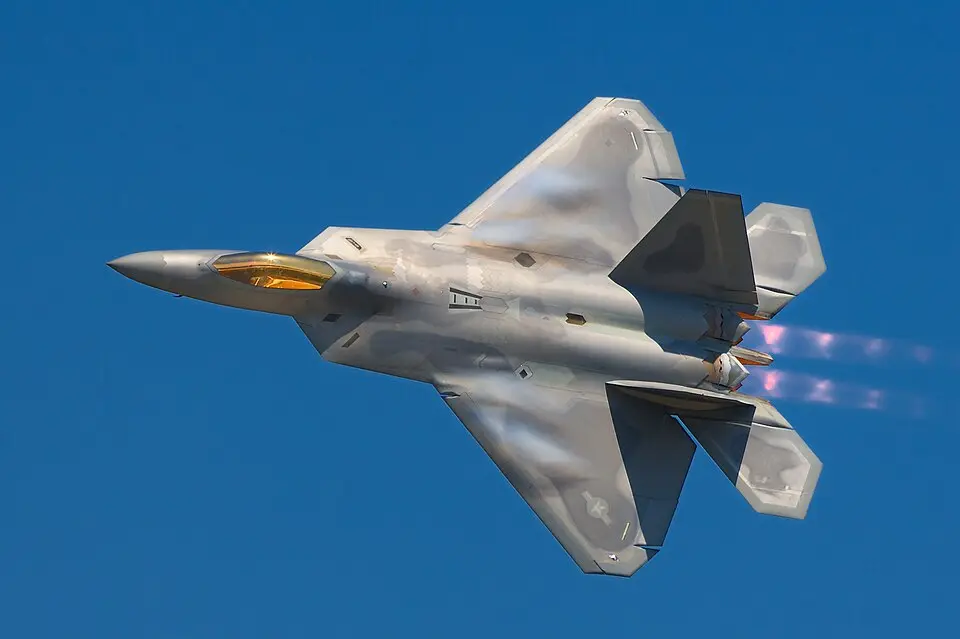
What are fifth-generation fighter jets?
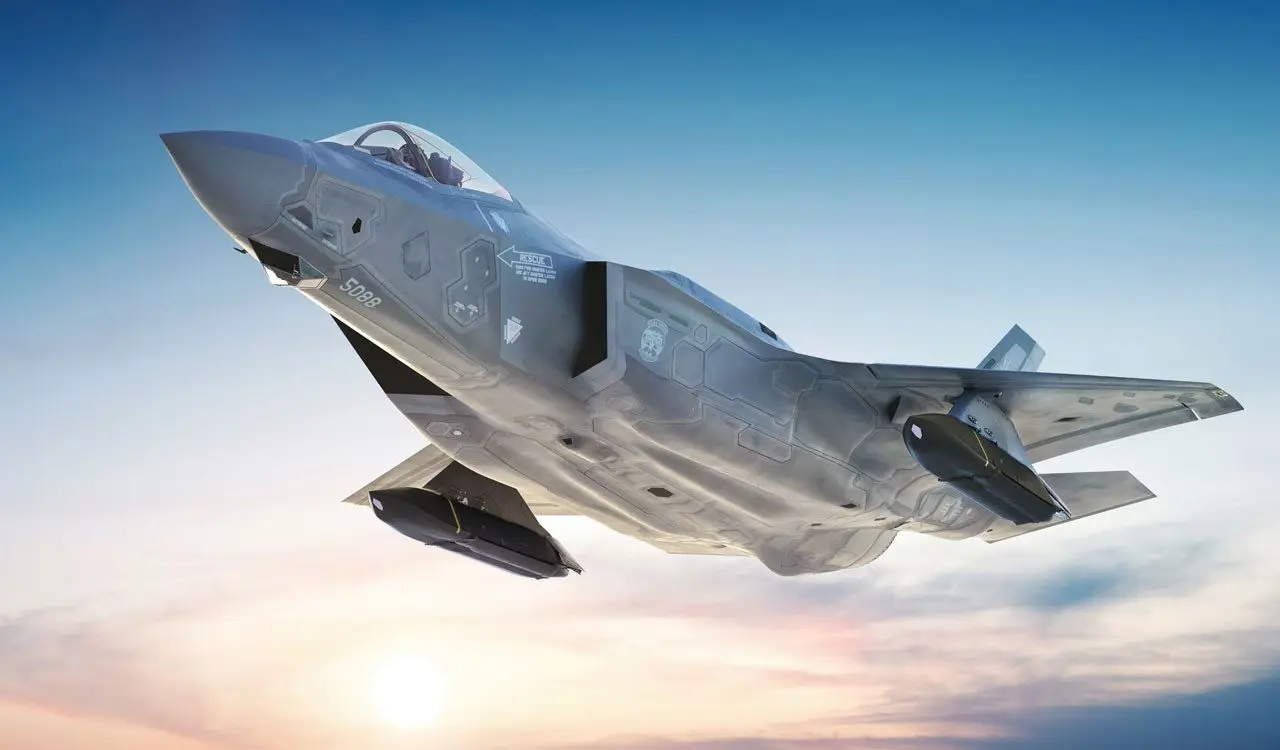
Fifth-gen fighters are the most advanced military jets developed since early 2000s. Key features include stealth design, supersonic cruise without afterburners, superior agility, advanced avionics, and the ability to share data live across battle networks. Examples include the F-22 Raptor, F-35 Lightning II, and Su-57.
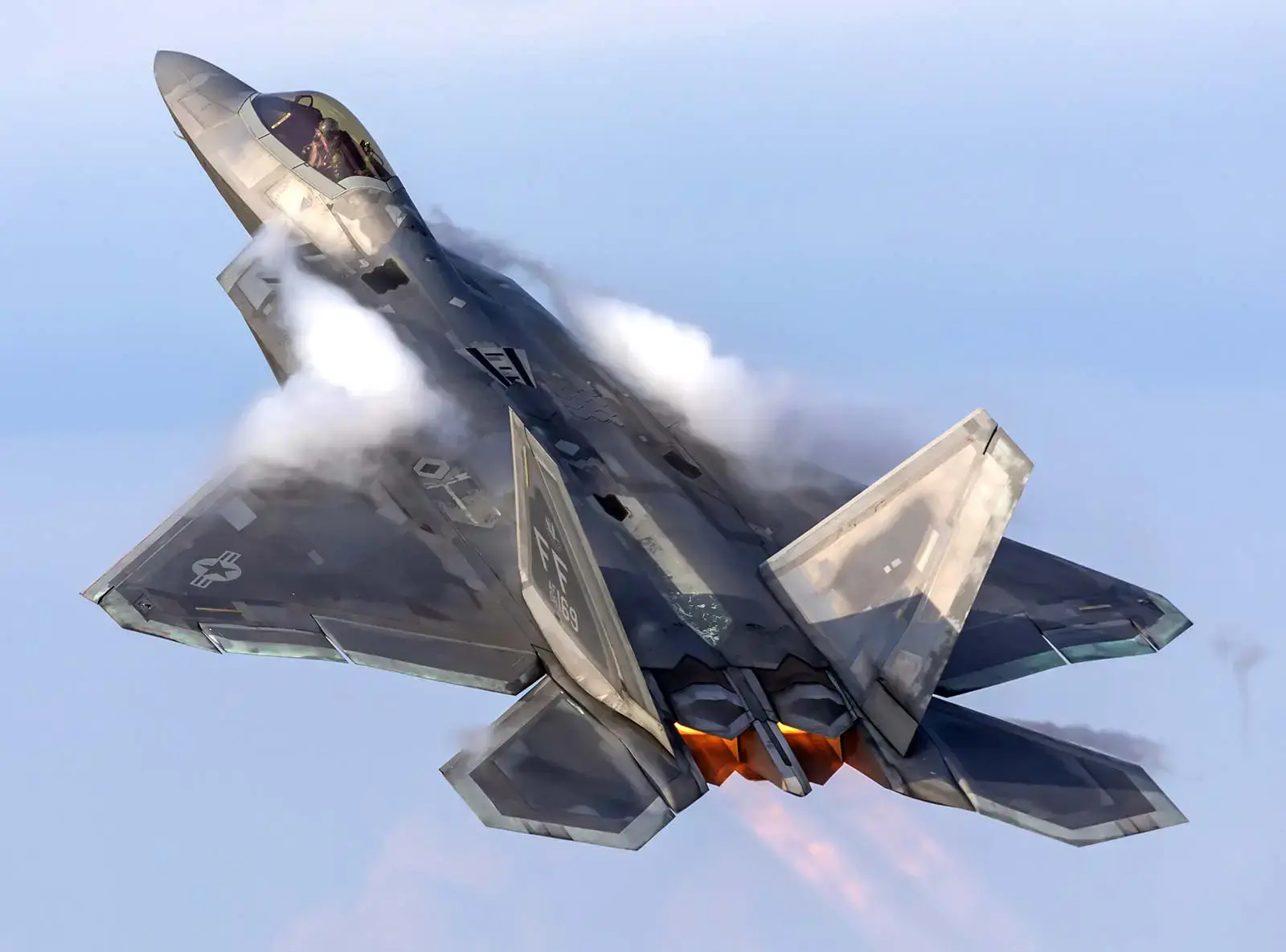
Stealth and shape
Fifth-gen jets have special shapes and coatings that make them hard to detect by radars. They carry weapons inside their bodies instead of hanging them outside, helping them stay “invisible” during missions. They use canted tail fins and smooth surfaces to lower radar signature significantly.
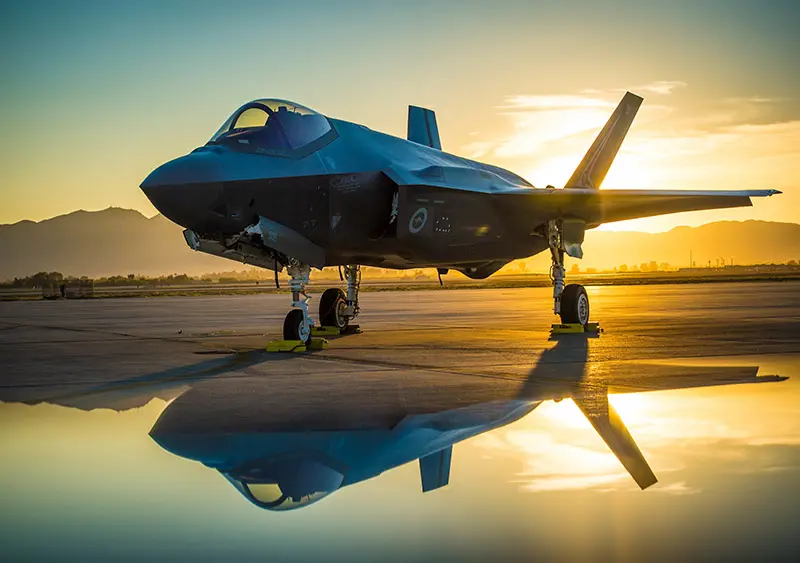
Advanced avionics and sensor fusion
These jets have smart sensors spread over the plane to ‘see’ the battlefield in 360 degrees. Sensor fusion technology combines radar, infrared and other data into a single clear image for pilots. This helps with early threat detection and better decision-making.
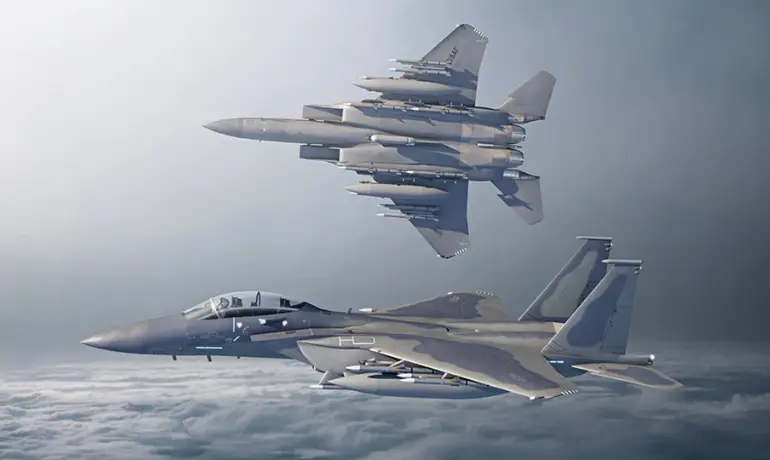
Supercruise and super-maneuverability
Fifth-gen fighters can fly at supersonic speeds without afterburners, saving fuel and extending range. They also have engines with thrust vectoring that allow extreme movements and tight turns during combat.
Networking and multi-role capability
These fighters communicate with other jets, ships and ground forces in real time, sharing target data to control the battlefield. They can perform many missions like air combat, ground attack, reconnaissance, and electronic warfare.
Indian efforts in fifth-generation jets
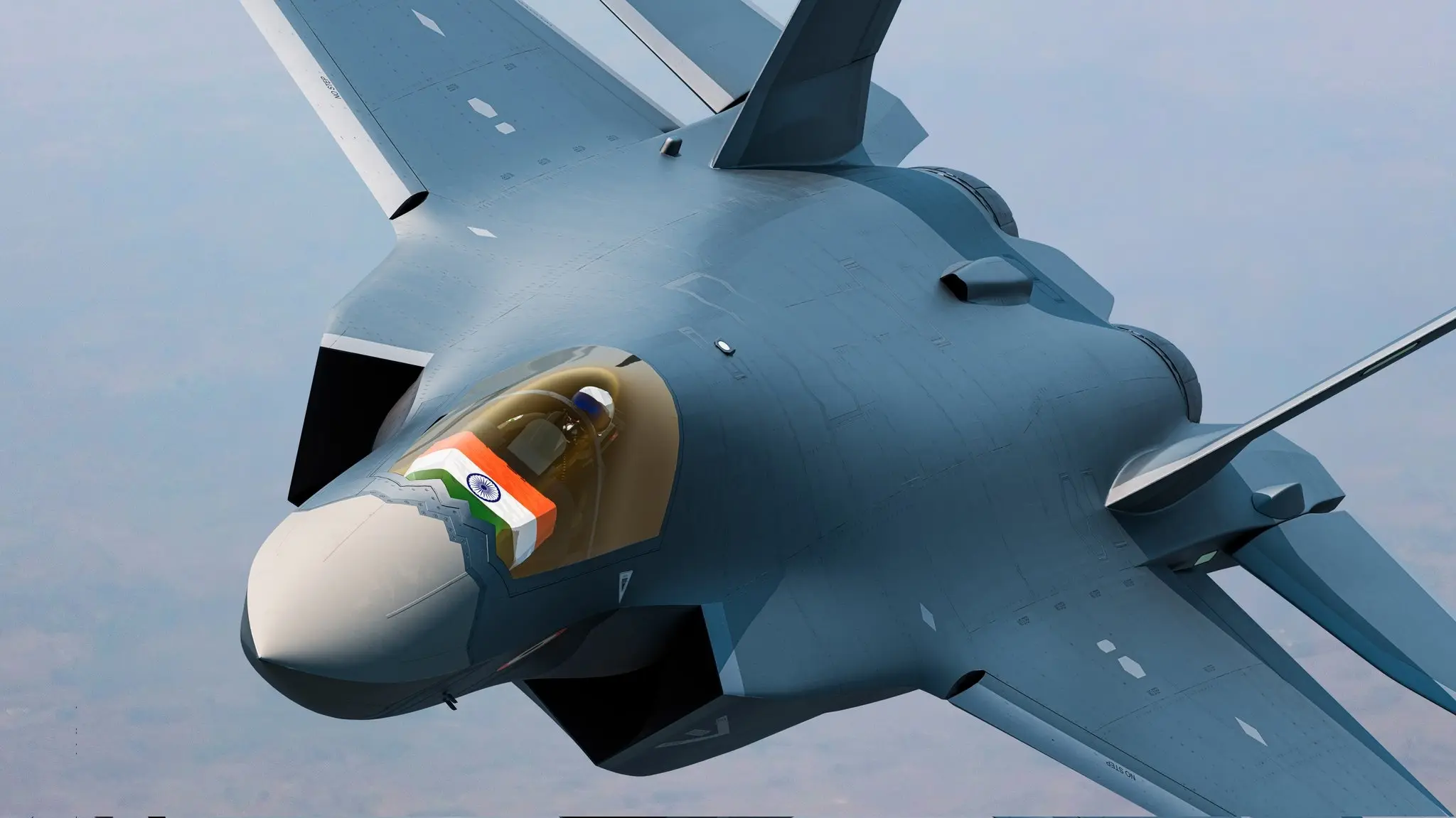
India is developing the Advanced Medium Combat Aircraft (AMCA), a stealth twin-engine multirole fighter with supersonic speed and advanced avionics. It will carry air-to-air and air-to-ground weapons with features like internal weapon bays and advanced radar.
Why fifth-generation jets are a game changer
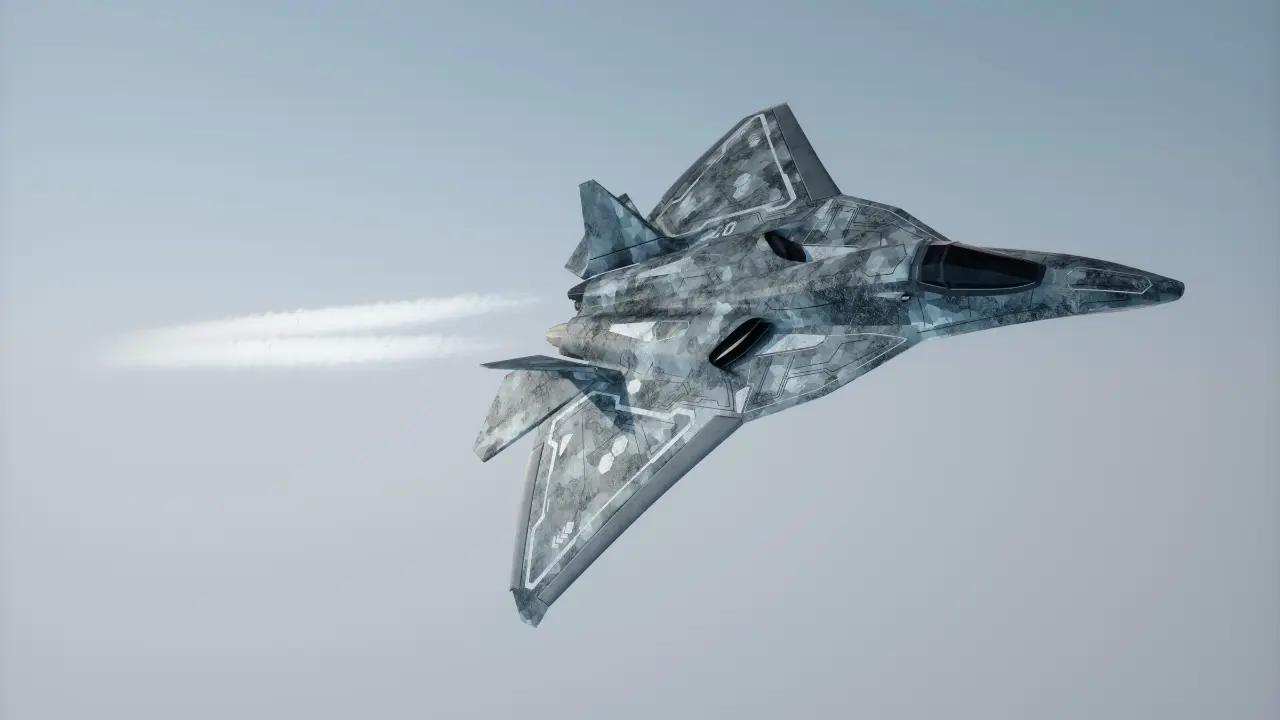
Fifth-gen fighters provide superior survivability, offensive power, and the ability to operate in heavily defended airspace. Their stealth and electronic systems allow pilots to dominate modern battlefields and maintain decision superiority.
)
)
)
)
)