From F-22 to Su-57: 7 fighter jets that fly fast without afterburners

Supercruise allows advanced fighter jets fly faster than sound without using afterburners. Let's know how their engines work and the advantages they bring.
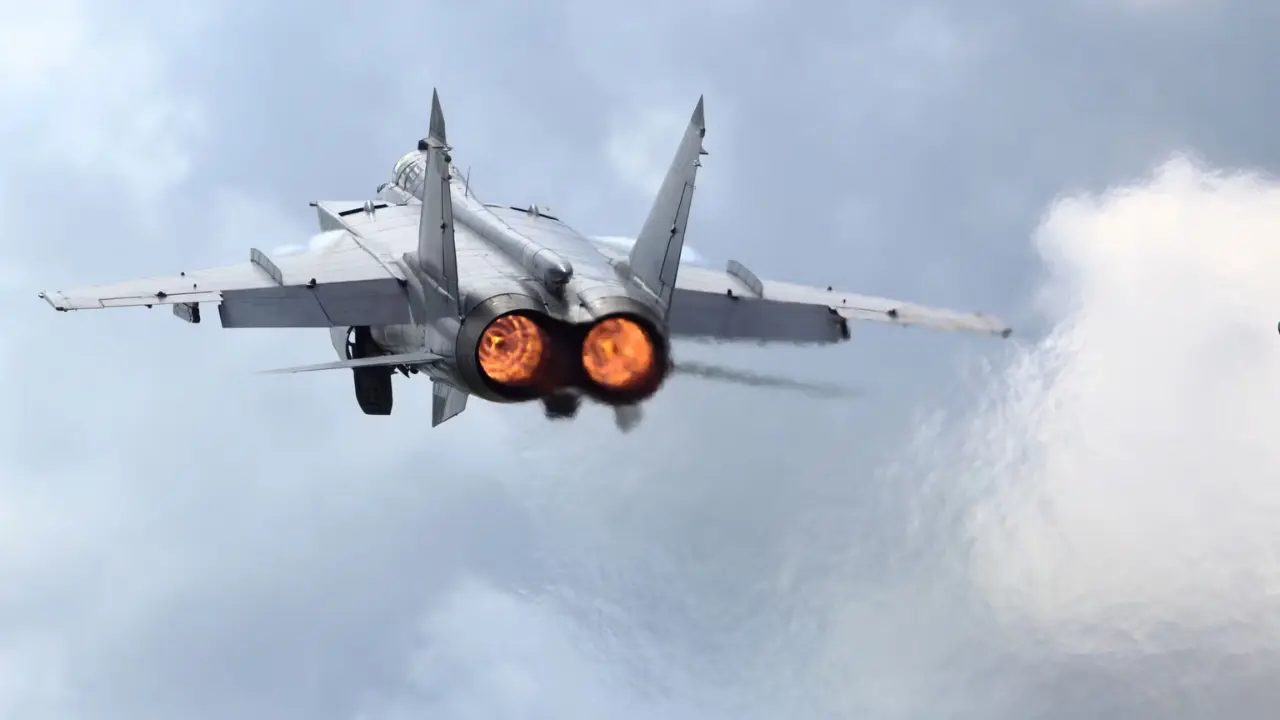
What Is an Afterburner?
An afterburner is a part of some jet engines used for short bursts of speed. When turned on, extra fuel is pumped into the engine's exhaust, making the jet faster but using up more fuel. Afterburners are noisy and make the engine hotter, which can make the jet more visible on radar.
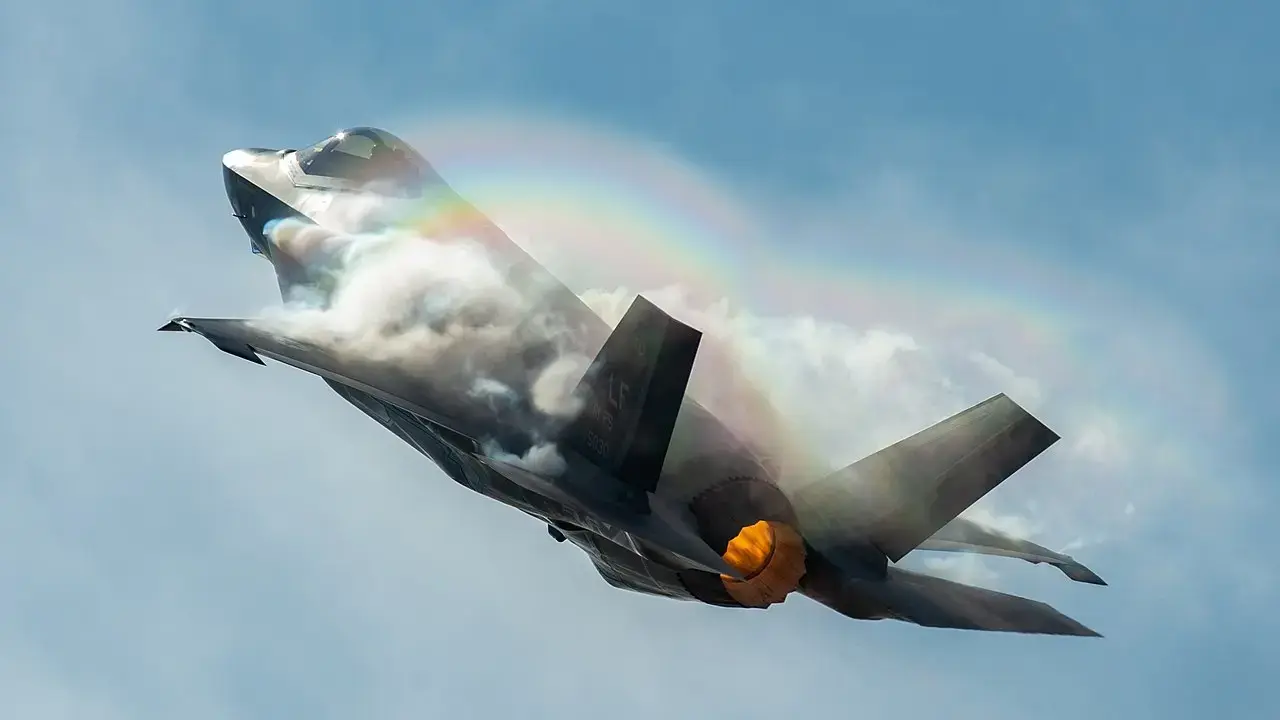
What Is Supercruise?
Supercruise means flying faster than the speed of sound without switching on the afterburner. Jets with supercruise engines fly quickly for longer, without burning extra fuel or making as much noise. This technique makes jets harder to spot and lets pilots travel further.

F-22 Raptor (USA)
The F-22 Raptor uses two F119-PW-100 turbofan engines. It can fly at Mach 1.8 without afterburners. This jet is known for its stealth features, agility, and range. Its engine produces up to 156 kilo-newton thrust when needed.
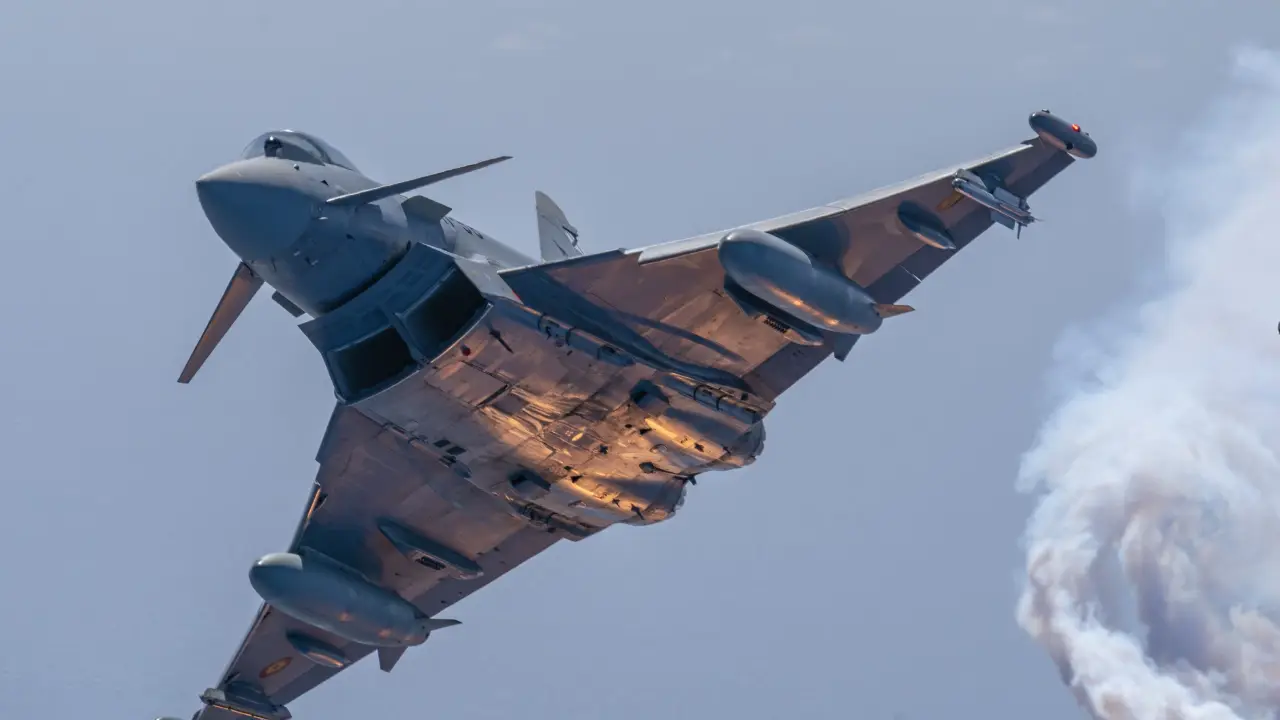
Eurofighter Typhoon (Europe)
The Eurofighter Typhoon has EJ200 engines designed for supercruise at Mach 1.5. It can reach Mach 2 with afterburners, but supercruise saves fuel and keeps the jet quieter. The Typhoon can fly up to 2,900 kilometres on a mission.
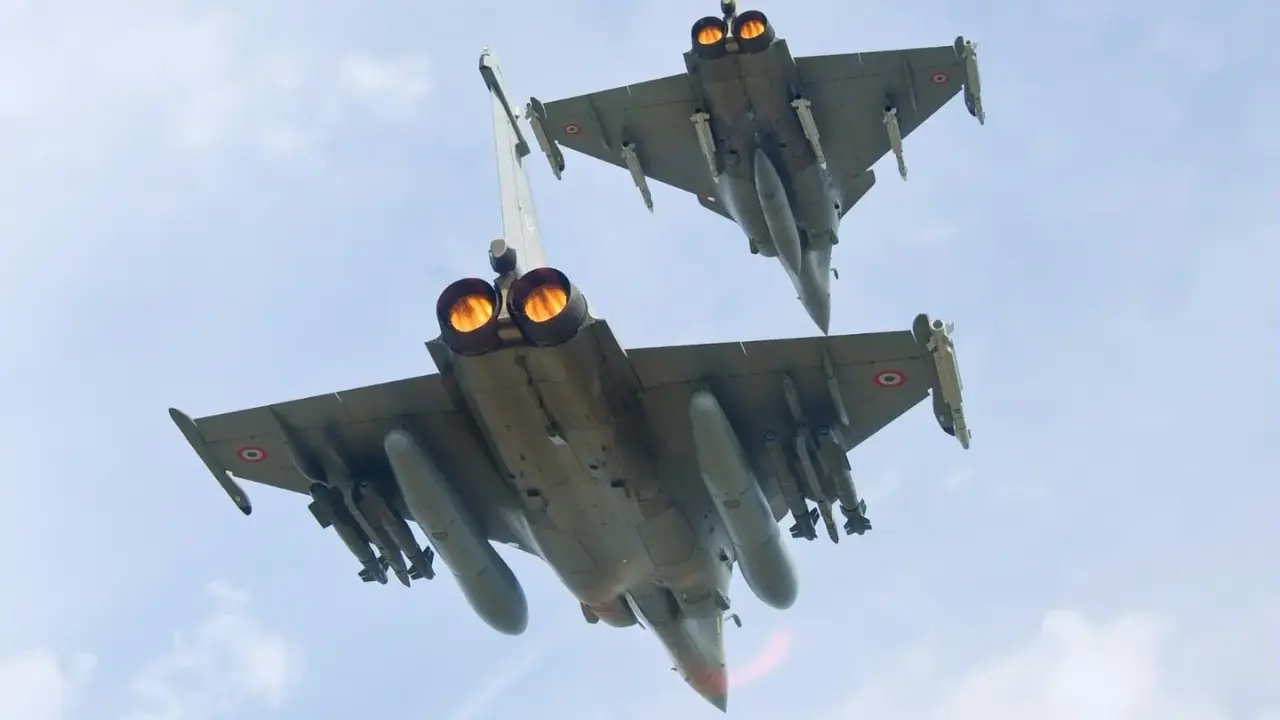
Dassault Rafale (India)
The Rafale uses Snecma M88 turbofan engines, giving it the ability to supercruise above Mach 1. It combines speed with advanced sensors. Rafale carries up to 20,900 pounds of weapons and flies up to 3,700 kilometres in one trip.
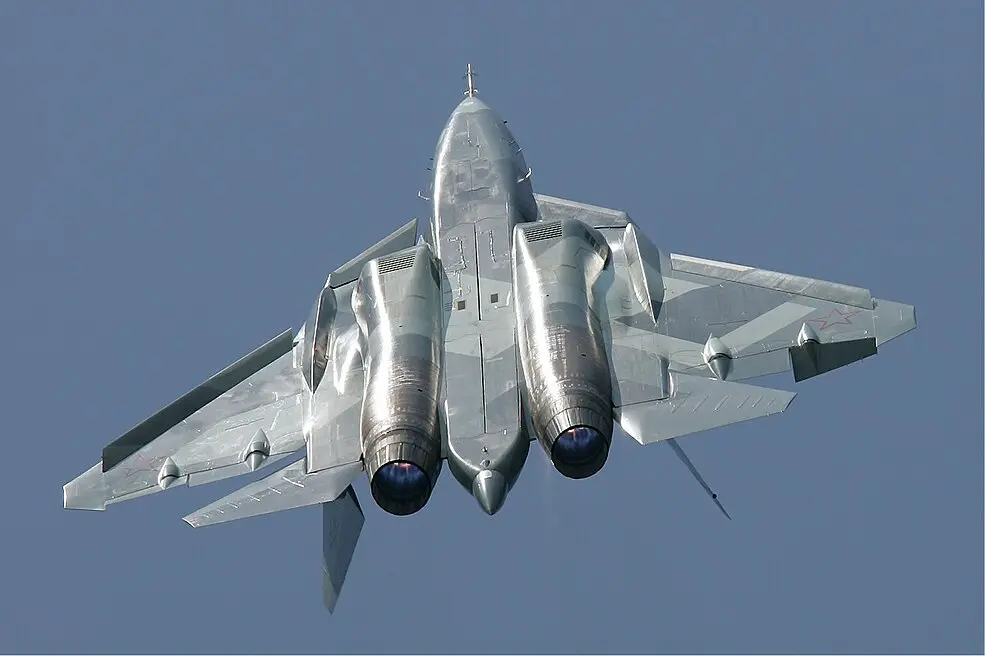
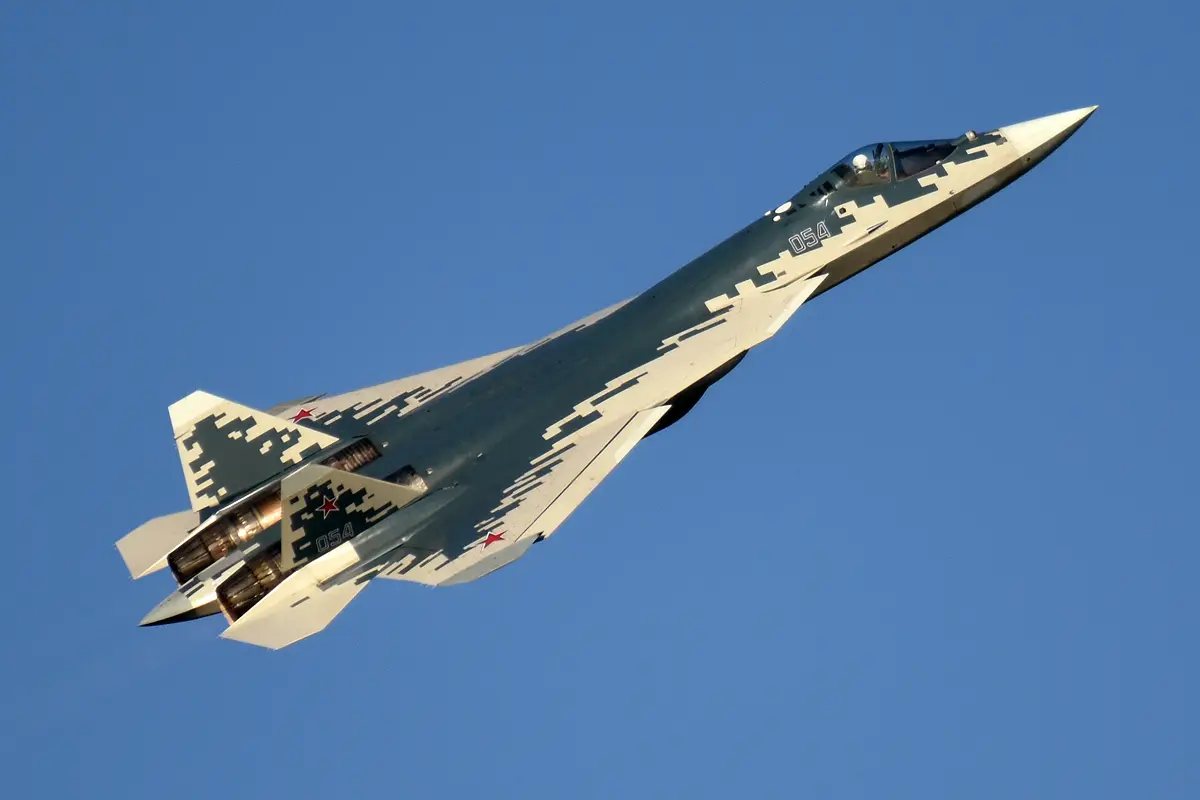
Su-35 and Su-57 (Russia)
Both Su-35 and Su-57 jets have engines designed for sustained supersonic flight without afterburners. The Su-57 can supercruise over Mach 1 and uses 3D thrust vectoring to improve turning and agility. It has a range over 3,000 kilometres.
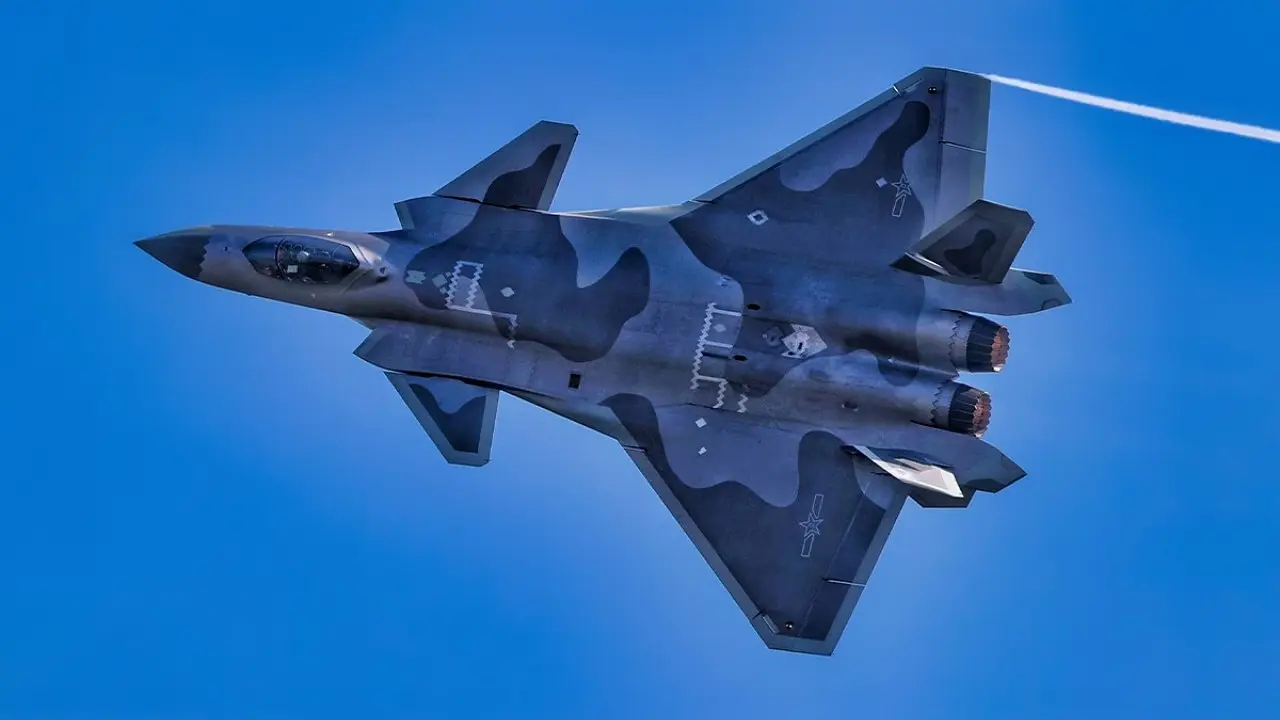
J-20 Mighty Dragon (China)
The J-20 Mighty Dragon is China’s first stealth supercruise jet. With twin engines, it flies at Mach 2 without afterburners and carries a large amount of weapons. J-20 jets are produced in large numbers for China’s air force.
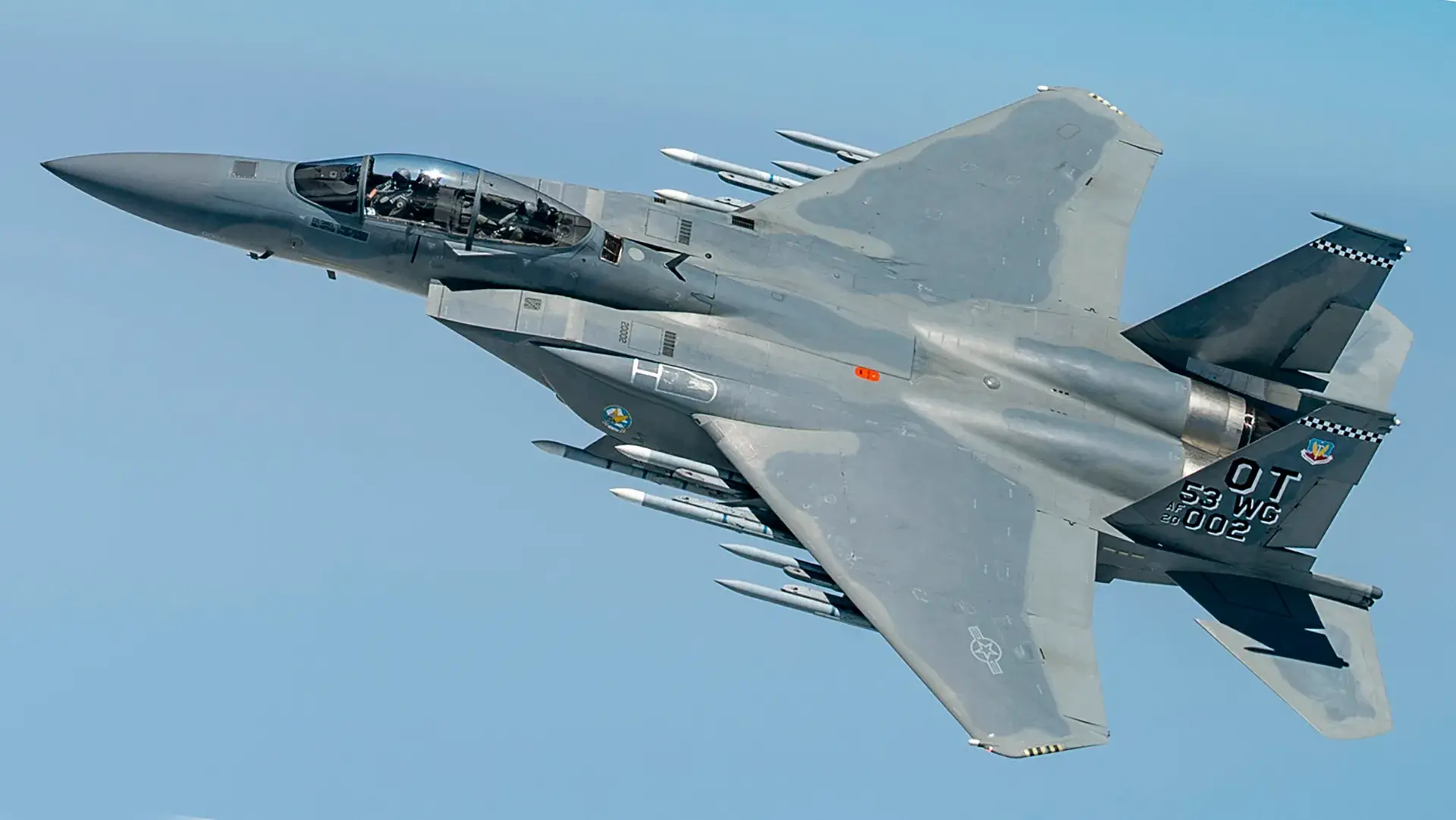
F-15 Eagle (USA)
The F-15 Eagle uses advanced turbofan engines that can supercruise in upgraded models without afterburners. The F-15EX Eagle II variant is especially powerful and can carry up to 29,500 pounds of payload. Top speeds reach Mach 2.5.
Engine Technology
Modern jet engines use high-bypass turbofans, which mix air outside the core for extra thrust. Engines like the F119 and EJ200 have special cooling and burning designs so the jet can stay fast without extra fuel. Supercruise is only found in a few jets, because it needs strong, efficient turbines.
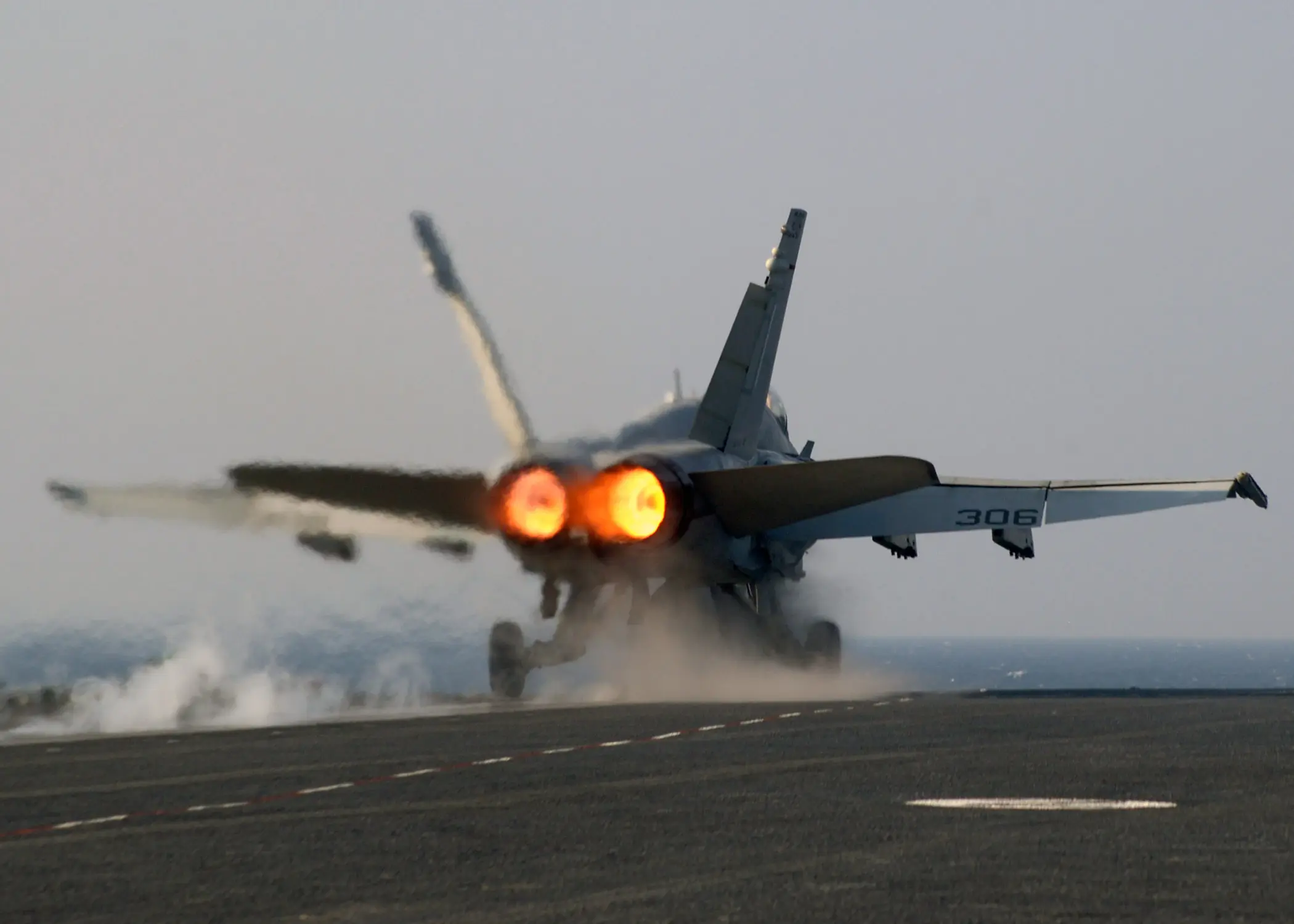
No-Afterburn Jets
Jets with supercruise save up to 60 per cent fuel on long flights compared to those using afterburners. They make less heat, so they are harder to spot. However, if extra power is needed quickly, afterburners provide the fastest boost. Engine parts needed for supercruise can be expensive to build and maintain.
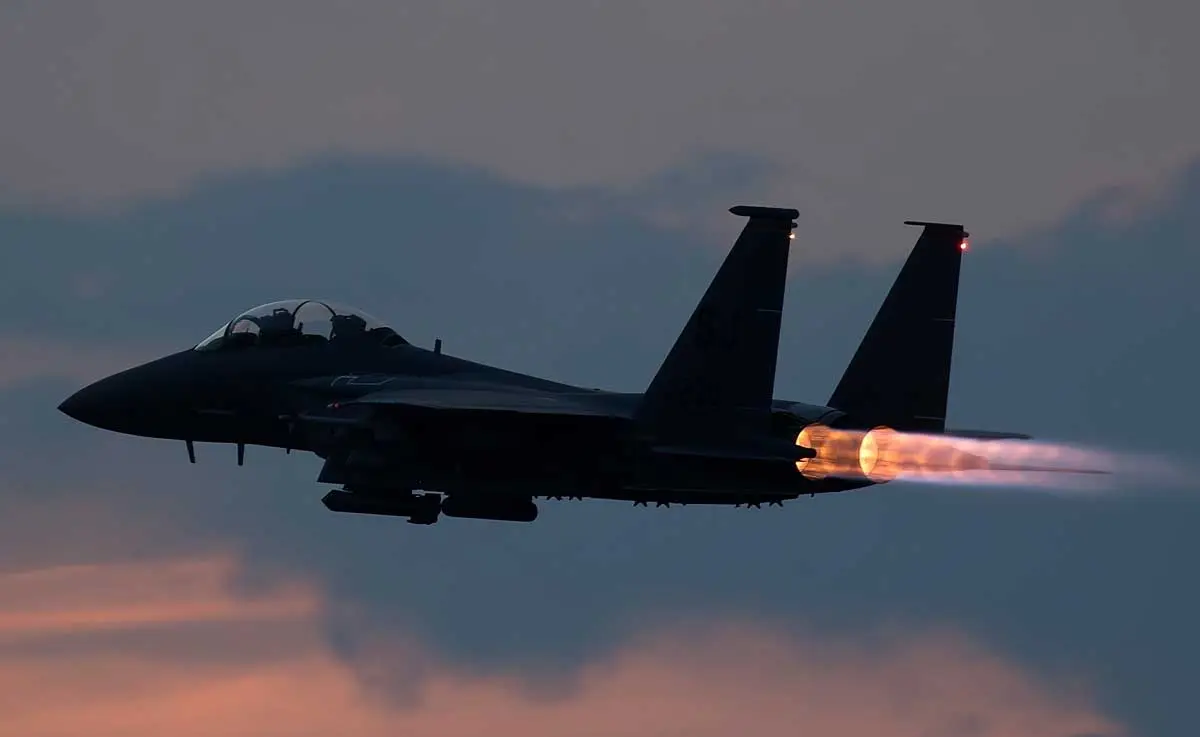
Supercruise in Real Missions
Supercruise lets pilots engage in dogfights, patrol borders and reach targets quickly without drawing attention. Countries like the US, Russia, UK, France, and China use these jets for front-line defence and air superiority roles.
)
)
)
)
)