From F-16s to F-35s: Did you know Denmark’s air power depends on made in US fighter jets?

Currently, F-16 fleet consists of ageing A/B models, while the F-35 fleet is gradually expanding Denmark initially procured 27 F-35s, with 16 additional jets approved in 2025, making the United States a key supplier of Denmark’s frontline combat aircraft.
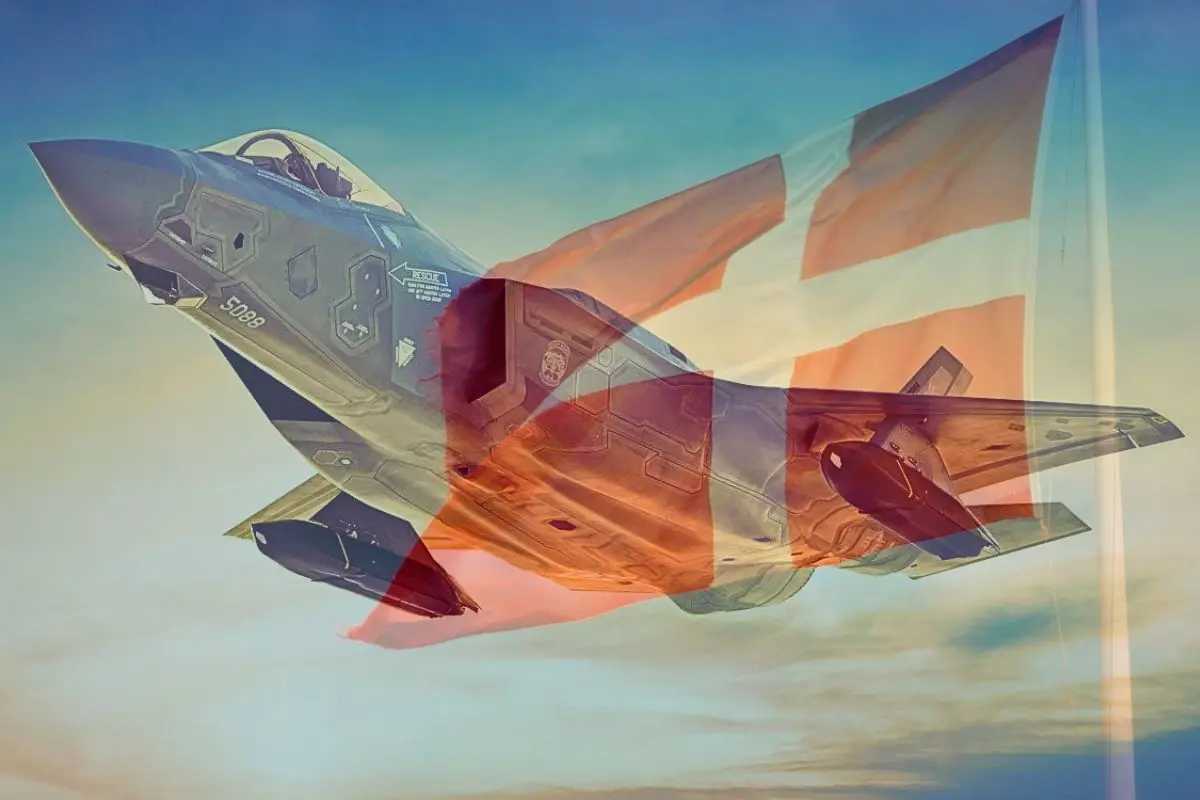
Greenland and Denmark’s Air Challenge
Denmark’s air power is heavily reliant on United States–manufactured fighter jets, particularly the F-16 and F-35, a reality highlighted by recent political tensions over Greenland. Following remarks from US officials hinting at strategic interest in Greenland, Denmark openly stated that their troops would follow a ‘shoot first and ask questions later’ approach in the event of an invasion, under a Cold War-era rule of engagement that remains in force. This places the spotlight on Denmark’s military capabilities, particularly its limited but technologically dependent air force.
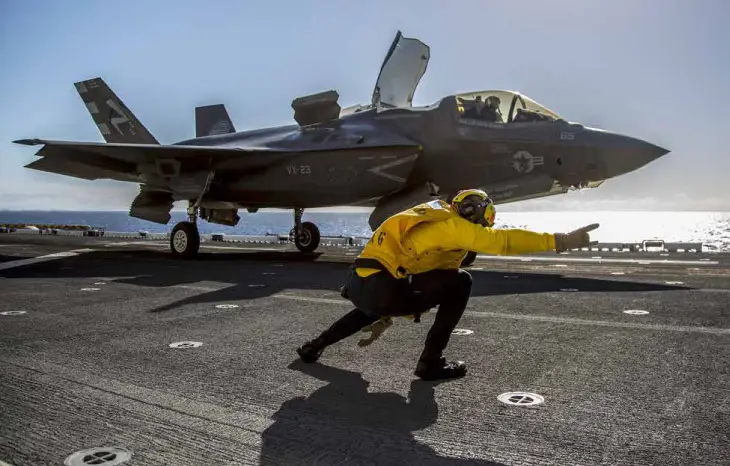
Denmark’s Air Fleet Composition
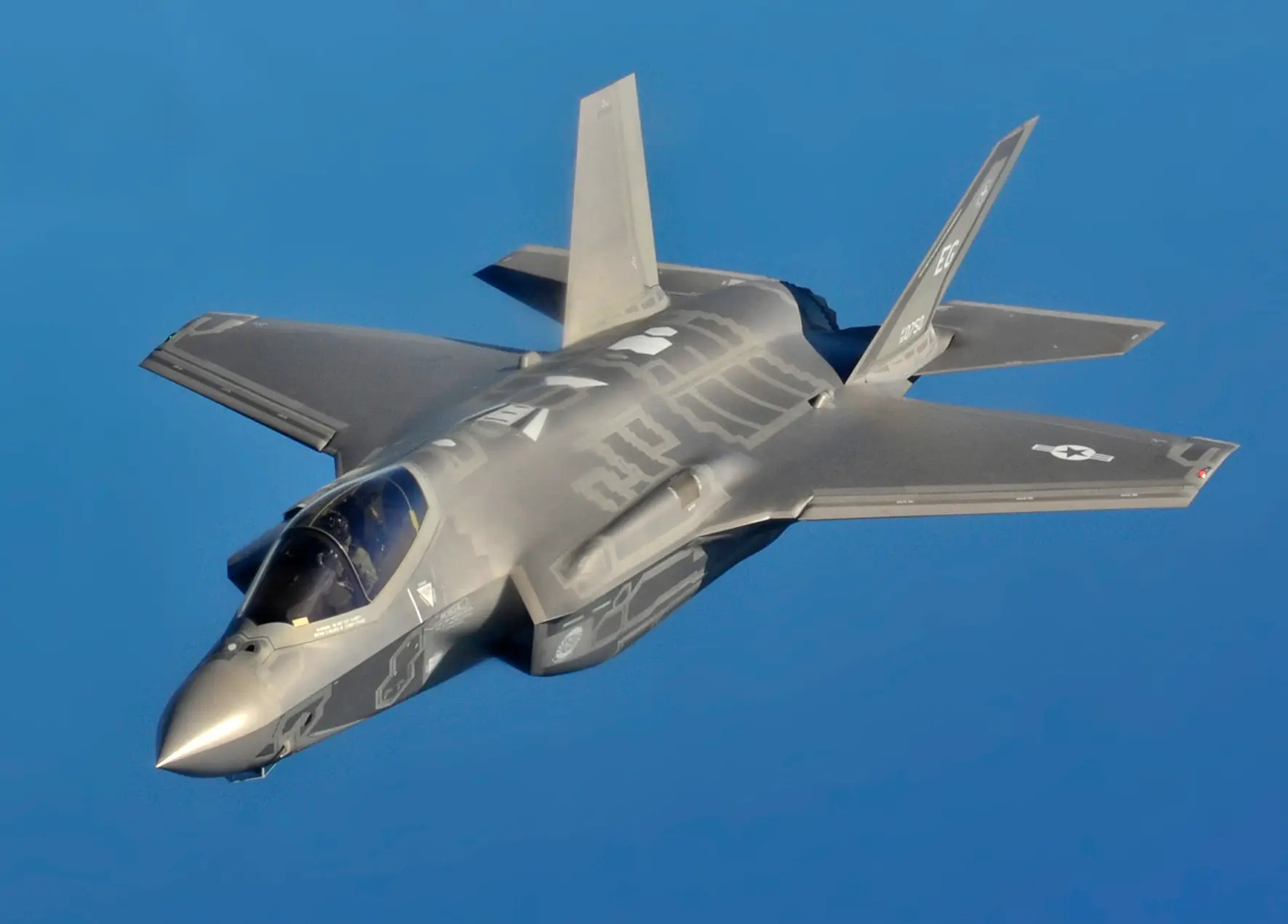
Denmark operates a mix of F-16 Fighting Falcons and F-35 Lightning II jets. Currently, the F-16 fleet consists of ageing A/B models, while the F-35 fleet is gradually expanding Denmark initially procured 27 F-35s, with 16 additional jets approved in 2025, making the United States a key supplier of Denmark’s frontline combat aircraft. This would bring the total Danish fleet to 43 F-35 fighter jets.
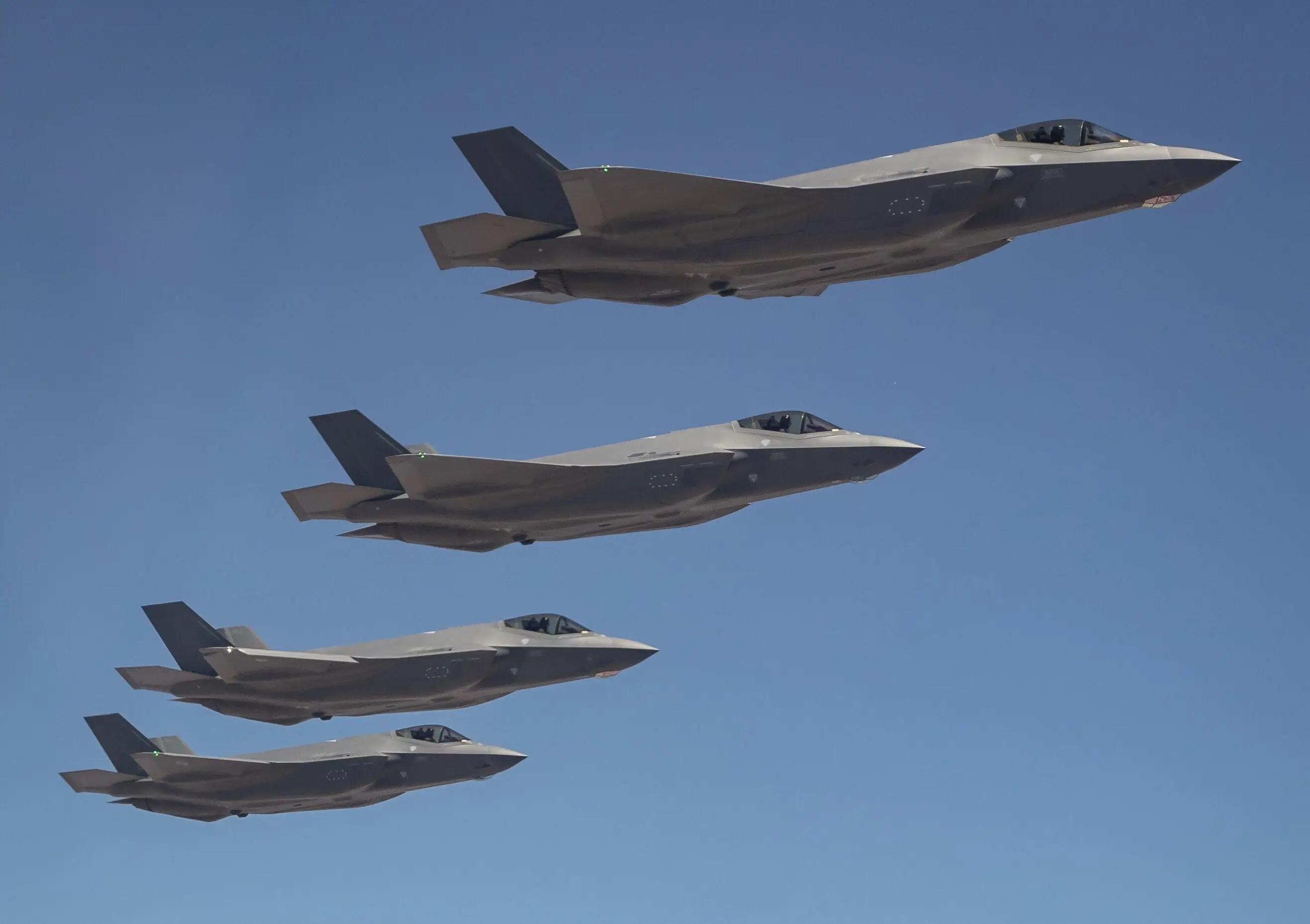
F-35 fighter jets
The F-35 is a core element of a 21st-century, network-centric security system, designed to operate as part of an integrated combat network. With advanced sensors and the ability to integrate weapons such as JASSM and LRASM, it delivers strong multi-role capability. More than a fighter, the F-35 acts as a force multiplier by gathering, processing, and sharing data across allied forces. It can reach Mach 1.6 (about 1,200 mph) with a full internal weapons load and carry up to 18,000 lb (8,160 kg) of weapons. Denmark is an essential partner in F-35 production, development and sustainment activities today.
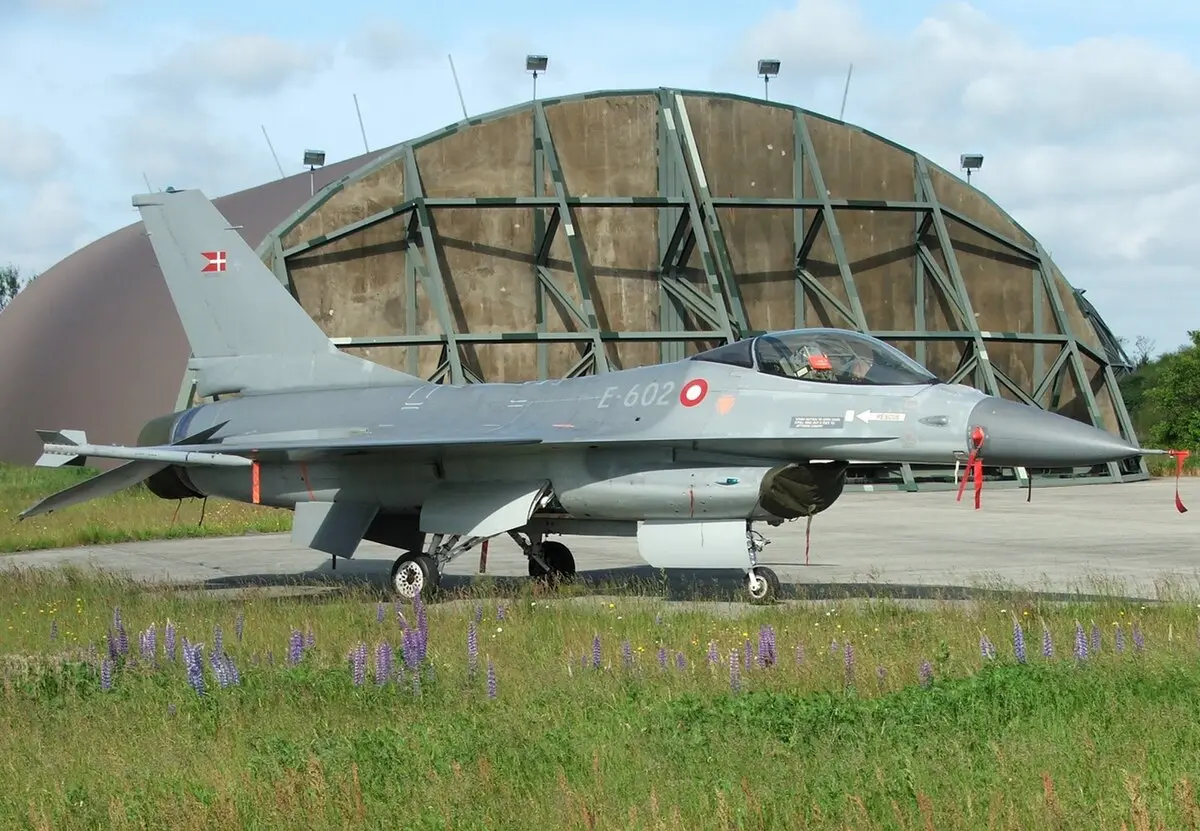
History of F-16 acquisition
In the late 1970s, Belgium, Denmark, Norway, and the Netherlands jointly sought a replacement for the F-104 Starfighter. Known as the European Participating Air Forces (EPAF), they became the first international users of the F-16, partnering with the United States in its development. Denmark initially ordered 46 F-16A and 12 F-16B aircraft.
Operational Challenges in Greenland
Operating fighter jets in Greenland presents unique logistical and environmental difficulties. Harsh weather, limited infrastructure, and long distances from Denmark’s mainland require specialised planning for F-16 and F-35 operations. These factors constrain Denmark’s ability to project air power independently across the Arctic.
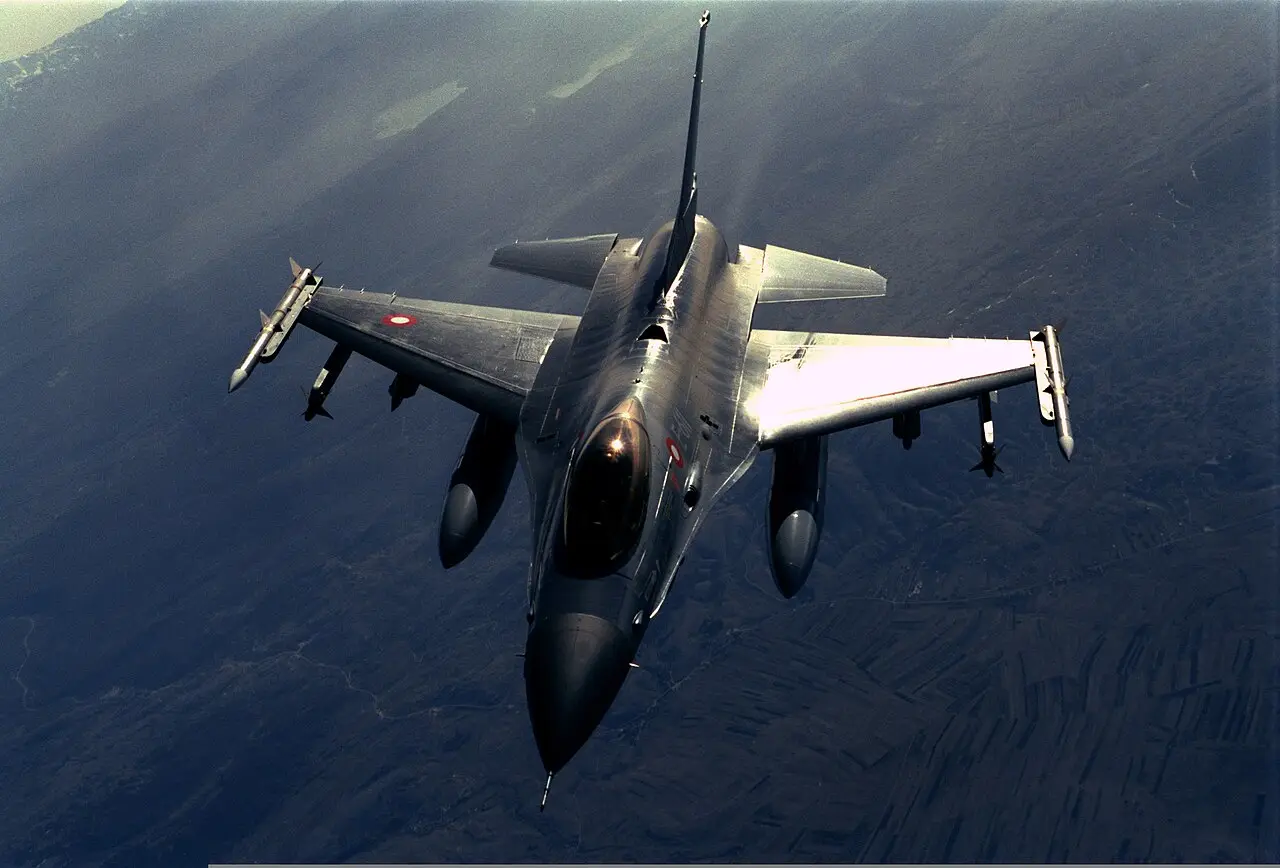
F-16 A & B
The F-16A is a lightweight, low-cost air-superiority fighter built for high performance and easy maintenance. The F-16A/B were the first production variants, with the A as a single-seat fighter and the B as a two-seat version mainly used for training. Aside from the extra cockpit, both share the same performance and weapons capability. The F-16A first flew on December 8, 1976, followed by the F-16B on August 8, 1977. Both are powered by a Pratt & Whitney F100-PW-220 turbofan, delivering 23,000 pounds of thrust with afterburner. Denmark is actively phasing out these aging fleets. While these F-16s are still in service, there days are numbered as the F-35 takes over as the primary fighter jet.
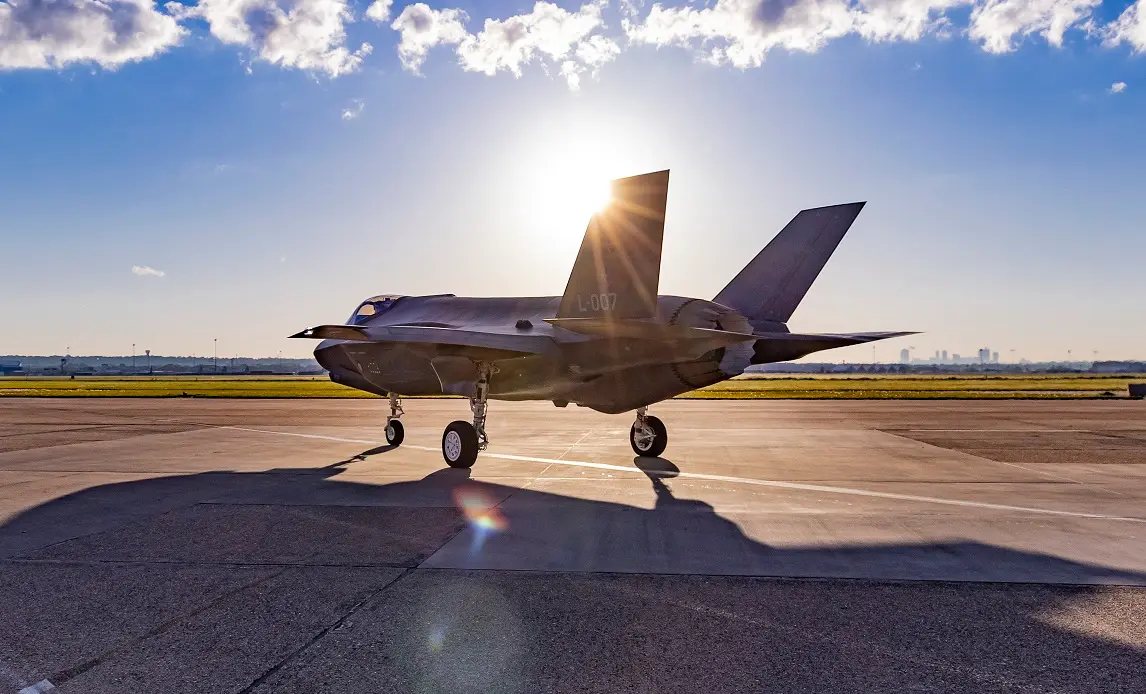
Dependence on US Technology
Both the F-16 and F-35 rely on US technology, including avionics, maintenance support, and software updates. This dependence means that Denmark’s air capabilities are closely linked to continued US support and supply chains.
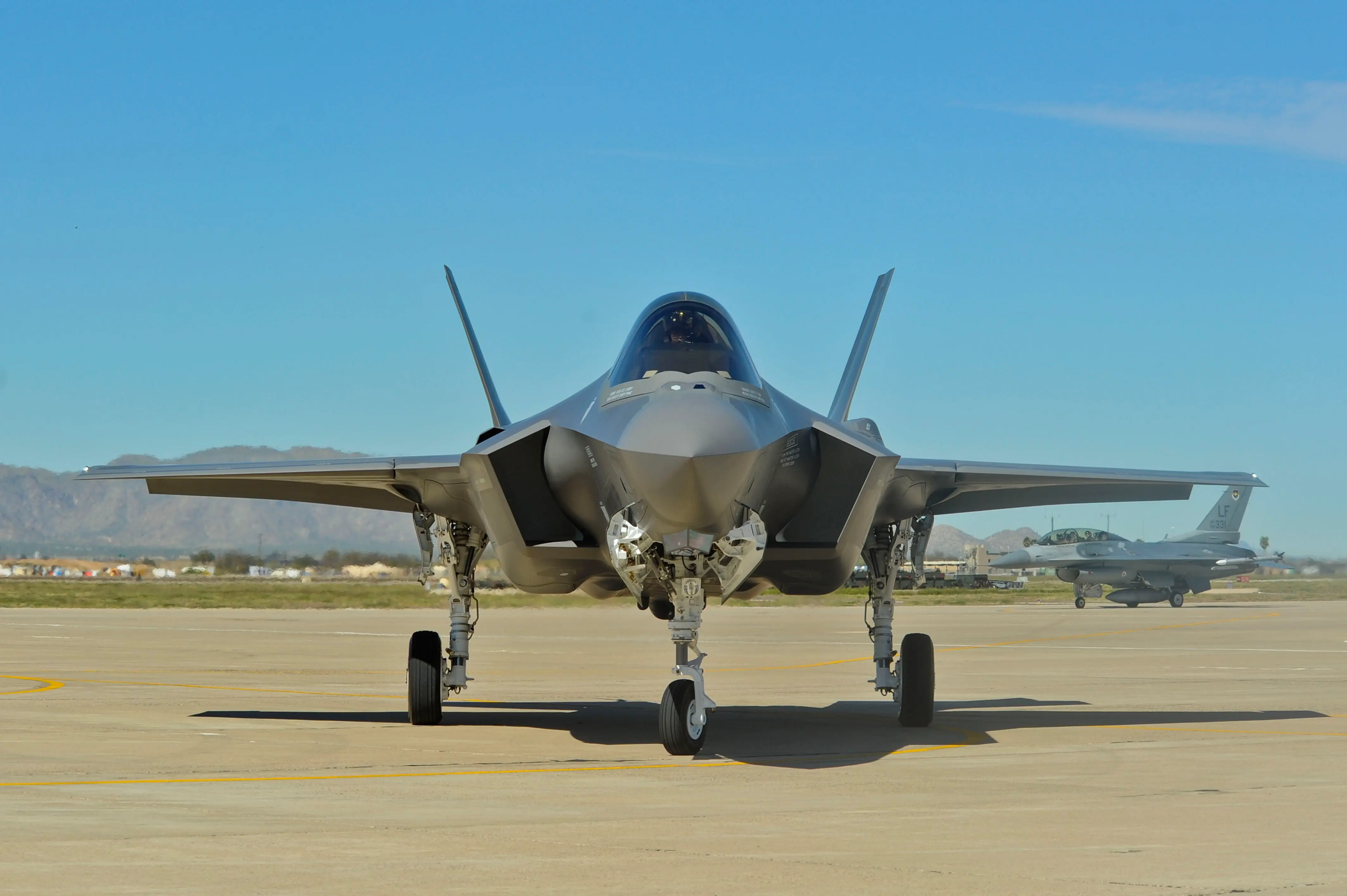
Airpower Numbers
Denmark’s air force is modest compared to global powers. It fields 26 F-16A/B jets and 21 F-35s, with additional F-35s being phased in. The fleet is designed for NATO interoperability rather than independent strategic projection.
)
)
)
)
)