From F-16 to F-35: Understanding Middle East’s billion-dollar fighter jet race

The United States remains the largest supplier, providing F-15s, F-16s, and potentially F-35s. France has secured major contracts for Rafale jets with Qatar and the UAE. The UK has also supplied Typhoon fighters to Saudi Arabia.
Defence Spending in the Region
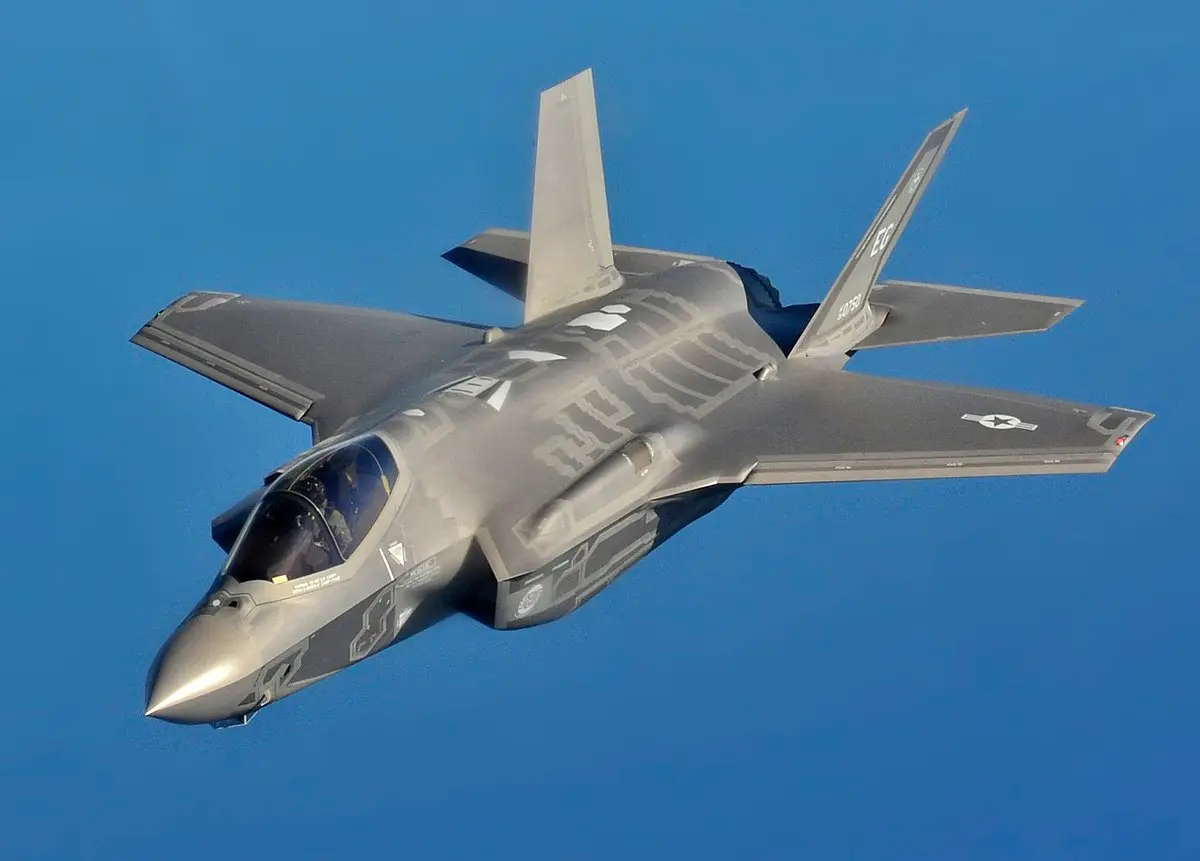
The Middle East consistently records some of the highest defence budgets in the world relative to GDP. Saudi Arabia, the United Arab Emirates (UAE), and Qatar lead in terms of procurement of advanced air power, primarily due to security concerns and regional rivalries.
Key Aircraft in Service
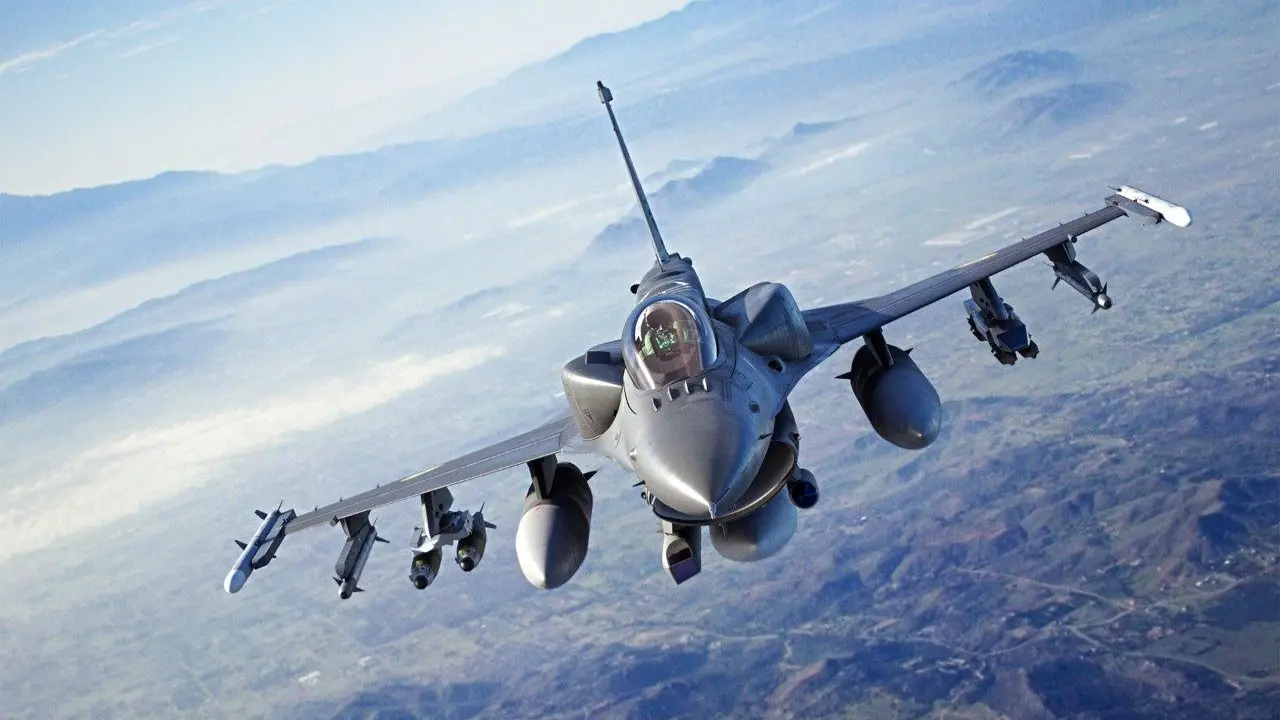
The region fields a mix of advanced Western fighter jets. These include the F-15 variants used by Saudi Arabia, the F-16s operated by multiple states, Rafales acquired by Qatar and the UAE, and discussions around the F-35 for selected Gulf partners. Older platforms such as the Mirage 2000 remain in service but are gradually being phased out.
Strategic Drivers of Purchases
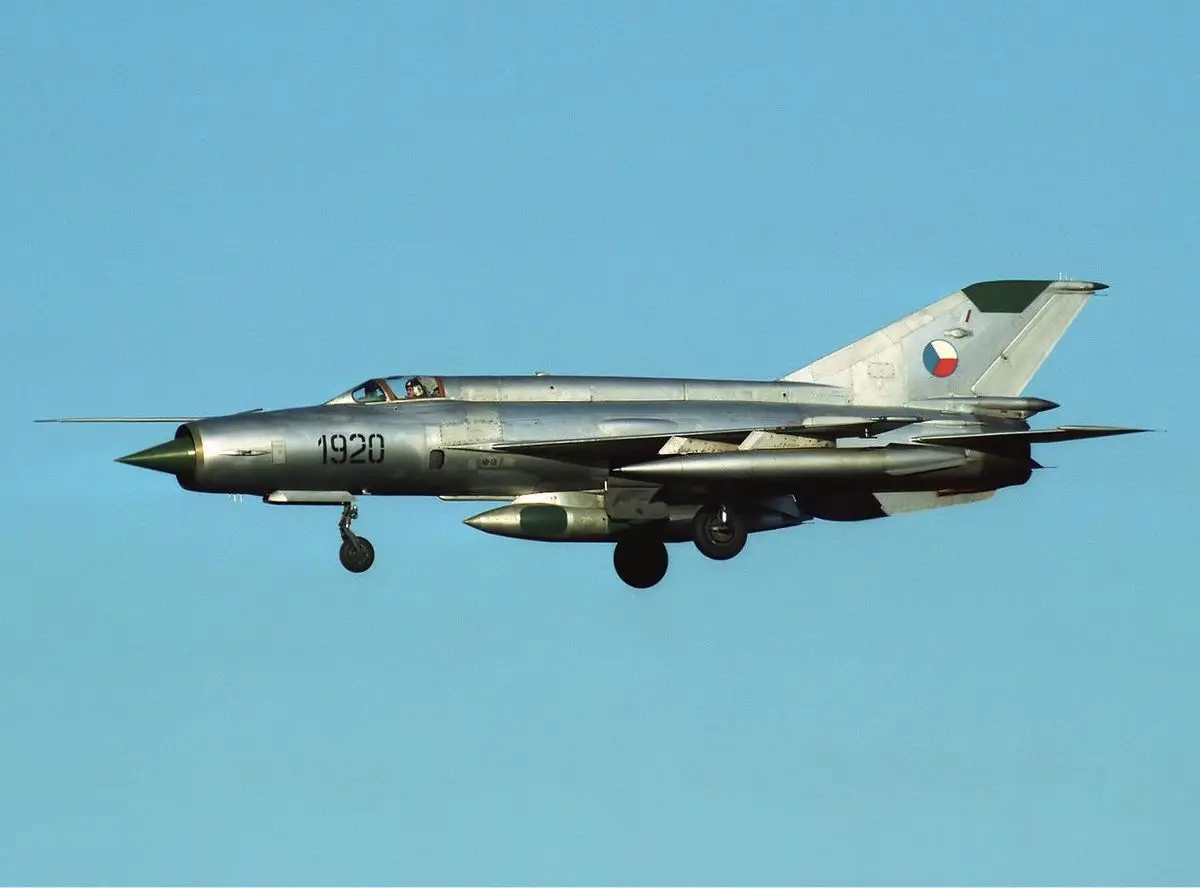
Fighter jet acquisitions are shaped by several factors:
Concerns over Iran’s military programmes.
The need to maintain parity within the Gulf Cooperation Council (GCC).
Broader partnerships with the United States, France, and increasingly with emerging suppliers such as Russia and China.
Role of the United States and Europe
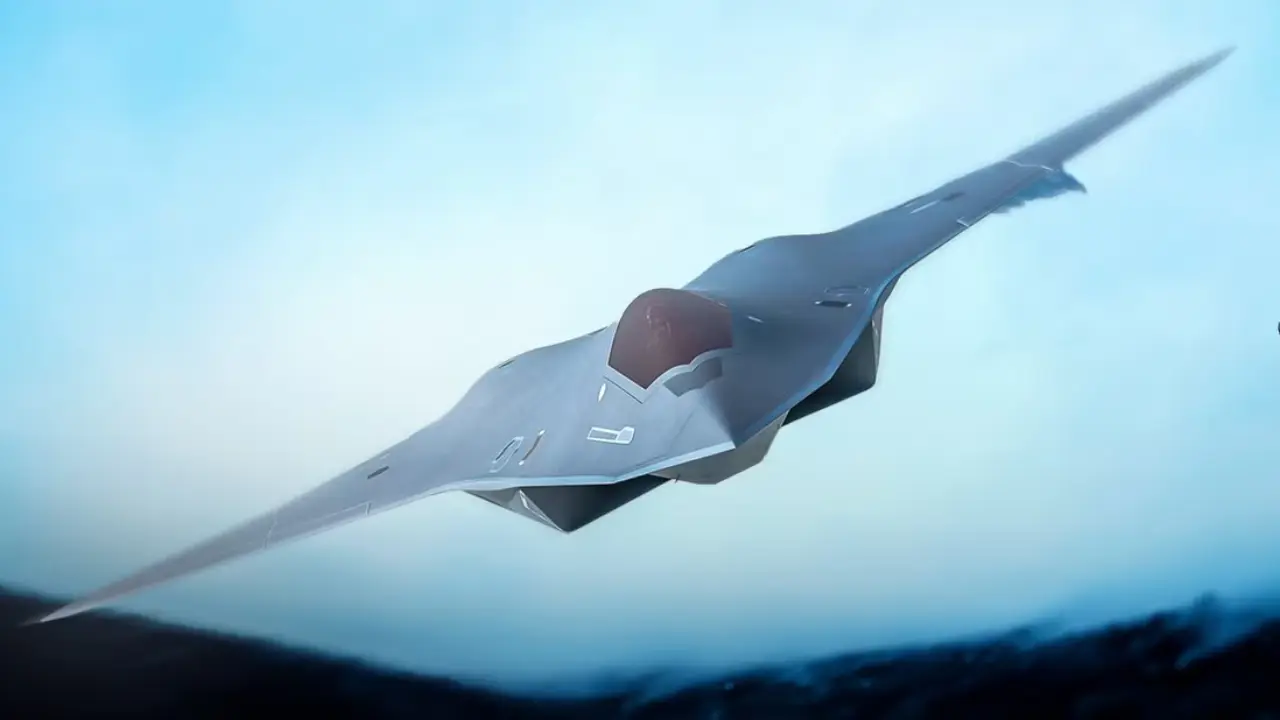
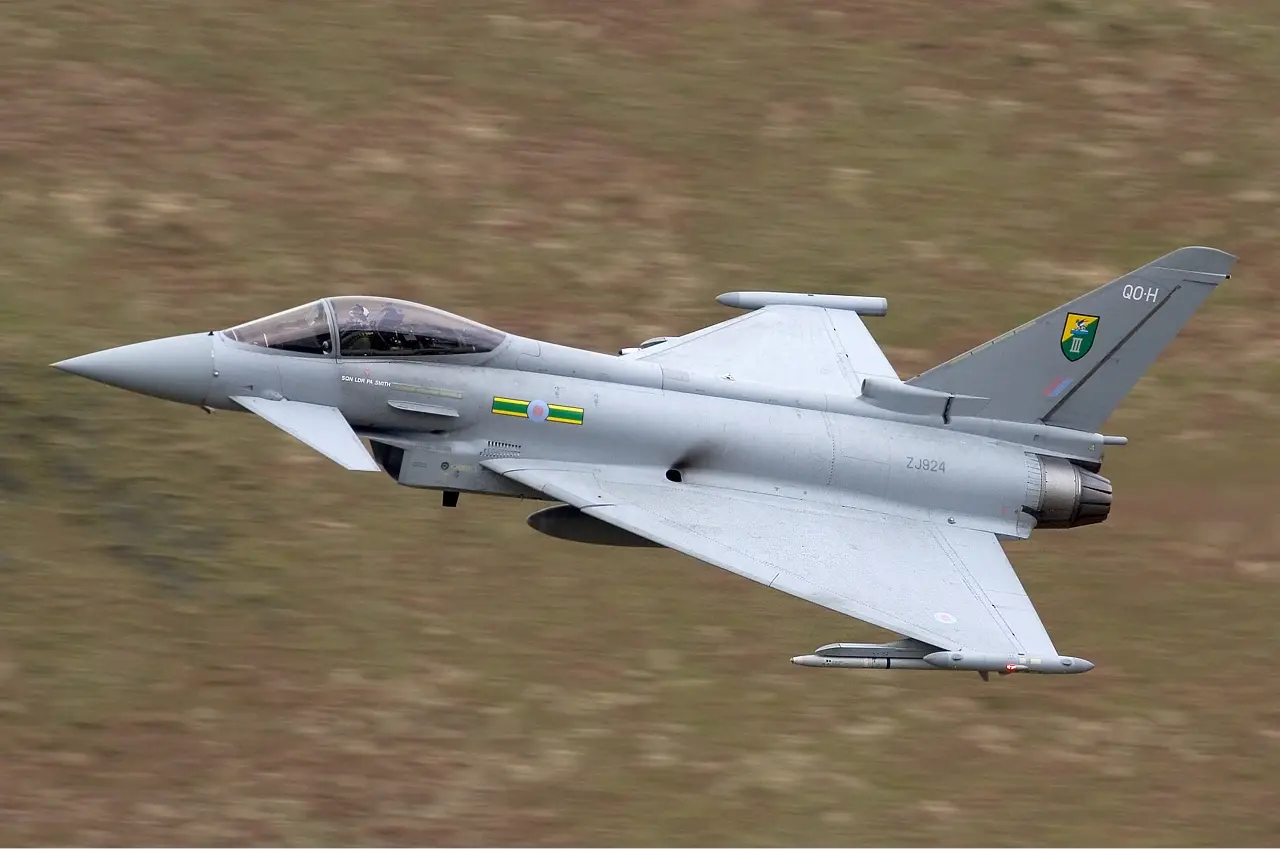
The United States remains the largest supplier, providing F-15s, F-16s, and potentially F-35s. France has secured major contracts for Rafale jets with Qatar and the UAE. The UK has also supplied Typhoon fighters to Saudi Arabia. These deals are often tied to broader diplomatic and security arrangements.
Rising Interest in Fifth-Generation Jets
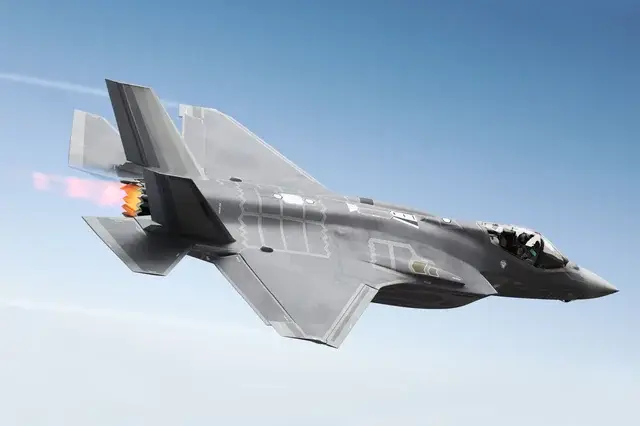
The potential transfer of F-35s to the UAE has raised questions about balancing Israel’s “qualitative military edge” in the region. Meanwhile, Turkey is pursuing its own indigenous fifth-generation fighter, the KAAN, which could eventually enter the regional market.
Economic and Industrial Aspects
Contracts often exceed the cost of the aircraft themselves, covering weapons, training, maintenance, and long-term support. Some states are pushing for technology transfer and domestic assembly, aiming to reduce reliance on foreign suppliers and build defence industries locally.
Outlook for the Next Decade
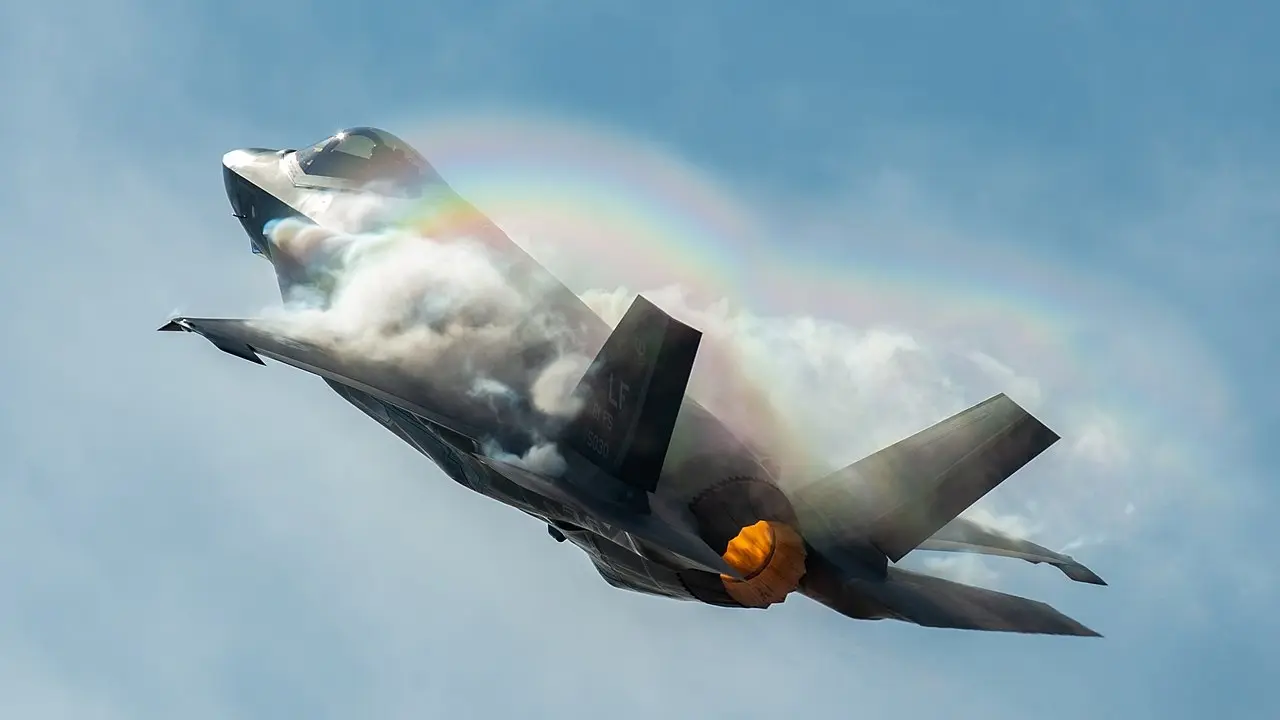
The regional arms race is unlikely to slow. Procurement trends suggest Gulf states will continue upgrading to maintain deterrence against Iran and to assert regional influence. Future acquisitions are expected to centre on stealth platforms, advanced missiles, and integrated defence systems.
)
)
)
)
)