From Epstein files to Panama Papers: 7 global scandals that shook the world and exposed what elite tried to bury

Few modern controversies have exposed the fragility of public trust as sharply as the global scandals examined here. Each revealed deep flaws in systems designed to uphold accountability.
Introduction — Why These Scandals Still Matter
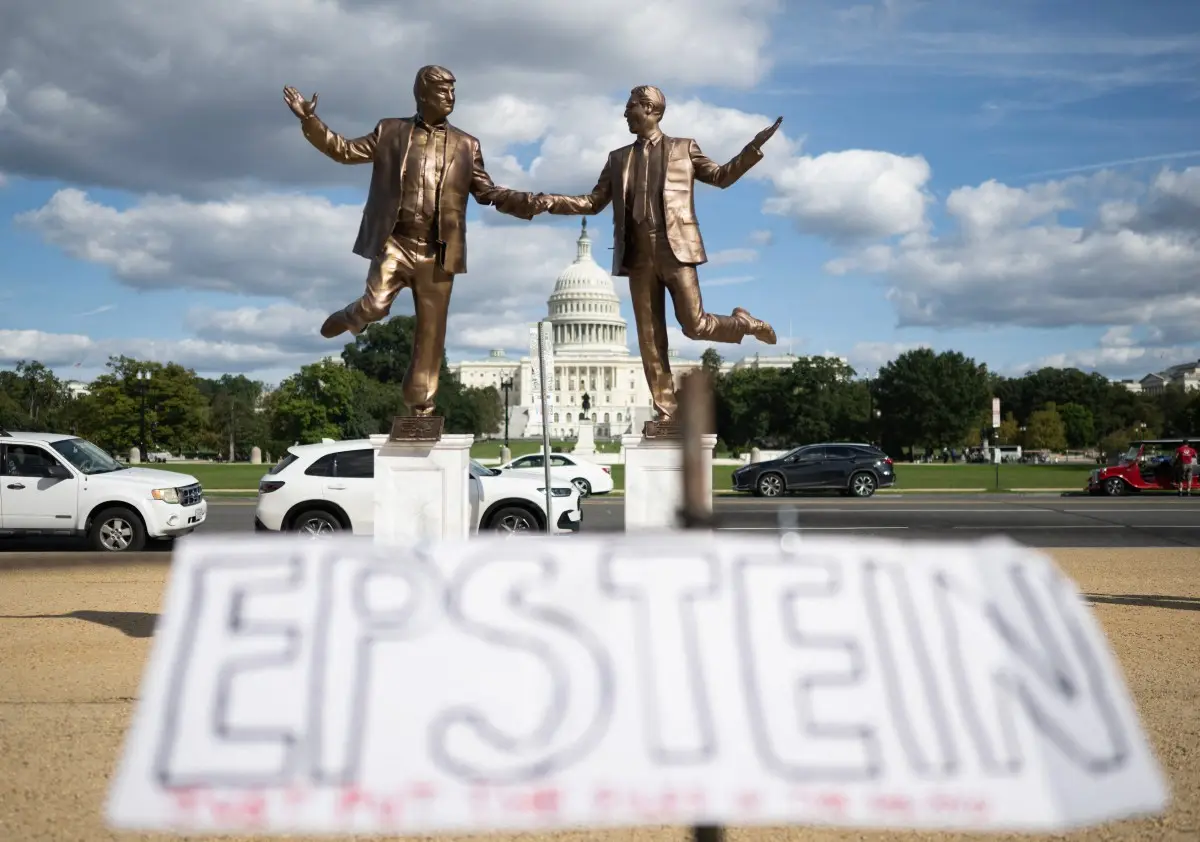
Few modern controversies have exposed the fragility of public trust as sharply as the global scandals examined here. Each revealed deep flaws in systems designed to uphold accountability. The renewed focus on Jeffrey Epstein has intensified dramatically following the US President Donald Trump’s signing of the 'Epstein Files Transparency Act', a law requiring the Justice Department to make public its unclassified records connected to Epstein. The move has prompted widespread anticipation, given how long questions have circulated about the extent of Epstein’s network and the institutions that failed to stop him.
1. The Epstein Files — What the Public May Soon Discover
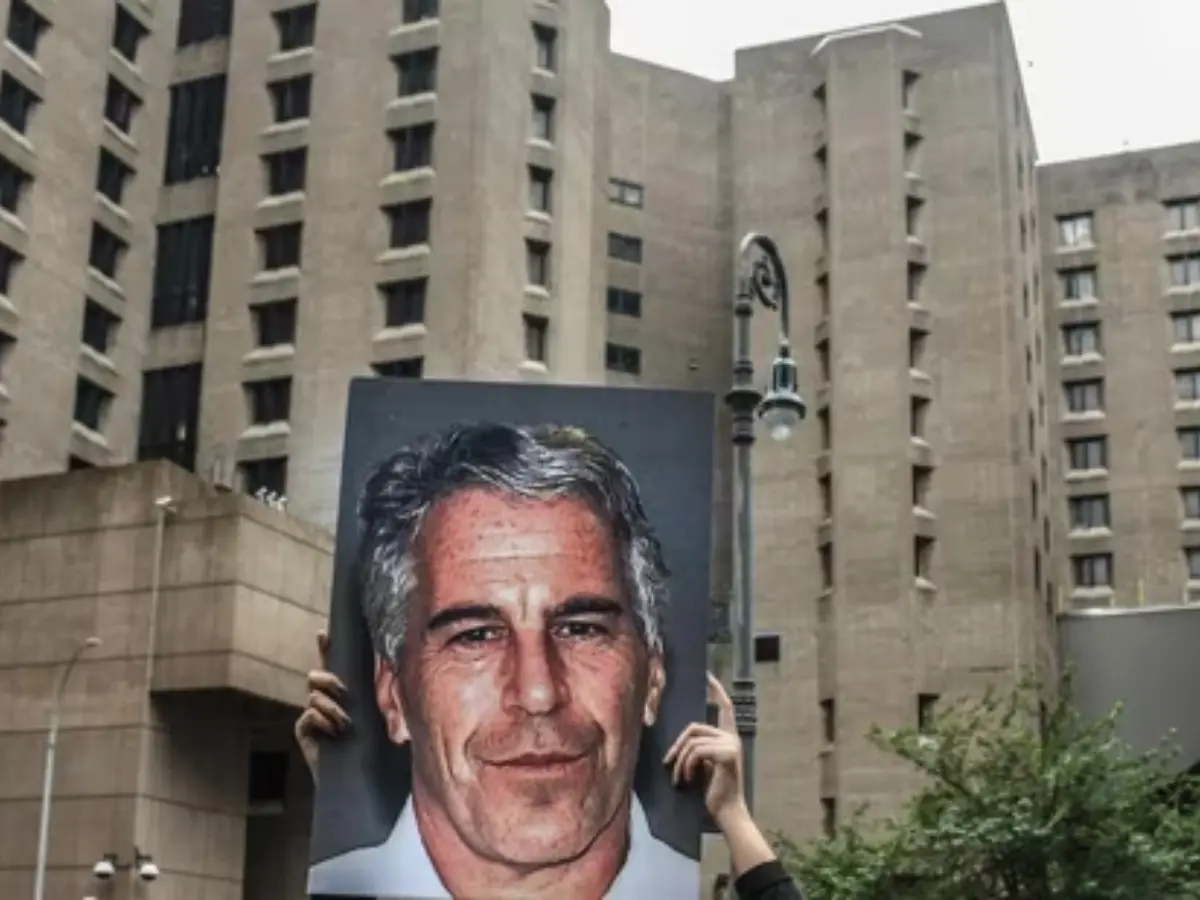
The term 'Epstein files' now broadly refers to all documents emerging from the civil and criminal cases involving the late financer Jeffrey Epstein, who died in his jail cell in 2019 whilst awaiting trial on federal sex-trafficking charges. Prosecutors alleged that from at least 2002 to 2005 he targeted minors, some as young as fourteen, paying them cash for sexual acts at his properties in New York and Palm Beach. Over two decades, tens of thousands of pages of material have surfaced through victims’ lawsuits and earlier investigations, slowly revealing how his operations functioned and how he cultivated influence.
Why the Forthcoming Release Matters
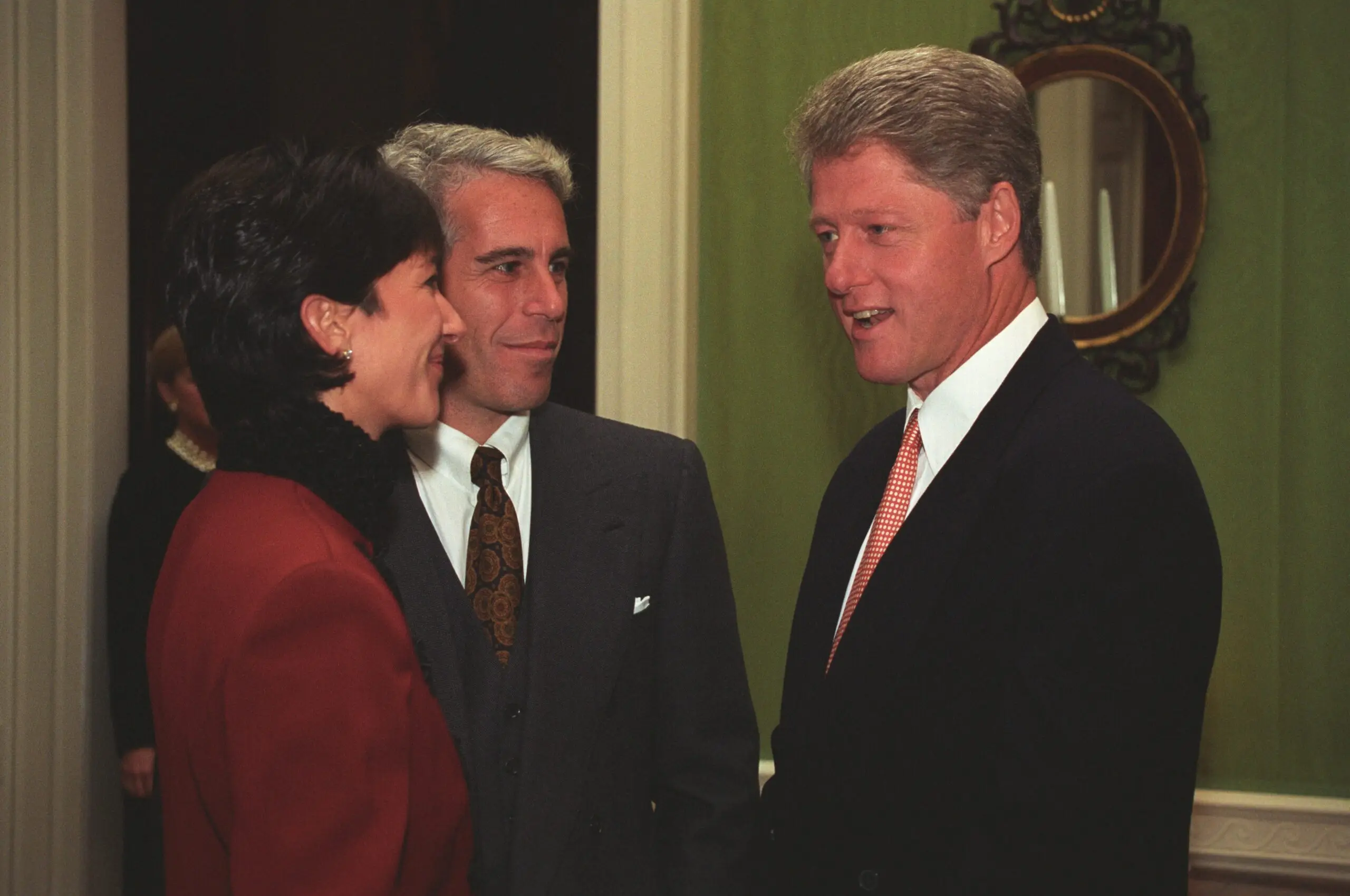
The forthcoming release is expected to be the most significant disclosure to date. Earlier batches have included flight logs, emails and court records referencing individuals from Epstein’s wider social and professional circles. To date, dozens of names have appeared in these documents; however, their inclusion does not imply any allegation of wrongdoing. Among those listed are US President Donald Trump, former President Bill Clinton, Larry Summers, former Prince Andrew, Elon Musk, Michael Jackson, Tiffany Trump and Peggy Siegal, alongside numerous other prominent figures. The new law guarantees that many remaining government-held records will also be released, with necessary redactions to protect victims and ongoing investigations. Even with these protections, the move marks an unusually far-reaching step toward public transparency.
2. Watergate Scandal — When Executive Power Broke Public Trust
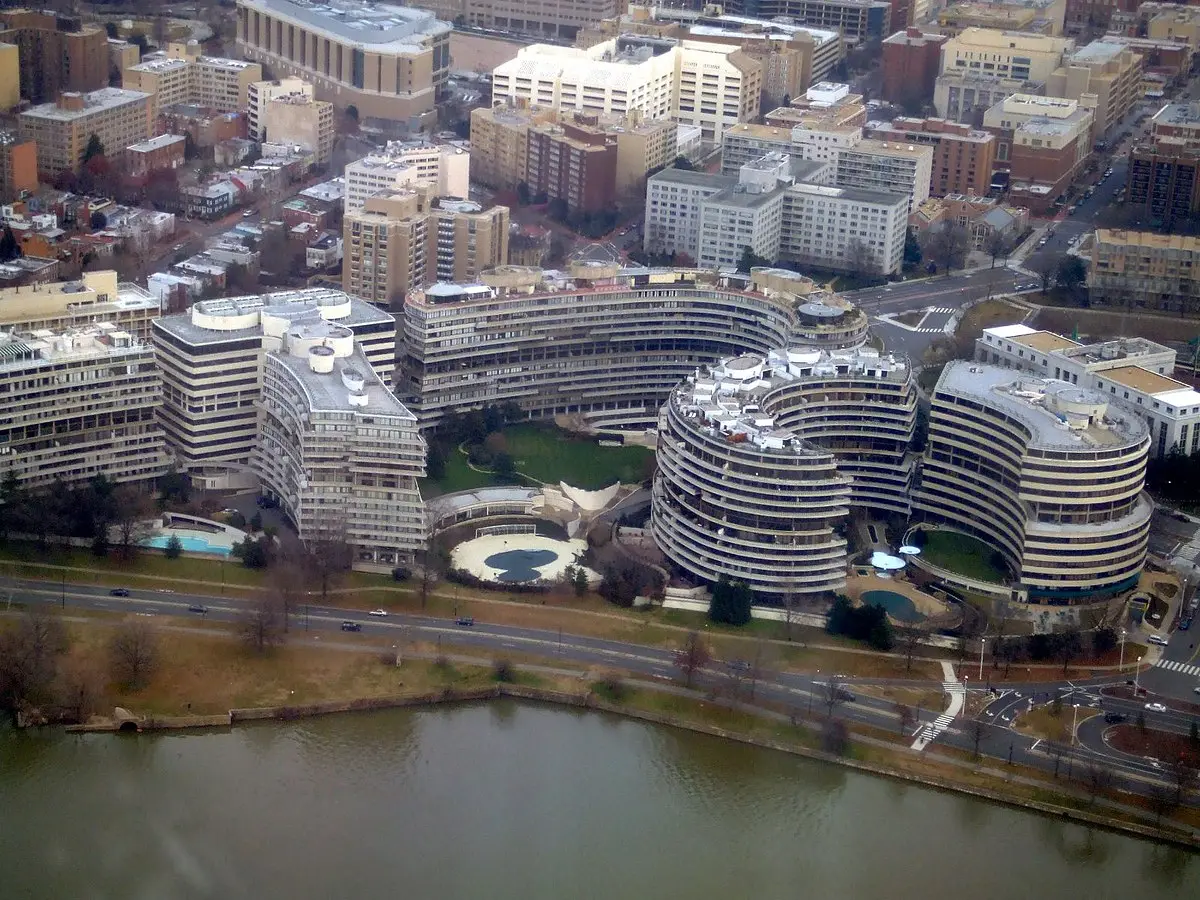
The Watergate scandal began with a burglary at the Democratic National Committee and grew into a sprawling investigation of presidential misconduct. Through months of evidence gathering, it became clear that members of the Nixon administration had engaged in obstruction of justice and abuses of state power. The scandal forced US President Richard Nixon to resign in 1974, the only US president to do so, and led to sweeping reforms in political oversight, surveillance laws and campaign finance scrutiny.
3. The Catholic Church Abuse Crisis — A Global Reckoning
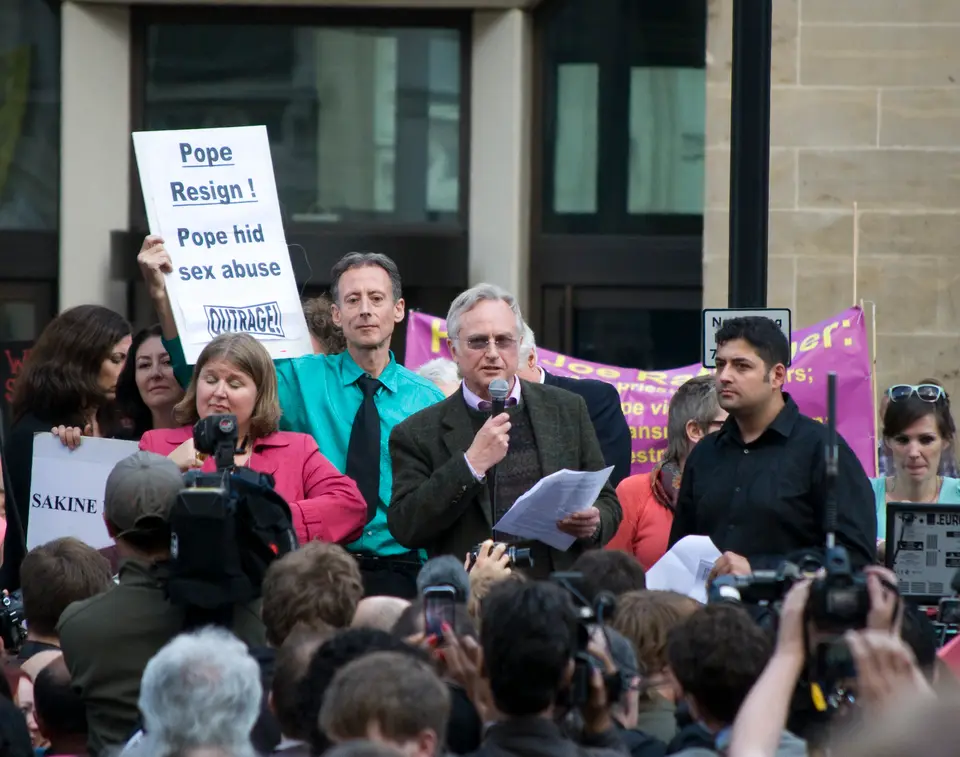
Investigations in the United States, Europe, Australia and beyond revealed decades of sexual abuse of minors by clergy and religious officials and systematic efforts by church authorities to hide allegations. Survivors’ testimonies exposed structures of protection that prioritised institutional reputation over safeguarding children. The crisis prompted criminal prosecutions, financial settlements, policy reforms and a dramatic shift in worldwide perceptions of the church’s moral authority.

4. Enron — Corporate Fraud on a Massive Scale
Enron’s collapse in 2001 remains one of the most striking examples of corporate deception. Executives used complex accounting structures to hide debt, inflate profits and mislead investors. When the fraud unravelled, thousands lost jobs and pensions, and one of the world’s largest auditing firms was dismantled. The aftermath produced major regulatory reforms, including stricter reporting standards and enhanced corporate accountability measures.
5. The Panama Papers — Exposing the Offshore Economy
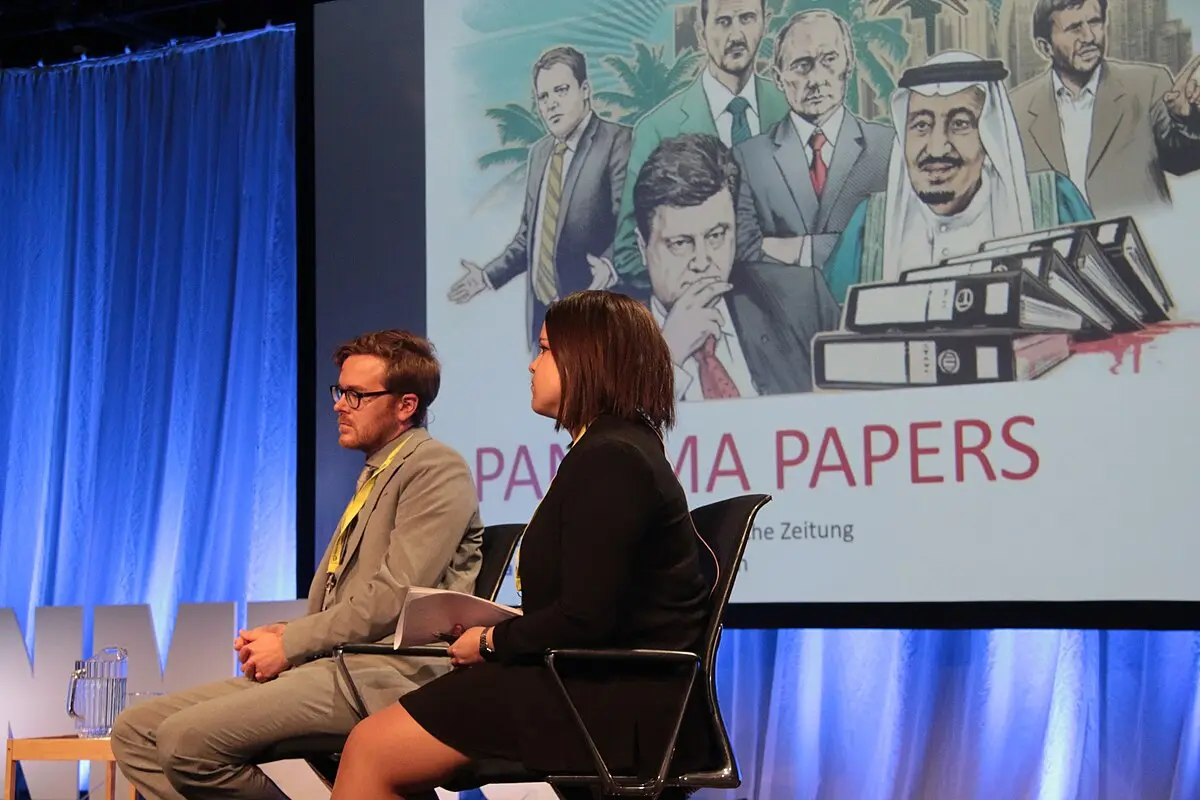
In 2016 the leak of millions of documents from a Panama-based law firm revealed how politicians, billionaires and multinational corporations used offshore networks to obscure ownership, shift profits and avoid tax. The publication triggered high-profile resignations, criminal investigations and renewed international efforts to tighten transparency rules around shell companies and tax havens. It remains one of the largest data leaks in history.

6. FIFA Corruption — A Global Sport in Crisis
The 2015 corruption scandal within world football’s governing body exposed decades of bribery, kickbacks and vote-buying tied to major tournaments. Dozens of officials were charged, leadership structures were overturned and the organisation underwent extensive reforms. The scandal demonstrated how governance failures can flourish unchecked within influential, insular global organisations.
7. Cambridge Analytica — Data, Democracy and Digital Manipulation
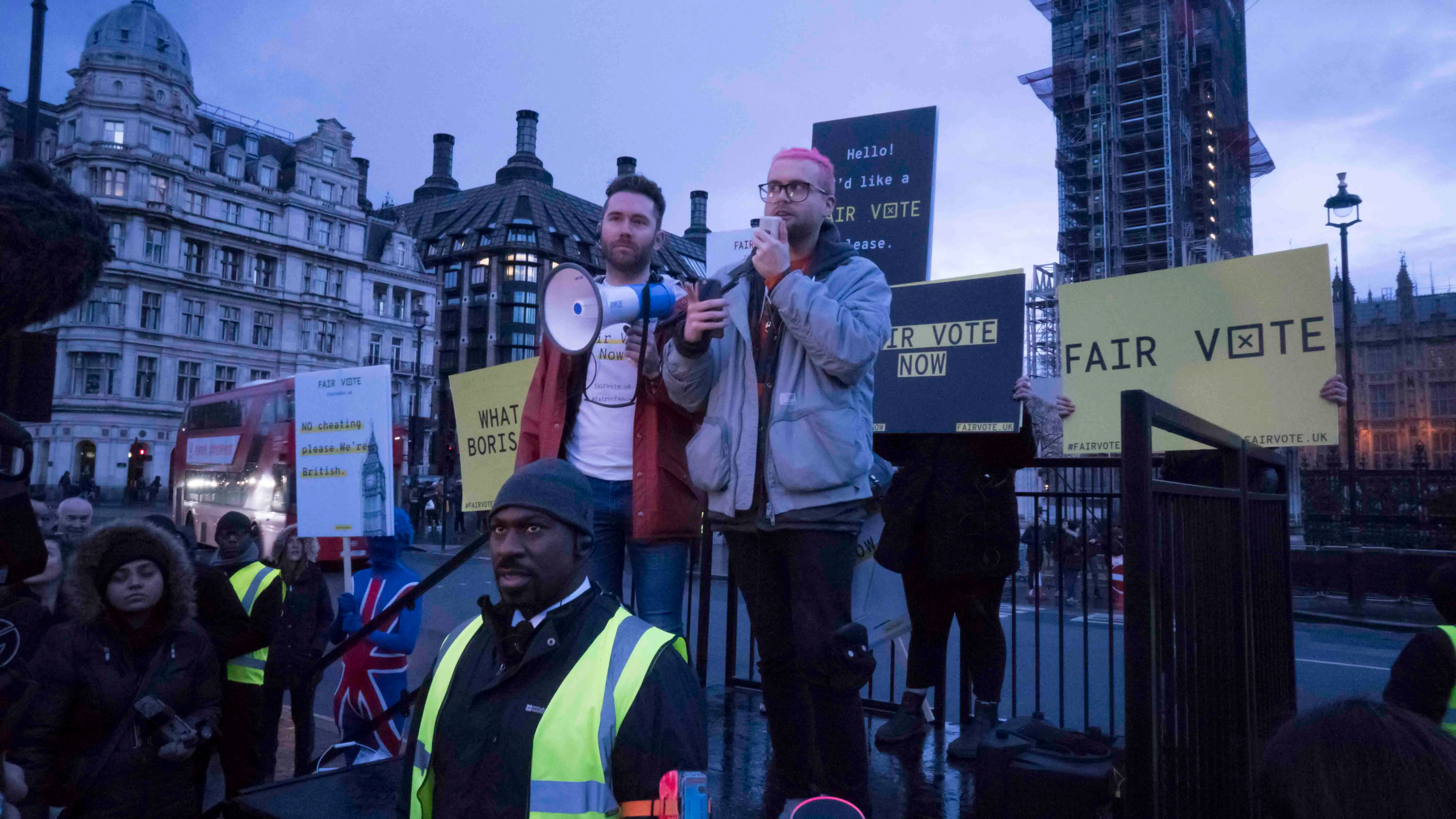
Cambridge Analytica was a British political consulting firm that gained prominence due to the Facebook–Cambridge Analytica data scandal. Revelations that tens of millions of social-media profiles had been harvested for political profiling sparked an international debate about privacy, election integrity and the hidden power of algorithms. Investigations across multiple countries highlighted how personal data could be weaponised to influence democratic processes. The scandal led to regulatory fines, legal actions and major changes in how platforms handle user information.
)
)
)
)
)