From drones to fighter jets: How AI is quietly reshaping India’s battlefield strategy

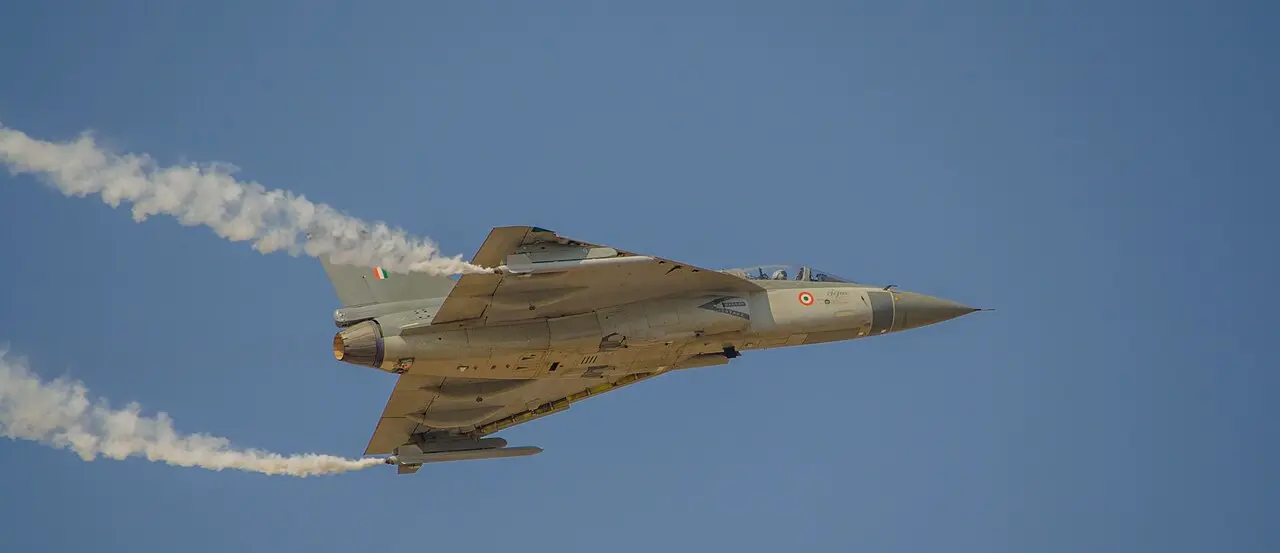
The Tejas Mk1A, and future AMCA platform, incorporate AI-based pilot workload reduction, predictive flight diagnostics and mission-planning assistance.

Introduction: a new era of warfare
India has moved beyond treating artificial intelligence as experimental research and is now embedding it as a core combat capability. AI is already driving battlefield decisions, logistics, aerial combat support and autonomous surveillance, with more than 300 defence-focused AI projects underway across DRDO, the services, defence PSUs and iDEX startups. According to an official announcement, the Defence Artificial Intelligence Council (DAIC) and Defence AI Project Agency (DAIPA) have been created to accelerate military adoption under a formal roadmap. The message is clear: future conflicts will be shaped not only by weapons, but by algorithms that decide faster than the enemy.
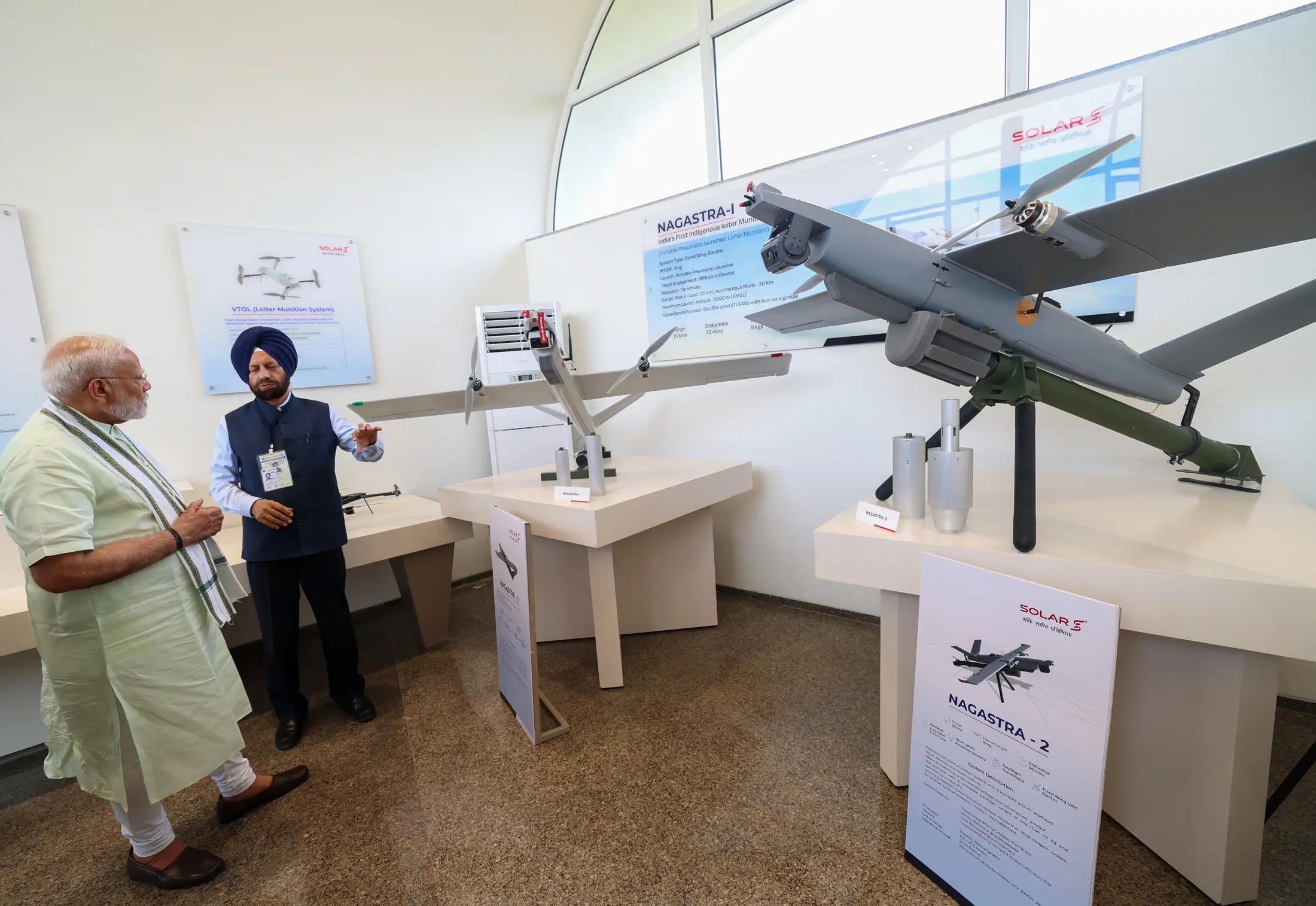
Battlefield intelligence and decision systems
In a press note issued in October 2025, Defence Minister Rajnath Singh had stated, 'The battlefield has changed. Wars of tomorrow will be fought with algorithms, autonomous systems and artificial intelligence.' One of the most significant changes lies in command-and-control. AI-enabled data-fusion tools now combine inputs from satellites, drones, UAVs, radars and electronic sensors to create real-time battlefield pictures. These systems assist commanders by recommending optimal responses to threats, significantly shortening decision loops. Early field deployment has shown that AI-supported battle management can reduce reaction time from minutes to seconds — a critical advantage in high-tempo mechanised or air-land engagements.
Autonomous aerial systems and combat assistance
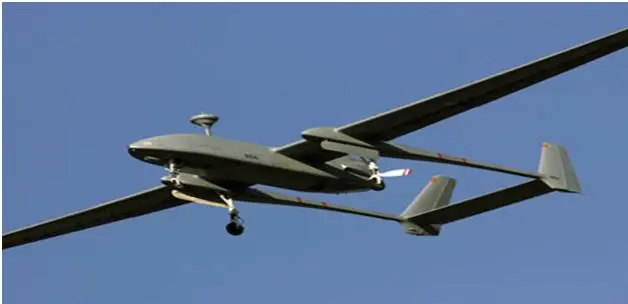
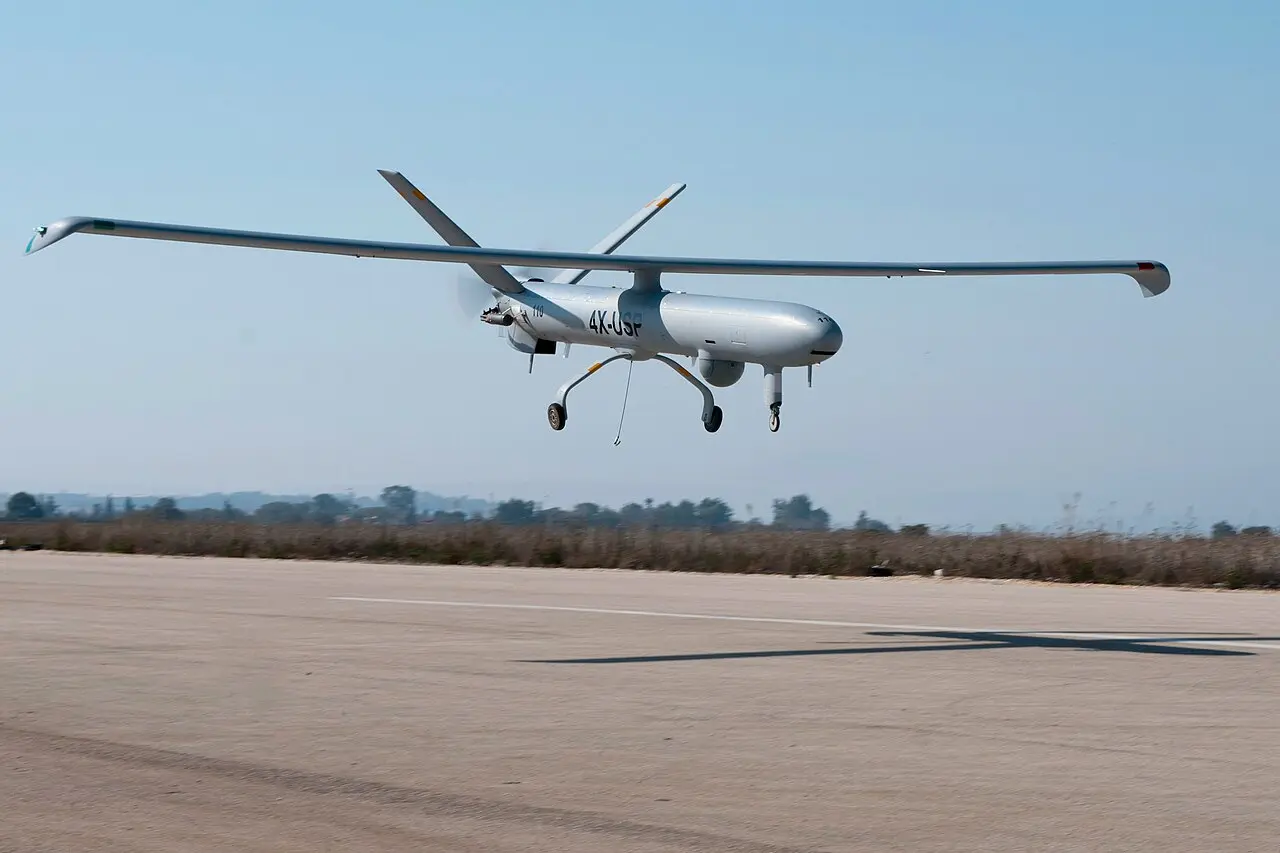
AI is also altering the aerial domain. Unmanned and semi-autonomous aircraft, including TAPAS-BH UAV and the stealth UCAV programme Ghatak, rely on AI for navigation, target recognition and mission autonomy. The Tejas Mk1A, and future AMCA platform, incorporate AI-based pilot workload reduction, predictive flight diagnostics and mission-planning assistance. In parallel, swarm drone technology is being developed for co-ordinated attacks, with AI allocating targets across dozens of autonomous platforms simultaneously.
Air-defence modernisation with AI integration
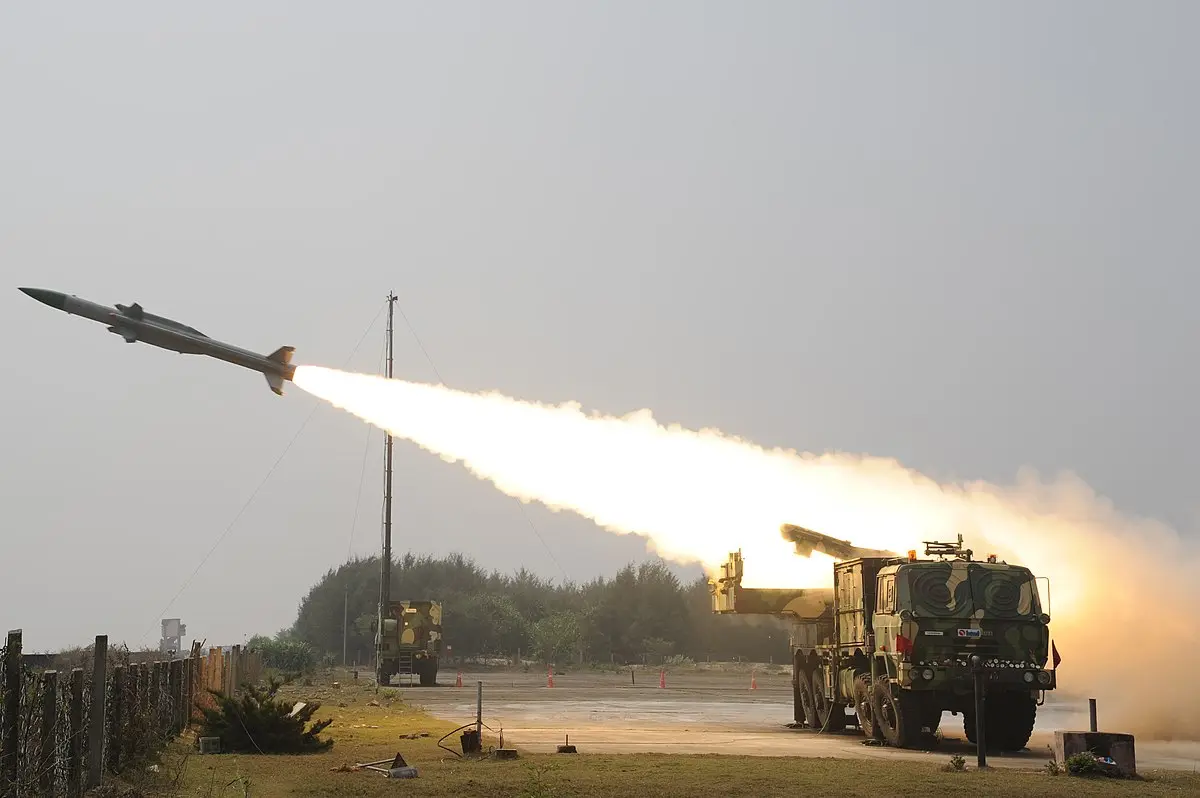
Air-defence networks are rapidly transitioning from manual threat assessment to algorithmic evaluation. Systems such as Akash, QRSAM and LR-SAM now incorporate AI-based prioritisation of incoming aircraft, cruise missiles and drones. Computer-vision algorithms support improved detection in cluttered or low-visibility environments. Automated interception logic helps reduce human error and speeds up responses against saturation attacks designed to overwhelm surface-to-air systems.
AI on land and at sea
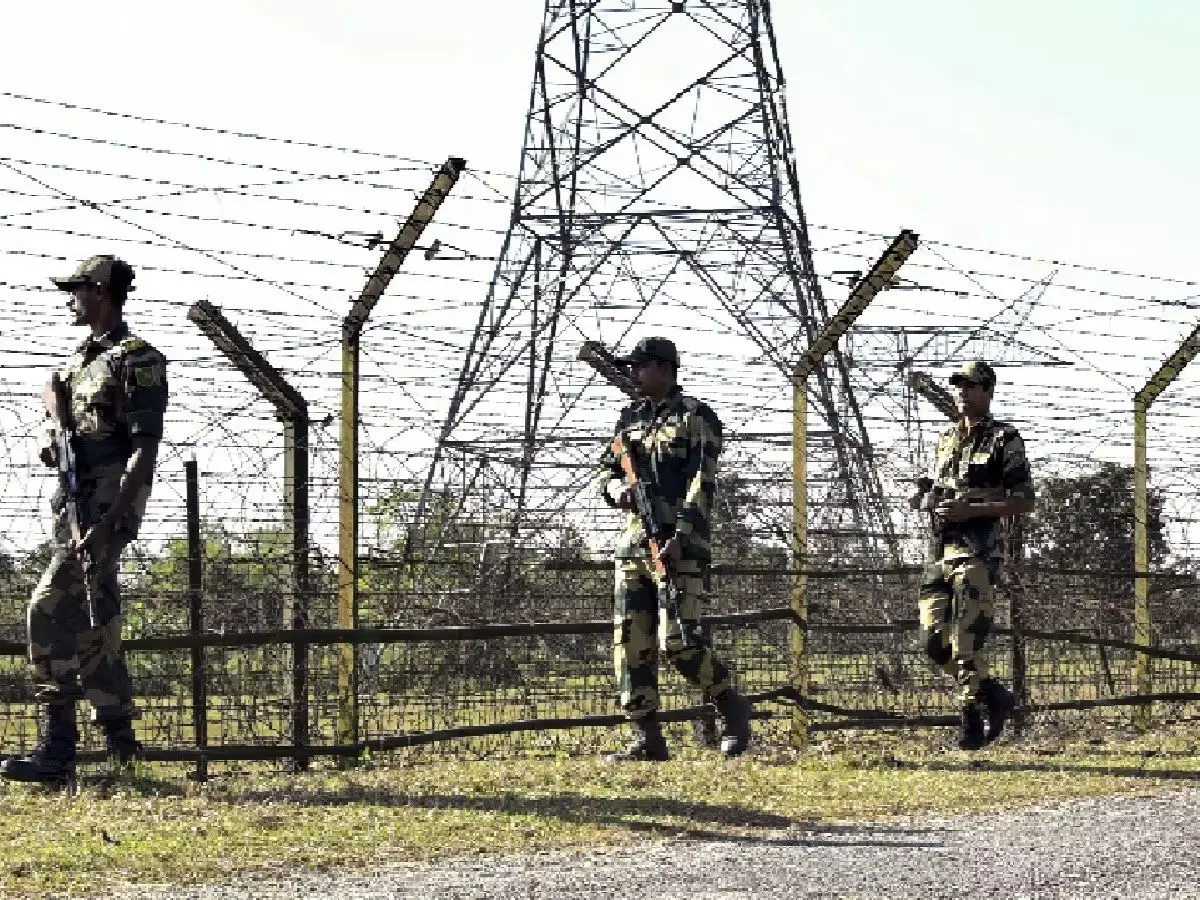
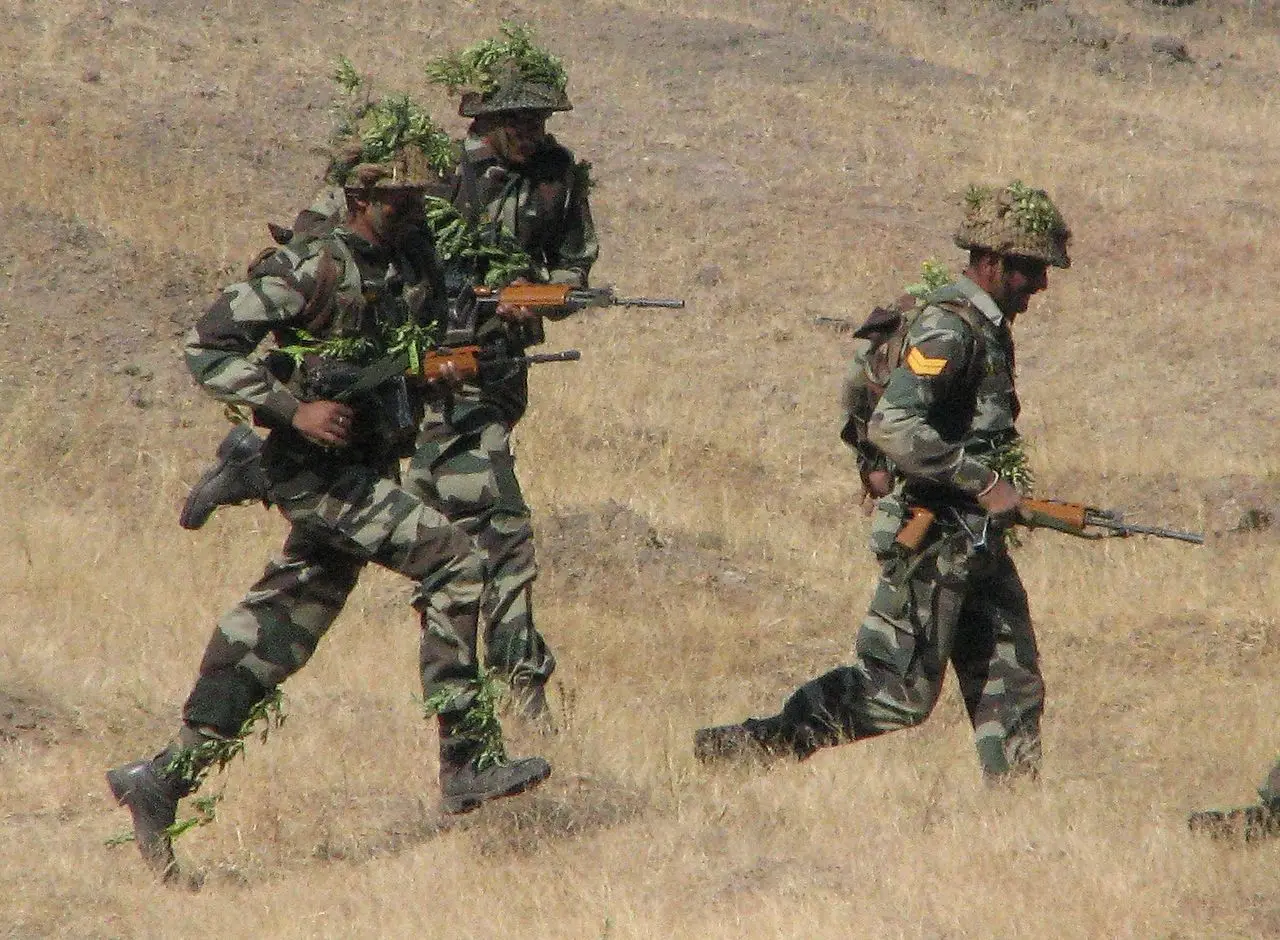
-India has already operationalised AI-based surveillance along sensitive borders, fusing live camera feeds, radar inputs and ground sensors to detect intrusions in real time. The Army is testing unmanned ground vehicles for logistics, mine detection and perimeter security in high-altitude regions, while AI-assisted monitoring now provides automated alerts along both the Pakistan and China frontiers.
-At sea, the Navy is inducting autonomous surface and underwater platforms for harbour defence and mine clearance, and maritime patrol assets are using machine-learning acoustic recognition to identify hostile vessels faster and more accurately. Together, these systems mark a transition from manual monitoring to predictive, AI-driven situational awareness in India’s land and maritime security.
Predictive maintenance and logistics
AI-driven analytics are reshaping asset readiness. The Air Force and Navy now use predictive maintenance models that analyse engine vibrations, temperature signatures and operational cycles to forecast failures before they occur. This has already reduced unplanned maintenance by more than 20 per cent on selected platforms. Similar models are being applied to fuel planning, ammunition management and mission-critical spares for frontline deployments.
The cyber and electronic warfare dimension
A growing share of AI development is focused on non-kinetic warfare. Indian cyber units use AI for anomaly detection and offensive cyber operations, while electronic-warfare systems employ adaptive jamming and anti-spoofing. Machine-learning algorithms are being built to safeguard navigation and satellite communications against hostile interference, an increasingly decisive factor in modern conflicts.
Challenges and the road ahead
Integration across legacy platforms, shortage of specialised AI professionals and limited large-scale military datasets remain hurdles. Ethical and command issues around autonomous lethal systems also require policy clarity. However, the direction is established: AI is becoming central to India’s military posture.
)
)
)
)
)