From defense treaty to Arctic base: Greenland’s role in U.S. security since World War II

Greenland has secured North America since 1941, evolving from a WWII outpost into a modern hub for global missile and space surveillance.
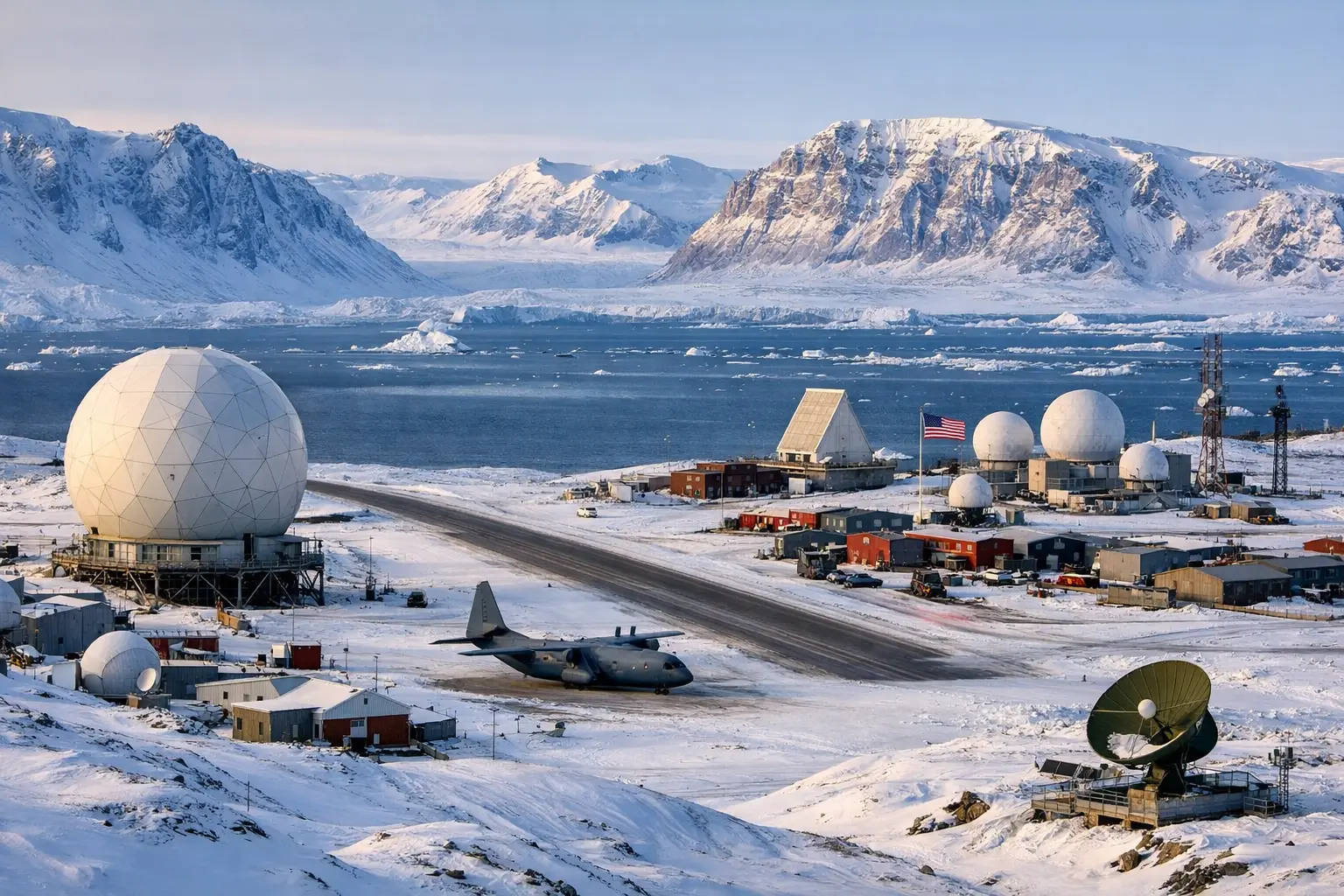
Wartime protectorate of 1941
The U.S. signed an executive agreement with the Danish envoy to build airfields and weather stations to prevent Nazi Germany from using the island.
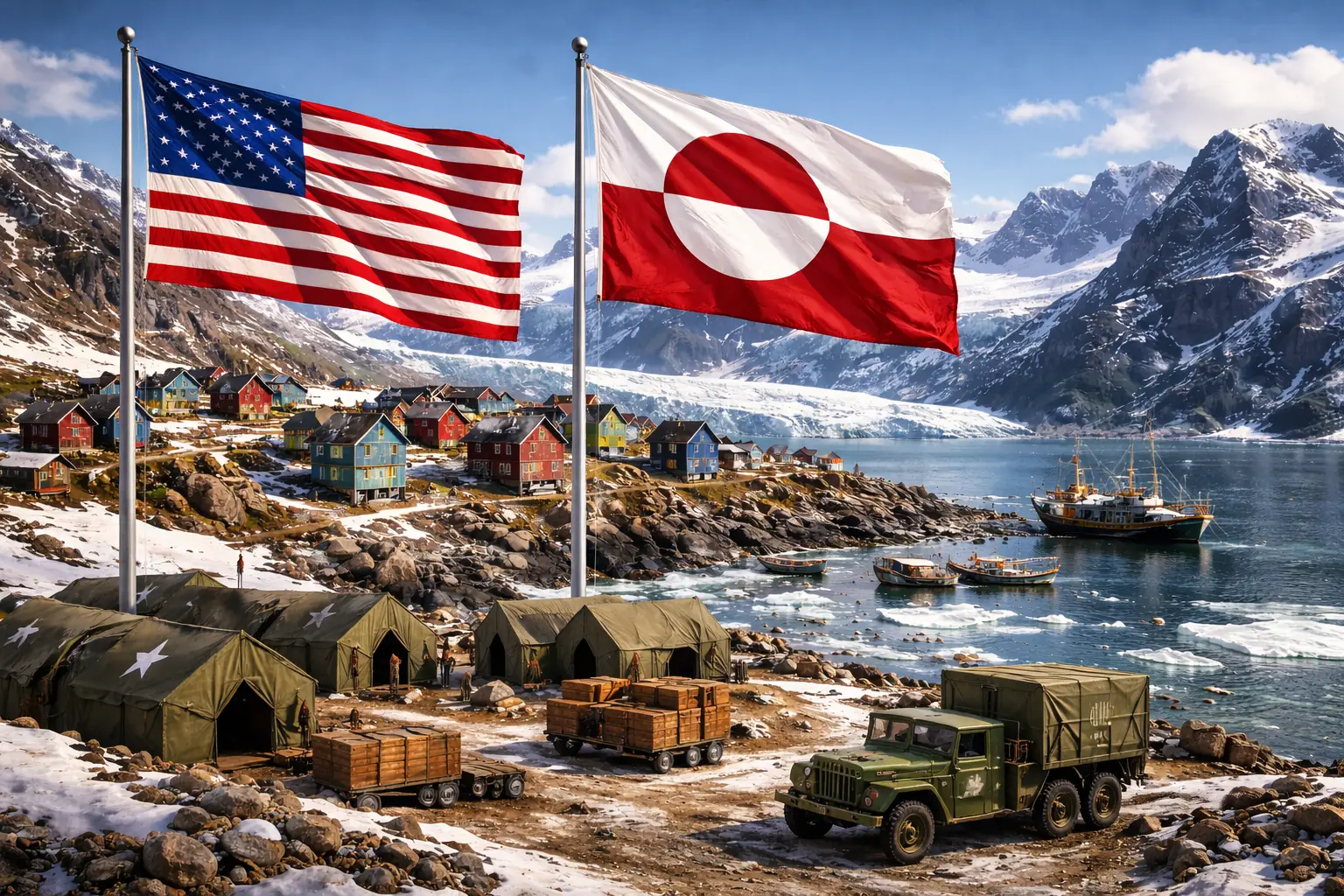
Protecting North Atlantic shipping
During the Second World War, the U.S. Coast Guard and Army used Greenland to protect vital supply lanes and monitor Arctic weather for Allied operations.
The 1951 Defence Agreement
A new treaty replaced the wartime arrangement, allowing the U.S. to establish "defence areas" and operate freely within Greenlandic airspace for NATO security.
Thule: The Cold War crown jewel
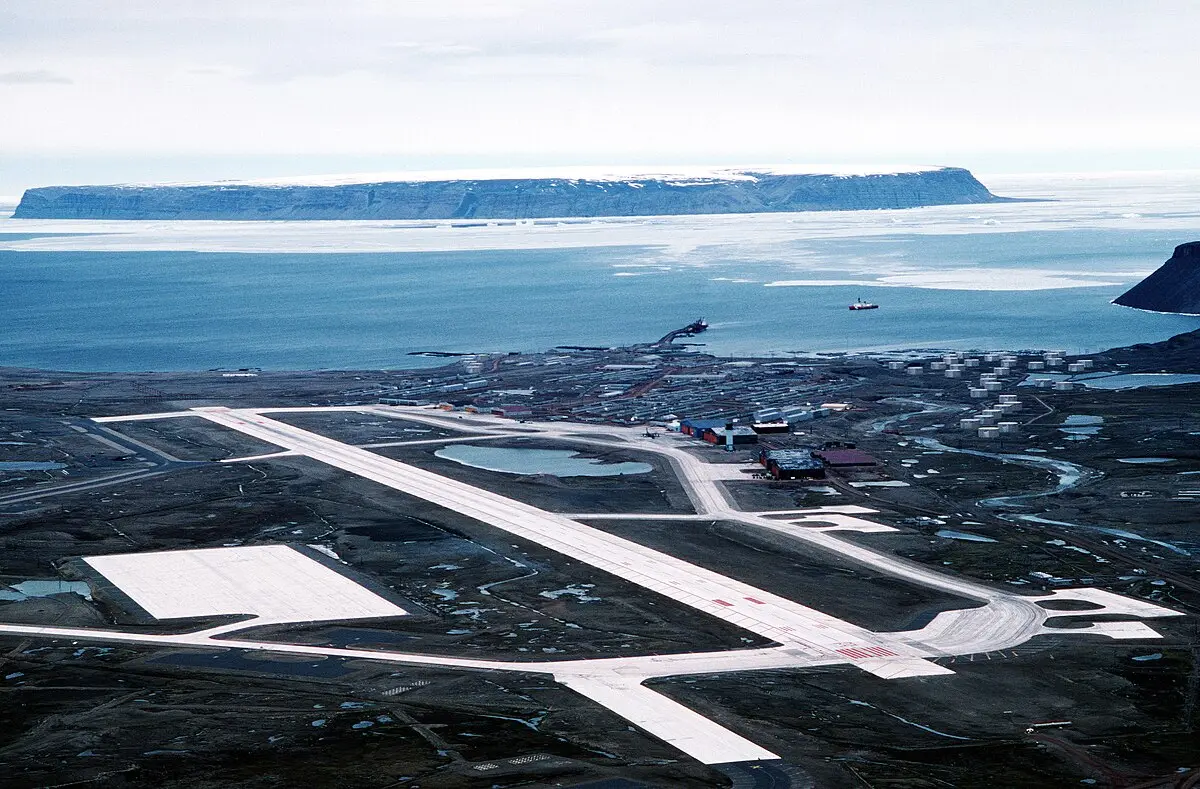
Built in secret under the code name Operation Blue Jay, Thule Air Base became a critical forward hub for nuclear bombers and interceptor jets.
Distant Early Warning network
In the 1950s, the U.S. built four radar sites across the Greenland ice sheet to detect incoming Soviet bombers as part of the 3,600-mile DEW line.
Monitoring the GIUK Gap
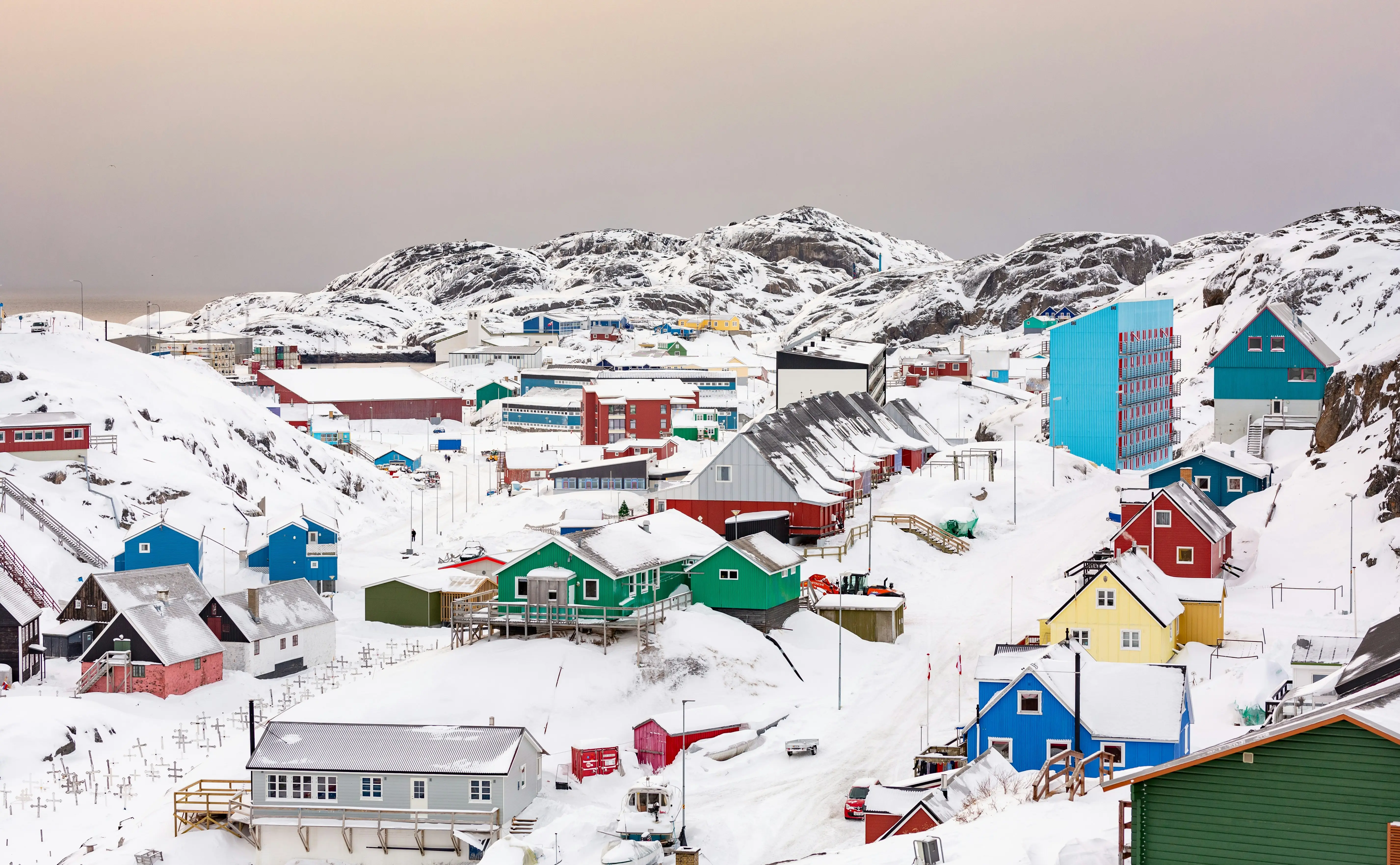
Greenland remains essential for controlling the Greenland-Iceland-UK Gap, a maritime chokepoint used to track Russian naval movements in the North Atlantic.
Modern hub for space surveillance
The site now hosts advanced phased array radar that tracks deep-space objects and provides 24-hour early warnings for intercontinental ballistic missiles.
)
)

)
)