From communion to cognac: The history of alcohol in space

The curious and often controversial history of alcohol in space reveals how culture, science and survival have shaped life far from home. The tradition dates back to the early Soviet space programme, when doctors are said to have supplied cosmonauts with rations of cognac.
Introduction
Alcohol has followed humanity beyond Earth, from the first sip of communion wine on the Moon to secret stashes of cognac aboard Soviet space stations. While NASA banned booze in orbit, cosmonauts embraced it as a morale booster, and modern experiments even test how whiskey matures in microgravity. The curious and often controversial history of alcohol in space reveals how culture, science and survival have shaped life far from home.
The tradition dates back to the early Soviet space programme, when doctors are said to have supplied cosmonauts with rations of cognac. One former cosmonaut later explained to NBC News: “We used it to stimulate the immune system and, overall, to keep the body in good condition.”
A Toast on the Moon
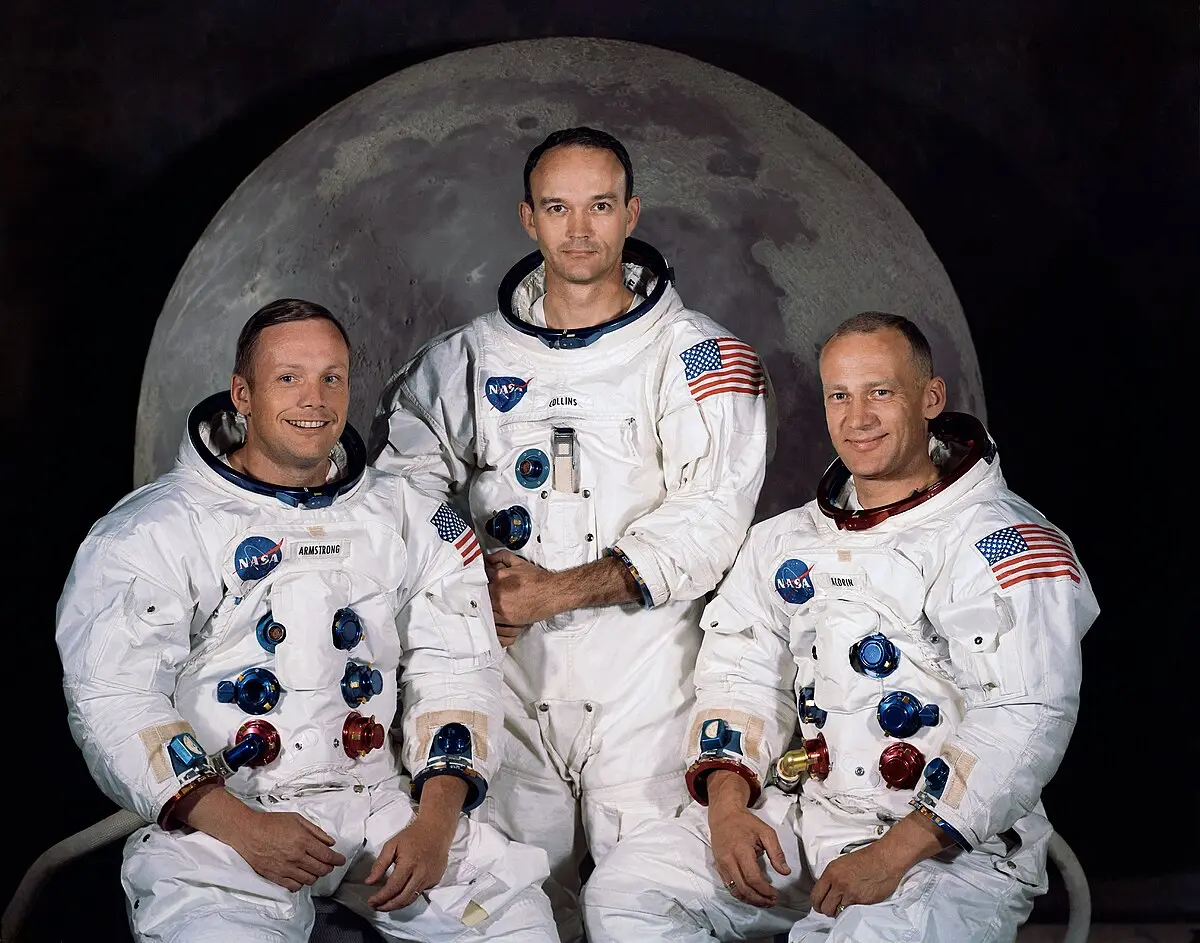
The first known instance of alcohol in space occurred during the Apollo 11 mission in 1969. Astronaut Buzz Aldrin conducted a private communion ceremony shortly after landing on the Moon, consuming a small amount of communion wine. This act, though symbolic, marked the beginning of alcohol's presence in space exploration.

Soviet Space: Cognac in Orbit
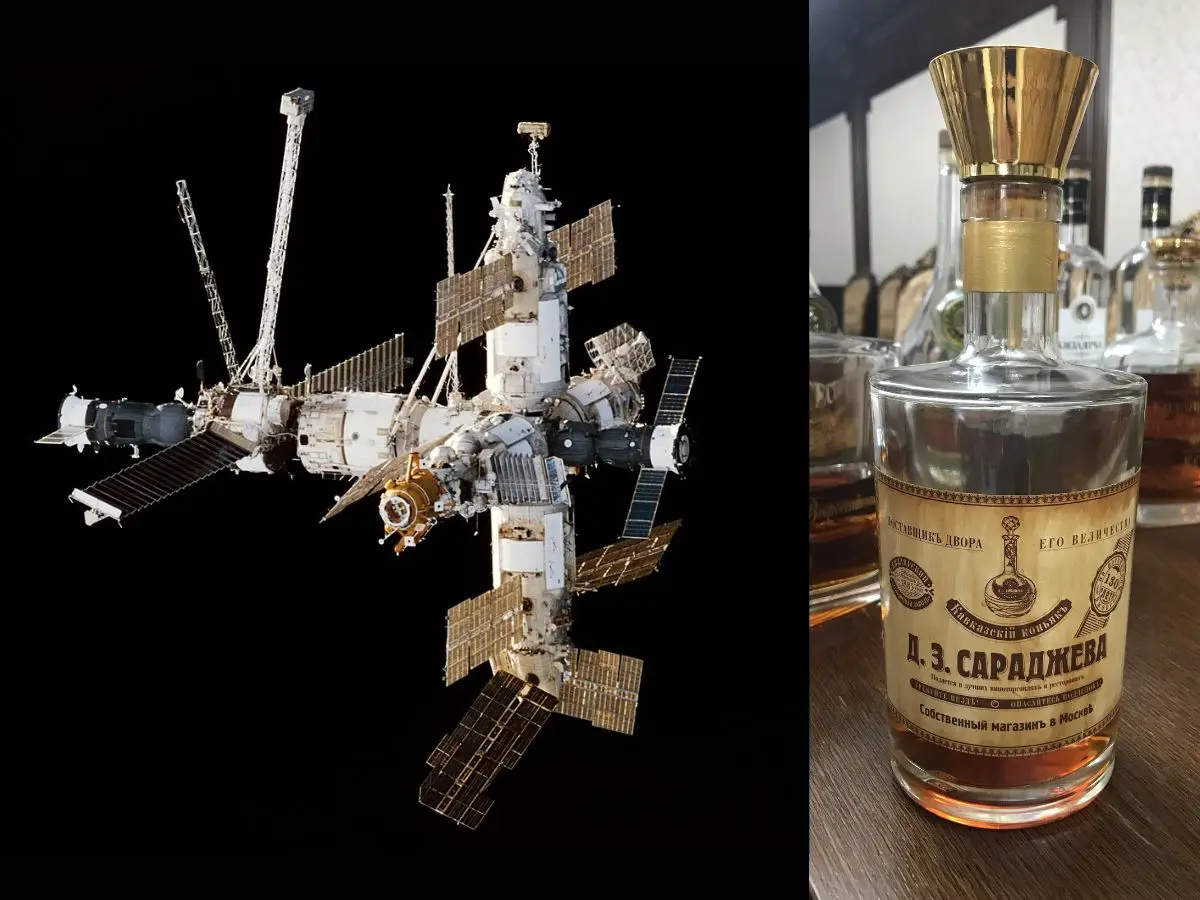
During the 1980s and 1990s, aboard the Soviet Union's Mir space station, alcohol consumption was more relaxed. Cosmonauts were known to bring cognac into space, often as a morale booster during long missions. In fact, some cosmonauts reported that cognac was recommended by medical personnel for its potential health benefits in space's unique environment. However, NASA attempted to block the release of photographs of a 1997 'cognac party' onboard Mir, but they were obtained through a freedom of information request.
NASA's Strict Policies
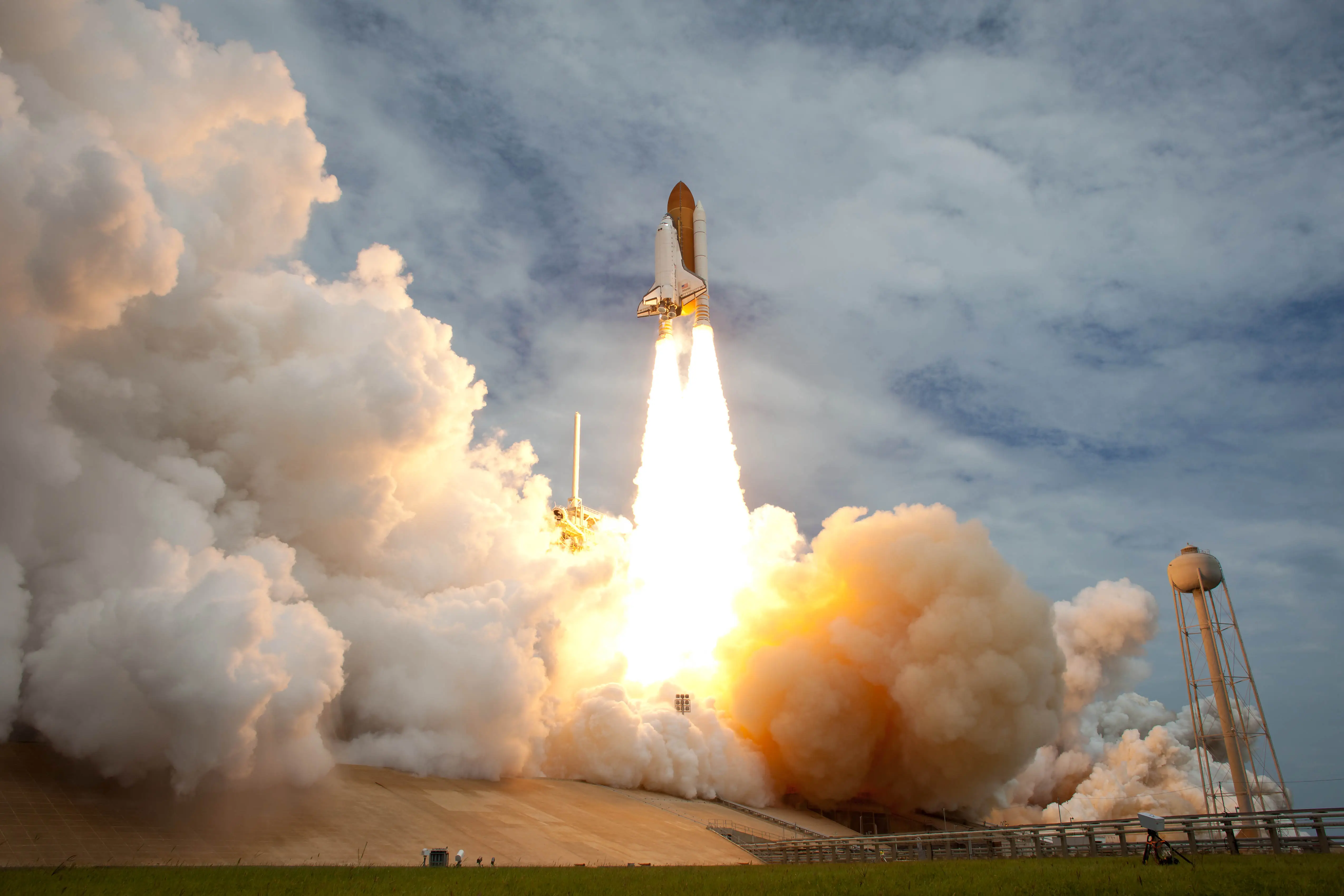
Contrasting with the Soviet approach, NASA has maintained a strict no-alcohol policy. Astronauts are prohibited from consuming alcohol during missions, and this ban extends to 12 hours before launch and after landing. The rationale behind this policy includes concerns over the potential effects of alcohol on human physiology in microgravity and the risk of alcohol-induced behavior affecting mission objectives.
Space Shuttle Experiments: Testing Carbonated Beverages
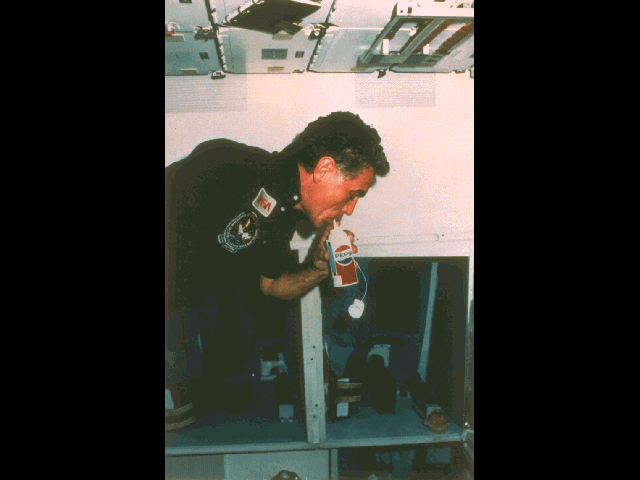
Despite the ban on alcohol, NASA has conducted experiments involving carbonated beverages. In the 1980s, the 'Space Cola Wars' saw Coca-Cola and Pepsi testing specially designed cans to determine how their sodas would behave in microgravity. These experiments aimed to understand fluid dynamics in space and were not related to alcohol consumption.
The International Space Station (ISS): Continued Prohibition
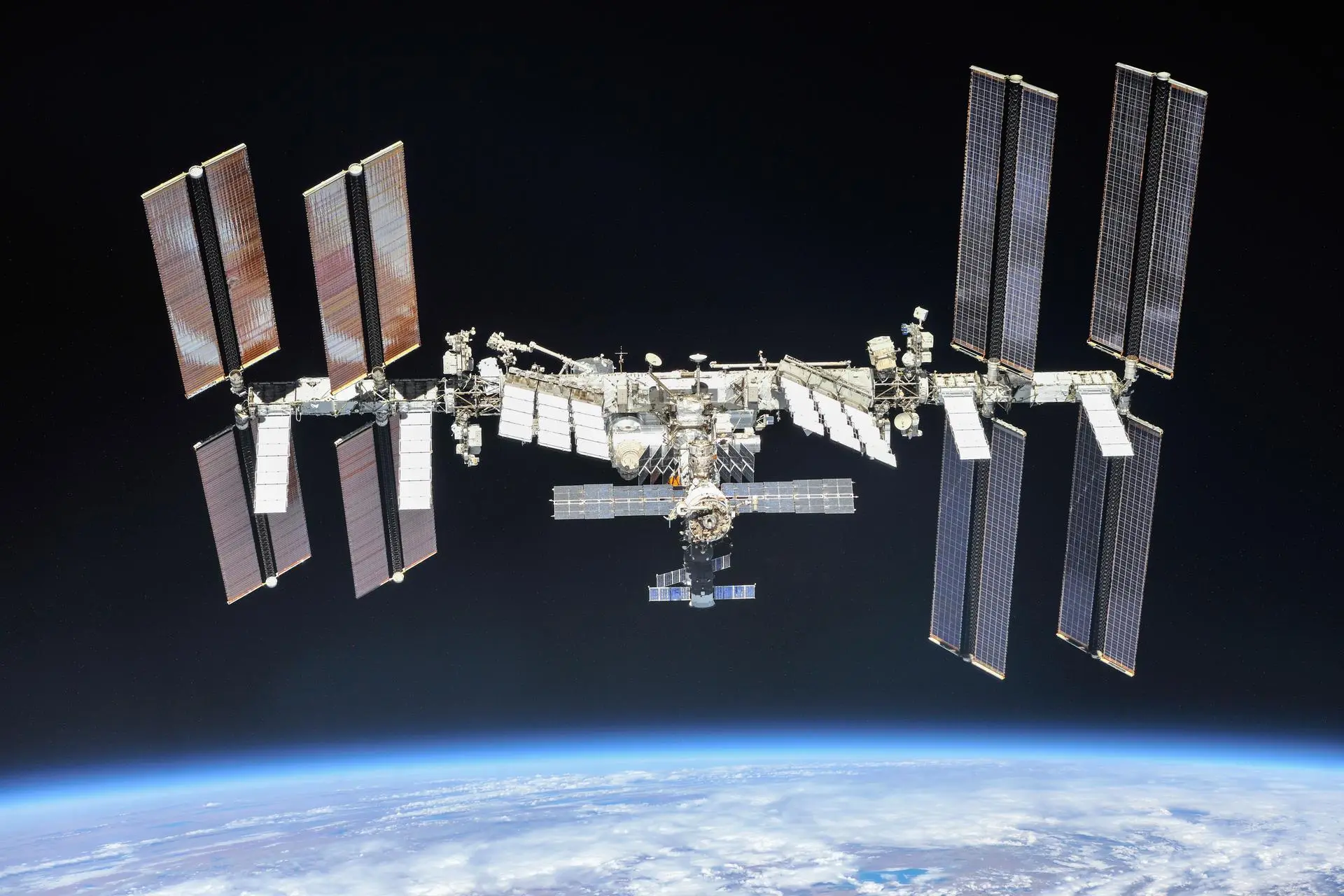
The ISS, a collaborative project involving multiple space agencies, continues the tradition of prohibiting alcohol. The primary reasons cited include the potential impact on crew health and performance, as well as the challenges alcohol presents in a microgravity environment. Additionally, alcohol can interfere with the sensitive equipment aboard the station.
Recent Developments: Alcohol in Space Research
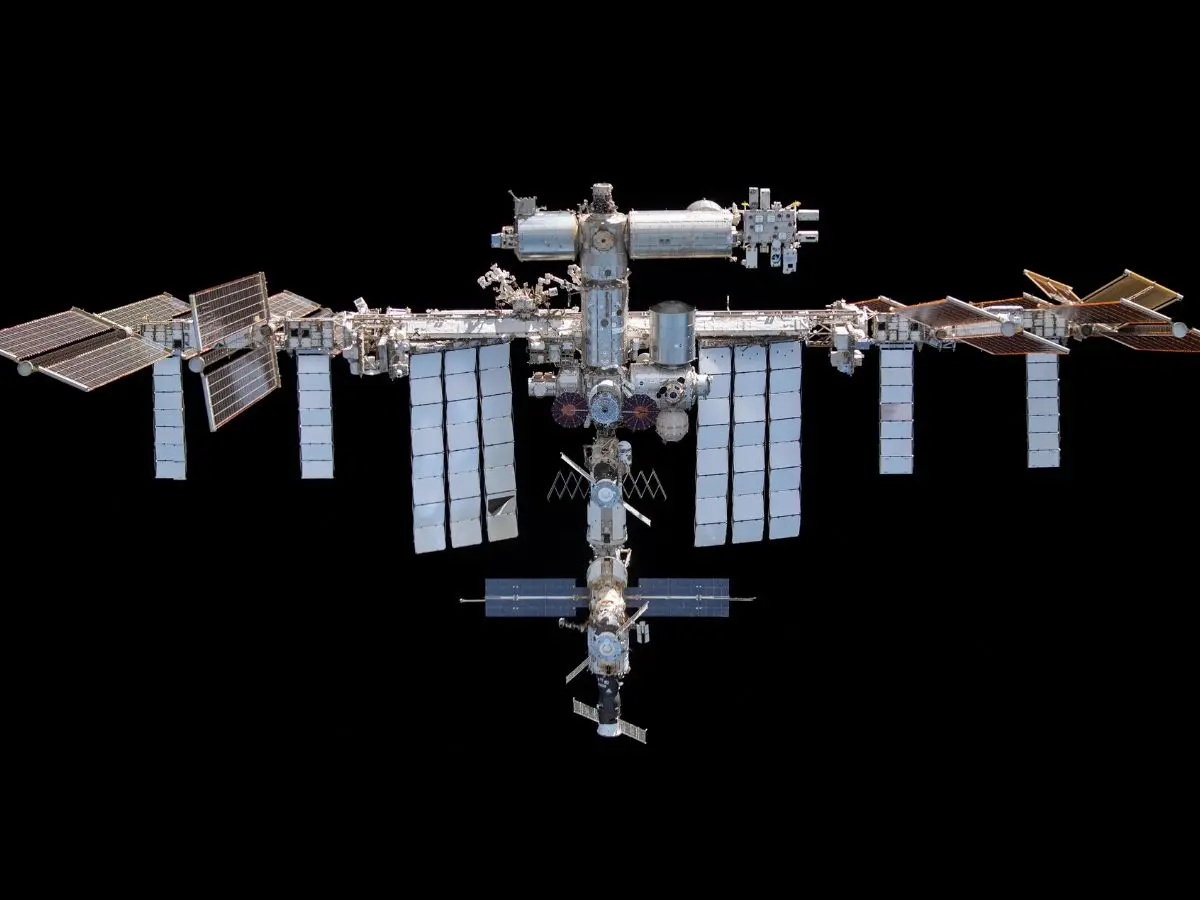
In recent years, there has been growing interest in studying the effects of alcohol in space. For instance, in 2015, Japanese company Suntory sent whiskey samples to the ISS to observe how aging in microgravity affects the maturation process. The results of this experiment could have implications for both space exploration and the beverage industry.
The Future: Could Alcohol Have a Role in Space?
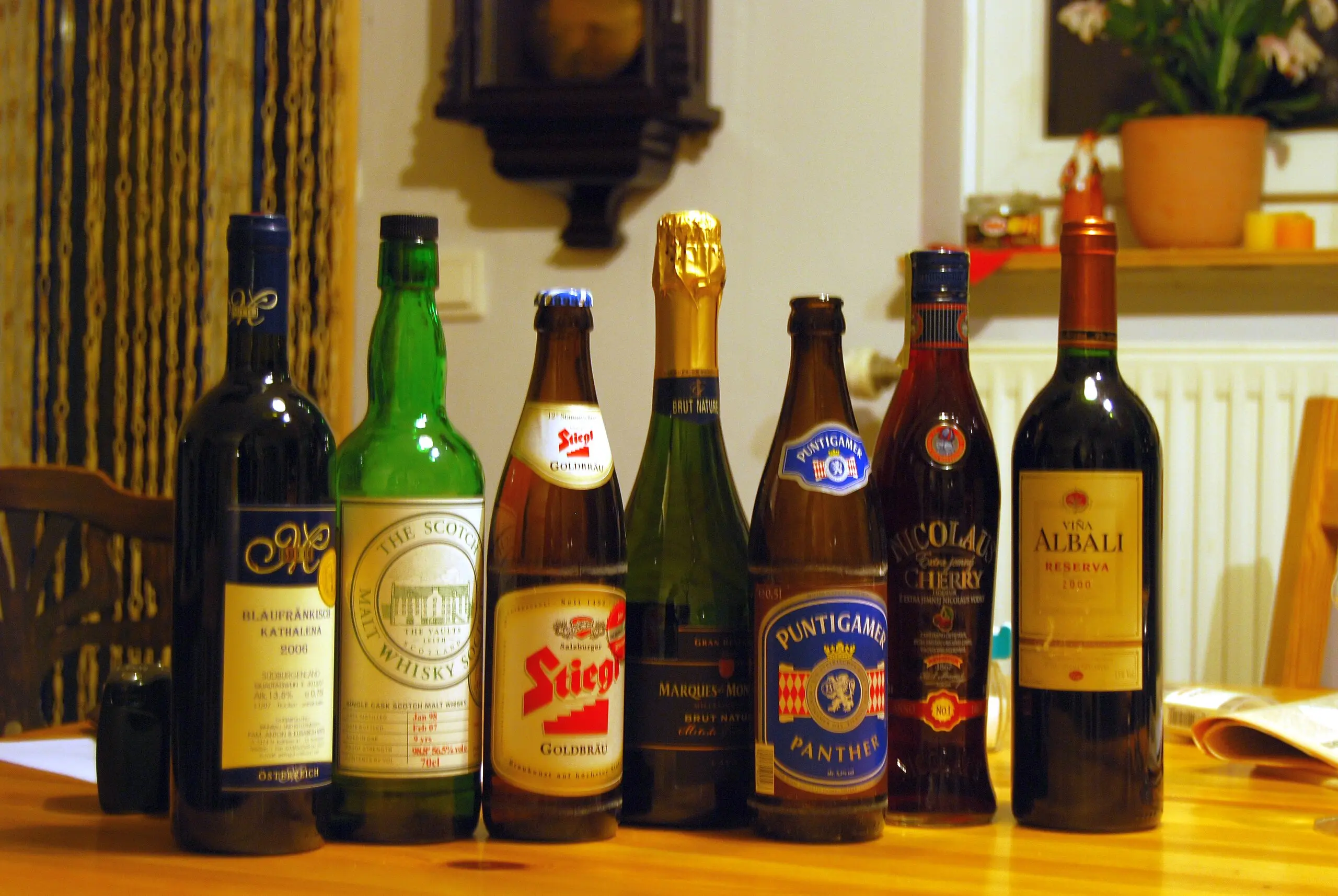
Looking ahead, as space tourism and private space missions become more prevalent, the question arises: will alcohol have a place in future space travel? While current policies remain strict, evolving technologies and changing attitudes may lead to reconsideration.
)
)
)
)
)