From Combat to Rescue: Why are US sea drones considered among the most advanced in the world

Driven by the Pentagon's Replicator initiative, the US Navy is deploying thousands of highly autonomous surface and underwater drones capable of executing complex missions, including recent historic rescue operations, without human intervention.
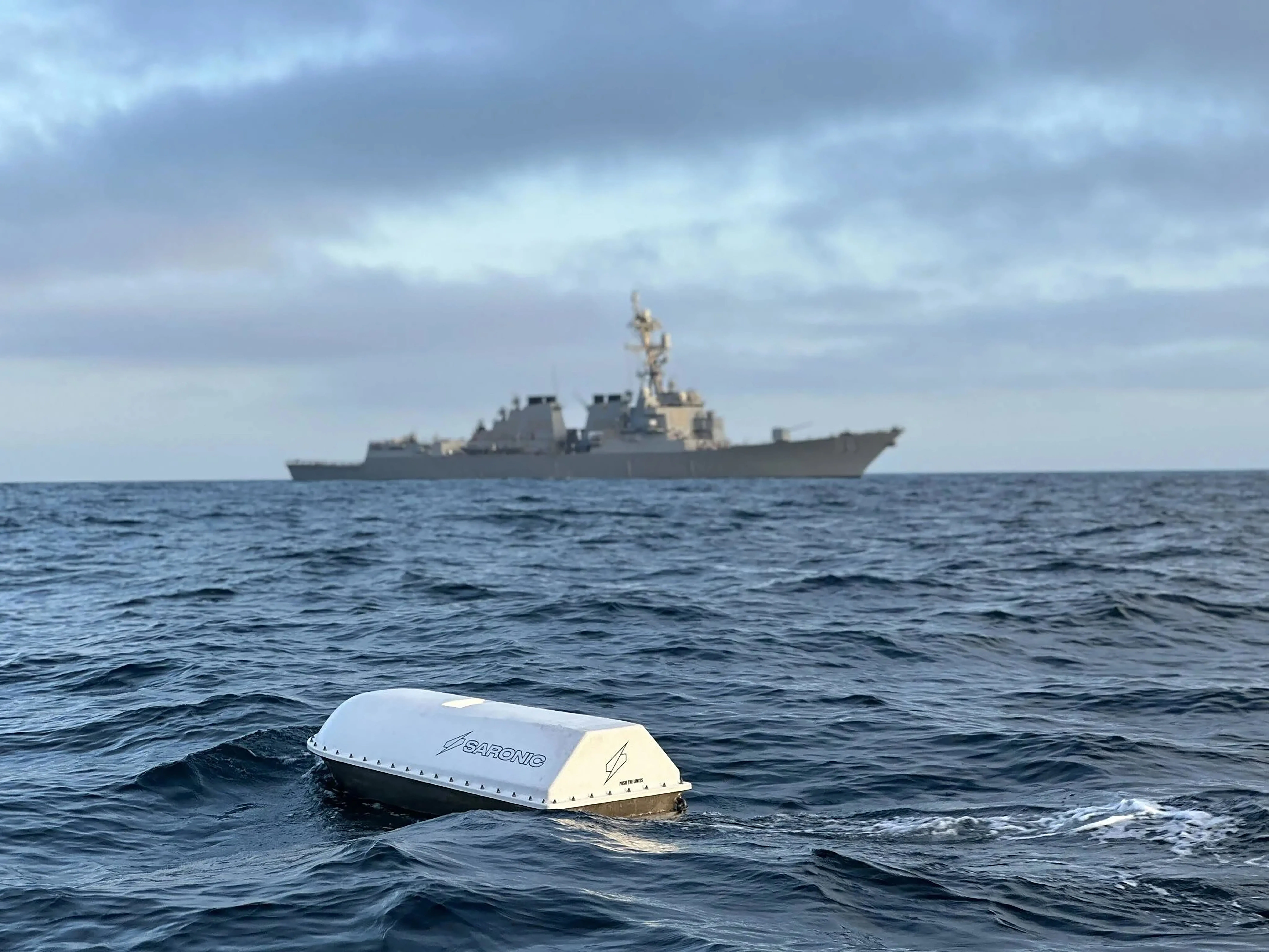
The Replicator initiative
The Pentagon's Replicator programme aims to deploy thousands of scalable, autonomous sea drones across the Indo-Pacific by 2030. This strategy focuses on overwhelming adversaries using massive swarms of intelligent, uncrewed vessels instead of relying solely on expensive traditional warships.
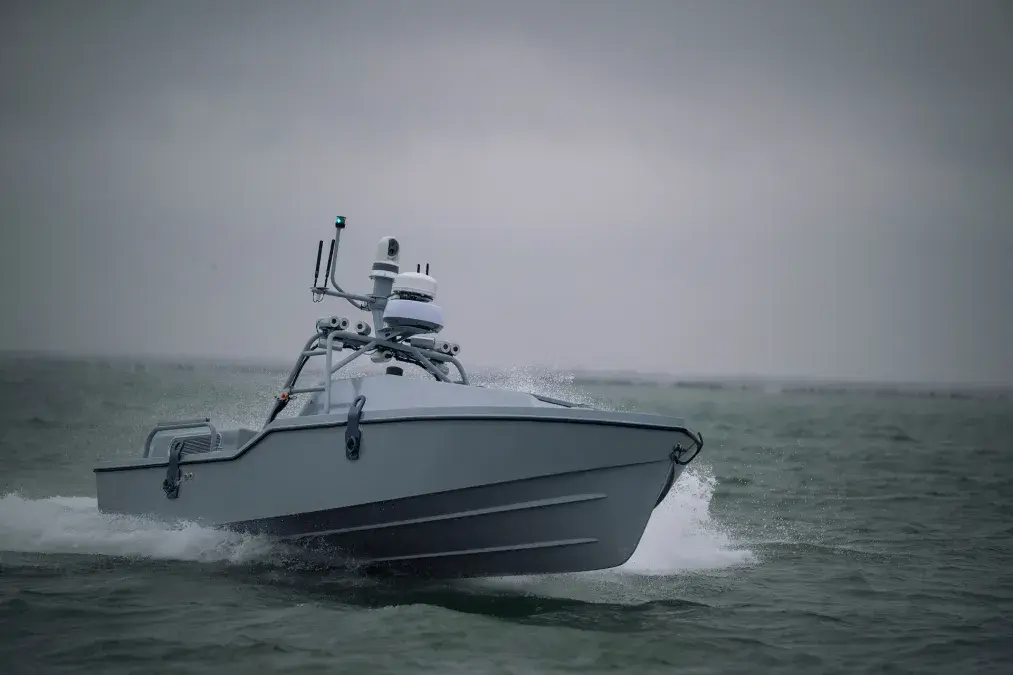
Autonomous personnel rescue
Demonstrating unprecedented capabilities, a 24-foot Saronic Corsair sea drone successfully rescued two downed Apache helicopter pilots near the Strait of Hormuz in June 2026. The autonomous vessel used 360-degree passive sensing to locate and extract the crew from the water entirely on its own.
Operating in denied environments
Unlike remote-controlled boats, advanced American sea drones possess true operational autonomy. They are specifically programmed to navigate, avoid obstacles, and complete complex missions even when enemy forces jam their communication signals or degrade their GPS tracking.
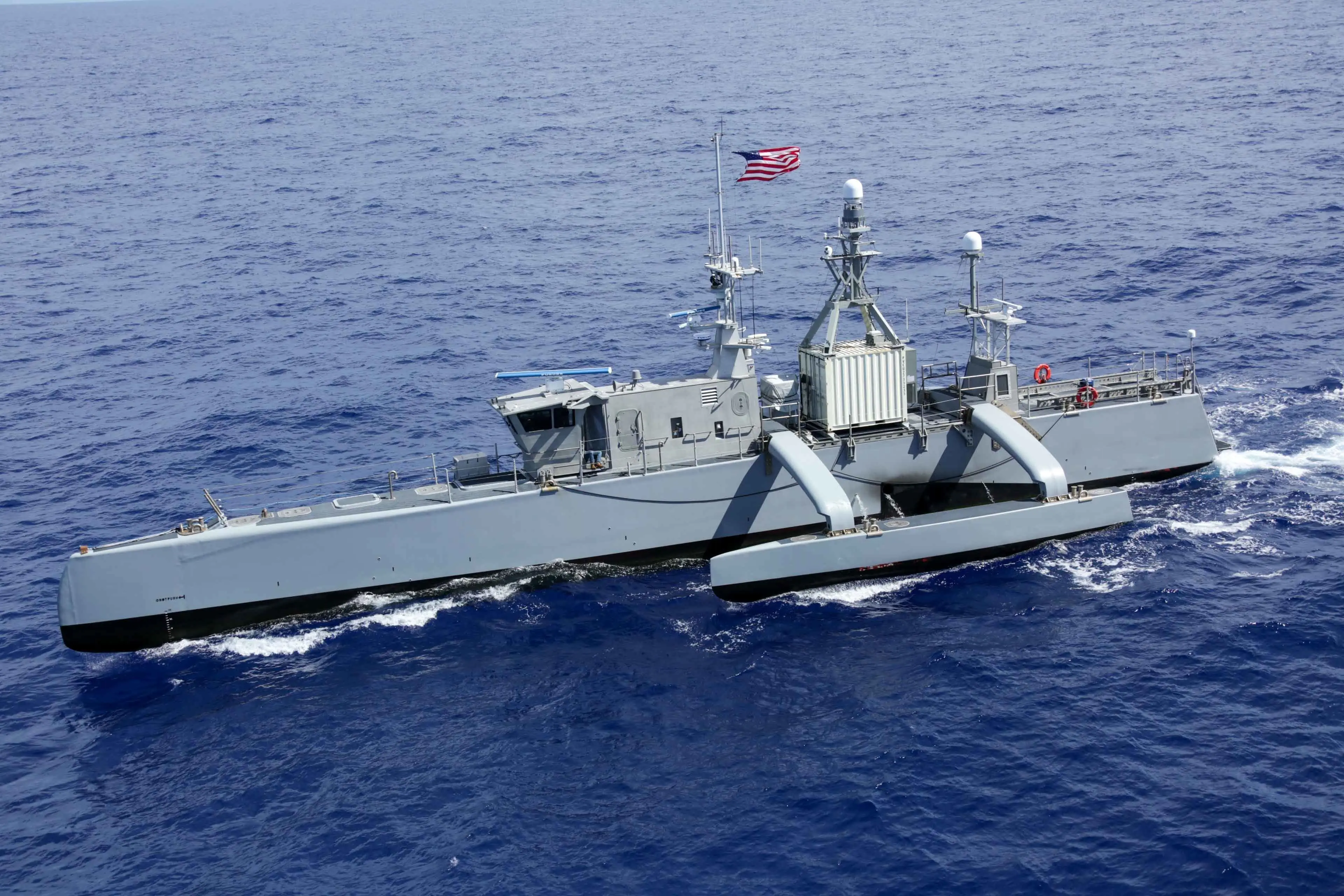
Manned-unmanned fleet teaming
The US Navy uses medium drones like the Sea Hunter and Seahawk as forward scouts for massive carrier strike groups. These 135-foot uncrewed ships sail miles ahead of the main fleet, extending radar visibility and hunting enemy submarines without risking human sailors.
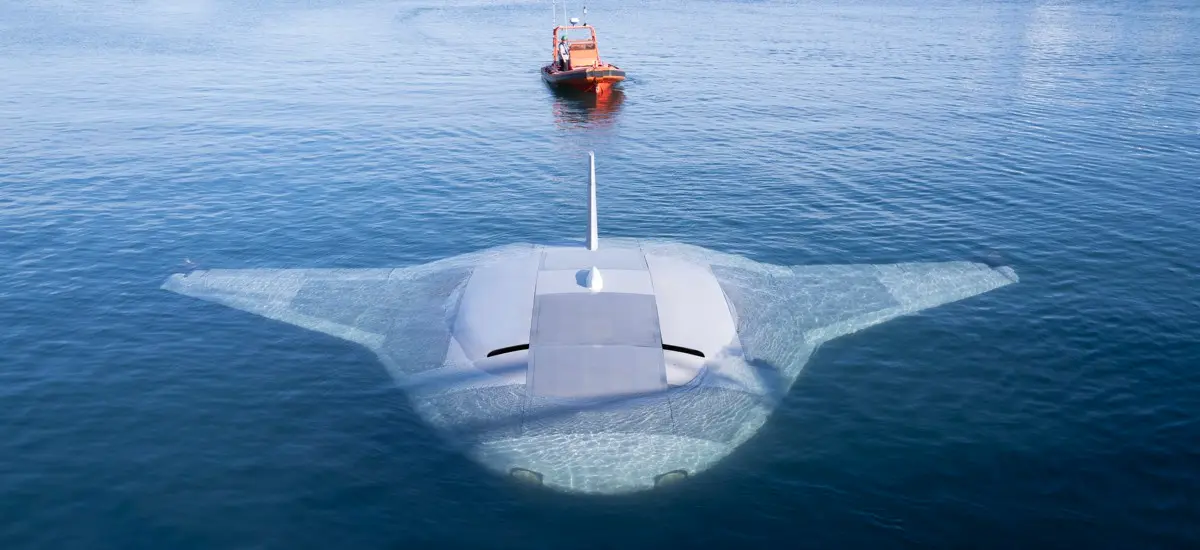
Extra-large underwater dominance
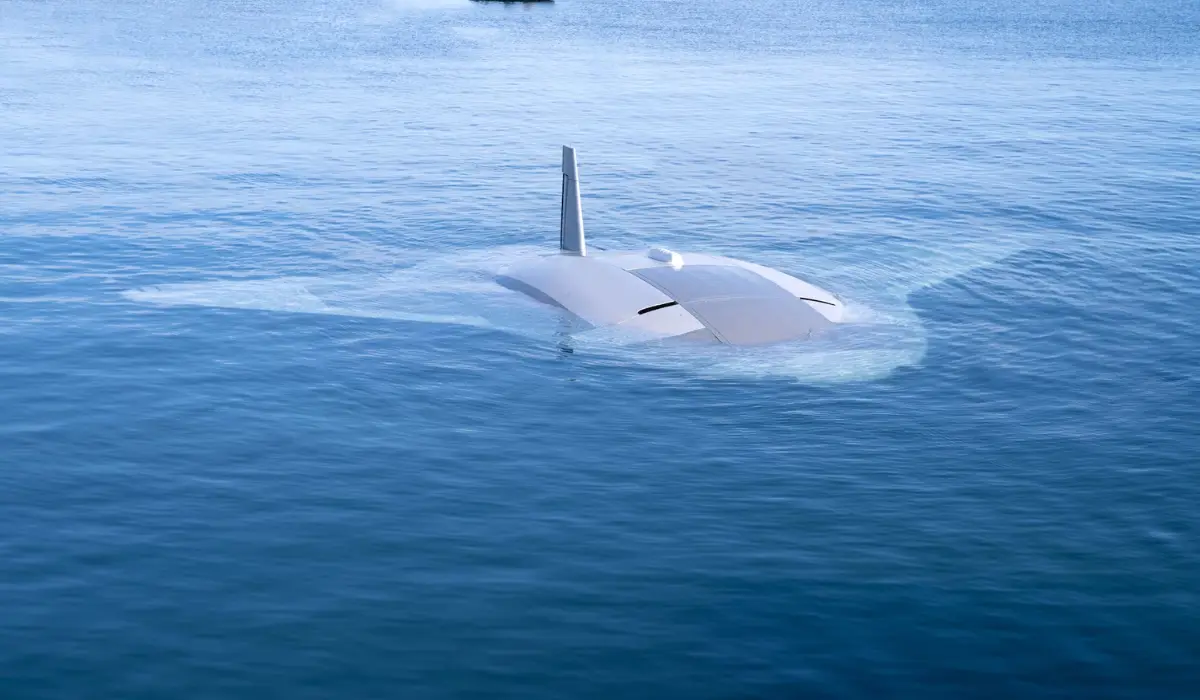
Beyond surface ships, the military is investing heavily in Extra-Large Unmanned Undersea Vehicles (XLUUVs). These massive, stealthy robot submarines are designed to silently map the ocean floor, protect critical seabed infrastructure, and lay advanced minefields in highly contested waters.
)
)
)
)
)