From bus driver to President: The story of Venezuelan President Nicolas Maduro

Trace the rise of Nicolas Maduro from a Caracas bus driver and union leader to the Presidency of Venezuela. Know how he became the hand-picked successor of Hugo Chavez.
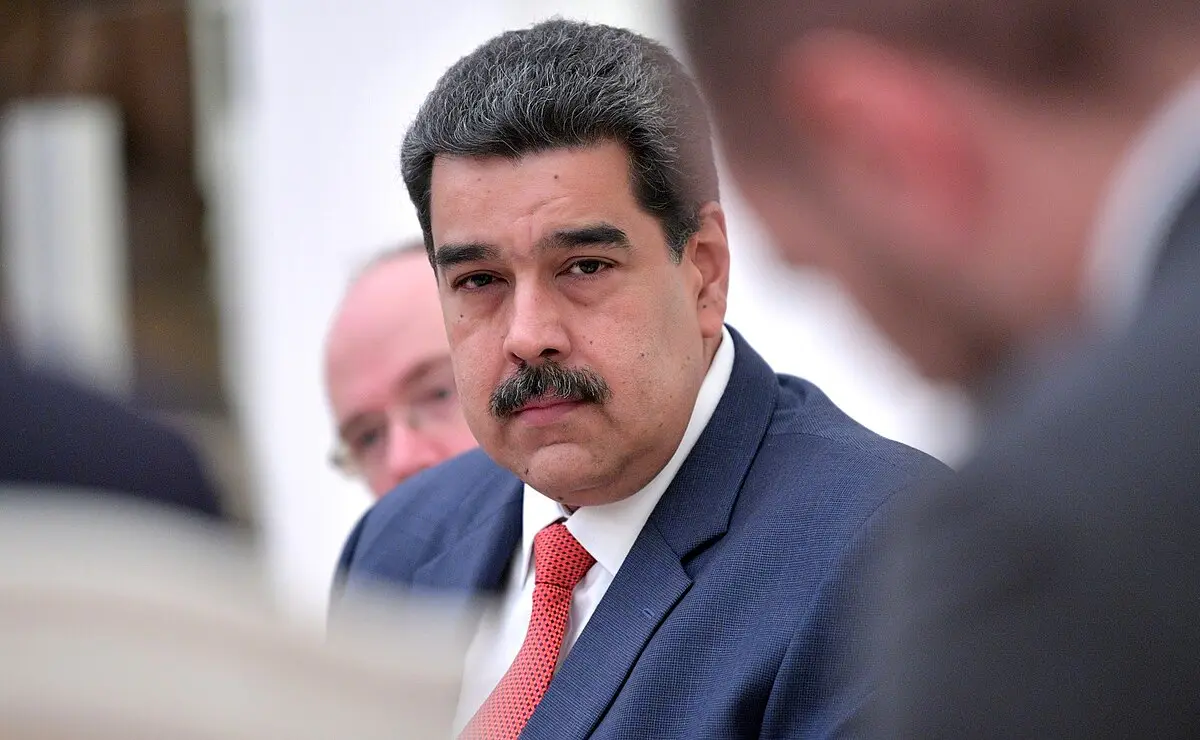
Working-class beginnings
Nicolas Maduro was born on 23 November 1962 in Caracas to a working-class family. His father was a prominent trade union leader, which influenced his early interest in politics and social activism.
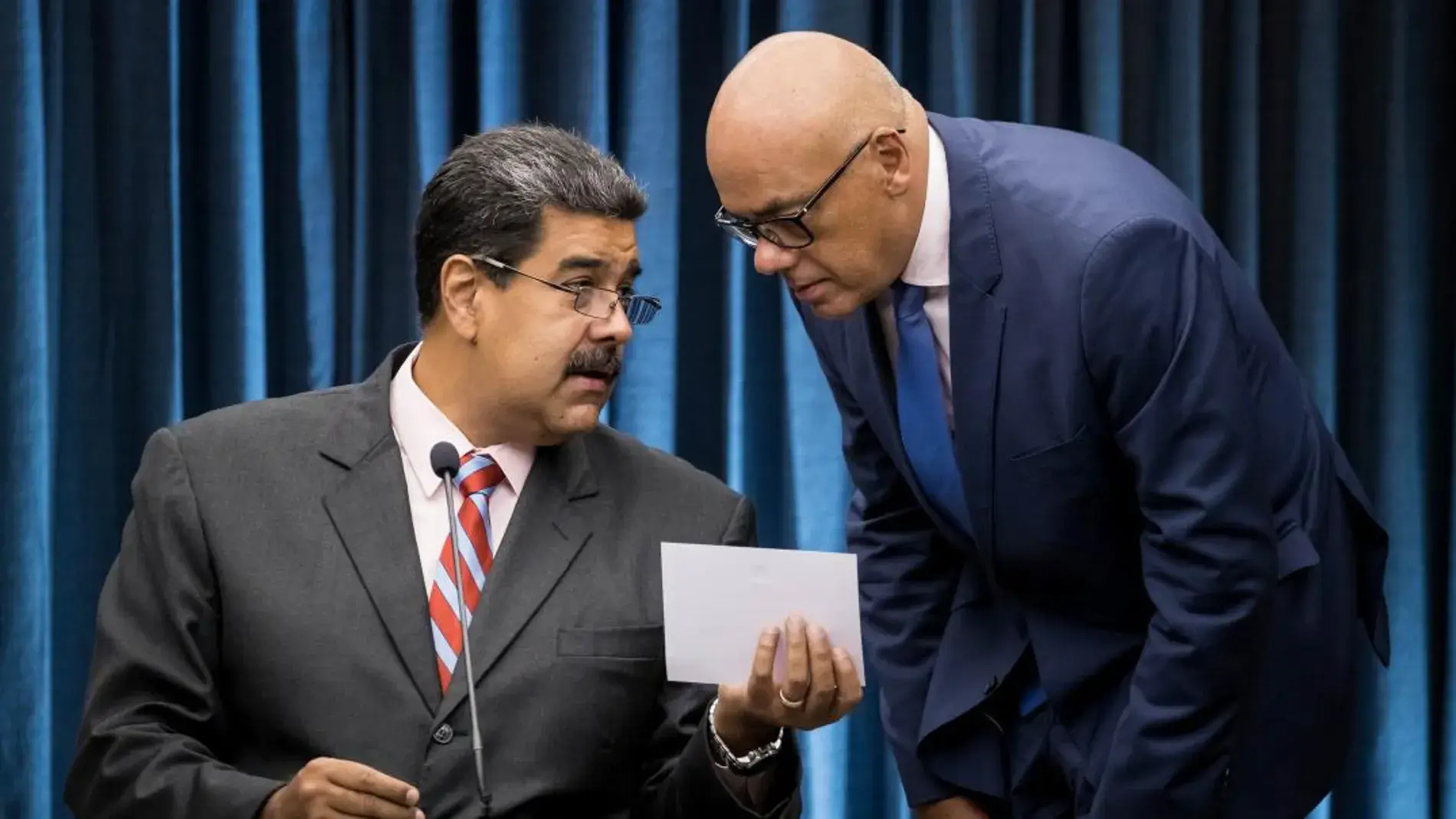
Early transport career
Maduro worked for many years as a bus driver for the Caracas Metro company. During this time, he founded an unofficial trade union for transport workers in the capital.
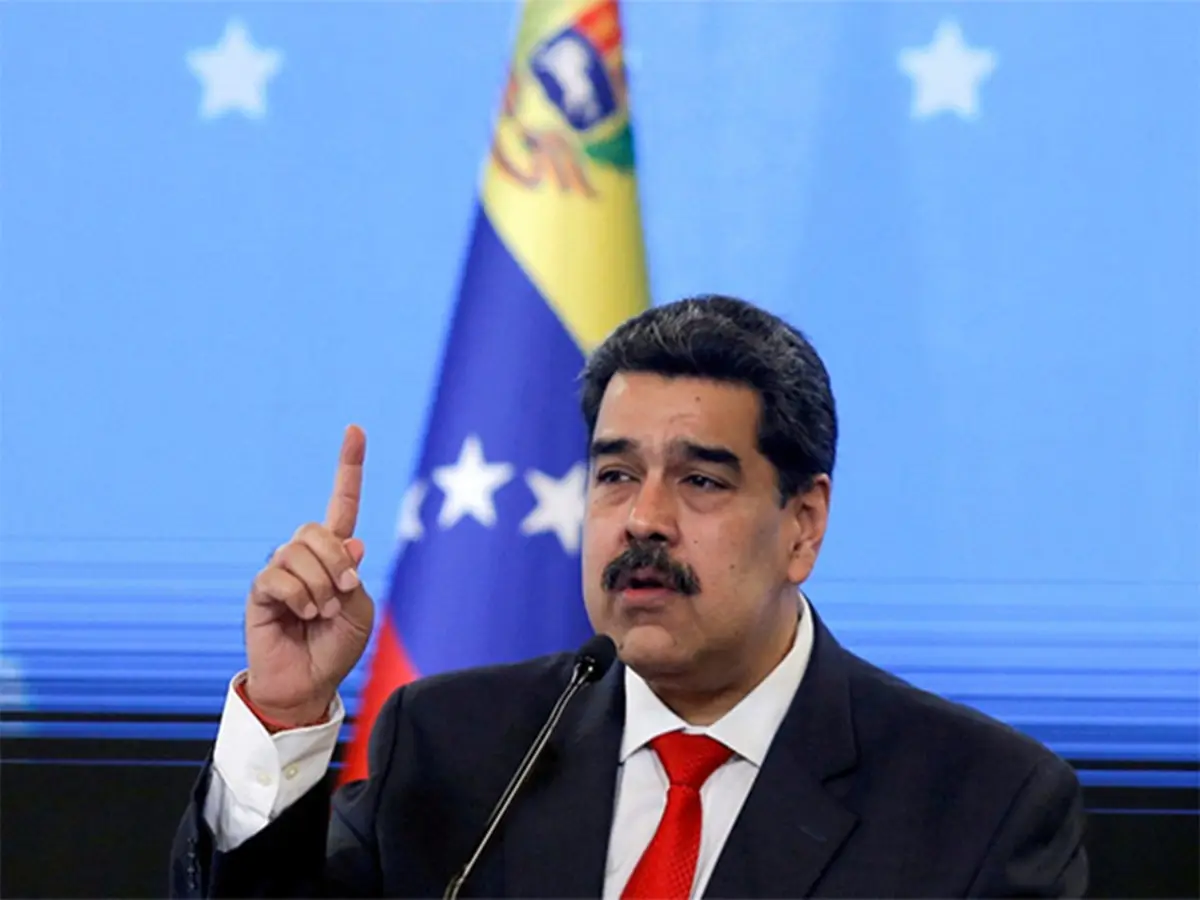
High school activism
He started his political life as the president of the student union at Jose Avalos high school. Official records indicate he never graduated from high school, focusing instead on grassroots organising.
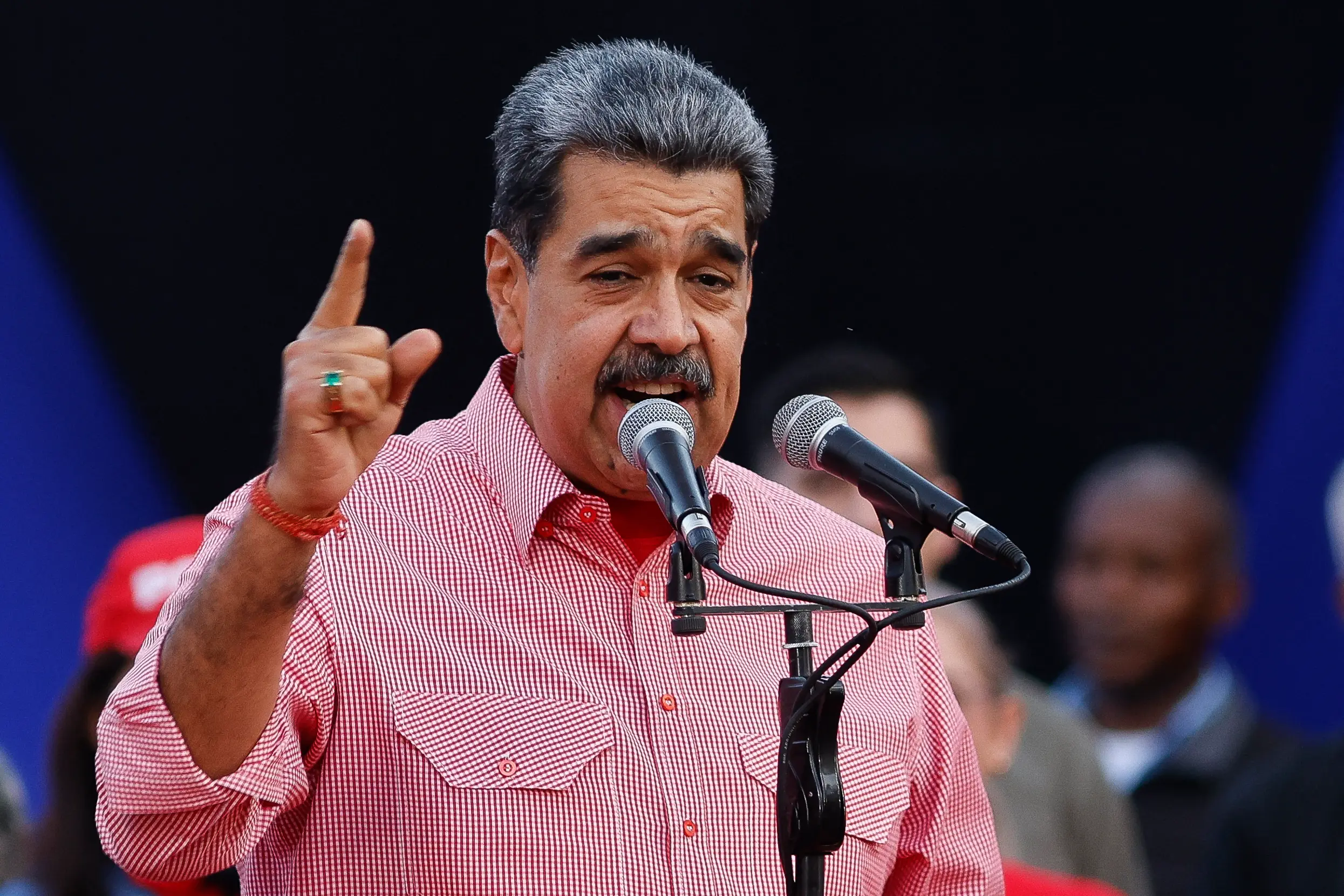
Joining the revolution
In the early 1990s, Maduro campaigned for the release of Hugo Chavez from prison after a failed 1992 coup attempt. He emerged as a deeply committed supporter of Chavez’s leftist political project during this era.
Entering the legislature
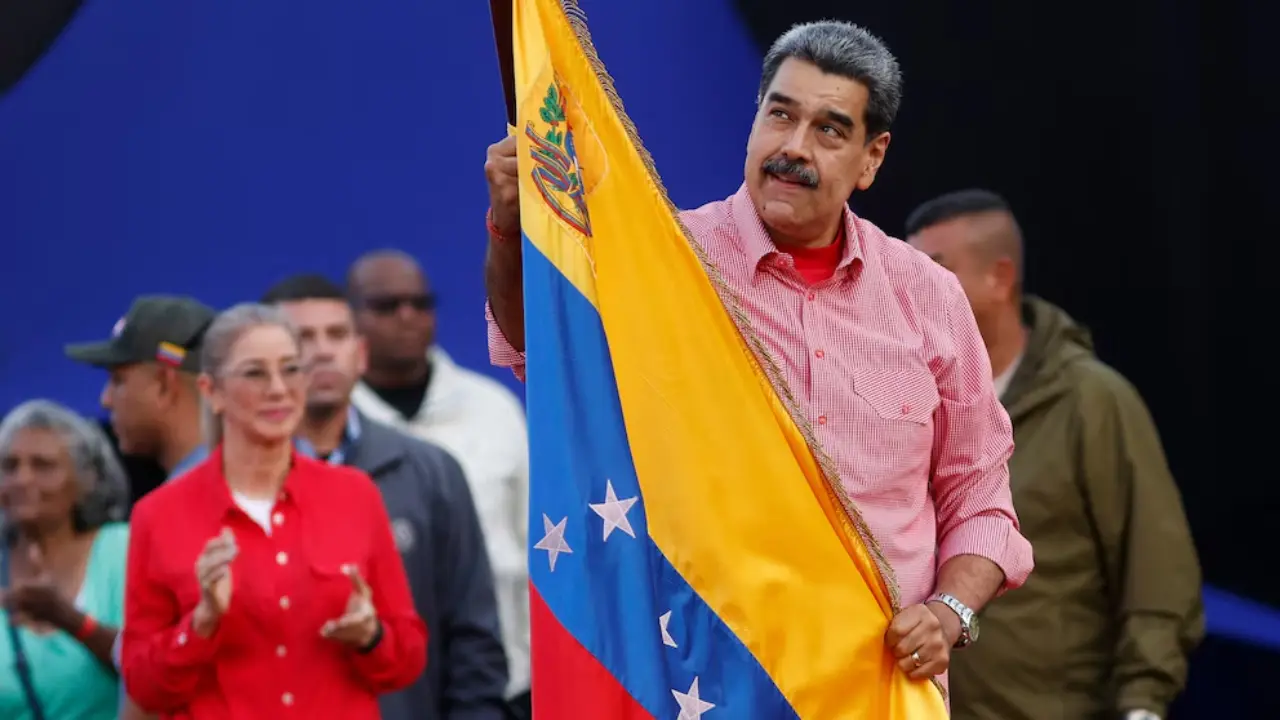
After Chavez won the presidency in 1998, Maduro secured a seat in the National Assembly in 2000. He rose quickly through the ranks, eventually serving as the president of the National Assembly in 2005.
Chief diplomat role
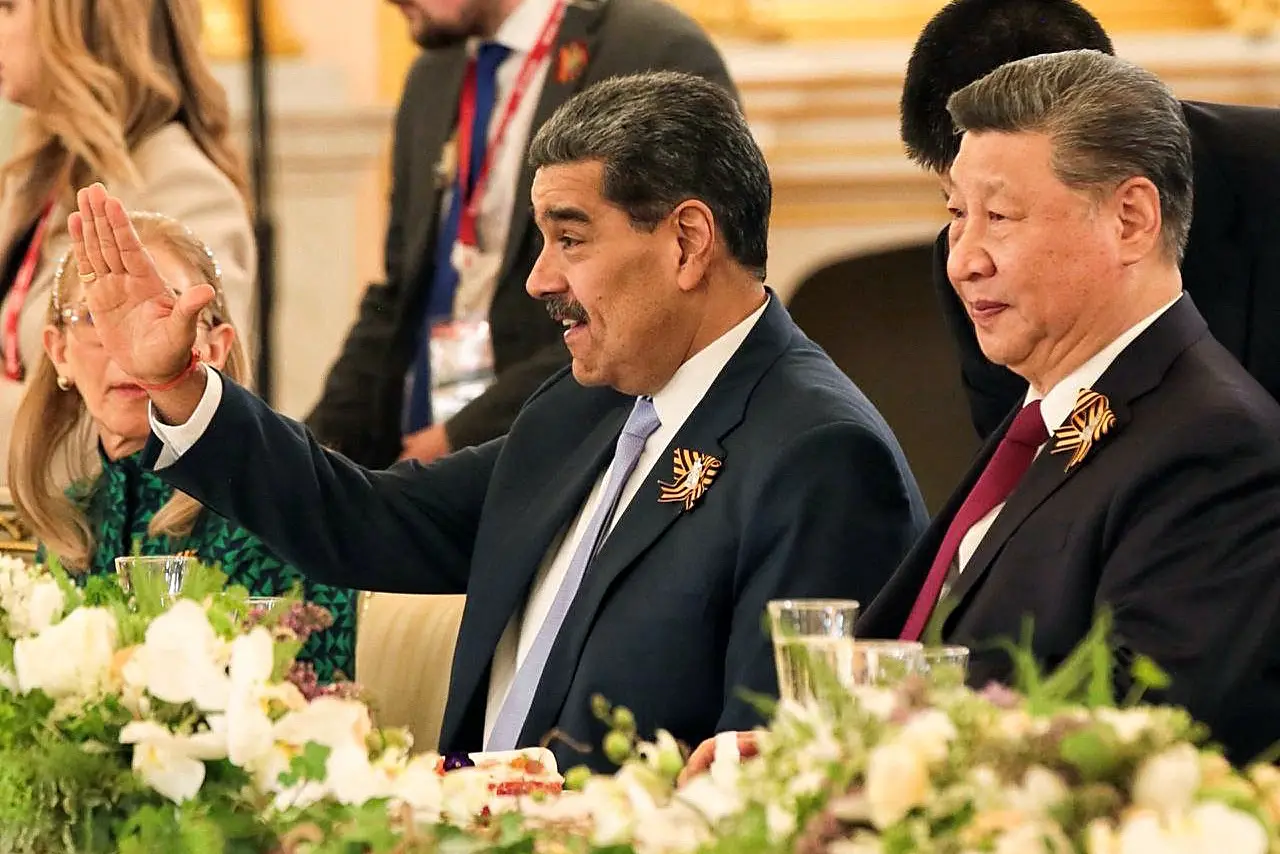
Chavez appointed Maduro as Venezuela's Minister of Foreign Affairs in 2006, a post he held for six years. He travelled extensively to build international alliances and promoted a socialist agenda abroad.
Appointed as Vice President
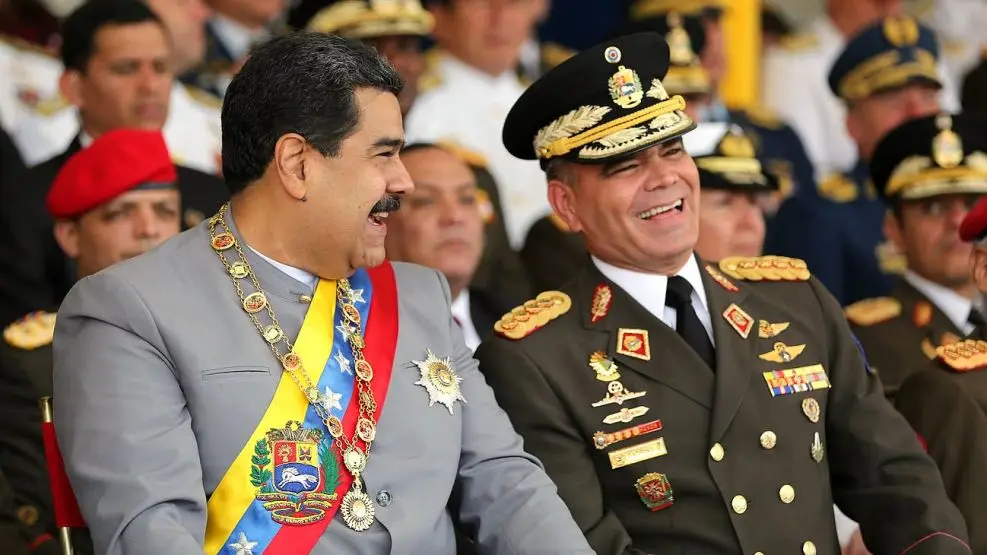
In October 2012, Maduro was appointed as the Vice President of Venezuela. This move positioned him as the clear second-in-command during Chavez's final health struggles.
The chosen successor
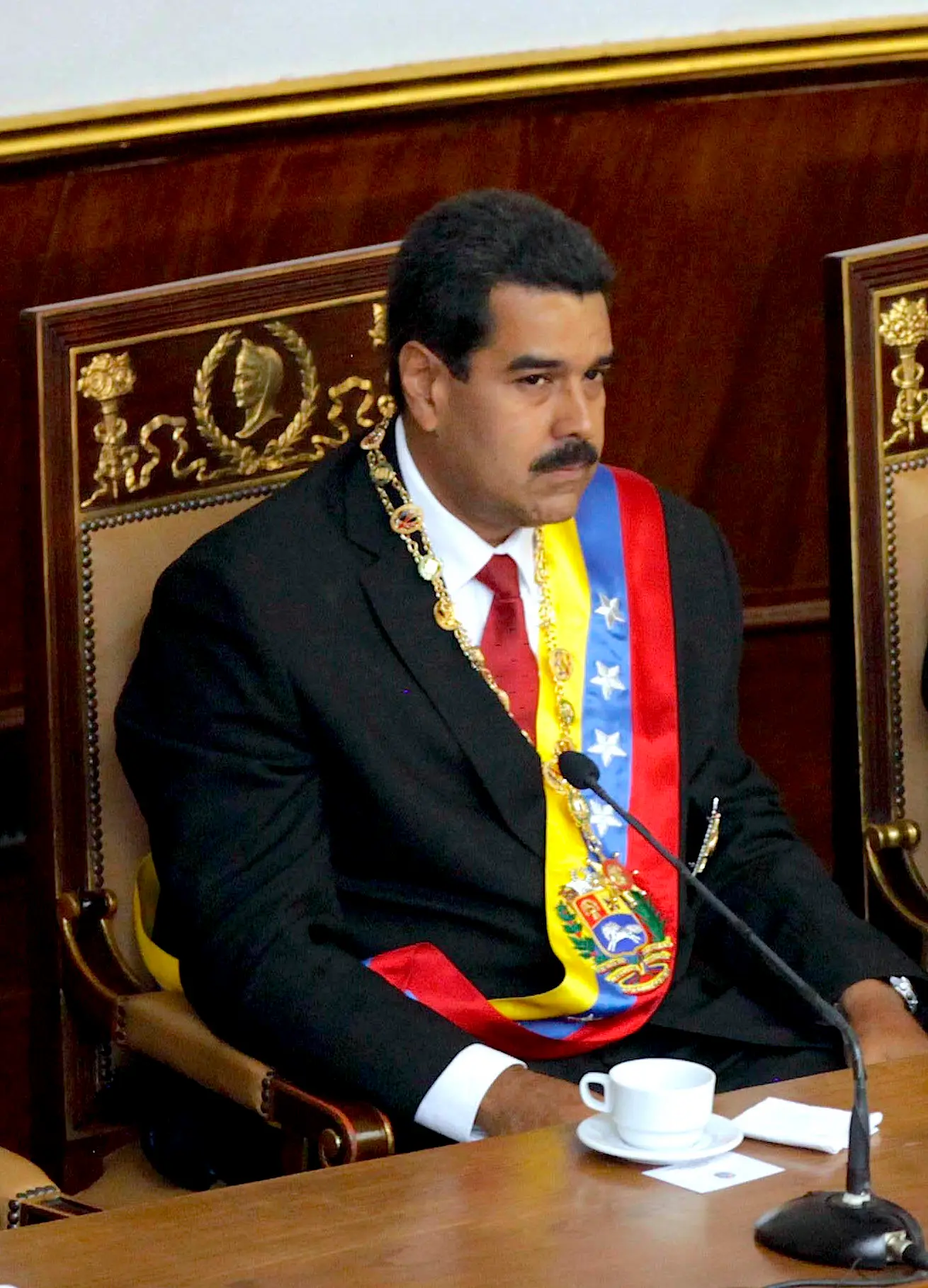
Shortly before his death in 2013, Hugo Chavez publicly named Maduro as his preferred successor. Chavez urged supporters to elect Maduro if anything happened to him, ensuring a smooth transition of power
Narrow election victory
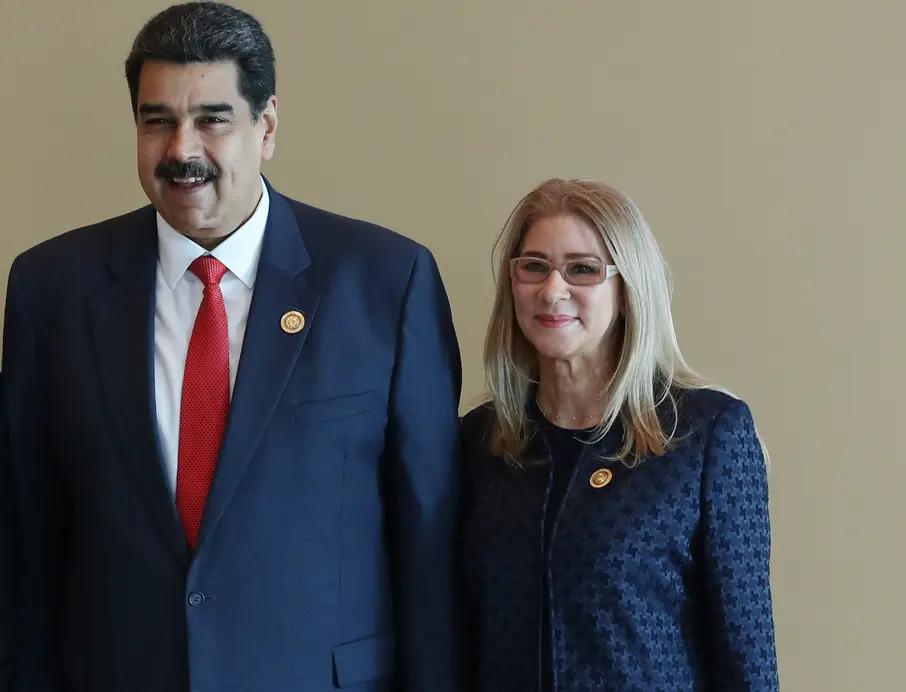
Maduro won the April 2013 special presidential election following the death of his mentor. He defeated opposition candidate Henrique Capriles by a narrow margin of just 1.5 per cent of the vote.
Assumption of power
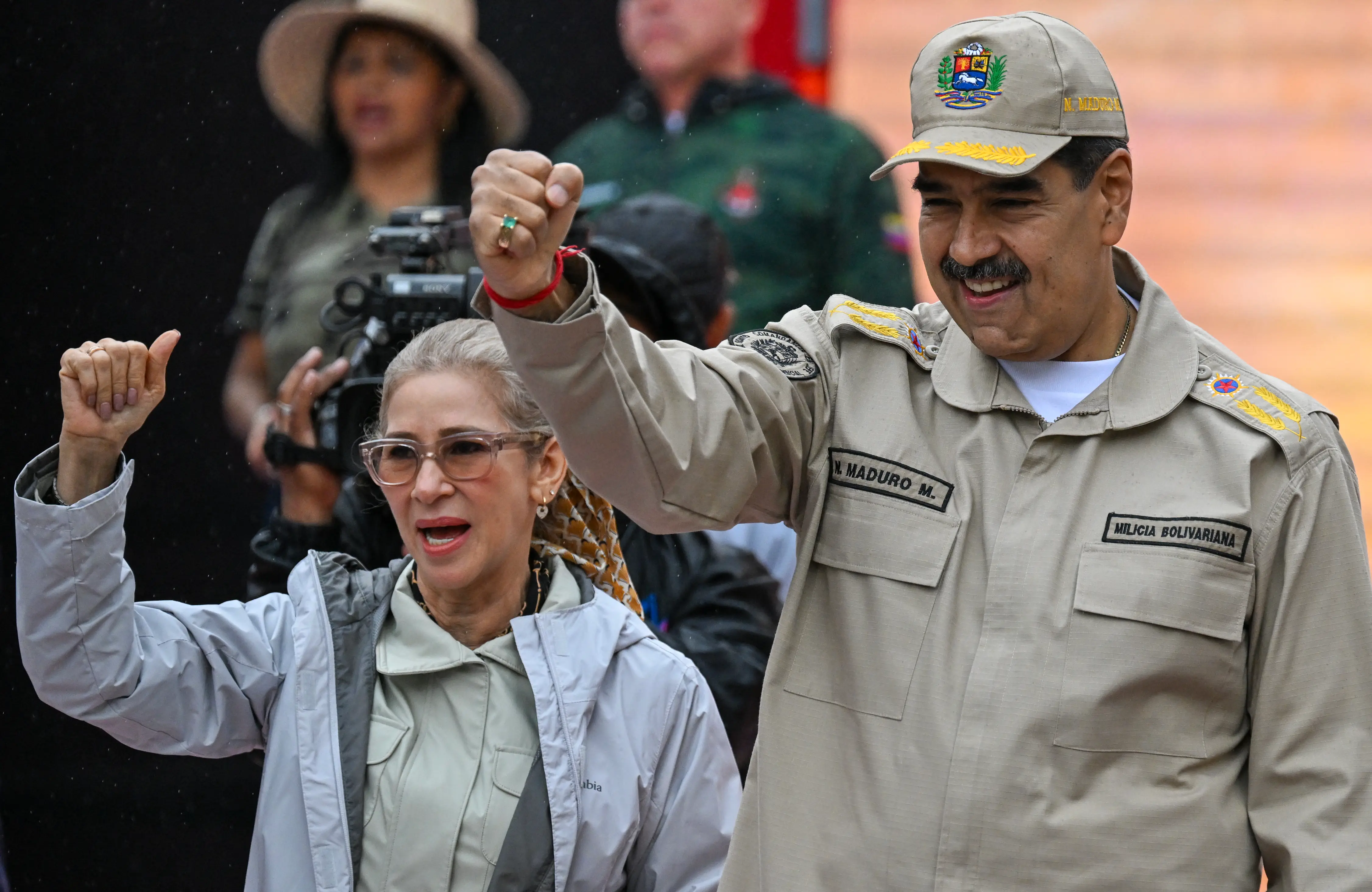
Nicolas Maduro was officially inaugurated as the President of Venezuela on 19 April 2013. He vowed to continue the "Bolivarian Revolution" and remain a man of the people.
)
)
)
)
)