From bullet train boost to Chandrayaan-5 collaboration: Five key takeaways from PM Modi’s Japan visit

PM Modi’s Japan visit saw key deals on Chandrayaan-5, $68Billion investment, defence, green technology and digital ties, marking a golden chapter in India-Japan’s strategic partnership.
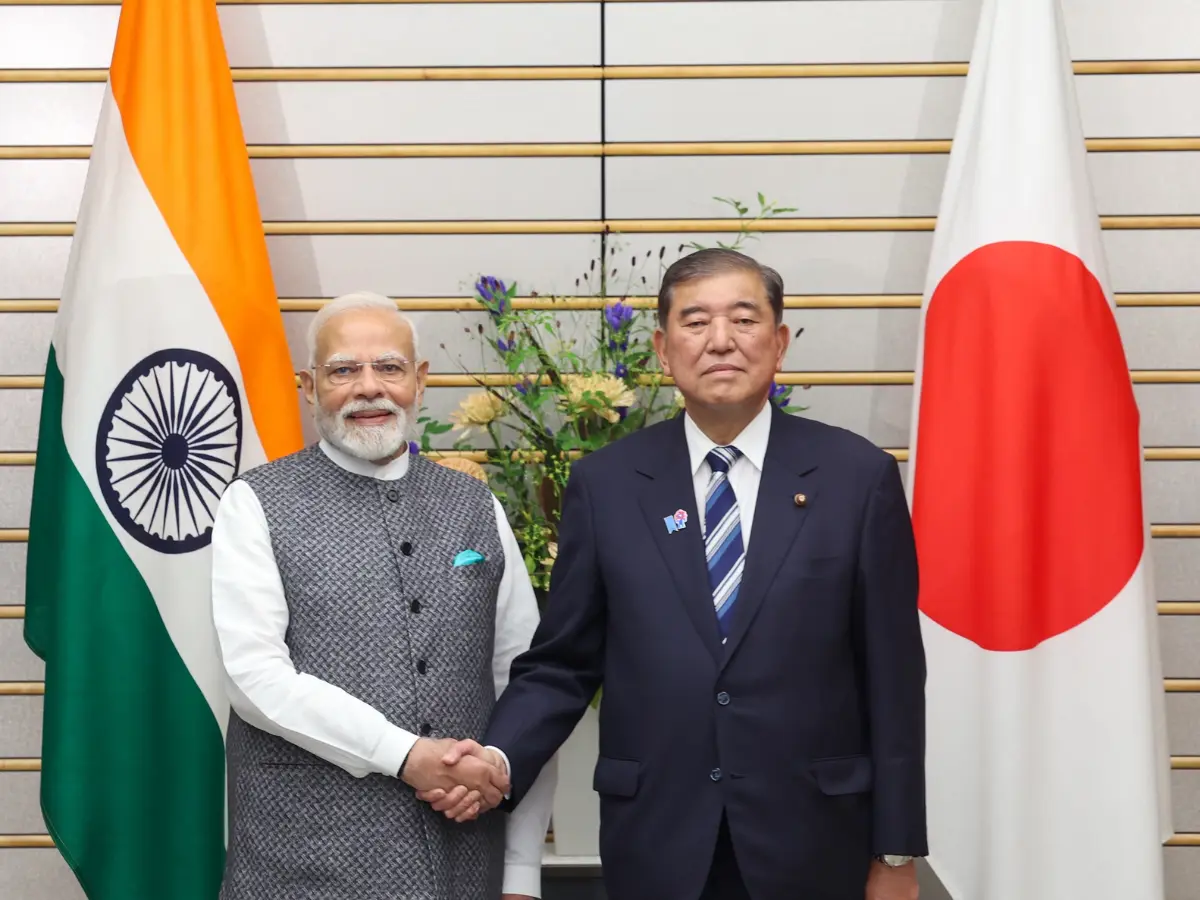
Japan visit
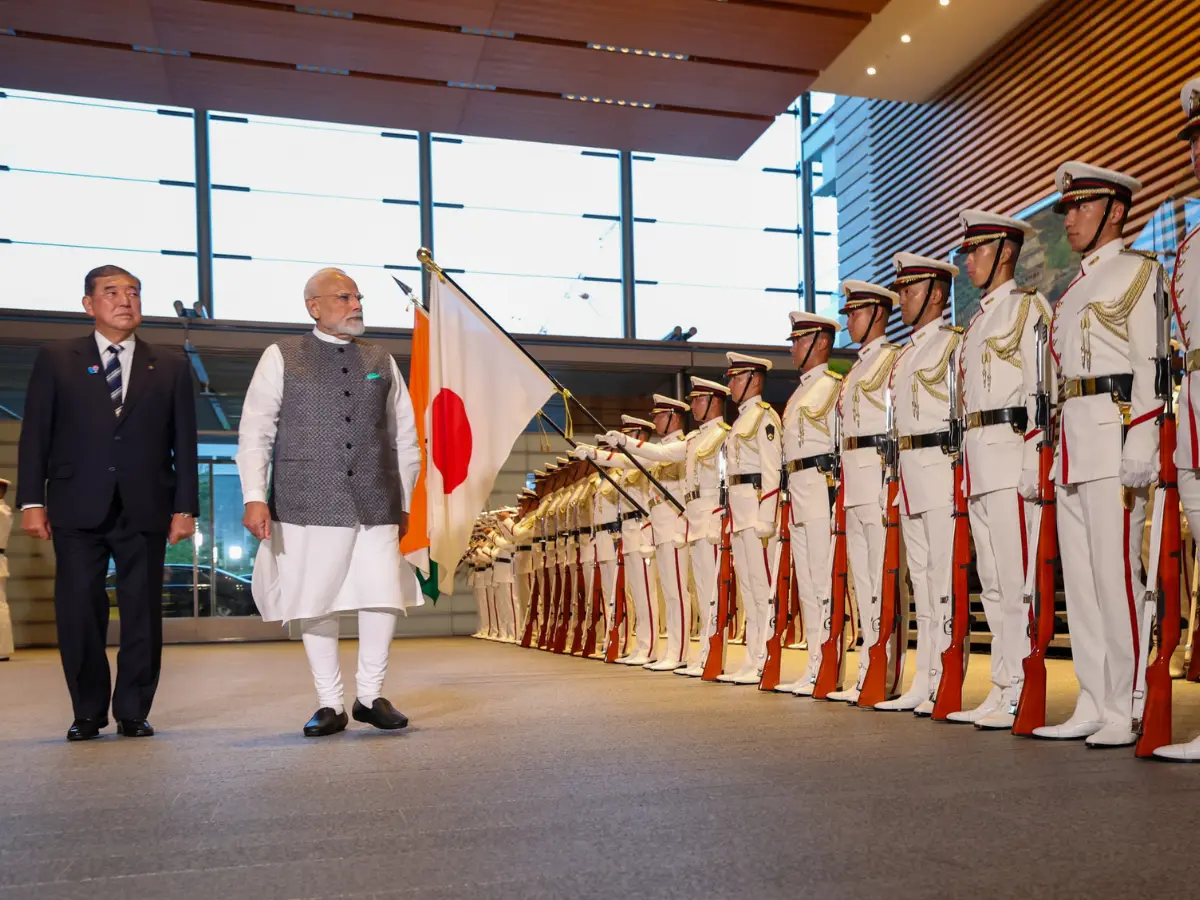
Prime Minister Narendra Modi concluded a two-day visit to Japan on Aug 29 and 30, ahead of the SCO Summit in China and met Japanese Prime Minister Shigeru Ishiba. Both leaders reviewed ties, announced new projects, and stressed their 'special strategic and global partnership', which covers trade, security, infrastructure, and people-to-people exchanges between the two nations.
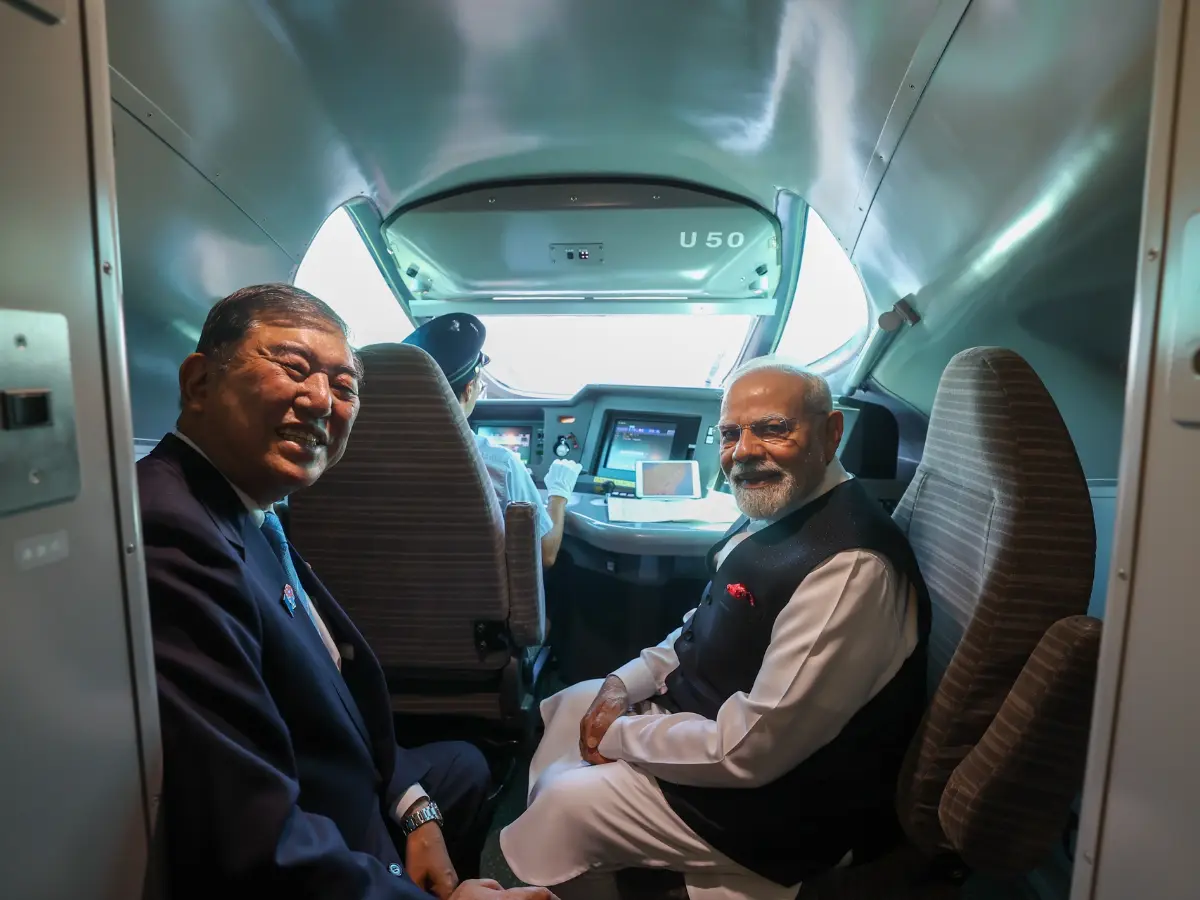
Bullet Train Boost
PM Modi travelled with Japanese counterpart Ishiba in Japan's famed bullet train. India’s first bullet train, that will run between Mumbai and Ahmedabad, is being built with Japan’s help. Indian train drivers are being trained in Japan. PM Modi met the drivers during his visit.
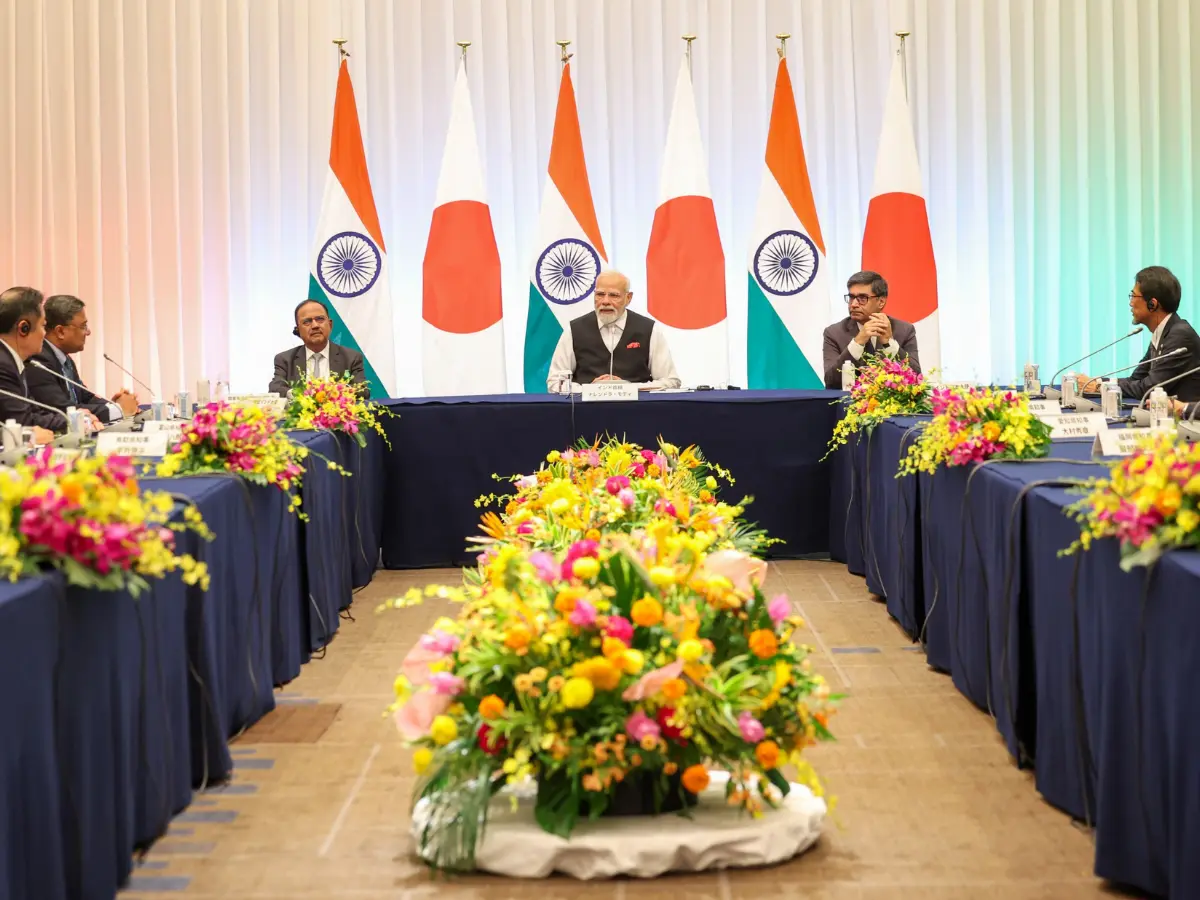
Chandrayaan-5 Collaboration
India and Japan are set to work together on Chandrayaan-5. This space mission will see ISRO and JAXA sharing technology and research. The tie-up not only deepens scientific cooperation but also places India and Japan at the front of future space exploration, including lunar projects and satellite technology sharing.
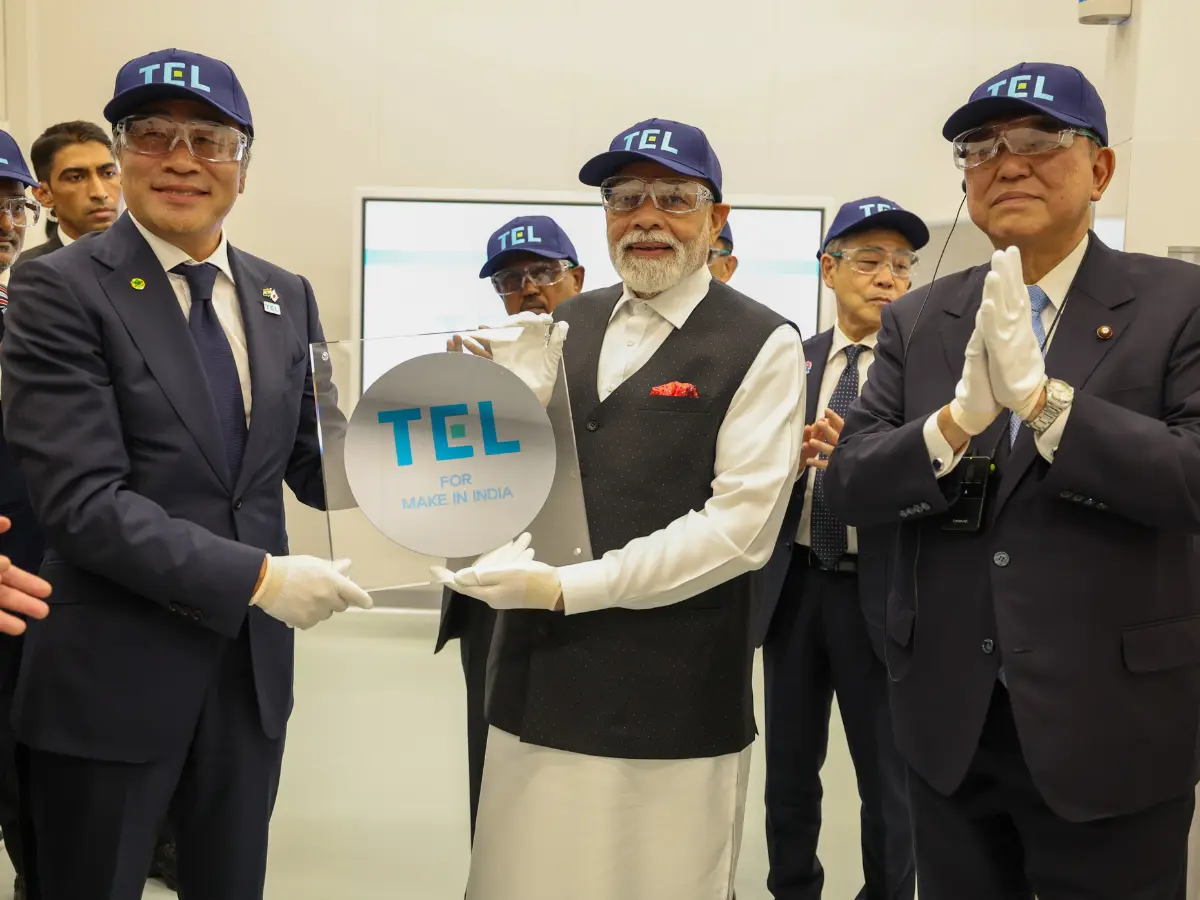
$68 Billion Investment in Semiconductors, Digital Technology and More
Japan has promised massive investment in India: about $68 billion over the next ten years. This money will flow into key areas like semiconductors, rare earth minerals, digital technology, and clean energy. It’s a big boost for India’s economy and could create thousands of new jobs.
Tech and Green Push
Both countries announced fresh plans in areas like artificial intelligence, mobility, and sustainable fuels. The idea is to set up innovation hubs, support startups, and promote eco-friendly technologies. From cleaner cars to renewable energy, India and Japan want to shape a smarter, greener future together.
Shared Vision for Peace
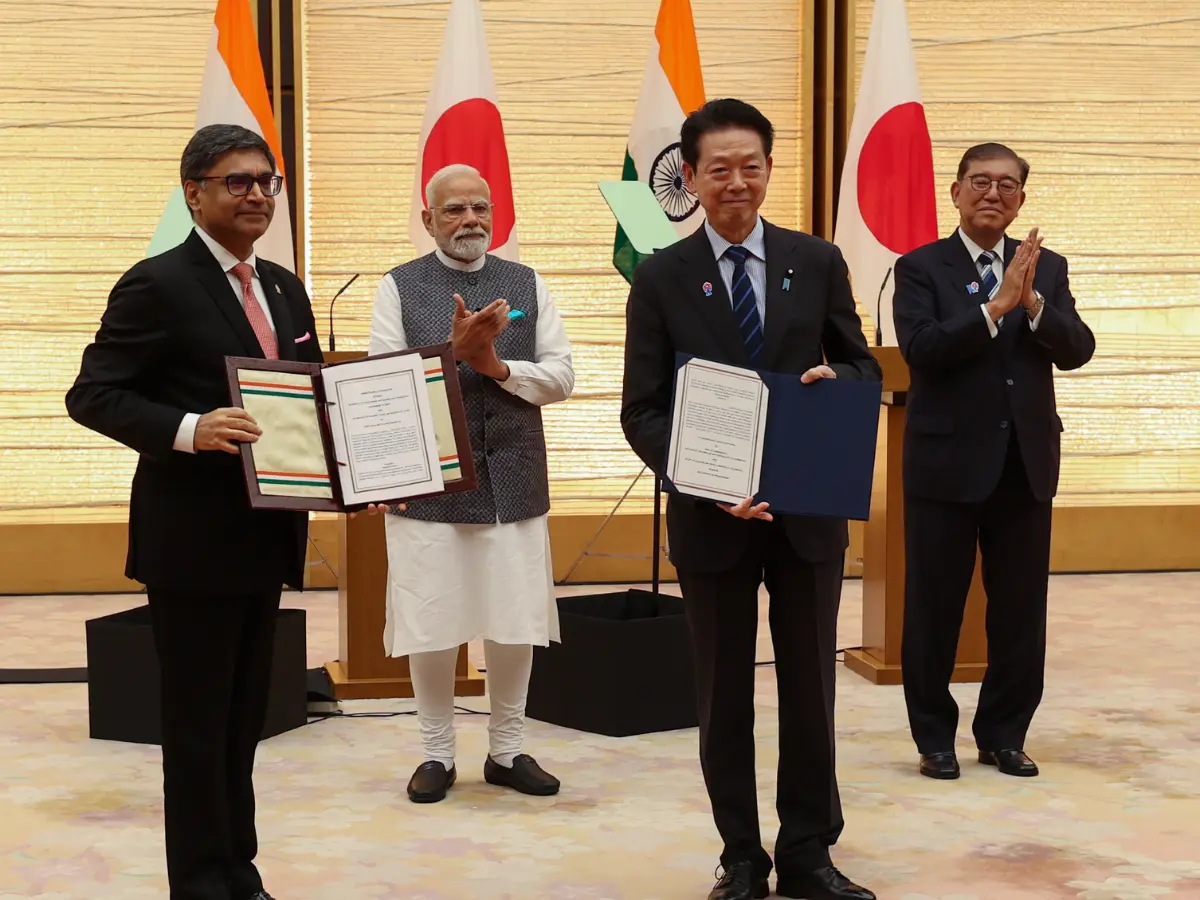
The visit concluded with new agreements in security, economy, and culture. Modi called this a ‘golden chapter’ in India–Japan relations. Both nations view their partnership as vital for peace, stability, and prosperity in the Indo-Pacific, where global rivalry and cooperation are growing.
)
)
)
)
)