From BrahMos to Patriot: 7 most advanced missile guidance systems in the world

Seven advanced missile guidance systems including BrahMos, Patriot PAC-3, Tomahawk, Storm Shadow, Taurus, LRASM, and hypersonic missiles use multiple navigation technologies for precision strikes. They combine GPS, inertial guidance, radar, thermal imaging, and artificial intelligence.
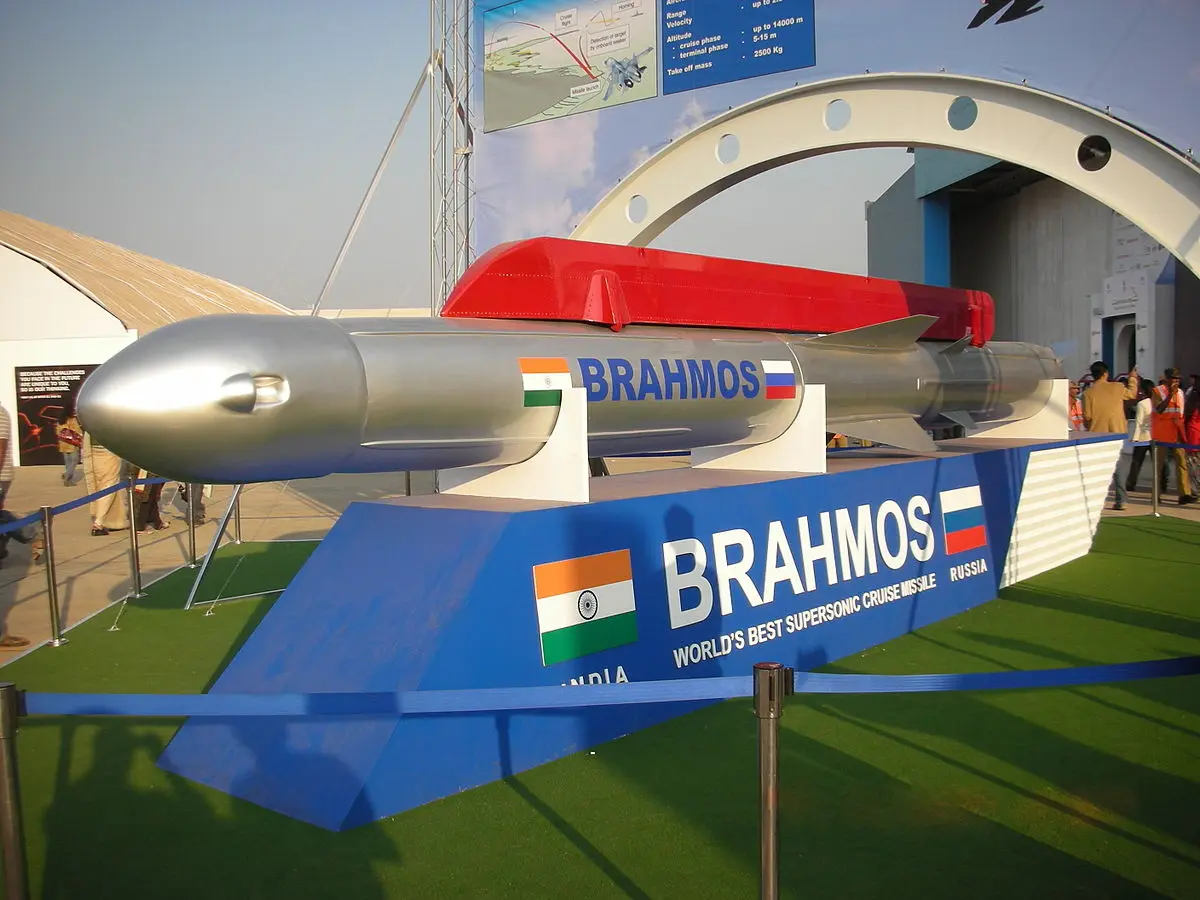
1. BrahMos Supersonic Cruise Missile
BrahMos achieves Mach 3 speeds using inertial navigation combined with terrain contour matching and terminal-phase active radar homing. Its Ring Laser Gyroscope-based system provides redundant navigation, delivering metre-level accuracy even at supersonic velocities. Recent updates introduce fibre-optic gyroscopes, giving the system greater immunity to electronic warfare.
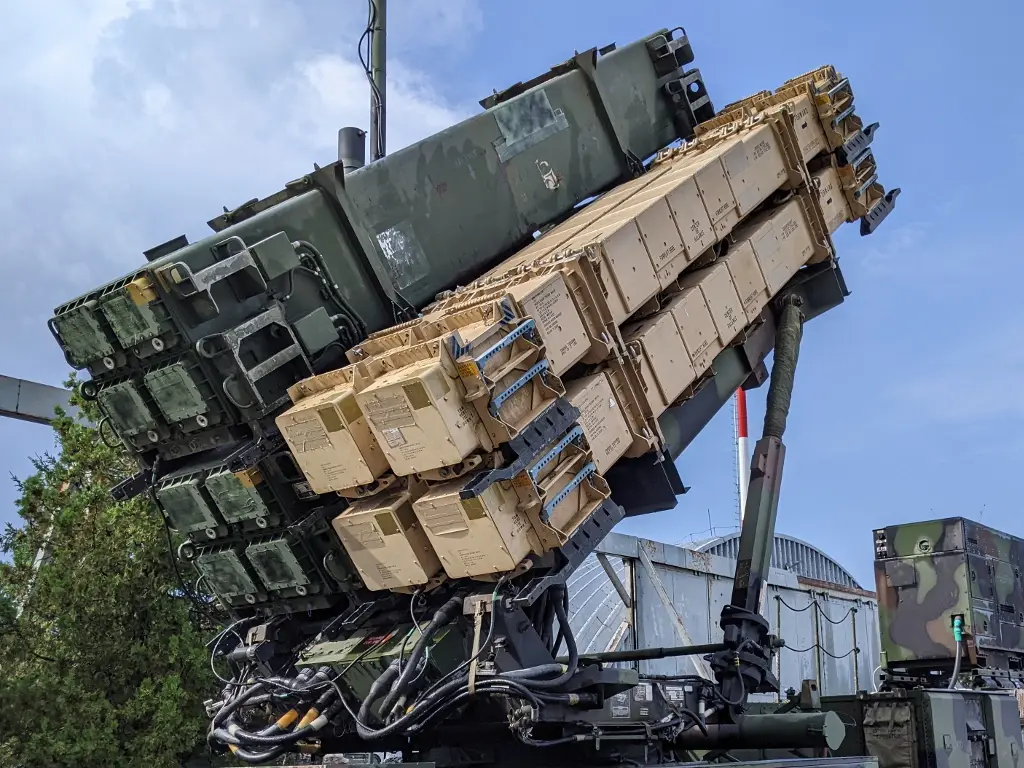
2. Patriot PAC-3 Air Defence System
Patriot PAC-3 uses a phased array radar set to track targets and guide interceptors to altitudes above 40 kilometres. The system employs active Ka-band radar seeker for terminal guidance with 180 attitude control motors enabling extreme manoeuvrability. It is designed specifically to intercept tactical ballistic missiles and advanced aircraft threats.
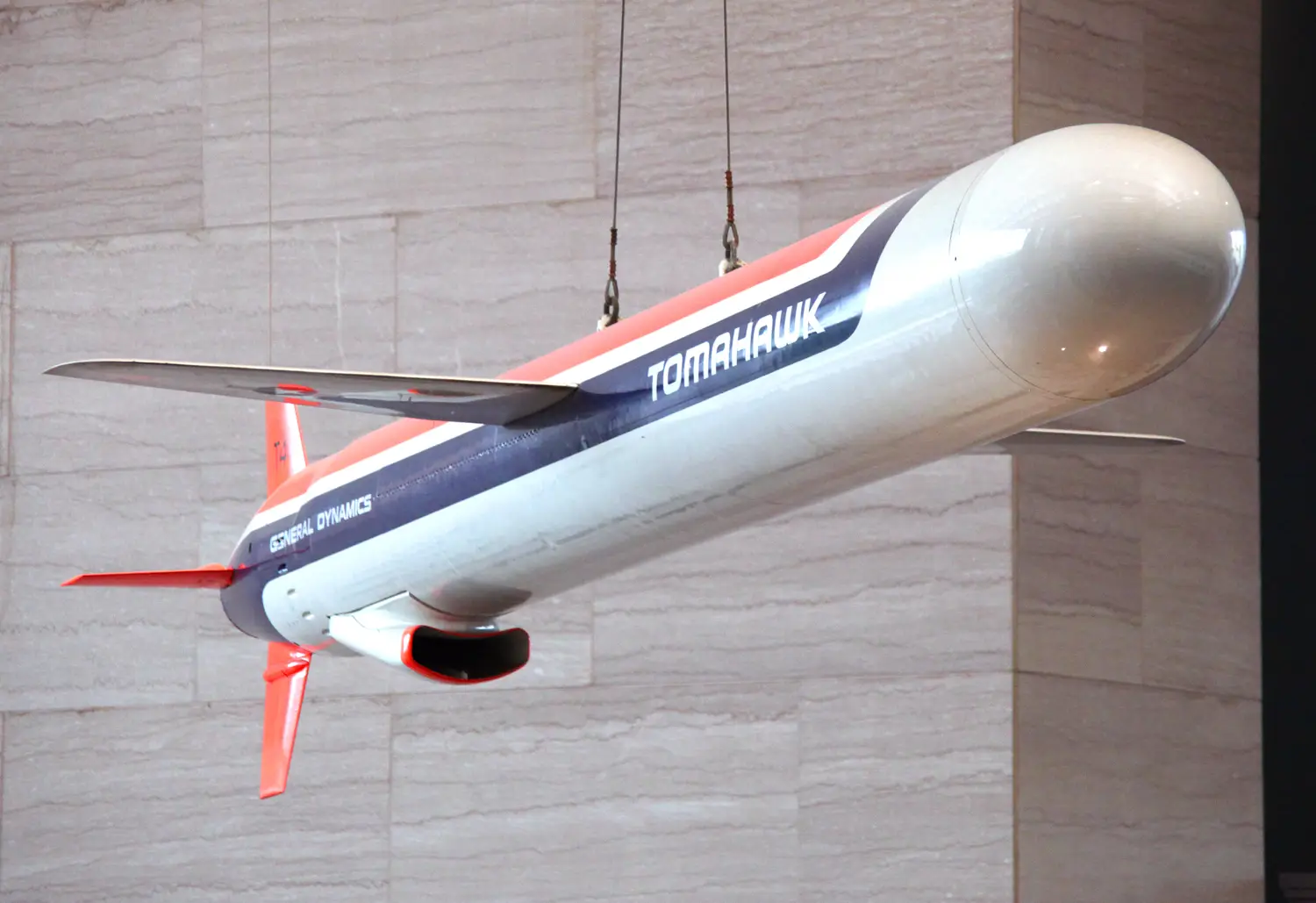
3. Tomahawk Long-Range Cruise Missile
Tomahawk combines inertial navigation with GPS and terrain contour matching, allowing it to navigate pre-programmed routes at low altitude. Digital scene matching area correlator technology lets the missile compare actual terrain with stored maps, correcting its course mid-flight. This multi-layer approach enables strikes within metres of targets across 1,000-plus kilometres.

4. Storm Shadow Precision Strike Missile
Storm Shadow integrates triple-layer guidance: GPS and inertial navigation for initial flight, terrain-matching for mid-course correction, and high-resolution infrared imaging in the terminal phase. The thermal seeker matches pre-loaded target images with actual target areas, maintaining metre-level accuracy even when GPS signals are denied or jammed.
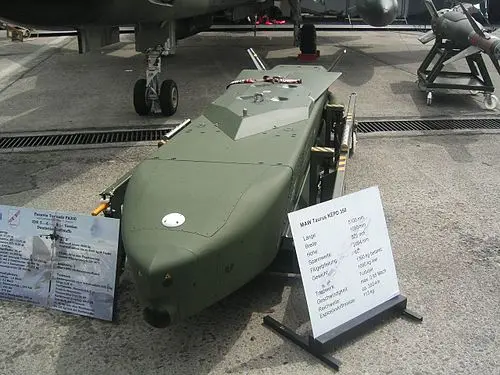
5. Taurus KEPD 350 Stand-Off Weapon System
Taurus KEPD 350 operates as a GPS-independent system using inertial navigation continuously corrected by terrain reference navigation and image-based navigation. Its thermal imaging head scans targets using digital scene matching technology with automatic target recognition. The missile can navigate 500-plus kilometres without any satellite signals.
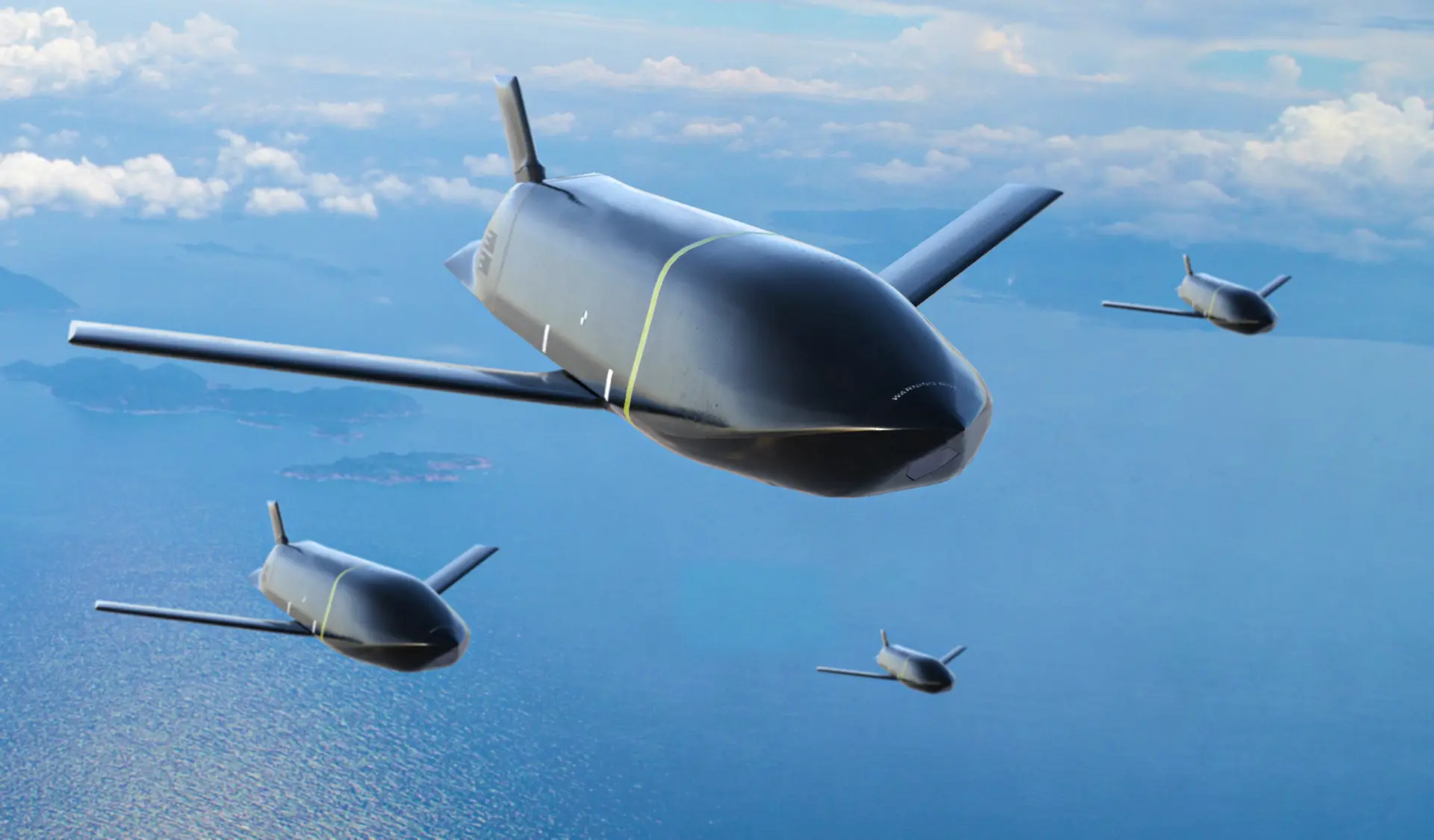
6. LRASM Long-Range Anti-Ship Missile
LRASM uses artificial intelligence algorithms to autonomously identify ship targets in crowded maritime areas. The system combines jam-resistant GPS/inertial navigation with imaging infrared seeking and passive radar detection, allowing it to hunt moving vessels without active emissions. AI software enables multiple missiles to coordinate attacks whilst avoiding neutral shipping.
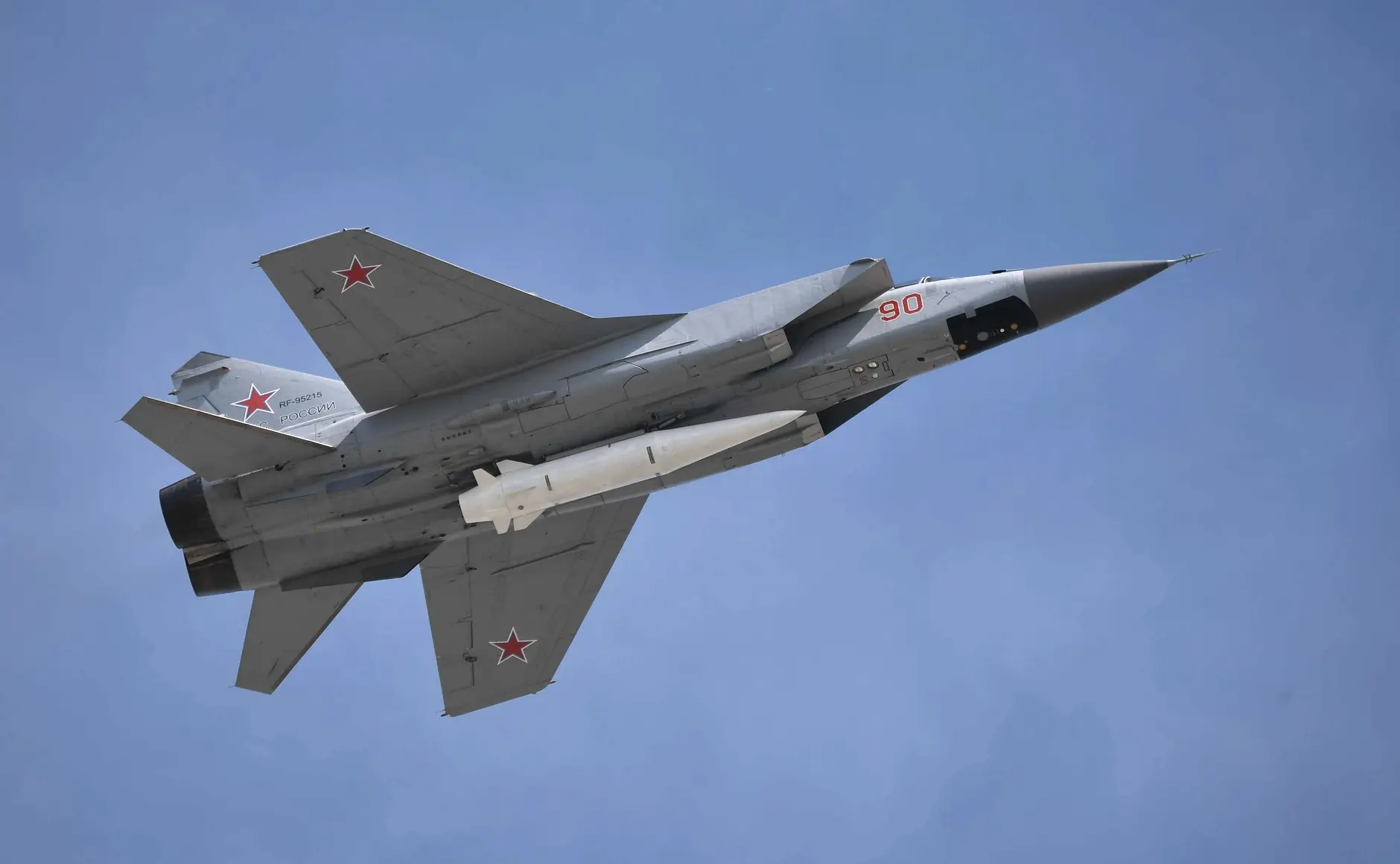
7. Hypersonic Guidance Systems
Kinzhal hypersonic missile travels at Mach 10, overwhelming traditional air defences through sheer speed and manoeuvrability. Avangard hypersonic glide vehicle travels at Mach 20, using inertial guidance for long-range ballistic trajectories. Both systems employ advanced inertial navigation and attitude control to maintain stable flight during extreme thermal and pressure conditions.
)
)
)
)
)