From Bengal Files to Padmaavat, how these 14 films polarised politics and public opinion, caused uproar: India's era of divisive cinema in pics

While occasional controversies are not new in Indian cinema, the last 15 years saw several films criticised over political polarisation. Here is a list of such films, in the context of the row over new film The Bengal Files

A rise in politically aligned movies
India has seen a notable rise in politically aligned films in the past 15 years, many of which have been accused of alleged propaganda, historical revisionism, misrepresentations or inaccuracies. While several of these films, including The Kashmir Files, The Kerala Story, and Tanhaji, received state support via tax exemptions and public endorsements from political leaders, some faced bans in opposition-ruled states like Kerala and West Bengal. Battles were fought on streets as well as social media for or against some of these movies, which were either celebrated as patriotic or nationalist, or condemned for promoting hate and division. This era of divisive creative expression in Indian filmmaking reflects broader political dynamics, where cinema is increasingly used as a tool of ideological influence and partisan propaganda. Here is a list of the controversial films:
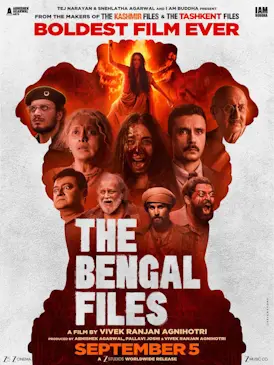
The Bengal Files (2025)
The Bengal Files depicts the 1946 Calcutta and Noakhali riots, portraying them as acts of genocide against Hindus. The trailer launch was disrupted by Kolkata Police in West Bengal, allegedly due to political pressure, prompting director Vivek Agnihotri to accuse the eastern state's government of authoritarianism. Critics and some social media users labelled the film as communal propaganda, and a police complaint was filed for alleged distortion of a historical figure’s identity.
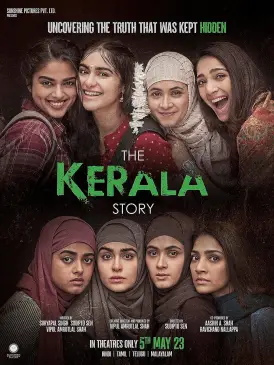
The Kerala Story (2023)
The Kerala Story (2023) shows the alleged religious conversion of Hindu women in Kerala to Islam and their recruitment by the terror group ISIS. The film's central claim—that 32,000 women were radicalised in the southern state—was widely debunked, leading the makers to issue a revised trailer. The film was banned in West Bengal and pulled from theatres in Tamil Nadu following protests. The film received vocal support from leaders of India's ruling BJP, including Prime Minister Narendra Modi, and was declared tax-free in several BJP-ruled states, drawing accusations of state-backed propaganda. The film went on to win national awards.

Bastar: The Naxal Story (2024)
Bastar: The Naxal Story (2024) depicts alleged links between Naxalites and left-leaning student groups at a fictional university resembling Jawaharlal Nehru University in Indian capital New Delhi. Critics accused the film of demonising activists and portraying civil society groups as ‘anti-national’. The film was banned in Kerala and West Bengal, and sparked protests at JNU. Its makers defended the film as patriotic
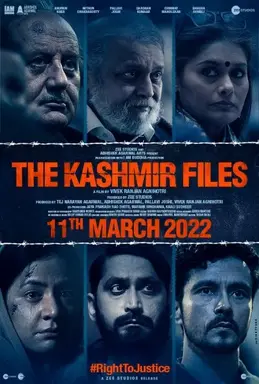
The Kashmir Files (2022)
It could be said that The Kashmir Files (2022) started the trend of divisive films, portraying the 1990 exodus of Hindu Kashmiri Pandits as a genocide. While it was praised by some BJP leaders and made tax-free in several states, the film was criticised internationally. A film jury head even called it ‘vulgar propaganda’, with the film accused of alleged Islamophobic narratives and emotional trauma through its graphic depictions of violence.

Article 370 (2024)
The central narrative of Article 370 (2024) appeared to support the BJP-led central government’s move to revoke Jammu and Kashmir’s special status. Released just before the 2024 general elections, the political thriller was criticised for alleged glorification of the government’s position while labelling opponents of the abrogation of Article 370 of the Indian Constitution as anti-national. Despite the criticism, the film faced fewer bans and was praised by pro-government circles.
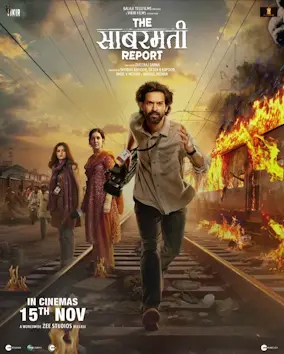
The Sabarmati Report (2024)
The Sabarmati Report (2024) was a retelling of the 2002 Godhra train burning incident and its aftermath, which led to the riots in the western state of Gujarat. The film, released around the 2024 Gujarat elections, was accused of amplifying Hindu victimhood while vilifying Muslims. Its timing and narrative prompted allegations of communal polarisation and political motives.
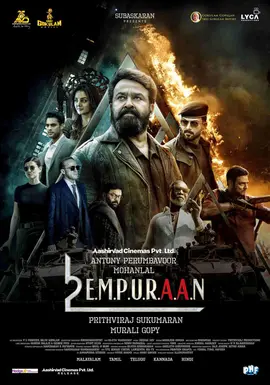
L2: Empuraan (2025)
L2: Empuraan (2025), the second chapter in the Lucifer trilogy of Malayalam films —directed by Prithviraj Sukumaran and starring Mohanlal as Khureshi Ab’raam—takes place in the backdrop of Kerala’s turbulent power dynamics intertwined with fictionalised narratives of international organised crimeme. The film, which had a pan-Indian release , polarised audiences and critics alike on the day of its release itself. While some applauded its bold socio-political commentary, others criticised its plot, screenplay, and ideological overtones while depicting communal riots. The uproar prompted the makers to voluntarily edit out at least two minutes of the film, something unheard of in Indian cinema.

Madras Cafe (2013)
The story of Madras Cafe (2013) takes place in the backdrop of India’s involvement in the Sri Lankan civil war. The political thriller faced protests from Tamil groups for depicting members of the now-defunct Tamil militant group LTTE as terrorists. In spite of stirring regional sensitivities, the film was praised for its balanced tone and is seen as less polarising than more recent entries.
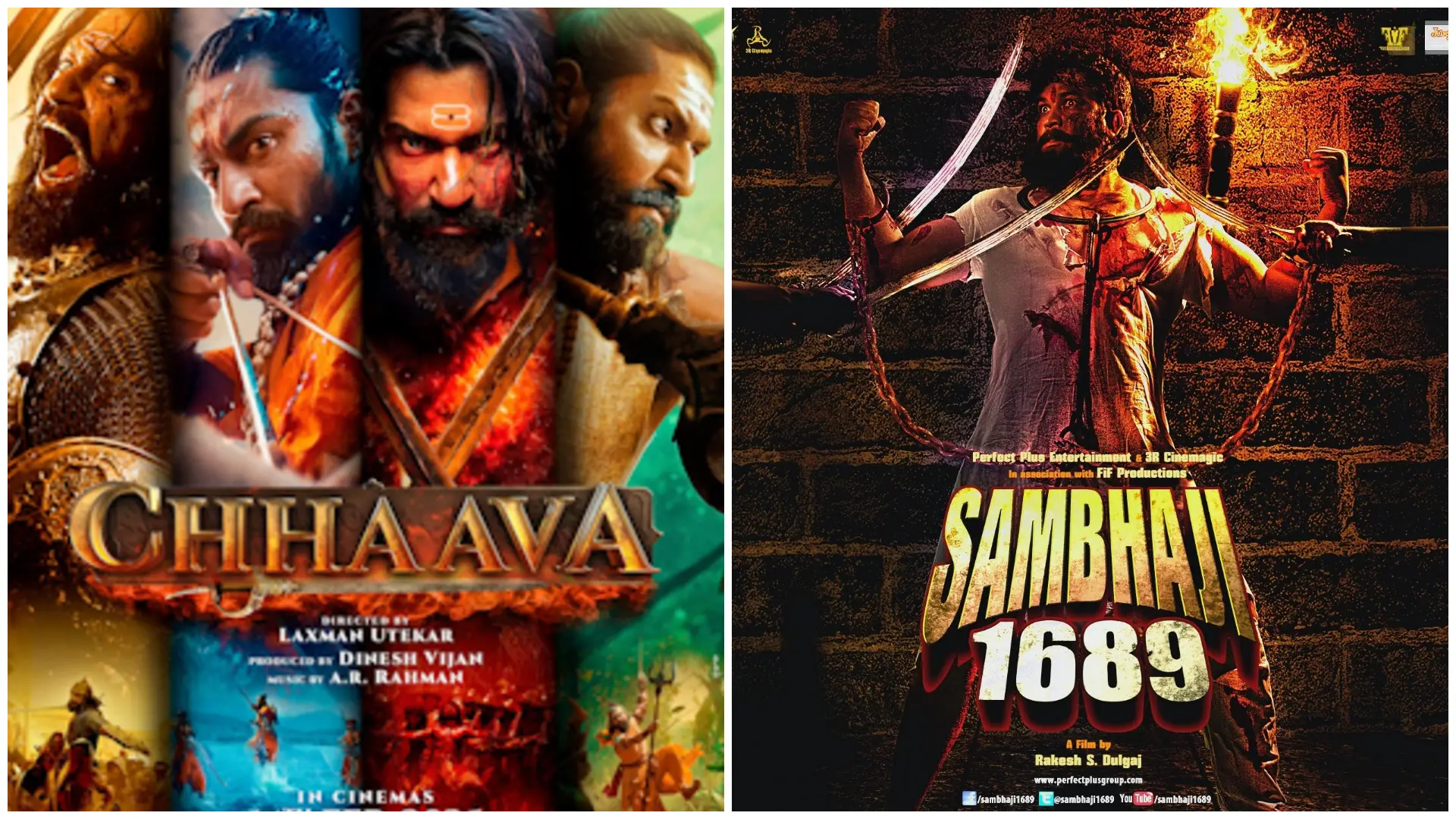
Sambhaji 1689 (2014) and Chhaava (2025)
Chhaava (2025) is the retelling of the life and death of Chhatrapati Sambhaji Maharaj, particularly his resistance against Mughal emperor Aurangzeb. The film sparked controversy over historical inaccuracies, with the makers having to remove a dance scene. The film also faced accusations of promoting Hindu-Muslim tensions, particularly after a group demanded the erasing of Aurangazeb's tomb, resulting in violence in the western city of Nagpur. BJP-ruled states gave tax exemptions to the film, even as it sparked debates on historical sensitivities.
Sambhaji 1689 (2014) is a Marathi-language film about the same topic, which received some criticism for historical inaccuracies. In both films, an attempt was made to portray Sambhaji’s legacy as central to modern Hindutva political narratives.
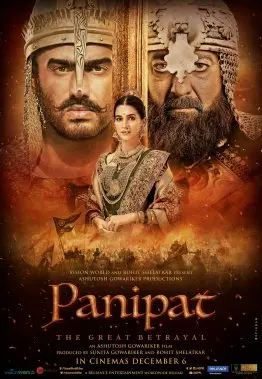
Panipat (2019)
Panipat (2019) depicted the Third Battle of Panipat between the Marathas and Afghan invader Ahmad Shah Abdali. Both the descendants of the Peshwa family and members of the Jat community protested perceived distortions of history and misrepresentations of their ancestors in the film. The stress on Maratha valour in the film was seen by some critics as Hindu nationalist messaging, though its box office failure reduced its impact.
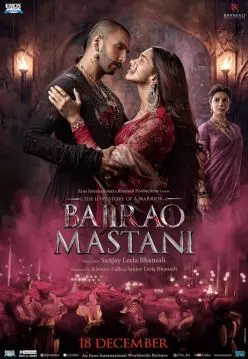
Bajirao Mastani (2015)
Bajirao Mastani (2015) tells the real-life love story of Peshwa Bajirao, who was Hindu, and his second wife, Mastani, who was Muslim. The film faced backlash from Bajirao’s descendants, who objected to its portrayal of royal women, particularly the dance sequence “Pinga.” Some critics found certain scenes vulgar or historically inaccurate. The film was panned for allegedly exaggerating Maratha-Muslim tensions and misrepresenting some Brahmin customs.
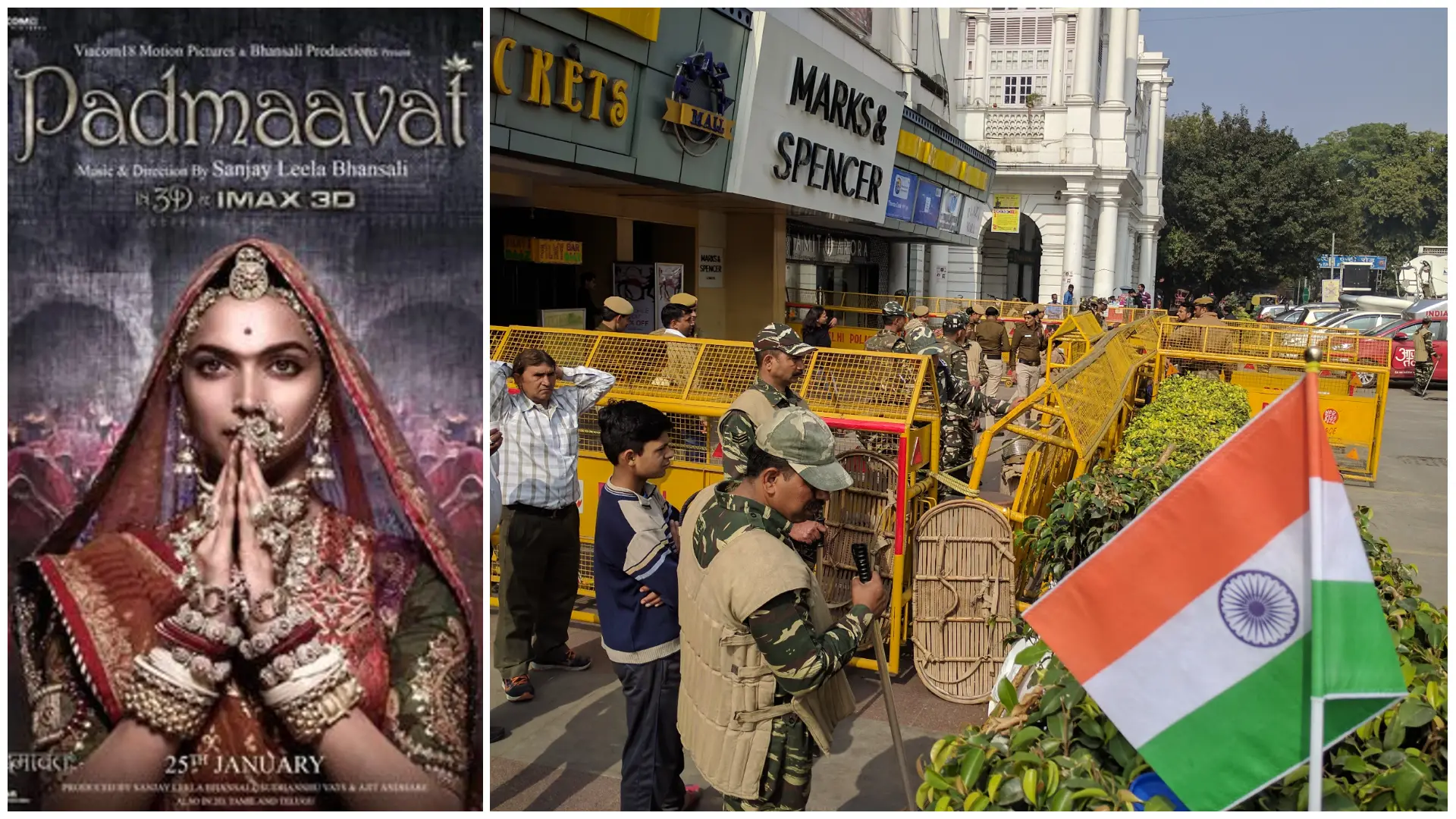
Padmaavat (2018)
Padmaavat (2018), whose name was changed from Padmavati due to criticism, is based on the story of Queen Padmavati and her resistance against Alauddin Khilji. In north India, violent protests erupted from Rajput groups who accused the film of distorting Rajput history and dishonouring their cultural icons. Despite the title change and edits, the film was accused of glorifying Rajput pride and demonising Muslims, particularly the portrayal of Khilji as a barbaric invader, to the extent that several theaters - like the one in Delhi seen in this picture- were given police protection.
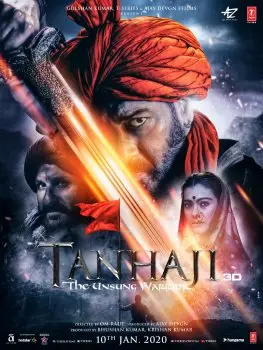
Tanhaji: The Unsung Warrior (2020)
Tanhaji: The Unsung Warrior (2020) tells the story of Maratha warrior Tanaji Malusare’s fight against the Mughals to reclaim Kondhana fort. Critics claimed that the film exaggerated historical events while allegedly depicting Muslims as cruel in line with Hindu nationalist themes. It received political endorsement and tax exemptions in several BJP-ruled states, leading to claims that it was propagandist.
)
)
)
)
)