From beetles to lead: The shocking history of lipsticks that could kill

Lip colour was already linked to status and seduction, laying the groundwork for more extreme, and hazardous, beauty trends in Europe’s royal courts.
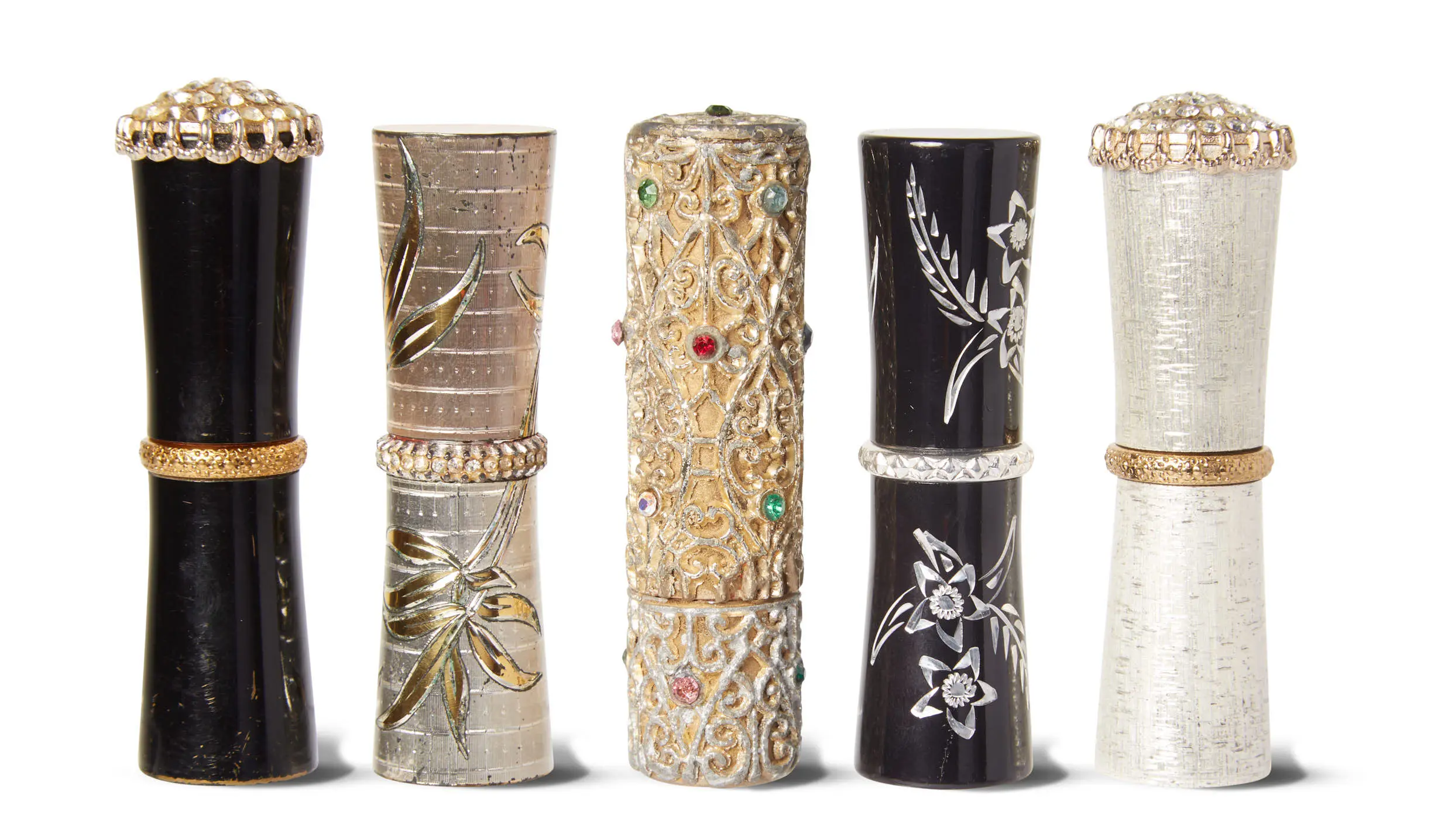
Poison on Your Lips
From royal courts to silent cinema, lipstick has shaped fashion and identity for centuries. Yet behind its glamour lies a darker truth: for much of its history, lipstick contained toxic substances that harmed the very women who wore it.
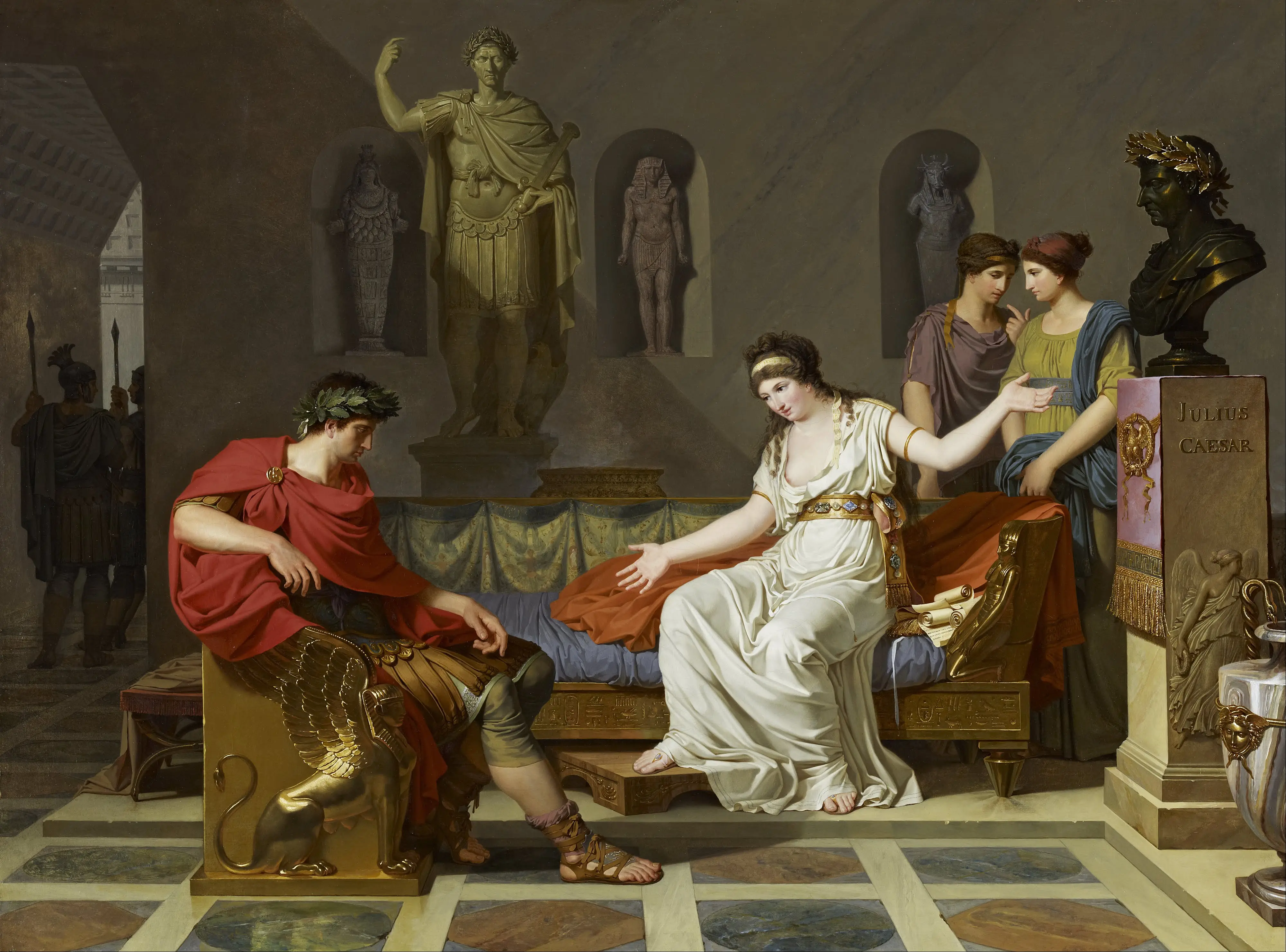
Crimson allure: beauty meets danger
In ancient Egypt, women tinted their lips with crushed carmine beetles, ochre and animal fat, while in Mesopotamia, ground gemstones gave lips a shimmering sheen. Though these early mixtures carried some health risks, they were mild compared to what came later. Lip colour was already linked to status and seduction, laying the groundwork for more extreme, and hazardous, beauty trends in Europe’s royal courts.
The leaden kiss of Elizabethan glamour
During the Renaissance, deadly elegance peaked under Queen Elizabeth I, whose iconic white face and deep crimson lips were crafted with ceruse, a paste of white lead mixed with vinegar. While this look set courtly standards, it slowly poisoned the wearer. Chronic use led to skin corrosion, hair loss and organ damage. Shockingly, the very formula meant to preserve youth ultimately brought pain, illness and sometimes an untimely death.
Mercury, arsenic and the cost of allure
Europe’s fascination with pale complexions extended to powders laced with mercury and arsenic. Used alongside vividly coloured lip paints, these substances caused tremors, organ damage and early death. In the 19th century, French cosmetic makers introduced carmine mixed with dangerous coal tar dyes to create richer reds. These could trigger allergic reactions, lesions and chronic illness. Yet the appeal of vibrant lips, symbolising youth and seduction, outweighed any concerns.
The cinema era and hidden hazards
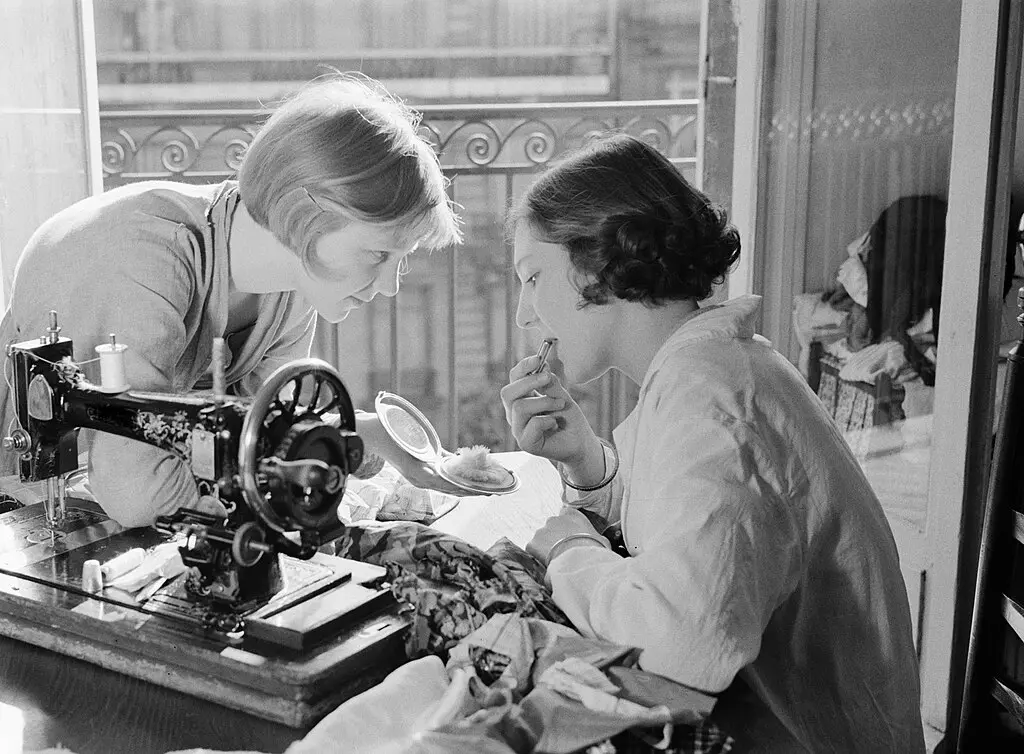
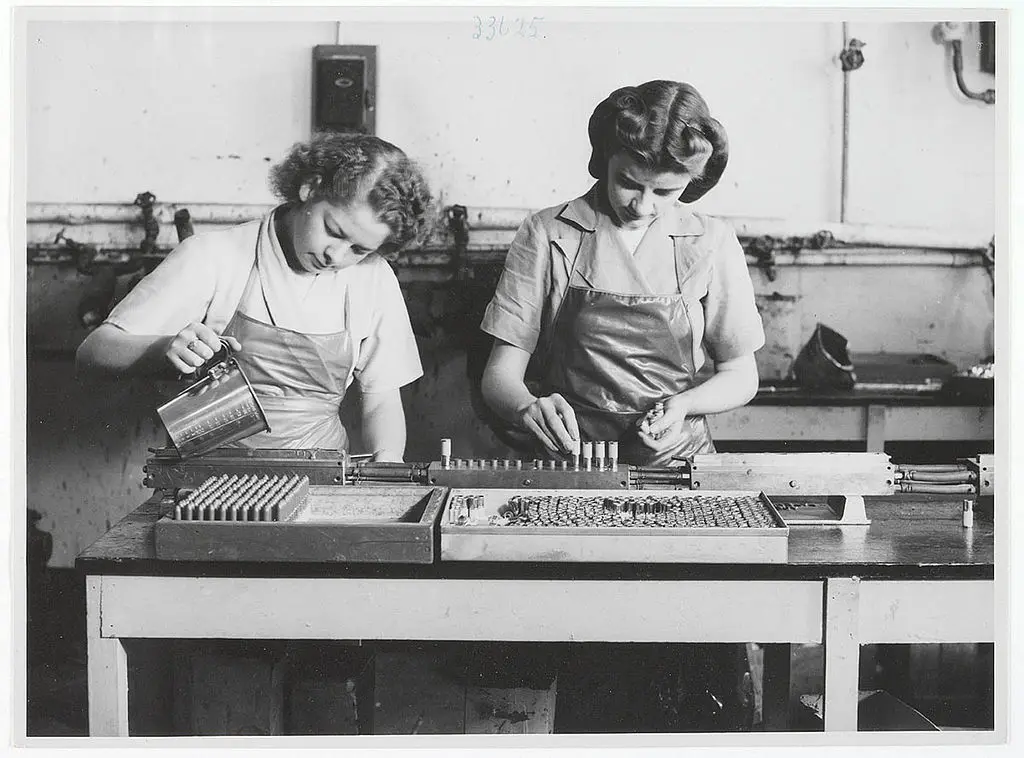
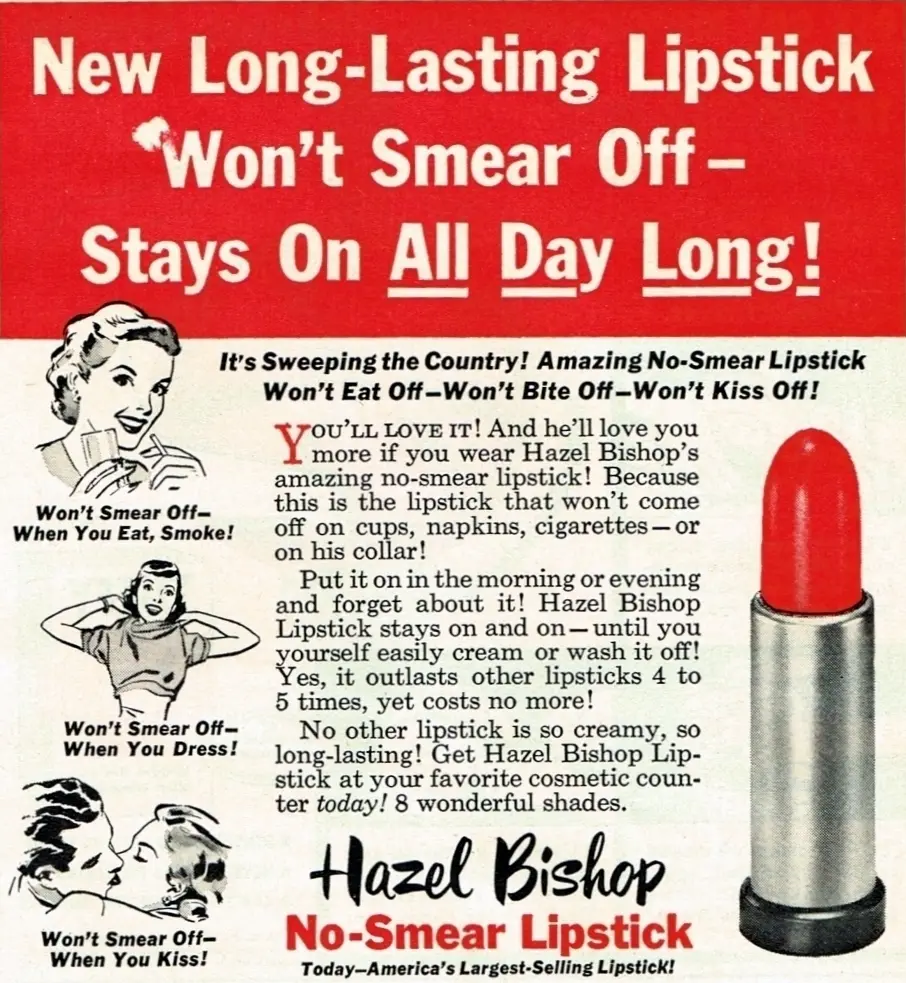
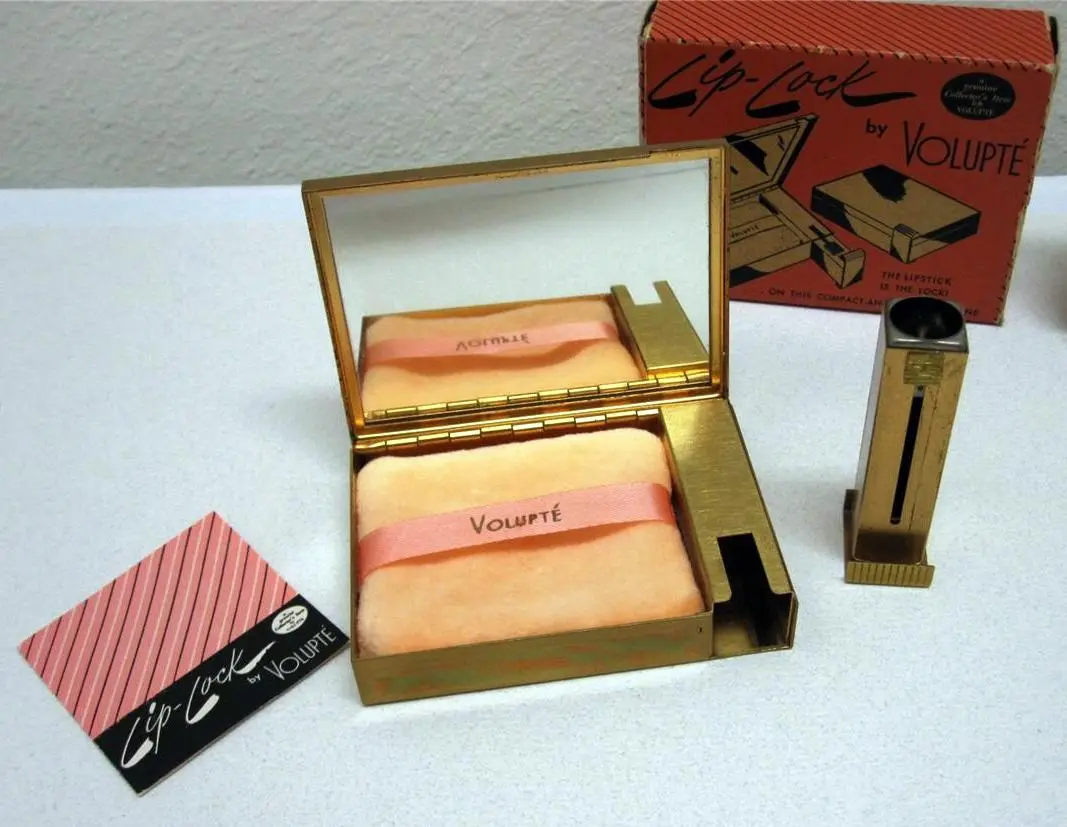
With the rise of Hollywood in the early 20th century, lipstick became a mass-market phenomenon. Yet formulas still posed risks. Early commercial lipsticks used ingredients like bromo acid and synthetic dyes that contained trace heavy metals. Prolonged exposure risked toxicity, though public awareness remained low. By the 1940s, some brands added even more chemicals to improve longevity, without testing their long-term safety.
Science intervenes: towards safer beauty
Mounting evidence linking cosmetics to health issues gradually forced change. After several high-profile poisonings and lawsuits, the 1938 US Food, Drug, and Cosmetic Act began regulating cosmetic ingredients. In Europe, similar measures followed. Lead, arsenic and mercury were banned, and natural pigments or safer synthetics became standard. By the late 20th century, cosmetic science had largely removed the deadliest elements from everyday products.
Enduring myths and modern vigilance
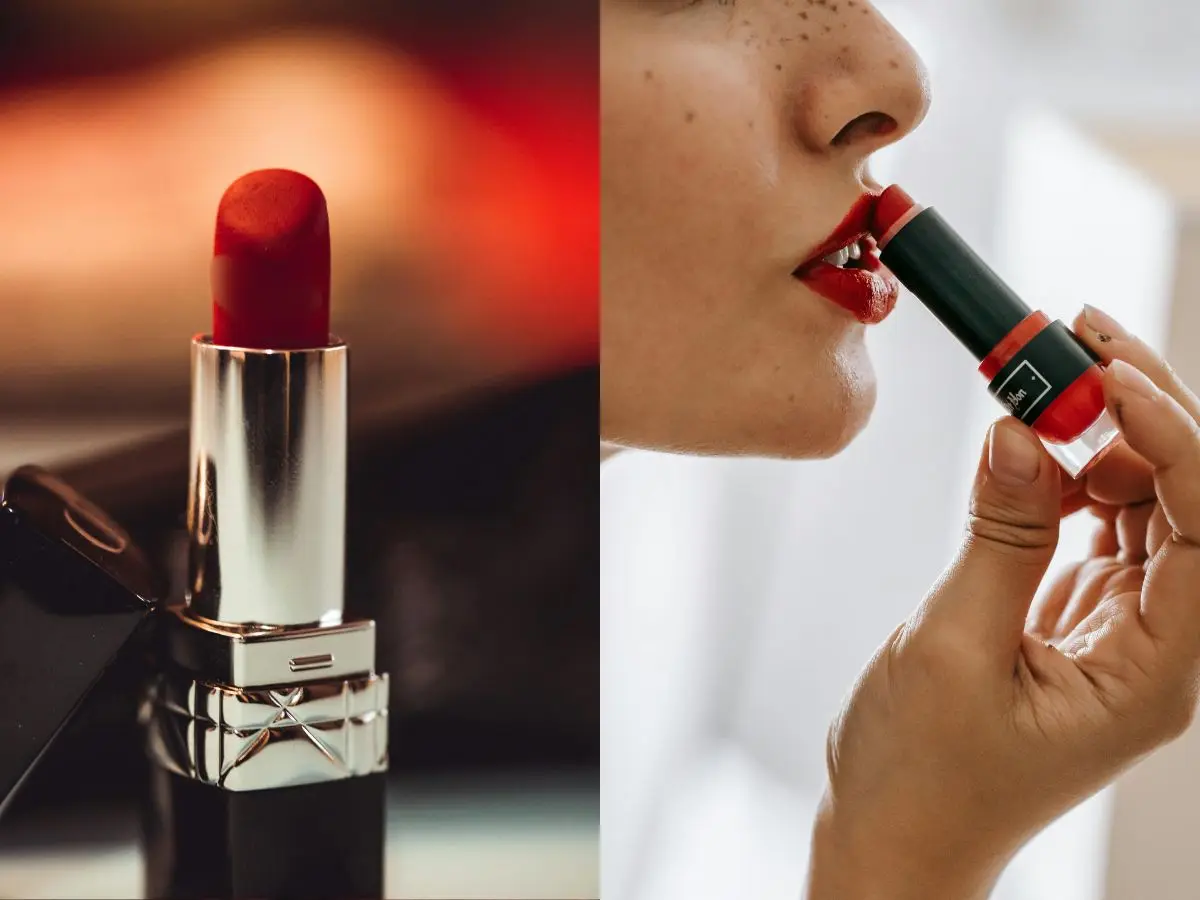
Even today, rumours persist about lead in lipstick. Modern regulations allow only trace amounts considered harmless, often resulting from natural contamination in mineral pigments. Meanwhile, newer concerns, such as parabens and microplastics, reflect shifting fears rather than the acute toxicity of the past. From crushed bugs to coal tar and lead, lipstick’s history mirrors society’s willingness to risk health for beauty. Thanks to science and consumer pressure, today's lipsticks are safer than ever. Yet the story of poison-tipped glamour remains a striking reminder of beauty’s hidden cost through the ages.
)
)
)
)
)