From Bangladesh to Australia: 5 instances where teams opted out of ICC tournaments

After Bangladesh withdrew from the T20 World Cup, here are five instances when teams refused to play in ICC tournaments due to security or political concerns, showing how safety issues have shaped cricket history.

1996 ODI World Cup – Australia and West Indies skip Sri Lanka
The 1996 World Cup had matches in Sri Lanka during a civil war. After a bomb blast in Colombo, Australia and the West Indies felt it was unsafe to travel. They skipped their games and lost points by default.
2003 ODI World Cup – England and New Zealand skip matches
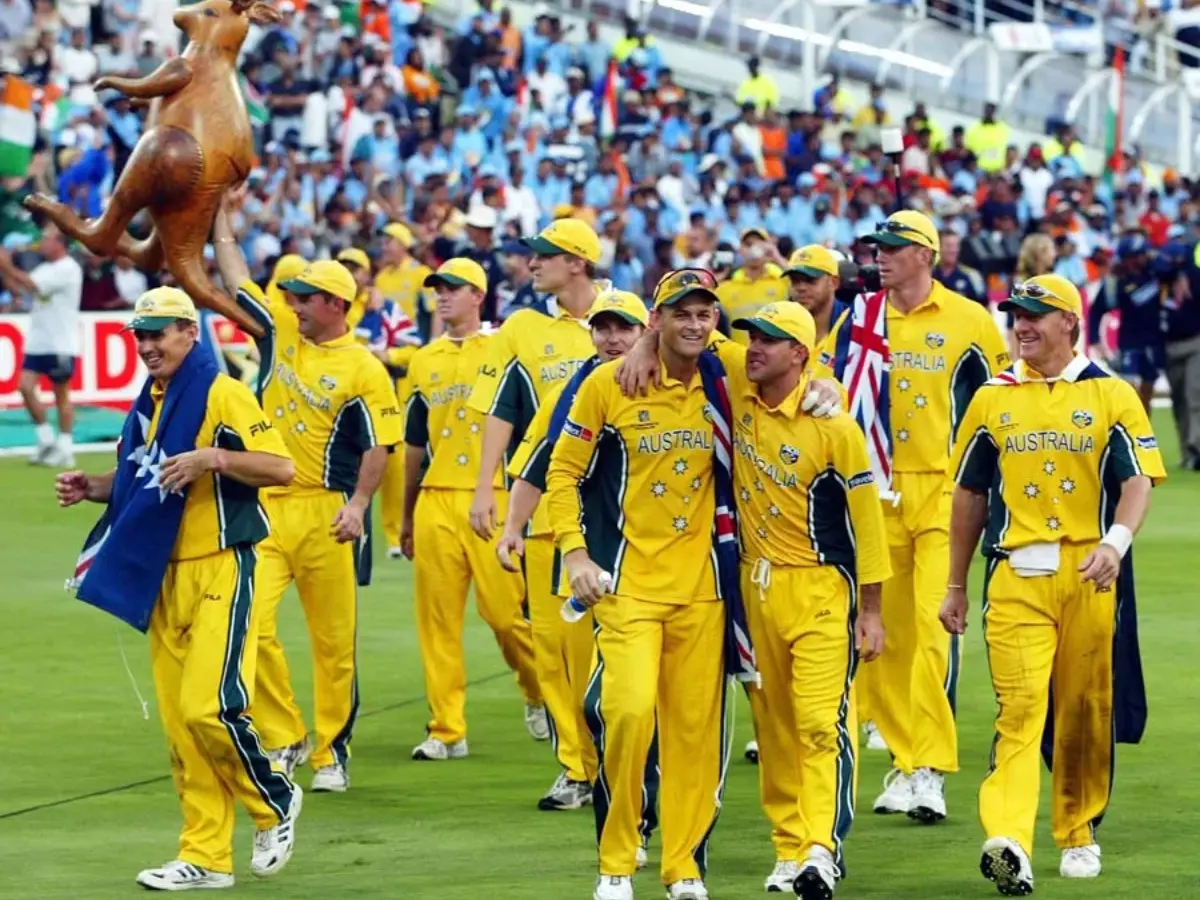
The 2003 World Cup was played in South Africa, Zimbabwe, and Kenya. England refused to play in Zimbabwe due to political reasons. New Zealand avoided Kenya after a bombing. Both teams lost points, changing the tournament standings.
2009 T20 World Cup – Zimbabwe withdraws
Zimbabwe withdrew from the 2009 T20 World Cup due to political problems and strained relations with the host country. The ICC accepted their decision. Scotland replaced Zimbabwe and got a chance to play at the global level.

2016 U-19 World Cup – Australia opt out
Australia did not take part in the 2016 Under-19 World Cup in Bangladesh due to security concerns. They had already cancelled a tour earlier. The ICC respected their choice and selected Ireland as their replacement.

2025 Champions Trophy – India do not travel to Pakistan
India chose not to travel to Pakistan for the 2025 Champions Trophy due to political and security concerns. The ICC used a hybrid model, with India playing in Dubai while Pakistan hosted its matches at home.
)
)
)
)
)