From B2 Bombers to Tomahawks: How the US could hit Iran next

The United States possesses a vast military arsenal for potential strikes, ranging from stealth B-2 bombers to advanced cyber tools. Here is a look at the key assets Washington could deploy in a conflict.
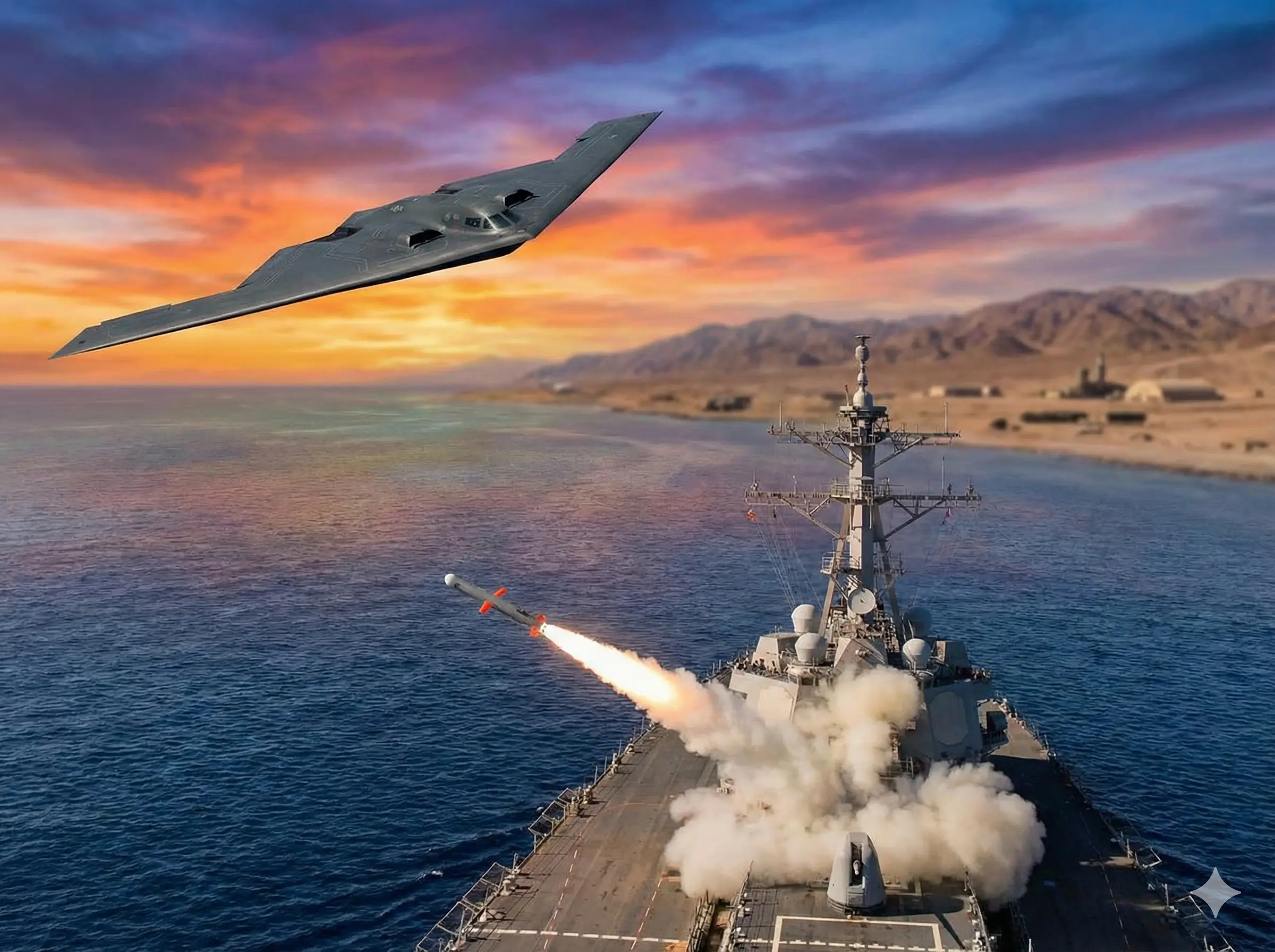
B-2 Spirit Stealth Bombers
The B-2 Spirit is a long-range heavy bomber capable of penetrating sophisticated air defences. It can fly over 11,000 kilometres without refuelling and is the only aircraft that carries the massive GBU-57 bunker buster bomb. This stealth capability makes it a primary option for striking deep inside Iranian territory.
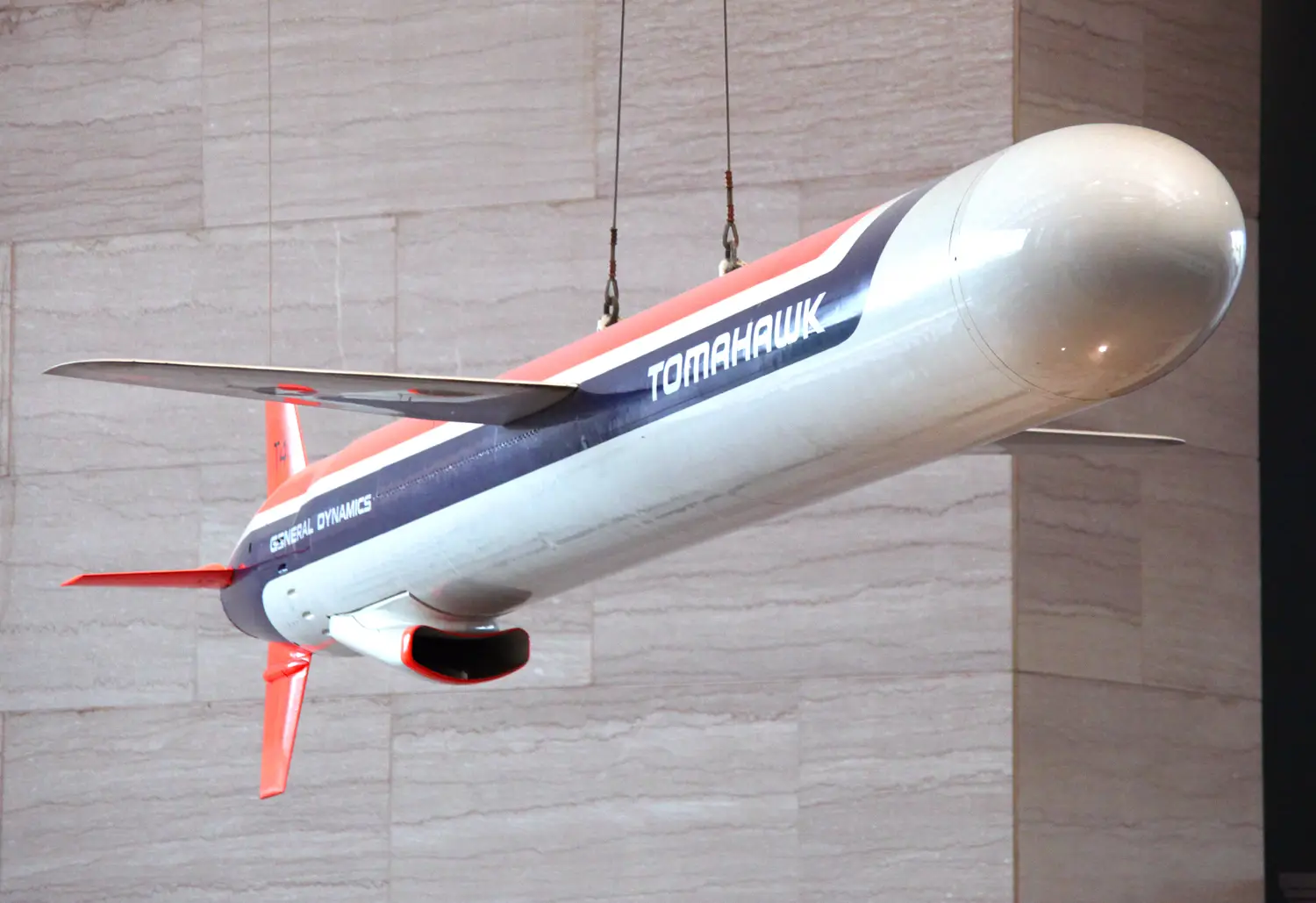
Tomahawk Cruise Missiles
Launched from US Navy ships and submarines, Tomahawks allow strikes without risking pilot lives. These missiles have a range of approximately 1,600 kilometres and fly at low altitudes to evade radar detection. They are highly accurate and can target command centres or air defence sites from the Persian Gulf.
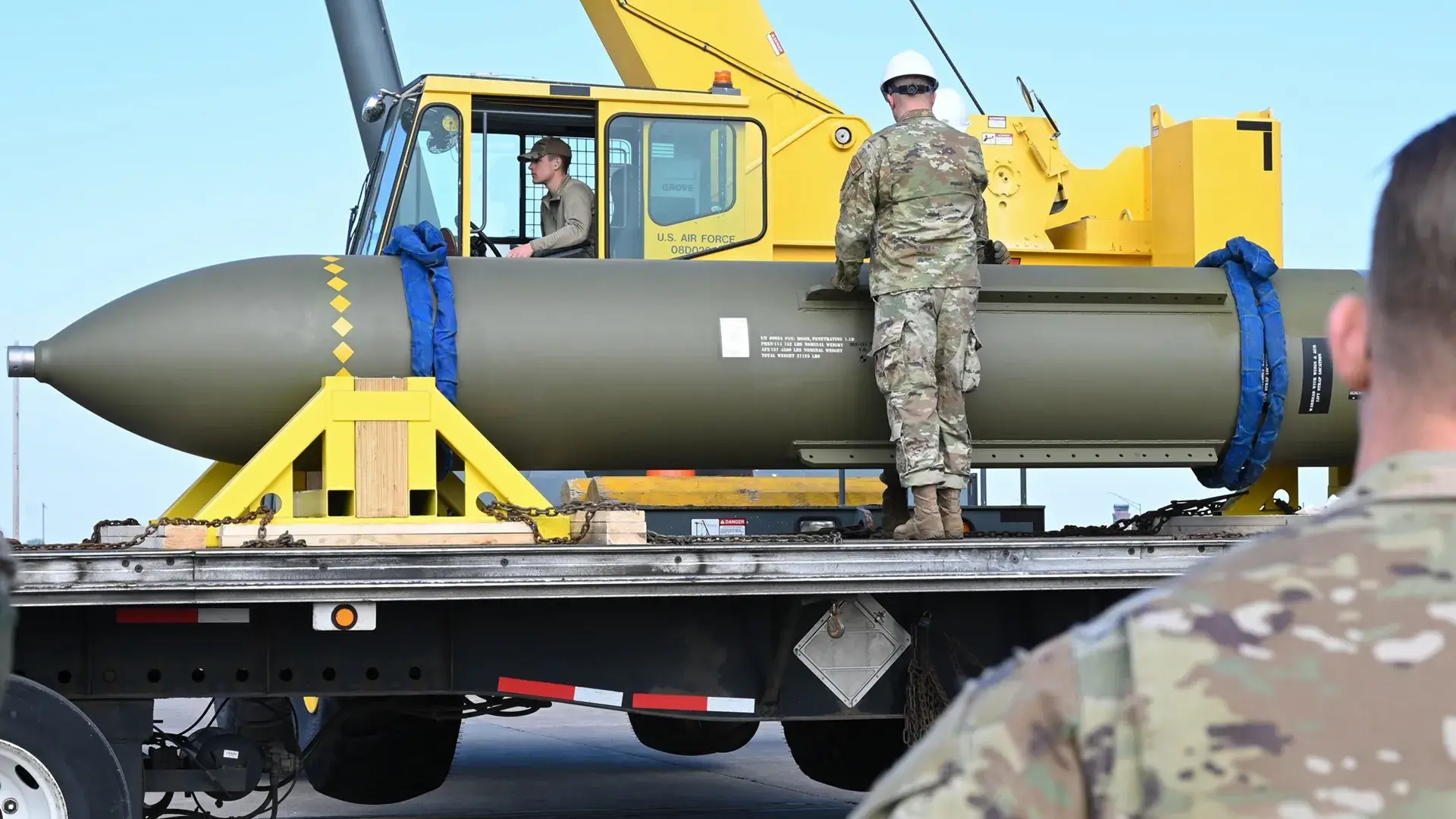
GBU-57 Bunker Busters
The Massive Ordnance Penetrator (MOP) is a precision-guided bomb weighing roughly 14,000 kilogrammes. It is designed specifically to destroy deeply buried targets, such as Iran’s underground nuclear facilities at Fordow. Only the B-2 bomber can carry this heavy weapon operational in the US Air Force.
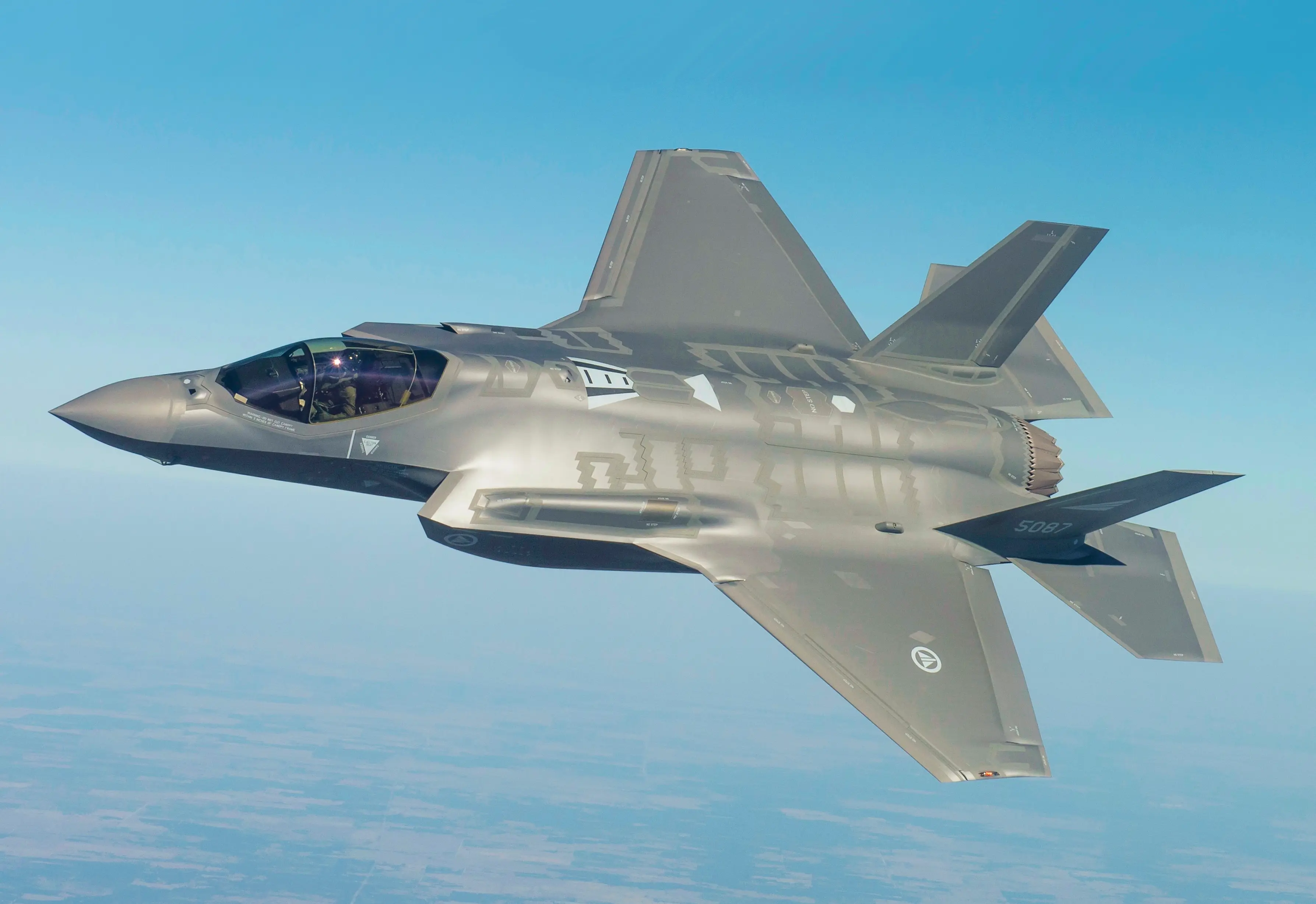
F-35 and F-22 Fighters
Fifth-generation stealth fighters like the F-22 Raptor and F-35 Lightning II are crucial for air superiority. They can destroy enemy radar systems and surface-to-air missile batteries before other aircraft enter the airspace. These jets often operate from US bases in the Middle East or aircraft carriers.
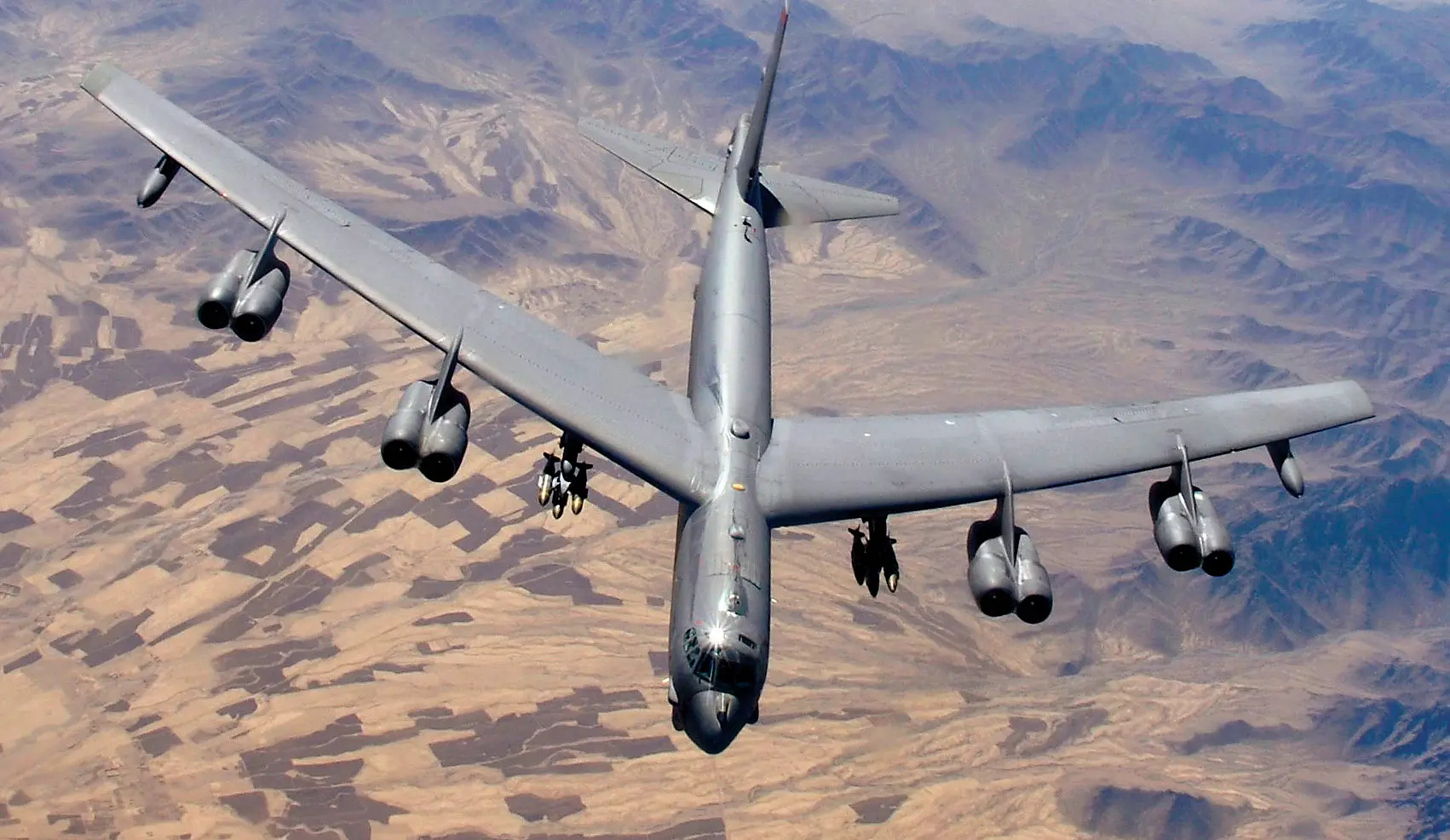
B-52 Stratofortress Bombers
While not stealthy, the B-52 remains a key part of the US strategic arsenal due to its massive payload capacity. Capable of carrying up to 32,000 kilogrammes of weapons, it can launch cruise missiles from outside Iranian airspace. These bombers are frequently deployed to the region as a show of force.
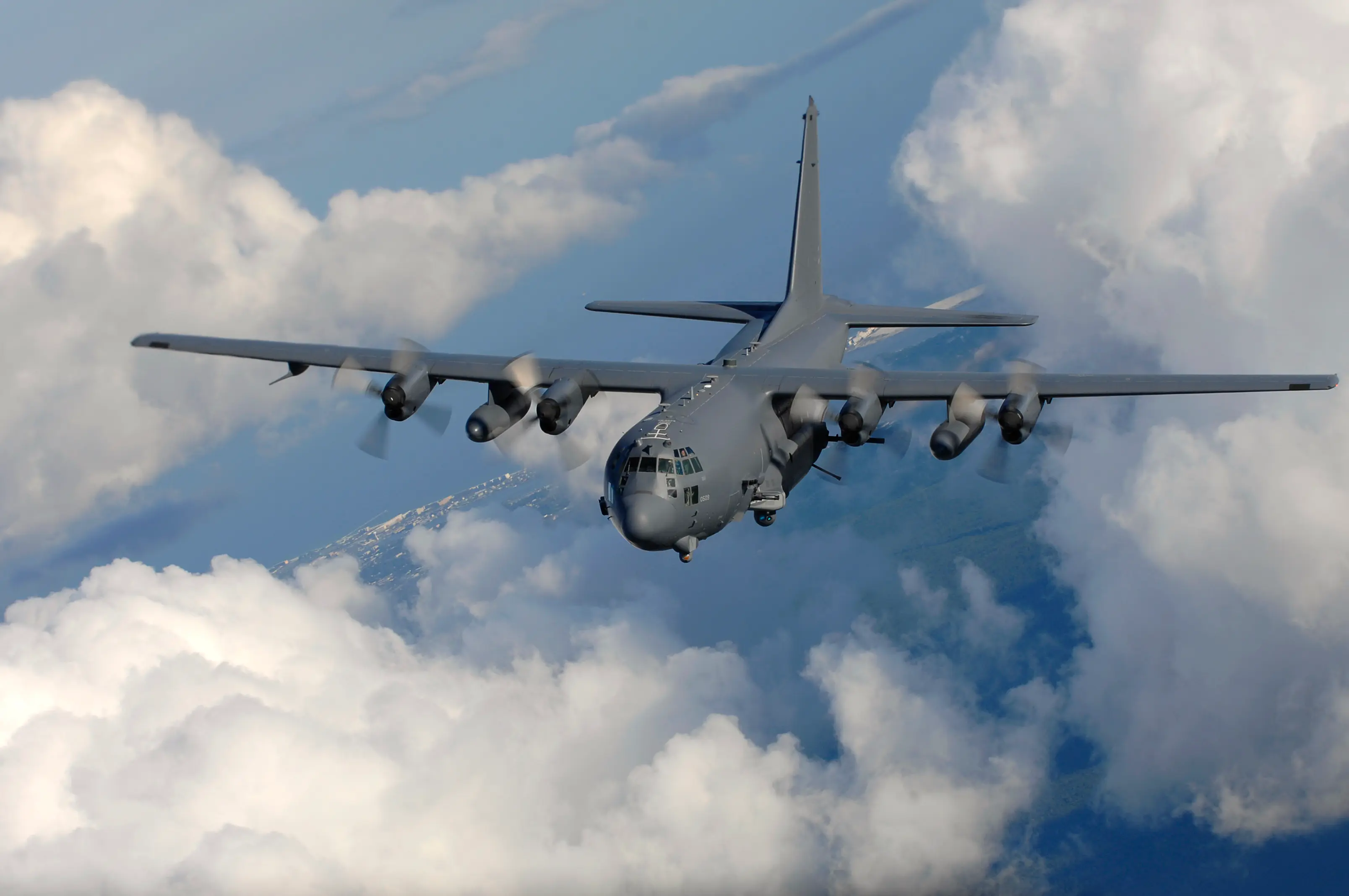
MQ-9 Reaper Drones
For precision strikes on specific individuals or smaller convoys, the US relies on unmanned aerial vehicles like the MQ-9 Reaper. These drones can loiter for over 24 hours, gathering intelligence before launching Hellfire missiles. They offer a lower-risk alternative for targeted operations compared to manned aircraft.
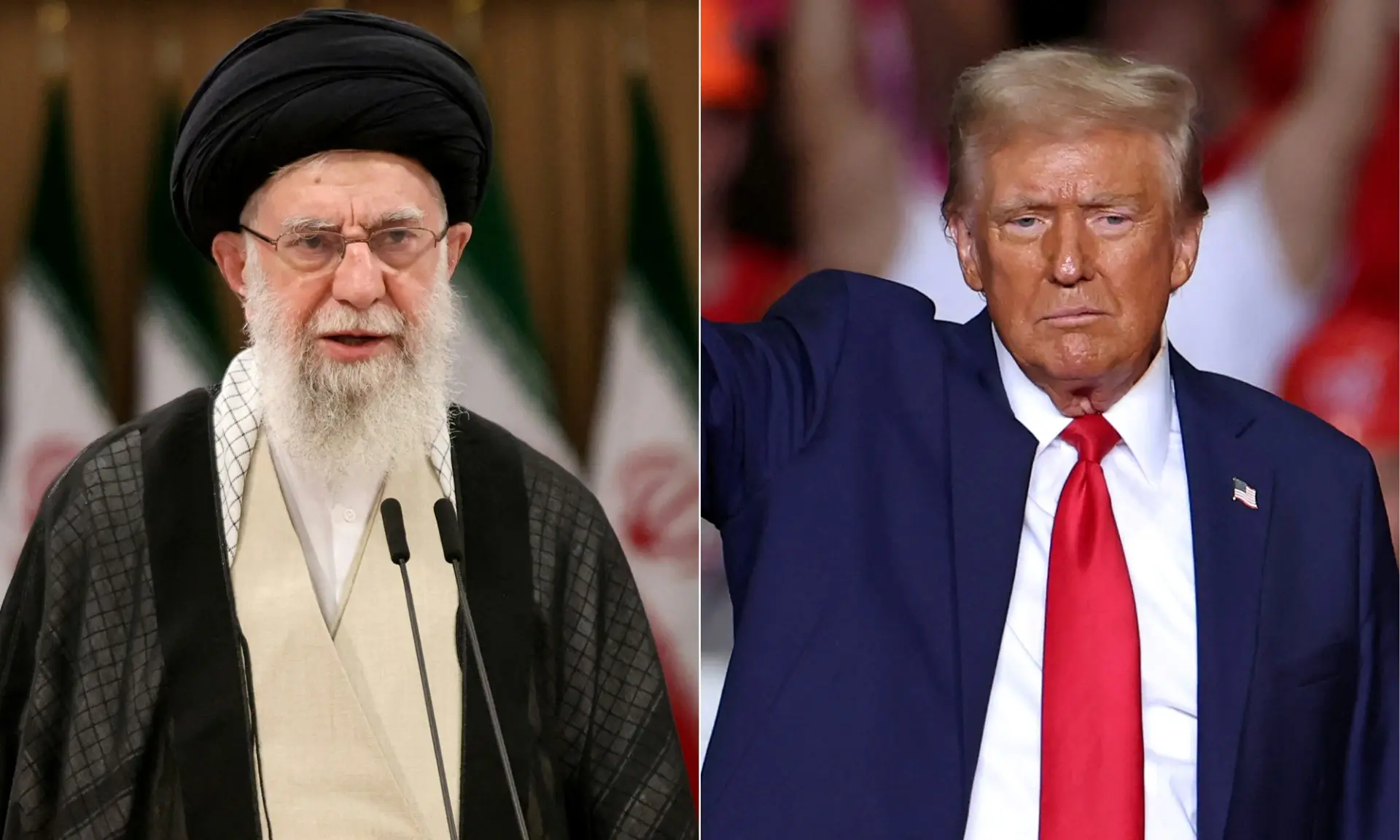
Aircraft Carrier Strike Groups
The US Navy frequently deploys carrier strike groups to the Arabian Sea to project power. A single carrier can house over 60 aircraft, providing a floating airbase independent of host nations. This allows for sustained air operations and protects critical maritime routes like the Strait of Hormuz.
Cyber Warfare Capabilities
Beyond kinetic strikes, the US has advanced cyber capabilities to disrupt infrastructure. US Cyber Command can target power grids, military communication networks, and missile command systems. This non-physical approach can degrade Iranian defences effectively without dropping a single bomb.
)
)
)
)
)