From B. R. Ambedkar to C. V. Raman: 10 eminent personalities of India who shaped nation

From Gandhi’s non-violence and Ambedkar’s constitutional vision to the scientific genius of Raman and Kalam, these 10 personalities represent the pillars of modern India. Their diverse contributions in the freedom struggle, science, art, and unity continue to define the nation's identity.
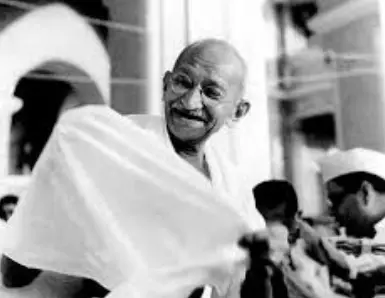
Mahatma Gandhi (1869–1948)
Globally revered as the "Father of the Nation," Mohandas Karamchand Gandhi pioneered the philosophy of Satyagraha, resistance through mass non-violent civil disobedience. His leadership in the Dandi March and Quit India Movement galvanised the masses against British rule. Beyond politics, he was a social reformer who championed self-reliance, rural upliftment, and the eradication of untouchability, profoundly influencing civil rights movements worldwide.
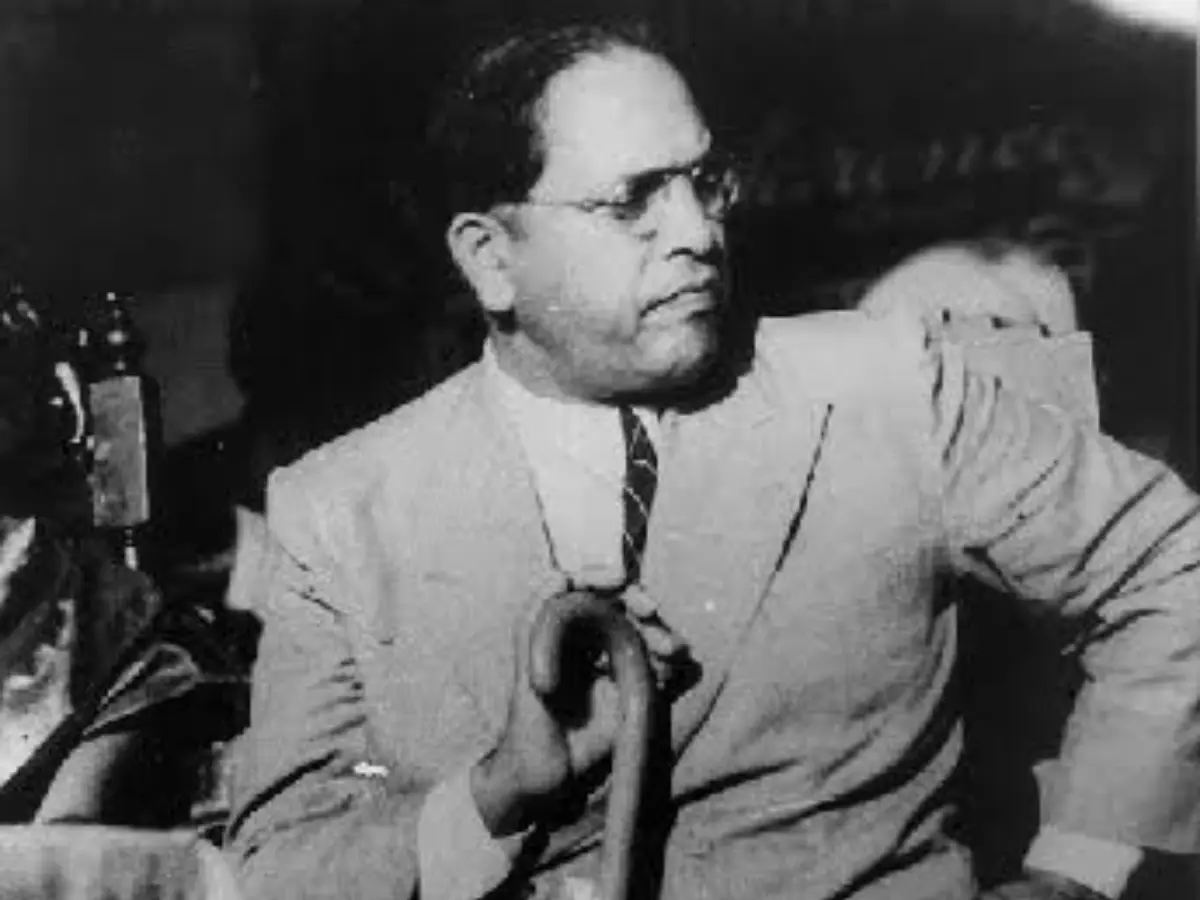
Dr. B.R. Ambedkar (1891–1956)
The main architect of the Indian Constitution, Dr Bhimrao Ramji Ambedkar, was a brilliant jurist, economist, and relentless social reformer. As India’s first Law Minister, he laid the legal foundation for a democratic republic. He dedicated his life to battling social discrimination against Dalits and the marginalised, advocating for equal rights, education, and legal protections that continue to shape India’s inclusive social fabric.
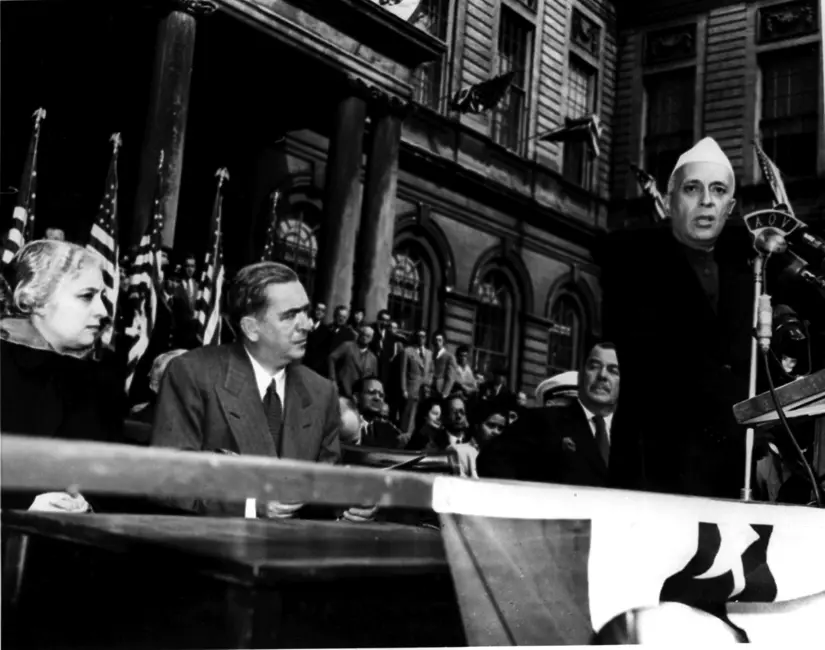
Jawaharlal Nehru (1889–1964)
As India’s first Prime Minister, Jawaharlal Nehru was the visionary who steered the young nation toward modernity. He established the "Nehruvian" framework of a secular, democratic, and socialist state. His focus on heavy industry, scientific research, and world-class educational institutions like the IITs earned him the title of the architect of modern India. He was also a key figure in the Non-Aligned Movement.
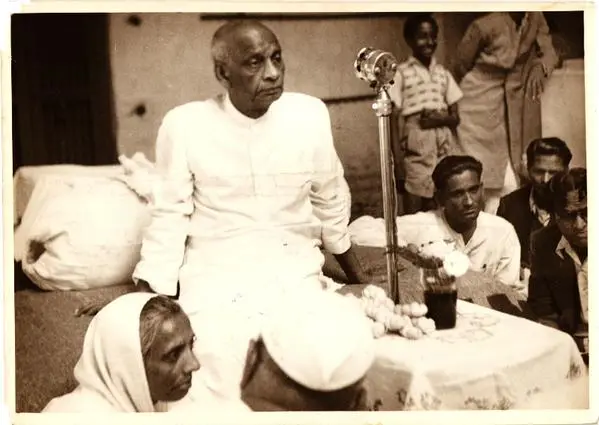
Sardar Vallabhbhai Patel (1875–1950)
Known as the "Iron Man of India," Sardar Patel was a formidable lawyer and freedom fighter. His greatest legacy is the post-independence integration of over 560 princely states into the Indian Union, a feat of diplomatic brilliance and firm resolve. As India's first Deputy Prime Minister and Home Minister, he laid the groundwork for the modern All India Services, ensuring administrative stability.
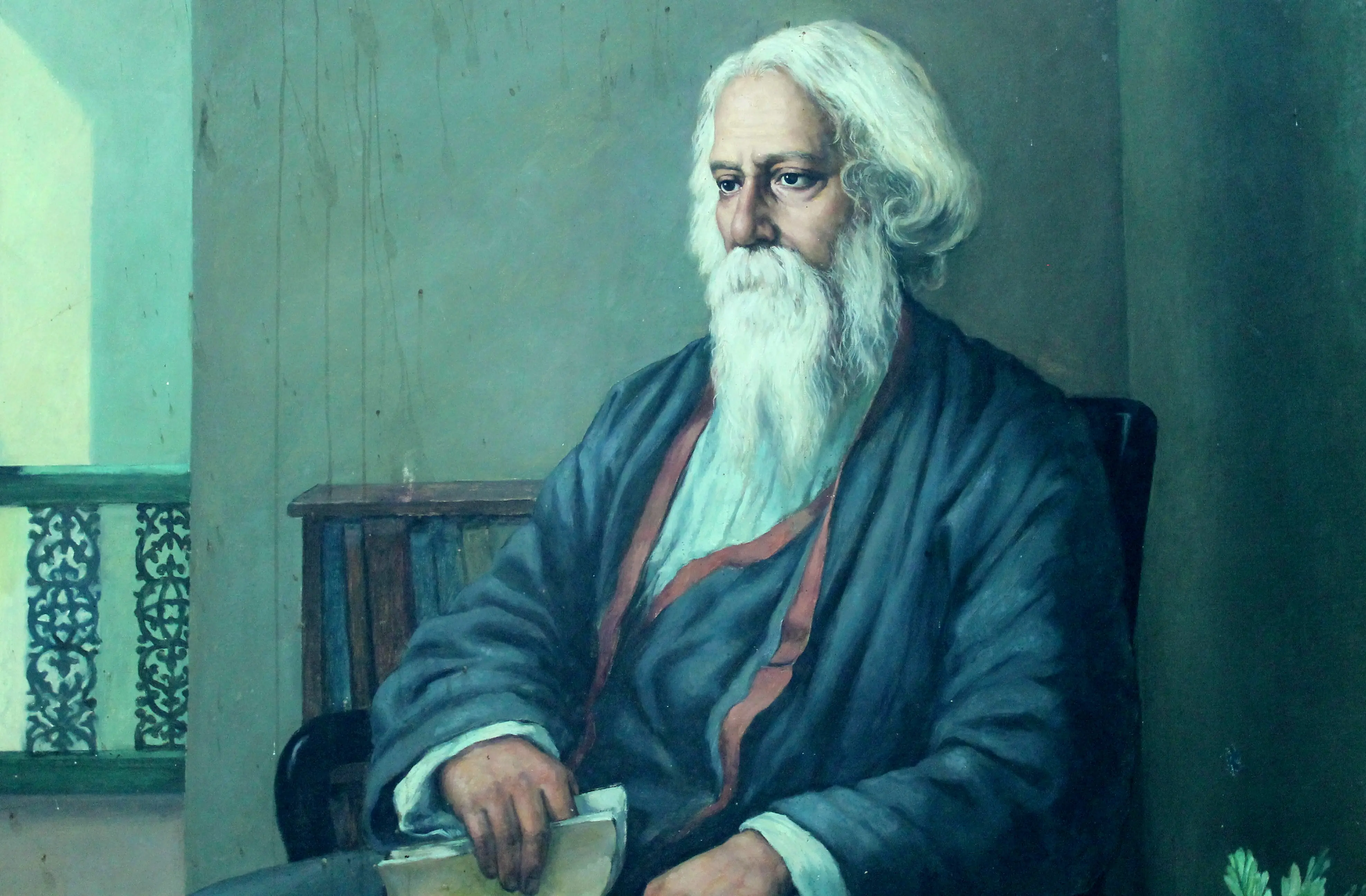
Rabindranath Tagore (1861–1941)
The "Bard of Bengal," Rabindranath Tagore, was a polymath who reshaped Bengali literature, art, and music. In 1913, he became the first non-European Nobel Laureate in Literature for Gitanjali. He founded Visva-Bharati University, promoting a globalist educational philosophy. Uniquely, his compositions serve as the national anthems for two nations: India (Jana Gana Mana) and Bangladesh (Amar Shonar Bangla).
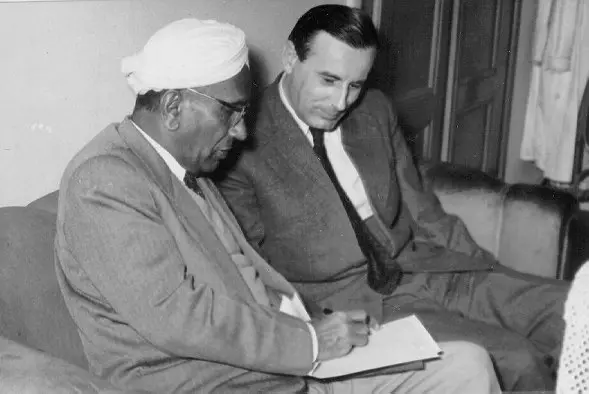
C.V. Raman (1888–1970)
Sir Chandrasekhara Venkata Raman was a pioneering physicist who brought international glory to Indian science. In 1930, he became the first Asian to win the Nobel Prize in Physics for his discovery of the "Raman Effect," which explains the scattering of light. His research into the molecular scattering of light revolutionised spectroscopy. Every year, India celebrates National Science Day on February 28 to commemorate its ground-breaking discovery.
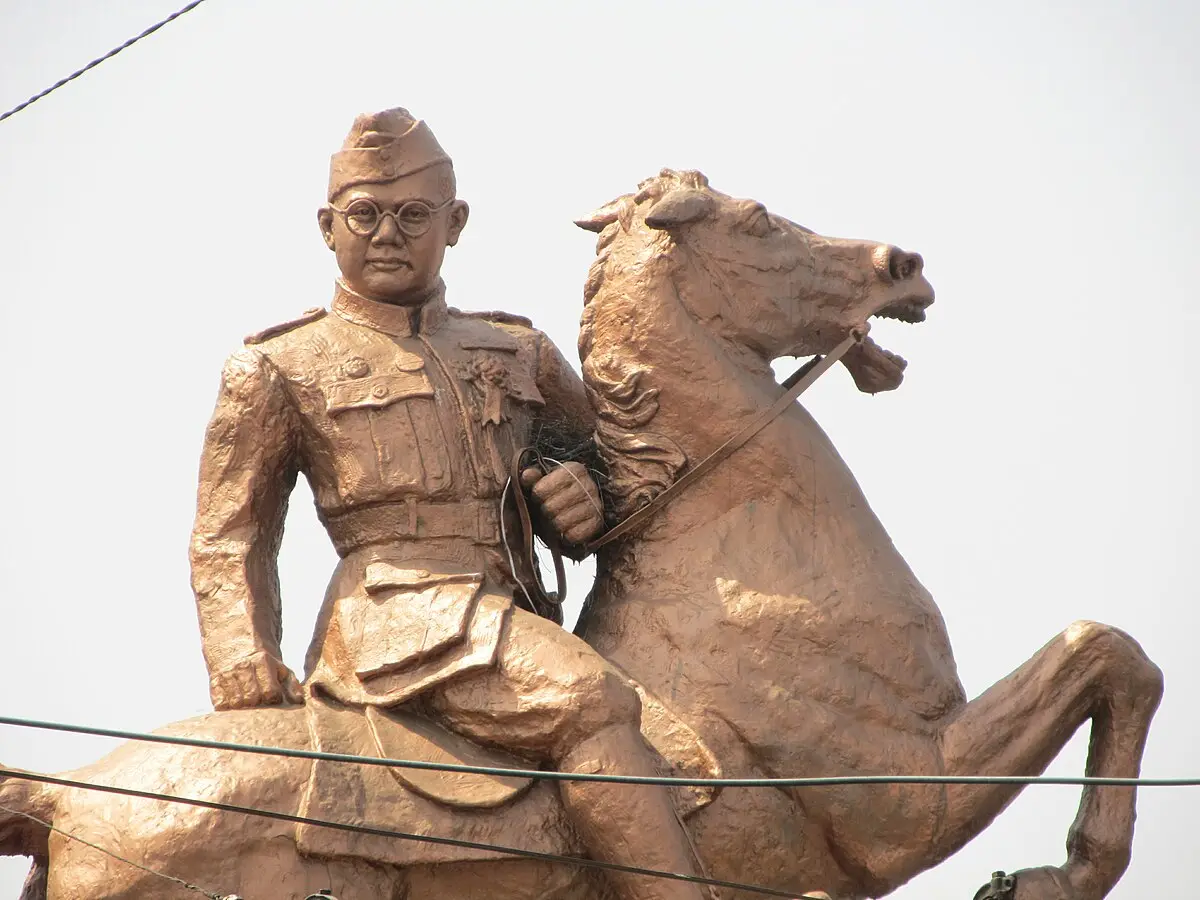
Subhash Chandra Bose (1897–1945)
Affectionately called "Netaji," Bose was a charismatic and defiant leader of the Indian independence movement. Disillusioned with non-violent tactics, he escaped British house arrest to form the Indian National Army (INA) with Japanese support. His rallying cry, "Give me blood, and I shall give you freedom," inspired millions to challenge British authority through military force, leaving an indelible mark on Indian nationalism.
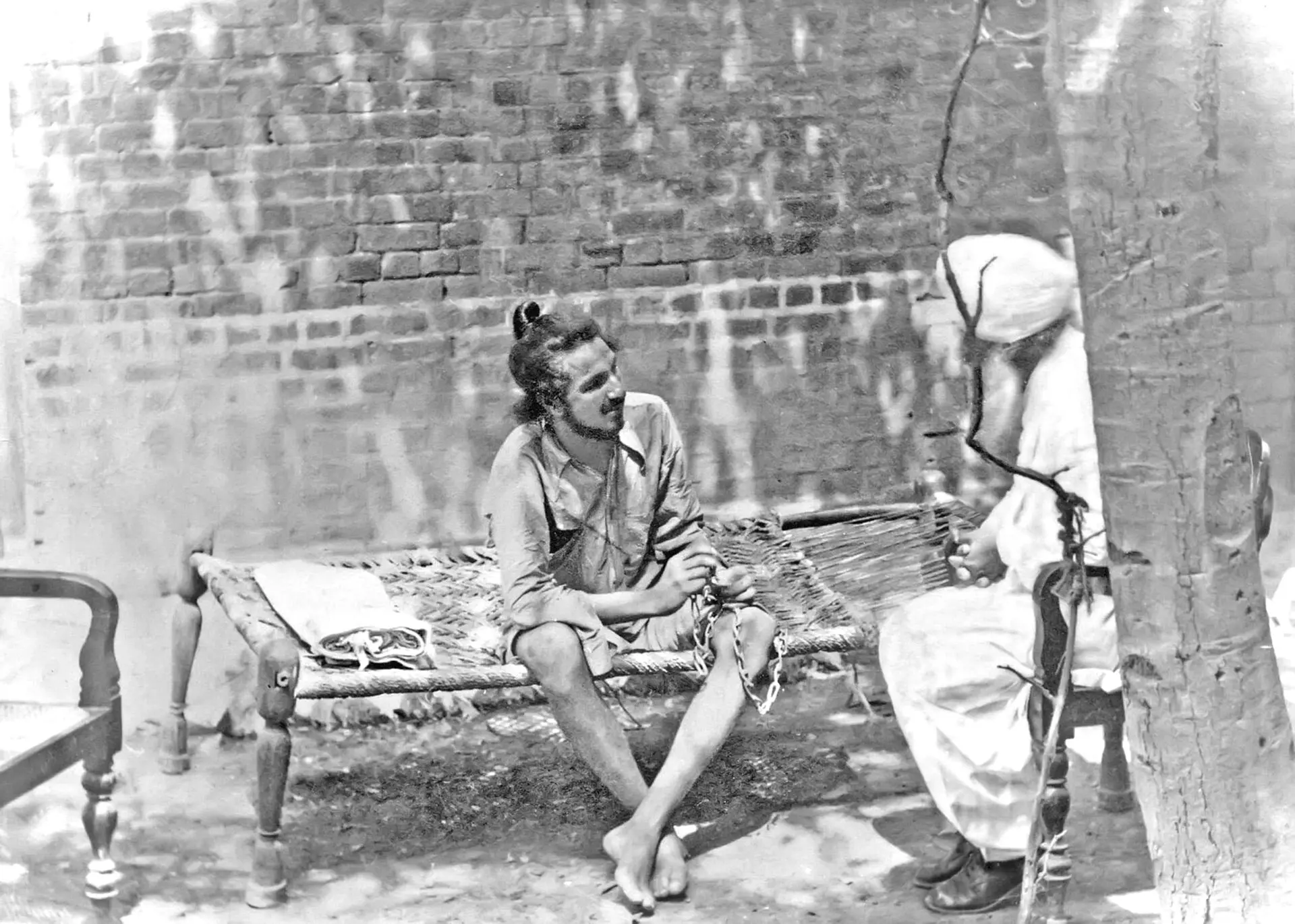
Bhagat Singh (1907–1931)
A revolutionary socialist and folk hero, Bhagat Singh’s martyrdom at the age of 23 electrified the Indian independence struggle. His daring acts of protest, including the assembly bombing and his 116-day hunger strike in prison, were aimed at sparking a mass awakening. His intellectual writings on atheism and socialism revealed a deep-thinking patriot who envisioned an India free from both foreign rule and internal exploitation.
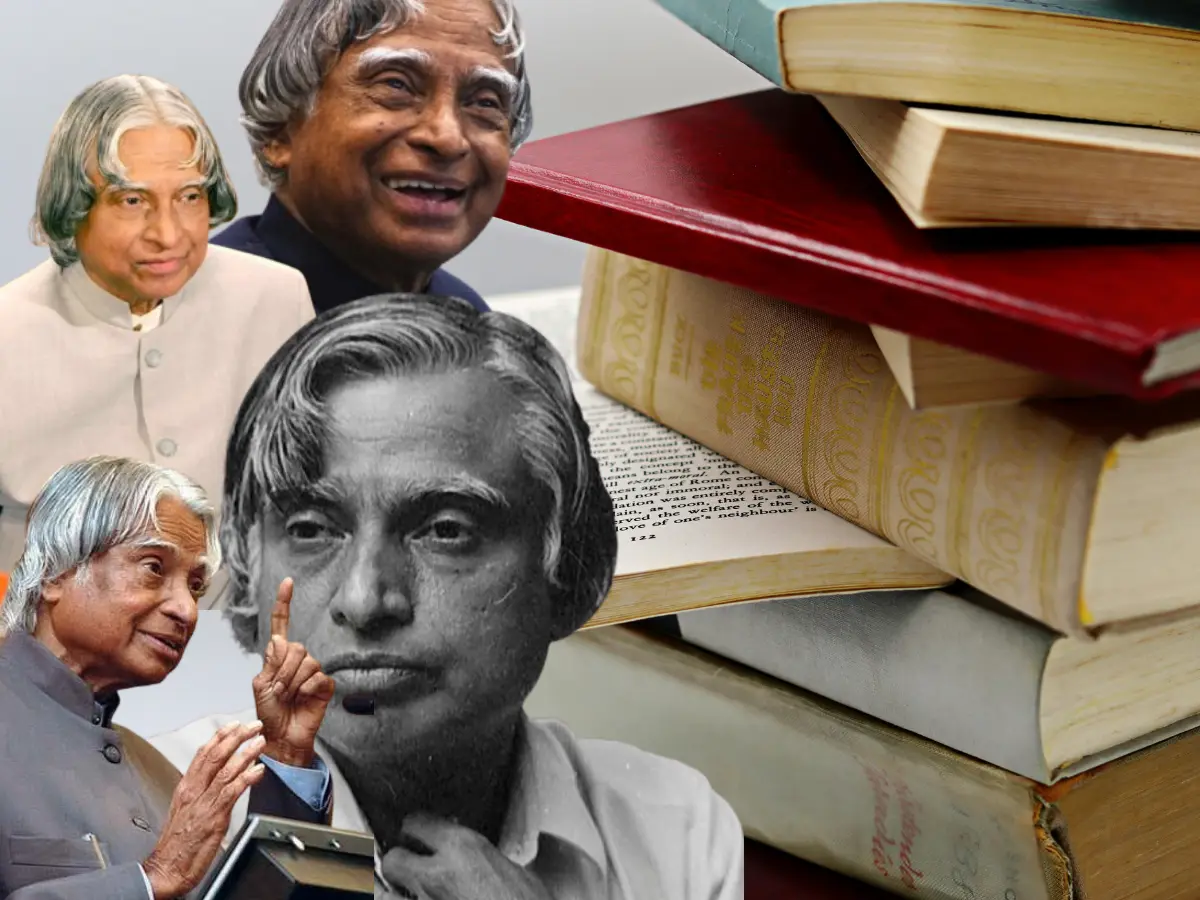
APJ Abdul Kalam (1931–2015)
Avul Pakir Jainulabdeen Abdul Kalam, the "Missile Man of India," was a distinguished scientist who played a pivotal role in India’s civilian space program and military missile development. As the 11th President, he became the "People’s President," known for his humility and inspiring the youth through his books and speeches. His life remains a testament to hard work and scientific excellence in national service.
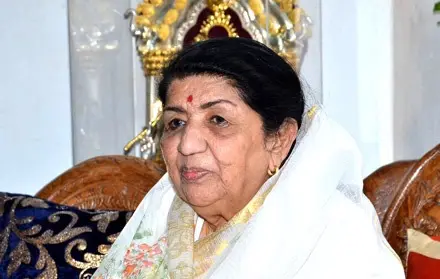
Lata Mangeshkar (1929–2022)
The "Nightingale of India," Lata Mangeshkar, was a legendary playback singer whose career spanned seven decades. With a voice that defined the sound of Indian cinema, she recorded thousands of songs in over 36 languages. A recipient of the Bharat Ratna, her emotive renditions, such as the patriotic Aye Mere Watan Ke Logo, have become an inseparable part of India’s cultural and musical heritage.
)
)
)
)
)