From Astra to Meteor: 6 Countries with the strongest air-to-air missile technology

From Astra to Meteor, six nations lead the sky with a mix of extreme-range ramjets, proven mid-range precision, and agile dogfight seekers to ensure a decisive "first-look, first-kill" advantage.
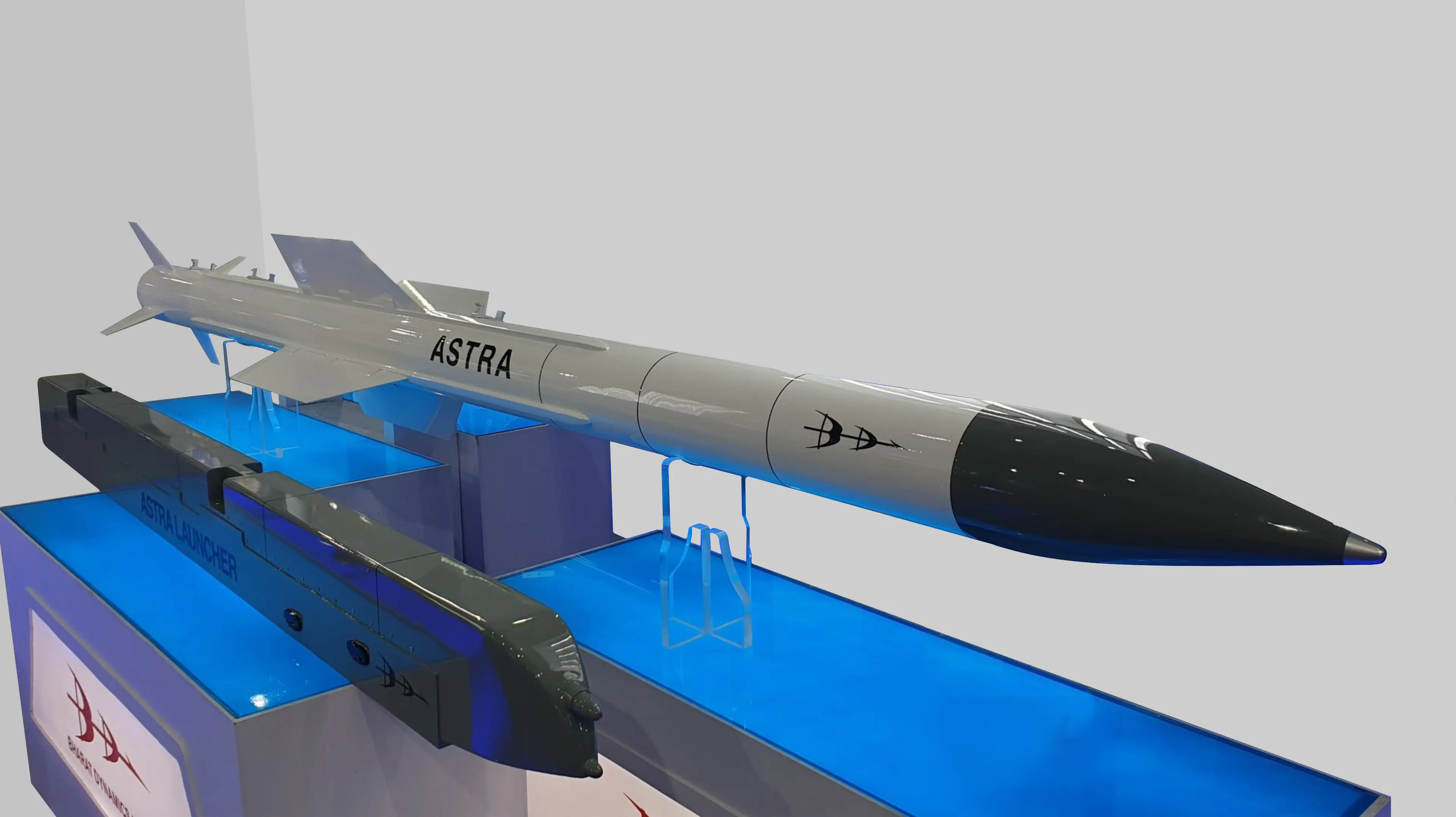
India's Astra
India's Astra is an all-weather air-to-air missile developed entirely by DRDO, proving India's self-reliant weapons technology. Astra Mk-1 has maximum range of 110 kilometres in head-on mode at 15 km altitude, though range reduces with lower launch altitude. The missile achieves Mach 4.5 speed and uses active radar guidance with two-way data link capability for mid-course updates.
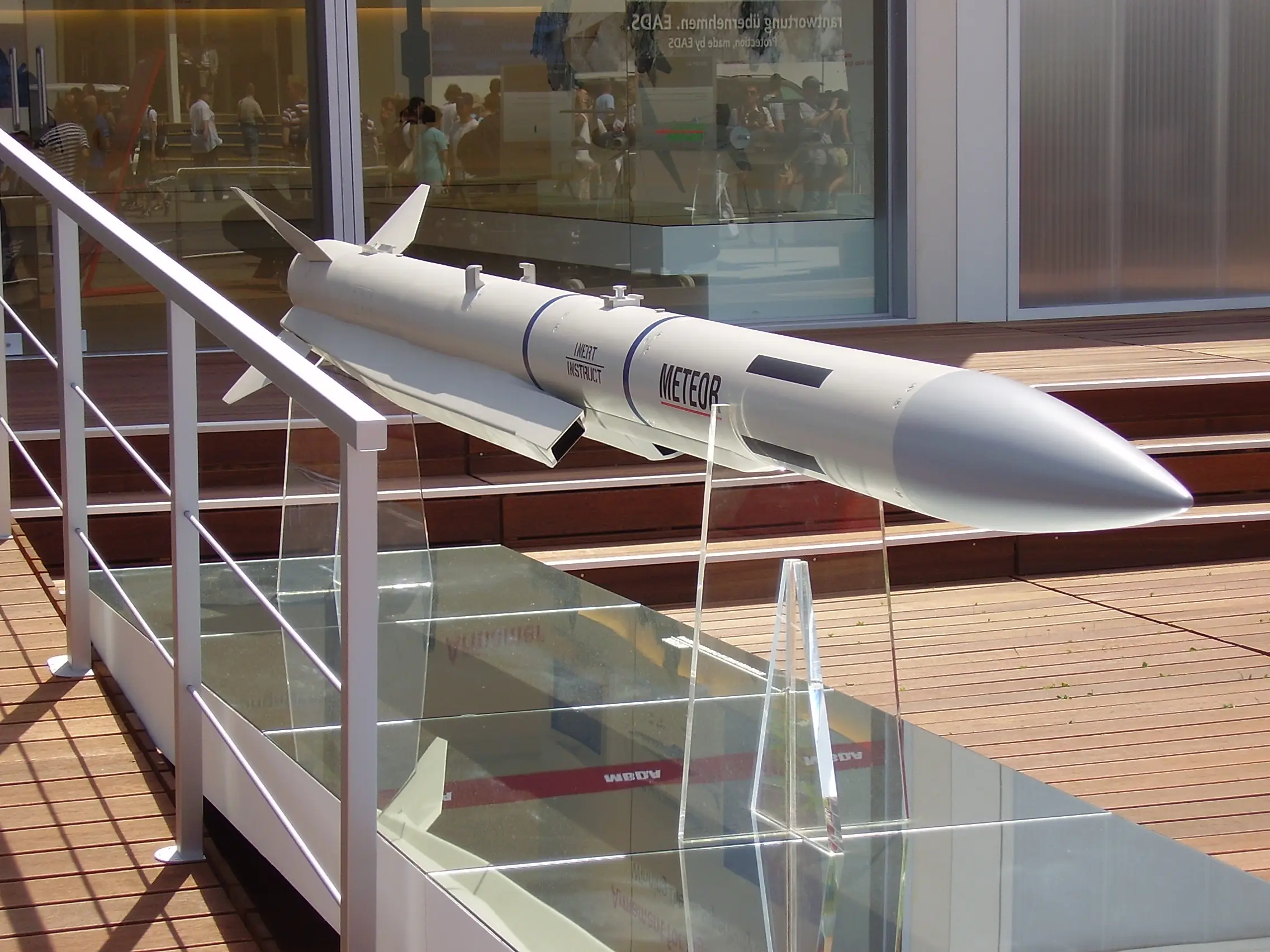
Europe's Meteor
Europe's Meteor is a next-generation air-to-air missile developed by MBDA. With range exceeding 200 kilometres, Meteor uses a unique ramjet engine providing continuous thrust throughout flight, creating the largest no-escape zone of any current operational air-to-air missile. Active radar guidance and all-weather capability make it effective against fast jets, UAVs and cruise missiles.
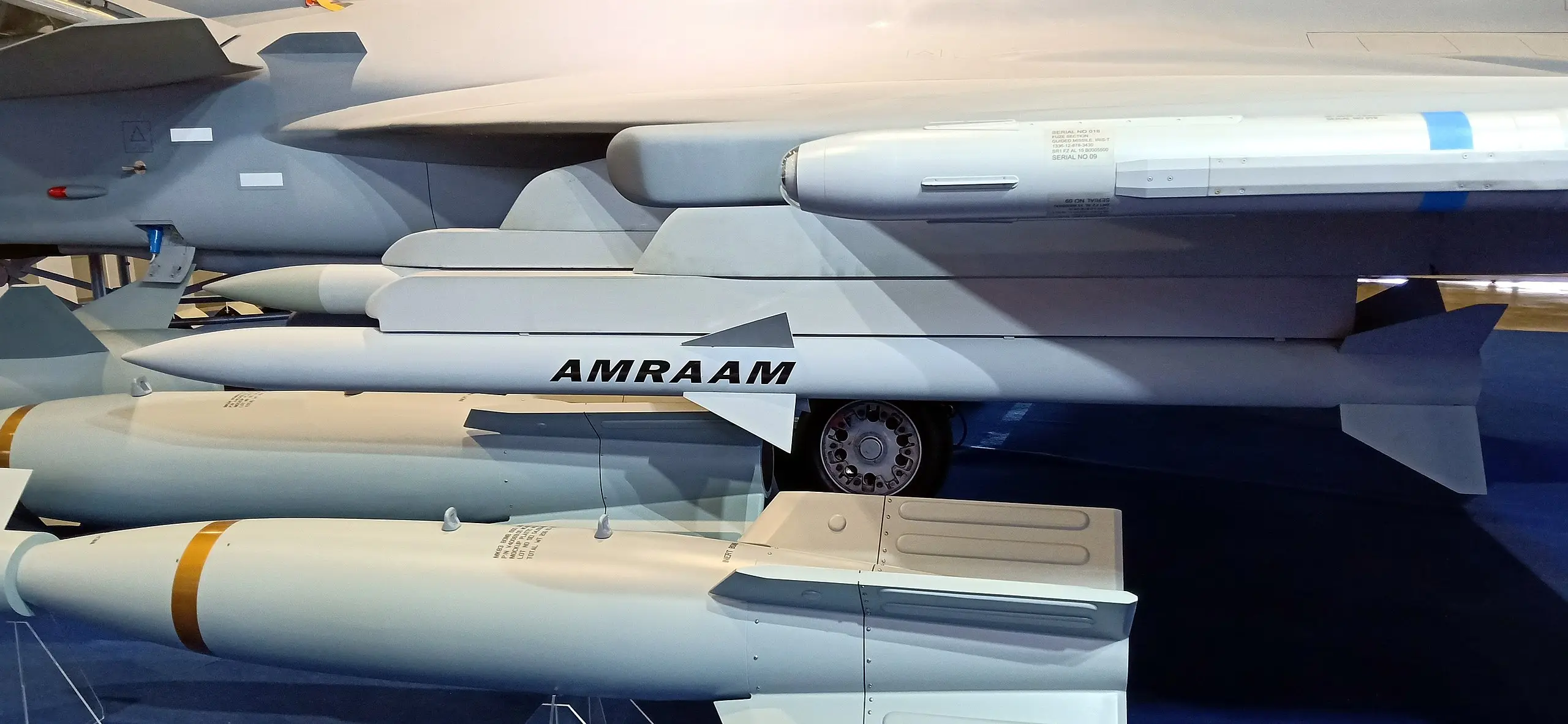
USA's AMRAAM
The AIM-120D AMRAAM is America's latest advanced air-to-air missile deployed by over 40 nations worldwide. Maximum range of AIM-120D is approximately 160 to 180 kilometres with active radar guidance and fire-and-forget capability.
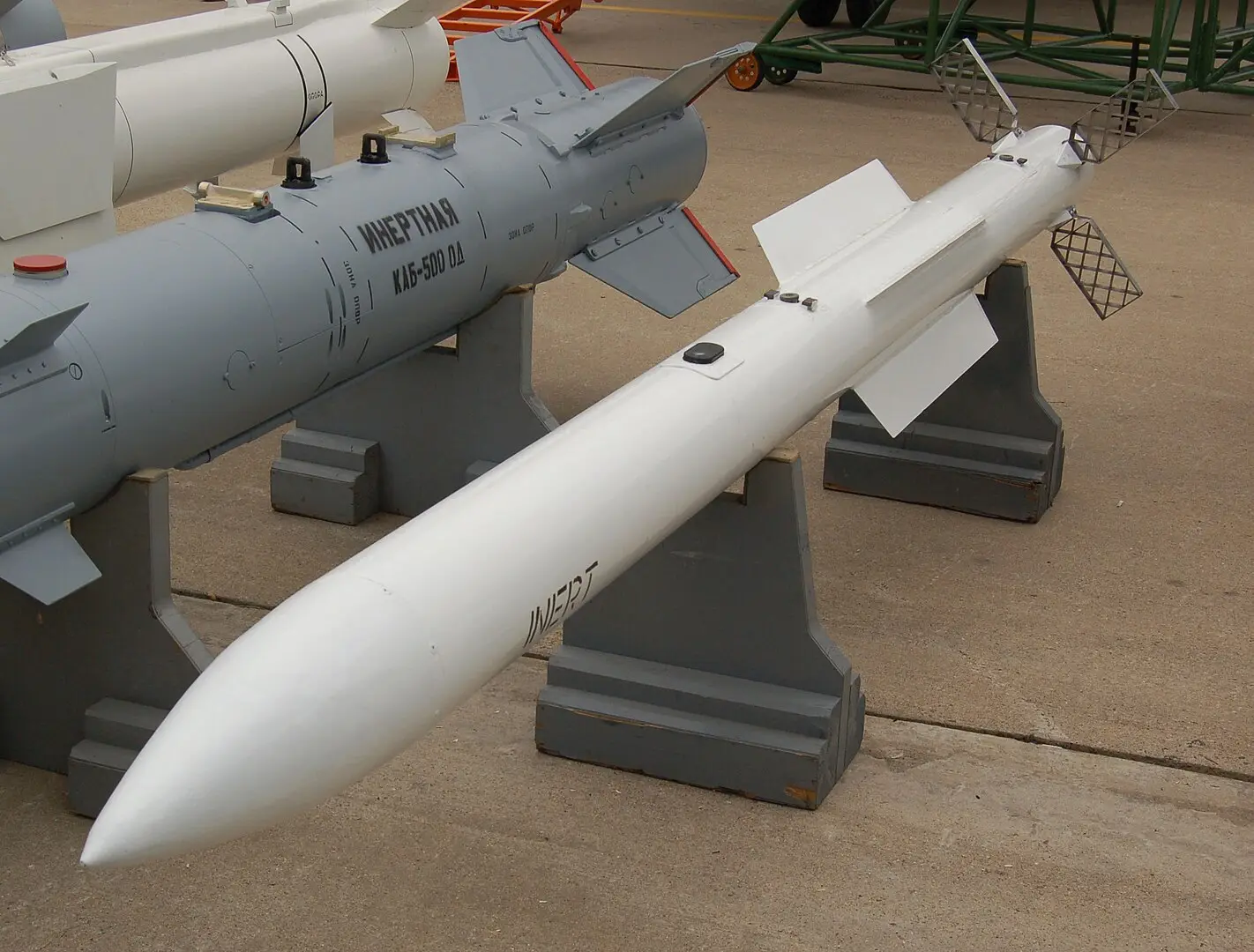
Russia's R-77
Russia's R-77 is an active radar-guided missile with standard range of 80 kilometres, whilst the R-77-1 variant extends range to 110 kilometres. The advanced R-77M achieves 193 kilometres range using double-pulse rocket motor and multifunction active radar seeker. These missiles feature inertial navigation with encrypted data links and laser proximity fuse technology.
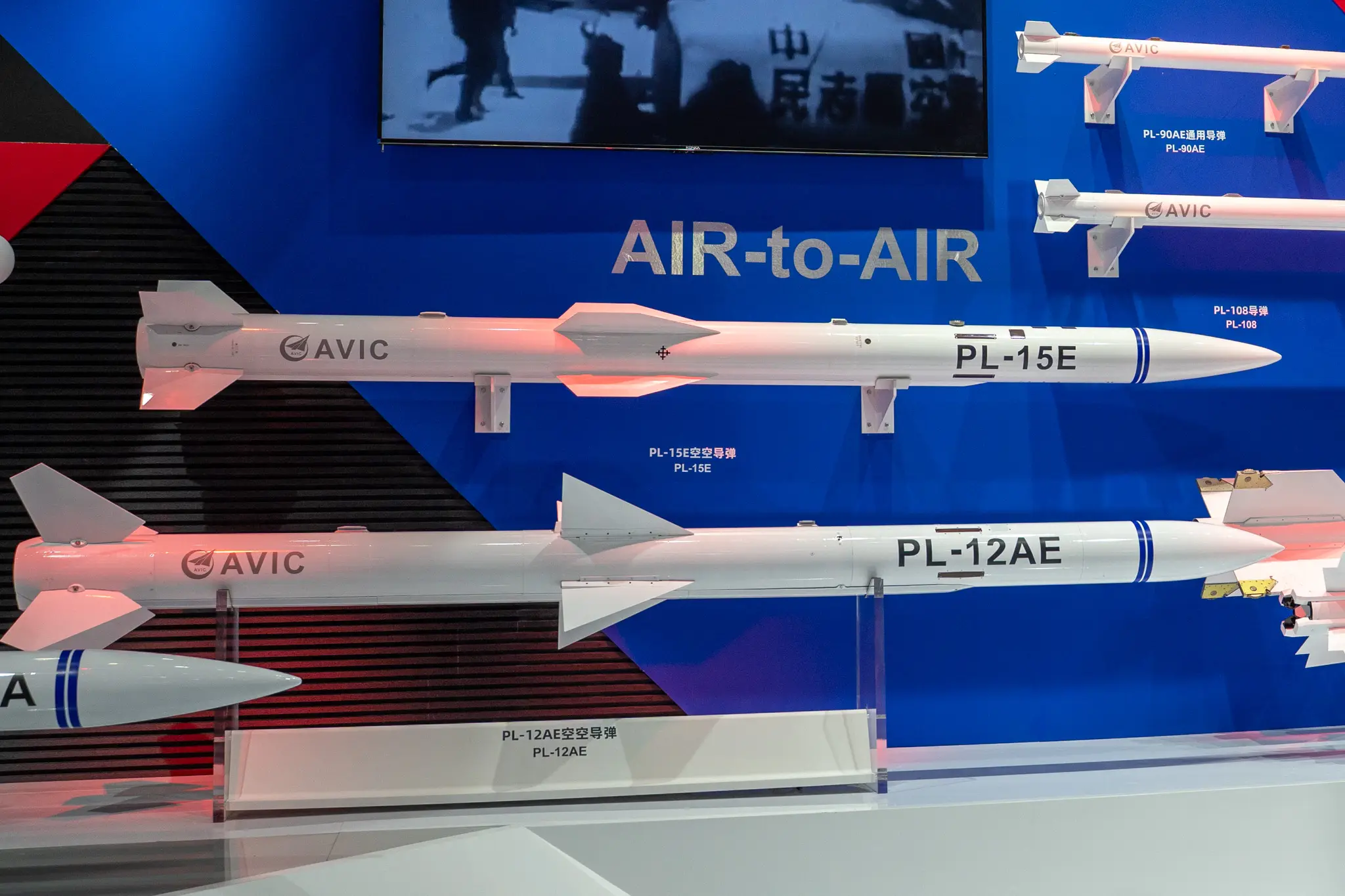
China's PL-15
China's PL-15 "Thunderbolt-15" claims range of 200 to 300 kilometres in domestic version, making it among longest-range air-to-air missiles. The export variant PL-15E has declared range of 145 kilometres with operational range around 100 to 120 kilometres depending on launch altitude. Dual-pulse solid rocket motor achieves speeds exceeding Mach 4 with AESA radar seeker.
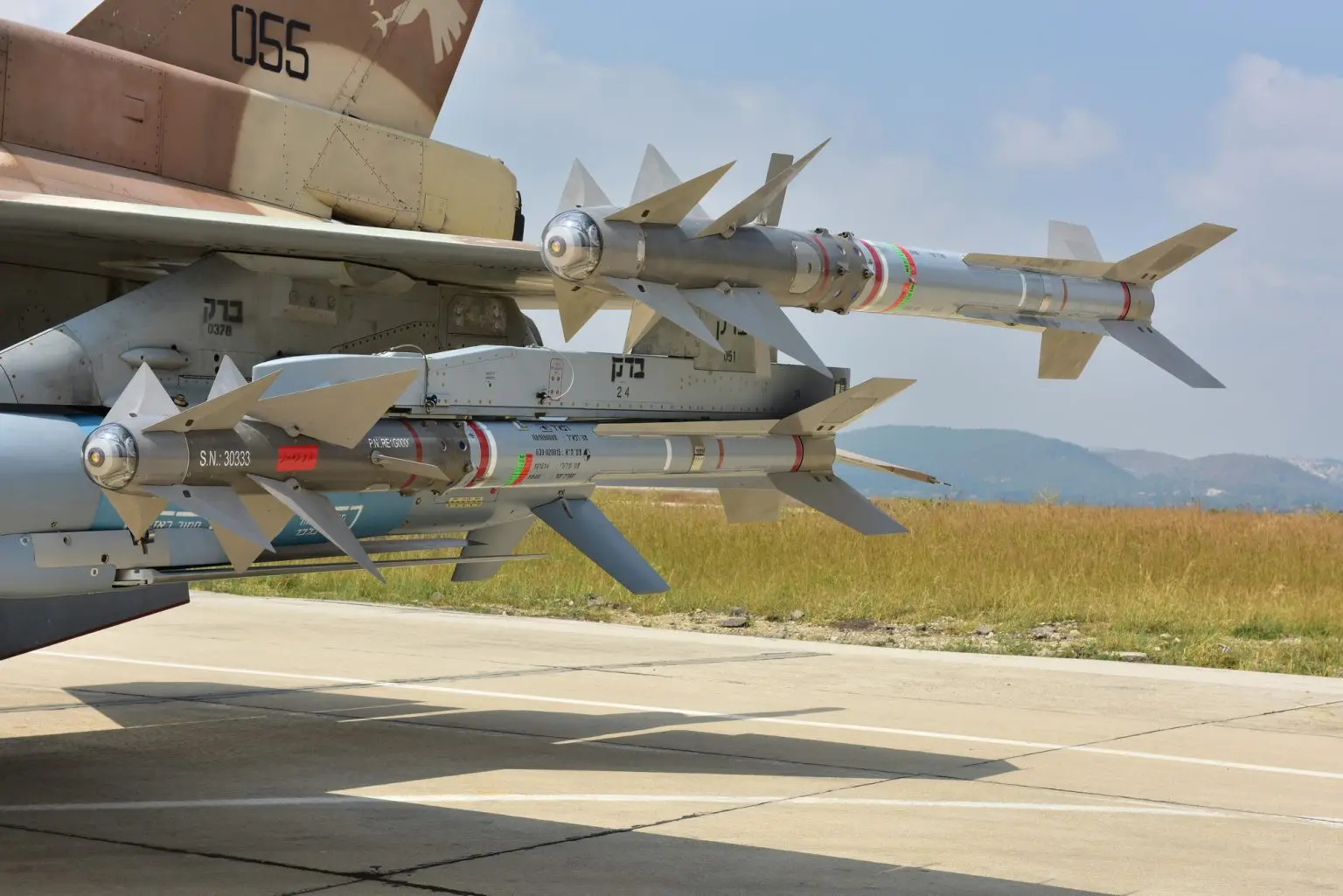
Israel's Python-5
Israel's Python-5 excels at short-range engagements with maximum range exceeding 20 kilometres, designed for within-visual-range combat. The missile features dual-waveband electro-optical infrared seeker with lock-on-before-launch and lock-on-after-launch capability. At Mach 4 speed and 105 kilogrammes weight, Python-5 offers 360-degree engagement with exceptional off-boresight angles.

Global Competition Reshaping Air Combat
Modern air combat has evolved into a competition of sensor resilience and kinematic endurance. While range claims vary from 20 km to 300 km, the true advantage now lies in AESA seeker technology and ramjet propulsion. As nations move toward 5th-generation fleets, these weapons ensure that the "first look, first shot" doctrine remains the deciding factor in regional military balances.
)
)
)
)
)