From Astra to Gandiva: 10 air-to-air missiles capable of reaching Mach 4

Ten air-to-air missiles now reach Mach 4 or beyond, reshaping aerial warfare fundamentally. India's Gandiva, Russia's R-37M, and China's PL-15 extend engagement ranges to 300-plus kilometres, making beyond-visual-range combat decisive.
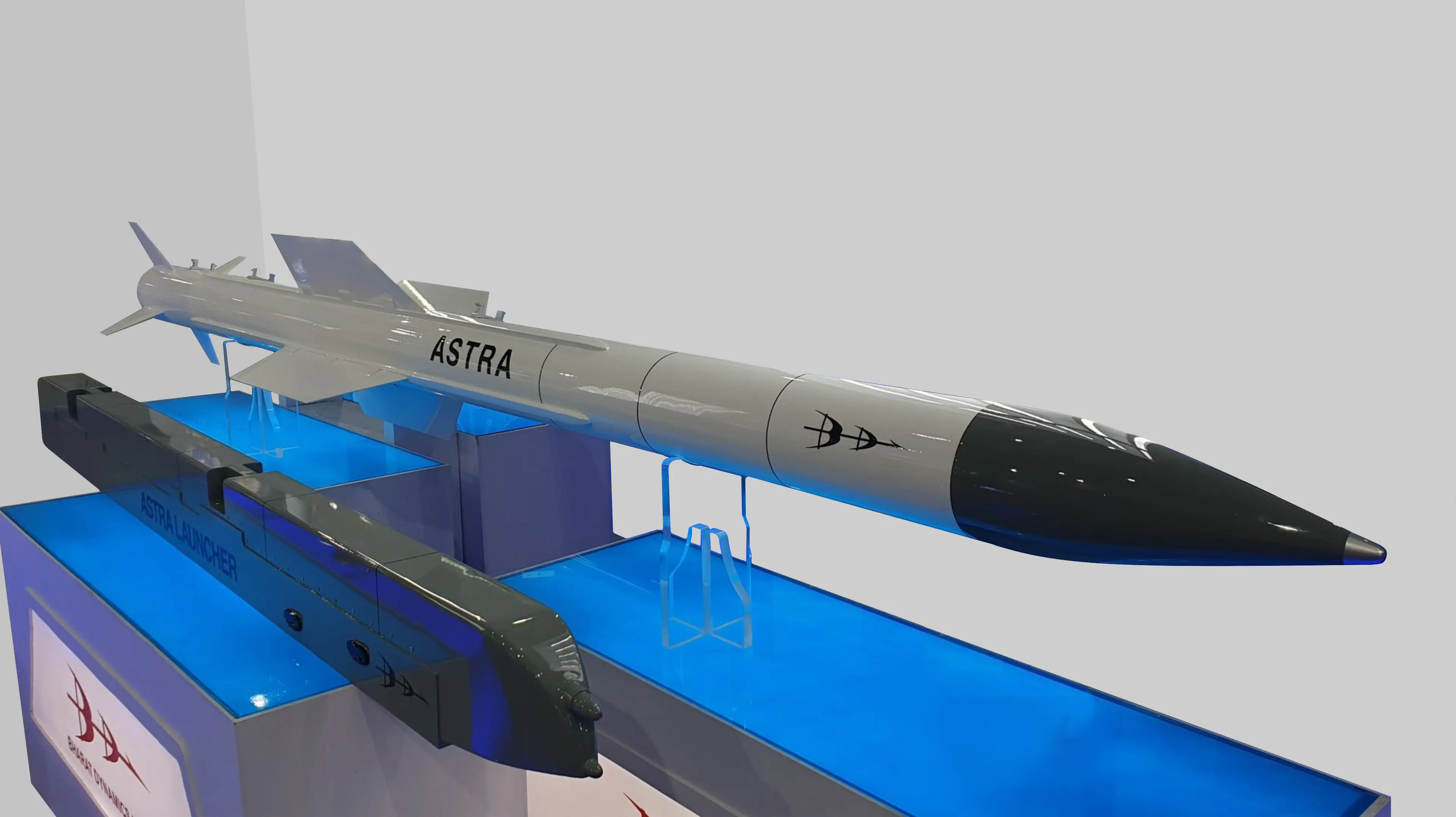
1. India's Astra Mk-1
India's first indigenous beyond-visual-range air-to-air missile, the Astra Mk-1, reaches speeds of Mach 4.5 with a maximum range of 110 kilometres in head-on chase mode. The missile carries a 15-kilogramme warhead and uses active radar homing for terminal guidance, establishing DRDO's capability in BVR weapons design.
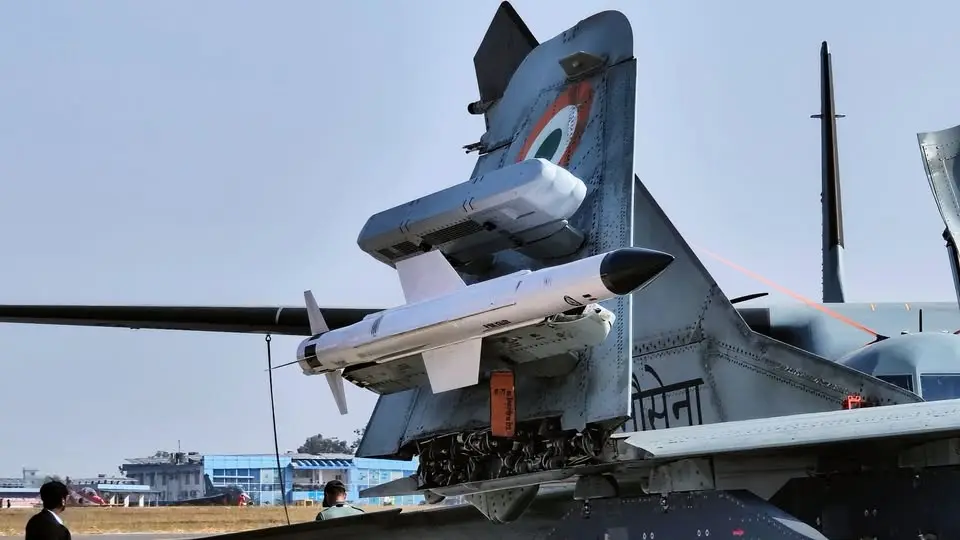
2. Astra Mk-2
The Astra Mk-2 extends operational distance to 150 to 160 kilometres whilst maintaining Mach 4.5 speeds. It features a dual-pulse rocket motor that dramatically increases range and kill probability, introducing improved seeker technology and two-way AWACS datalink capability for all-weather engagement.
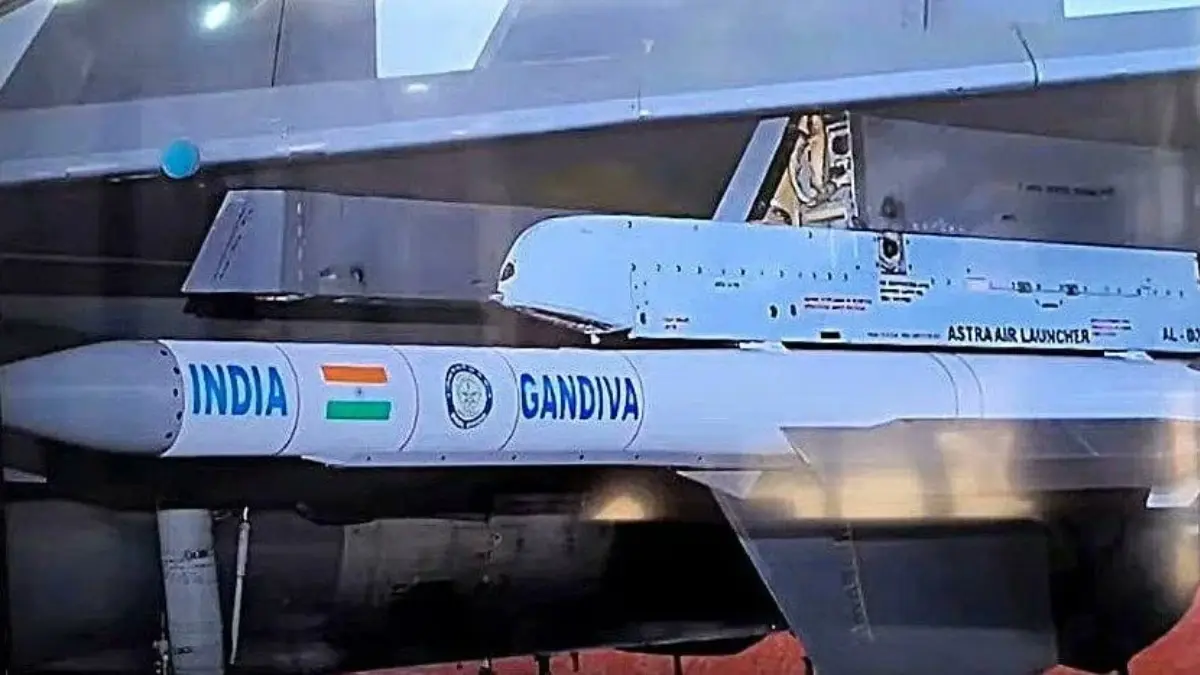
3. Astra Mk-3 Gandiva
India's most advanced air-to-air missile, the Astra Mk-3 or Gandiva, employs a solid fuel ducted ramjet (SFDR) engine reaching Mach 4.5 sustained speeds with 340-kilometre range from 20-kilometre altitude. The ramjet technology uses atmospheric oxygen for combustion, enabling lighter designs with exceptional range performance that outmatches most global competitors.
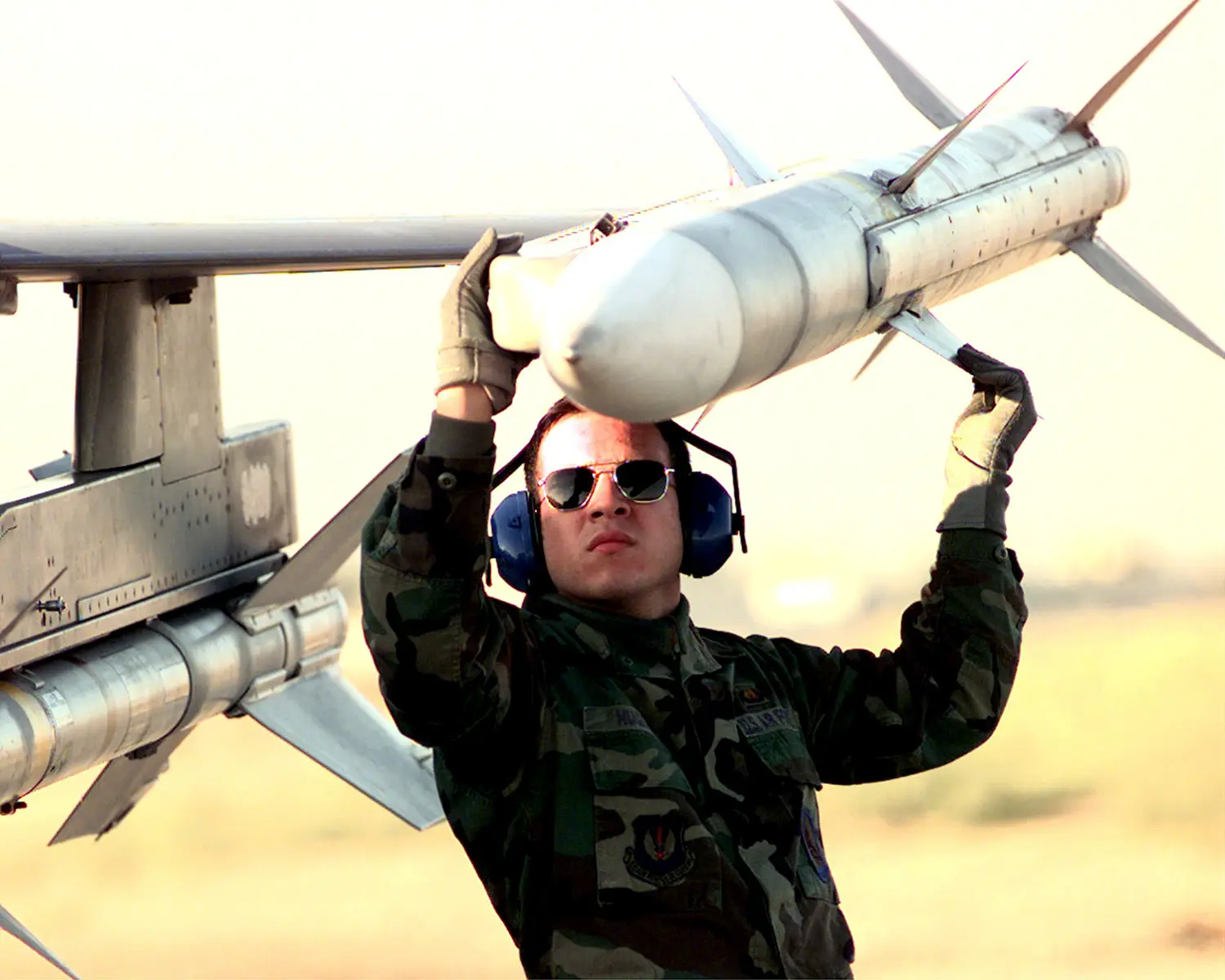
4. AIM-120 AMRAAM
The United States Air Force's AIM-120 Advanced Medium-Range Air-to-Air Missile reaches speeds of Mach 4 with a maximum range exceeding 160 kilometres in latest variants. This fire-and-forget missile remains the backbone of Western air forces and has seen extensive combat deployment across multiple conflicts since the 1990s.
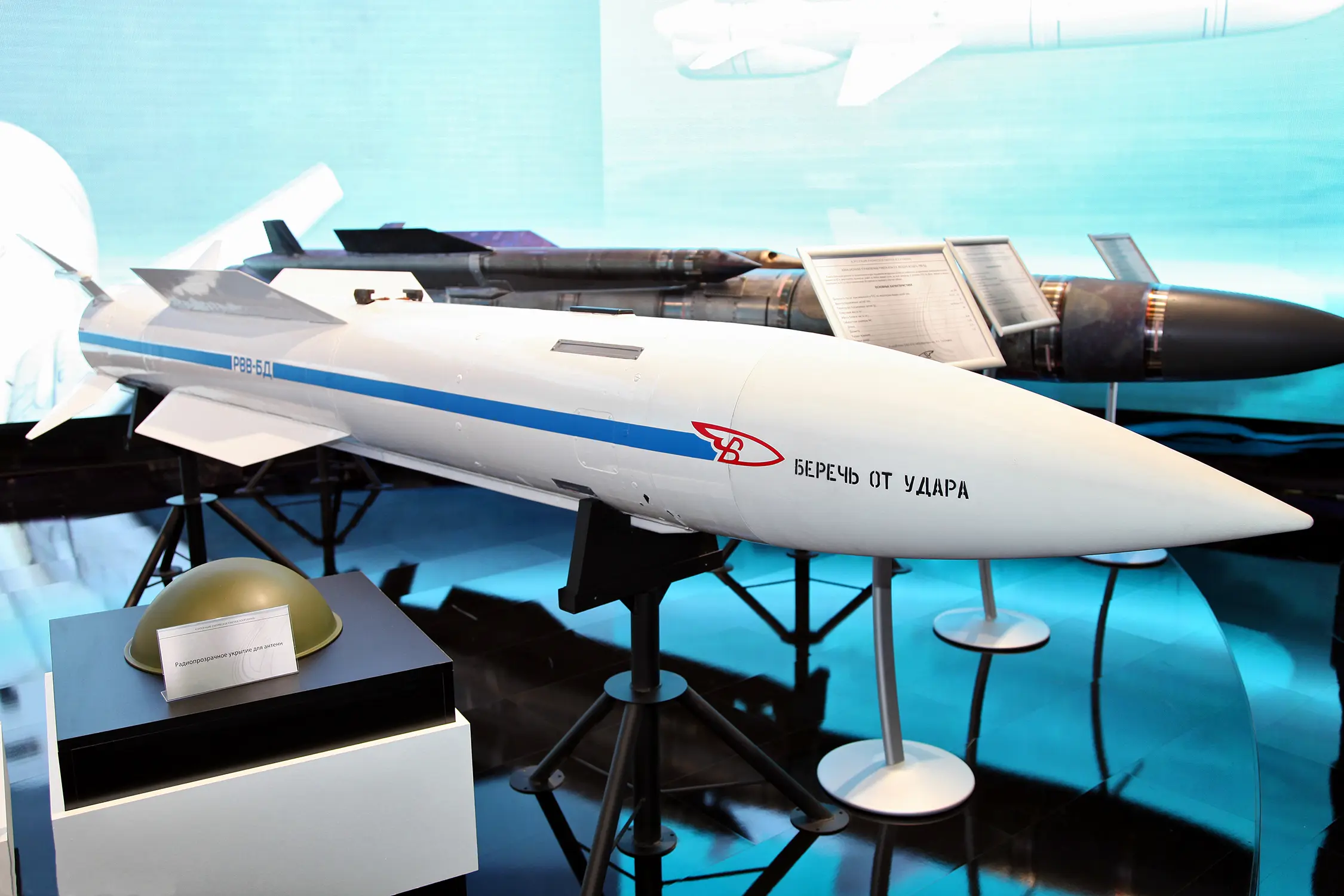
5. R-37M
Russia's R-37M, designated AA-13 by NATO, achieves speeds of Mach 6 and ranges extending to 300 to 400 kilometres. This ultra-long-range system allows Su-30MKI and MiG-31 fighters to engage AWACS aircraft from distances where adversaries cannot retaliate, using a dual-pulse solid fuel engine.
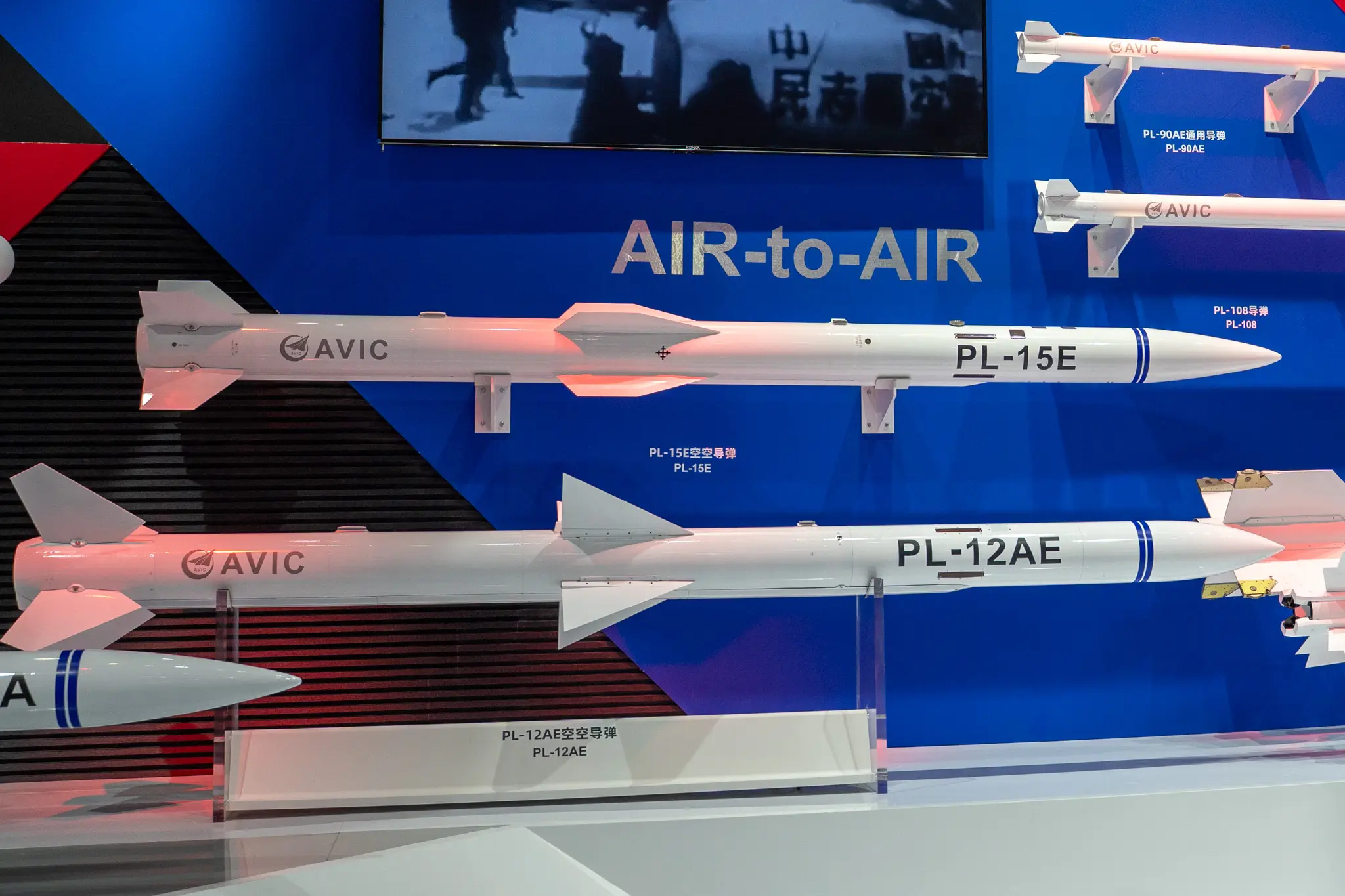
6. PL-15
The People's Liberation Army Air Force operates the PL-15 Thunderbolt, reaching Mach 5 speeds with 200 to 300-kilometre range for domestic variants. Pakistan's combat use of the export variant (PL-15E) with 145-kilometre range during recent border tensions demonstrated this weapon's operational effectiveness in live combat scenarios.
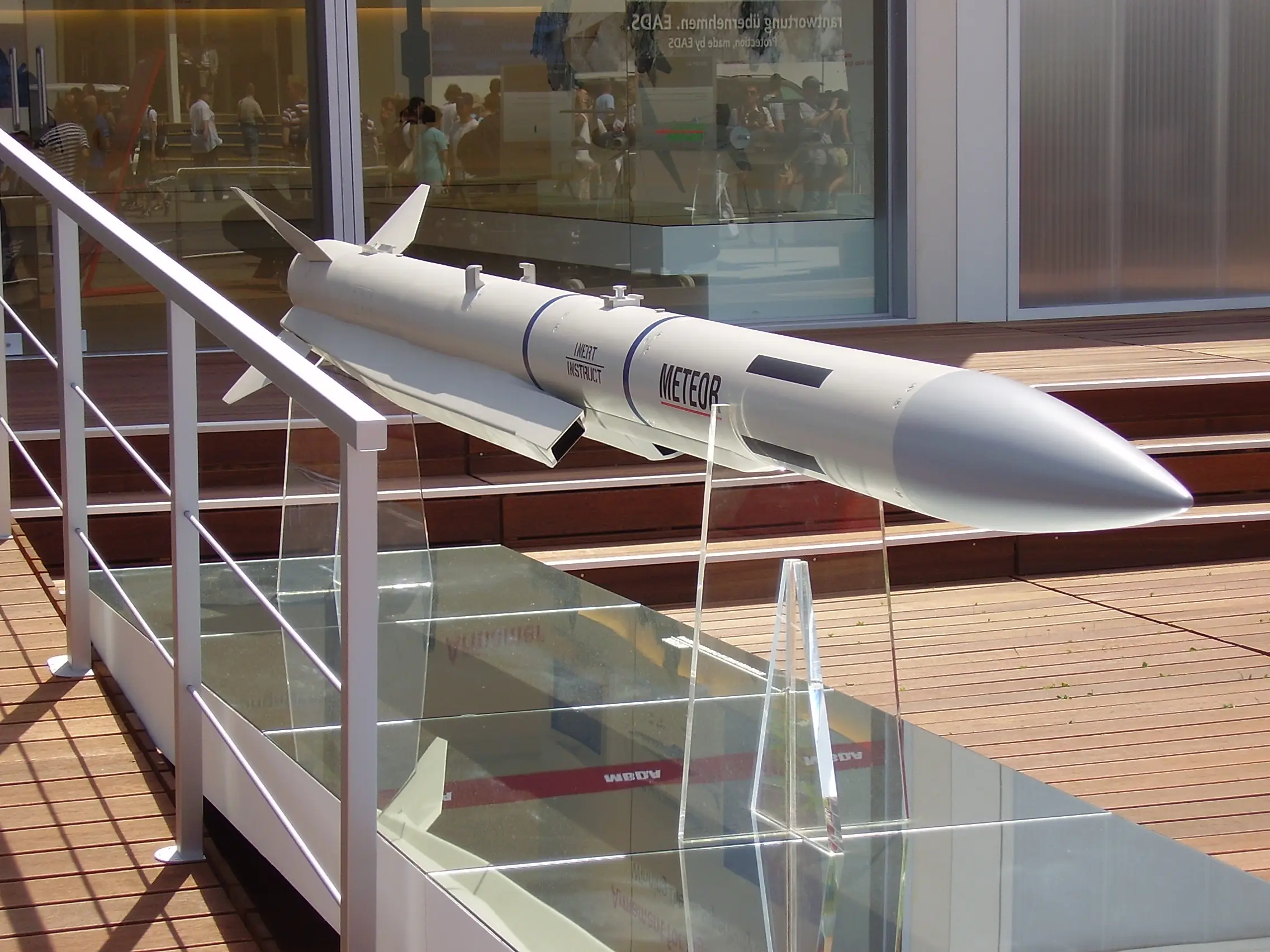
7. Meteor
The Meteor missile, developed through European collaboration and reaching Mach 4 or higher speeds, employs a throttleable ducted rocket motor similar to Gandiva. Its 200-kilometre range and advanced active radar seeker with two-way datalink enable engagement of manoeuvring targets beyond visual range with superior no-escape zone.
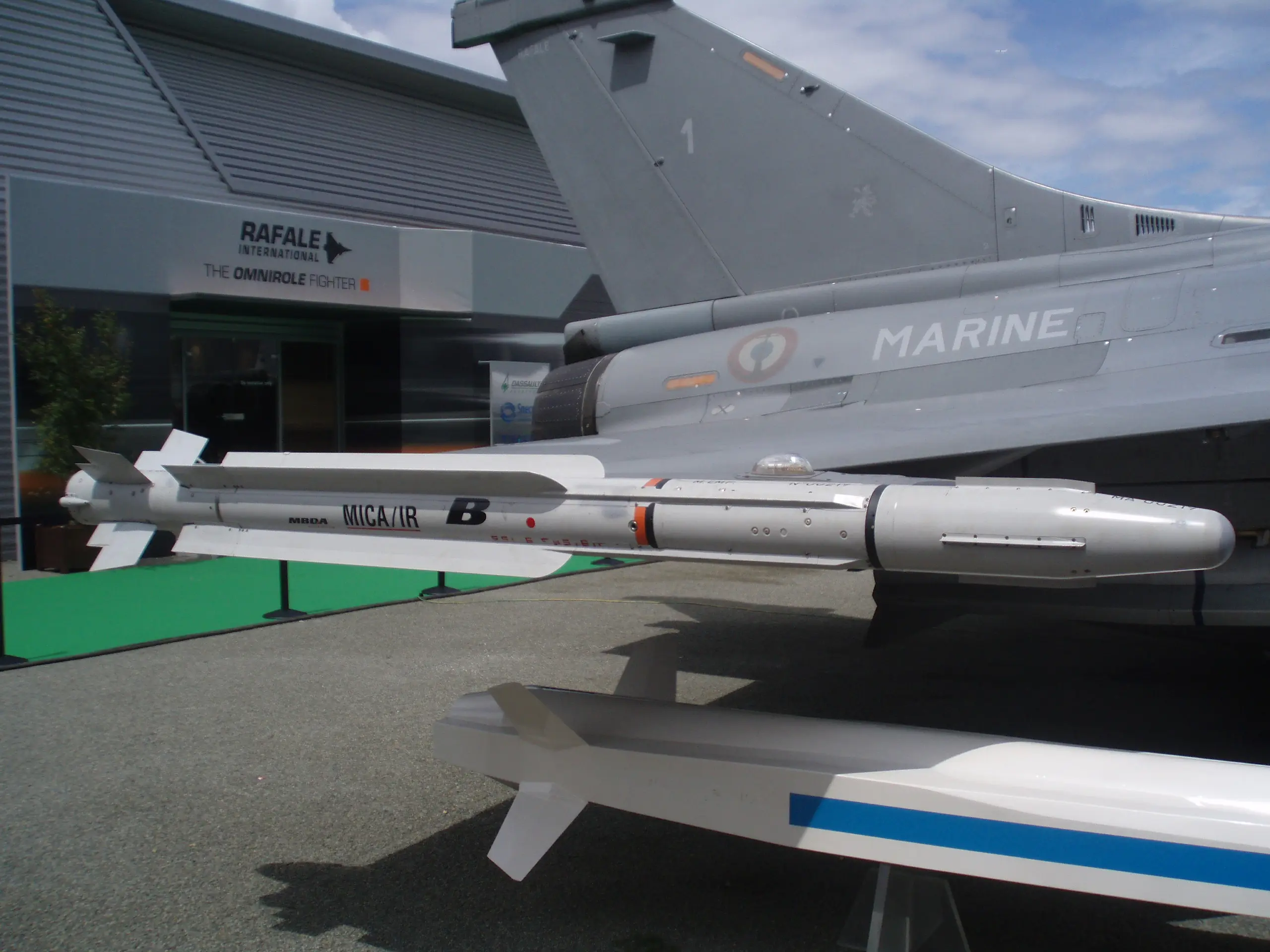
8. MICA and Super R-530
France's MICA missile reaches Mach 4 speeds with 60 to 80-kilometre air-launched range, featuring dual-mode capability with heat-seeking and radar-guided variants. The earlier Super R-530 achieves Mach 4.6 speeds with 40-kilometre range, equipping Rafale and Mirage fighters for precision air combat.
9. AIM-54 Phoenix
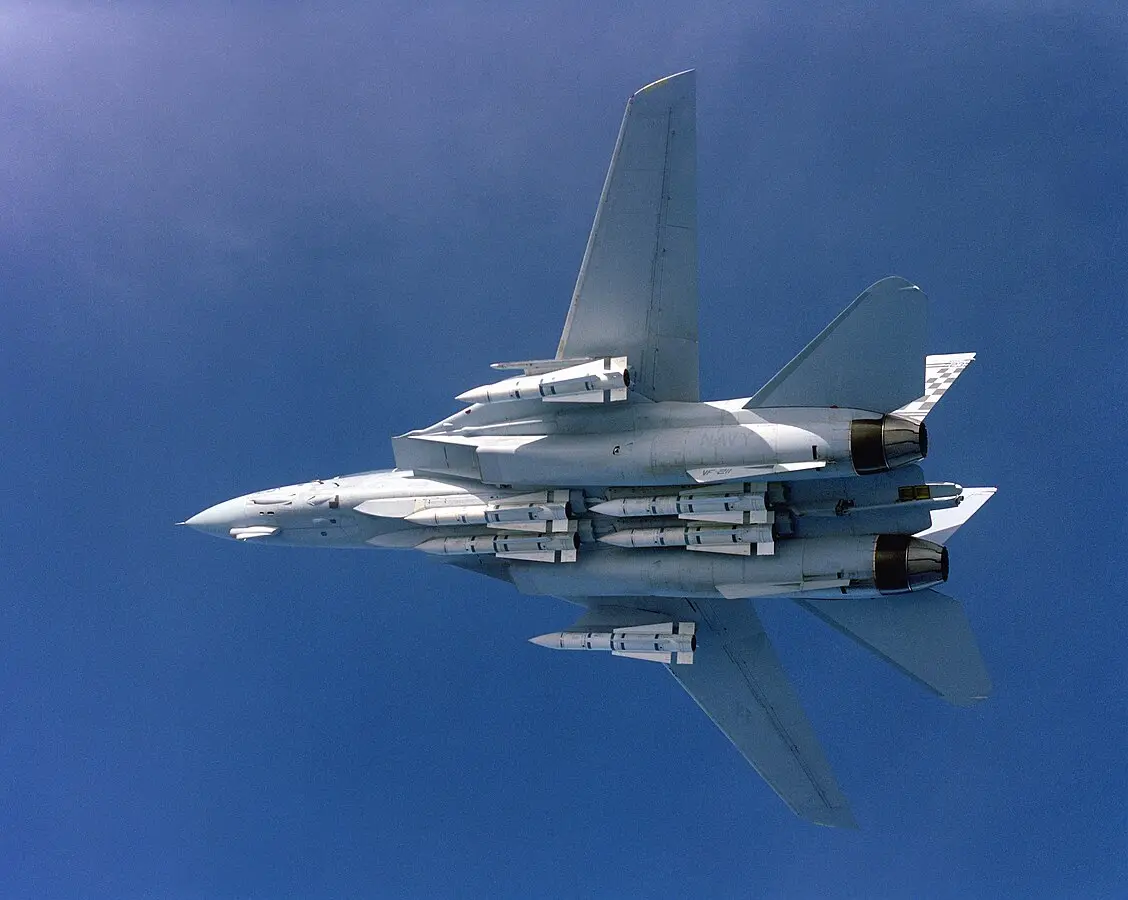
Though retired by the US Navy in 2004, the AIM-54 Phoenix remains historically significant for reaching Mach 5 top speeds with over 100-nautical-mile range. It was the primary long-range weapon for the F-14 Tomcat, costing approximately $500,000 per missile during its operational period.
10. R-77
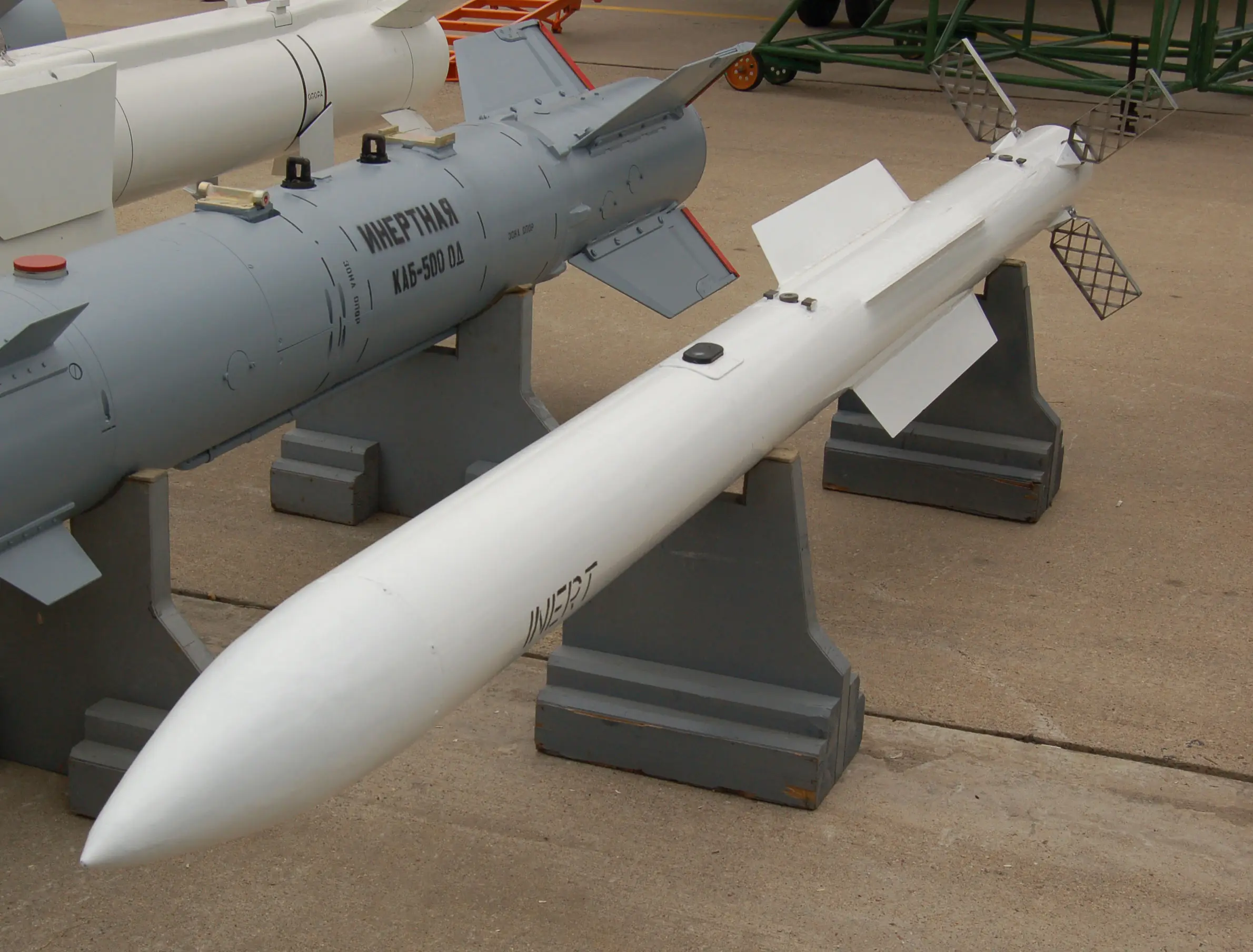
Russia's R-77 missile, designated AA-12 Adder by NATO, reaches Mach 4 speeds with 80-kilometre range in baseline variants and 110 kilometres in upgraded R-77-1 models. The missile features distinctive grid-fin control surfaces enabling 150-degree-per-second turning capability, whilst newer R-77M variants extend range to 193 kilometres with active electronically scanned array radar seekers.
)
)
)
)
)