India-Russia space ties: Successful past missions, those in progress and one that did not work out

India-Russia space collaboration: The two countries have come together on several occasions for space missions. The Soviet Union has helped India with its technology to launch satellites and also send the first Indian into space.
India-Russia space collaboration
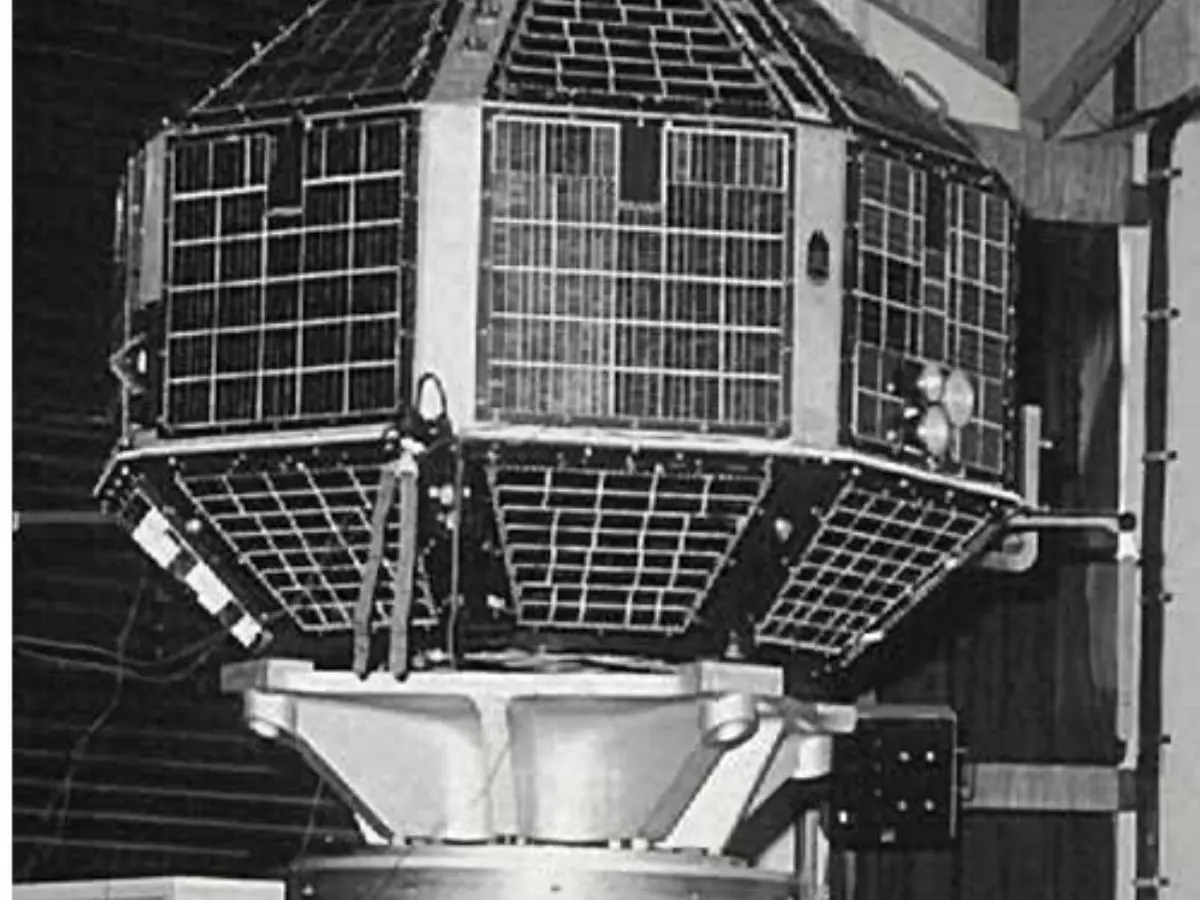
India and Russia have had a long history of space collaborations. The first Indian satellite, Aryabhatta, was launched aboard a then Soviet Union rocket. Later, several more Indian satellites were placed in orbit with the help of Russia. The first Indian was sent to space as part of a Soviet mission. The two countries also have things planned for the future.
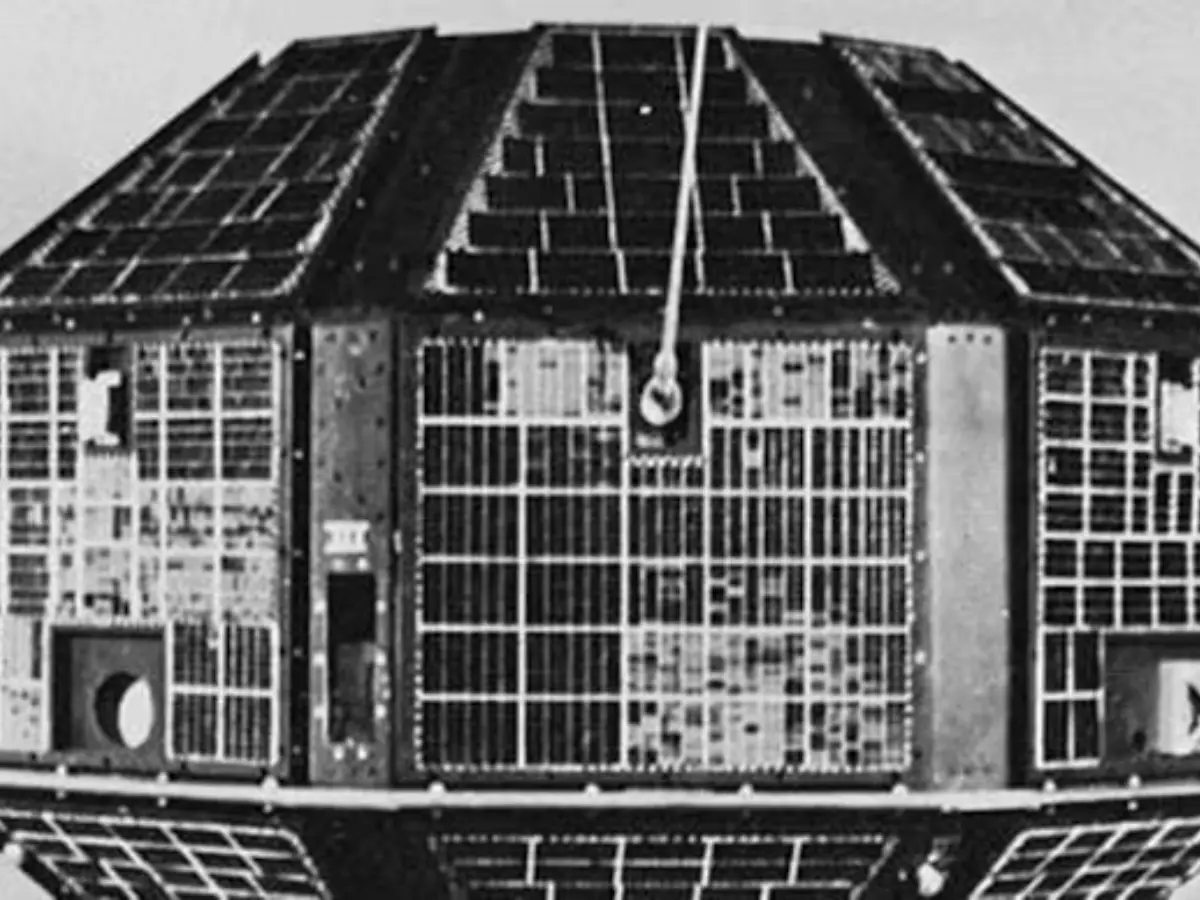
India's first satellite, Aryabhata, was launched aboard a Soviet rocket
The first time the two countries came together for a space mission was in 1975 when India launched its first satellite, Aryabhata. It was launched on 19 April from Kapustin Yar, a Soviet rocket launch and development site in Astrakhan Oblast, using a Kosmos-3M launch vehicle. It was done as part of the Soviet Interkosmos programme under which friendly states were provided access to space.
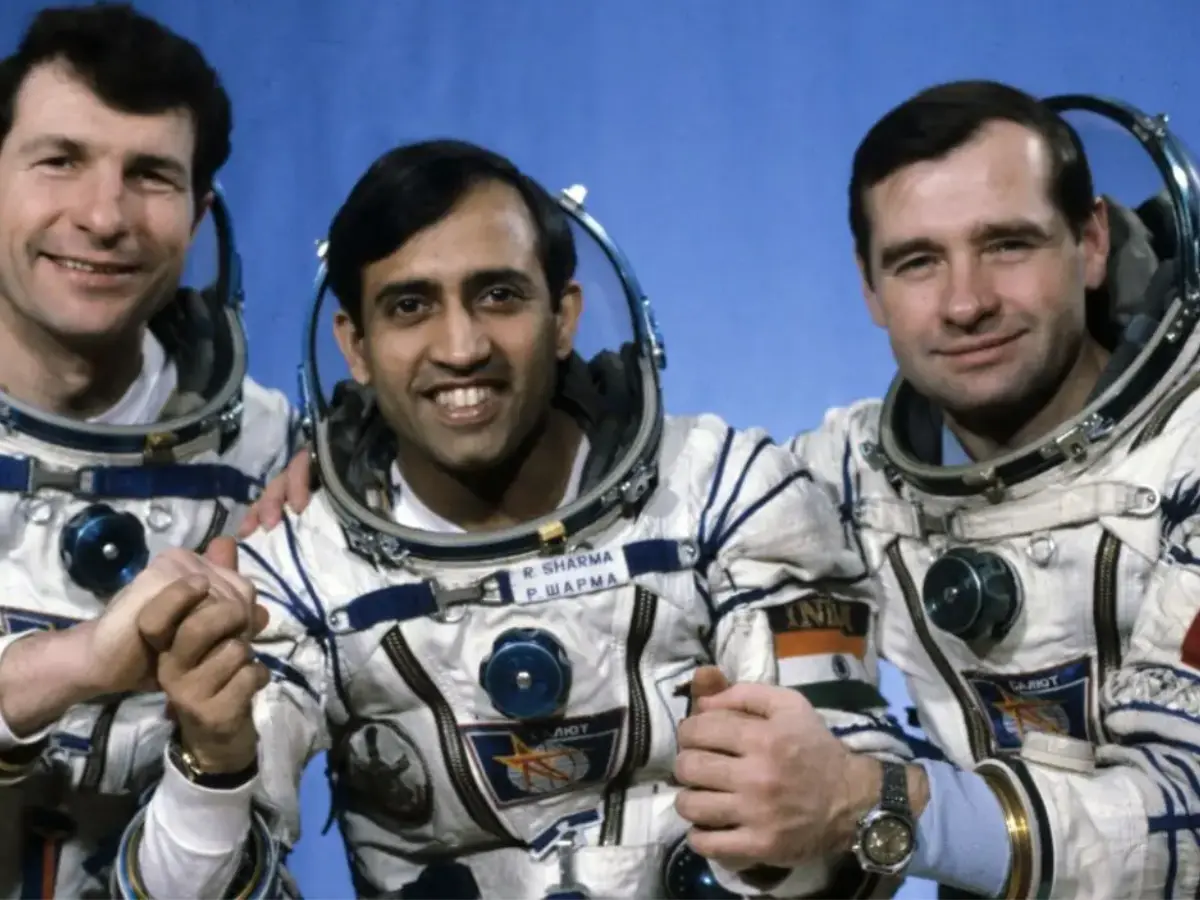
Rakesh Sharma, first Indian in space flew aboard Soyuz T-11
Cosmonaut Rakesh Sharma became the first Indian to reach space in 1984. He flew aboard Soyuz T-11 on 3 April 1984, also as part of the Soviet Interkosmos programme. Sharma spent 7 days, 21 hours, and 40 minutes on the Salyut conducting scientific and technical experiments.
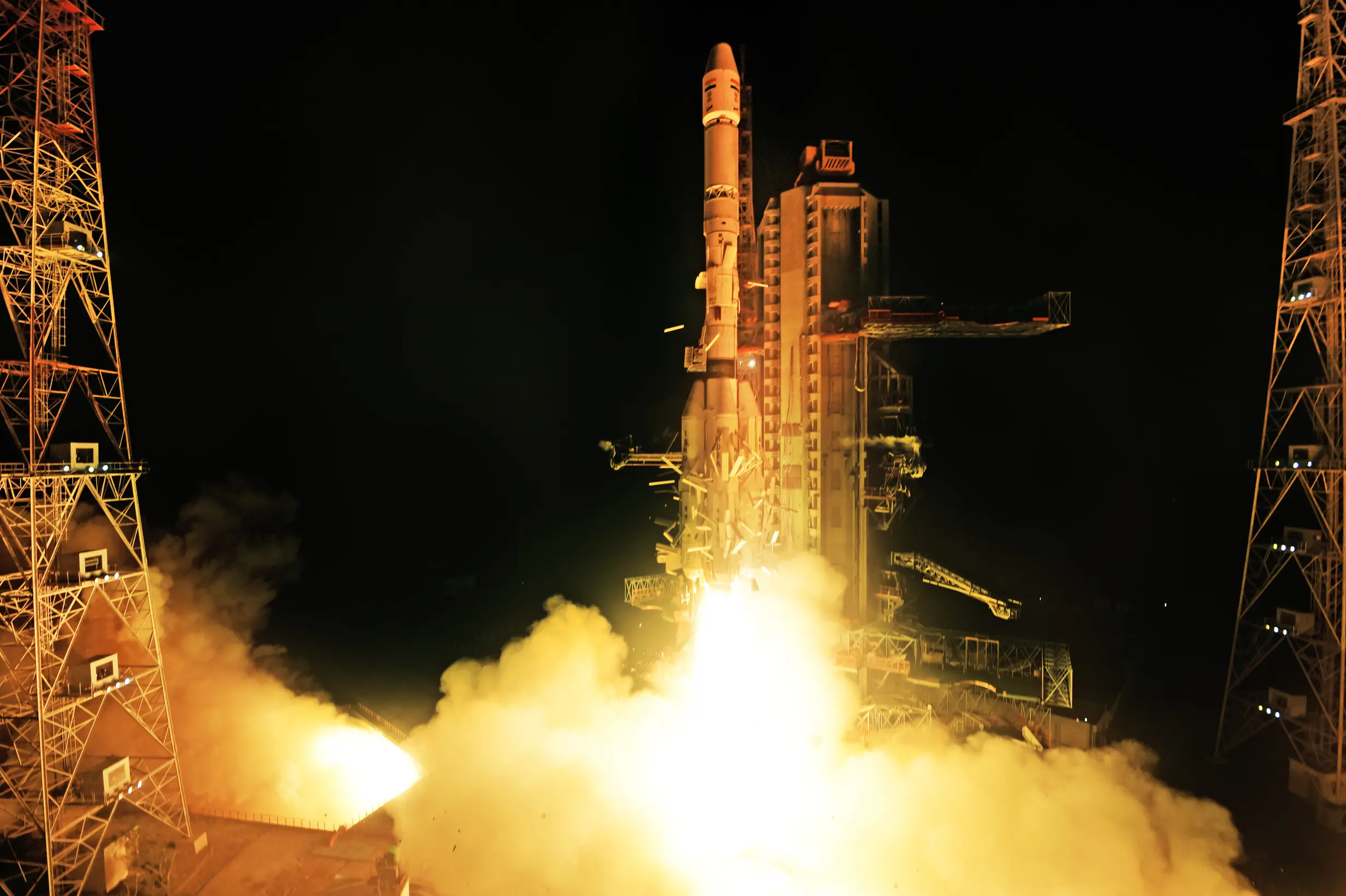
Soviet Union shared cryogenic engine technology with ISRO
In 1991, the Soviet Union agreed to transfer cryogenic engine technology to ISRO, providing engines and technical knowledge. The technology helped power heavy rockets with cheaper fuel. This deal later helped India develop its own heavy-lift launch capabilities. However, the US was not happy about it due to the potential for dual-use applications in missiles.
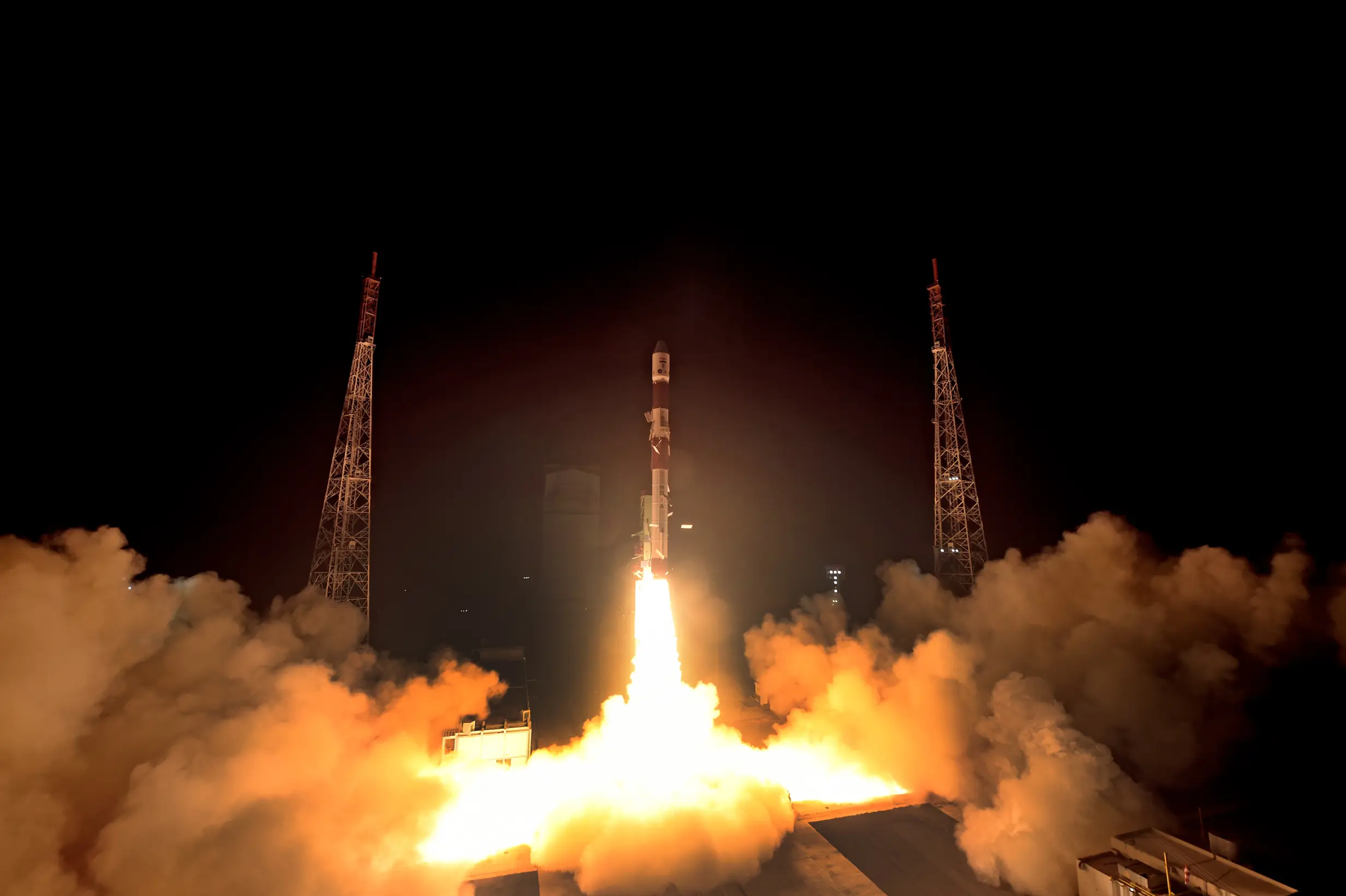
India and Russia are developing modern launch vehicles
Today, both India and Russia are developing modern launch vehicles to facilitate lunar exploration. The two countries are also developing reusable launchers and spacecraft aimed at reducing the cost of access to space.
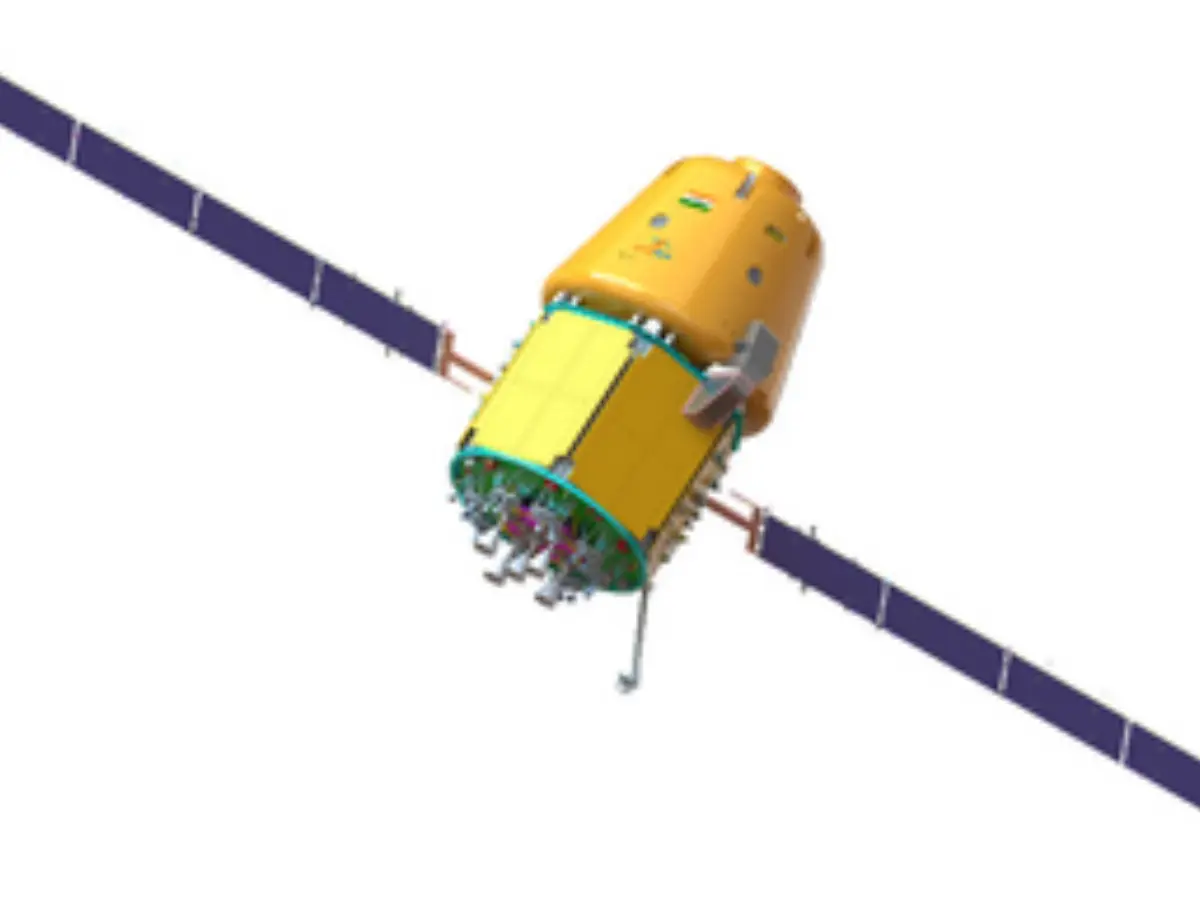
Gaganyaan
India is working on a crewed orbital spacecraft, Gaganyaan, which will be the formative spacecraft of the Indian Human Spaceflight Programme. Four Indian astronauts trained for the Gaganyaan program at Russia's Yuri Gagarin Cosmonaut Training Centre from February 2020 to March 2021.
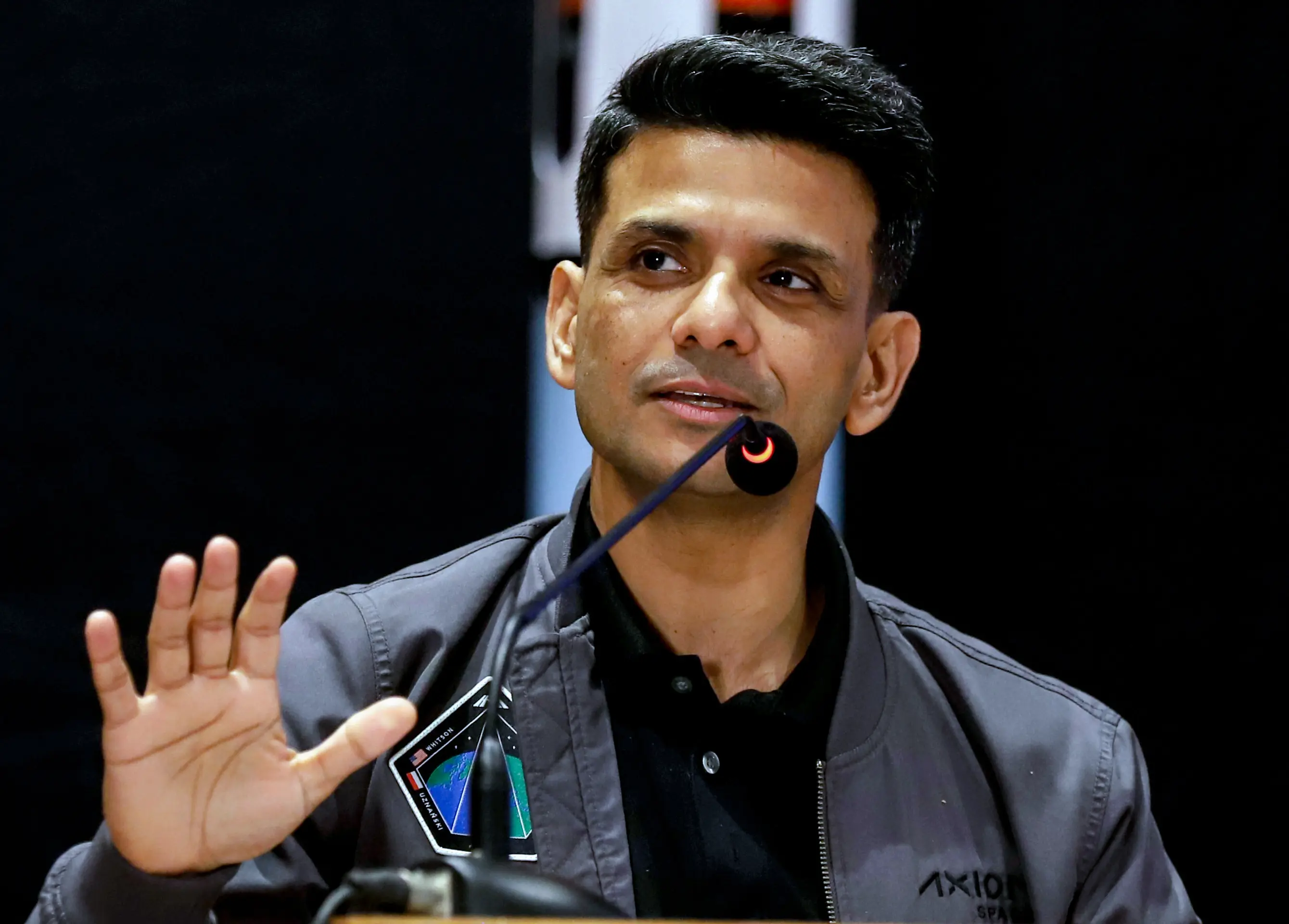
Russia is helping India with Gaganyaan
According to Russian news outlets, the program includes developing life support systems within the crew capsules, the crew module, including aspects such as radiation shielding, environmental control, and life support systems.
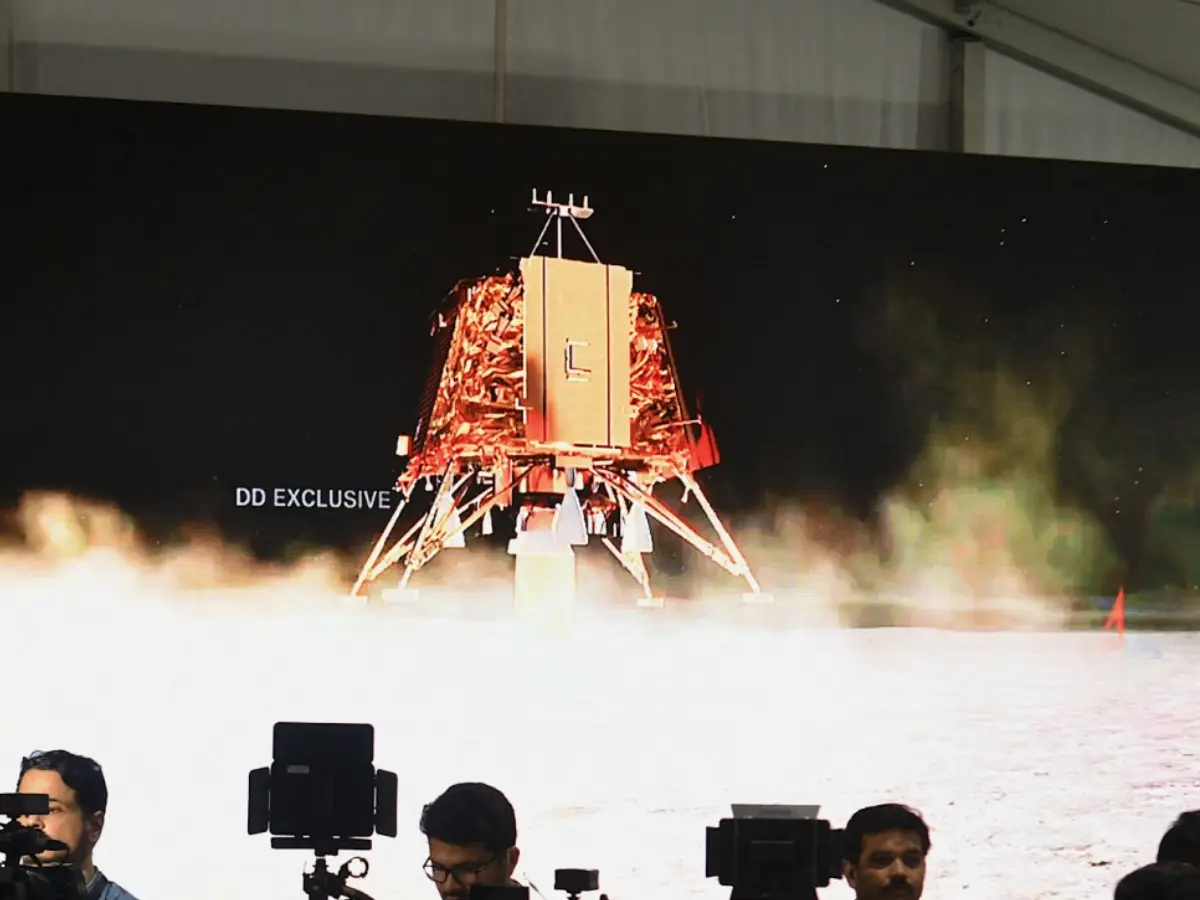
Collaborations that did not work out - Chandrayaan 2
There were some missions that were supposed to be a collaboration. ISRO and Roscosmos signed an agreement to cooperate on lunar exploration in the 2000s, and Chandrayaan 2 was supposed to include a Russian lander. But there were delays at Moscow's end, and ultimately, India developed its own lander called Vikram.
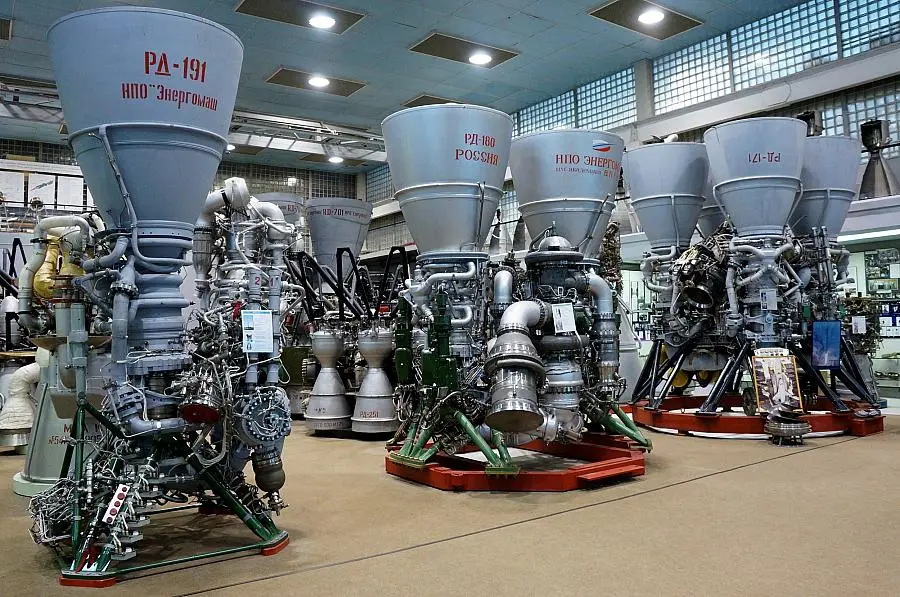
India could buy Russia’s ‘RD-191’ semi-cryo rocket engines
More recently, WION learned that India is likely to purchase a limited number of Russian-origin Semi-cryogenic engines of the ‘RD-191’ variant. This would be the second time that India is purchasing spacefaring rocket engines from Russia after the KVD-1 cryogenic engines in the 1990s.
)
)
)
)
)