From Arihant to future SSNs: How India is expanding its nuclear undersea arsenal

The Arihant-class submarines marked India’s entry into the elite club of nations capable of deploying nuclear missiles from underwater, giving the country a survivable second-strike capability.
Introduction — the silent leg of India’s nuclear deterrent
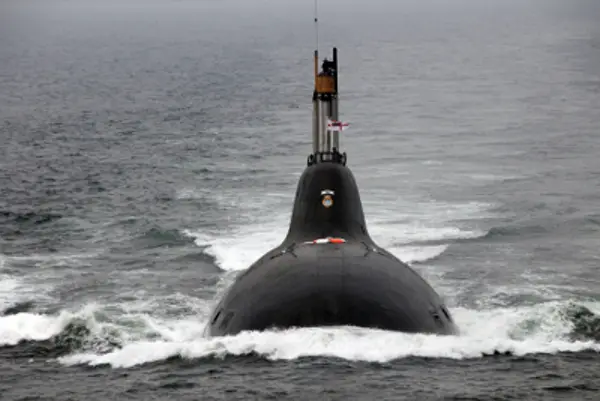
India’s nuclear submarine programme represents a cornerstone of its strategic defence. Over the last two decades, the country has moved from experimental steps to a credible sea-based nuclear deterrent. The Arihant-class submarines marked India’s entry into the elite club of nations capable of deploying nuclear missiles from underwater, giving the country a survivable second-strike capability.
The birth of Project 941 and Arihant
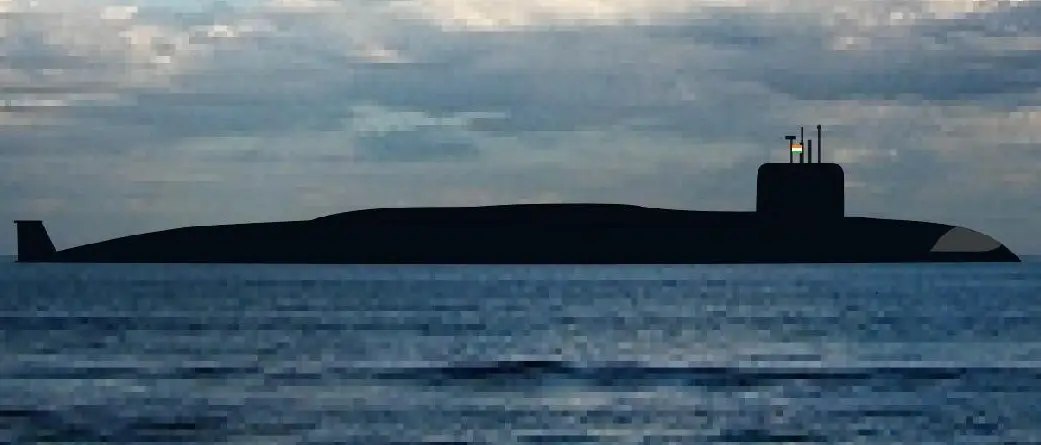
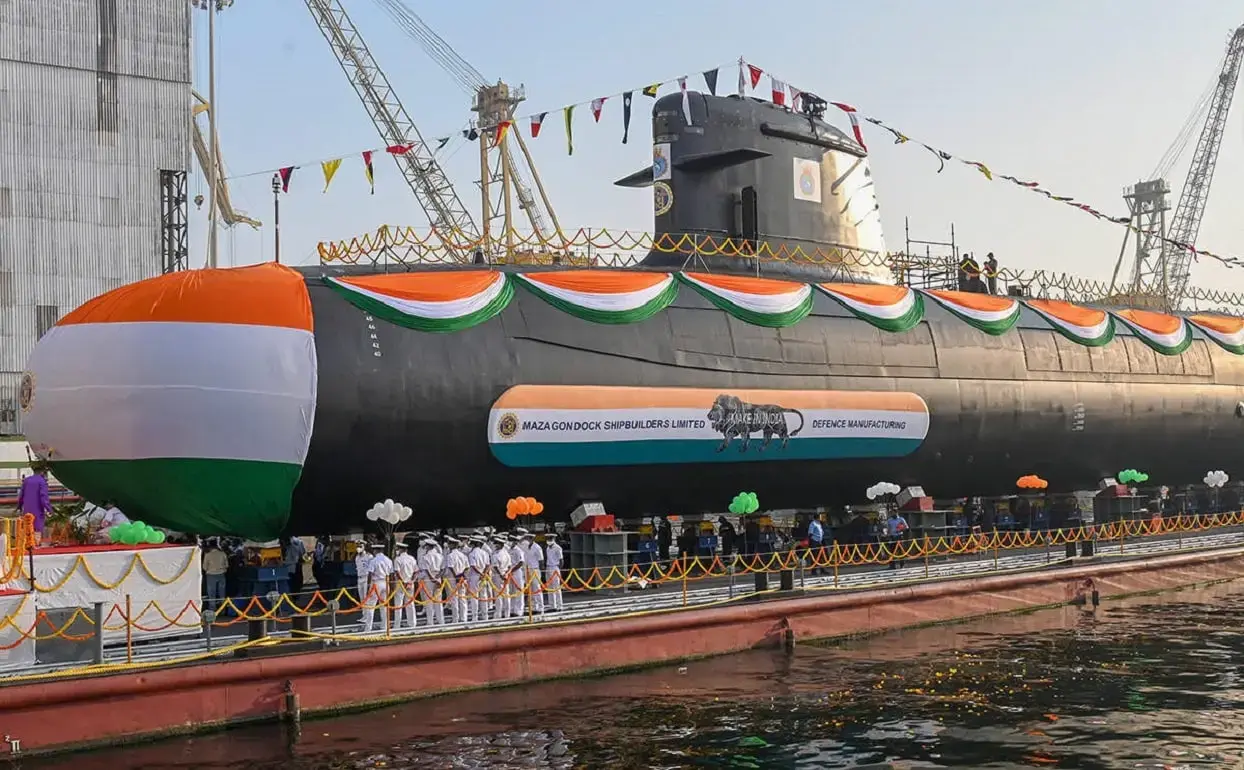
The Arihant-class programme, also referred to as the Advanced Technology Vessel (ATV) project, began in the 1990s. Designed and built indigenously, these submarines displace around 6,000 tonnes submerged and are equipped with ballistic missiles capable of ranges up to 750 km. Arihant, commissioned in 2016, demonstrated India’s ability to integrate nuclear propulsion systems, underwater missile launch technology, and advanced navigation in a single platform.
Armament and strategic capability
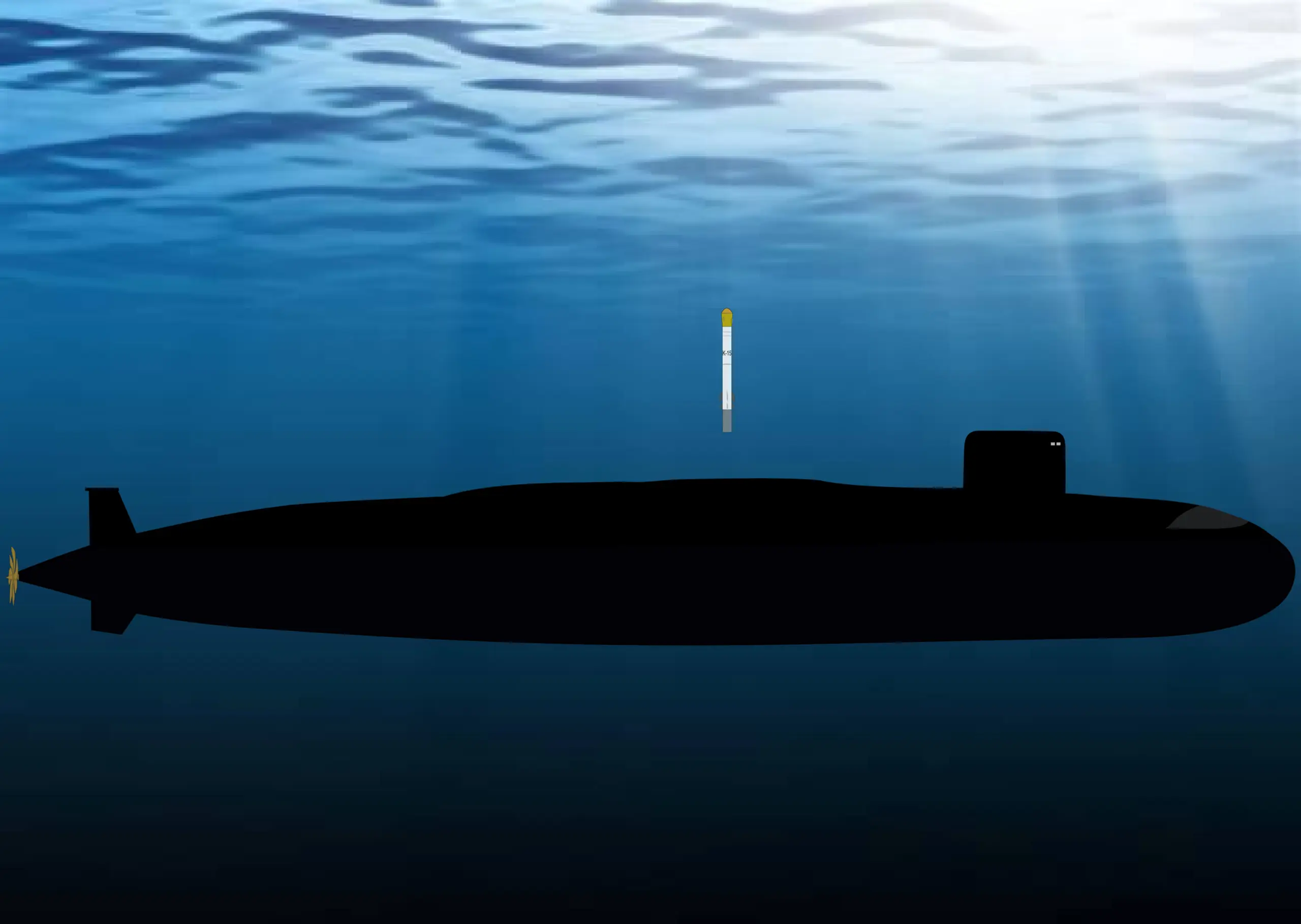
Arihant-class submarines carry four K-15 Sagarika and two K-4 missiles. The K-4 extends India’s underwater nuclear reach up to 3,500 km, allowing coverage of strategic areas without surfacing. The integration of these missiles enables continuous patrols, ensuring a survivable deterrent that can retaliate even if land-based nuclear assets are compromised.
Strategic significance of sea-based deterrence
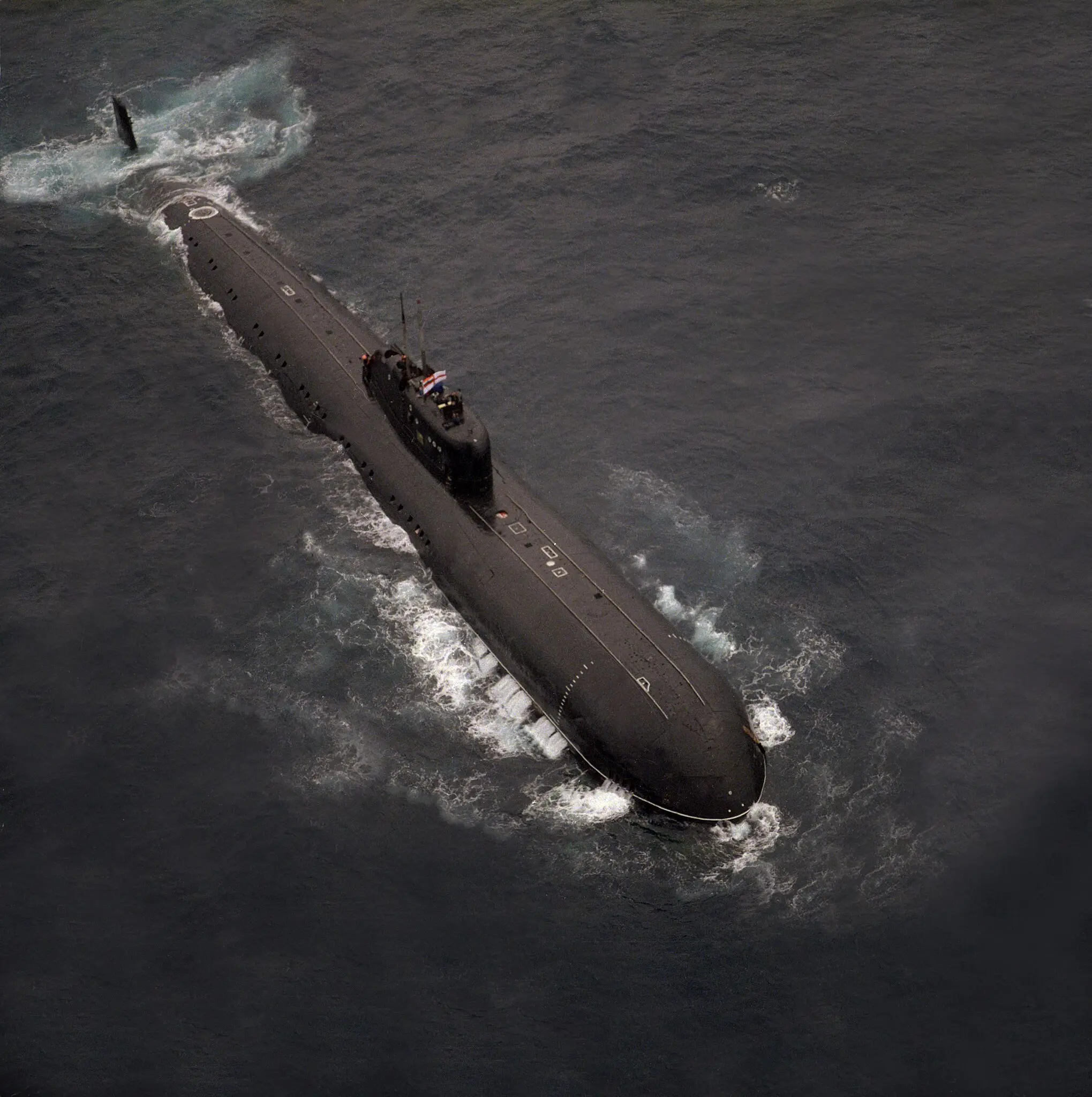
A sea-based nuclear force ensures India retains a secure second-strike capability. Unlike land-based missiles or air-delivered warheads, SSBNs can remain hidden in the vast Indian Ocean, making them extremely difficult to neutralise in a first strike. This capability is central to India’s ‘no first use’ nuclear doctrine and reinforces credible deterrence against potential adversaries.
Development challenges and milestones
Developing the Arihant-class and its missile systems required overcoming complex engineering challenges, including nuclear reactor miniaturisation and underwater launch technology. The programme involved decades of research, indigenous technological innovation, and extensive collaboration among DRDO, the Indian Navy, and domestic shipyards.
Attack submarines (SSNs) and the leased Chakra
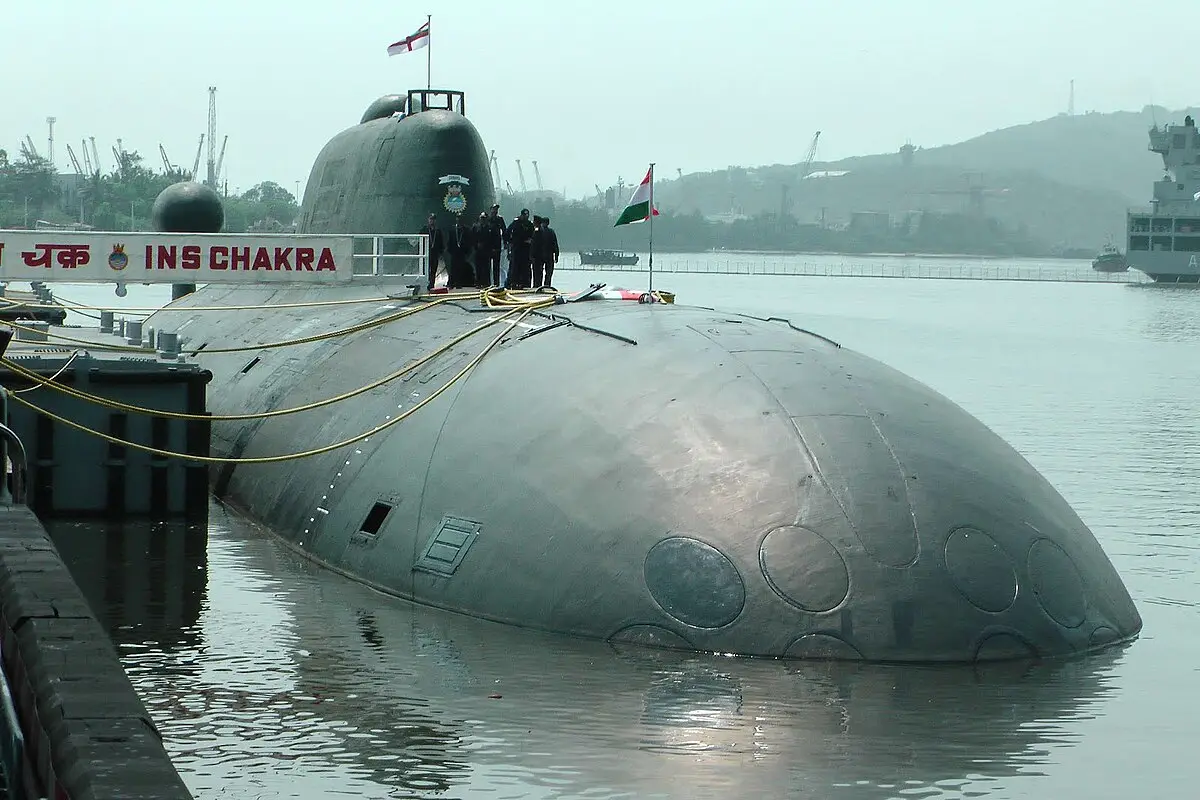
India is also acquiring nuclear attack submarines (SSNs) for high-speed patrols and intelligence-gathering. The INS Chakra II, leased from Russia, provides valuable operational experience and complements the SSBN fleet. Future indigenous SSNs will offer greater manoeuvrability and rapid deployment, strengthening India’s overall undersea capability.
Indigenous technological innovations
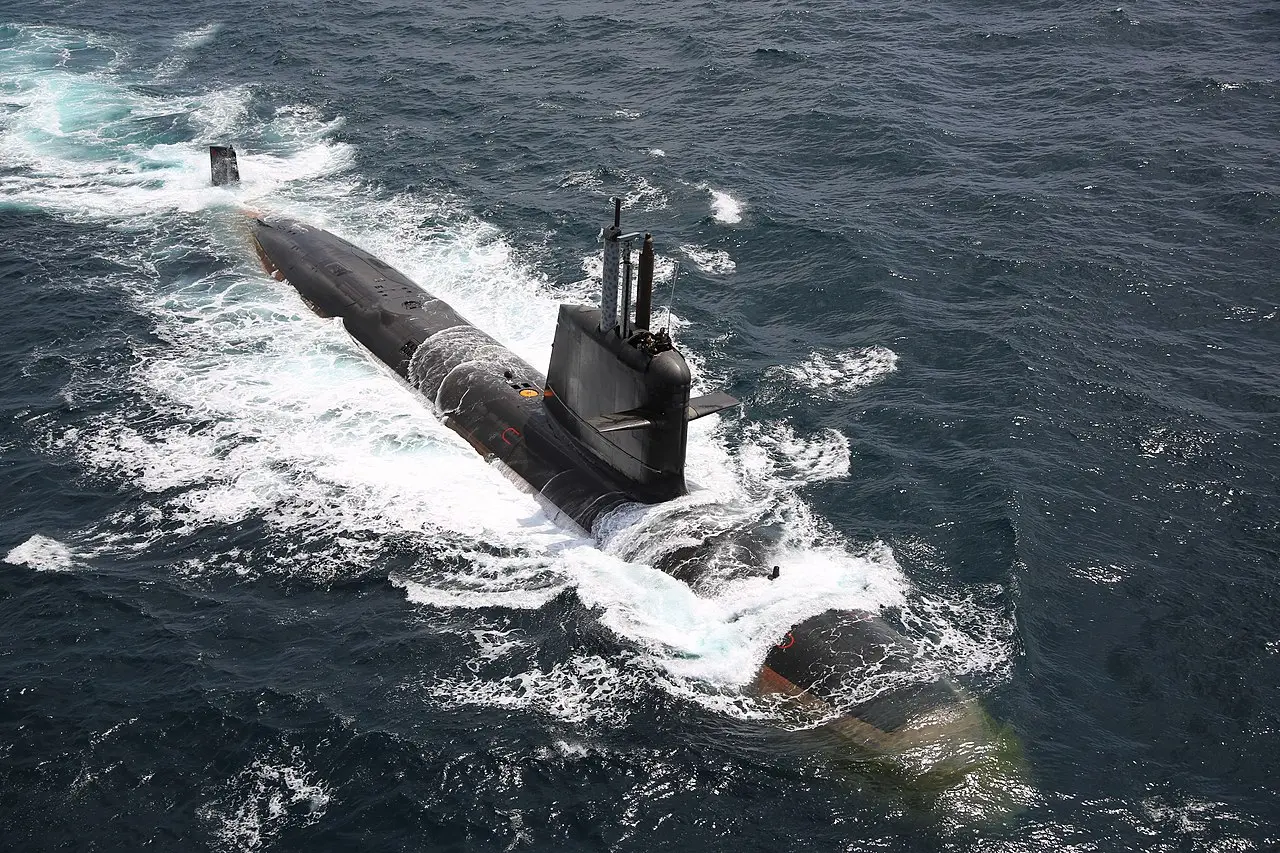
The programme has fostered breakthroughs including pressurised water reactor design, missile integration for submerged launches, advanced sonar systems, and quieting technologies. These developments not only strengthen India’s strategic capabilities but also advance conventional submarine technology and domestic shipbuilding expertise. India's Cabinet Committee on Security has approved the construction of two indigenous nuclear attack submarines for the Indian Navy, under project 77, with construction expected to take 10-12 years for the first one.
Regional and global implications
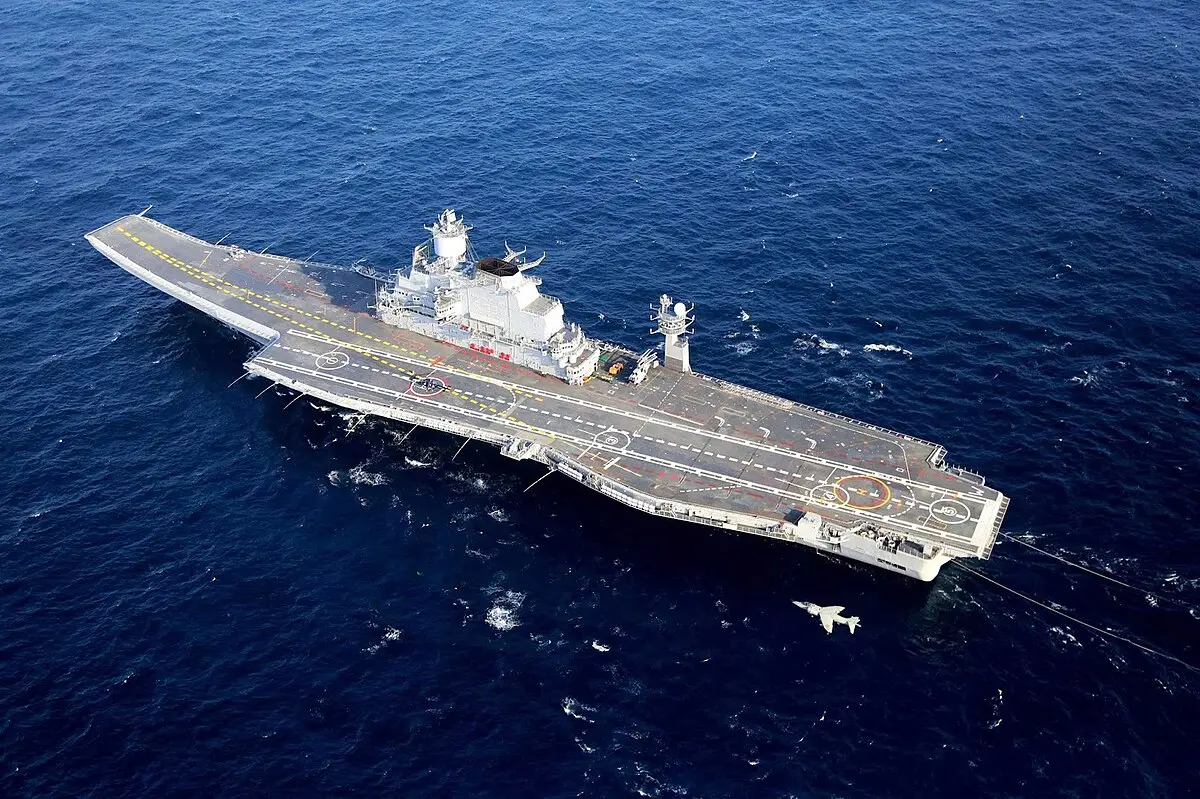
India’s nuclear submarine programme signals its emergence as a credible maritime power in the Indian Ocean Region. The strategic reach of INS Arihant, INS Arighat, and future SSNs strengthens deterrence vis-à-vis China and Pakistan, while enabling India to protect sea lanes crucial for global trade.
Conclusion — a continuing evolution
From the commissioning of INS Arihant to next-generation SSNs, India’s nuclear submarine programme exemplifies sustained technological progress and strategic foresight. With INS Arighat, INS S4, and INS Chakra II enhancing the fleet, India steadily improves its undersea warfare capability, ensuring both regional security and a credible second-strike nuclear deterrent.
)
)
)
)
)