From Apollo 1 to Columbia: 6 worst space disasters in history

Between 1961 and 2025, 14 American, four Soviet, and one Israeli astronaut died in space missions, with an additional 11 personnel killed during training and tests.
Human ambition and the cost of space
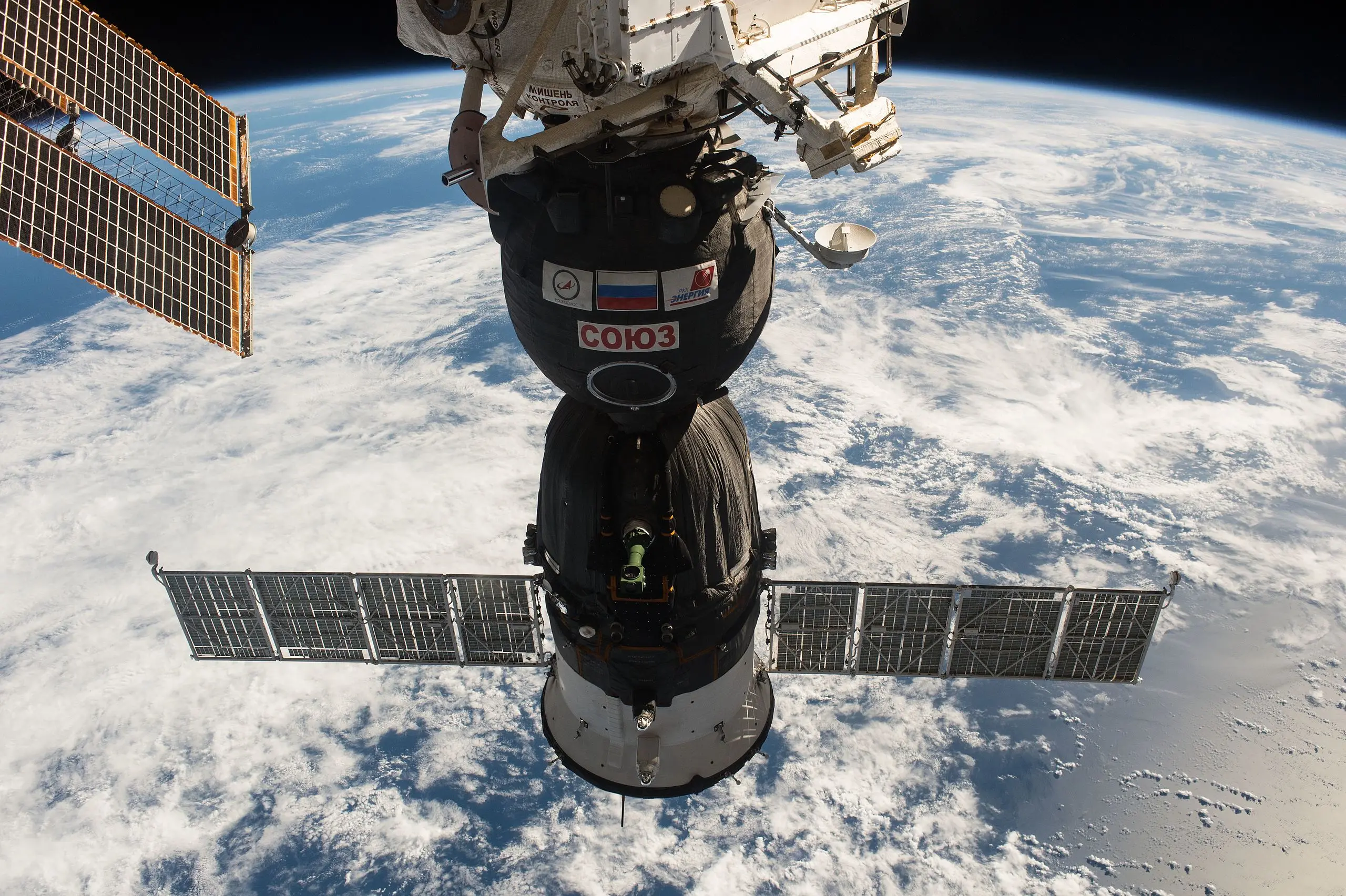
Space exploration has always been a testament to human curiosity and determination, but it has also come with a heavy price. Several missions that began with high hopes ended in disaster, costing lives and prompting major revisions in design and safety protocols. From early experimental spacecraft to modern shuttles, these incidents have left a lasting mark on history and informed improvements in astronaut safety. Between 1961 and 2025, 14 American, four Soviet, and one Israeli astronaut died in space missions, with an additional 11 personnel killed during training and tests.
Apollo 1 – 1967
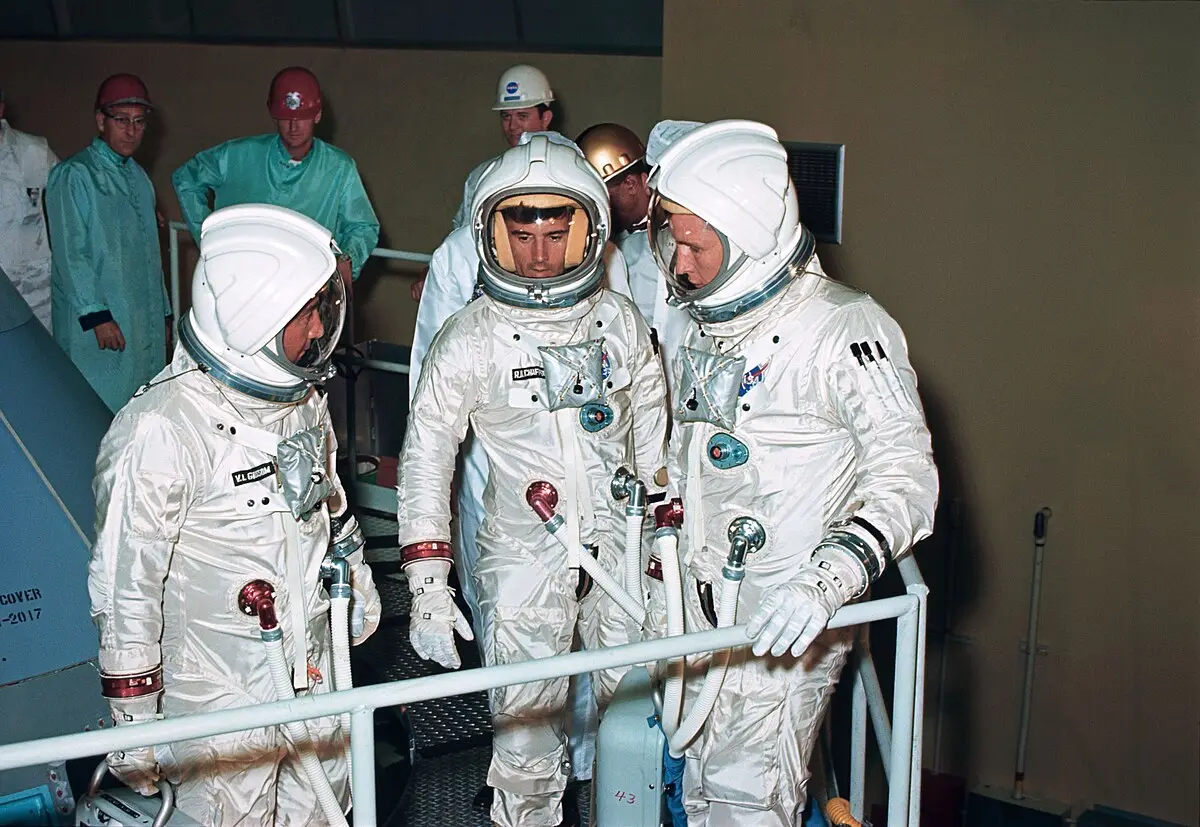
The first fatal accident in US spaceflight occurred on January 27, 1967 during preparations for the Apollo program. Astronauts Virgil ‘Gus’ Grissom, Edward H. White II, and Roger B. Chaffee died when a flash fire broke out inside the command module during a routine preflight test at Cape Kennedy. A spark ignited the pure oxygen environment, and the inward-opening hatch prevented escape. The tragedy led NASA to redesign the hatch system, implement fire-resistant materials, and strengthen safety protocols for future missions.
Soyuz 1 – 1967
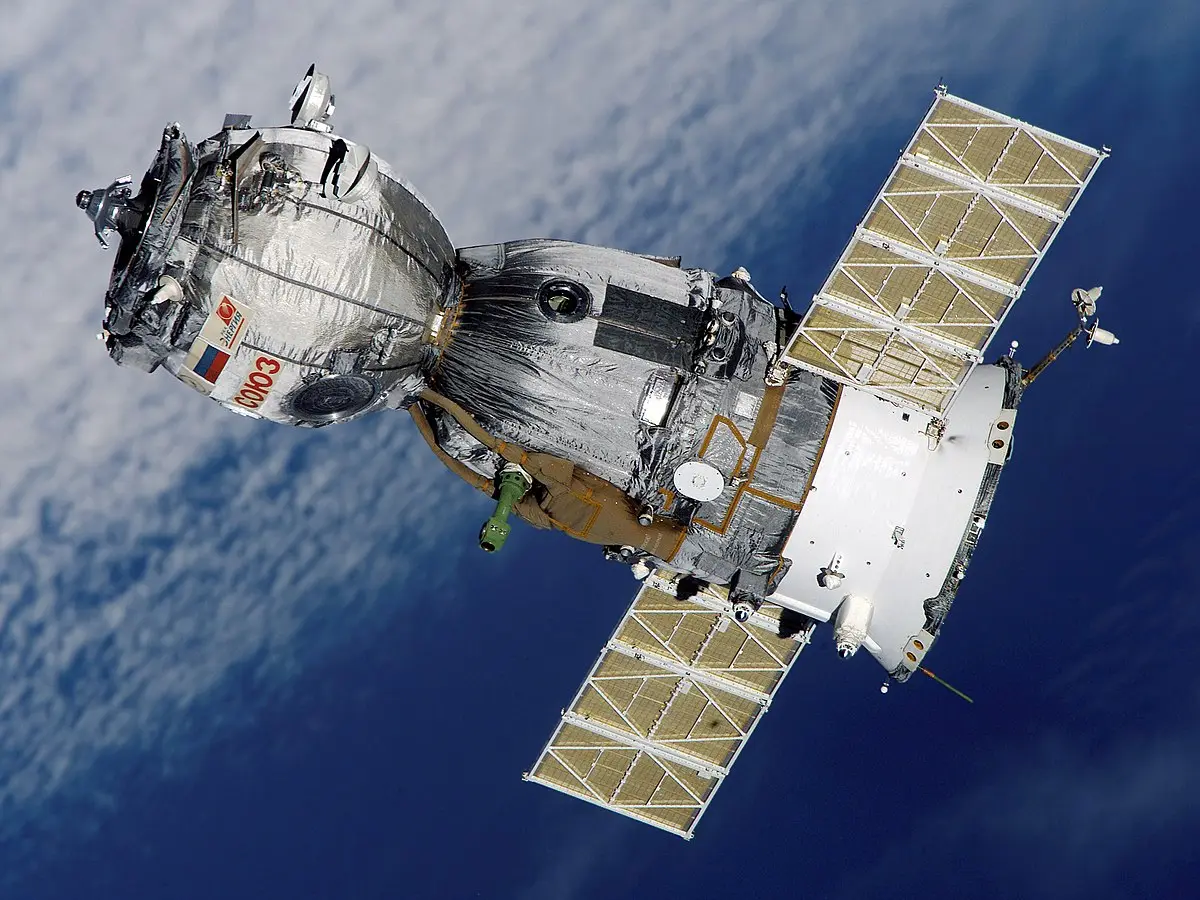
Three months after Apollo 1, Soviet cosmonaut Vladimir Komarov became the first human to die during a spaceflight. On April 24, 1967, the Soyuz 1 spacecraft suffered a solar panel failure soon after entering orbit, compromising power and control systems. Though the mission was aborted, Komarov’s parachutes failed during reentry, causing the spacecraft to crash in southeastern Russia. The incident highlighted risks associated with rushed development and experimental spacecraft.
Michael J. Adams – X-15 Flight 3-65-97
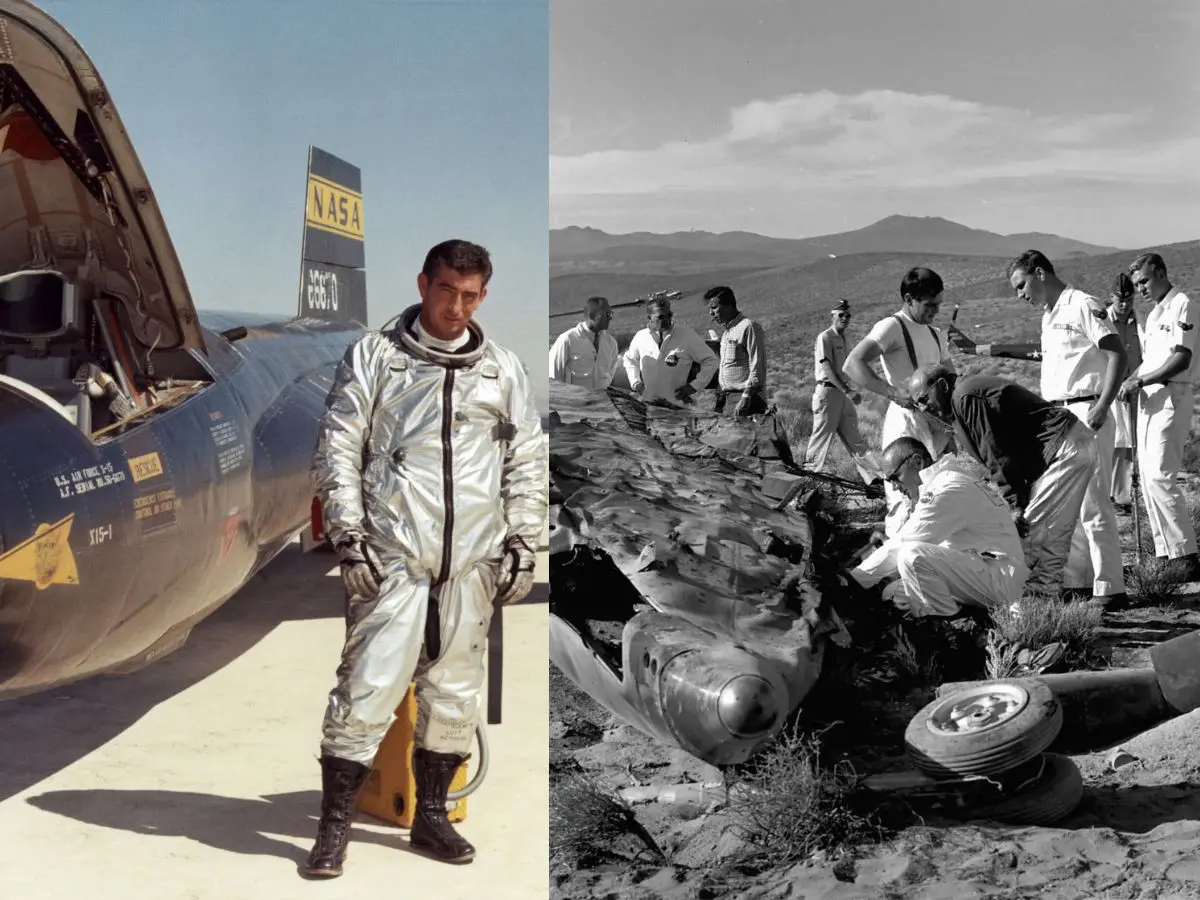
On November 15, 1967, test pilot Michael J. Adams died during the X-15 Flight 3-65-97, an experimental spaceplane operated jointly by the US Air Force and NASA. An electrical malfunction followed by control failure caused the aircraft to crash. Adams was among only twelve pilots to fly the X-15, underscoring the dangers of early spaceplane testing.
Soyuz 11 – 1971
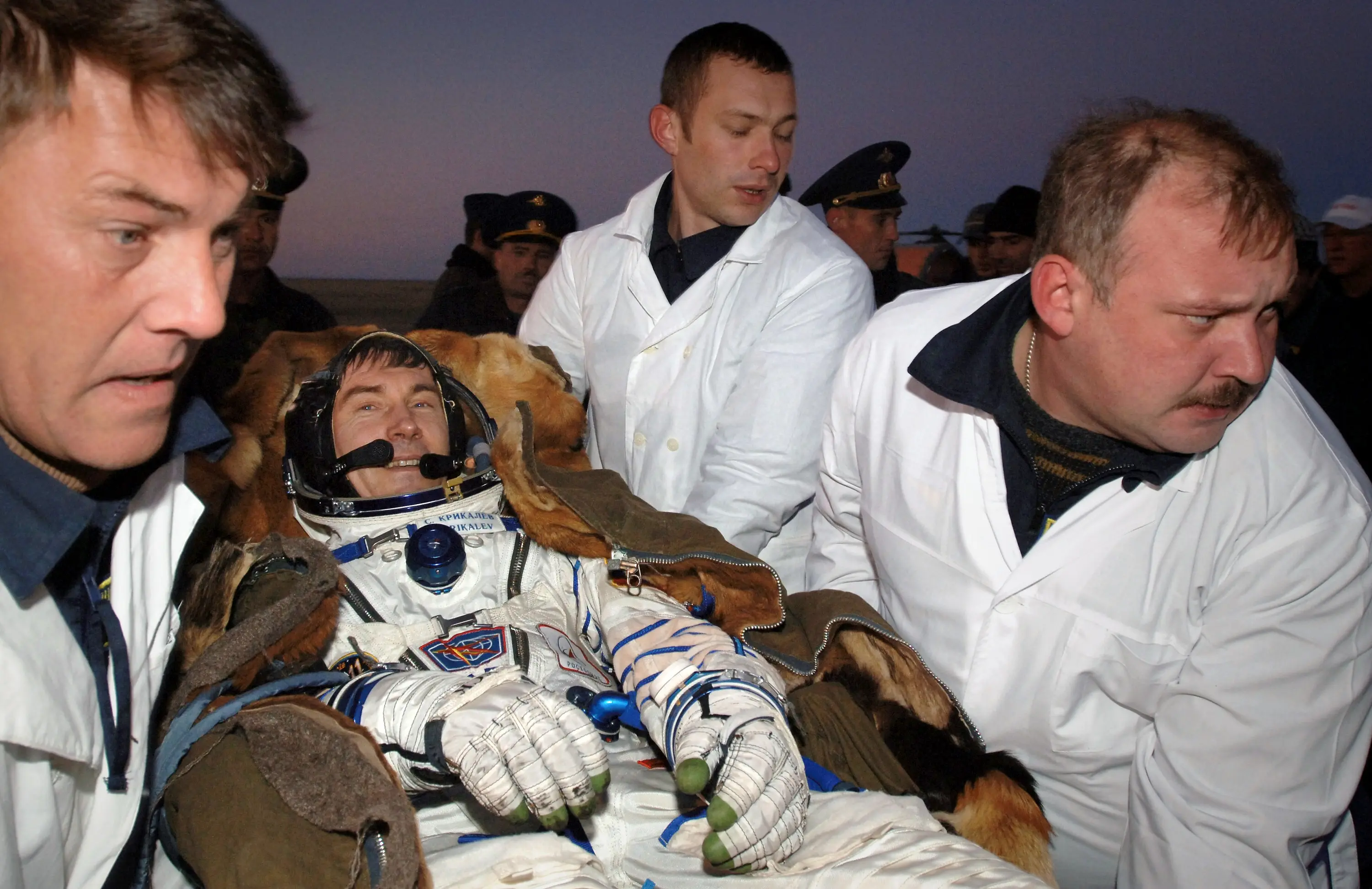
On June 30, 1971, the Soviet Soyuz 11 mission ended in tragedy. Cosmonauts Georgy Dobrovolsky, Viktor Patsayev, and Vladislav Volkov perished when a cabin vent valve opened during reentry, causing rapid depressurisation. The crew was not wearing pressure suits, and the Soviet space programme temporarily halted human flights while engineers redesigned the Soyuz module. The incident remains the only spaceflight fatality occurring in orbit.
Space Shuttle Challenger – 1986
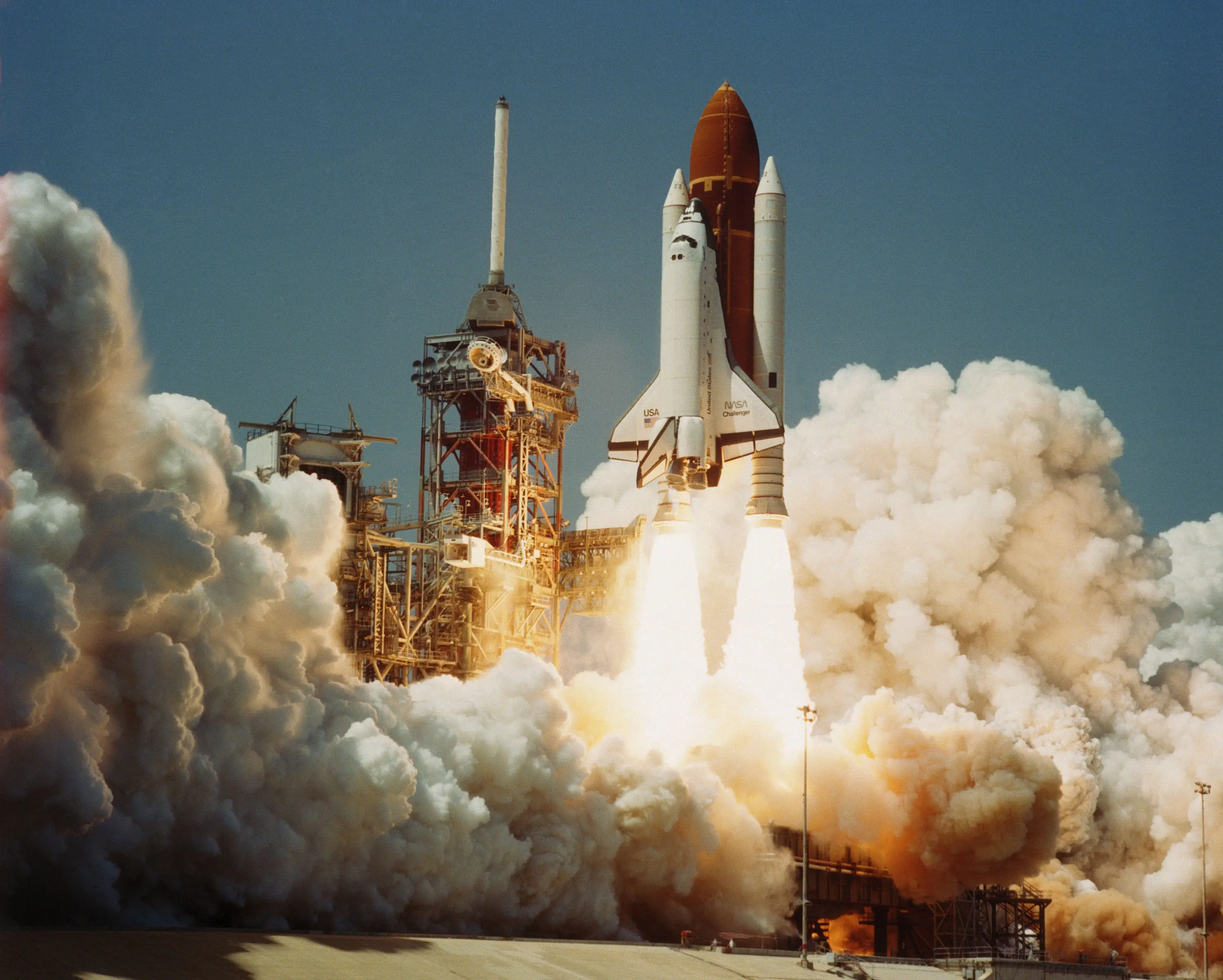
NASA’s Space Shuttle Challenger disintegrated 73 seconds after liftoff on January 28, 1986, killing all seven astronauts, including Christa McAuliffe, the first teacher selected for spaceflight. Investigation revealed that the extreme cold had damaged the O-rings in the solid rocket boosters. The disaster led to a temporary suspension of the shuttle programme and major safety overhauls, emphasising caution over schedule pressures.
Space Shuttle Columbia – 2003
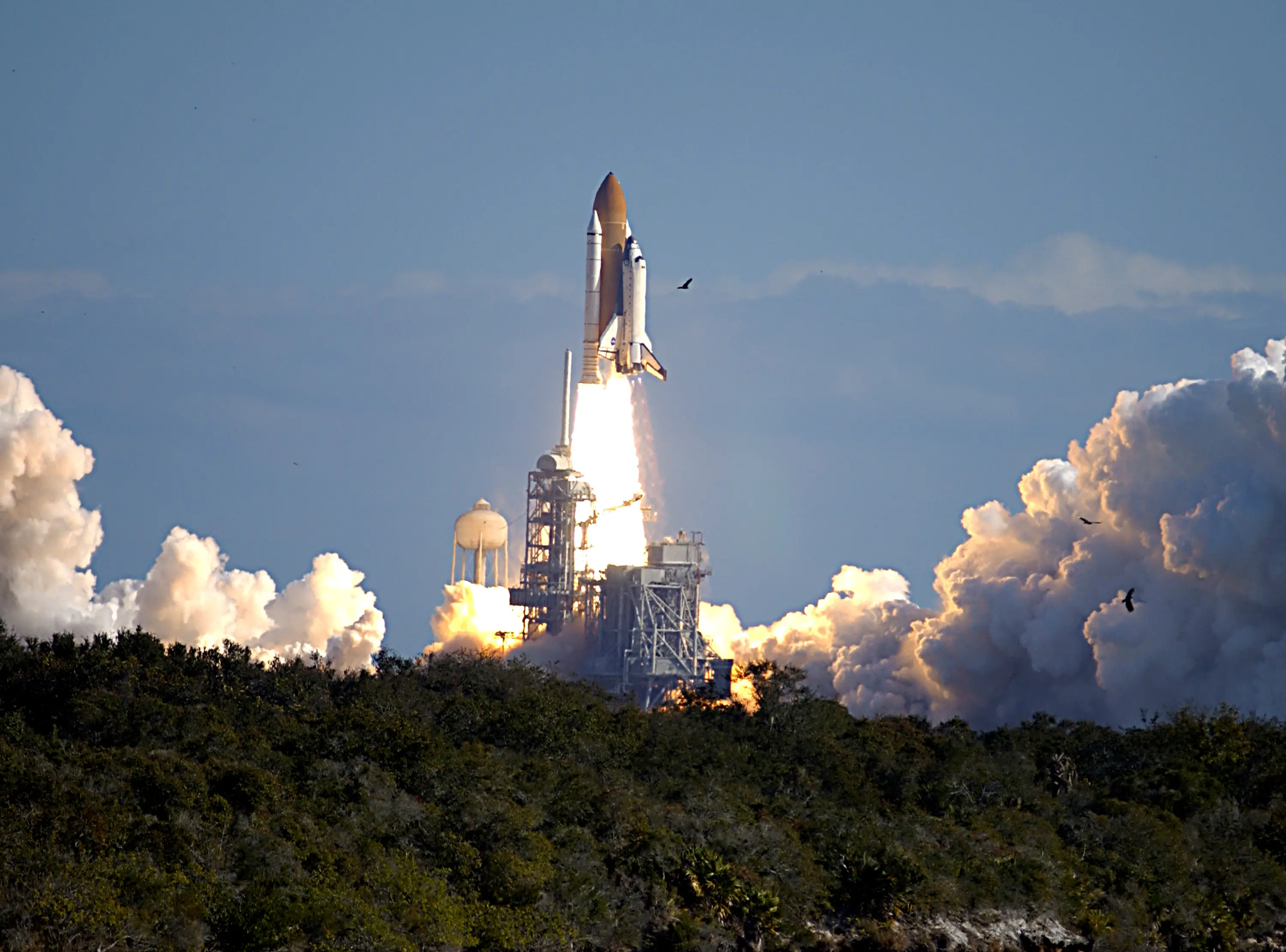
On February 1, 2003, the Space Shuttle Columbia broke apart during reentry, killing all seven crew members, including Kalpana Chawla, the first woman of Indian origin in space. A piece of insulating foam had detached from the fuel tank during launch, piercing the shuttle’s wing. During reentry, hot gases entered the wing, causing the orbiter to disintegrate. The incident accelerated the retirement of the US shuttle programme in 2011 and reshaped NASA’s approach to mission safety.
)
)
)
)
)