From ancient myths to modern obsession: Who are the flat earthers and what do they really believe?

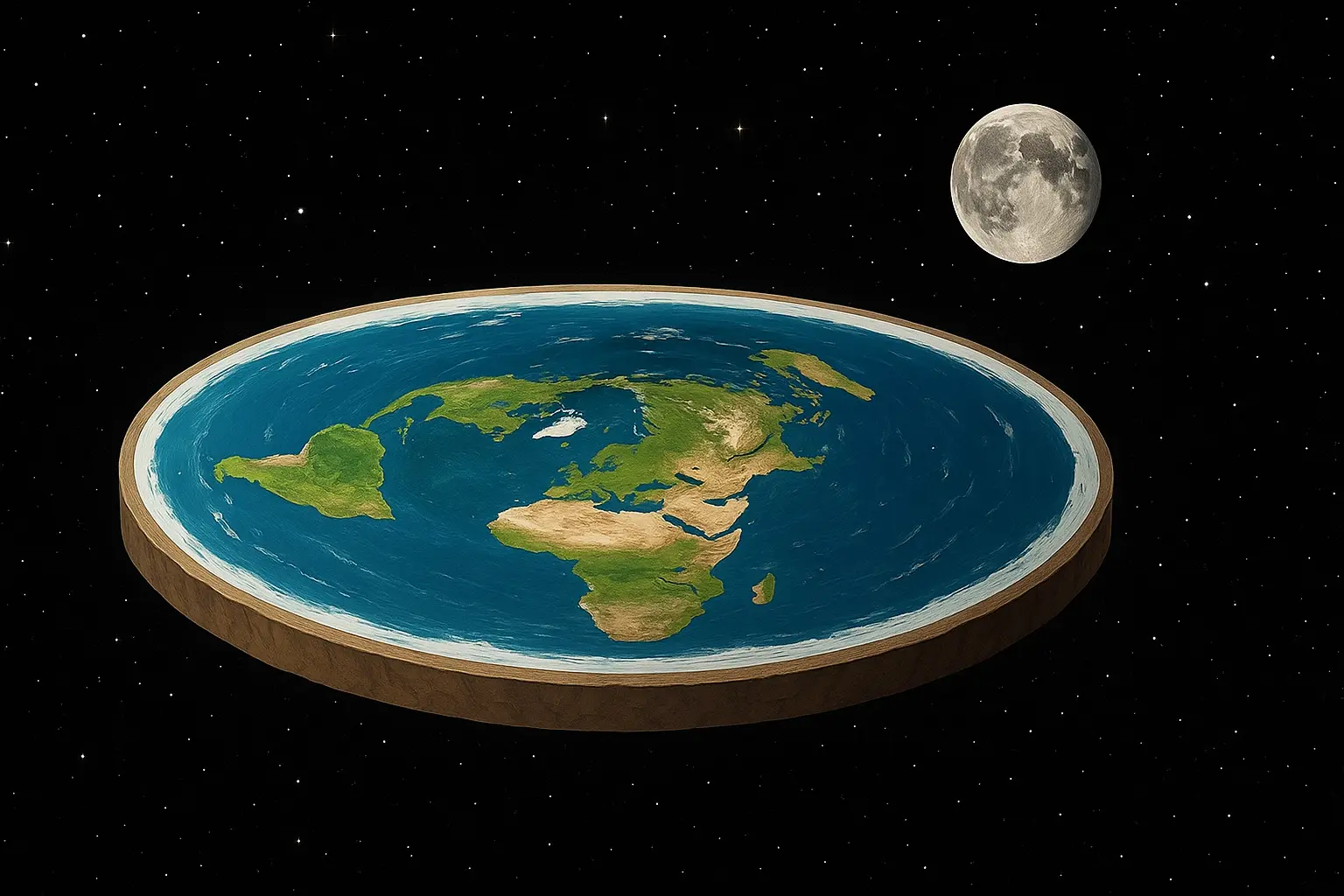
The notion of a flat Earth is not a modern invention. In ancient civilizations, such as those in Egypt and Babylon, the Earth was often depicted as a flat disc.
Introduction: A Modern-Day Conundrum
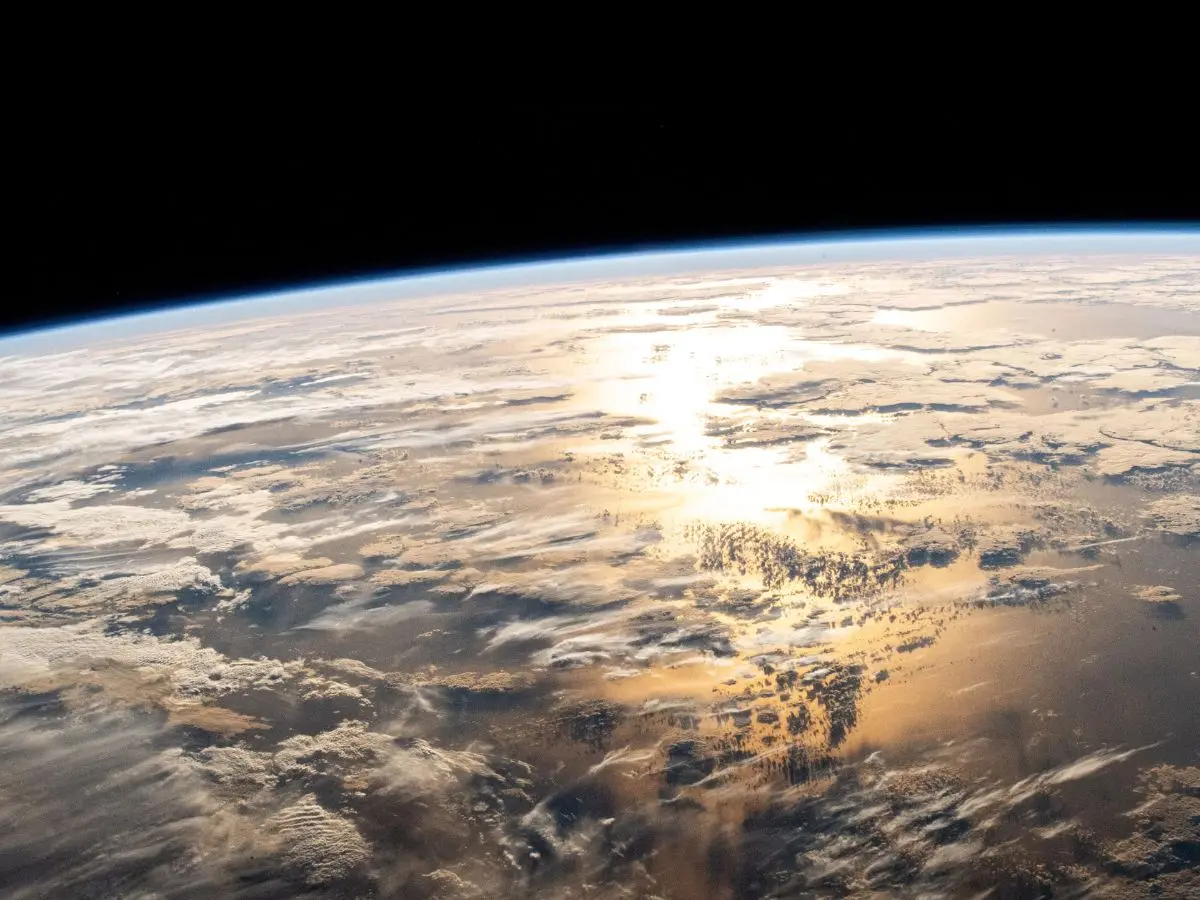
Despite centuries of scientific consensus affirming Earth's spherical shape, a segment of the population continues to assert that our planet is flat. This belief, known as flat Earth theory, has experienced a resurgence in recent years, fueled by social media platforms and online communities. But who are these individuals, and what do they truly believe?
Historical Roots of Flat Earth Beliefs
The notion of a flat Earth is not a modern invention. In ancient civilizations, such as those in Egypt and Babylon, the Earth was often depicted as a flat disc. However, by the 3rd century BCE, Greek philosophers like Aristotle and Pythagoras provided evidence of Earth's sphericity through observations of lunar eclipses and the curvature of the horizon. Despite this, flat Earth theories persisted in certain religious and cultural contexts, particularly during periods when scientific knowledge was less accessible.
Modern Flat Earth Movement
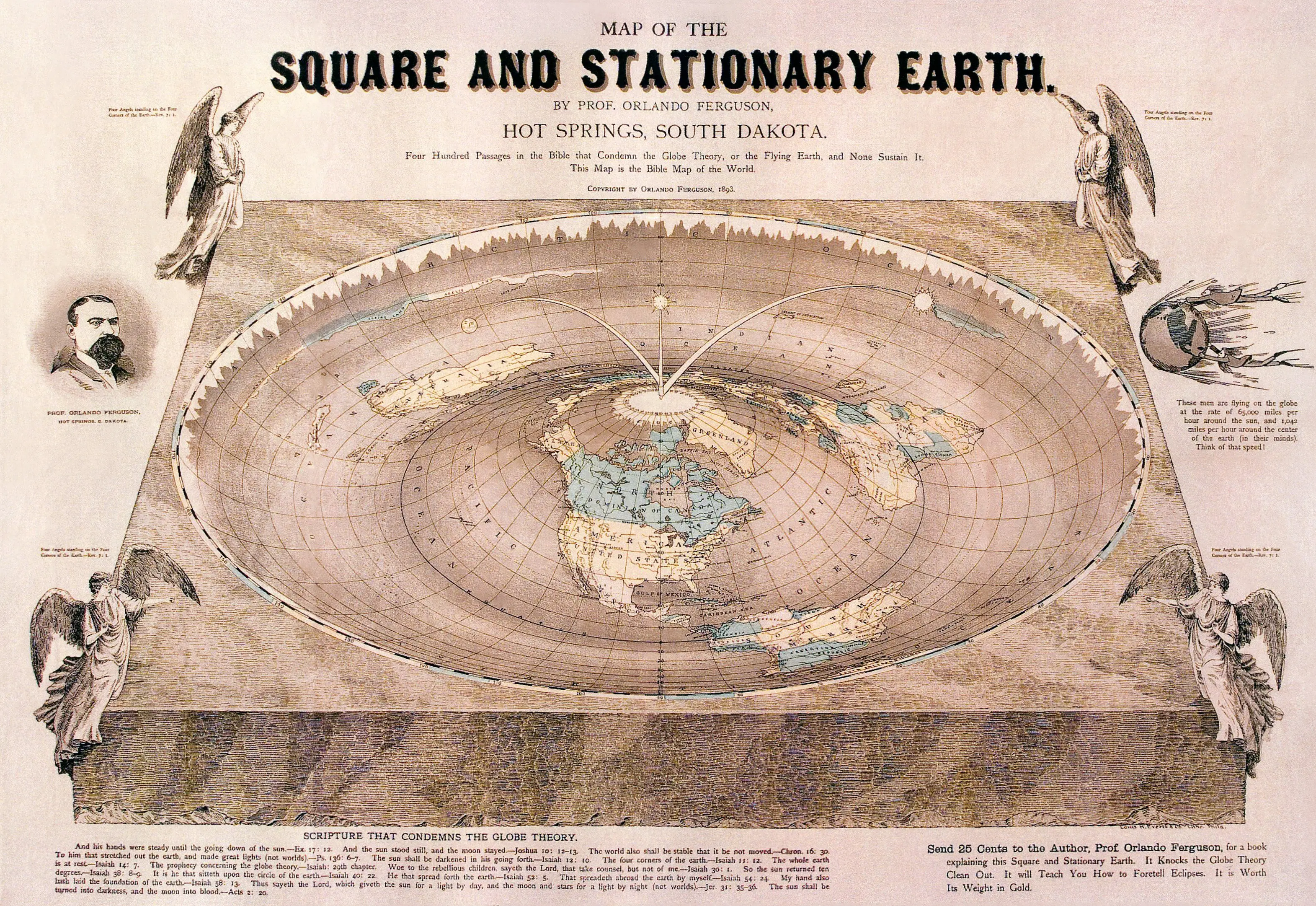
The contemporary flat Earth movement began to take shape in the mid-19th century with the publication of Samuel Rowbotham's pamphlet Zetetic Astronomy, which posited that the Earth is a flat, stationary disc. In 1956, Samuel Shenton founded the International Flat Earth Research Society, commonly known as the Flat Earth Society, to promote this view. The society gained traction in the 1970s under the leadership of Charles Johnson, who argued that the round Earth model was a government conspiracy designed to justify space exploration funding.
Core Beliefs of Flat Earthers
Modern flat Earthers maintain several key beliefs:
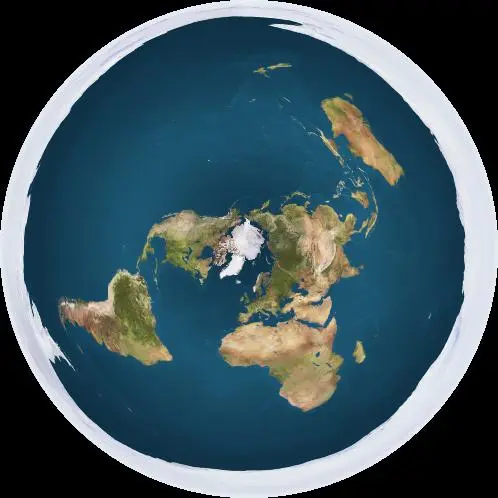
- Earth's Shape: They assert that Earth is a flat disc, with the North Pole at the center and an "ice wall" (commonly identified as Antarctica) encircling the edges to prevent oceans from spilling over.
- Gravity: Many reject the concept of gravity, proposing alternative explanations such as upward acceleration to account for the sensation of weight.
- Celestial Mechanics: They believe that the Sun and Moon move in circular paths above the flat Earth, creating day and night cycles, rather than orbiting a spherical planet.
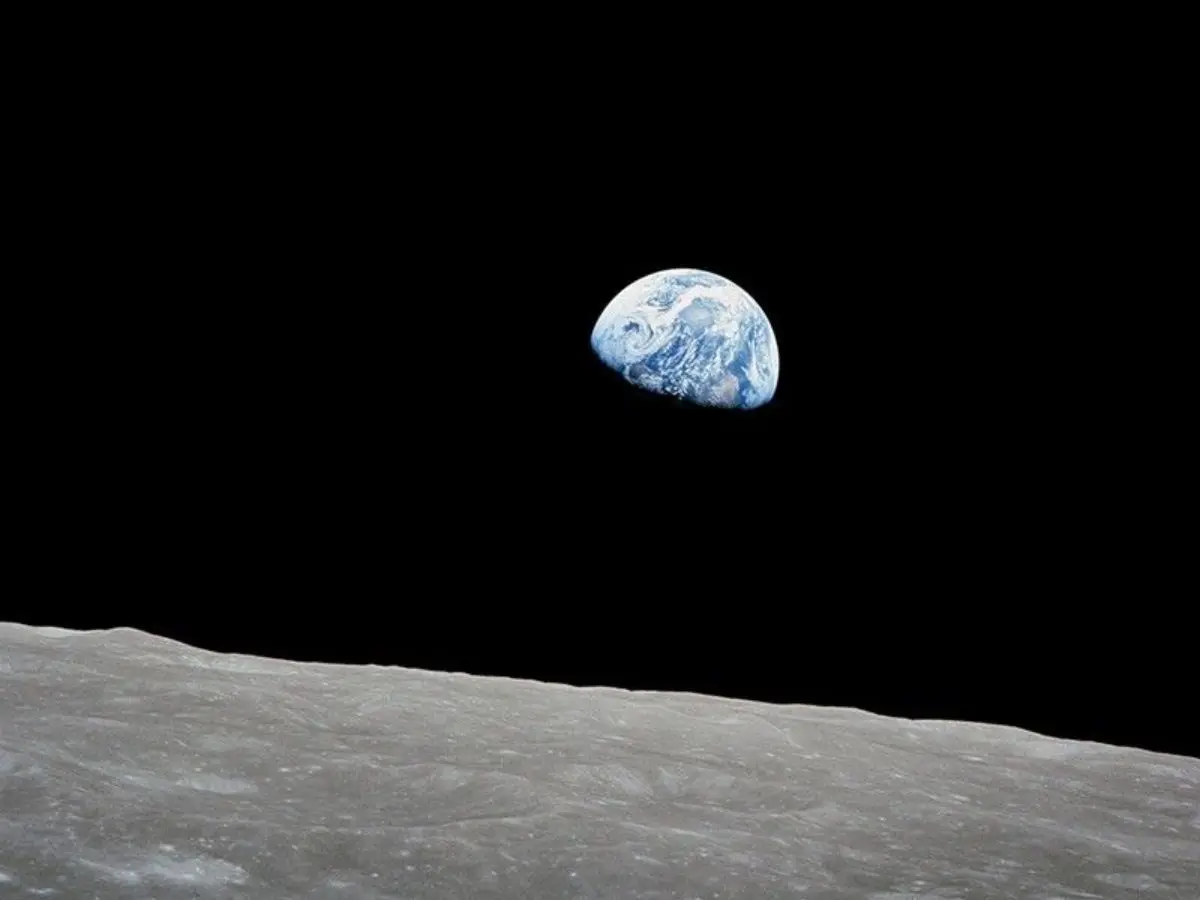
- Conspiracy Theories: Flat Earthers often claim that space agencies fabricate evidence of a spherical Earth, including satellite images and lunar landings.
Social Media's Role in the Resurgence
The advent of social media has played a pivotal role in the revival of flat Earth beliefs. Platforms like YouTube, Facebook, and Twitter have allowed individuals to share videos, articles, and discussions that promote flat Earth theories. This digital age has enabled like-minded individuals to connect, forming communities that reinforce and spread these beliefs.
Scientific Rebuttals and Public Perception
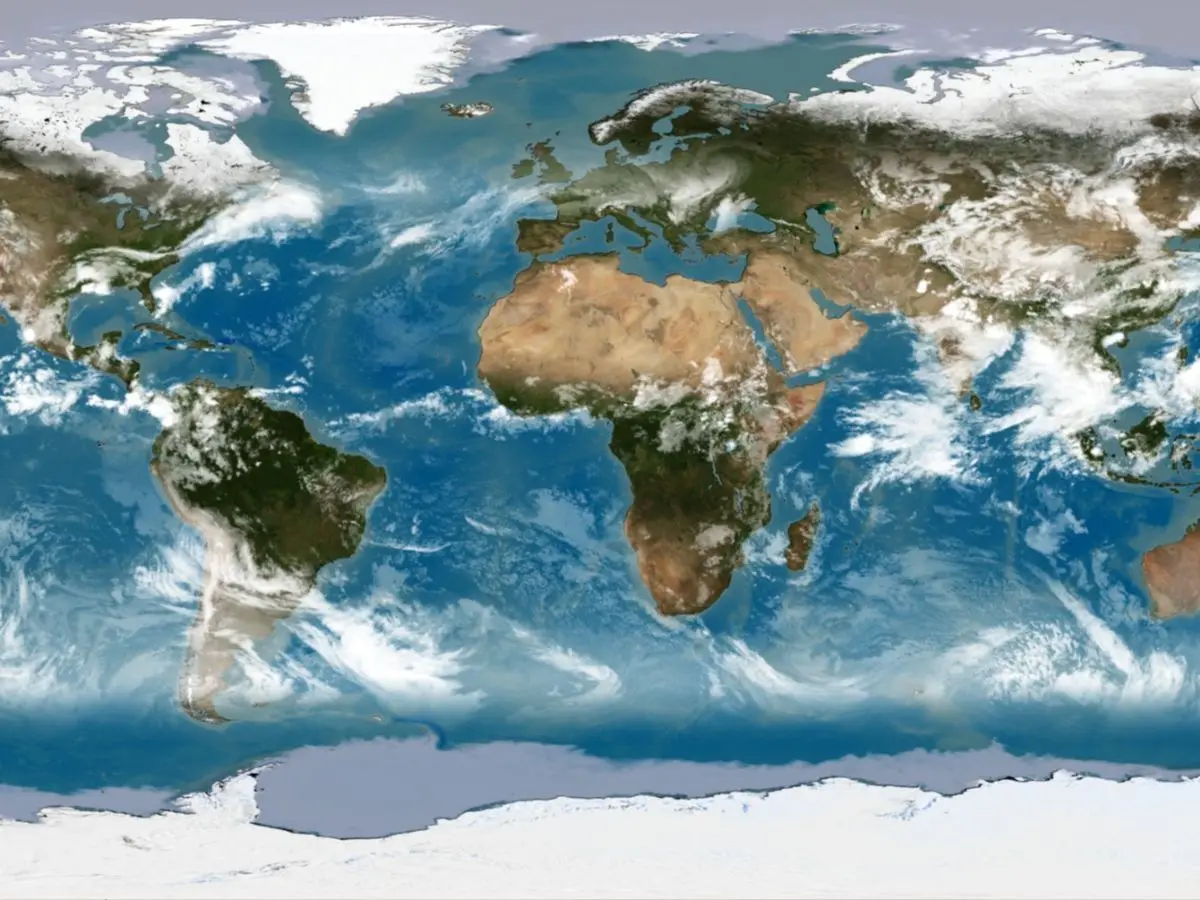
The scientific community overwhelmingly supports the understanding that Earth is an oblate spheroid, a fact substantiated by centuries of evidence from astronomy, physics, and geology. Despite this, a small percentage of the population continues to entertain flat Earth theories, often influenced by distrust in scientific institutions and media outlets. While the flat Earth theory contradicts established scientific knowledge, it persists as a cultural and ideological anomaly.
)
)
)
)
)