From analogue to digital cockpits in fighter jets: The evolution of avionics

How fighter jet cockpits evolved from analog gauges to advanced digital glass displays. Modern cockpits with sensor fusion, touchscreens, and fly-by-wire systems give pilots a big edge. Know more about this by reading below.
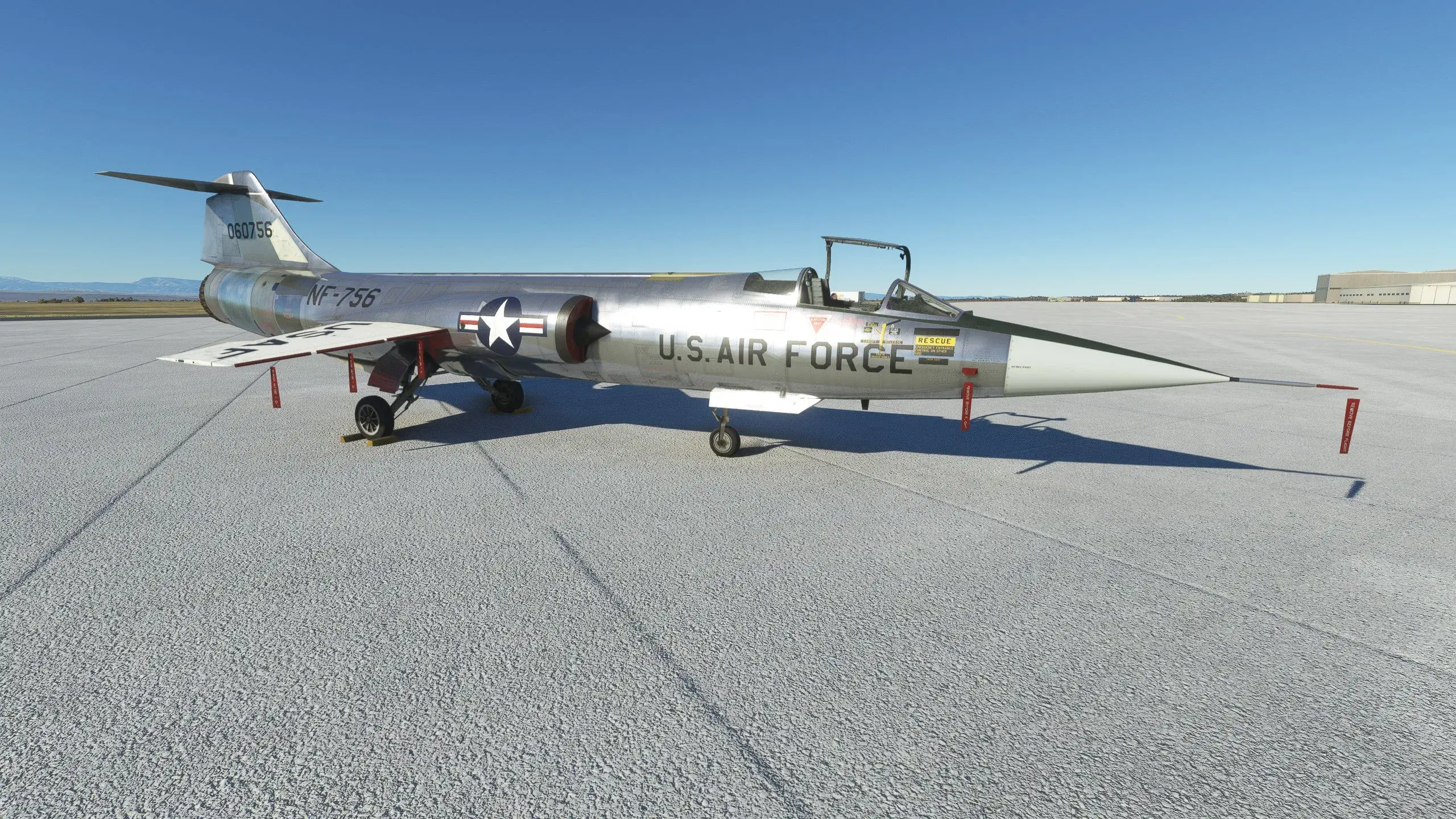
Early cockpits full of analog gauges
Early fighter jets had many analog dials and gauges to show speed, altitude, and fuel. Earlier the pilots had to read each instrument separately. According to Air Force history reports, that setup required intense focus, especially in fast combat situations.
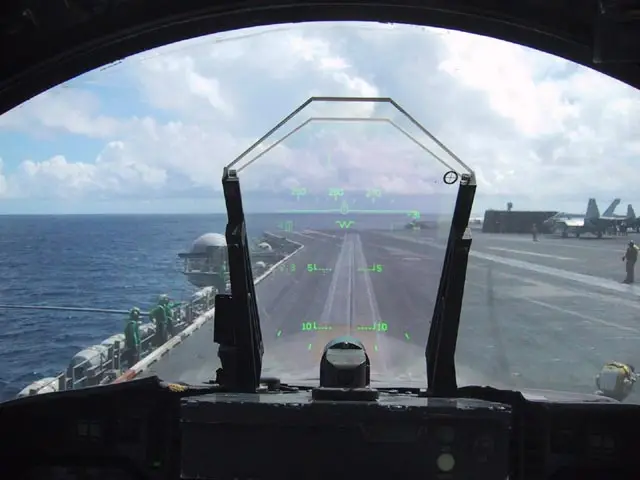
Introduction of heads-up displays
In the 1970s, heads-up displays changed cockpits. HUD projects essential info like speed and target data onto a glass screen in front of the pilot’s eyes. This lets pilots see data without looking down, which reduces reaction time and it increases safety.
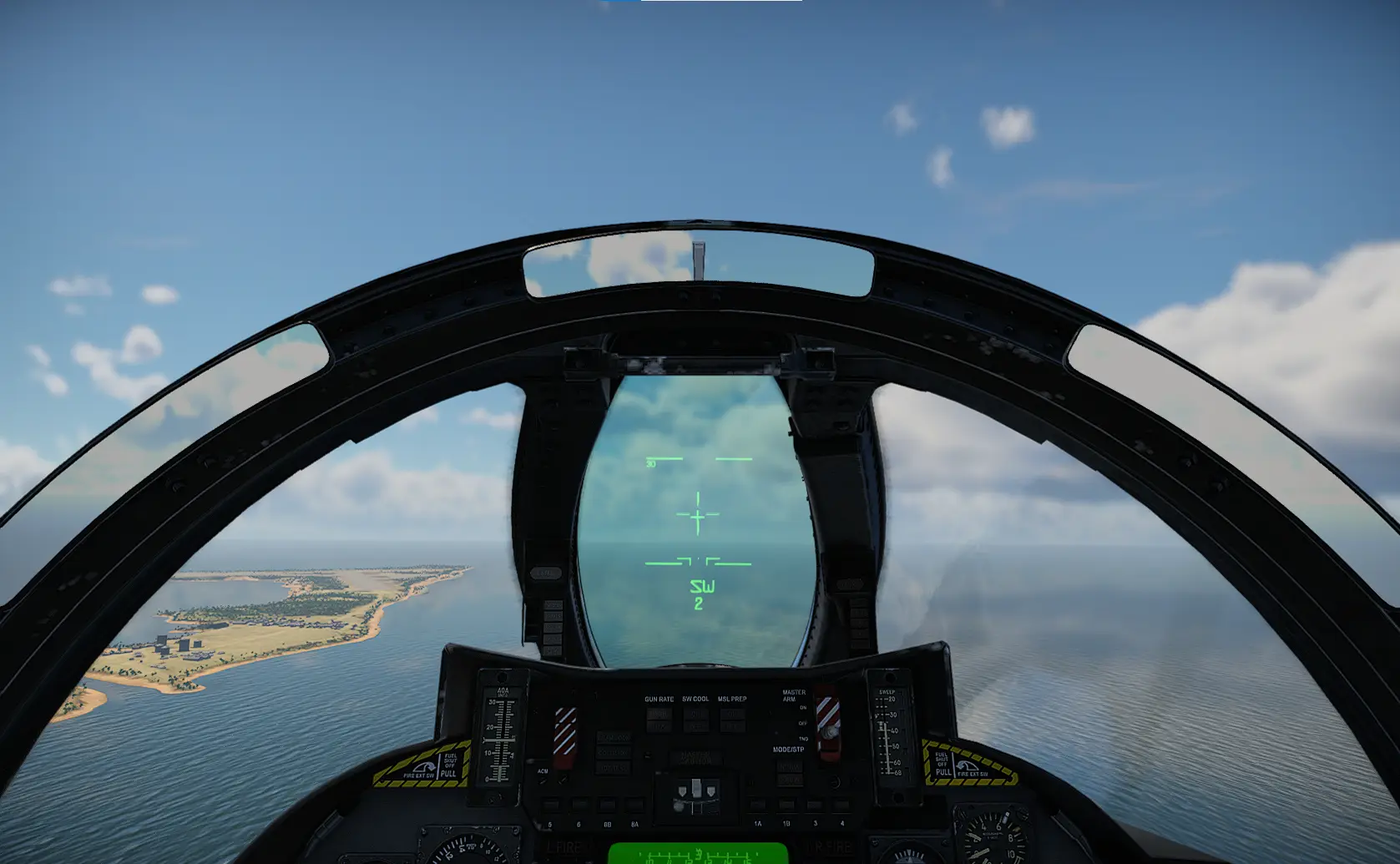
Rise of glass cockpits
Glass cockpits uses large digital screens displaying radar, maps, and flight data. According to a 2024 aerospace study, these multifunction displays reduce pilot workload by around 40 per cent and it improves awareness with clearer visuals and easy control settings.
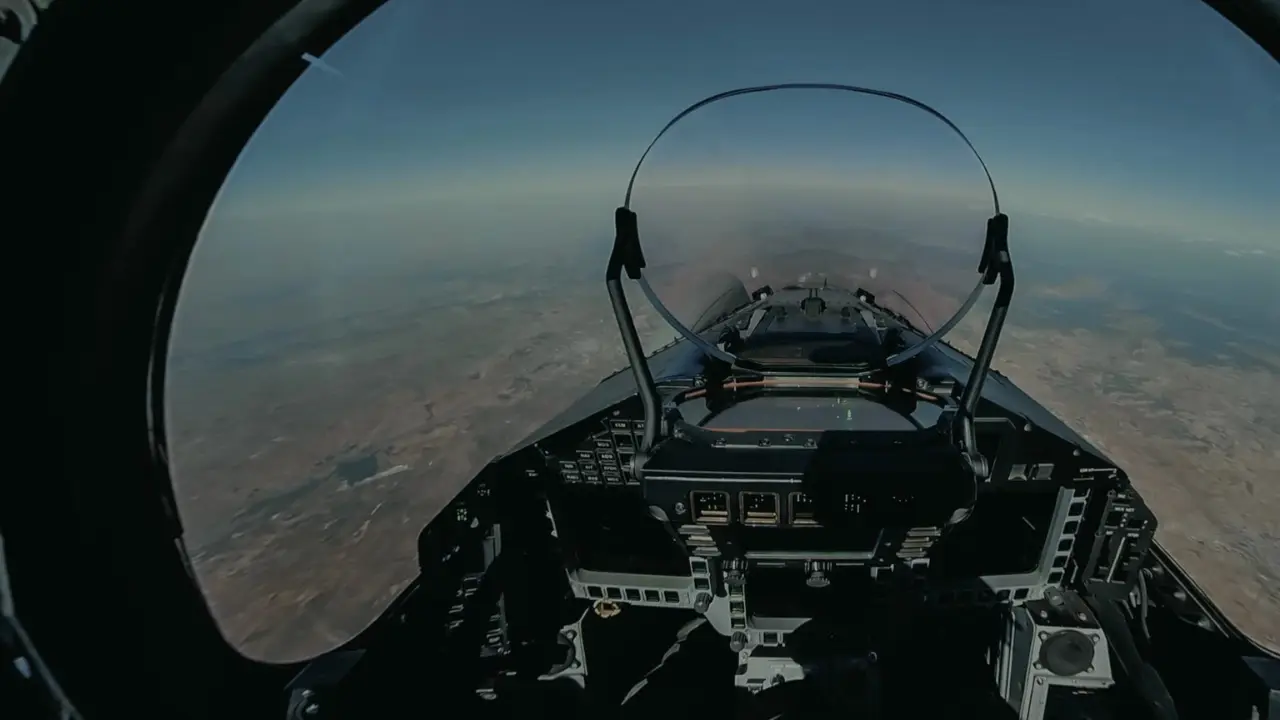
Benefits of digital flight controls
Fly-by-wire digital systems replaced mechanical controls. Sensors and computers now help pilots steer and stabilise fighter jets. This technology increases precision and it allows jets to perform complex moves safely, as highlighted by recent F-35 reports.
Sensor fusion and integrated avionics
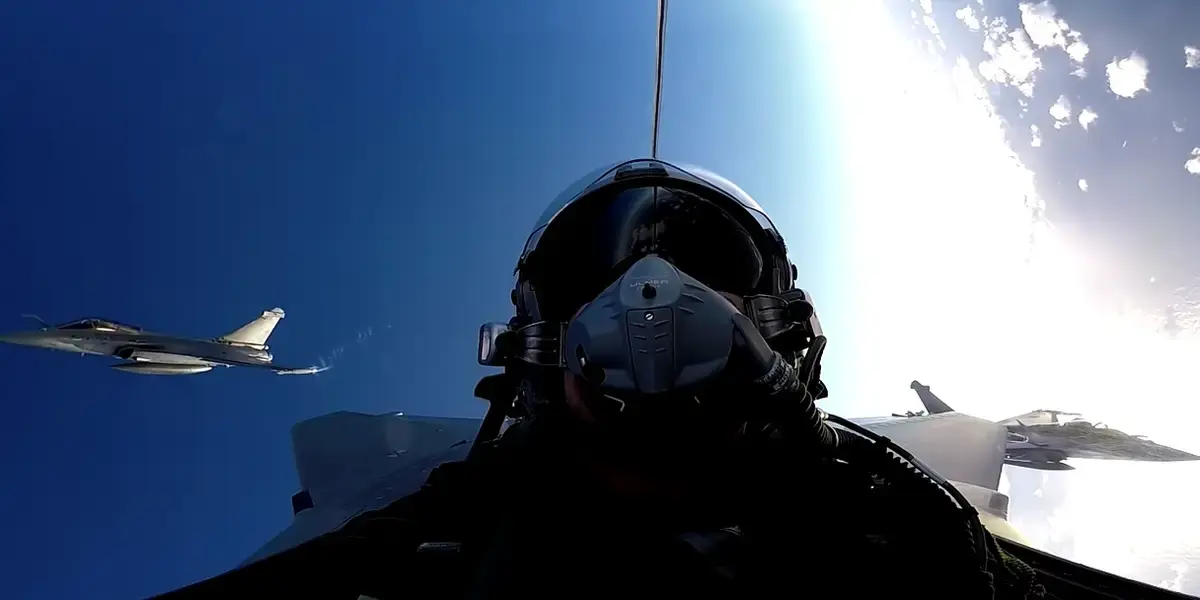
Modern cockpits also combine inputs from radar, infrared and electronic warfare systems into one display. This “sensor fusion” advancement helps pilots make faster, smarter decisions. The F-22 and Rafale are using this advanced technology.
Touchscreen and voice control advances
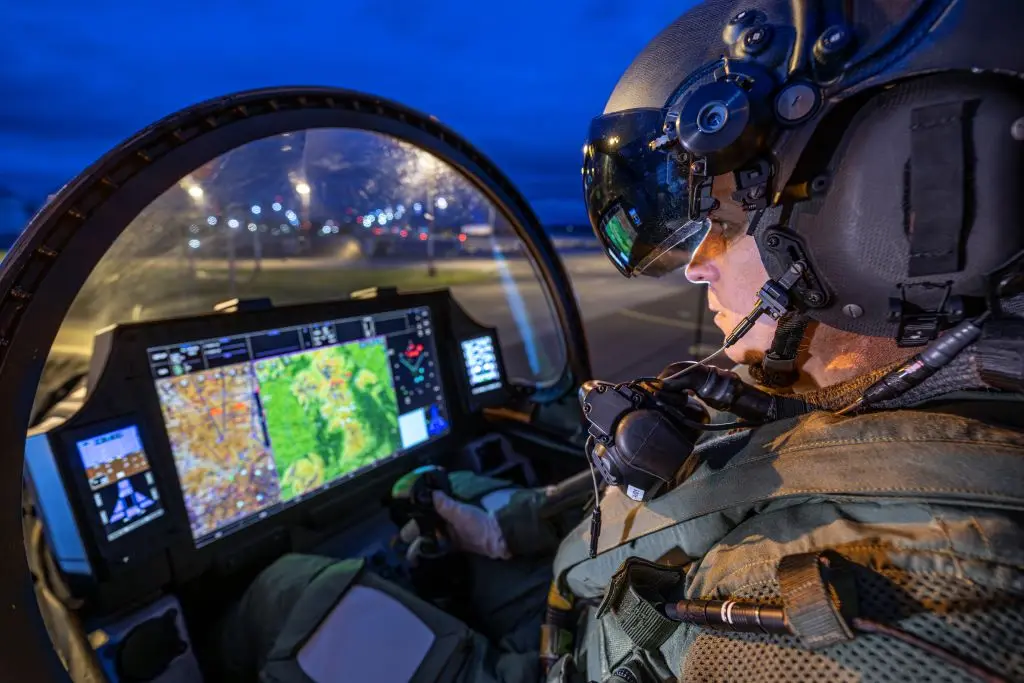
New fighter jets feature touchscreens for easy system control and voice commands for hands-free operation. Few defence experts say this helps pilots focus on flying and mission goals while reducing distractions during intense missions.
Future trends and challenges
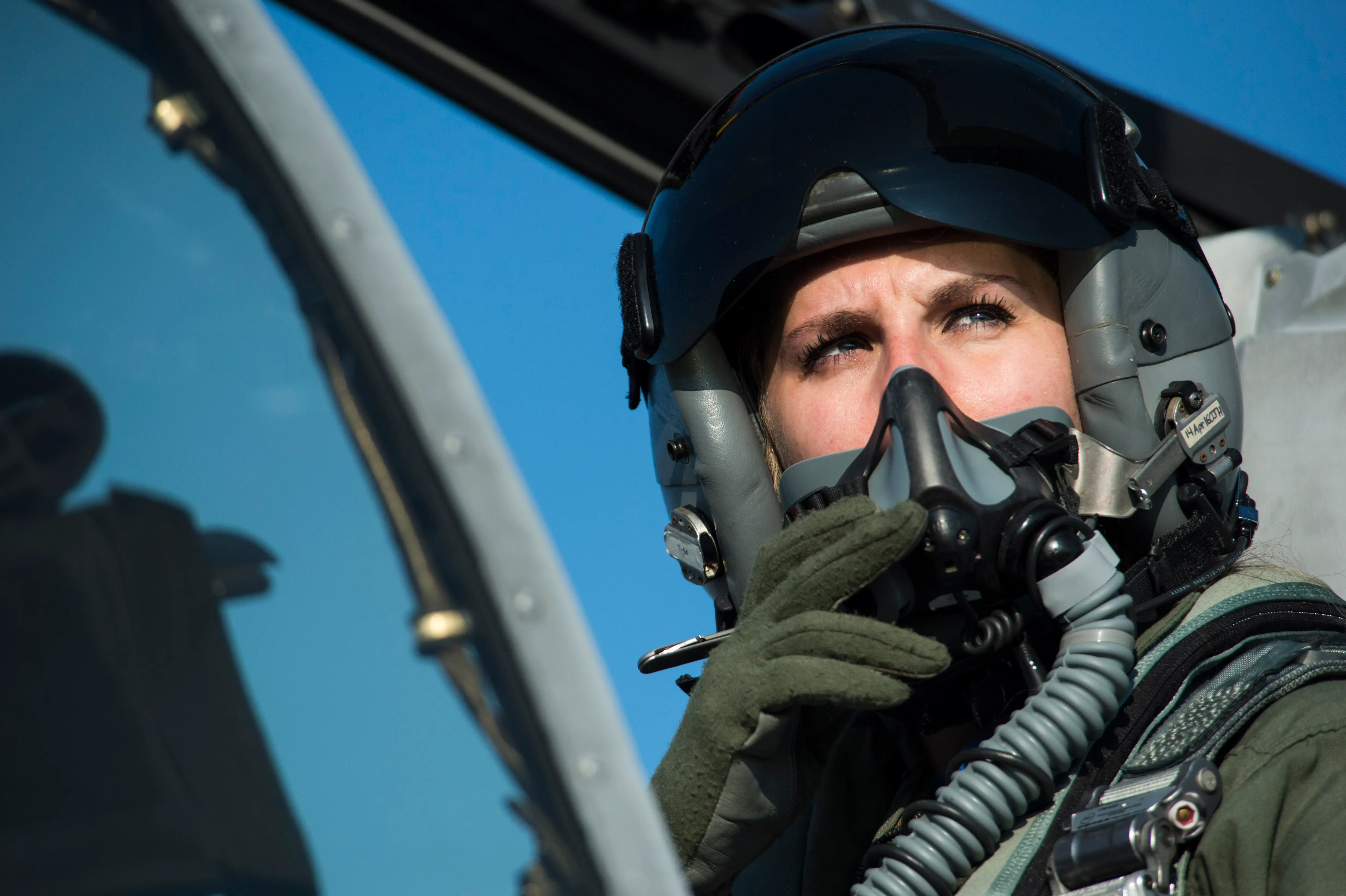
In future, cockpits will most likely to include augmented reality and artificial intelligence to provide even more support. However, integration and cybersecurity remain challenges. Research in 2025 shows continuous innovations will keep enhancing pilot safety and mission success.
)
)
)
)
)