'From allies to enemies': The 40-year rollercoaster of Pakistan–Afghanistan relations

Pakistan, backed by the US, supported Afghan mujahideen against the Soviet invasion. Afghanistan viewed Pakistan’s role with suspicion, while Pakistan hoped to shape the post-Soviet state. The emergence of the Taliban changed dynamics yet again.
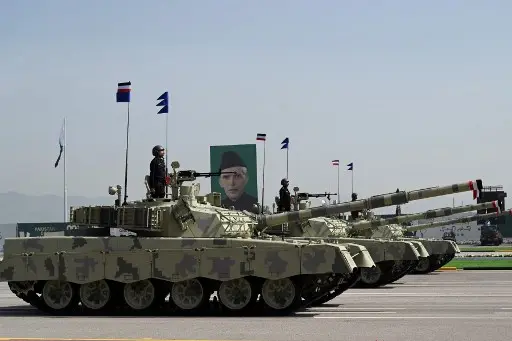
1. A Cold Start: Border Tensions & the Durand Line
The relationship between Pakistan and Afghanistan began with tension, not friendship. Upon Pakistan’s creation in 1947, Afghanistan refused to recognise the Durand Line as the official border, centring a territorial dispute that persists today.
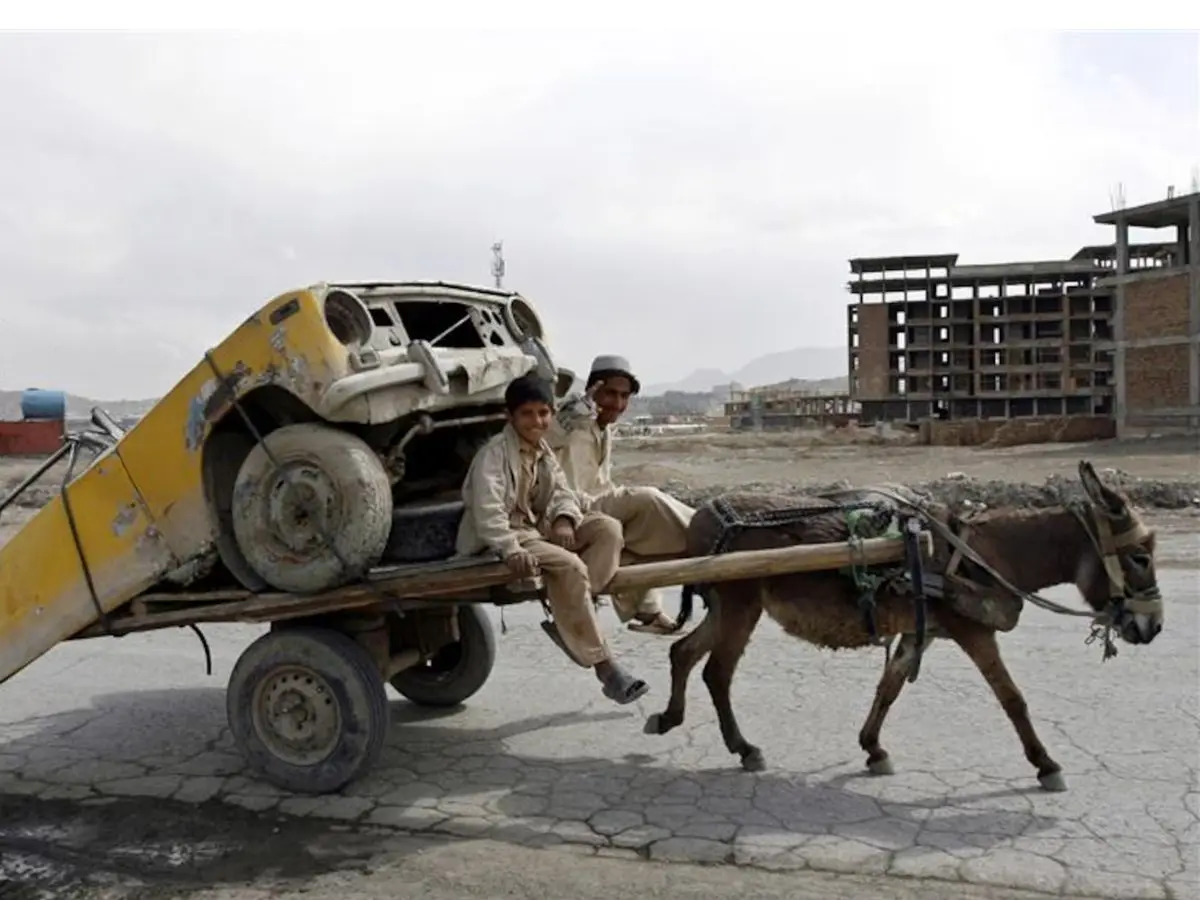
2. 1970s: Proxy Wars & Pashtunistan
In the 1970s, Afghanistan supported Pashtun nationalist movements in Pakistan’s tribal regions, while Pakistan covertly backed anti-Kabul groups. This period saw both nations treating each other as battlegrounds for influence rather than neighbours.
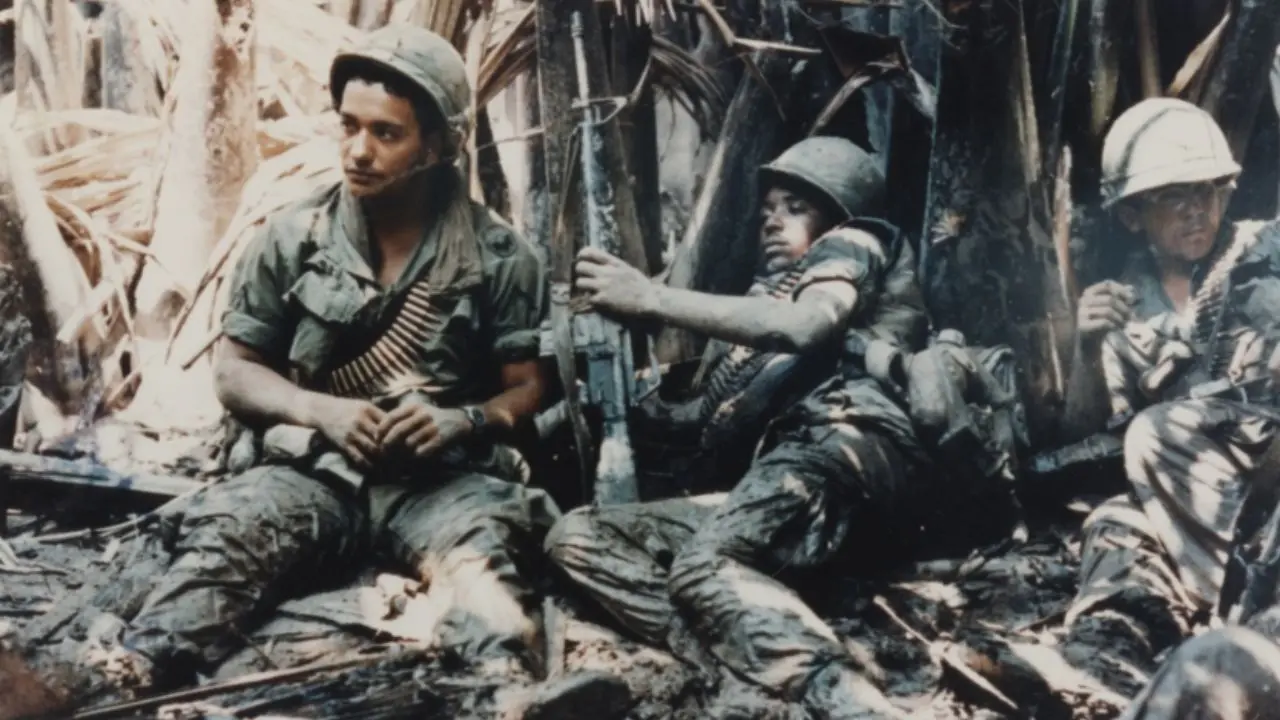
3. 1980s–90s: The Soviet Invasion and the Taliban Factor
Pakistan, backed by the US, supported Afghan mujahideen against the Soviet invasion. Afghanistan viewed Pakistan’s role with suspicion, while Pakistan hoped to shape the post-Soviet state. The emergence of the Taliban changed dynamics yet again.
4. 2001–2021: Partners & Friction
After 9/11, Pakistan became a US ally in the Afghan war. Yet Kabul repeatedly accused Islamabad of supporting the Pakistani Taliban. Cooperation existed, yet mutual distrust deepened.
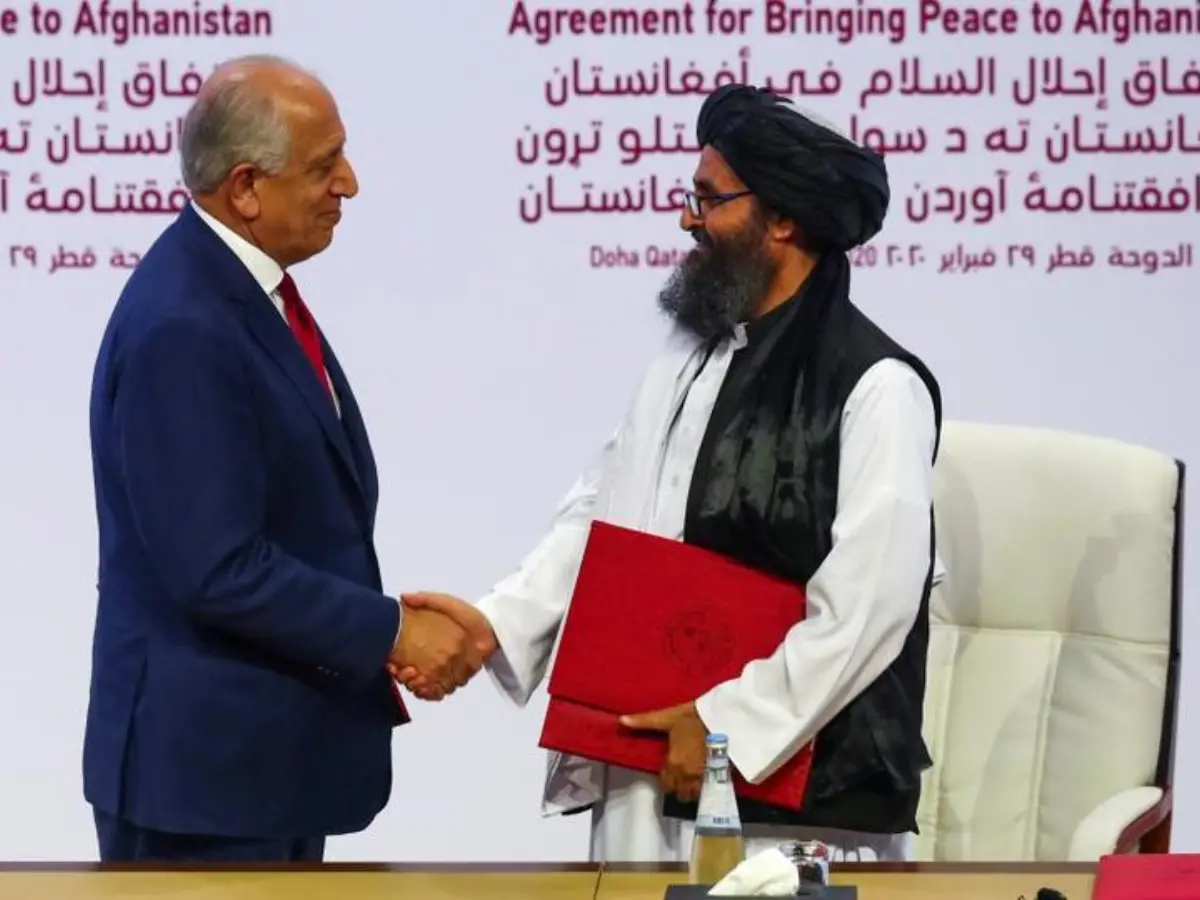
5. 2021 Onwards: Taliban-led Kabul & Strained Ties
With the Taliban back in power in Afghanistan, Pakistan’s influence has waned. Recent border incidents, such as airstrikes and cross-fire highlight how the relationship has shifted from partner to adversary.
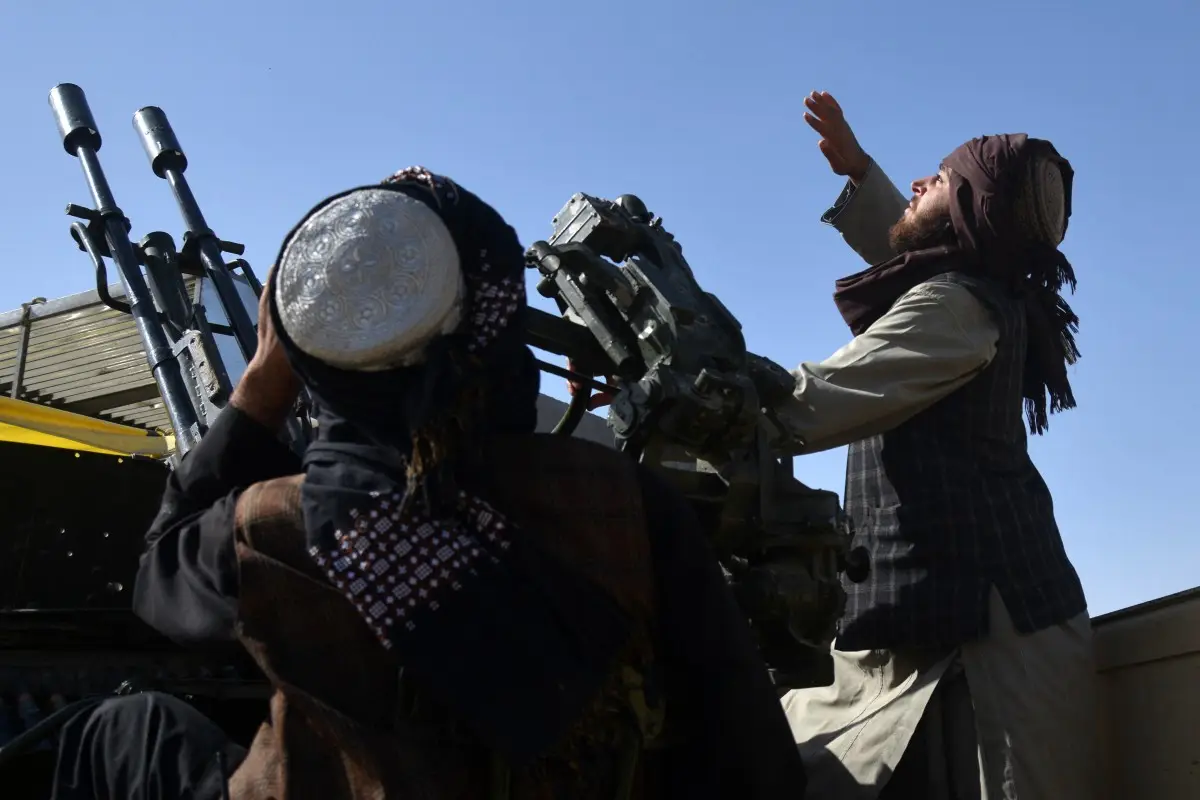
6. Shared Culture, Broken Trust
Despite shared religion, ethnicity and geography, trust has repeatedly crumbled. The Durand Line, tribal affinities, refugee flows and militant cross-border movements all make cooperation harder, even though underlying commonalities remain.

7. What Lies Ahead: Redefining the Relationship
With major border clashes, mutual accusations and foreign powers circling the region, Pakistan–Afghanistan ties face a crucial test. Whether they rebuild cooperation or descend further into rivalry will shape South-Central Asia for decades.
)
)
)
)
)