From Agni I to Agni V: How India built long-range missile capability

India's Agni missile series evolved over 35 years from a 700 km range in 1989 to 5,000+ km intercontinental capability. Latest Agni-V MIRV test in 2024 demonstrates India's advanced missile technology.
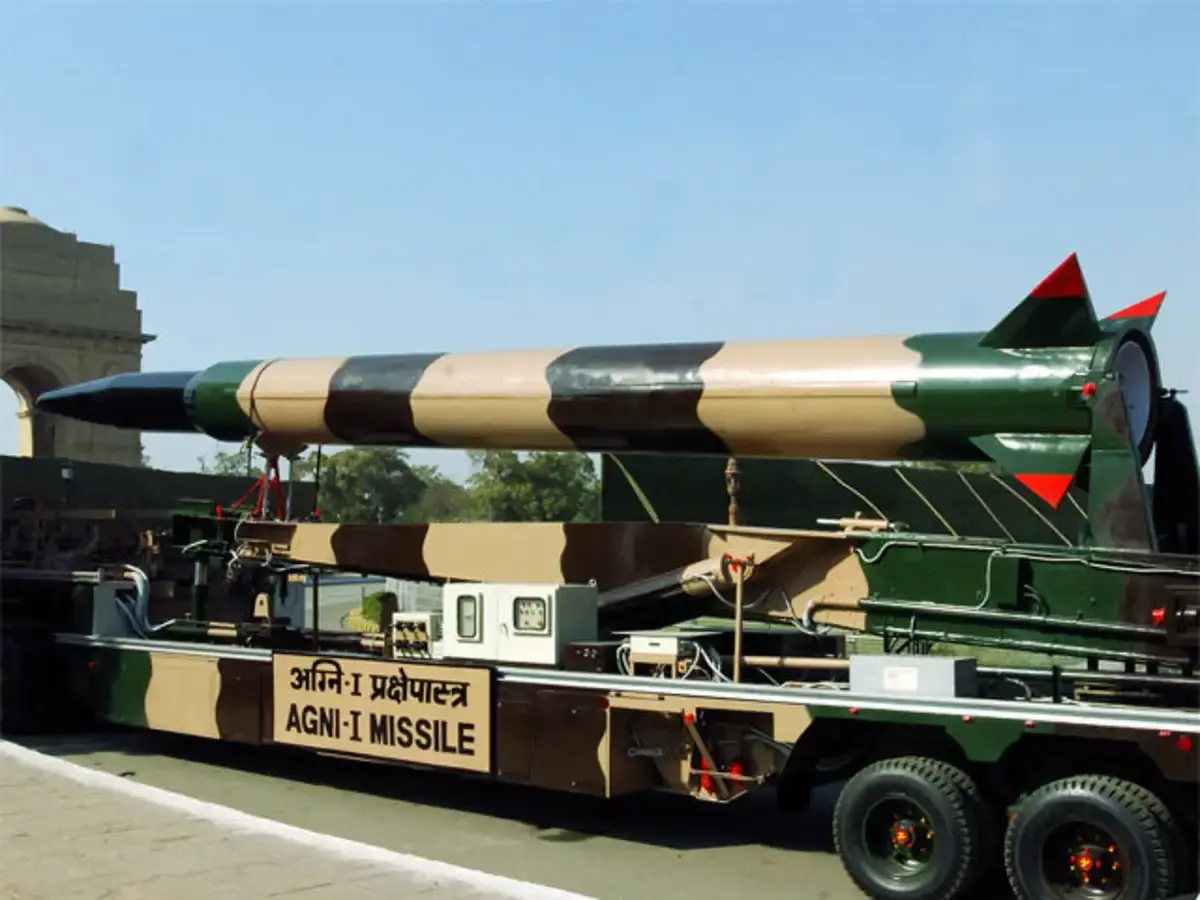
Agni-I: The Beginning in 1989
India's missile programme began with Agni-I, first tested on 22 May 1989 at the Interim Test Range in Chandipur, Odisha. This solid-fuel missile had a range of 700 to 1,200 kilometres and could carry a 1,000 kilogramme payload. Agni-I was a technology demonstrator that proved India's capability in re-entry vehicle design and precision guidance systems. The successful test established India as a missile-capable nation and paved the way for developing longer-range variants. Agni-I entered service with the Indian Army in 2007.
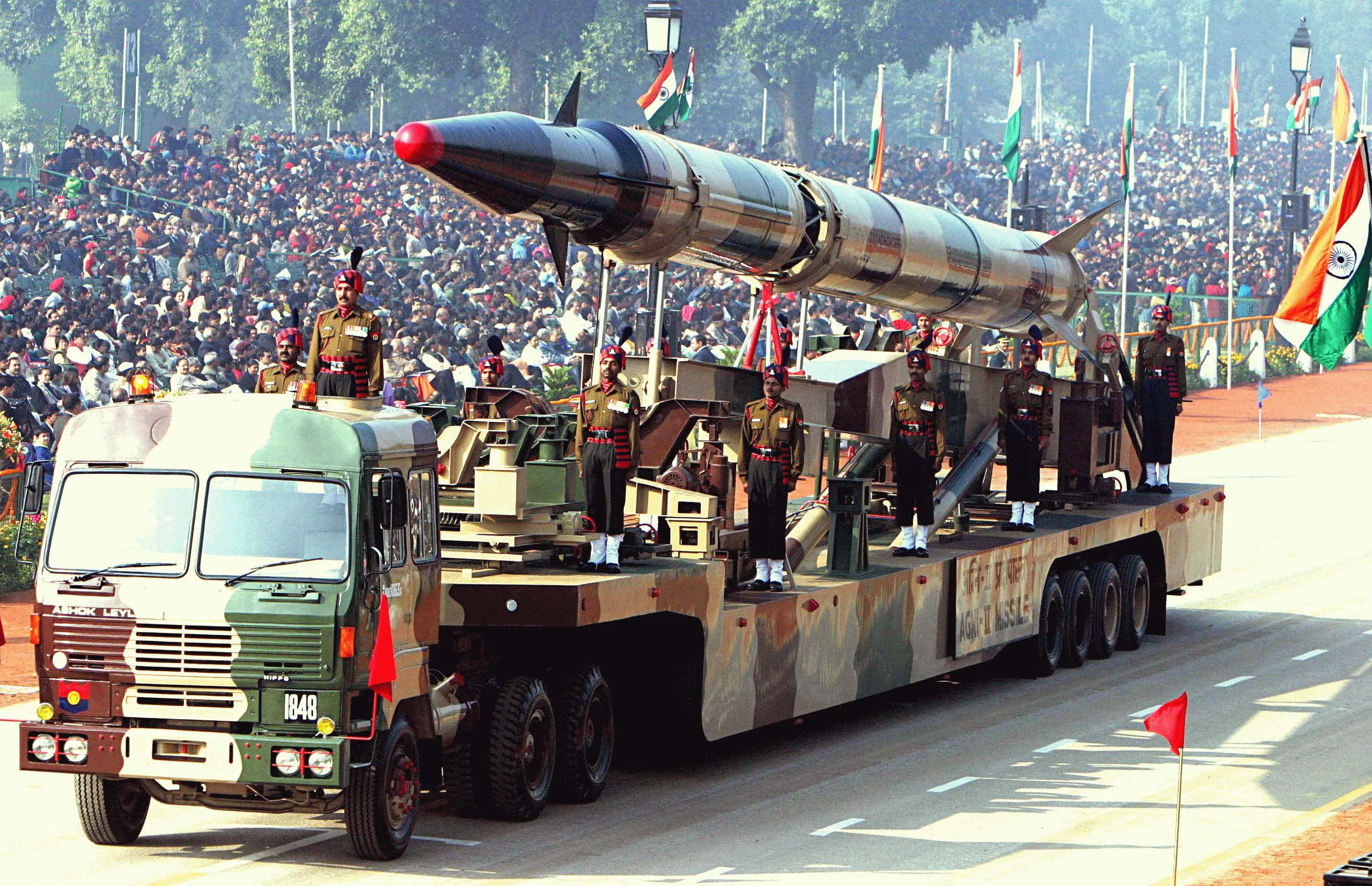
Agni-II: Extending the Range to 2,500 Kilometres
Agni-II represented a significant leap forward with a range of approximately 2,500 kilometres, more than double that of Agni-I. The missile was first operationally tested in April 1999 using a rail-based mobile launcher. With the same 1,000 kilogramme payload capacity, Agni-II could now reach Pakistan and parts of Central Asia. The two-stage, solid-propellant design made it road and rail mobile, improving operational flexibility. Agni-II was inducted into the Indian Army in 2004 and remains an important part of India's strategic arsenal.
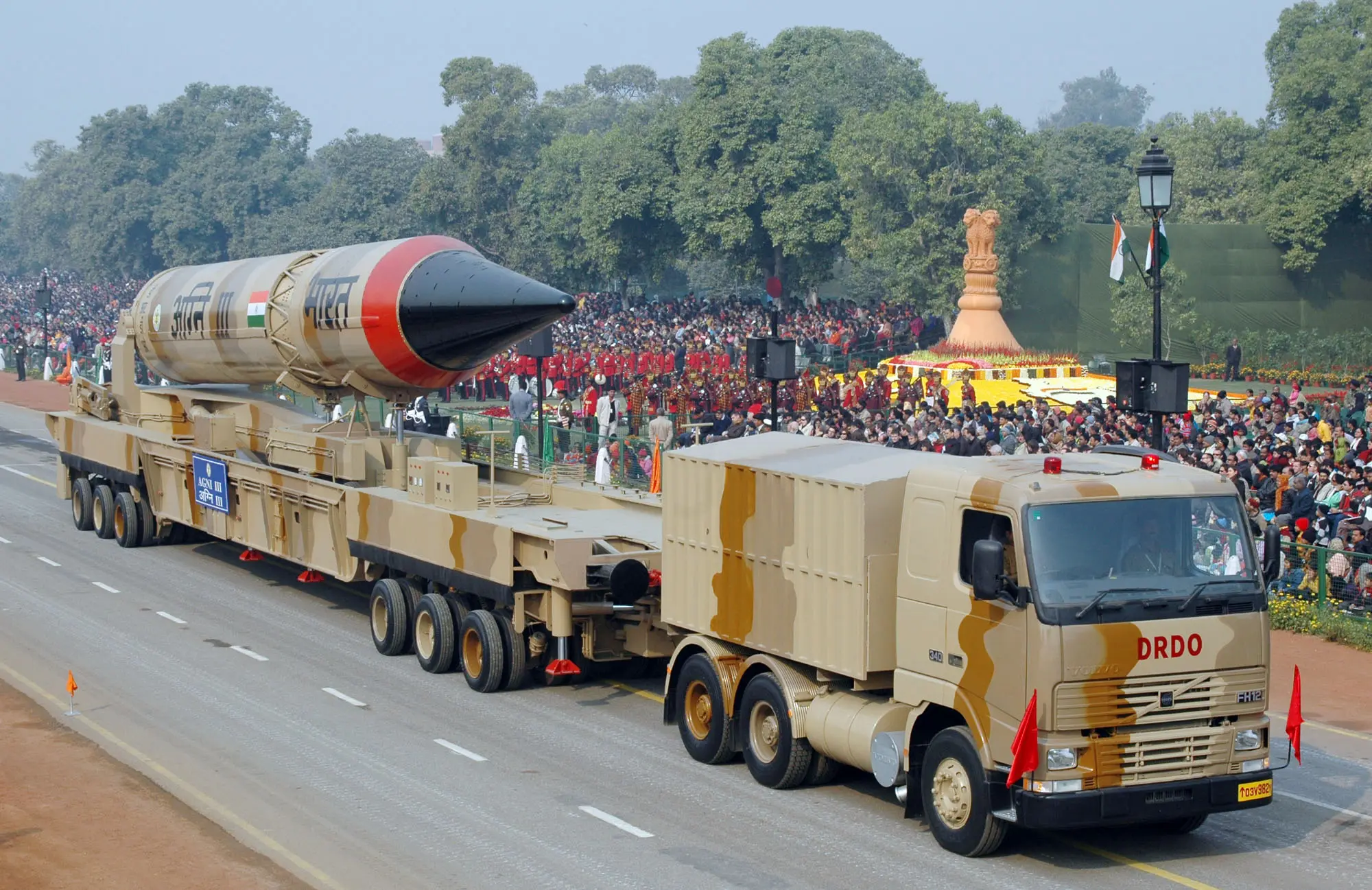
Agni-III: Targeting 3,500 Kilometres
Agni-III extended India's missile reach to between 3,000 and 3,500 kilometres, making it a true intermediate-range ballistic missile. Development began in the late 1990s, and the first test occurred on 9 July 2006. Using solid propellant in both stages, Agni-III introduced improved guidance systems and enhanced structural design. The missile's increased range brought major parts of China within striking distance. Multiple successful tests in 2008 and 2010 led to its induction into service, demonstrating India's growing technological sophistication in missile development.
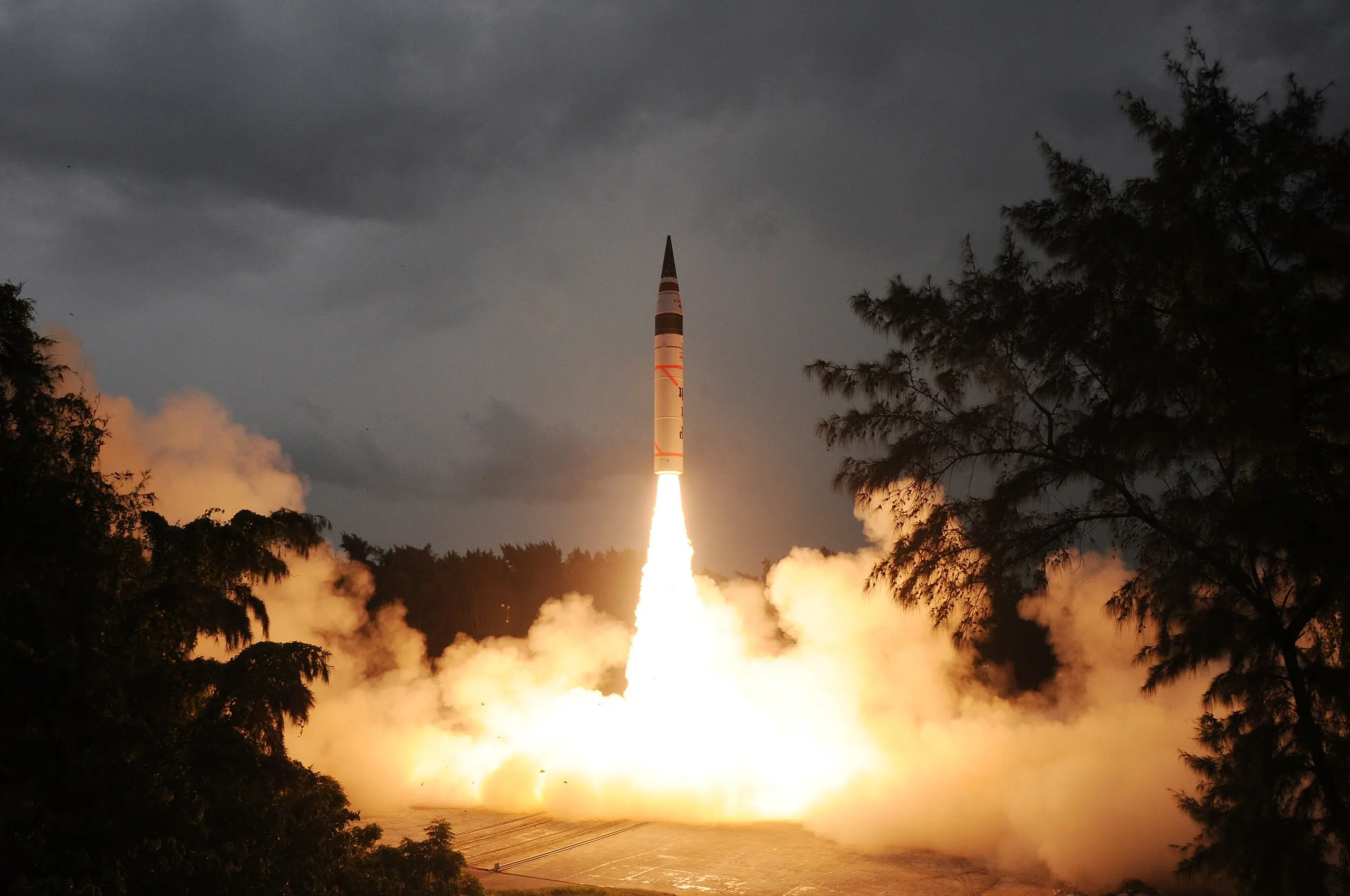
Agni-IV: Reaching 4,000 Kilometres
Agni-IV continued the progression with a range of approximately 4,000 kilometres, representing another significant capability jump. The 20-metre-long missile could carry a 1,000 kilogramme payload and was designed for road-mobile deployment. First tested in 2011, Agni-IV travelled over 3,000 kilometres during its test launch in 2012, covering the distance in just 20 minutes. This missile further extended India's strategic reach and was sometimes referred to as Agni-2 Prime during development. Agni-IV provided crucial technologies that were incorporated into the subsequent Agni-V design.
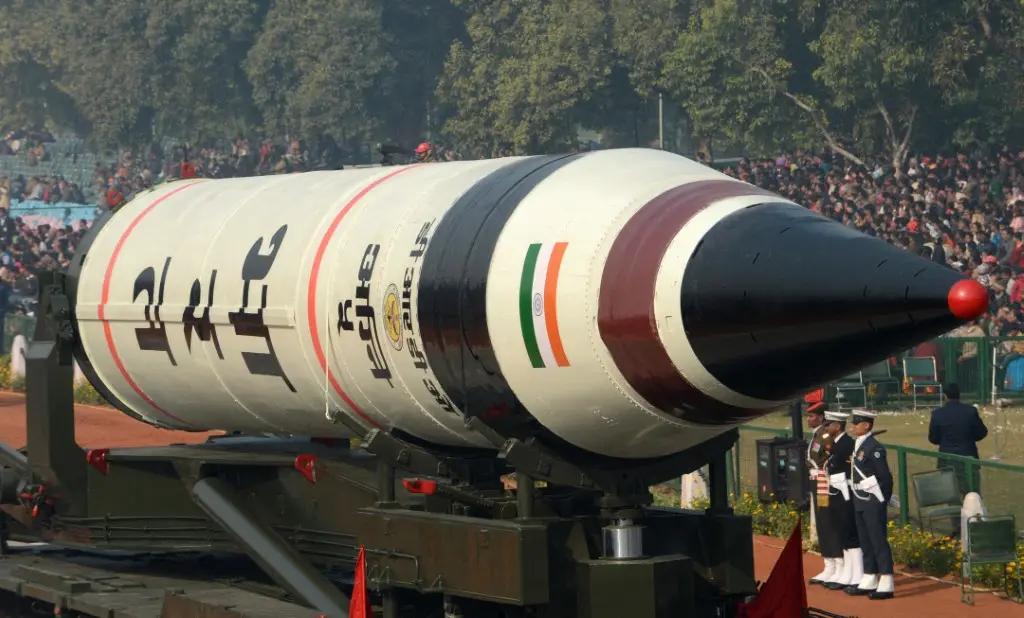
Agni-V: The Intercontinental Breakthrough in 2012
Agni-V marked India's entry into the intercontinental ballistic missile club. First tested on 19 April 2012 from Abdul Kalam Island near Odisha, the missile demonstrated a range exceeding 5,000 kilometres. With a solid-fuel, three-stage design, Agni-V can reach targets across mainland China, parts of Europe, and the Middle East. The canisterised launch system improved survivability and rapid deployment capability. Subsequent tests in September 2013 and later years validated its reliability. Agni-V represented years of DRDO research and established India as an advanced missile-capable nation.
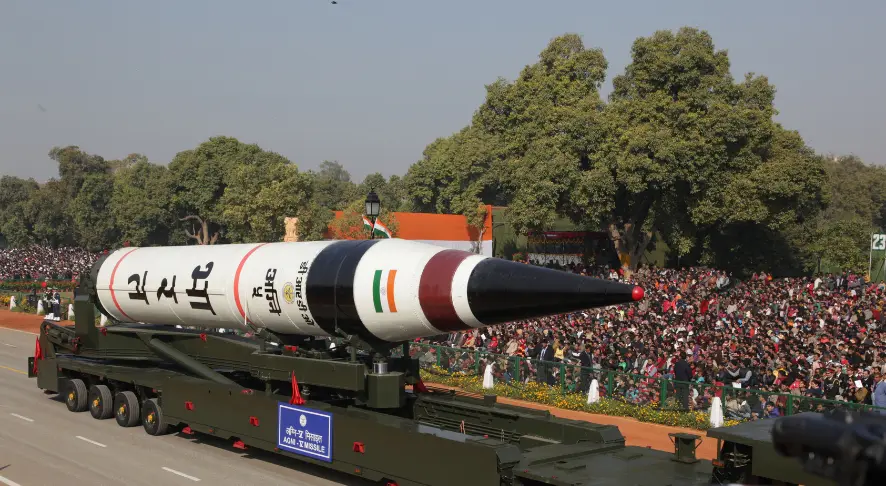
Agni-V Mk-II: Enhanced Capability with Weight Reduction
In 2022, India tested an upgraded variant of Agni-V, often referred to as Mk-II, incorporating lightweight composite materials and advanced subsystems. This improved version reduced overall weight significantly, allowing for extended range beyond 5,000 kilometres with a full payload. The weight reduction achieved through modern materials and efficient design demonstrated India's progress in materials science and engineering. The Mk-II variant validated India's ability to continually upgrade existing systems, maximising capability without developing entirely new platforms. This version further strengthened India's deterrence posture.
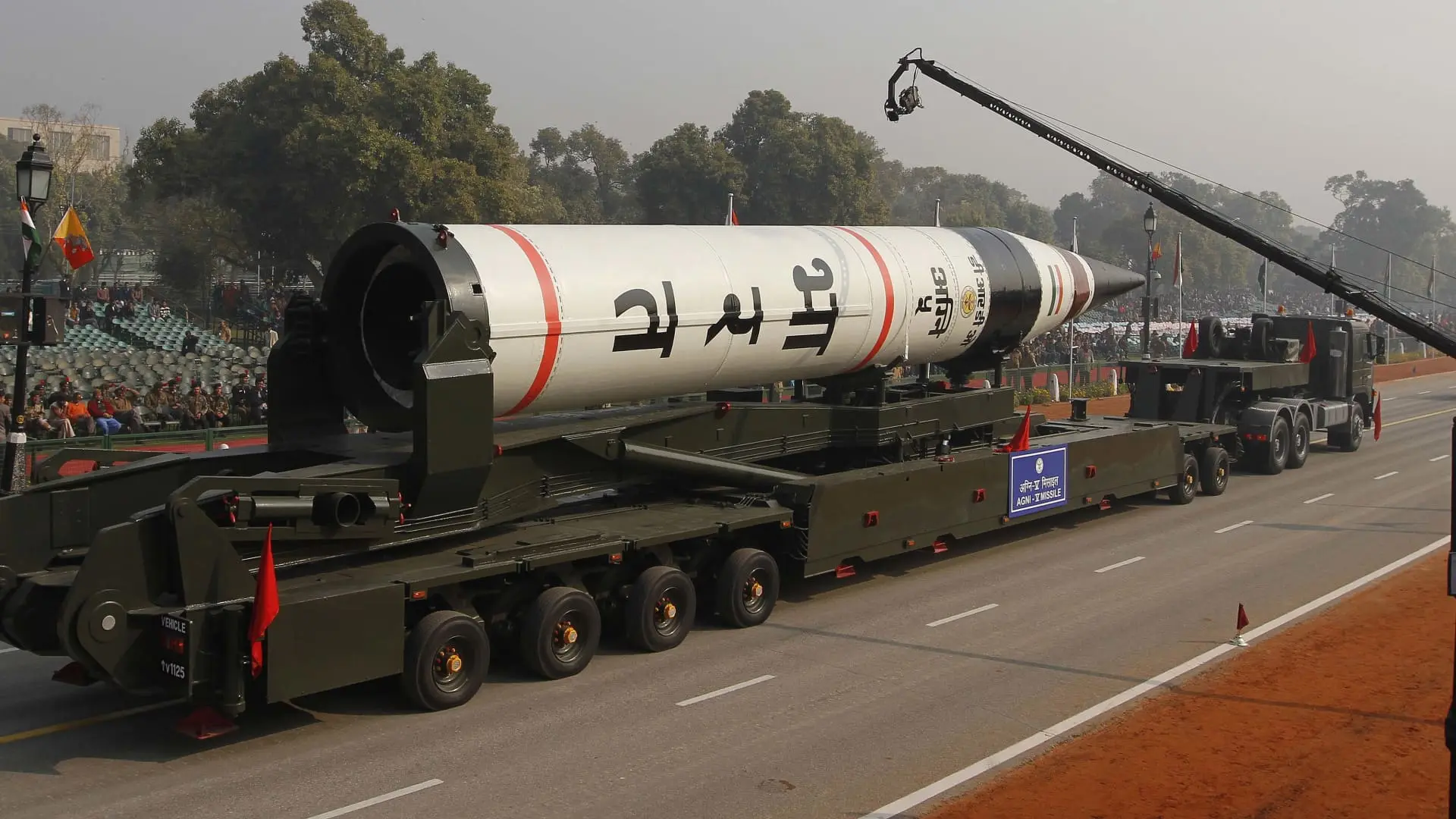
Agni-V MIRV: Completing the Arsenal in 2024
The latest milestone came in March 2024 with the successful test of Agni-V equipped with MIRV (Multiple Independently Targetable Re-entry Vehicle) capability. The test, named Mission Divyastra, demonstrated the deployment of multiple warheads to separate targets, transforming Agni-V's strategic value. This achievement made India the fifth nation to master MIRV technology. The MIRV-equipped Agni-V can now carry multiple independently guided warheads, significantly complicating any adversary's defence planning. This evolution completes India's journey from a basic missile programme to an advanced, multi-faceted strategic deterrent.
)
)
)
)
)