From 9/11 to 26/11: 7 deadliest terror attacks that shook the world

Each event reshaped borders, policies and perceptions, forcing the world to confront the growing reach of extremism in the 21st century.
Introduction — Why these attacks matter
Terrorist attacks of large scale have reshaped policy, law and public life across the world. They differ in motive, method and geography, yet each produced immediate human loss and long-term consequences: changes in security practice, legislation, military responses and international relations. The seven cases below are among the deadliest in modern history; each entry gives the essentials, what happened, who was blamed and one notable aftermath.
1. September 11, 2001 — United States
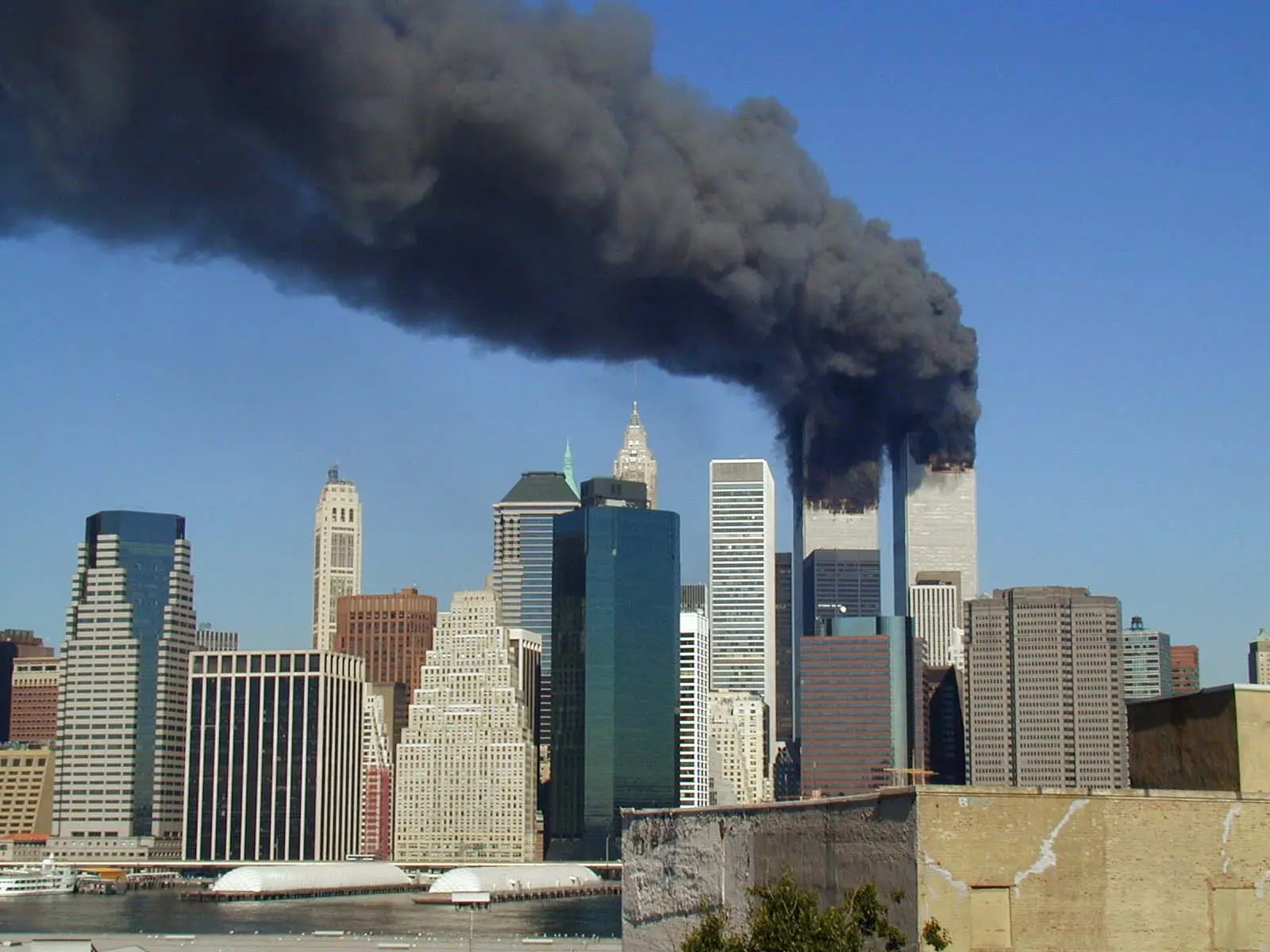
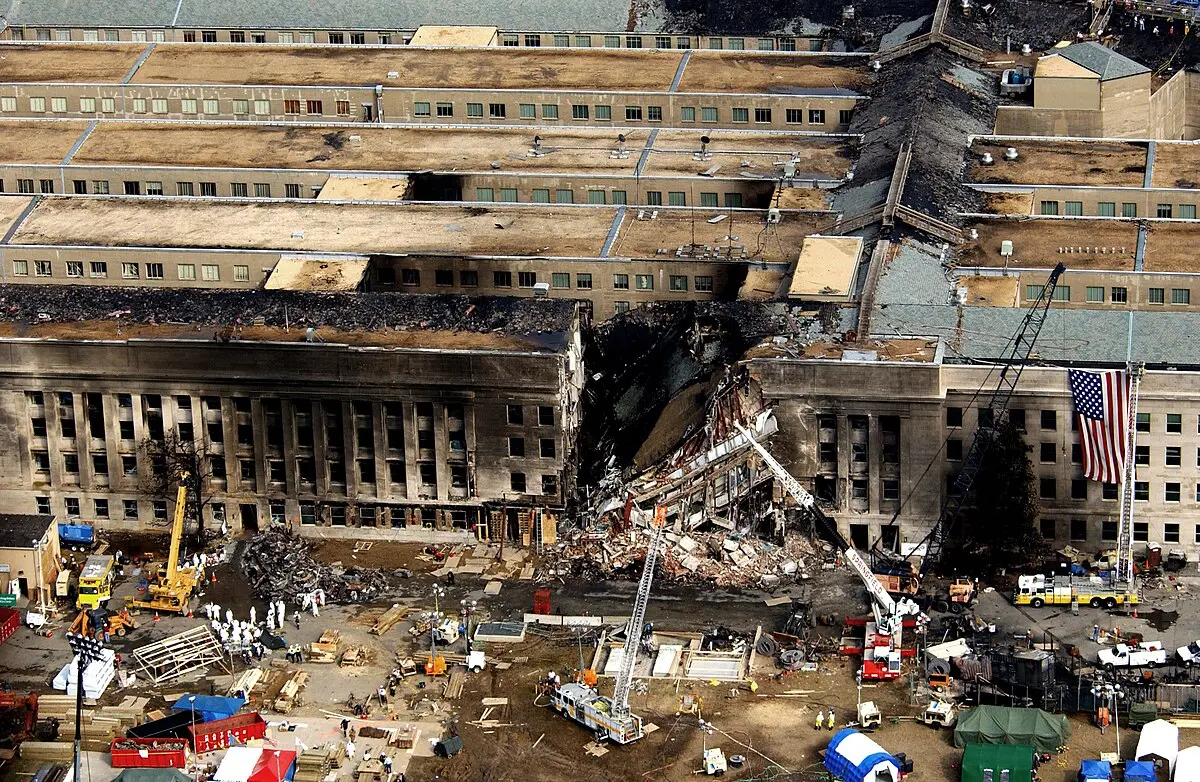
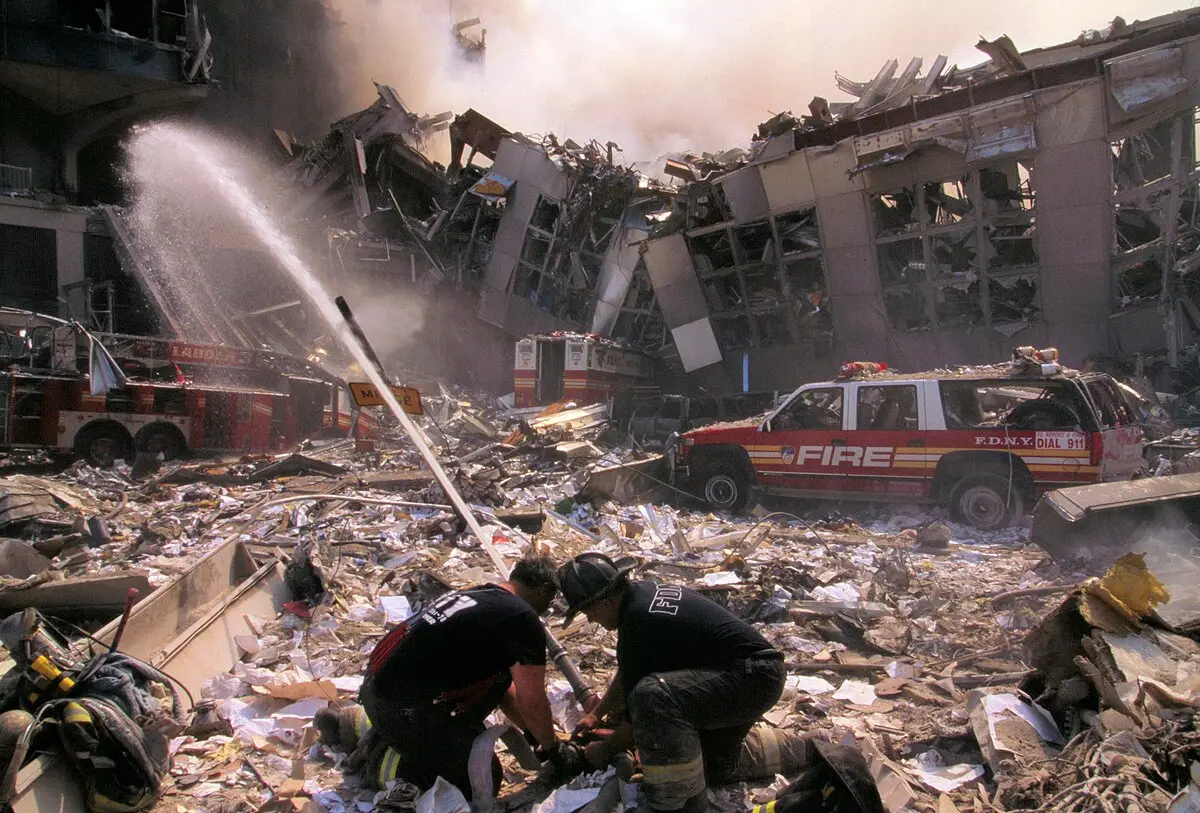
On September 11, 2001, al-Qaeda operatives hijacked four airliners; two struck the World Trade Center towers in New York, one hit the Pentagon and a fourth crashed in Pennsylvania after passengers intervened. Nearly 3,000 people died. The attacks prompted the US invasion of Afghanistan, a global counter-terrorism drive and sweeping changes to aviation security.

2. March 11, 2004 — Madrid, Spain
Coordinated bombs on four commuter trains during the morning rush hour killed 191 people and injured roughly 2,000. An al-Qaeda-inspired cell carried out the attack. The bombings had immediate political repercussions: public anger over the handling of intelligence and the government’s policies affected the outcome of a national election soon afterwards.
3. October 12, 2002 — Bali, Indonesia
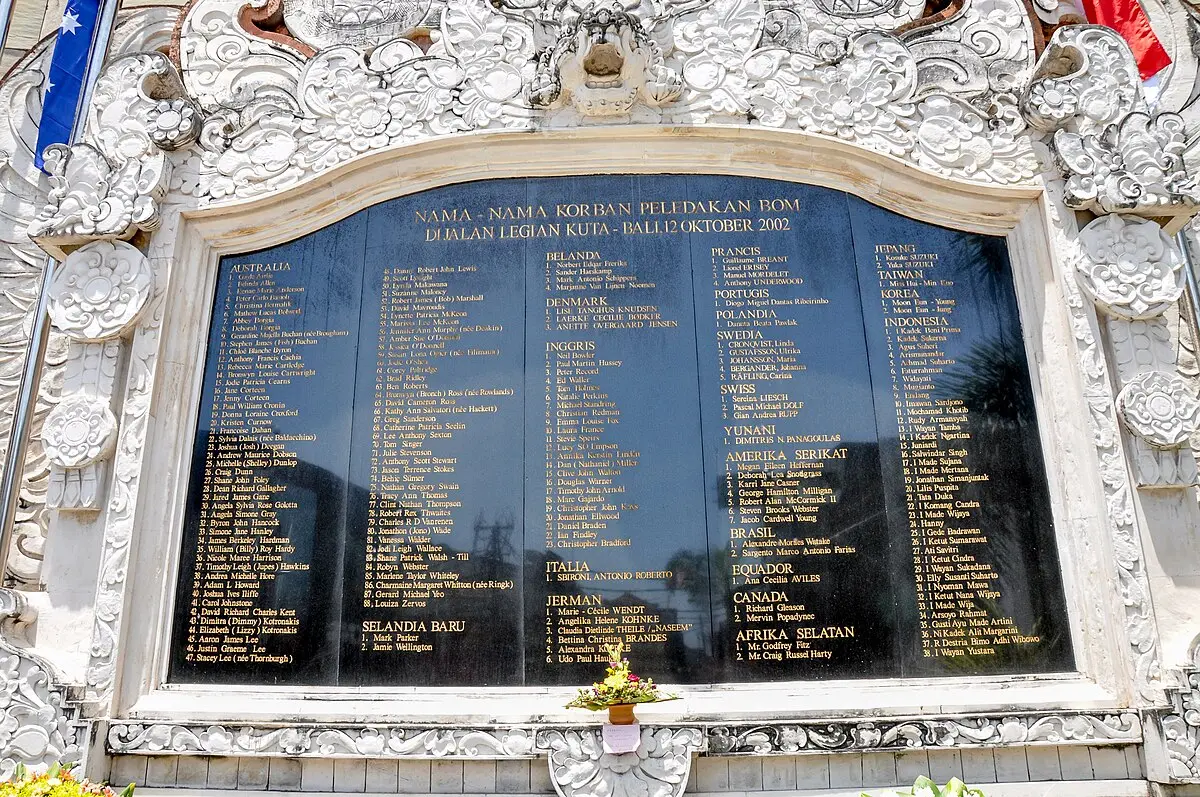
Two near-simultaneous explosions in the Kuta district, a tourist hub, killed 202 people and injured over 300, many of them foreign visitors. The attack was planned by Jemaah Islamiyah, a regional network with links to al-Qaeda. The Bali bombings prompted regional cooperation on counter-terrorism across Southeast Asia.
4. November 26–29, 2008 — Mumbai, India
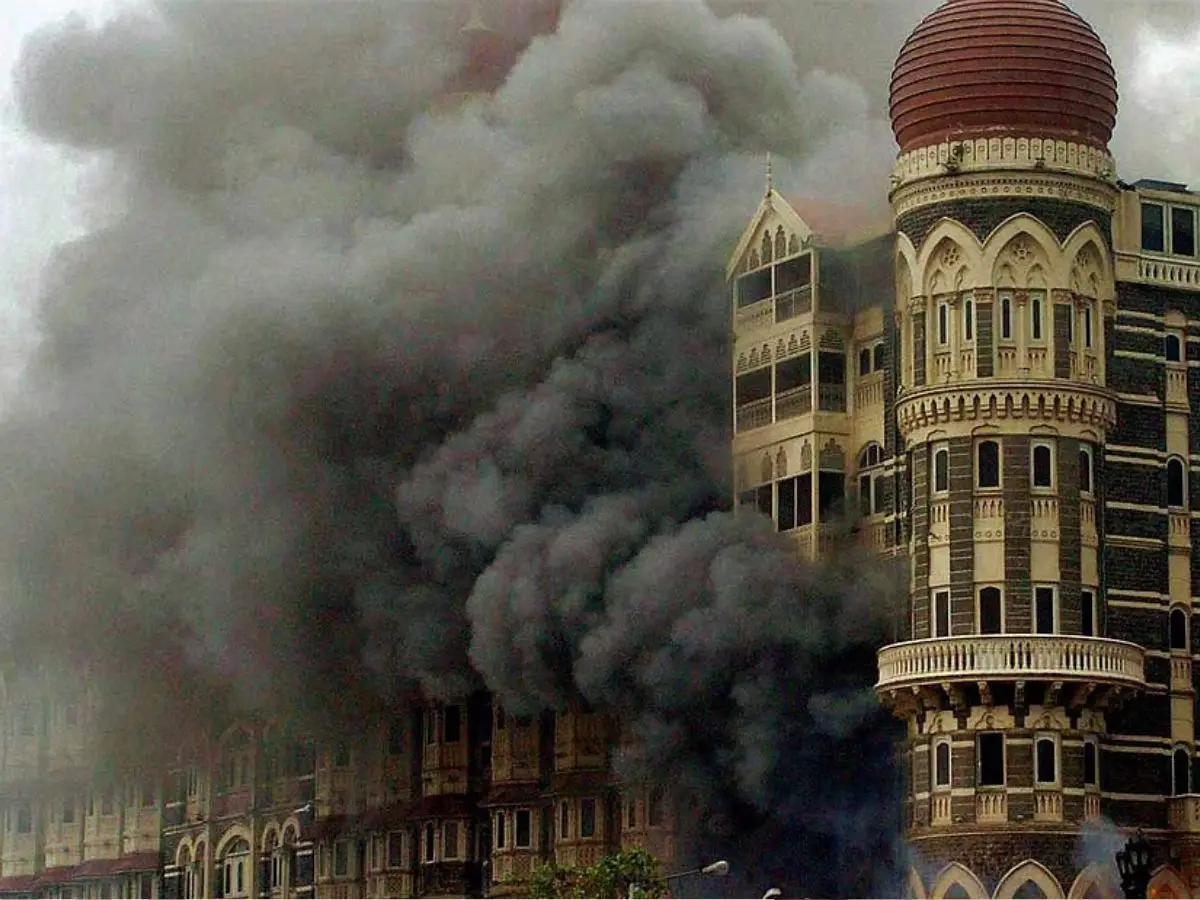
A ten-member team launched coordinated shootings and bombings at hotels, a railway station and a Jewish centre, killing at least 166 people and wounding hundreds. Lashkar-e-Taiba was widely held responsible. The siege exposed gaps in urban counter-terror response and led to reforms in India’s intelligence and rapid-response capabilities.
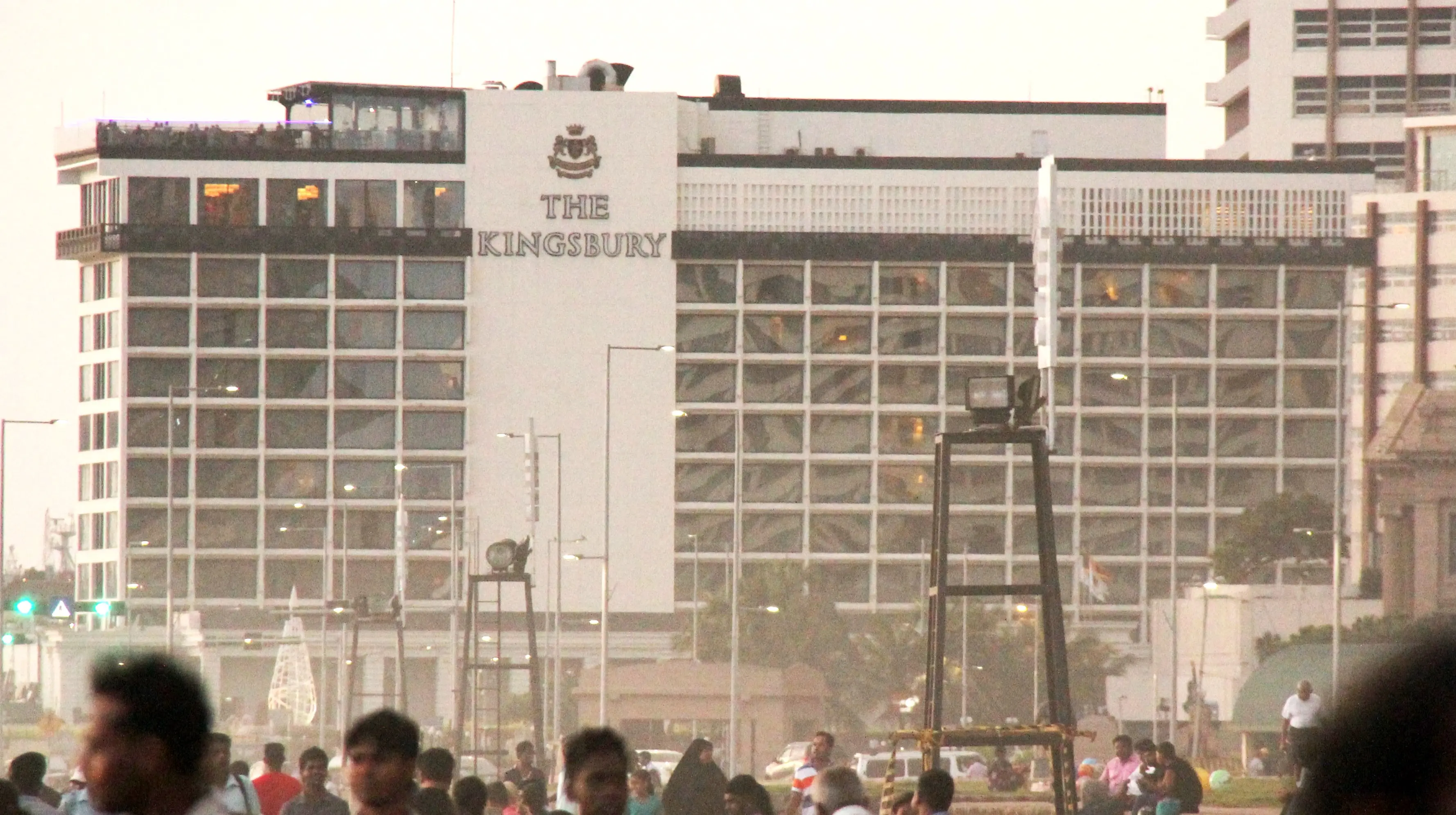
7. April 21, 2019 — Sri lanka (easter sunday bombings)
Coordinated blasts at churches and luxury hotels across Sri Lanka killed around 259 people and injured many more, striking during Easter services. Local militants carried out the attacks; ISIS later claimed responsibility. The attacks spurred debate about intelligence failures and the protection of religious minorities.
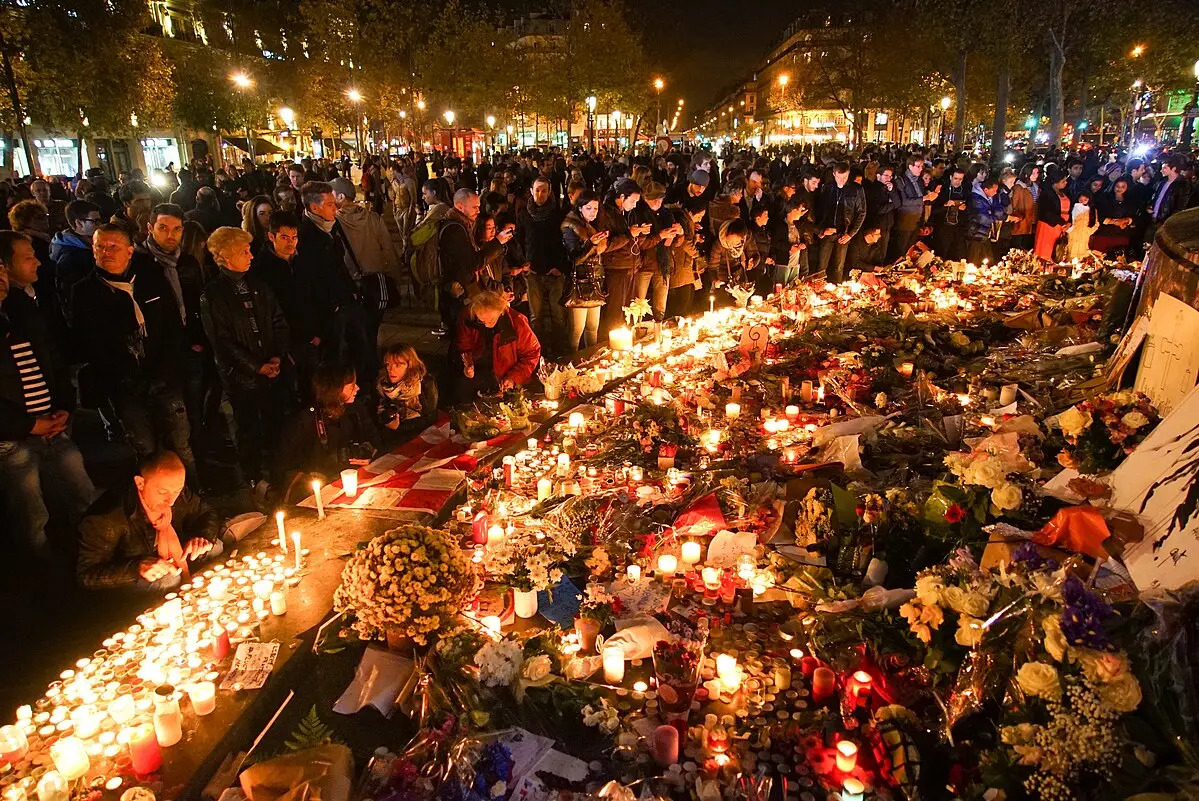
6. November 13, 2015 — Paris, France
A series of shootings and bombings across Paris, notably at the Bataclan theatre and the Stade de France, killed 130 people and injured hundreds. The attacks were claimed by the Islamic State. They prompted intensified European security cooperation and a reassessment of measures against foreign fighters and home-grown extremism.
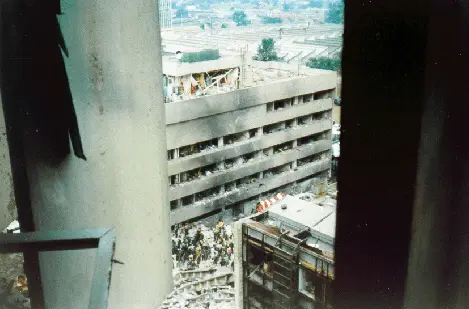
5. August 7, 1998 — US embassies in Kenya and Tanzania
Simultaneous truck-bomb attacks on the US embassies in Nairobi and Dar es Salaam killed more than 200 people and wounded thousands. Al-Qaeda was the principal architect. The bombings were an early indicator of the group’s expanding reach and helped shape subsequent US counter-terror policy.
Responses and legacies
Each of these events left a distinct imprint on national policy and public memory. Beyond the immediate tragedies, they reshaped border controls, emergency response, intelligence cooperation and legal frameworks. Studying them clarifies not only how terrorist violence has evolved, but also how societies respond in order to reduce the risk of repetition.
)
)
)
)
)