From 24,970,000,000 km away, can scientists install AI on 'Voyager' 1 and 2?

Signals from Voyager 1 take nearly 23 hours to reach Earth, while signals from Voyager 2 take about 20 hours. This extreme delay makes real-time control impossible.
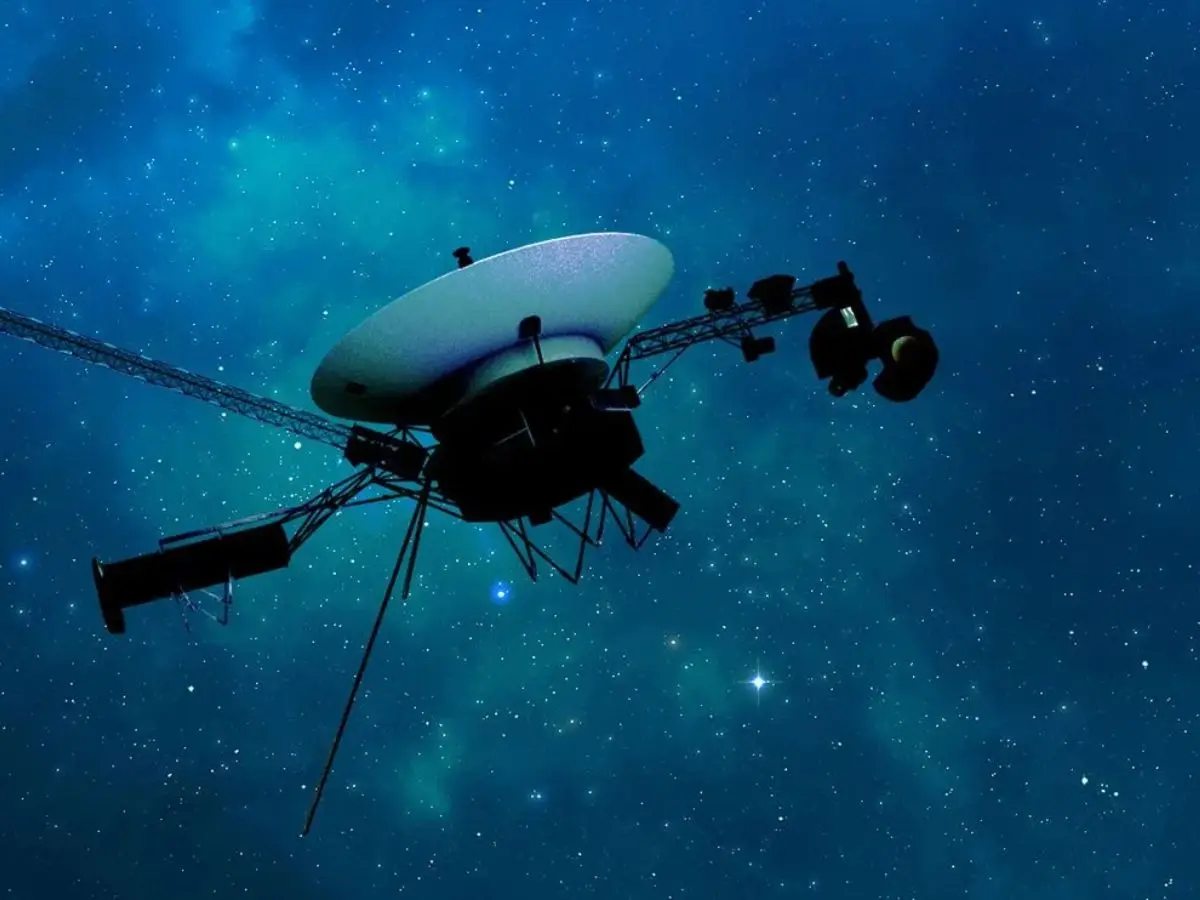
Voyager’s Current Distance
Voyager 1 is roughly 24.97 billion kilometres from Earth, making it the farthest human-made object ever. Voyager 2 trails slightly behind at about 22.7 billion kilometres. Both spacecraft have been travelling through interstellar space for over 45 years, sending back data through NASA’s Deep Space Network.
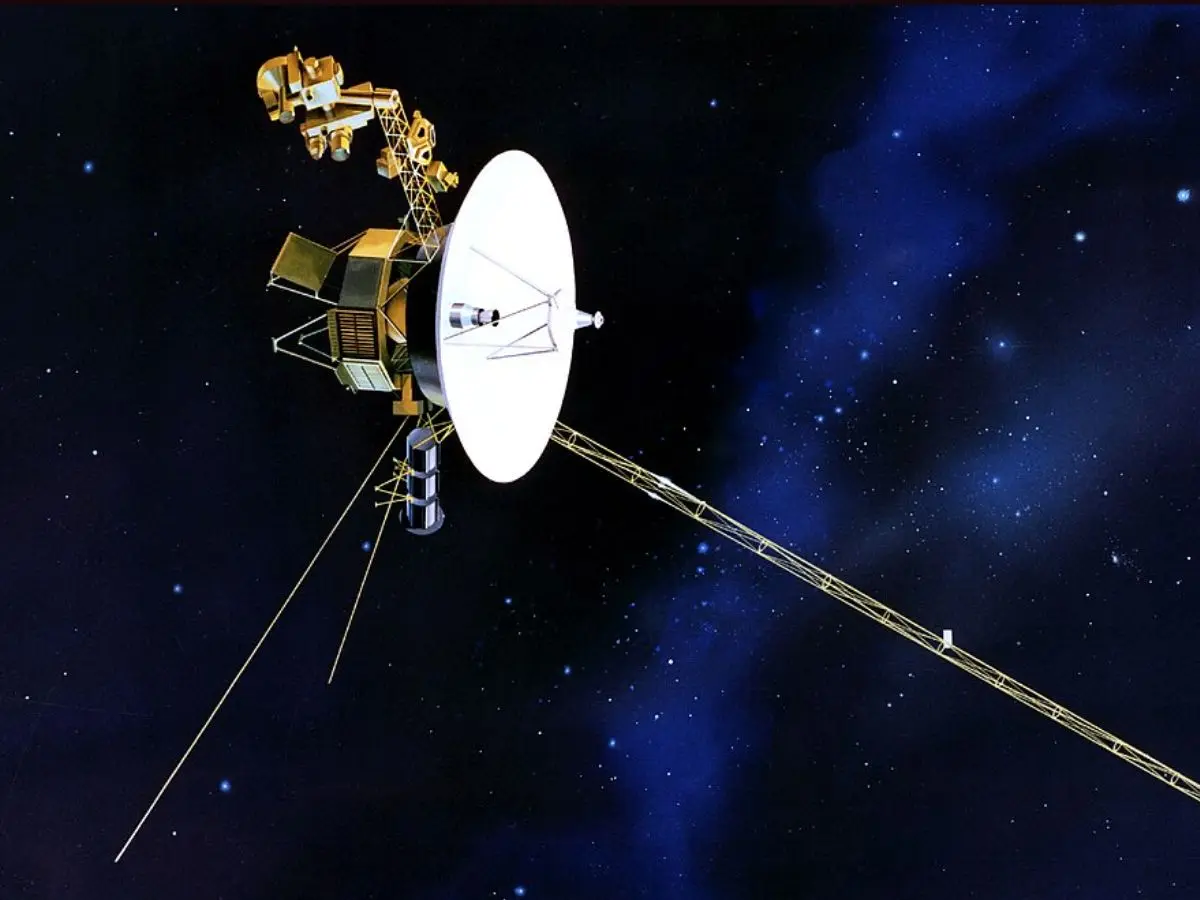
Communication Challenges
Signals from Voyager 1 take nearly 23 hours to reach Earth, while signals from Voyager 2 take about 20 hours. This extreme delay makes real-time control impossible. Any attempt to remotely install AI would face an unprecedented latency, meaning commands could take almost a full day to be acknowledged.
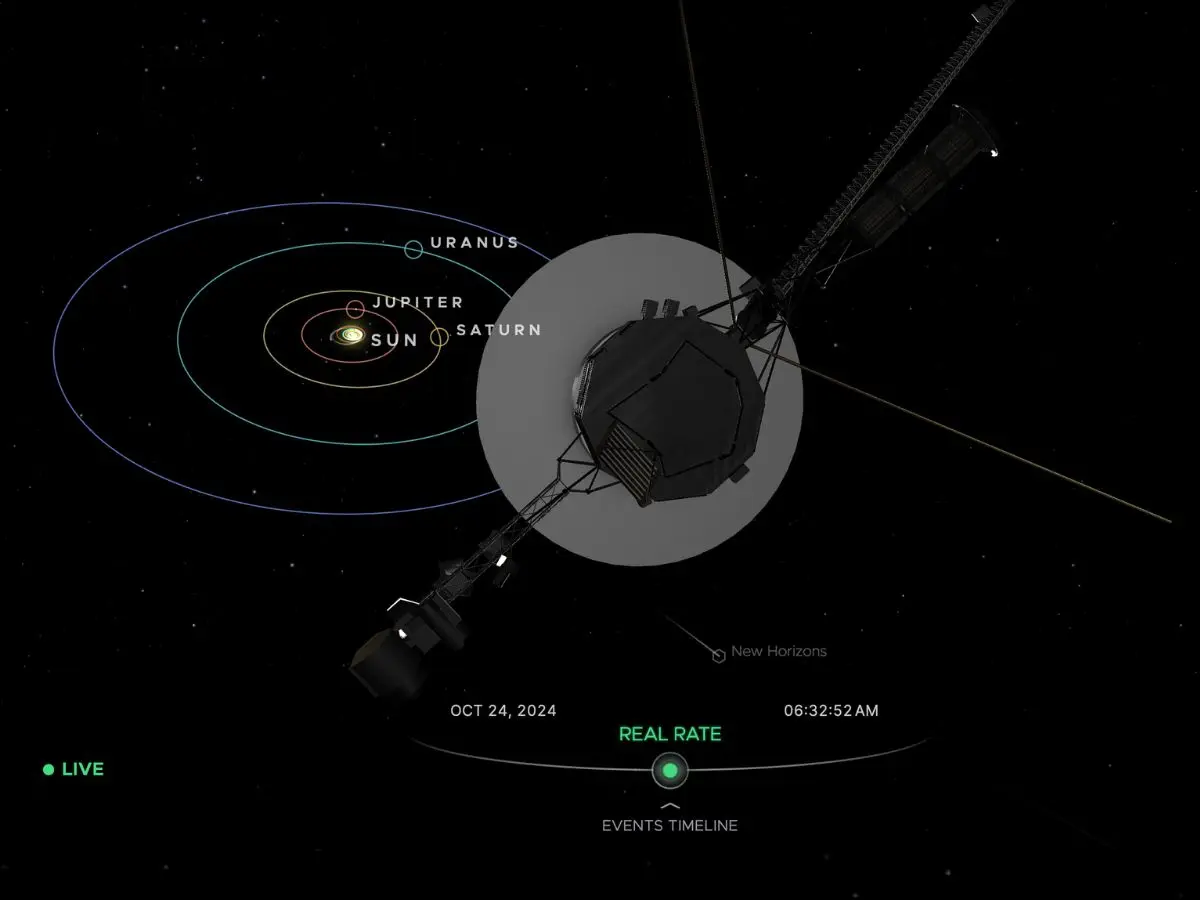
Limited Power Supply
Both Voyagers are powered by radioisotope thermoelectric generators (RTGs). Their energy output is gradually decreasing. Installing AI systems would require additional computing power, which is far beyond the energy capacity left on the spacecraft.
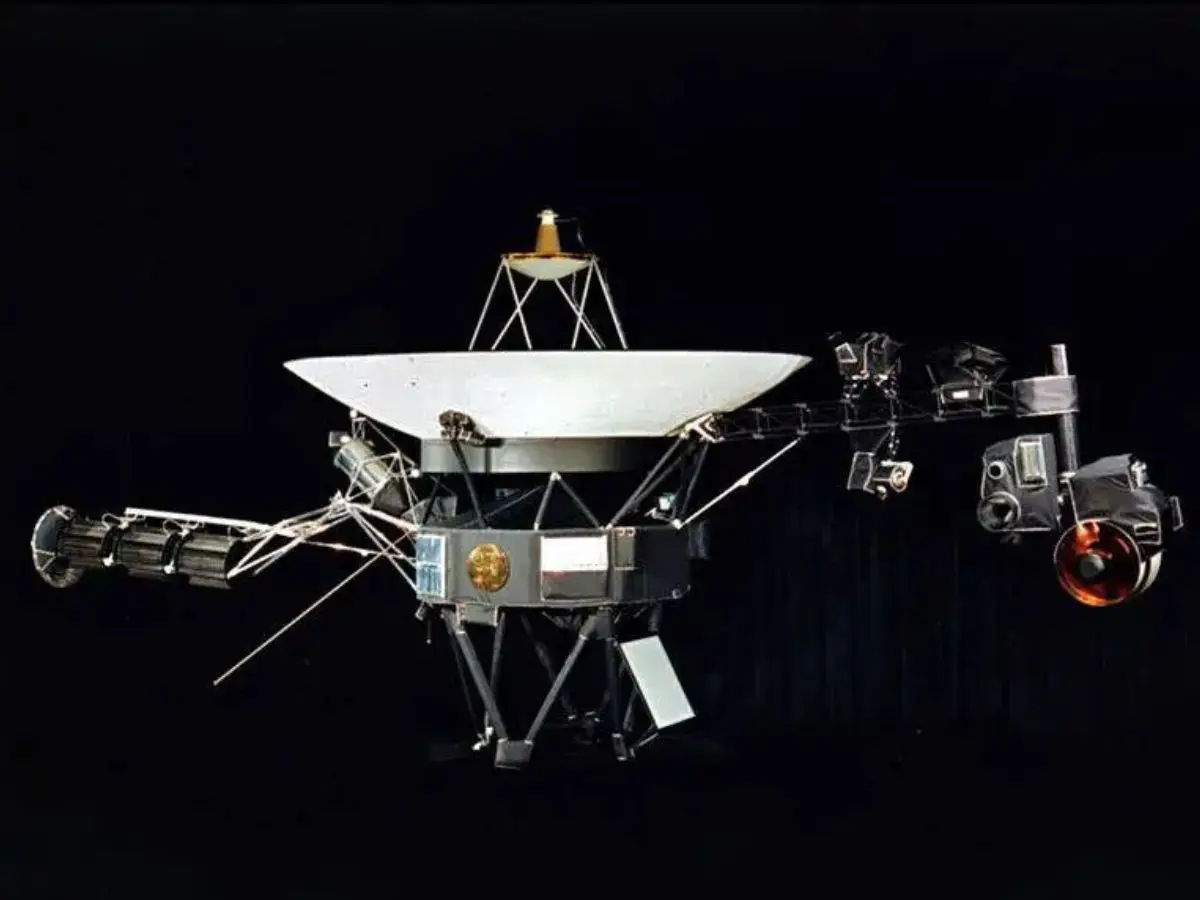
Outdated Hardware
Voyager 1 and 2 were launched in 1977 with technology from the 1970s. Their computers have only 69.63 kB of memory and run on primitive programming languages. Modern AI systems require gigabytes or terabytes of memory, making it impossible to run sophisticated algorithms on-board.
No Physical Access
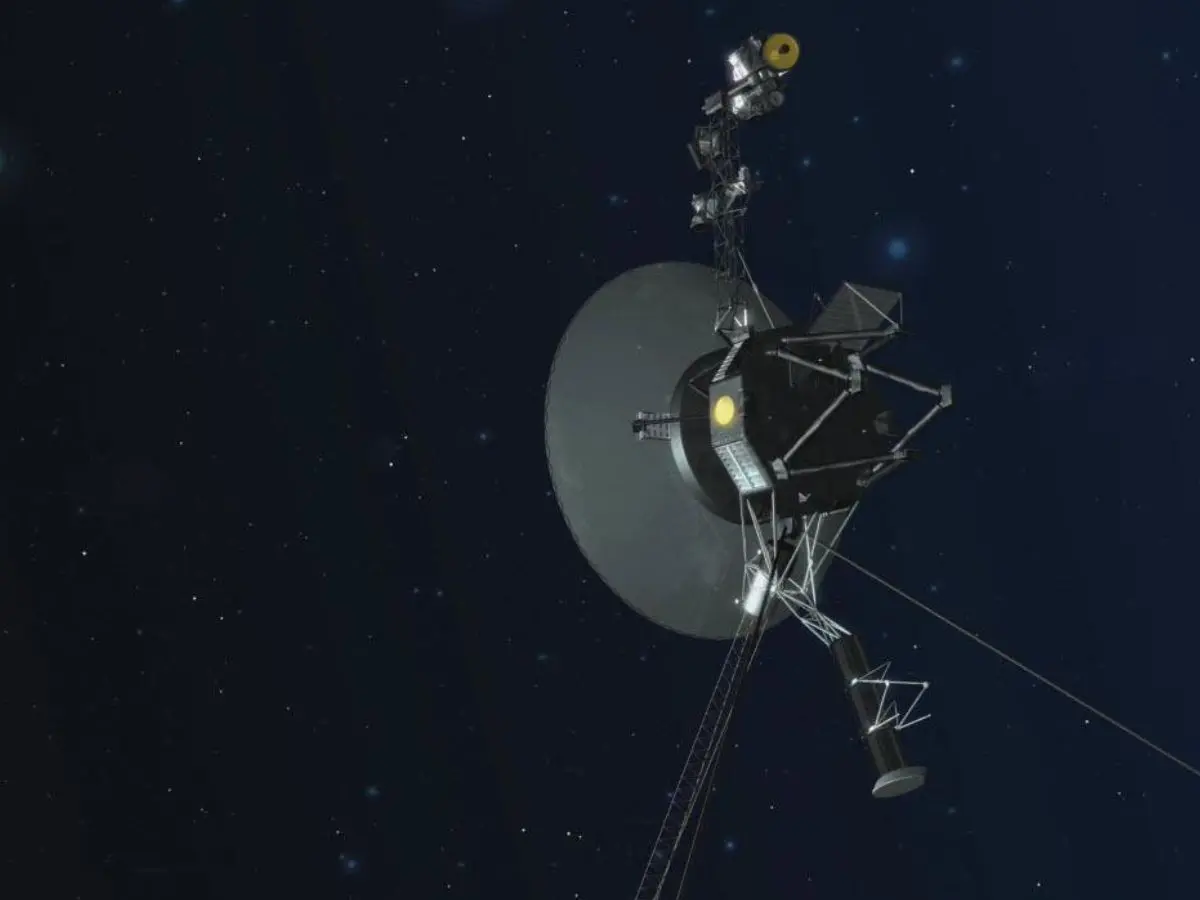
Unlike satellites in low Earth orbit, there’s no way to physically upgrade Voyager. Sending a repair mission or attaching new hardware would take decades, if not centuries, making direct AI installation infeasible.
What Could Be Done Instead
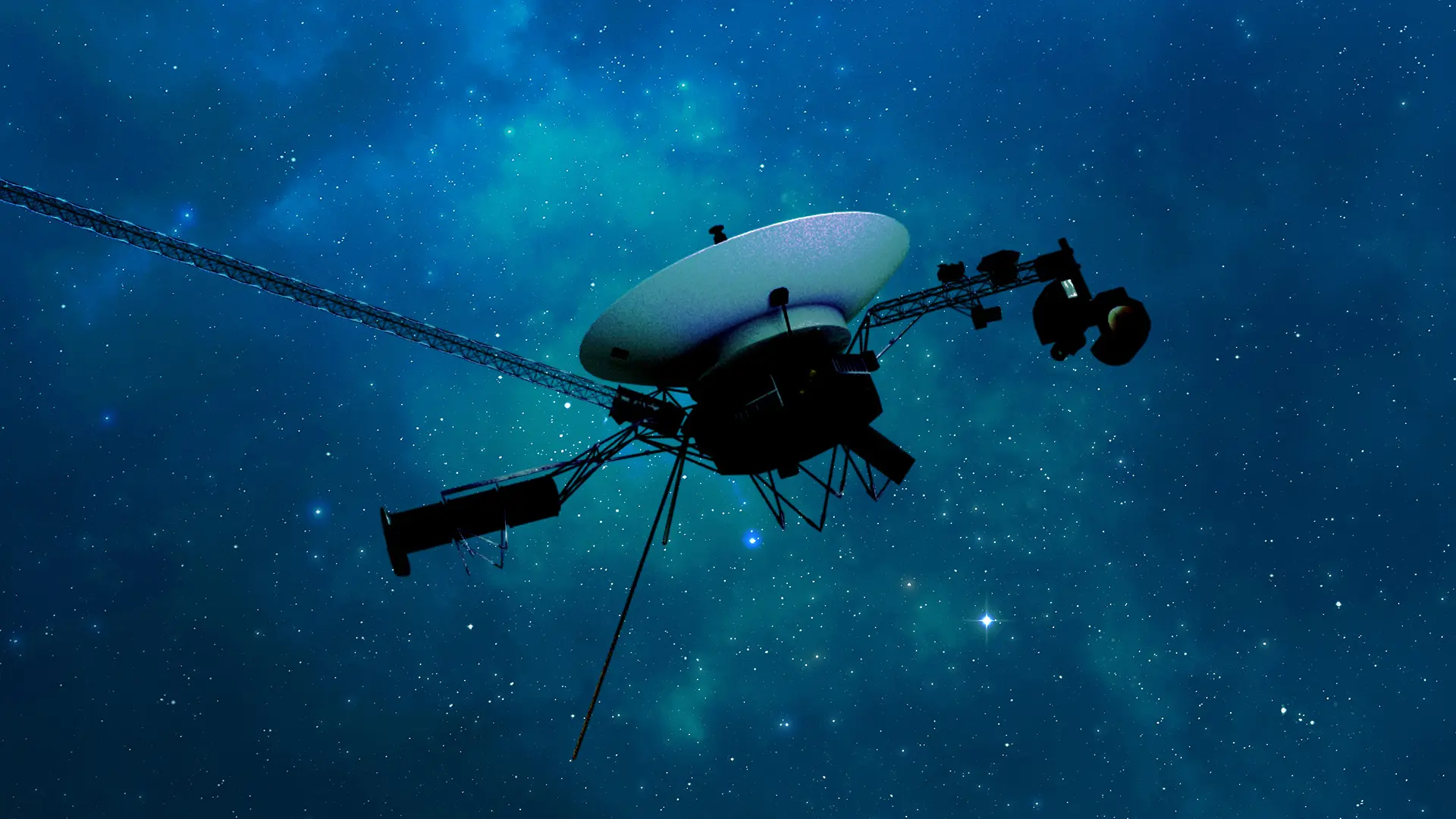
Scientists could simulate AI on Earth, using Voyager data to predict its behaviour or analyse interstellar signals more effectively. Another option is designing future spacecraft pre-equipped with AI, capable of autonomously exploring deep space.
Conclusion
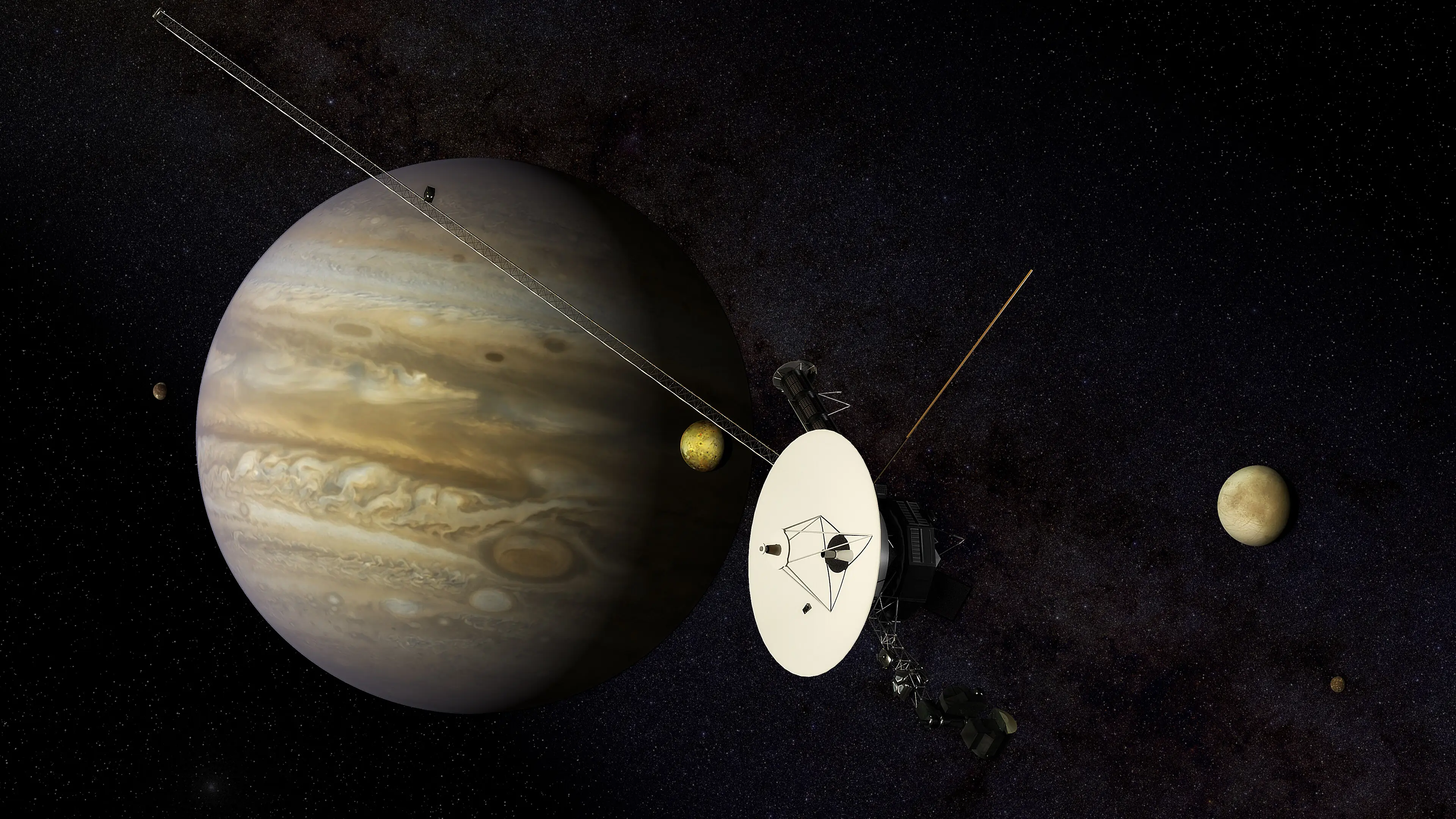
While the idea of giving Voyager 1 or 2 AI is fascinating, the distance, power limits, outdated hardware, and lack of physical access make it impossible. Voyager will continue its mission as a pioneer of human interstellar exploration, sending raw data to Earth for decades to come.
)
)
)
)
)