From 2001 royal massacre to Gen-Z protests: Nepal’s dark history of political unrest

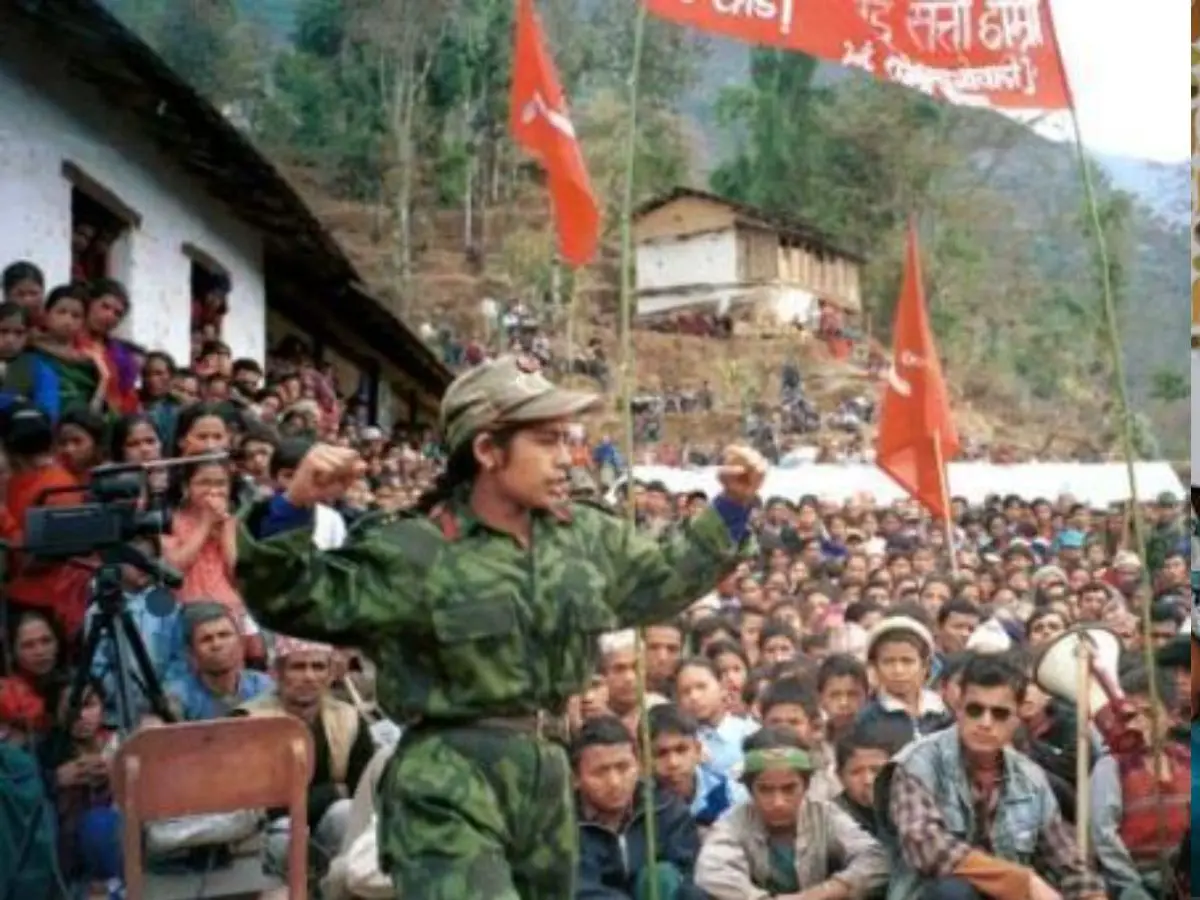
In 1996, the Communist Party of Nepal (Maoist) launched an armed insurgency aimed at overthrowing the monarchy and establishing a people's republic.
Nepal Protests: A Historical Look at Decades of Political Unrest
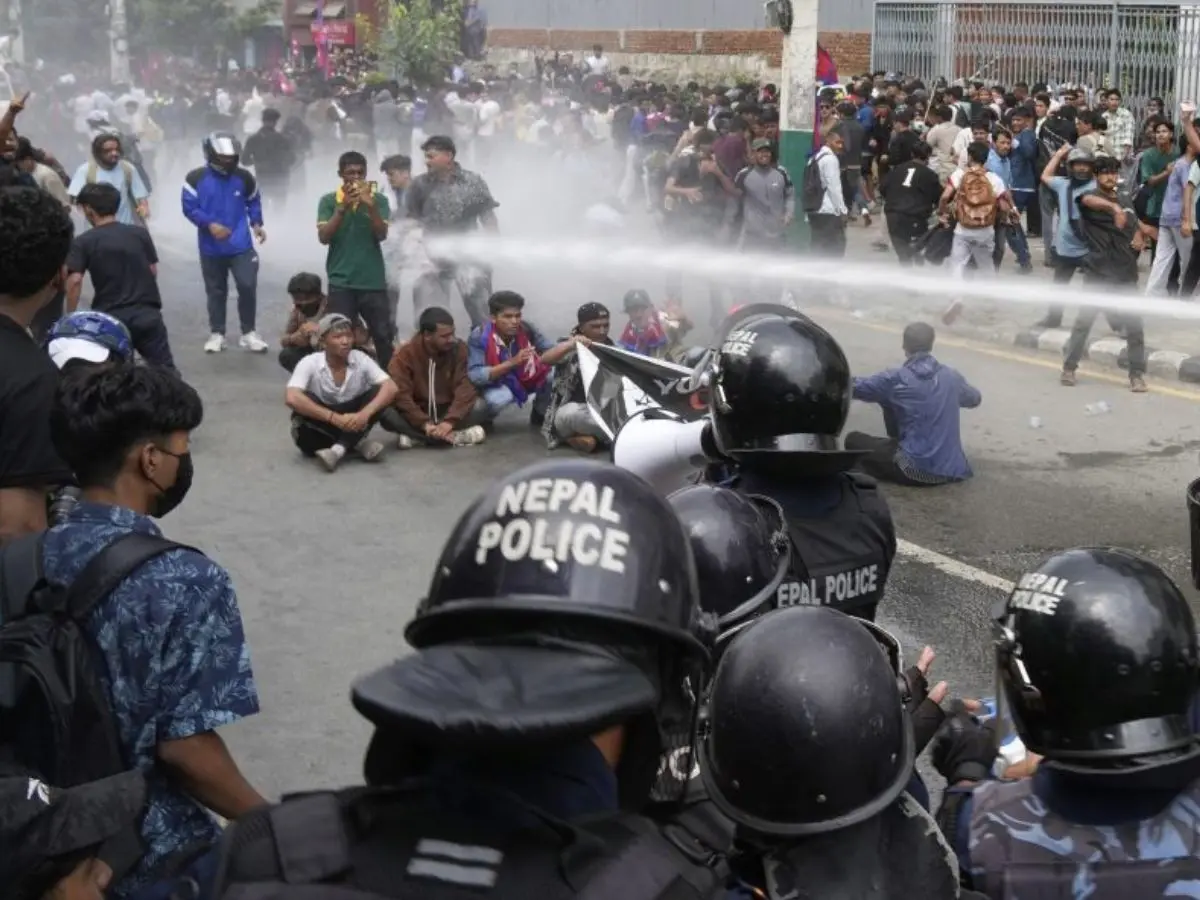
Nepal is once again in turmoil. What began as a youth-led protest against a government-imposed social media ban has escalated into a nationwide uprising, leading to the resignation of Prime Minister KP Sharma Oli and the torching of government buildings. This recent unrest is the latest chapter in Nepal's long history of political instability.
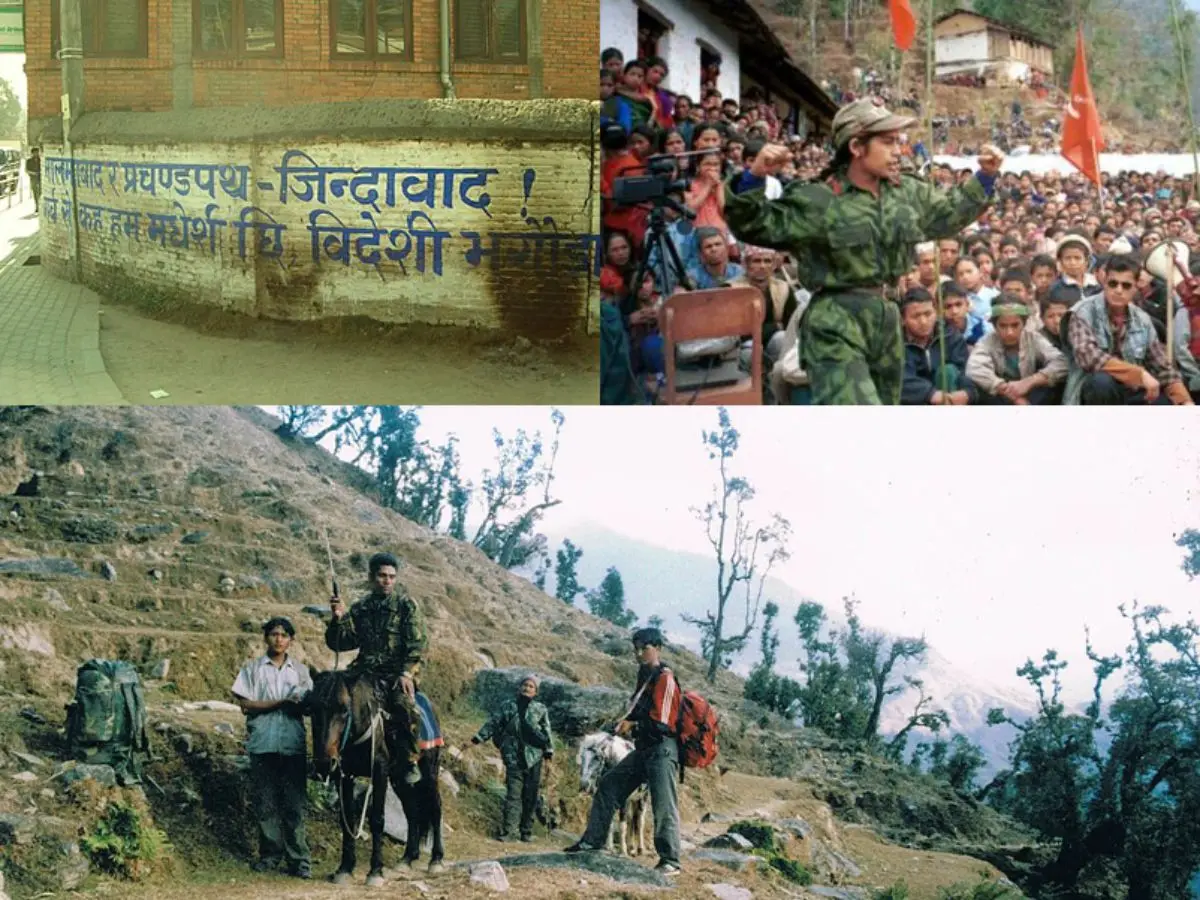
The Maoist Insurgency: A Decade of Conflict
In 1996, the Communist Party of Nepal (Maoist) launched an armed insurgency aimed at overthrowing the monarchy and establishing a people's republic. The conflict, known as the Maoist Insurgency, lasted for a decade and resulted in over 17,000 deaths. The insurgency culminated in the signing of the Comprehensive Peace Accord in 2006, leading to the abolition of the monarchy and the establishment of a federal democratic republic.
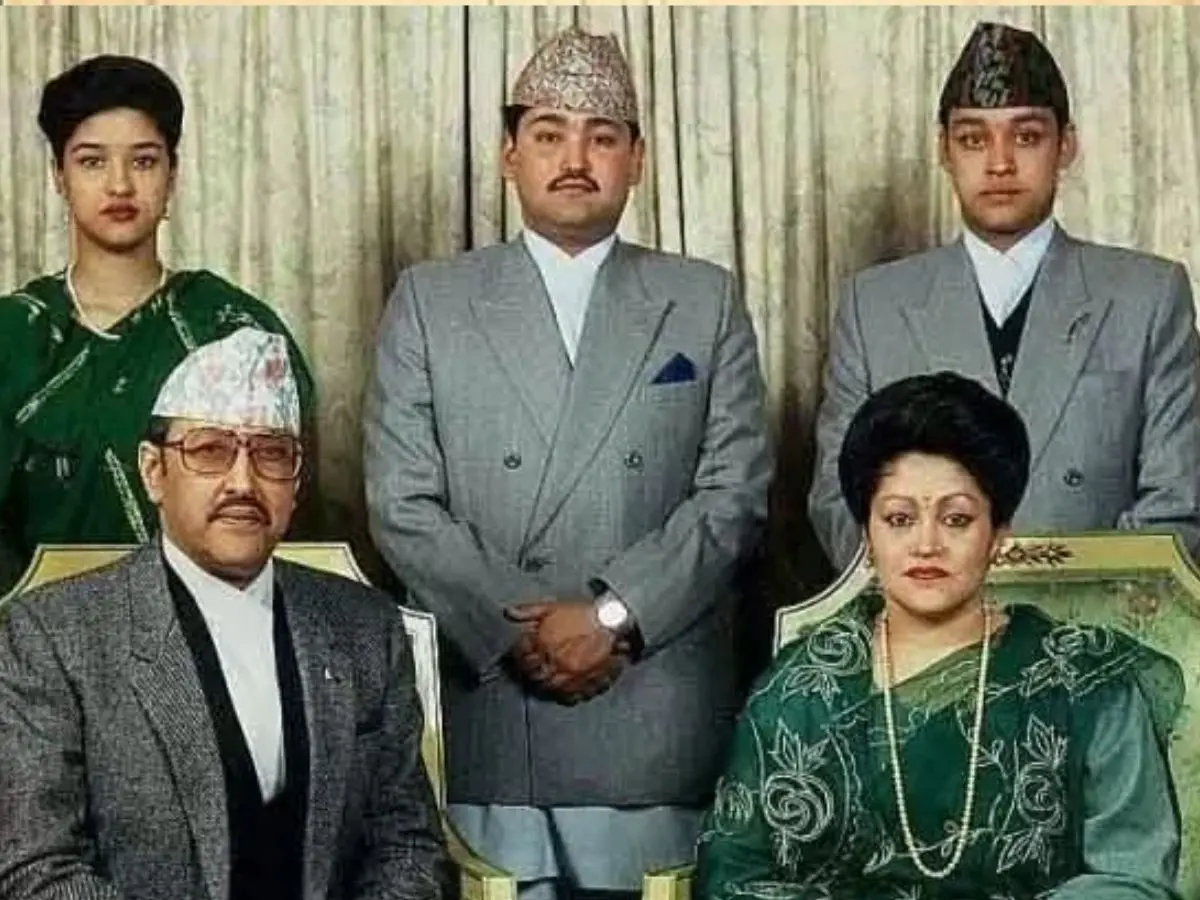
The 2001 Royal Massacre: Shock and Uncertainty
In June 2001, Nepal was thrown into grief and political uncertainty when Crown Prince Dipendra allegedly killed nine members of the royal family, including King Birendra and Queen Aishwarya, before turning the gun on himself. King Gyanendra ascended the throne amid widespread suspicion and conspiracy theories, with many Nepalis questioning the official account. This massacre destabilised the monarchy, eroded public trust, and indirectly set the stage for the Maoist insurgency and subsequent democratic movements.
The People's Movement of 2006
In 2006, widespread protests, known as the People's Movement, forced King Gyanendra to relinquish his absolute power and restore parliamentary democracy. This movement marked a significant turning point in Nepal's political history, leading to the drafting of a new constitution in 2015 and the establishment of a federal democratic republic.
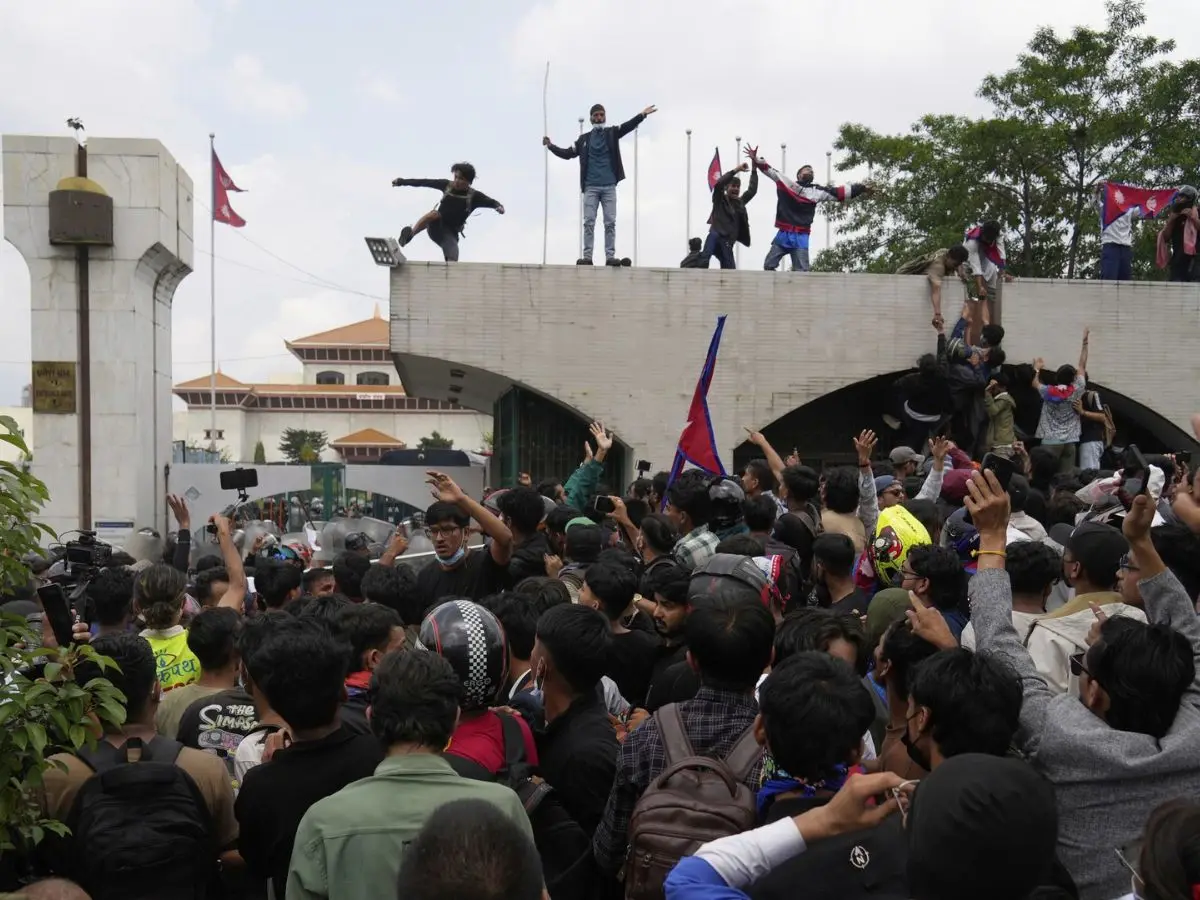
The Gen Z Uprising of 2025
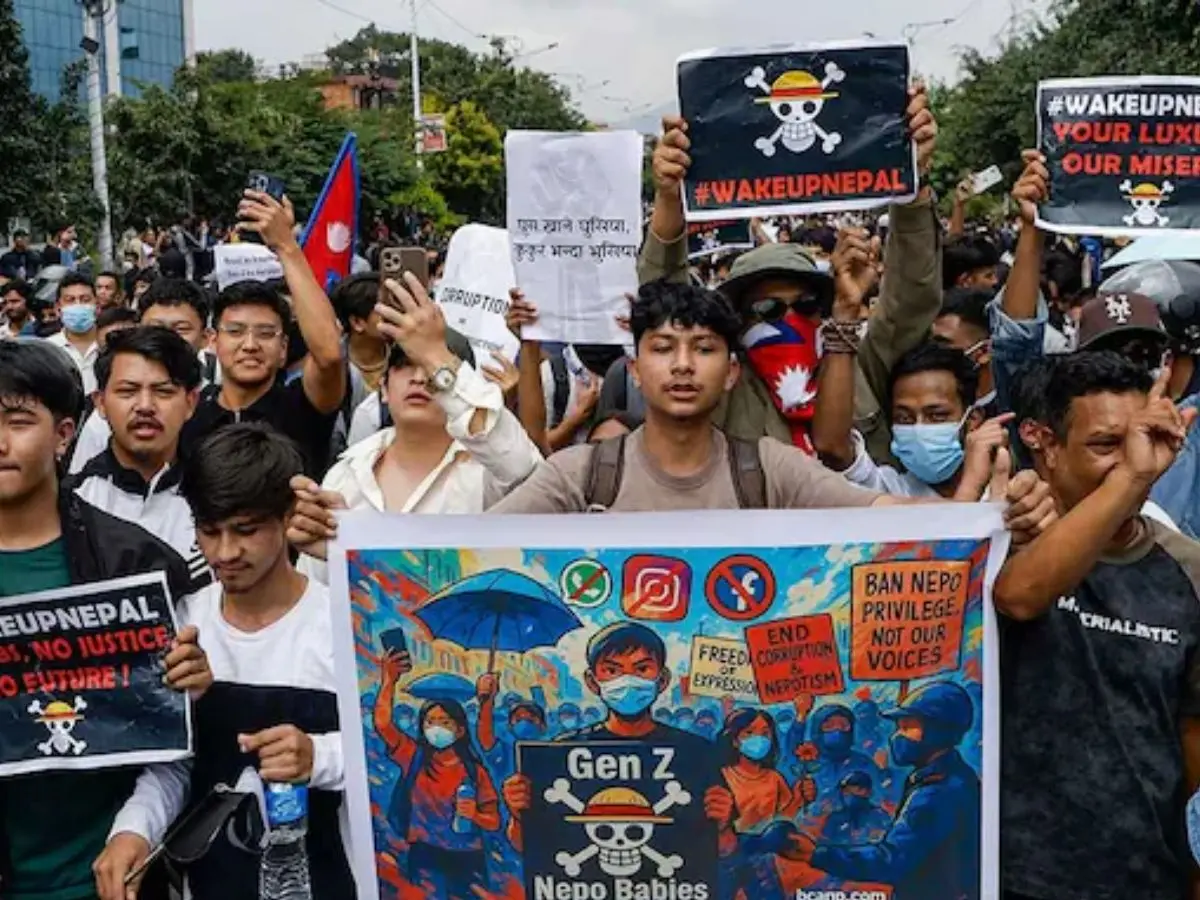
The most recent wave of unrest began in early September 2025 when the government imposed a ban on 26 major social media platforms, citing the need to curb alleged misinformation. The ban sparked outrage among the youth, who viewed it as an infringement on their freedom of expression. Protests erupted across the country, with demonstrators demanding the restoration of social media access and an end to government corruption.
The protests turned violent when police opened fire on demonstrators, resulting in at least 30 deaths till date and over 1,000 injuries. In response, the Nepali Army was deployed, and a nationwide curfew was imposed. Despite these measures, protests continued, leading to the resignation of Prime Minister Oli and the torching of several hotels and government buildings, including the Parliament.
A Nation in Crisis
The recent unrest has plunged Nepal into a state of crisis. Over 13,500 prisoners escaped from jails during the protests, turning the uprising into the country's worst internal security crisis in decades. These prisoners and looters stormed the mansion of a billionaire. The economy has been severely affected, with businesses shuttered and tourism halted due to the closure of Kathmandu's Tribhuvan International Airport.
The international community has expressed concern over the situation, with neighboring India coordinating evacuations of its citizens.